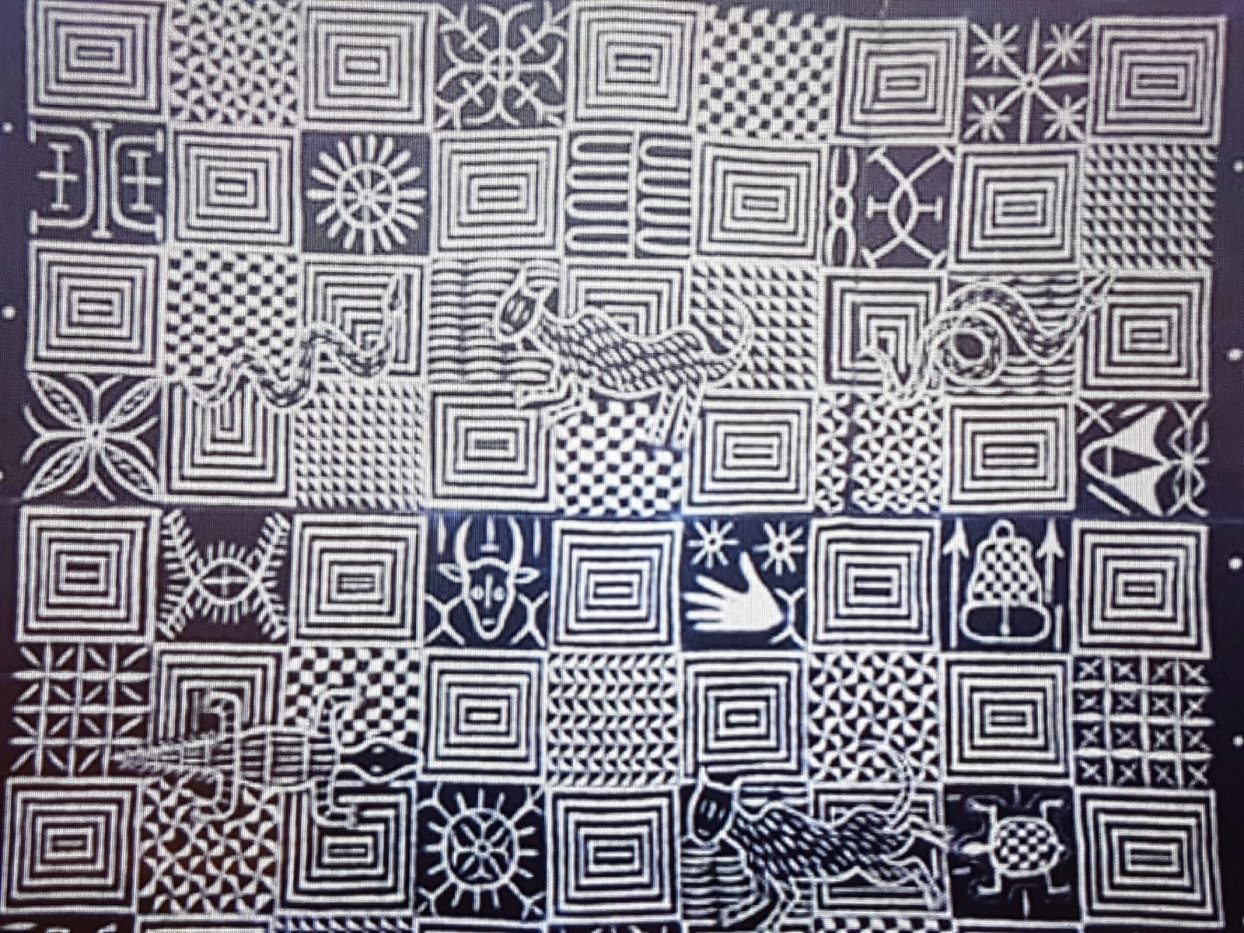

“NSIBIDI: THE TIMELESS SCRIPT OF THE EJAGHAM — IDENTITY, HERITAGE, AND GLOBAL LEGACY”
BY
SANDY OJANG ONOR
Introduction
Long before the ink of colonial chroniclers or the shapes of European alphabets crossed the seas into southeastern Nigeria, the Ejagham people of the Cross River basin had already developed a luminous tradition of writing. Known as Nsibidi, this intricate ideographic script—woven from symbols as fluid as thought itself—was more than a means of communication; it was a living archive of law, diplomacy, authority, and romance. Guarded within the secrecy of the Mgbe society — referred to by the Efik of Calabar as Ekpe society, Nsibidi embodied a system of knowledge whose origins, veiled in antiquity, reveal an unmatched intellectual sophistication that demands a reexamination of Africa’s literary history.
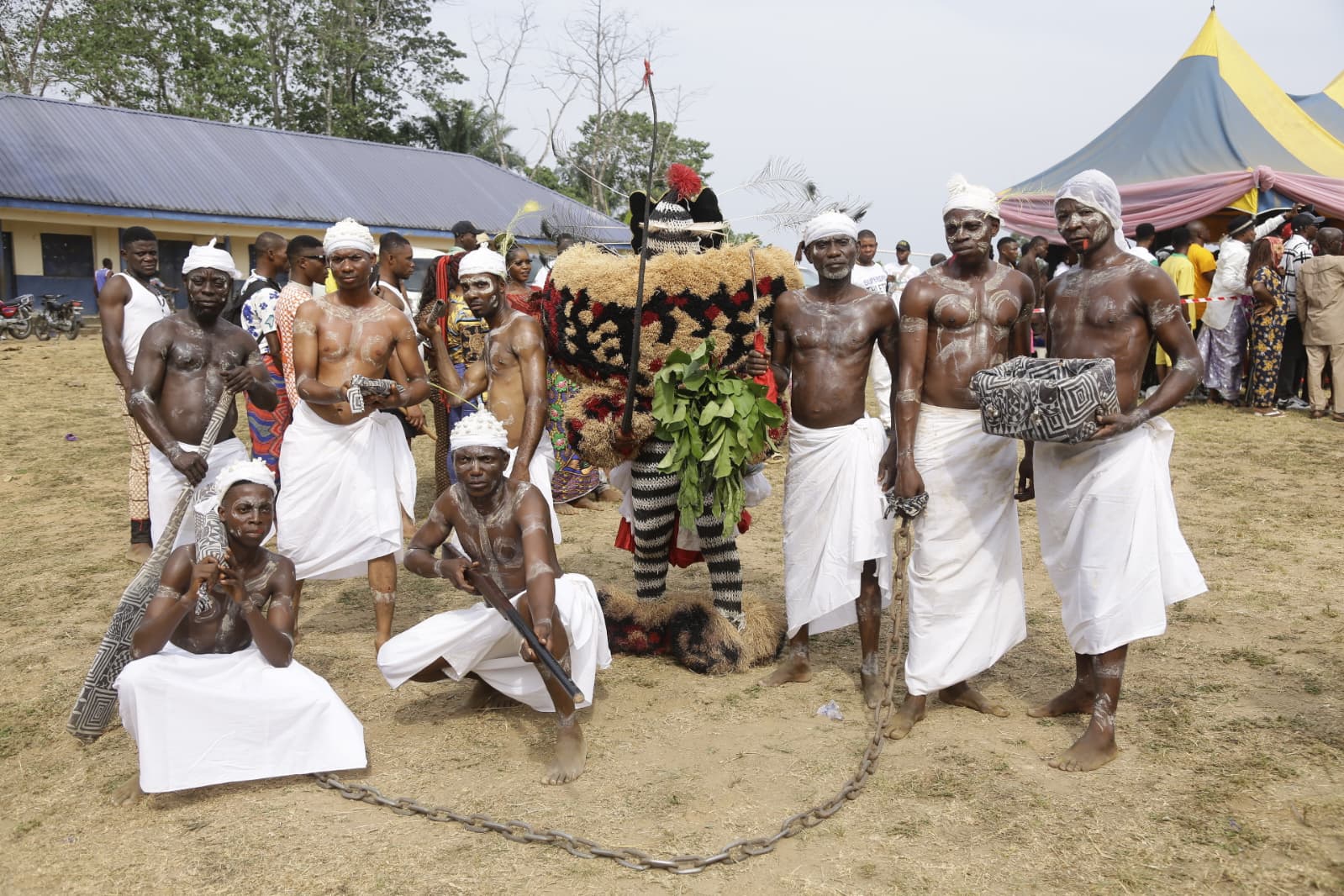
Among the world’s cultural and literary traditions, few capture with such depth and precision the identity, memory, and worldview of a people as Nsibidi does for the Ejagham. For the Ejagham, Nsibidi stands as a profound testament to ingenuity, aesthetic refinement, and civilizational contribution — a heritage that enriches not only African culture but the broader intellectual history of humankind. Often described as a “silent language of symbols,” Nsibidi is expressed through an elaborate code encompassing recitation, instrumental rhythms, gestures, hieroglyphic-like drawings, colours, dance, and other ritual signs. Accessible essentially, only to initiates of Mgbe (Ekpe) society, each form carries layers of meaning deeply rooted in centuries of tradition.
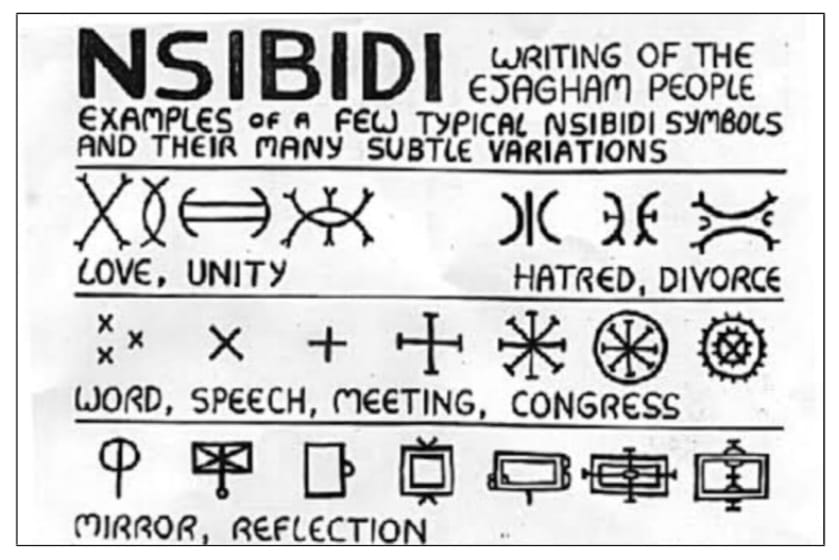
The beauty and mystery of Nsibidi has drawn global fascination, from the Cross River region to the Cuban Abakuá tradition, where visual symbols known as firmas or gando mirror their ancestral Ejagham counterparts; even when its true origin has often been obscured or misattributed. Early ethnographic, anthropological and historical works nevertheless, leave no room for any doubt. J. K. Macgregor, the British colonial officer of the early 20th century, unequivocally traced Nsibidi to the Ejagham. Gwilym I. Jones meticulously documented its social contexts and visual complexity, while Percy Amaury Talbot who characterized it as “a kind of primitive secret writing” affirmed its Ejagham roots in unambiguous terms.
This paper situates Nsibidi firmly within its rightful historical and cultural context — as the timeless script of the Ejagham — tracing its genesis, its diffusion to neighboring Cross River communities and beyond, and its sustained resonance throughout the African diaspora. It calls upon all who have inherited or adapted Nsibidi to honour its Ejagham creators, acknowledge this legacy with integrity, and celebrate it as a monument to African intellectual brilliance, cultural sovereignty, and global legacy.
Nsibidi: Origins, Ownership, and Significance in Ejagham Society
In the deep rainforests stretching across southeastern Nigeria and southwestern Cameroon lies the ancestral homeland of the Ejagham nation, a people whose intellectual heritage is as rich as the land they inhabit. Long before the arrival of the Europeans, the Ejagham had developed Nsibidi—an ideographic script of remarkable elegance and complexity. Far more than decorative marks, these symbols encoded laws, customs, emotions, and memories in a visual language that transcended the spoken word. Here was literacy without an alphabet, a communicative technology conceived and perfected wholly within Africa, and a testament to the ingenuity of a people who understood that meaning could be inscribed as well as spoken.
Historical, ethnographic, and oral traditions converge with remarkable unanimity to affirm the Ejagham as both the originators and the primary custodians of Nsibidi. The earliest European encounters with the script occurred in the late nineteenth and early twentieth centuries, when colonial administrators and missionaries came across its symbols within the highly exclusive precincts of the Mgbe (Leopard) Society—the supreme socio-political and spiritual institution of the Ejagham (Macgregor 210; Talbot 38). Among the Ejagham, the Mgbe society cultivated a highly developed system of communication rooted in Nsibidi, a graphic and performative language of symbols, gestures, and encoded signs. Each grade within the society possessed its own repertoire of signs, reinforcing hierarchy, secrecy, and identity (Tangban 39). Like the society itself, Nsibidi was unmistakably an Ejagham innovation—an intellectual and cultural creation that embodied their capacity for abstraction, symbolism, and the regulation of communal life.
Ojong Tangban reminds us that Nsibidi was not simply writing in the conventional sense, but a multimodal system of communication, involving gestures, bodily movements, and inscriptions. He recalls E. Dayrell’s vivid account of how communication among initiates could unfold:
The sign having been drawn, the member points at it with the index finger of his right hand, but does not speak. The other member then points at the sign with the first and second fingers of his right hand, remaining in that position for a few seconds. He then proceeds to make different motions with his hands, explaining the meaning of the sign to the other members. This goes on silently for a short time until the interpretation is complete. The first member who pointed at the sign then translates the meanings (qtd. in Tangban 39).
Dayrell’s description illustrates only one dimension of Nsibidi’s versatility. Beyond hand signs, Nsibidi could also be enacted through subtle movements of the eyes and tongue, or inscribed upon the human body, gourds, household objects, and even the walls of compounds (Tangban 40). In some instances, Nsibidi signs were strategically placed along village footpaths to serve as warnings, injunctions, or messages from the authorities—symbols whose meaning could be widely understood within the community. Yet, in its more elaborate and esoteric forms, Nsibidi remained the exclusive preserve of initiatory societies such as Mgbe, reinforcing their aura of secrecy and their role as custodians of knowledge (Tangban 40).

Even as the British encountered Nsibidi among other Cross River peoples, such as the Efik, Ibibio, and Igbo, they acknowledged—just as modern dispassionate scholars affirm—that the Ejagham were its original inventors (Jones 44; Ojong 14). Talbot, for instance, recorded that Nsibidi, derived from Nchibbidy, or nchibbi which means (“to turn”), evoking both mental agility and the layered interpretive possibilities embedded in the script (Talbot 306). Both derivations converge to underscore the intellectual sophistication that lies at the very heart of Nsibidi.
Oral traditions lend a spiritual dimension to historical understanding, recalling that Nsibidi was a gift of the forest spirits, entrusted to Ejagham sages who could ‘speak in signs’ when words were inadequate, perilous, or too sacred for public utterance. Far from being mere myth, this tradition encodes Nsibidi’s essence as both script and sacrament—a sacred conduit through which memory, wisdom, and cosmic order flow. Thus, Nsibidi stands not only as a system of signs but as a profound intellectual, cultural, and spiritual achievement of the Ejagham: an inheritance at once earthly and divine, practical and transcendent, binding human governance to social order and to communion with the ancestral and spiritual realms.
Although British records acknowledged the presence of Nsibidi among the Efik, Ibibio, and Igbo, both oral tradition and colonial investigations—corroborated by modern scholarship—demonstrate that these manifestations were products of cultural diffusion rather than independent invention. Among these neighbours, Nsibidi’s usage was often partial and ceremonial; among the Ejagham, it was comprehensive, systematic, and deeply woven into the fabric of political, legal, and spiritual life. Recognizing the potency of Mgbe and Nsibidi as vehicles of prestige and authority, the Efik of Calabar appropriated and transformed them to their advantage. As Calabar ascended to prominence in the era of European commerce, these cultural borrowings became the very foundations of their hegemony, propelling the Efik to unrivaled preeminence within the Mgbe imperium.
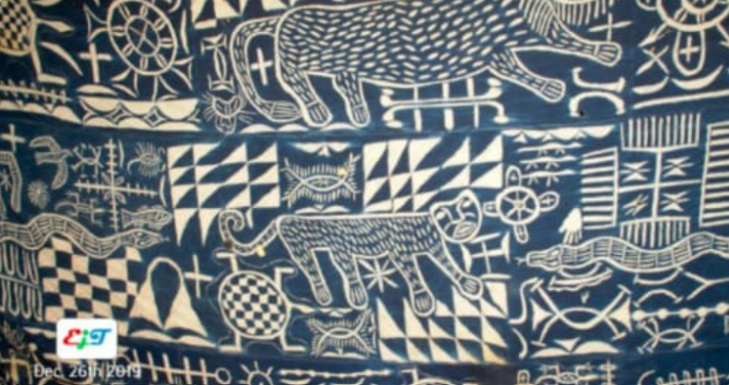
The jealous exclusivity with which Nsibidi was guarded testifies to its centrality in the cultural, spiritual, and political life of the Ejagham. As Talbot records, even the lure of material reward could not induce the elders to part with its deeper significations to outsiders, particularly Europeans (Talbot 39). This refusal was not mere obstinacy but deliberate cultural safeguarding. At its innermost core, Nsibidi contained the sacred jurisprudential codes of the Mgbe Society, mysteries that could not be entrusted to the uninitiated without imperiling the very fabric of Ejagham identity. Only through graded initiation into the higher echelons of the society were adepts permitted to encounter the progressively intricate strata of meaning, each layer veiled from those outside the society’s ritual and political order (Ojong 21).
Functionally, Nsibidi operated across multiple planes. At the formal level, it was the script of governance, used to codify laws, authenticate treaties, record verdicts, and settle disputes. A single symbol could ratify a marriage contract, seal a land agreement, or confirm the resolution of a conflict. Yet Nsibidi’s reach extended well beyond the court and council house. Lovers exchanged coded messages that only the recipient could interpret. Dancers at festivals painted its signs on their bodies, becoming living texts, whose silent messages were legible only to the initiated (Nicklin 12). Ritual objects—masks, drums, staffs—bore Nsibidi motifs, transforming them into carriers of spiritual authority. Even everyday items such as pottery or woven mats could bear its symbols, embedding meaning into the fabric of daily life.
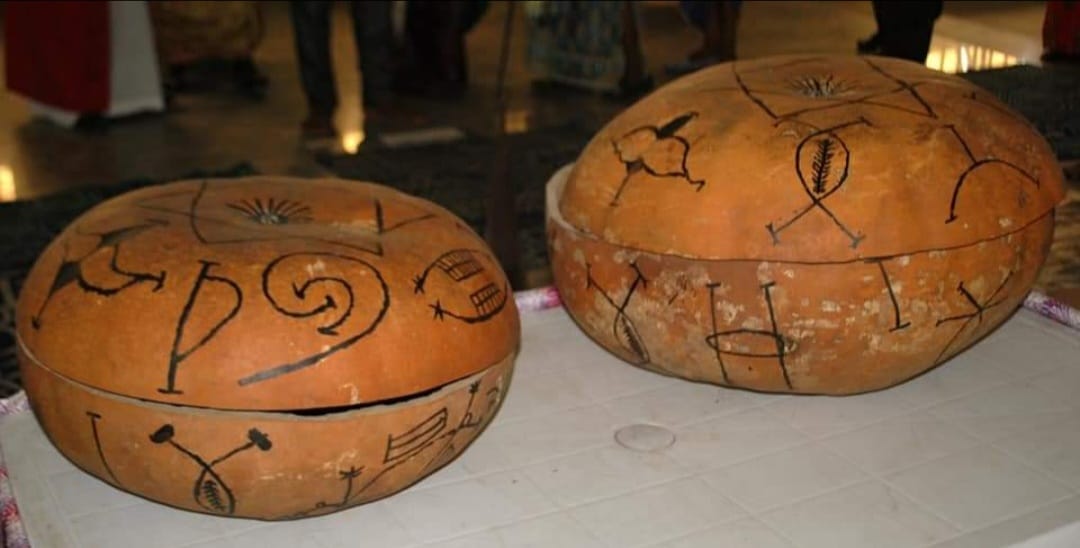
One of Nsibidi’s most important functions among the Ejagham people was as an indigenous record-keeping system. In the absence of paper, agreements and decrees were inscribed into durable materials such as wood, stone, or cloth, or temporarily traced in sand during public deliberations. Such inscriptions derived their authority from their medium: to be written in Nsibidi was to be legitimized by tradition and sanctified by time (Macgregor 210).
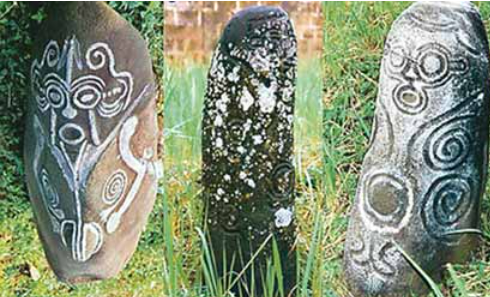
Colonial anthropologists—despite their own cultural prejudices—were compelled to acknowledge the sophistication of what they encountered among the Ejagham. Robert F. Thompson, in Flash of the Spirit, noted that Nsibidi “exploded the myth of Africa as a continent without a tradition of writing,” describing the symbols as embodying “the essence of all that is valiant, just, and ordered” (Thompson 227). Percy Amaury Talbot, whose work on southern Nigeria remains foundational, described the Ejagham as “an eloquent people” with “memories incomparably better” than Europeans, able “at a moment’s notice [to] discourse fluently on any topic… or defend themselves ably enough on every occasion” (Talbot 320).
Through the expansion of the Mgbe Society, Nsibidi travelled beyond Ejagham country, reaching Efik, Ibibio, and Igbo communities. Yet the most sacred and complex symbols never left Ejagham custody. This balance between cultural diffusion and cultural protection ensured both the script’s regional influence and the preservation of its deepest meanings.
Acknowledging Nsibidi’s Ejagham origin is thus more than an academic exercise; it is an act of cultural restitution. For centuries, colonial narratives dismissed African societies as “pre-literate,” their histories supposedly unrecorded until European intervention. Nsibidi stands as an irrefutable counterexample: an indigenous writing system older than many modern alphabets, embedded in a rich cultural matrix, and capable of carrying political authority, spiritual depth, and aesthetic beauty in equal measure.
To write in Nsibidi was—and remains—to participate in an unbroken chain of memory linking past to present. Each symbol is both an act of remembrance and a declaration of identity. Today, as Nsibidi resurfaces in scholarship, contemporary art, and even global popular culture, its original context in Ejagham society demands recognition. To encounter Nsibidi is to see not only a writing system but a worldview—an archive of knowledge, a repository of law, a sacred covenant between generations. Its endurance is proof that some truths are too deep for speech and must instead be inscribed, as the Ejagham have always done, with both pride and reverence.
The Spread and Influence of Nsibidi in the Cross River Region
Among the many theories advanced on the origins of Mgbe (known to the Efik as Ekpe), the most credible and widely attested is that which locates its invention among the Ejagham people. From Talbot to Isichei, Erim, Onor and Anwana, serious scholarship has consistently pointed to the Ejagham as the custodians of its genesis (Talbot, In the Shadow of the Bush, 39; Isichei, A History of Nigeria, 339; Erim, Cross-Cultural Contacts, 184; Onor, The Ejagham Nation 22; Anwana, Ekpe Imperium 89-91). Talbot, the earliest ethnographer of the Cross River region and a careful observer of southeastern Nigerian cultures, was explicit:
The Ekoi [Ejagham] claim to have originated the whole idea of such clubs [Mgbe], which have existed among them for centuries, and are mentioned in some of their very old folk-lore tales. Later on, the Ododop and other tribes [ethnic groups] near Iffianga, Akwa and Efut in the South Cameroons, started a similar society, which gradually became more powerful than the original Ekoi one, and therefore more costly to join. The Efiks of Calabar were not slow to perceive the advantage of such institutions, and so founded the Ekpe Club, which, with the growing importance of their town, through the coming of white men, soon became the wealthiest of all the Egbo societies (37).
Mgbe, meaning “leopard,” was far more than a secret society; it was the supreme organ of Ejagham political and spiritual authority, deliberately modeled on the fearsome majesty of the leopard to inspire awe and obedience among a forest people. From its inception, Nsibidi was woven into the fabric of Mgbe as its official language of communication, identification, and secrecy. The two—Mgbe and Nsibidi—were inseparable: the society was the institutional framework, and the script its medium of power and communication.

As Ejagham influence radiated across the Cross River region, neighboring groups—including the Efik, Ibibio, and some Igbo communities—adopted Mgbe, and with it Nsibidi. This was not an independent creation but a diffusion of Ejagham genius. The Efik in particular, through the prosperity of Old Calabar in the age of European contact, transformed Ekpe into an influential and formidable engine of social, economic, and political control. Yet its very foundation rested on the Ejagham invention of Mgbe, carried along with Nsibidi, the sacred language of authority.
Within the society, Nsibidi functioned as more than signs on wood, wall, cloth, or body. It was a complex semiotic system expressed in gestures, postures, facial movements, and the symbolic use of everyday objects. Initiates were required to master this language; failure to interpret a sign was considered disgraceful and could expose impostors who falsely claimed membership. Masquerades often tested each other’s knowledge of Nsibidi in public encounters, with humiliation or fines awaiting the one found ignorant. In this way, Nsibidi became a passport of belonging, a portable emblem of fraternity, and an internal test of authenticity. As one writer aptly observed, “Nsibidi became a fraternal passport which allowed freedom of movement within Ekpe-controlled areas” (Anwana 124).
The prestige of Nsibidi lay not only in its exclusivity but in its versatility. It was indispensable for settling disputes, sealing oaths, recording covenants, and transmitting messages that required trust and secrecy. It could be inscribed with chalk or camwood on walls, etched on objects, traced on the ground, or written on the body of an initiate during rites of passage. It could be enacted in gesture or embodied in masquerade performance. It carried both meaning and moral force, functioning as a visible seal of truth and an invisible link to ancestral authority.
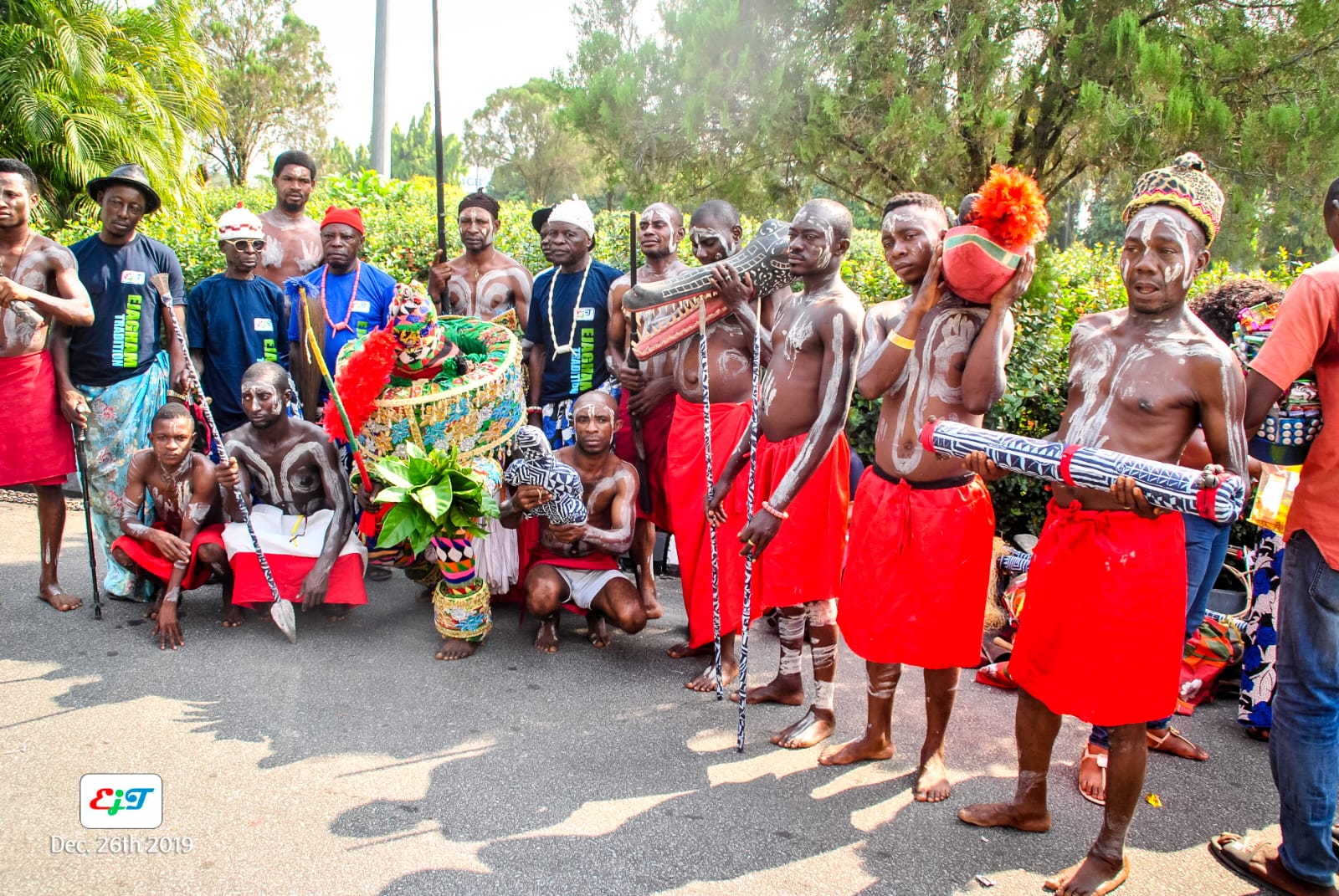
Though it spread widely, the heart of Nsibidi remained Ejagham. Neighbouring communities, such as the Efik, Ibibio, and Igbo, adopted its more visible forms and employed it in ceremonial contexts, but the most esoteric and spiritually potent signs were jealously guarded by Ejagham elders and high-ranking Mgbe officials. Thus, while Nsibidi became regionally recognizable, its deepest intellectual and spiritual core remained tethered to Ejagham identity.
The diffusion of Nsibidi also left an indelible mark on the material culture of the Cross River region. Its motifs adorned ceremonial cloths, drums, house walls, ritual implements, and even the human body, transforming the landscape into a canvas of encoded meaning. In this way, it functioned both as a unifying thread across ethnic lines and as a marker of Ejagham cultural authority.
Chinua Achebe, reflecting on the profound significance of this ground-breaking and historically significant Ejagham invention, noted in There Was a Country:
Nnokwa is a little-known ancient village that played a vital role in Igbo cosmology and in the development of its civilization. The townsfolk were particularly noted for their role in the transmission of the knowledge of Nsibidi, an ancient writing first invented by the Ejagham (Ekoi) people of south-eastern Nigeria, and then adopted and used widely by their close neighbors, the Igbo, Efik, Anang and Ibibio. The very existence of this alphabet, dating back to the 1700s without any Latin or Arabic antecedent, is a rebuke to all those who have claimed over the centuries that Africa has no history, no writing and no civilization (192).
Thus, the story of Nsibidi’s spread is simultaneously the story of Ejagham ascendancy. It is a testimony to their cultural prestige, intellectual depth, and political creativity. Though borrowed and adapted by neighbours, Nsibidi and Mgbe remain at their core the most enduring and revolutionary creations of Ejagham civilization—proof that this group in the Cross River basin gave Africa one of its greatest intellectual and cultural legacies.
Nsibidi’s Global Legacy and Contemporary Relevance
From its sacred beginnings among the Ejagham to its regional diffusion across the Cross River region, Nsibidi has transcended local boundaries to achieve global resonance. It stands today as a symbol of Africa’s intellectual heritage, a testament to indigenous literacy, and a source of inspiration for African diasporic identities and contemporary art. Its enduring legacy underscores not only the historical depth of the Ejagham cultural imagination but also its relevance in a world still wrestling with questions of identity, memory, and belonging.
One of the most remarkable dimensions of Nsibidi’s global journey is its survival and transformation in the African Diaspora, particularly in Cuba. During the trans-Atlantic slave trade, enslaved people from the Cross River region carried their knowledge of Mgbe (Ekpe) and Nsibidi into captivity. Mgbe crossed the Atlantic and entered the Americas as Ekpe, the name by which it was — and is still — known among the Efik of Calabar. The reason is not far-fetched. Calabar was one of the principal points of embarkation in the Bight of Biafra, channeling thousands of enslaved Africans into the New World. In that process, many cultural institutions and objects borne across the ocean retained the Efik designations by which they were identified at the port of departure. Within the Diaspora, Nsibidi remained the secret gestural language of Ekpe, preserving both its mystique and its ancestral link across continents.
In Cuba, this cultural complex evolved into the Abakuá secret society, which continues to flourish among Afro-Cuban communities today (Miller 106–107; Nicklin 29). The Nsibidi script — a striking testimony to the great and ancient civilization of the Ejagham — was preserved and creolized by Ekpe members, where it became known as Onaforuana among other names (Thompson 227). The Abakuá have maintained Nsibidi-like symbols within their rituals and performative traditions, forming a living bridge between the Ejagham homeland and the African Diaspora (Jones 67). Cuban Abakuá use similar techniques; the visual symbols are commonly known as firmas (signatures) or gando (Miller 218). Th`rough these symbols, descendants of enslaved Africans affirm their cultural and spiritual connection to their ancestors, making Nsibidi an enduring thread in the tapestry of diasporic African identity.
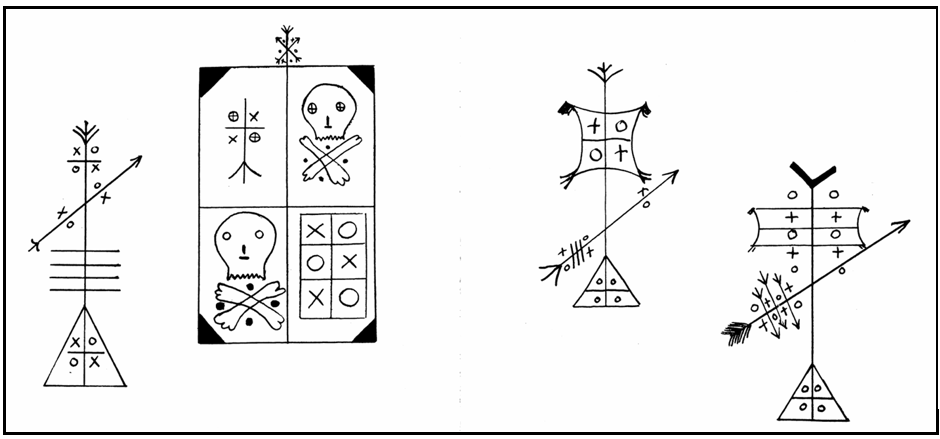
Globally, scholars and artists have come to recognize Nsibidi as compelling evidence of Africa’s indigenous systems of writing and knowledge production. For too long, colonial narratives cast Africa as “a continent without writing,” dismissing its intellectual achievements. The rediscovery and study of Nsibidi have decisively challenged this misconception, affirming Africa’s rightful place within the broader story of world literacies and intellectual traditions (Macgregor 217; Talbot 90).
In contemporary art and culture, Nsibidi has become a wellspring of creative inspiration, impacting paintings, sculptures, fashion, graphic design, and film. Nigerian and diasporic artists alike deploy its visual vocabulary to interrogate themes of memory, resistance, and cultural pride (Ojong 39). Designers and calligraphers adapt its forms to modern scripts and decorative patterns, inviting present-day audiences to encounter the ancestral aesthetic anew while opening fresh avenues of interpretation.
Equally significant are heritage-preservation efforts. Museums, cultural centers, and scholars across the world are documenting and curating Nsibidi artifacts, recognizing their historical, aesthetic, and philosophical value. Within the Cross River region, there is also a conscious movement among the Ejagham and their neighbours to reclaim Nsibidi as a living tradition — teaching it to younger generations and weaving it into education and community life (Nicklin 31).
For the Ejagham and for Africans across the globe, Nsibidi endures as a proud emblem of identity and resilience. It is at once an inheritance and a vision — connecting past to present while projecting a future in which African voices, histories, and aesthetics are not relegated to the margins, but recognized as dynamic and indispensable components of the human story. The contemporary relevance of Nsibidi lies in its ability to remind the world that literacy is not the monopoly of Western alphabets. Its symbols demonstrate that human beings everywhere have devised creative systems to record thought, organize society, express emotion, and honor the divine.
Conclusion
Nsibidi is more than a script — it is a timeless testament to the intellectual brilliance, cultural depth, and resilient spirit of the Ejagham people. From its sacred origins among the Ejagham, it blossomed into a powerful medium of governance, art, spirituality, and love — weaving itself into the very fabric of community life. Through the Mgbe (Ekpe) Society and the interethnic exchange it catalyzed, Nsibidi, radiated outward, leaving its indelible mark across the Cross River region and beyond, into the African diaspora.
As this article has shown, Nsibidi has never been static; it has evolved and adapted, yet always retained its essence as a language of dignity, mystery, and meaning. Among the Ejagham, it served as the silent custodian of laws and lore, encoding the wisdom of generations in graceful symbols. In the wider Cross River region, it became a shared heritage — a mark of social prestige and spiritual connection. And across the Atlantic, it took root in the hearts of the enslaved and their descendants, keeping alive a sacred link to the homeland even in exile.
In our contemporary world, Nsibidi speaks again — to scholars reclaiming Africa’s literary past, to artists seeking inspiration, to communities striving to preserve their heritage, and to a global audience awakening to the richness of African civilizations. It reminds us that literacy takes many forms, that symbols can hold truths too profound for words, and that no culture is without its genius.
For the Ejagham, Nsibidi remains a source of pride and a call to memory — a graceful assertion of identity in a world that once tried to silence it. And for all humanity, it stands as a shining example of how history, heritage, and creativity converge to produce something truly eternal.
In honoring Nsibidi, we honour not just the Ejagham, but the universal human desire to inscribe meaning on the world, to speak across time and space through signs that endure.

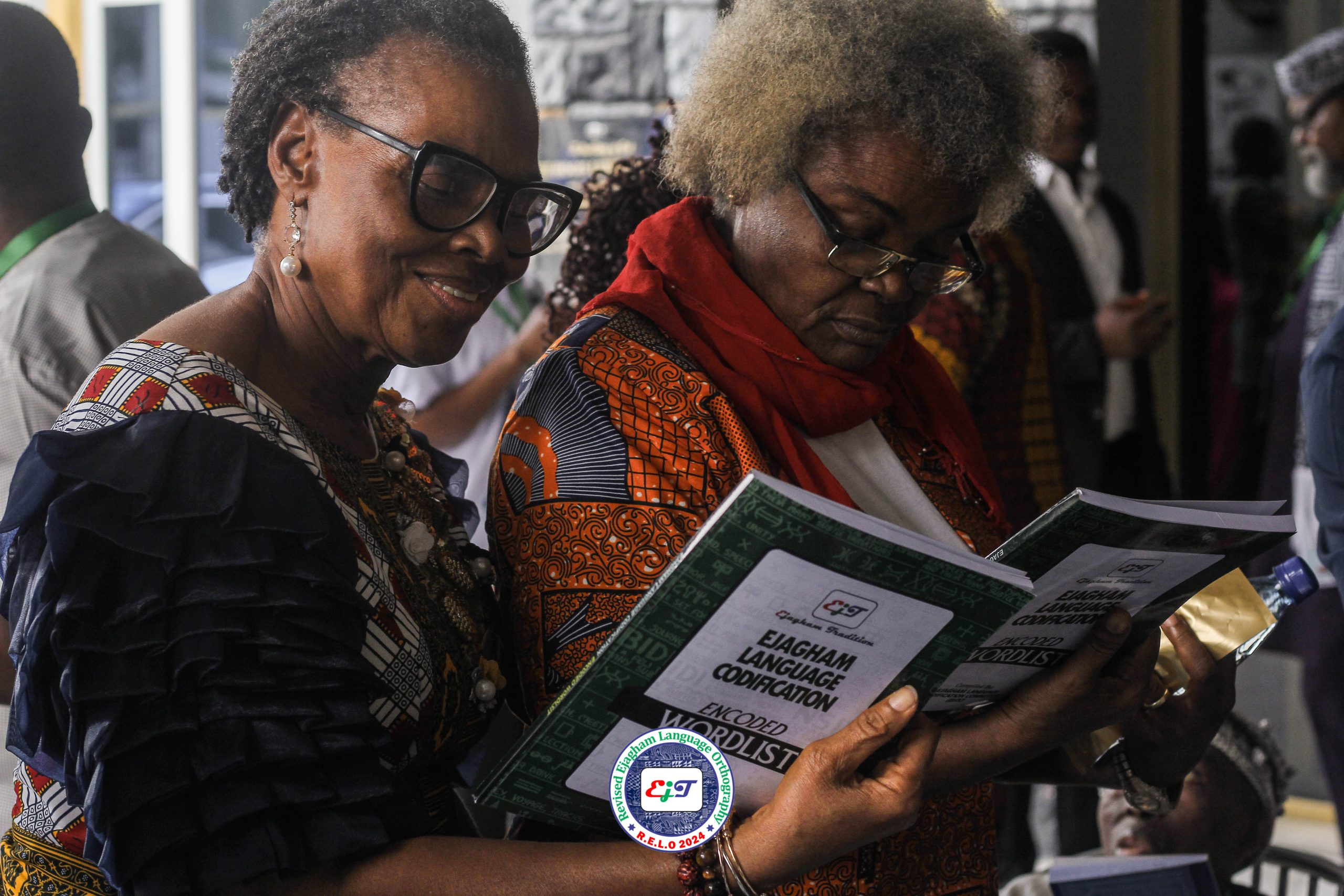
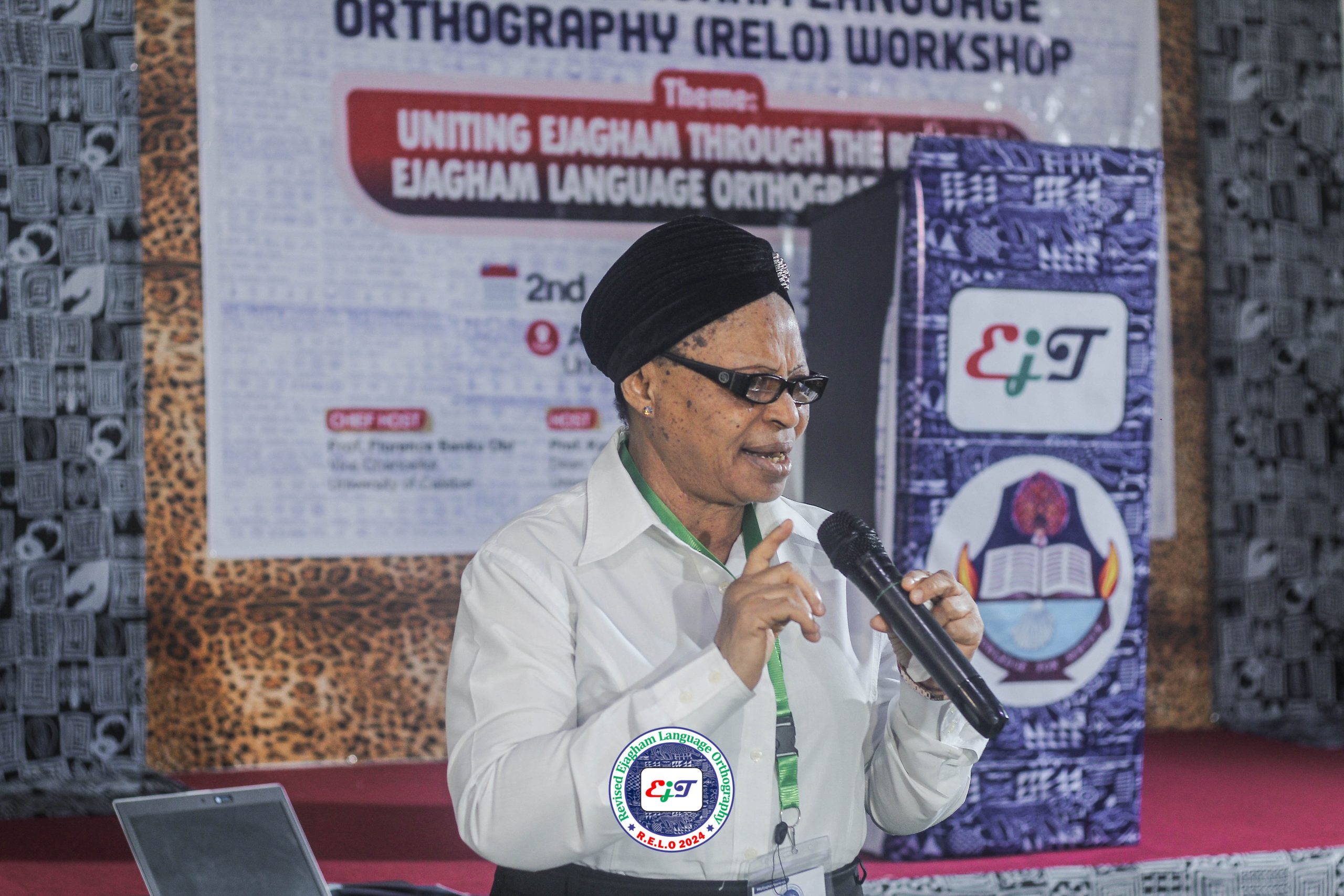
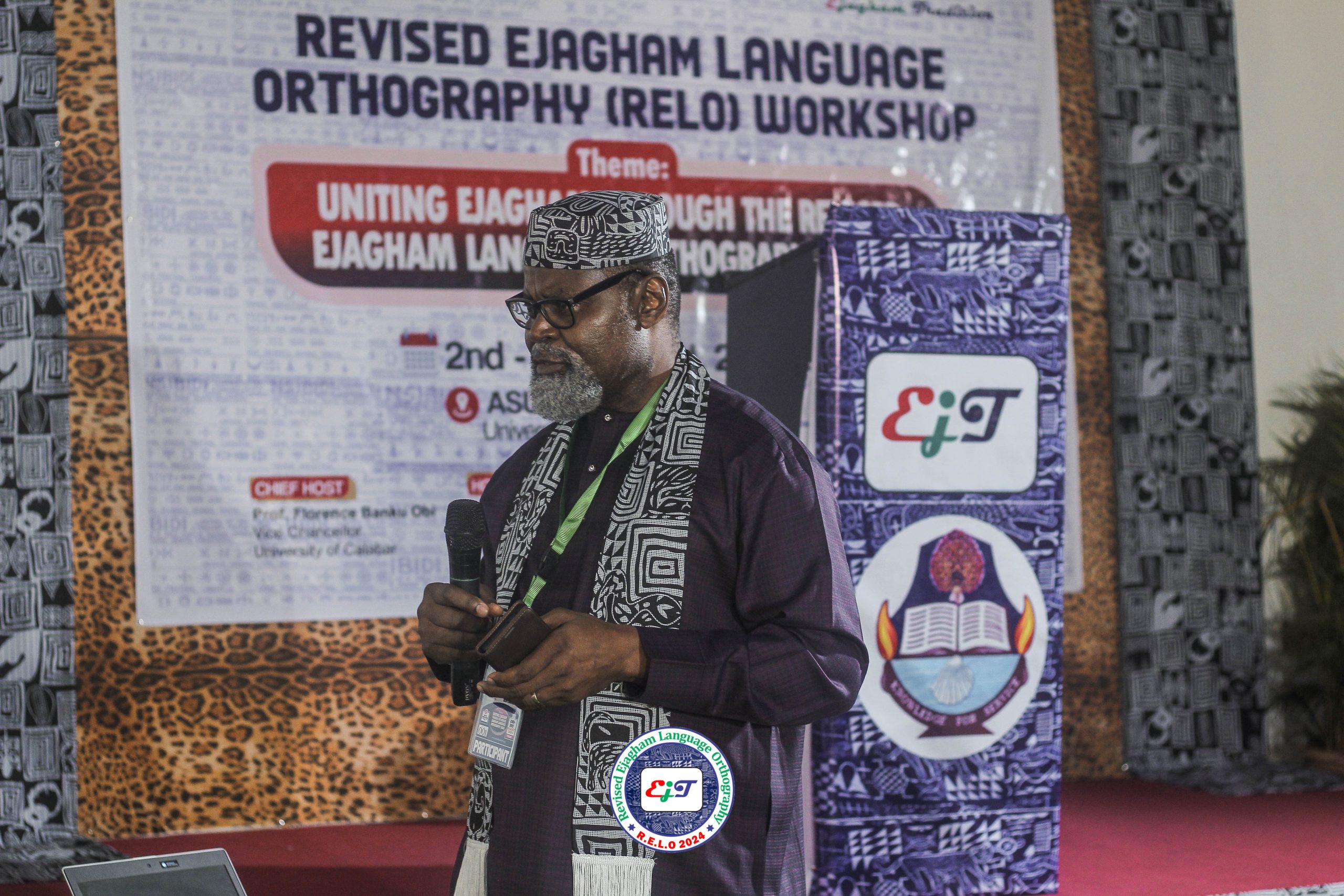
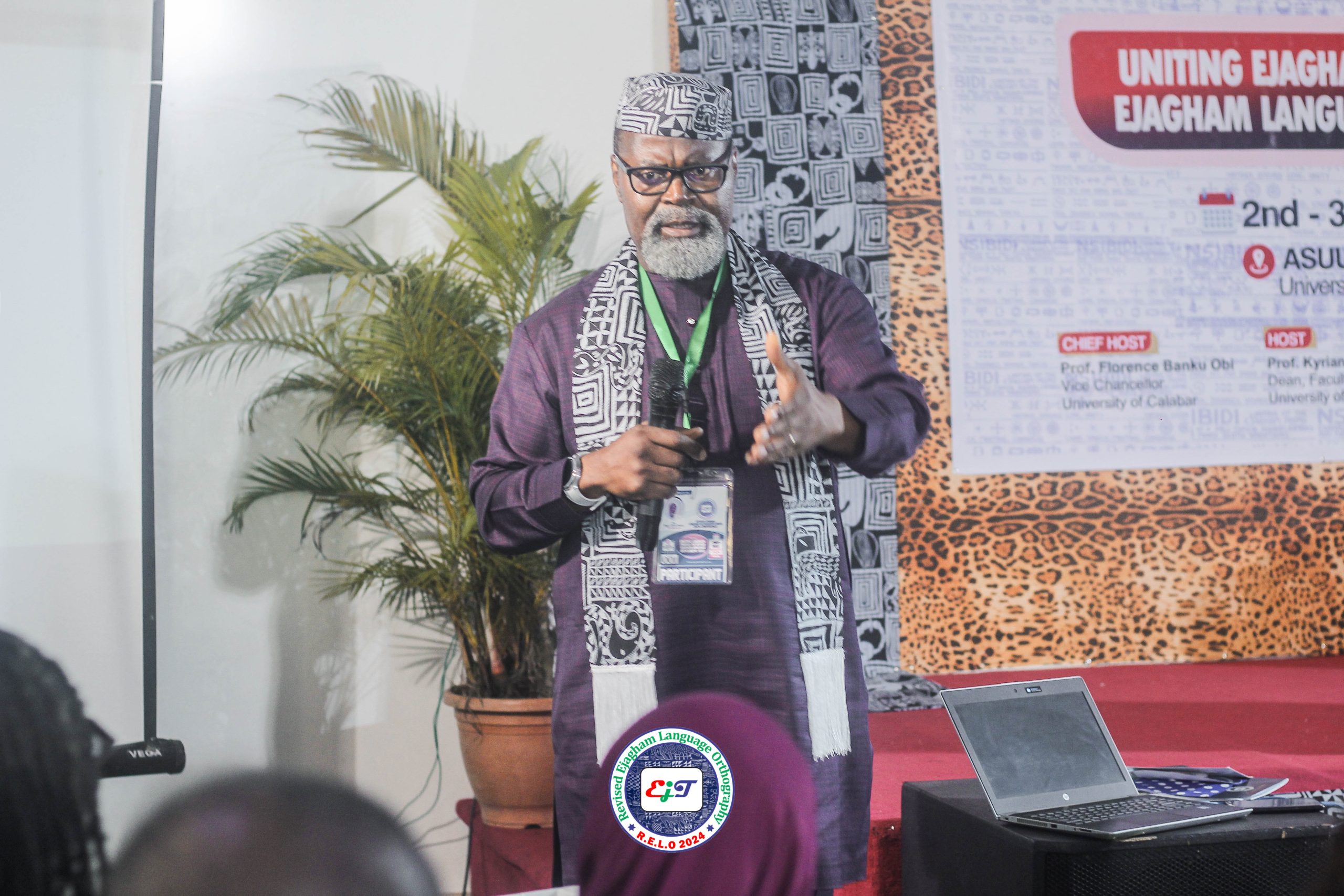
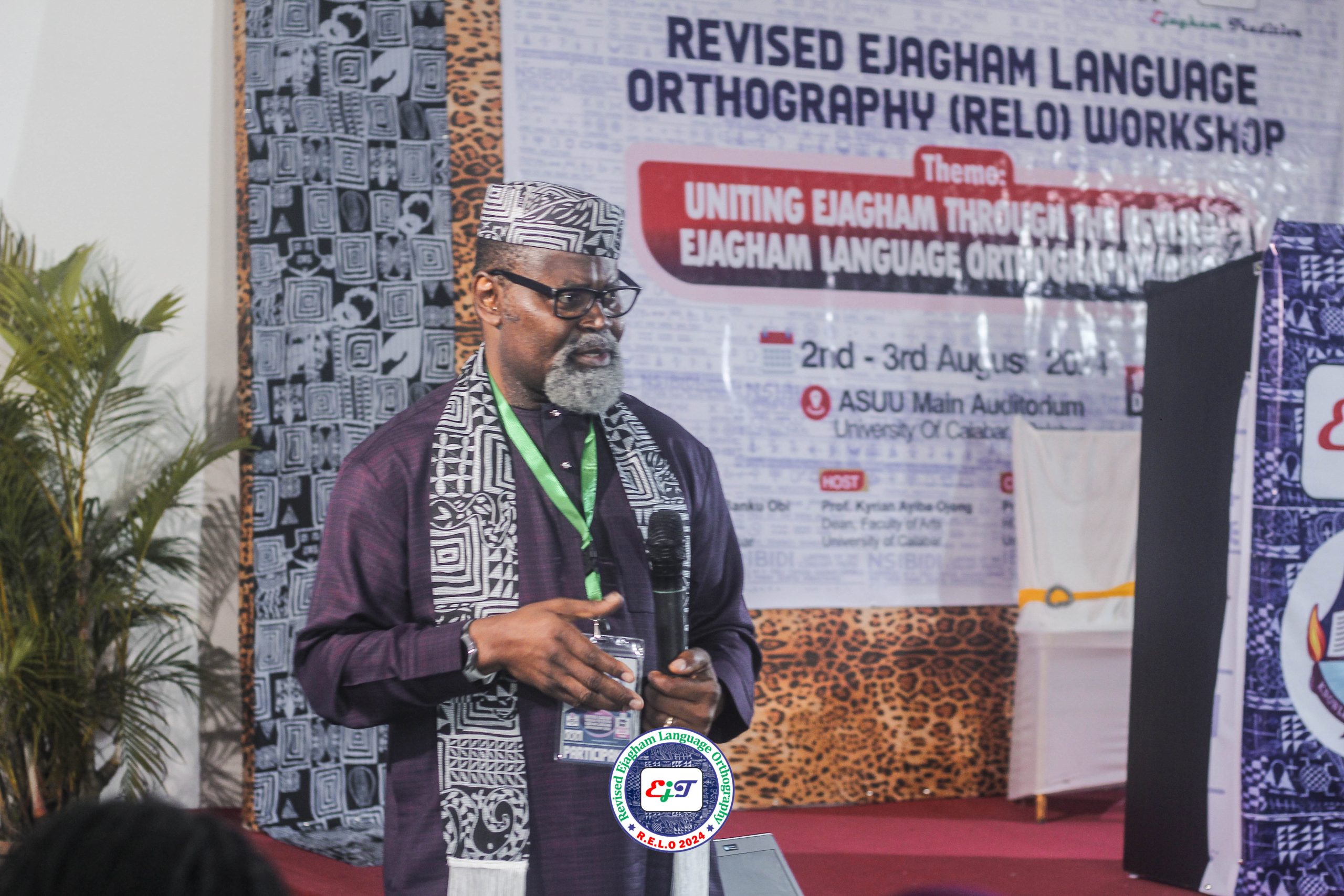
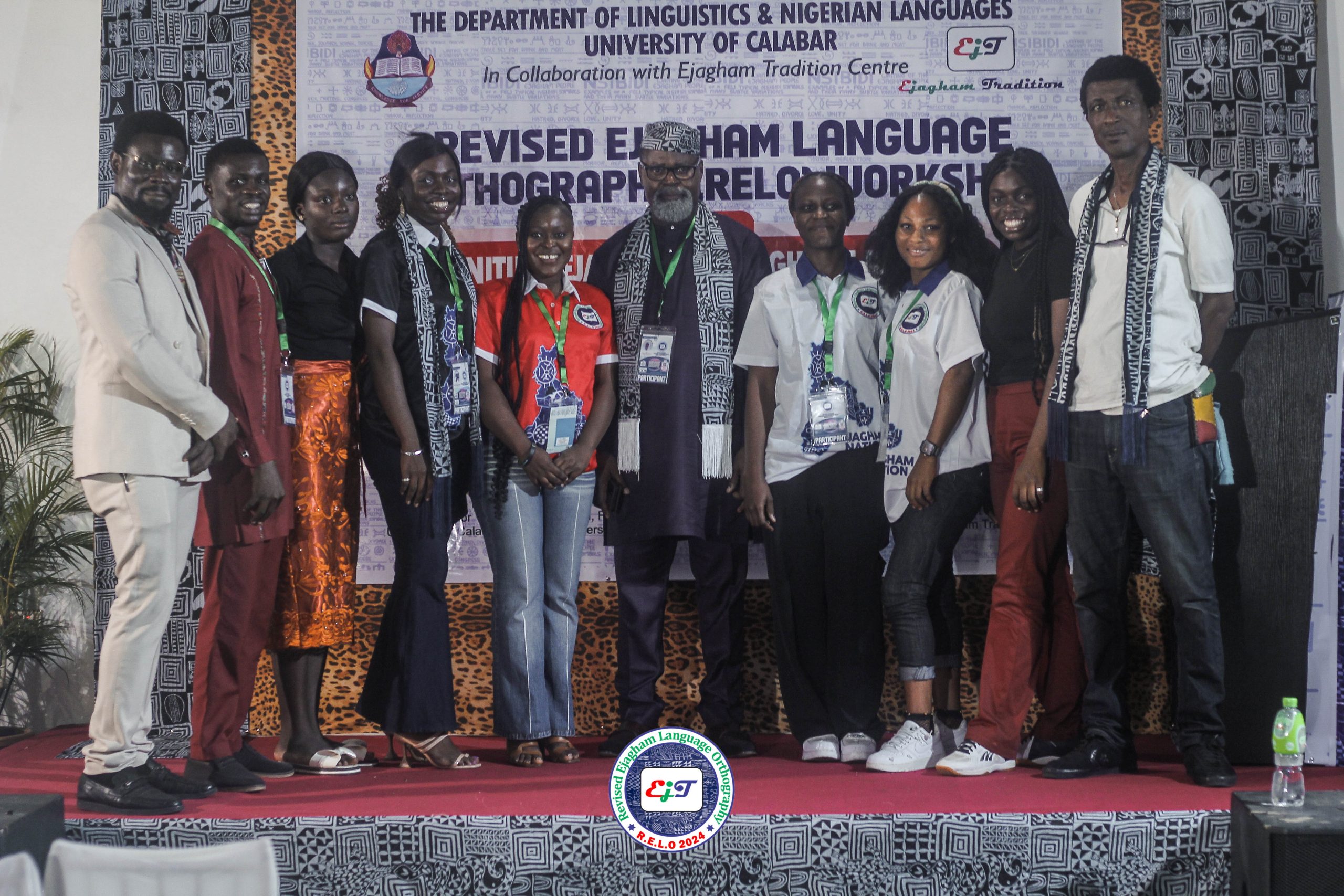
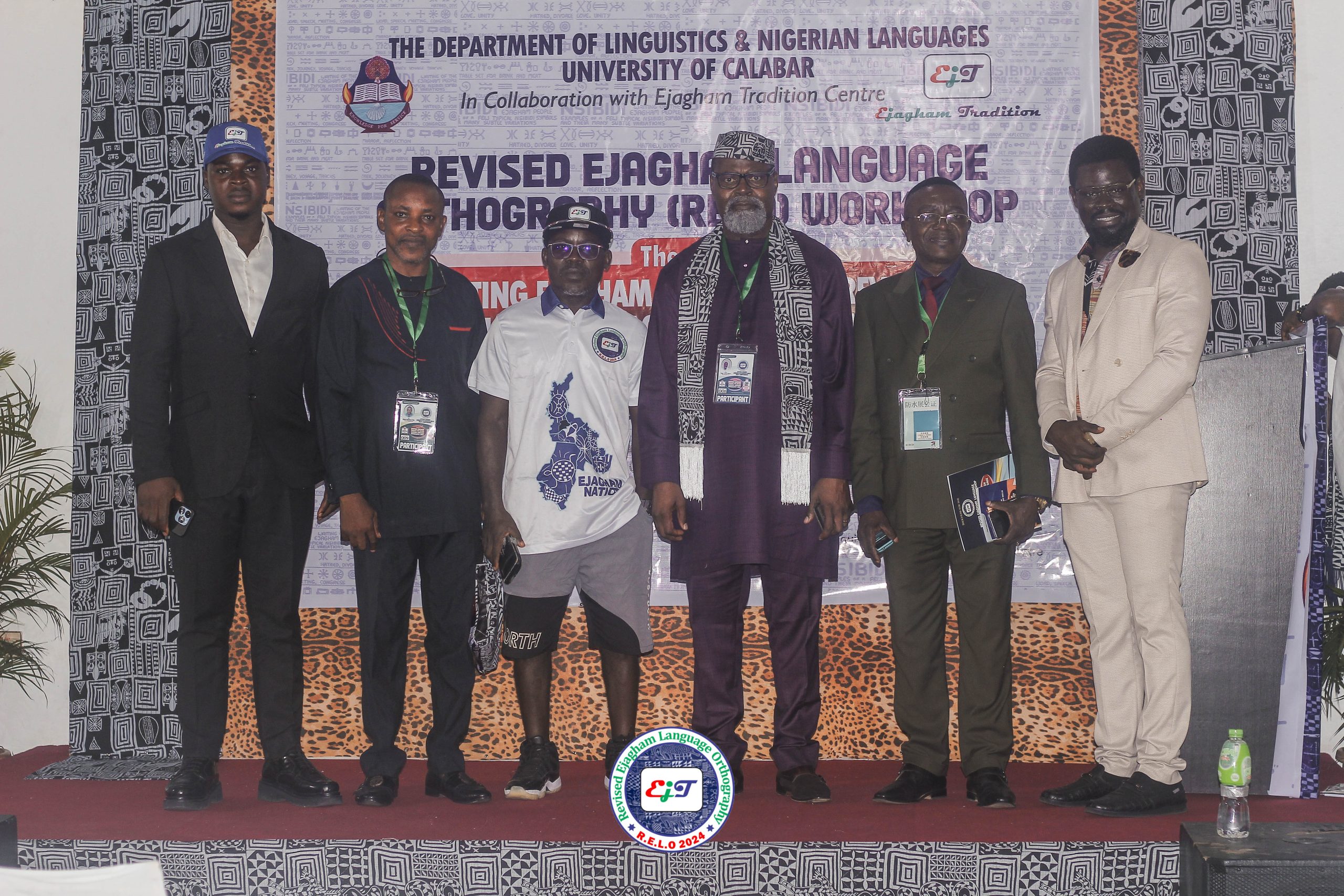
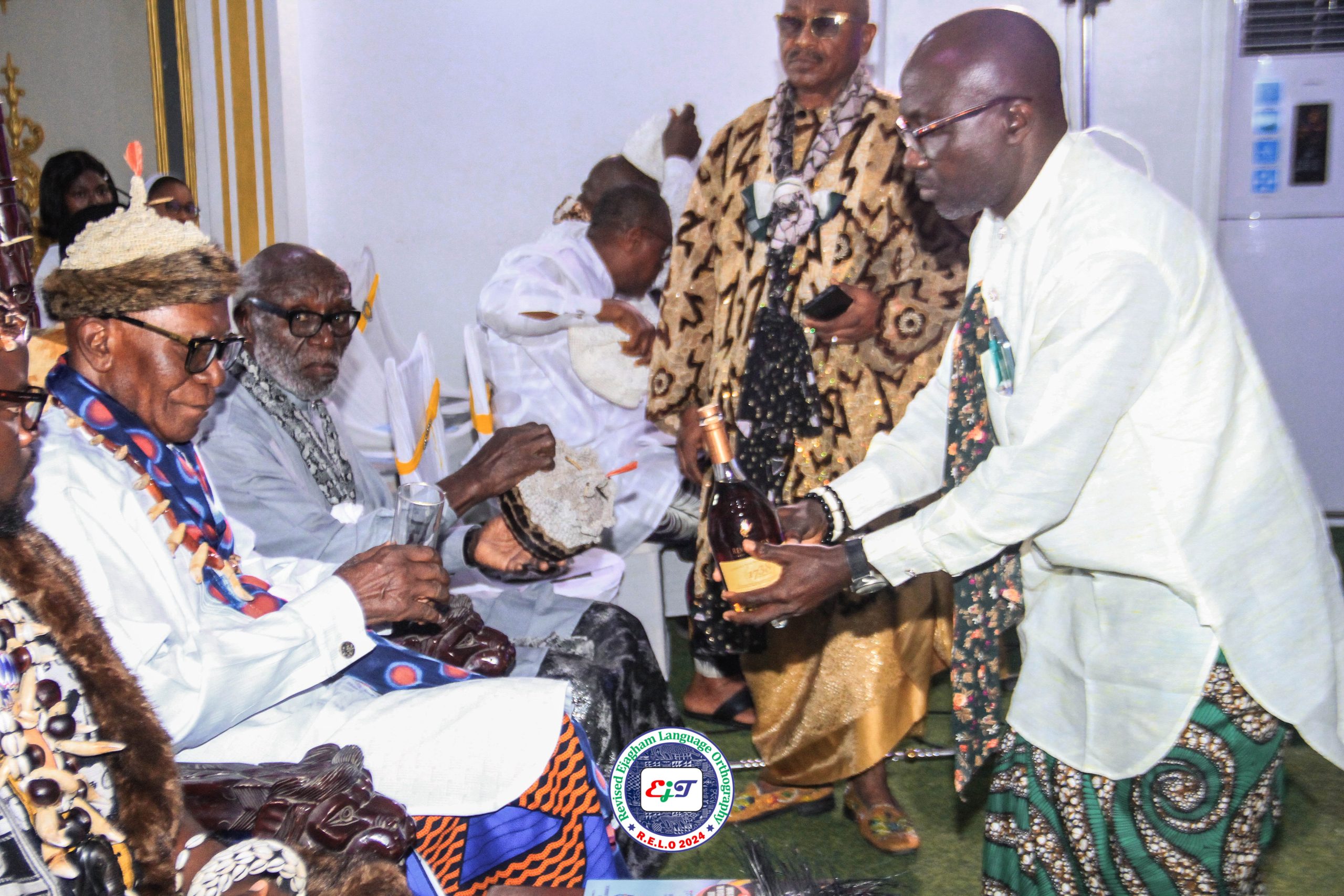
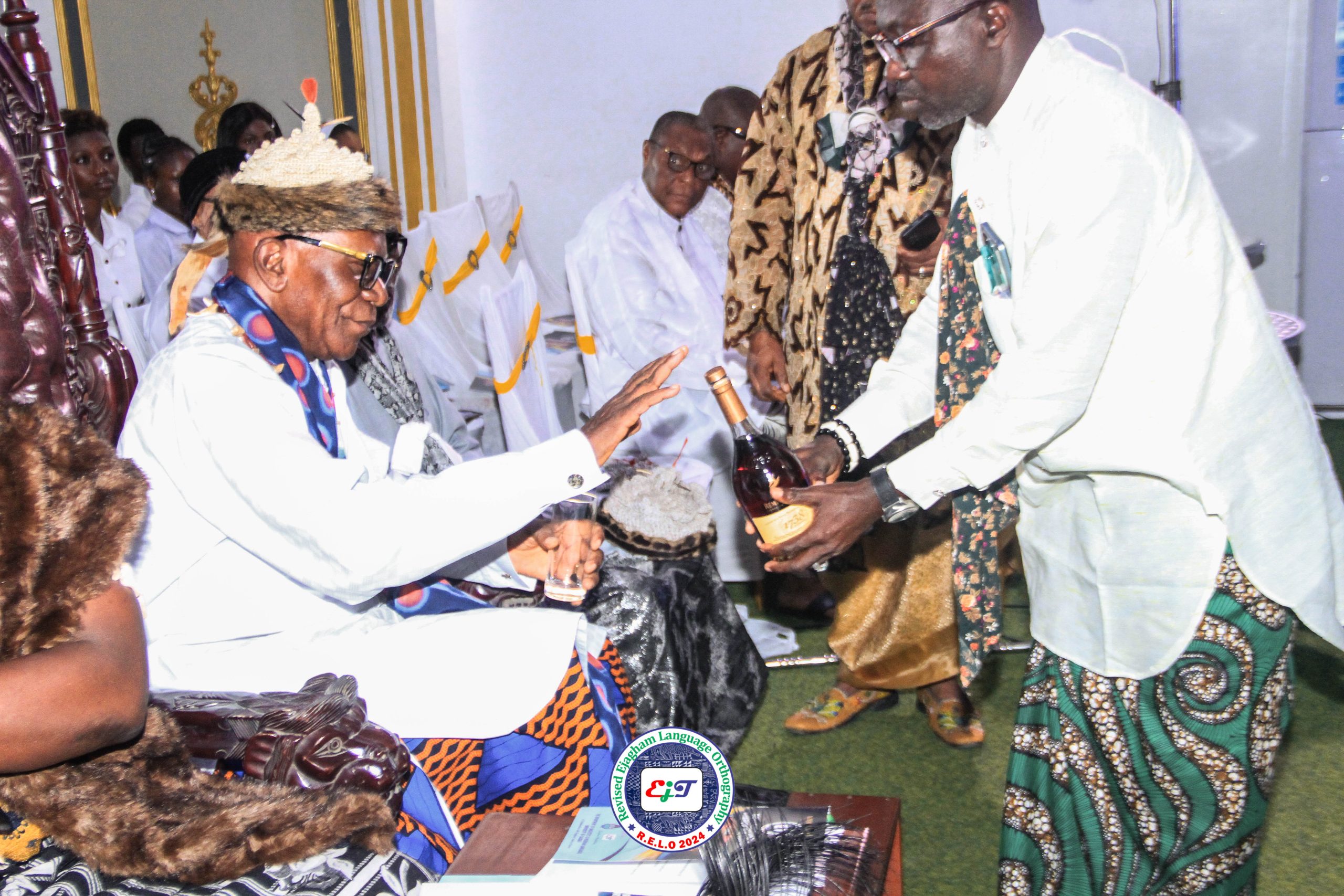
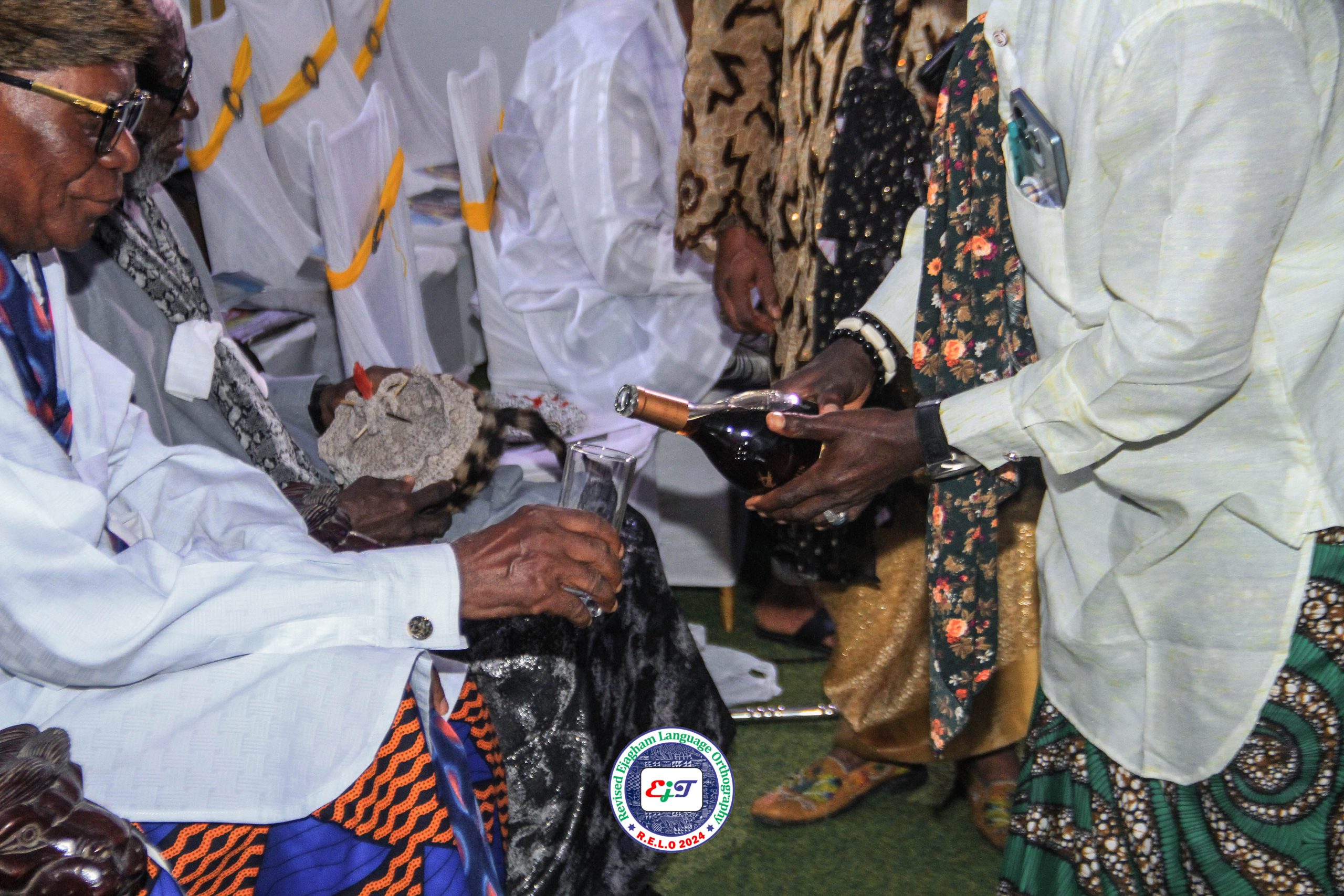
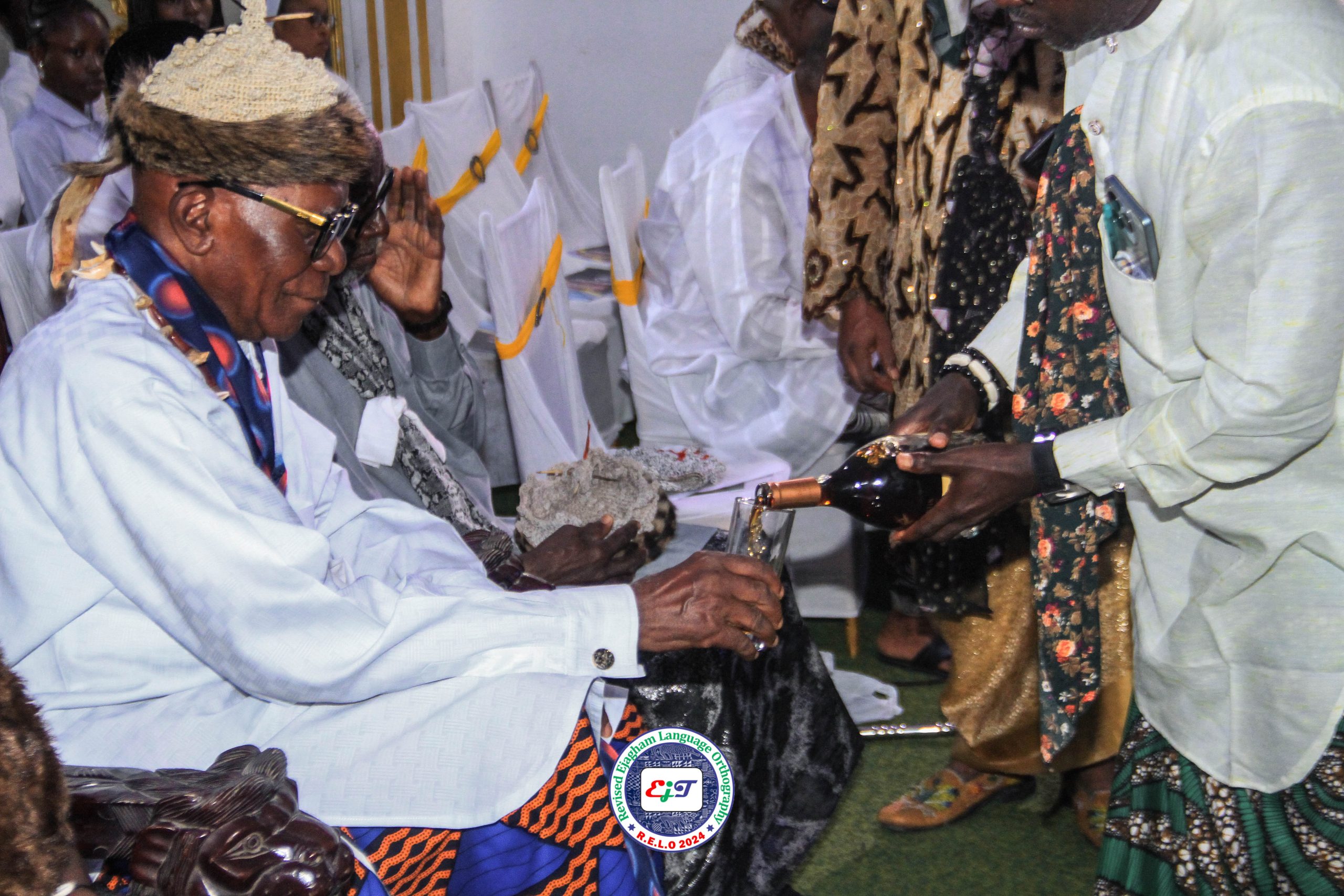
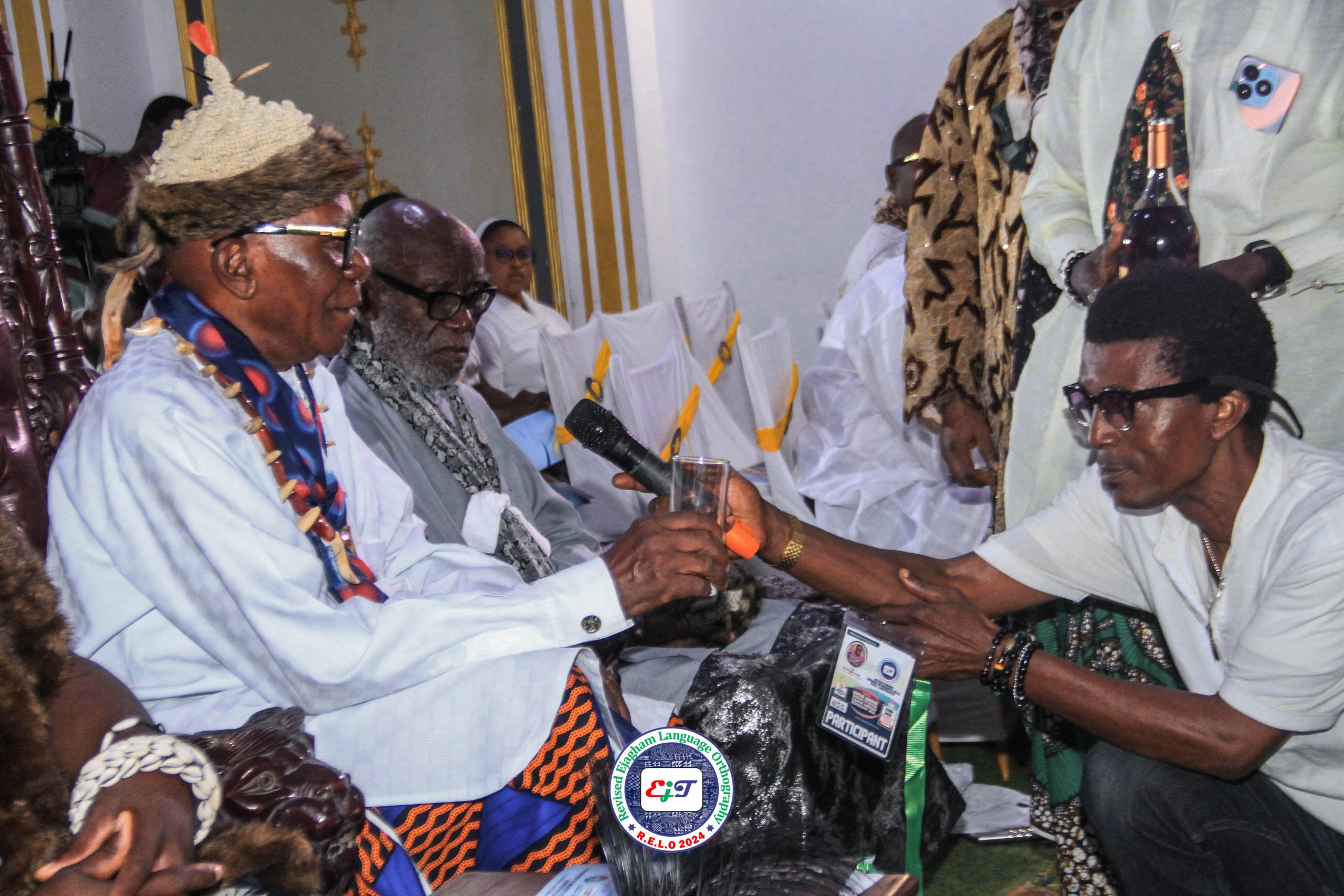
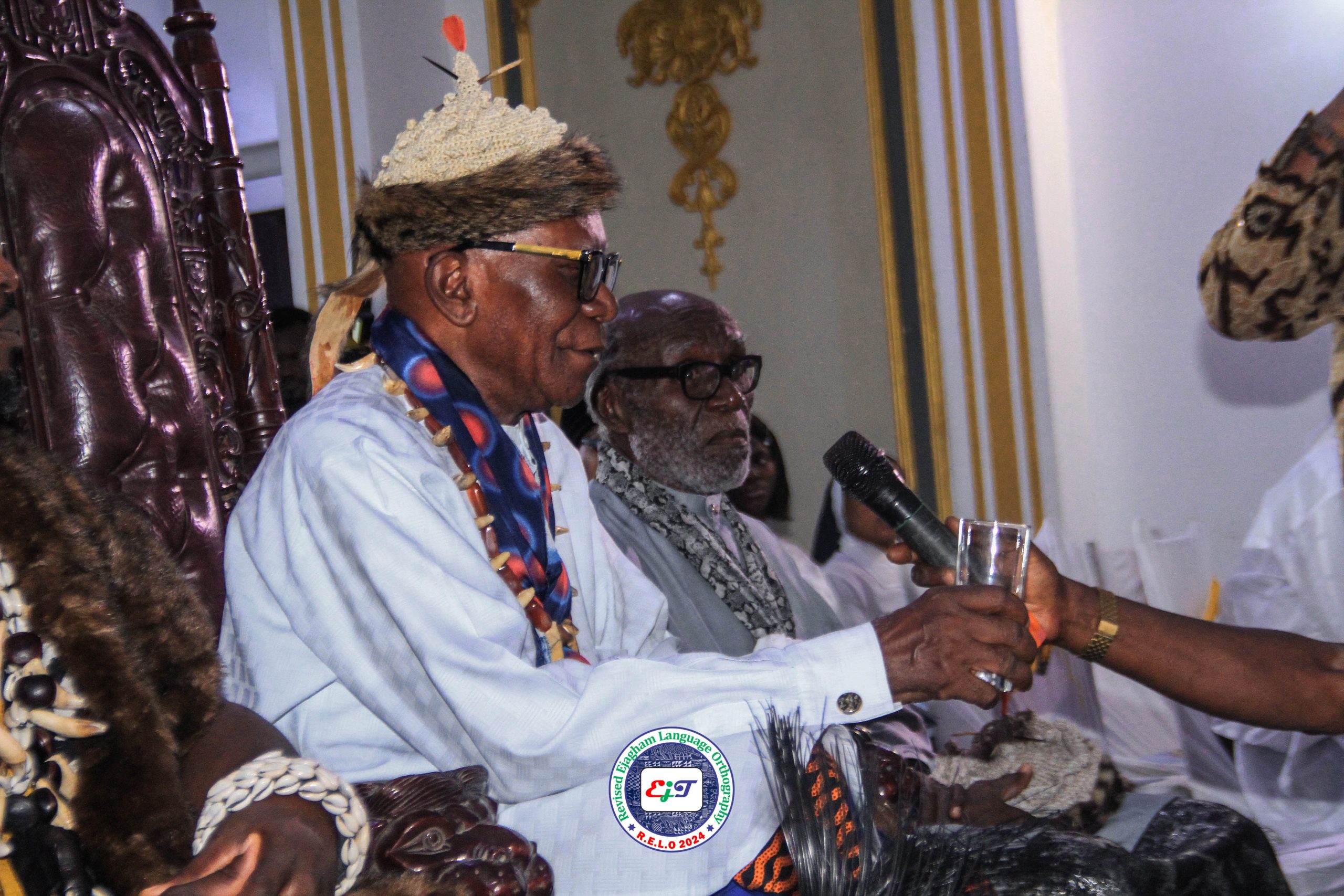
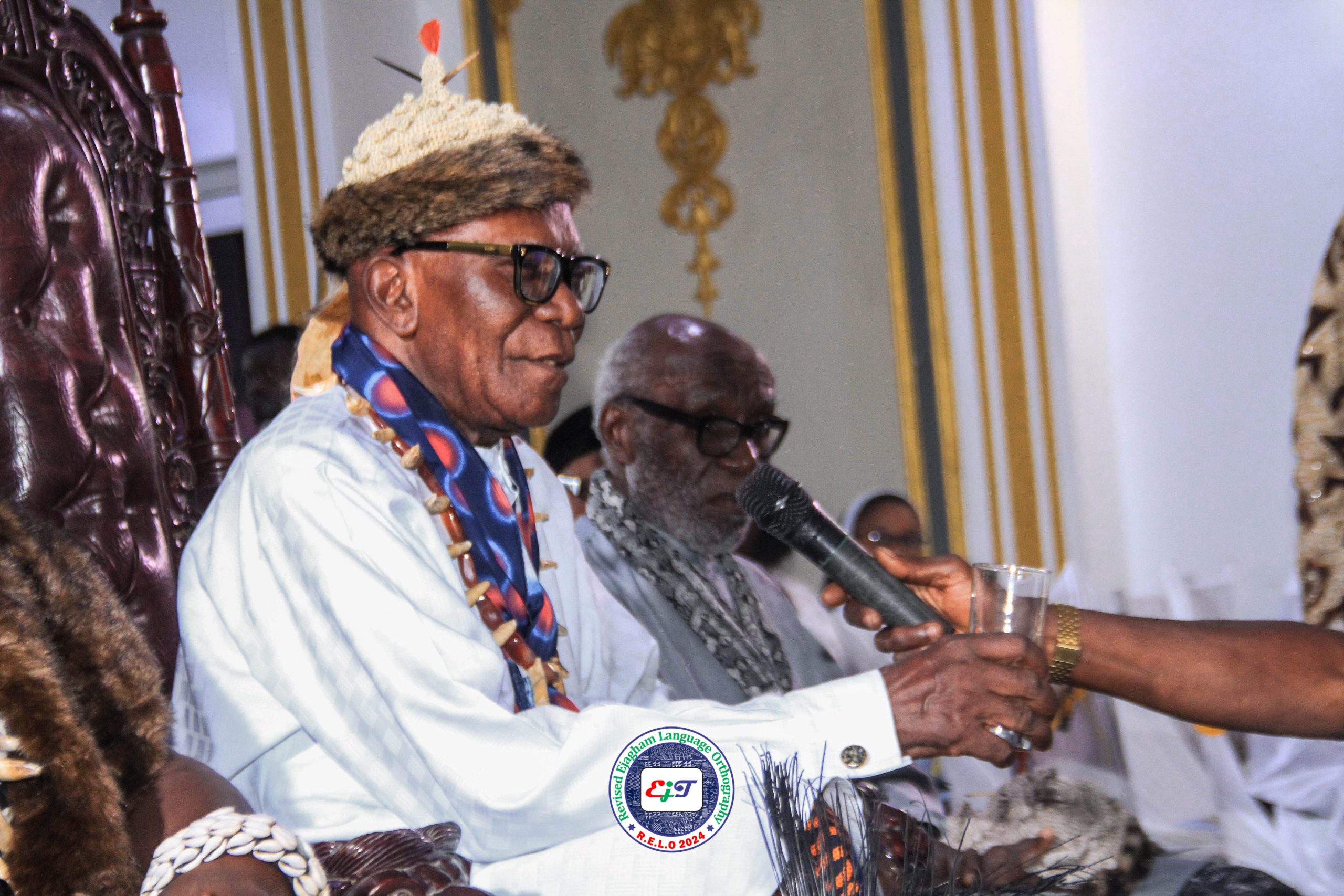
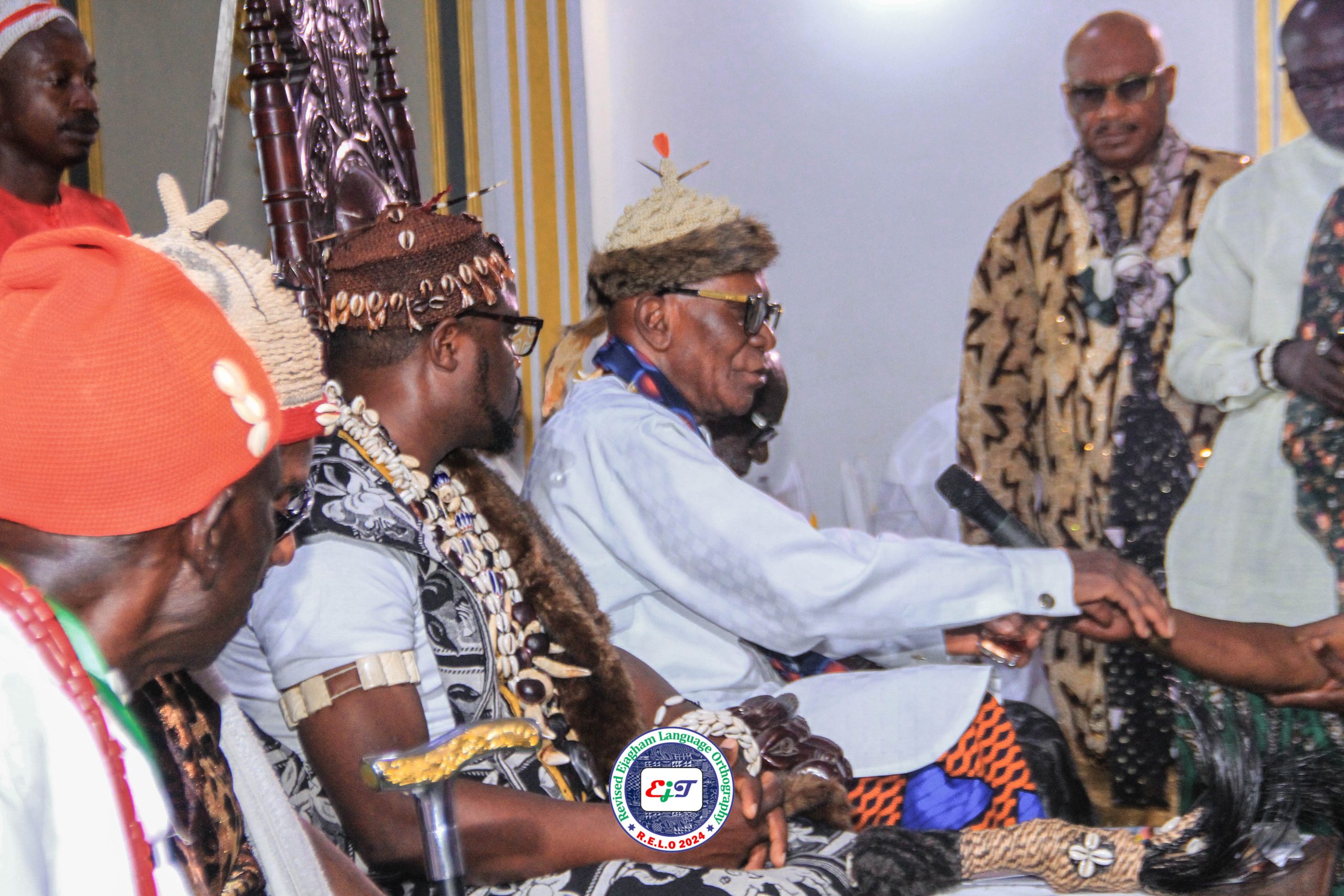
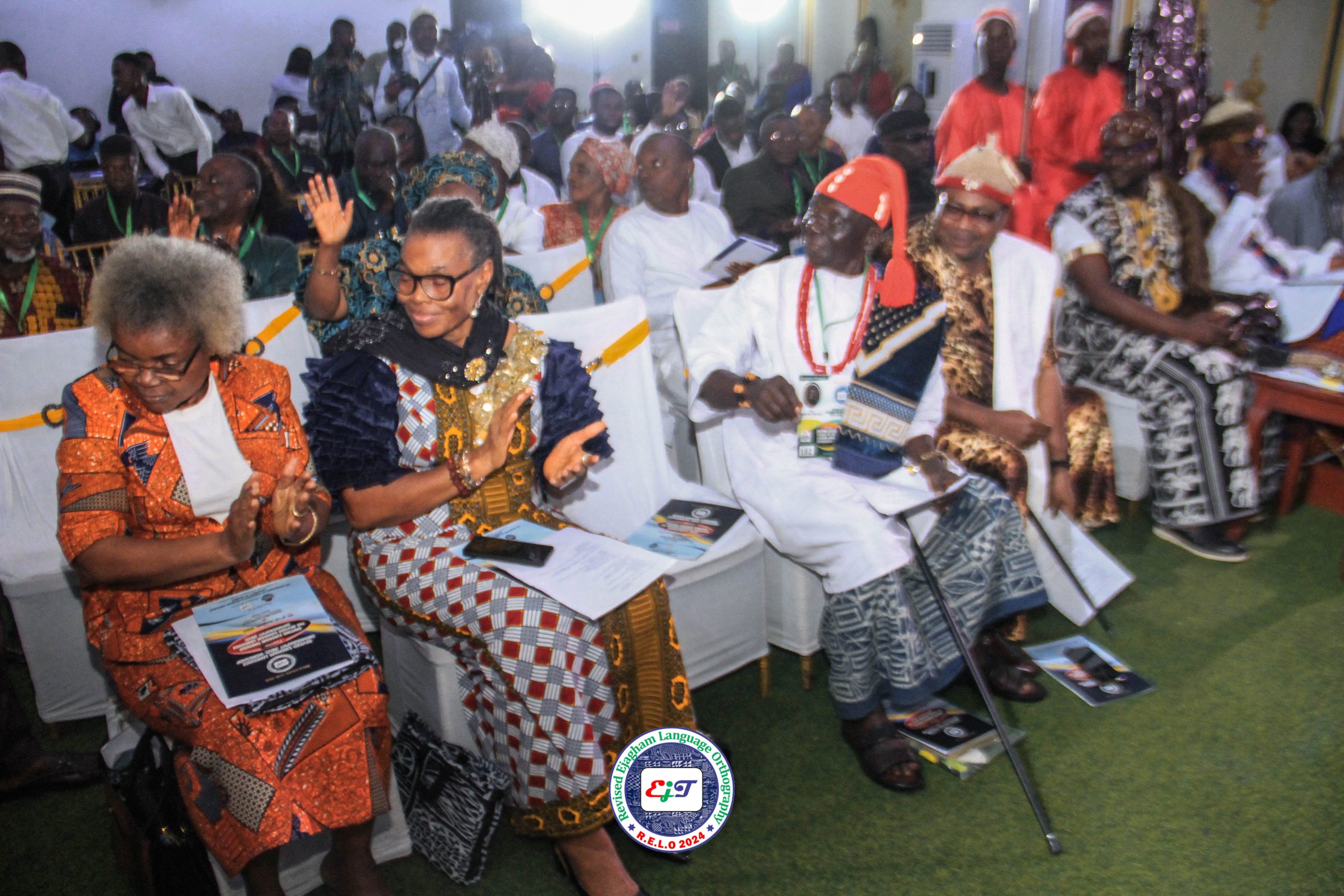
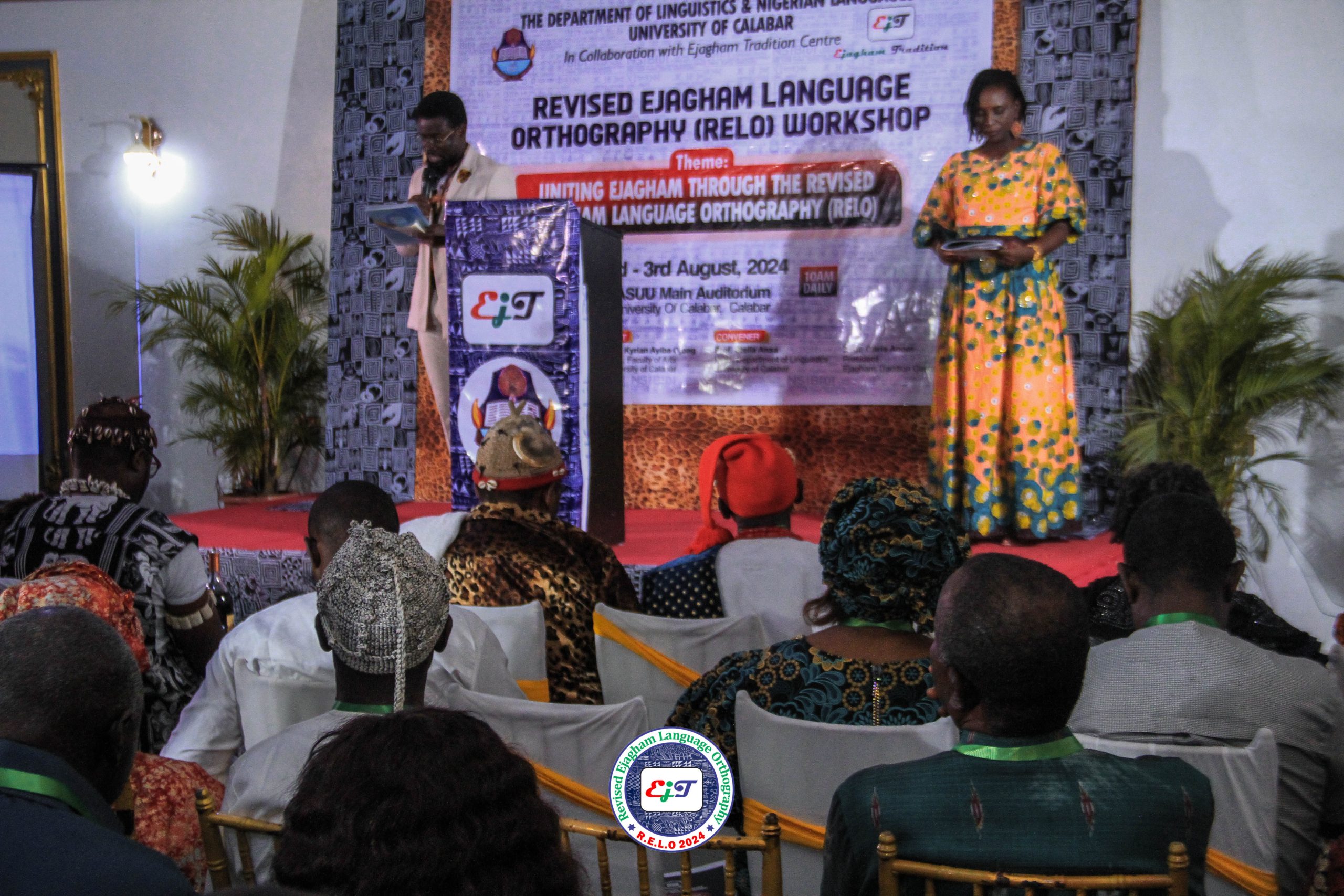
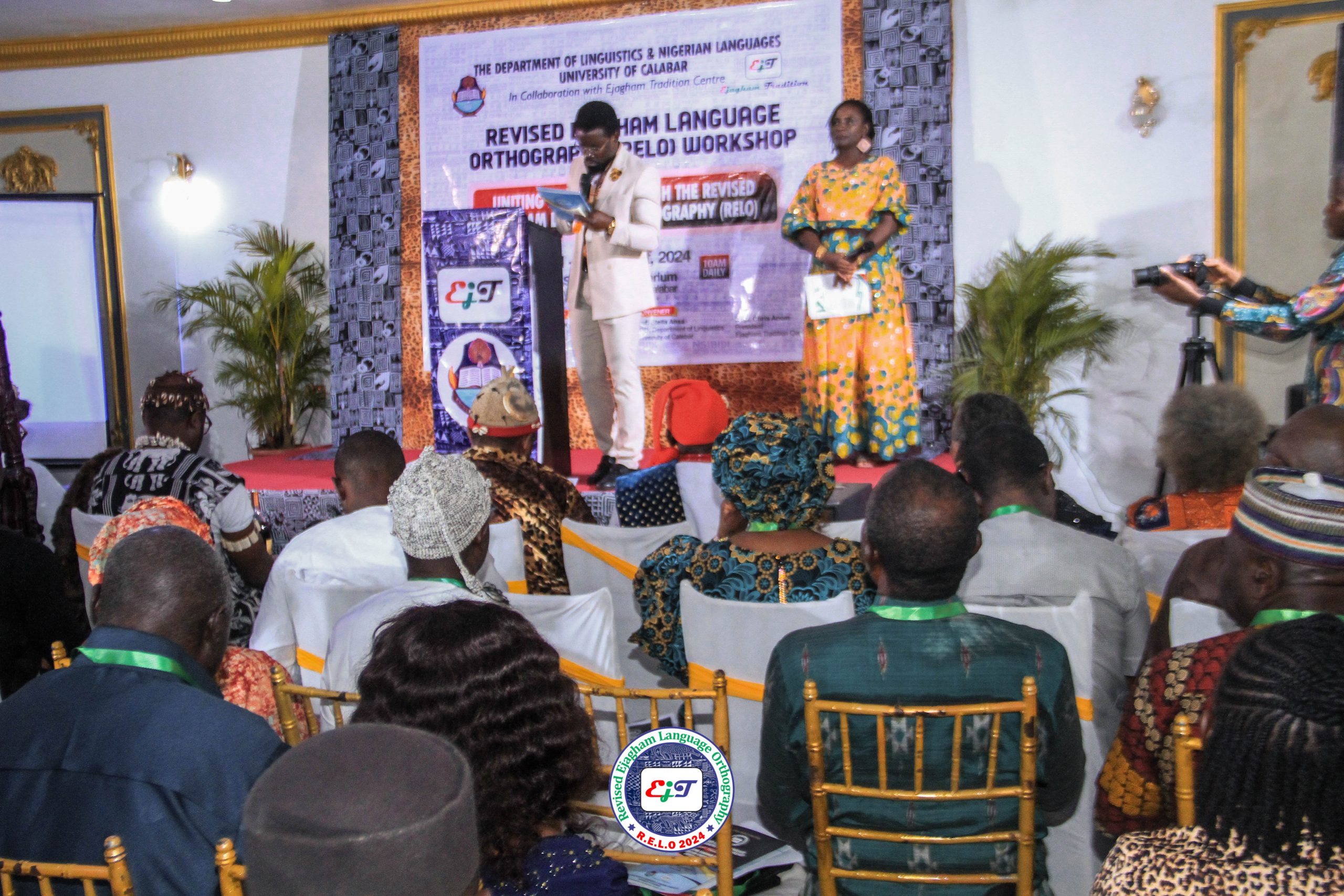
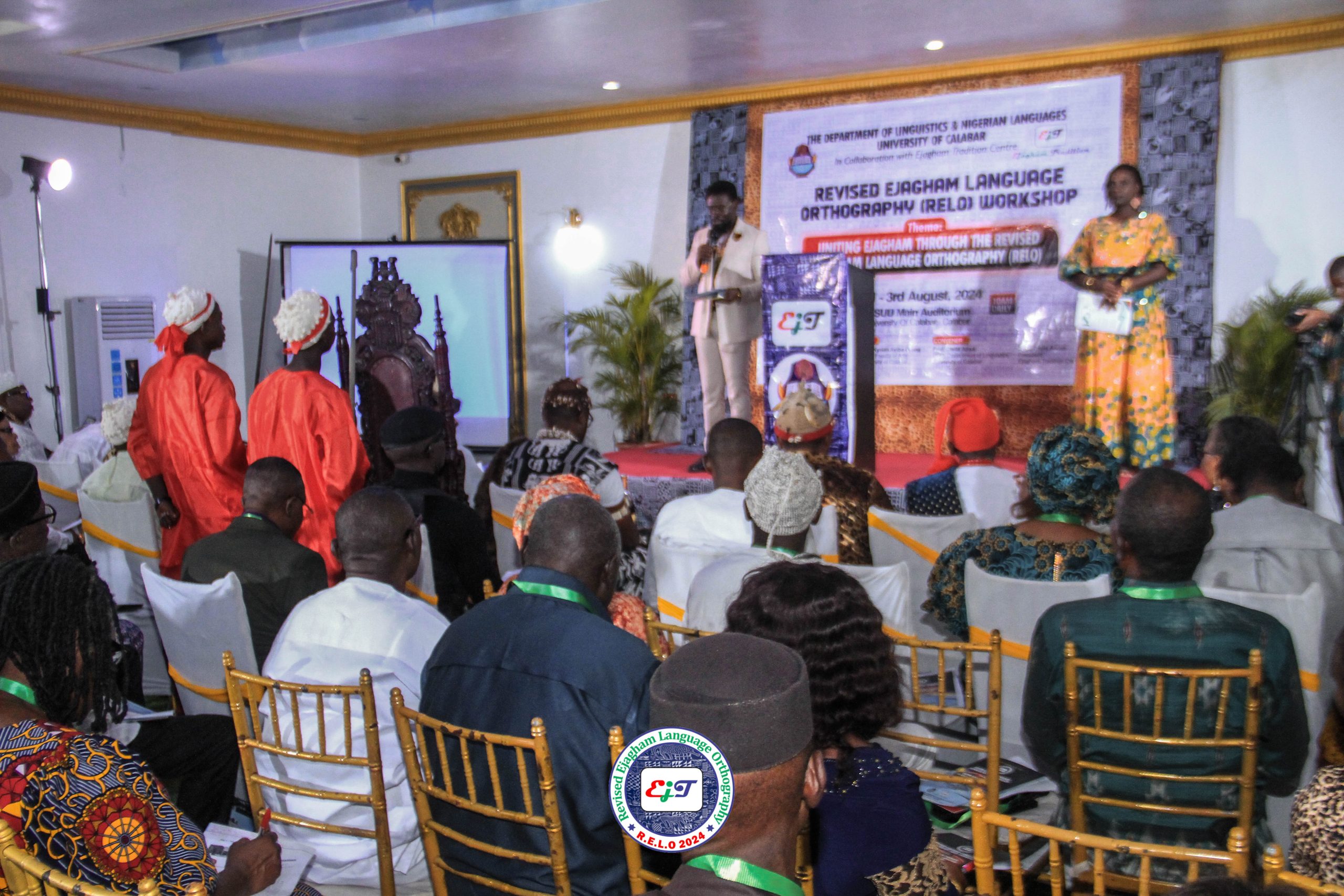
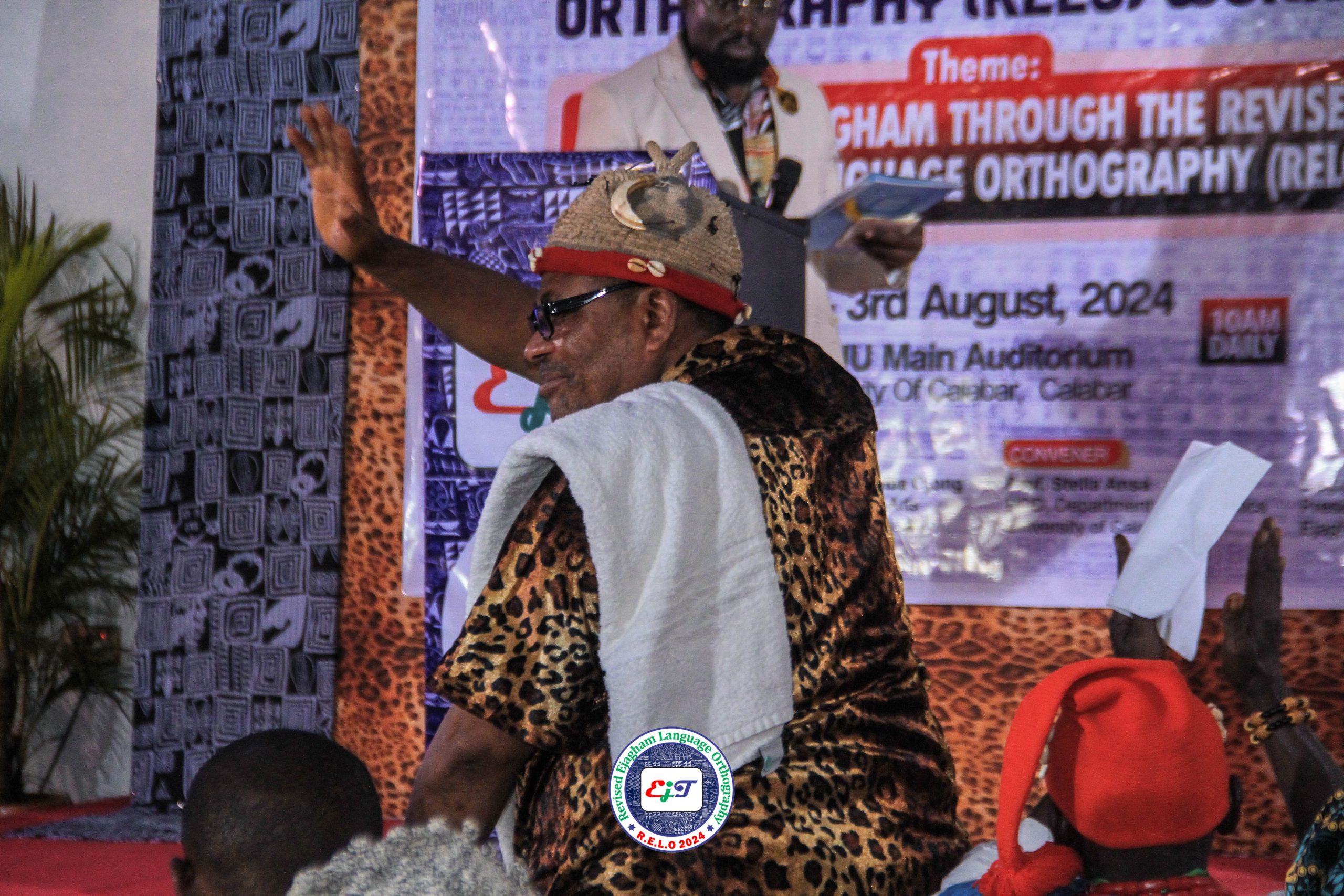
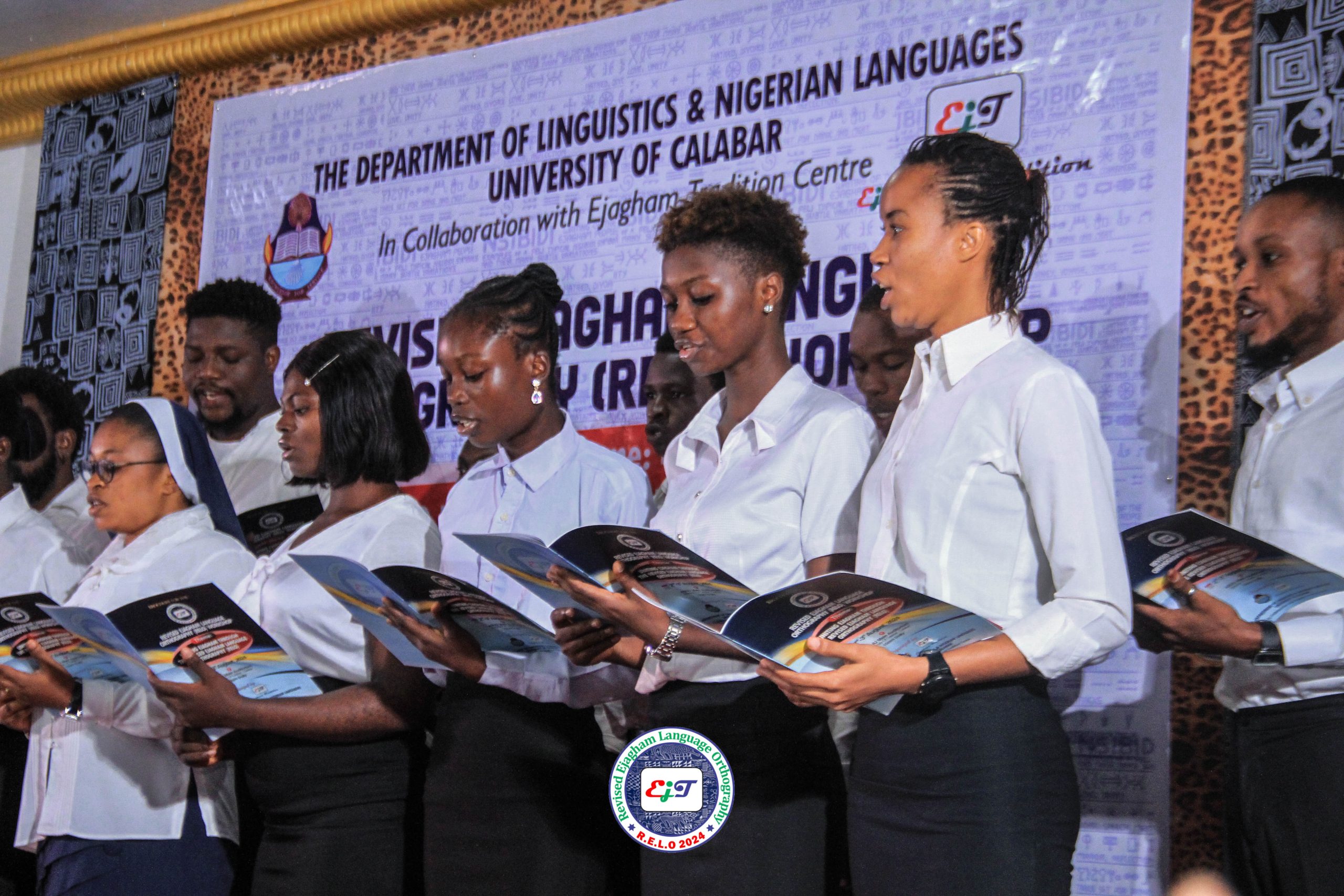
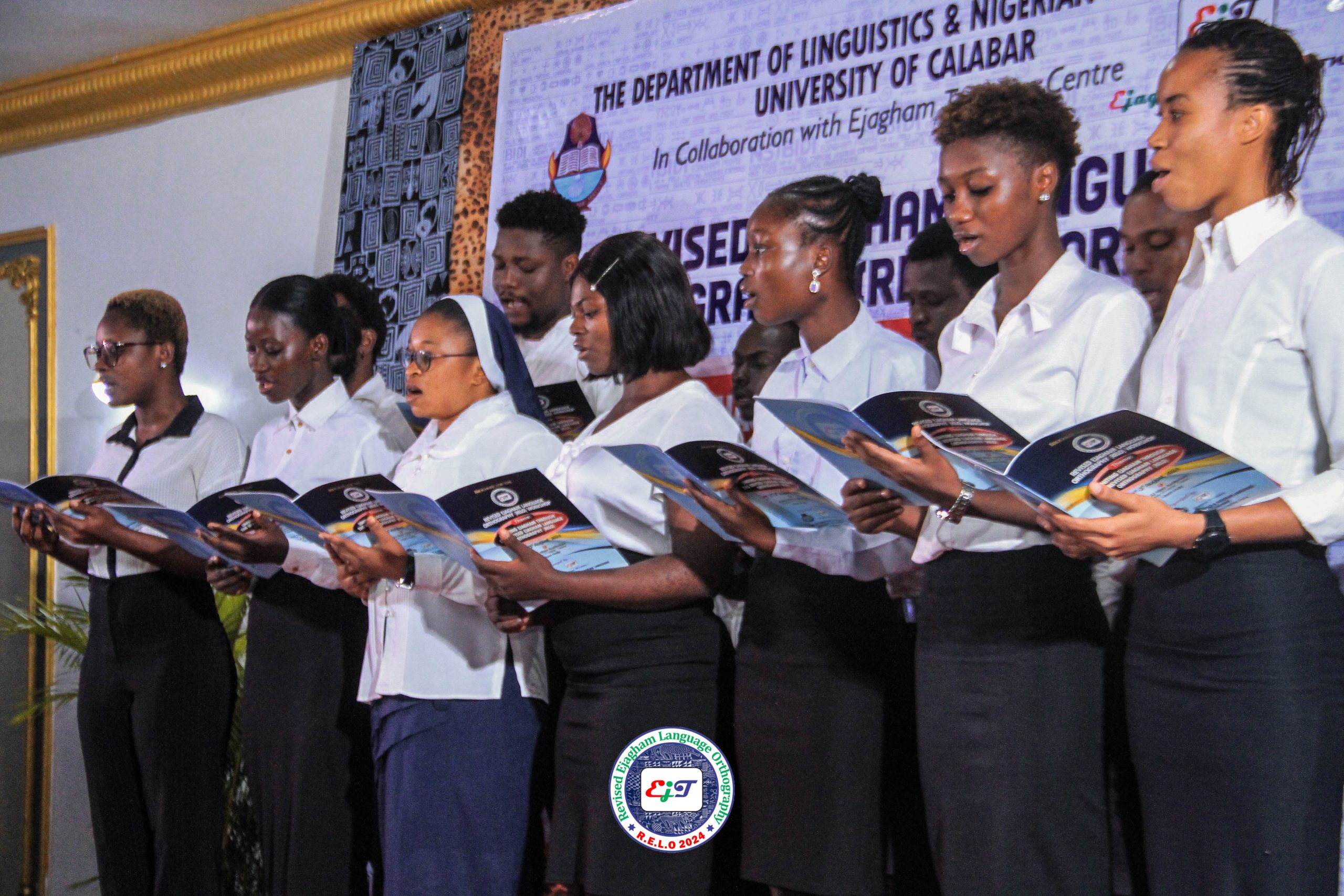
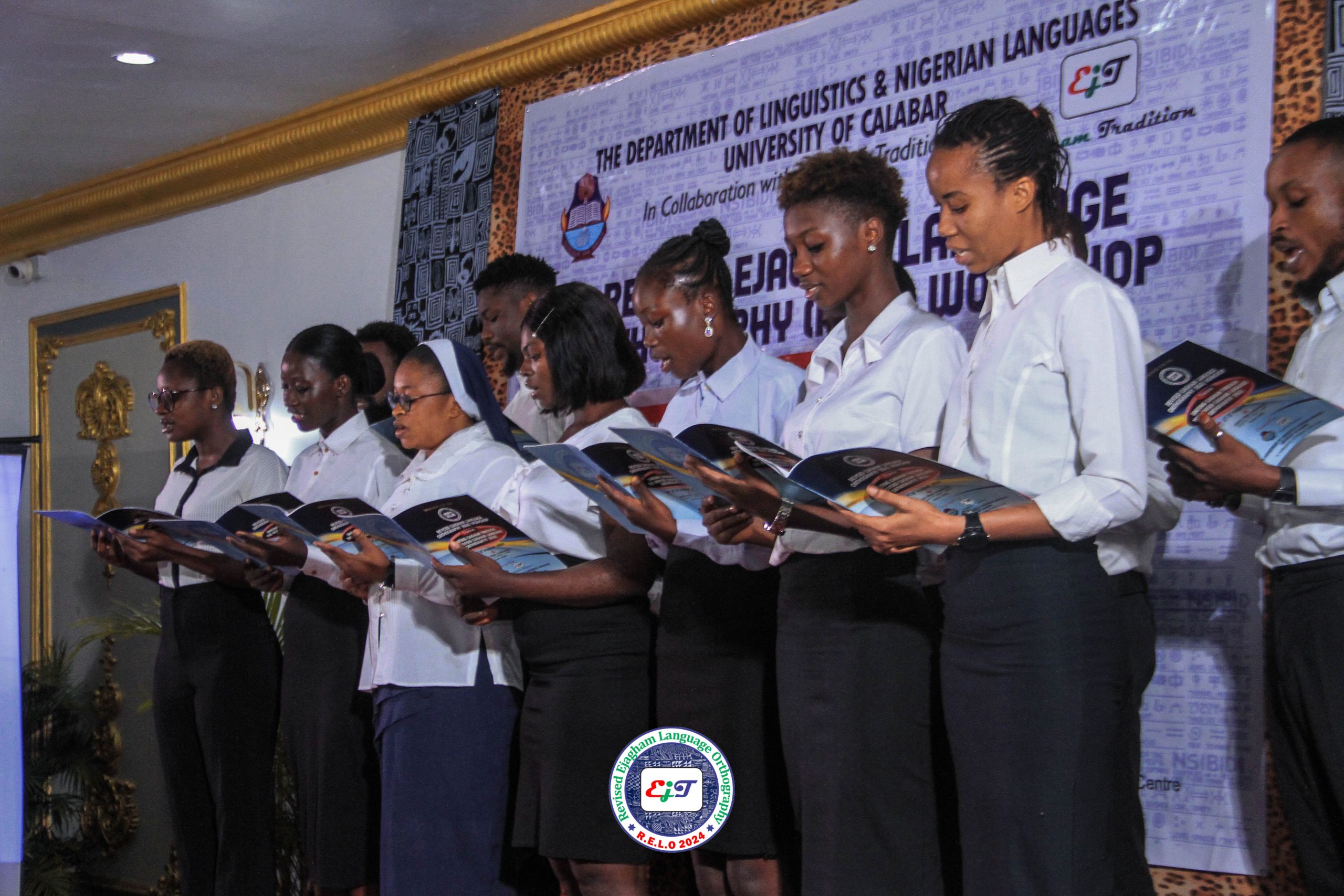
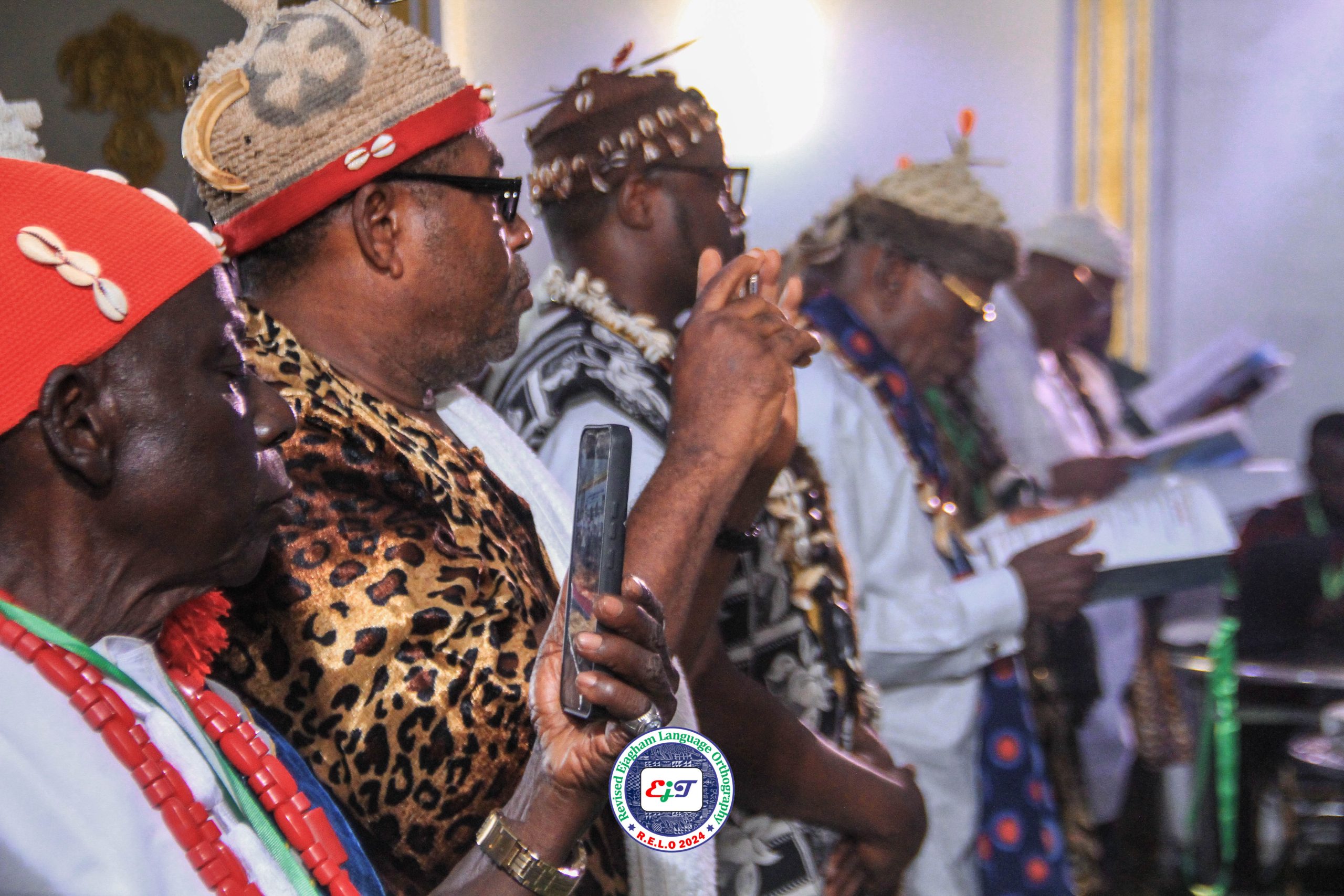
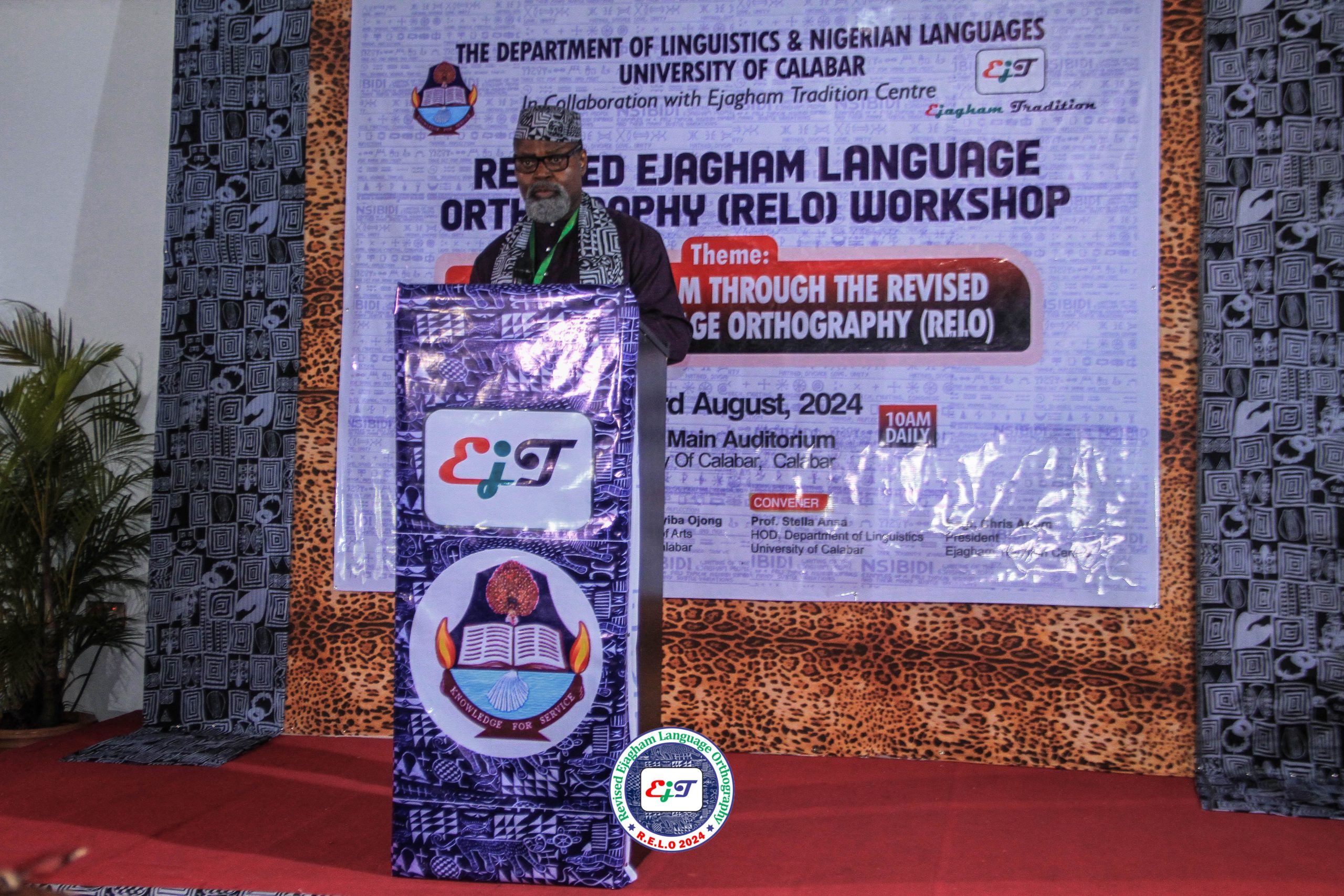
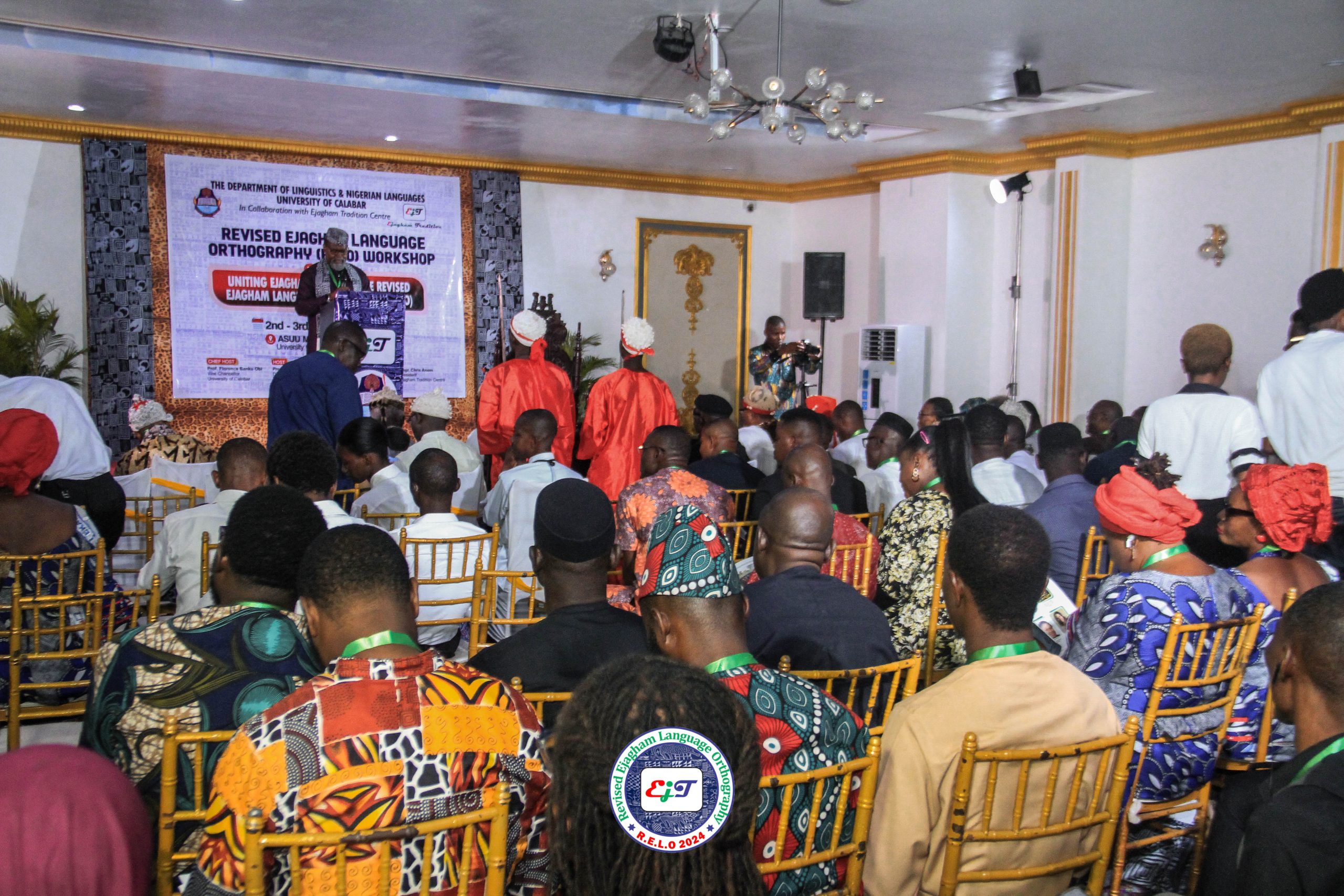
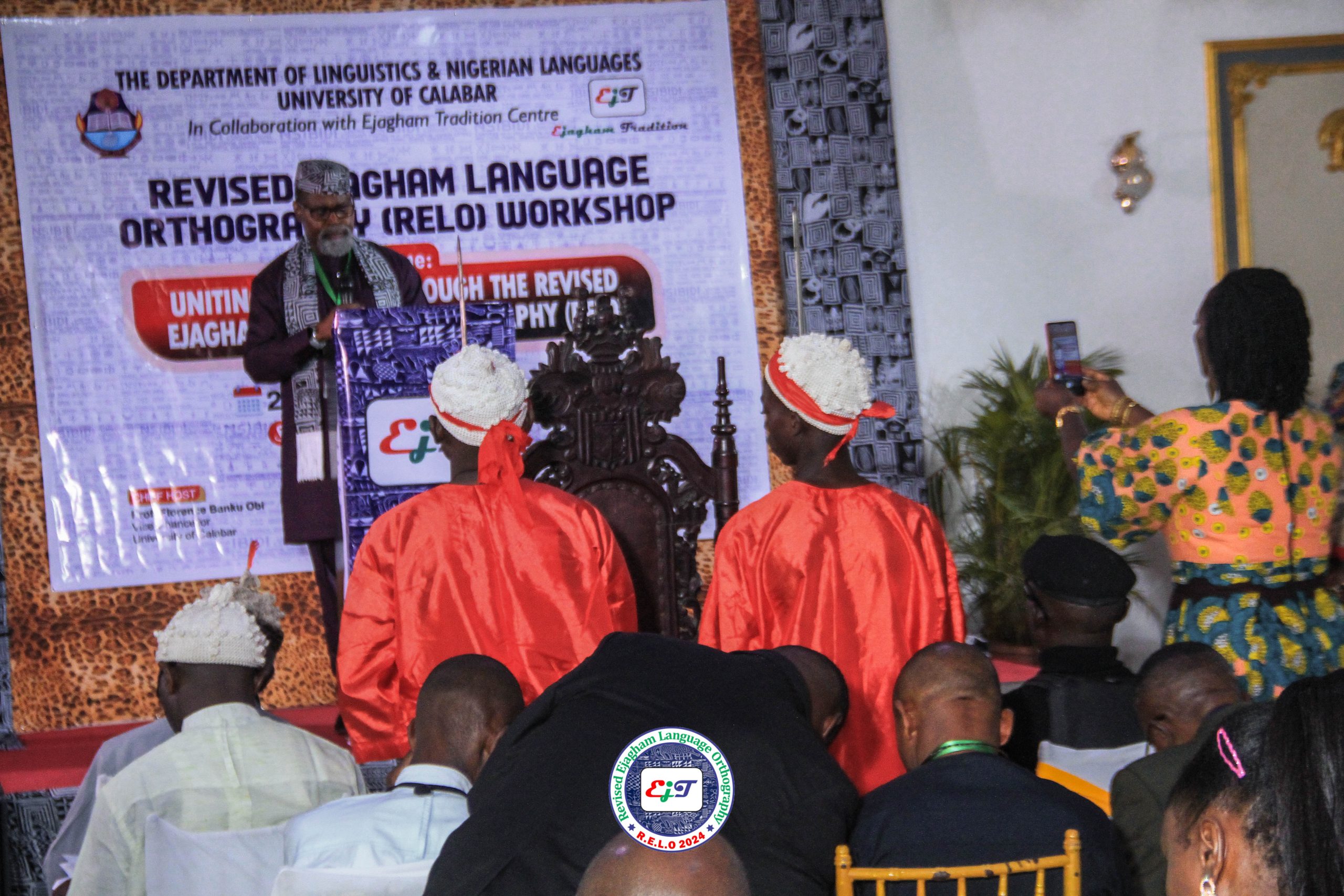
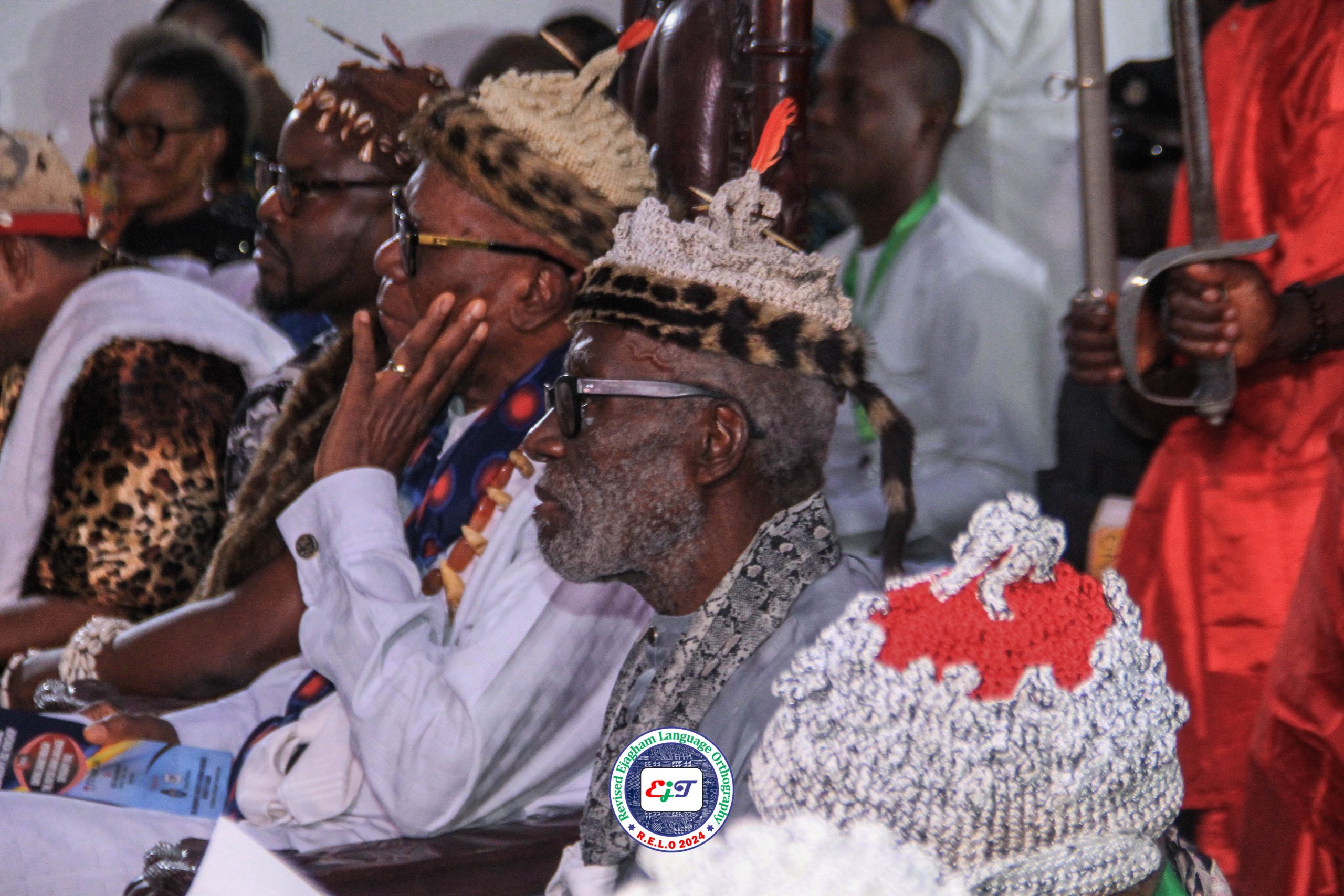
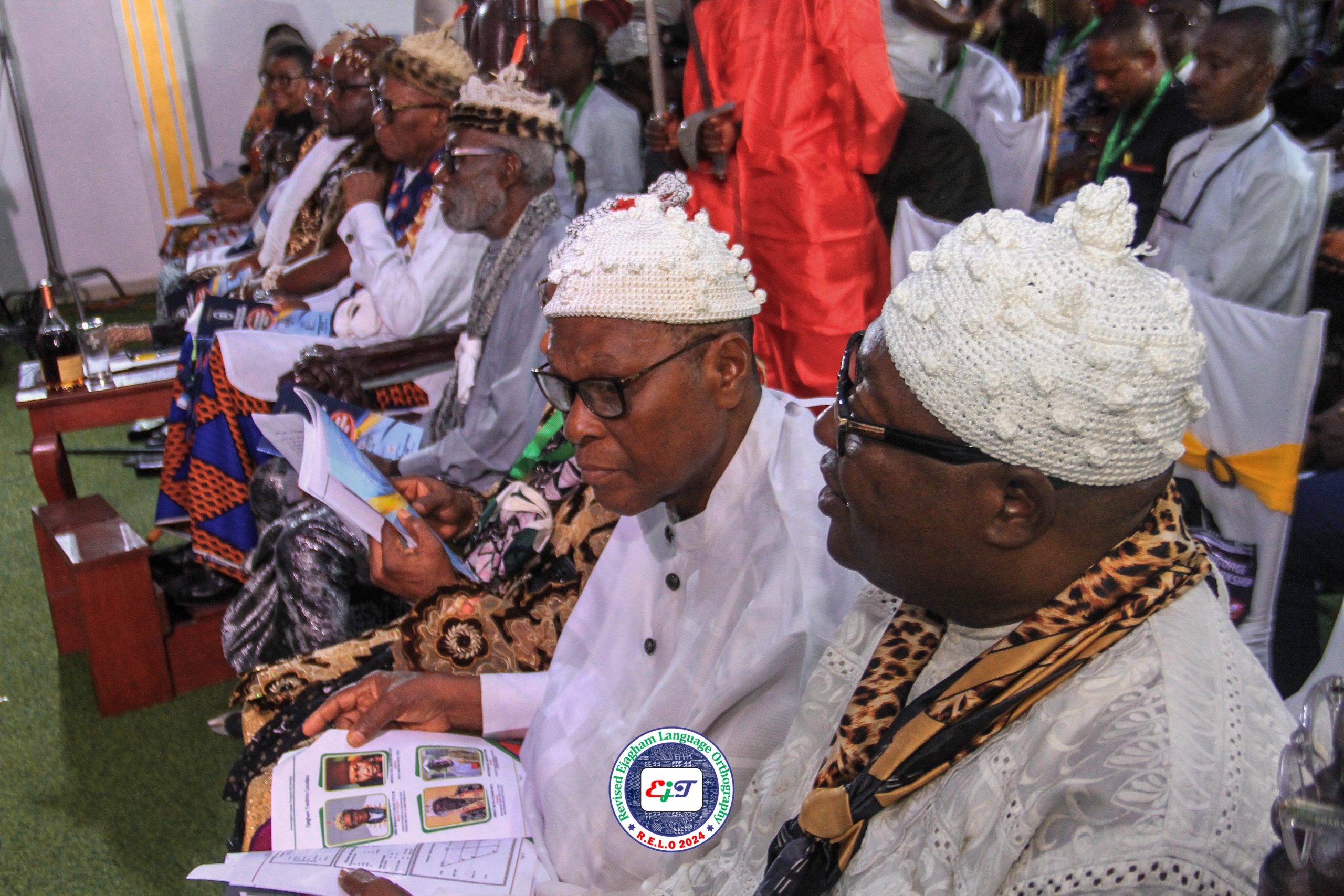
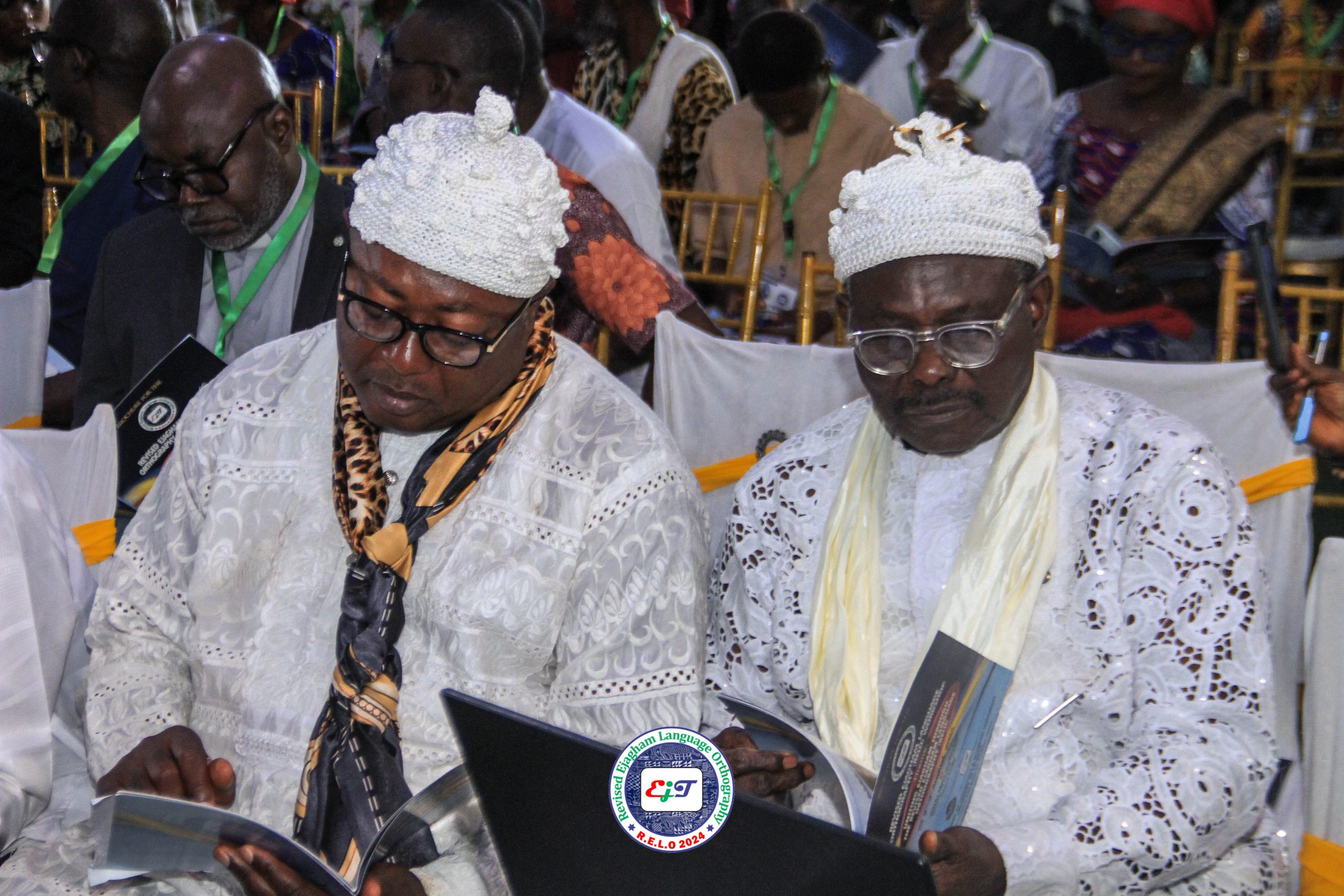
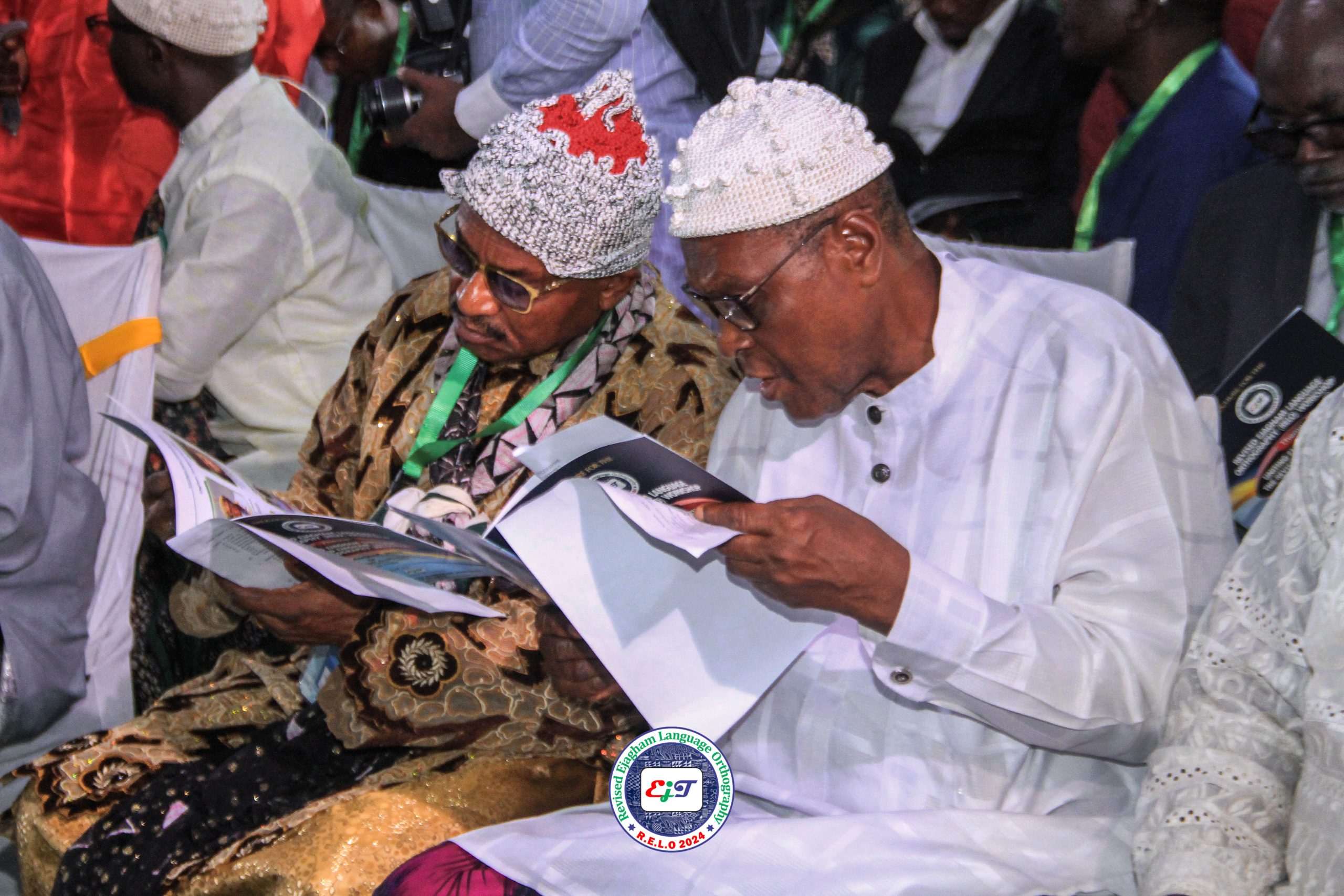
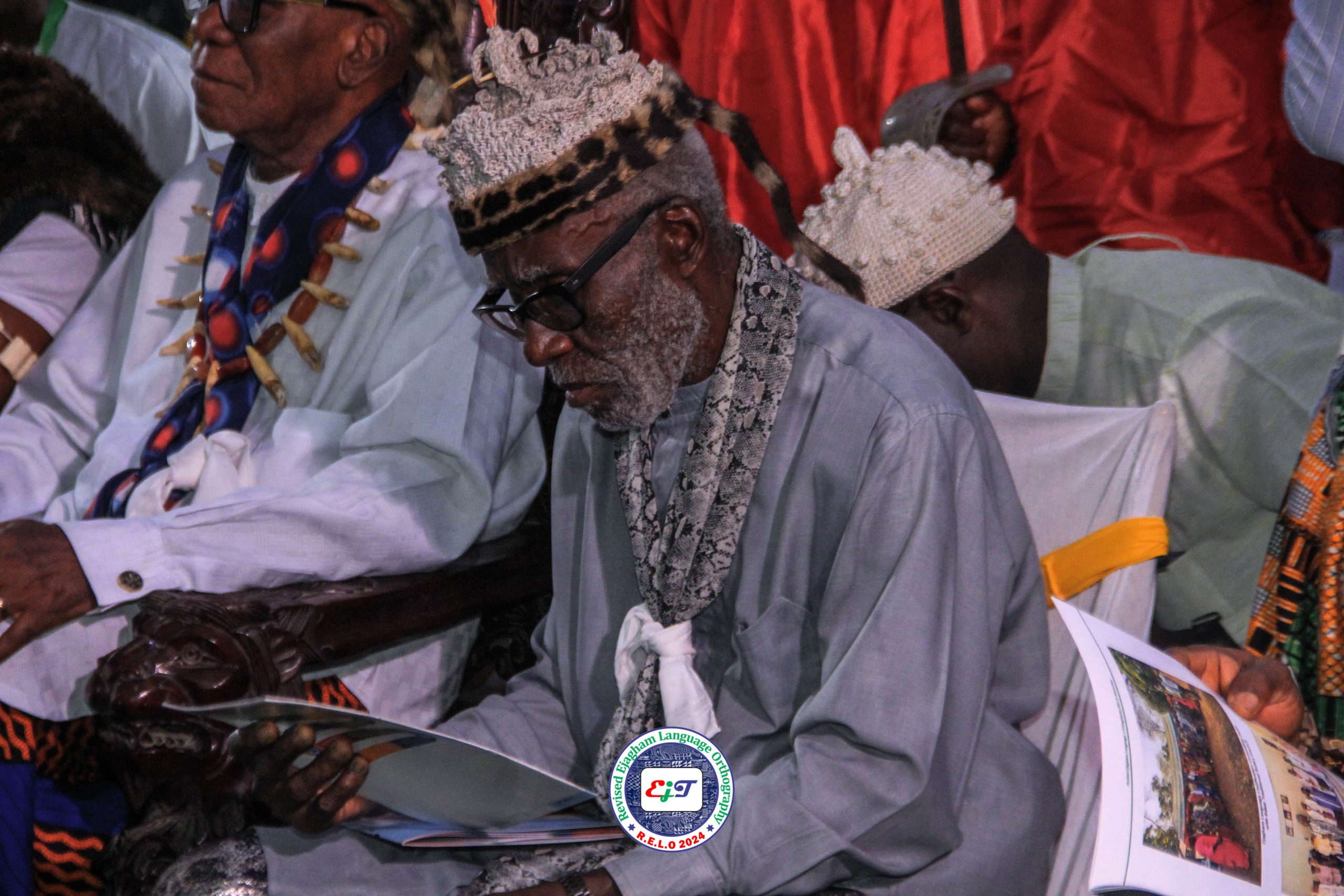
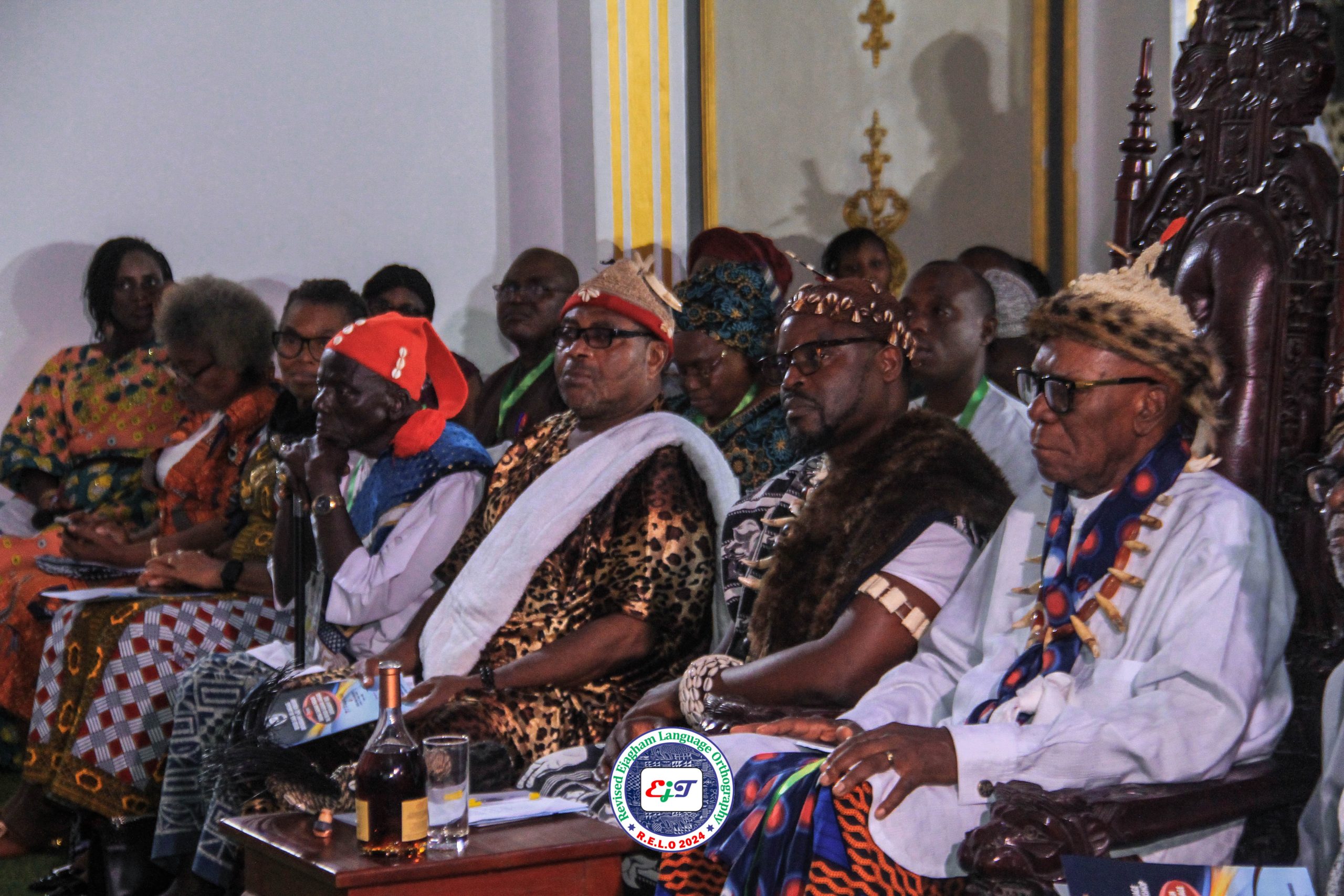
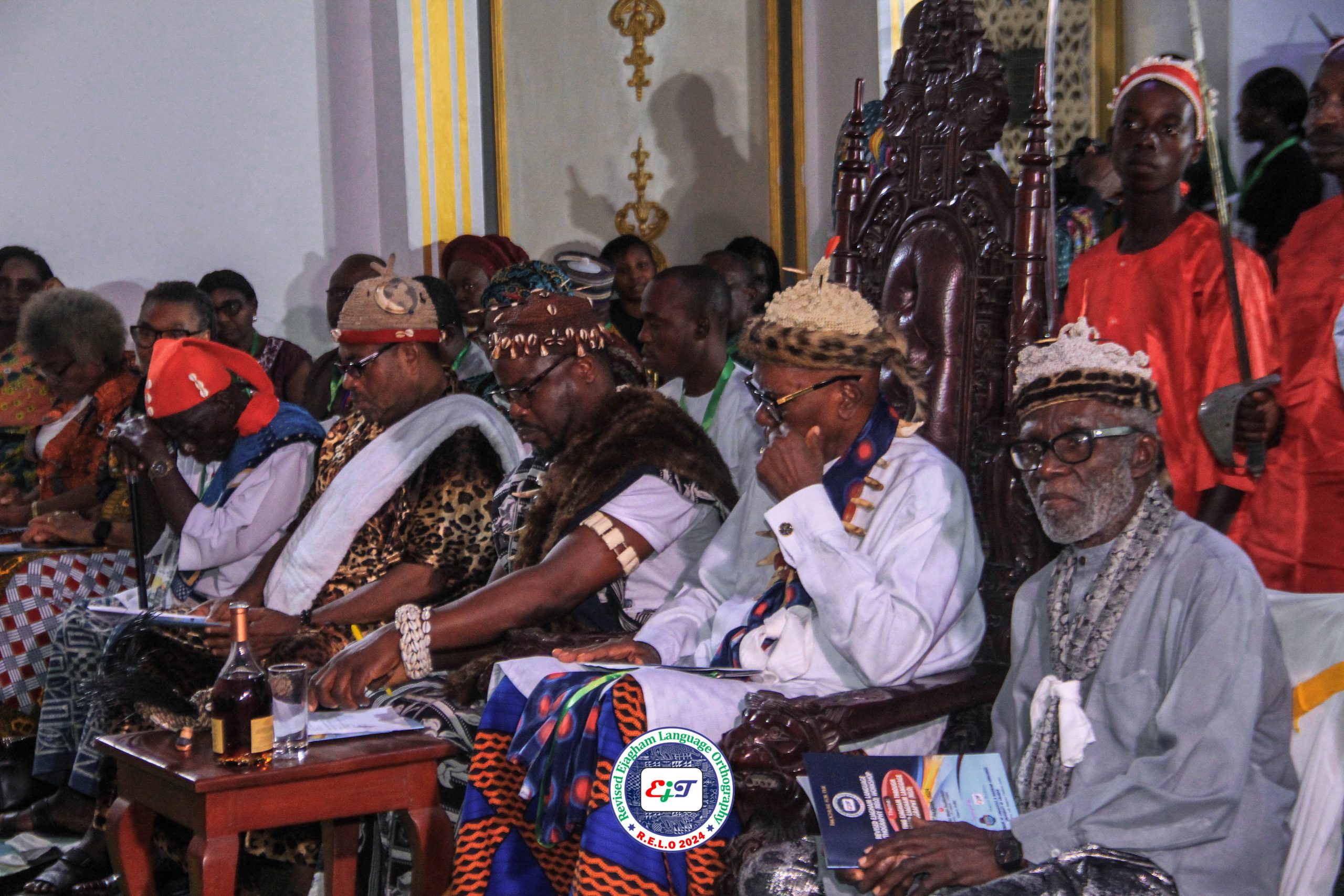
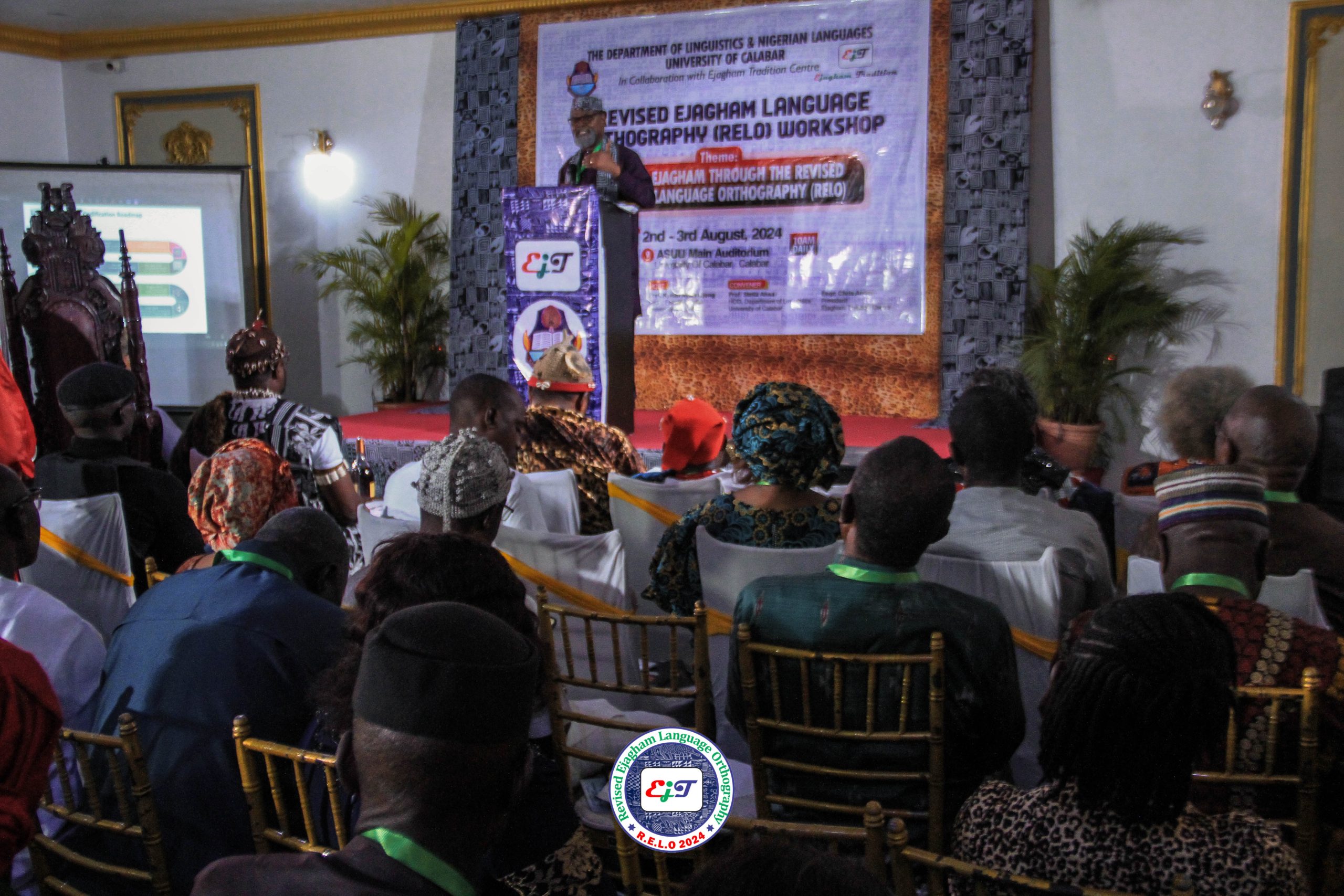
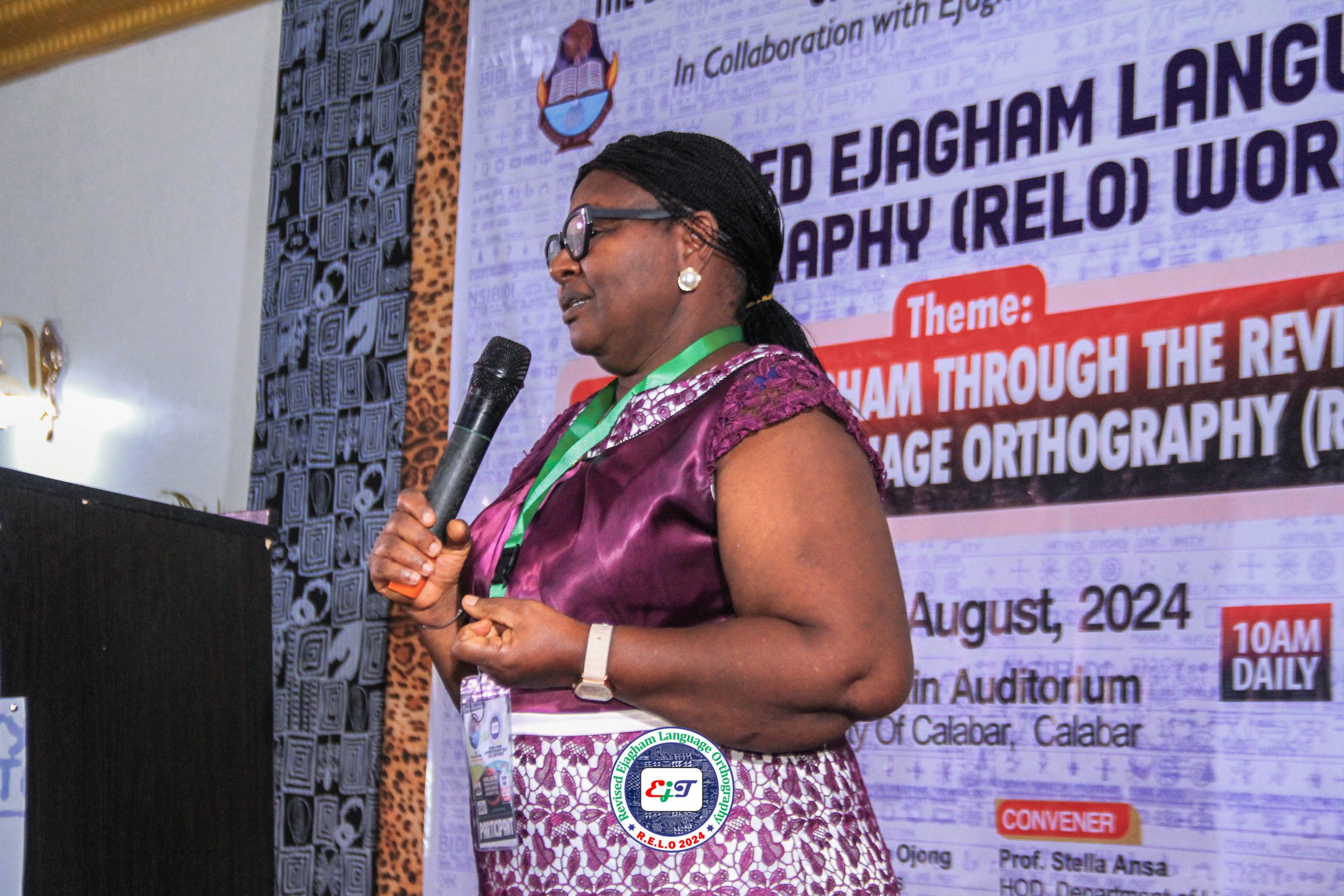
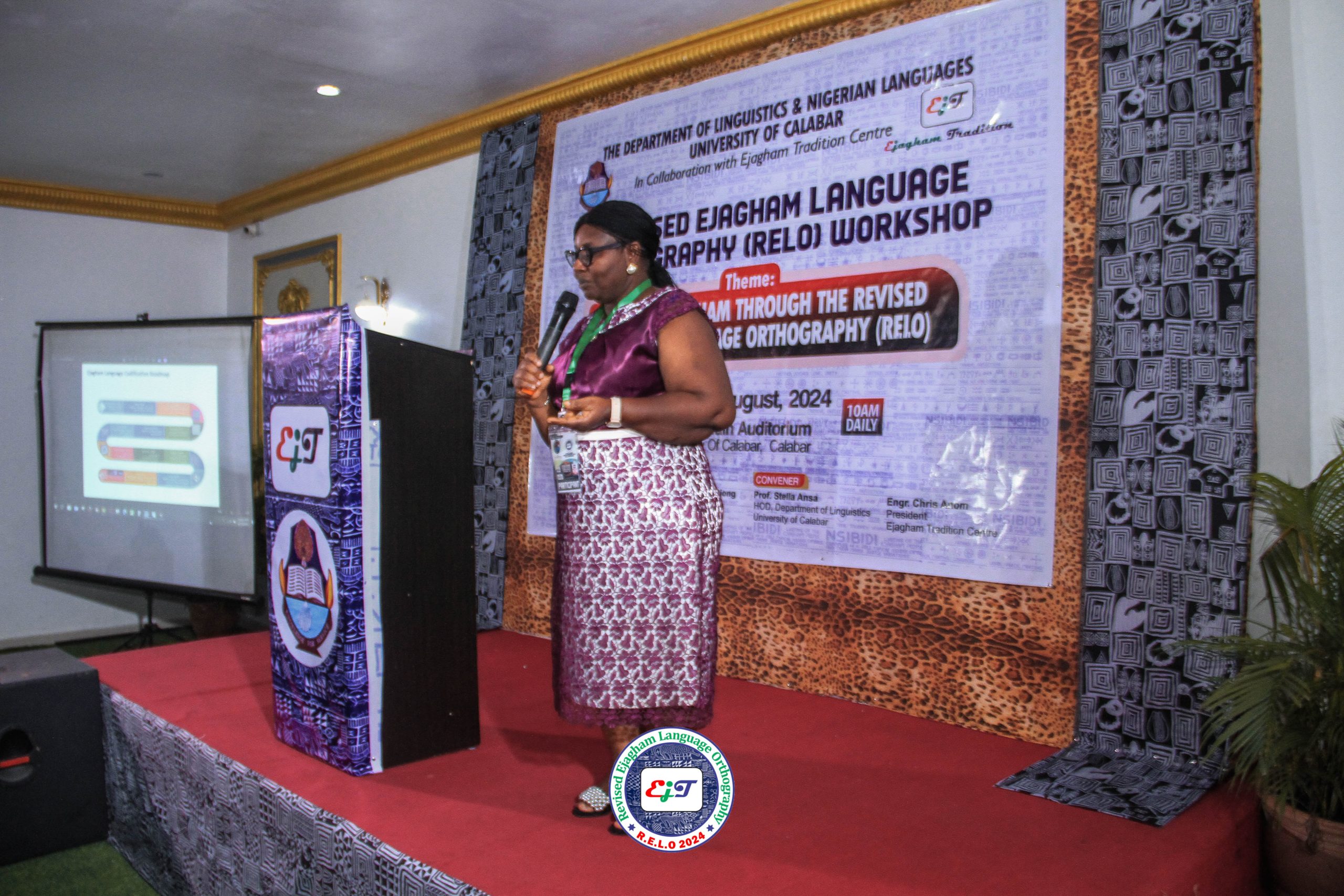
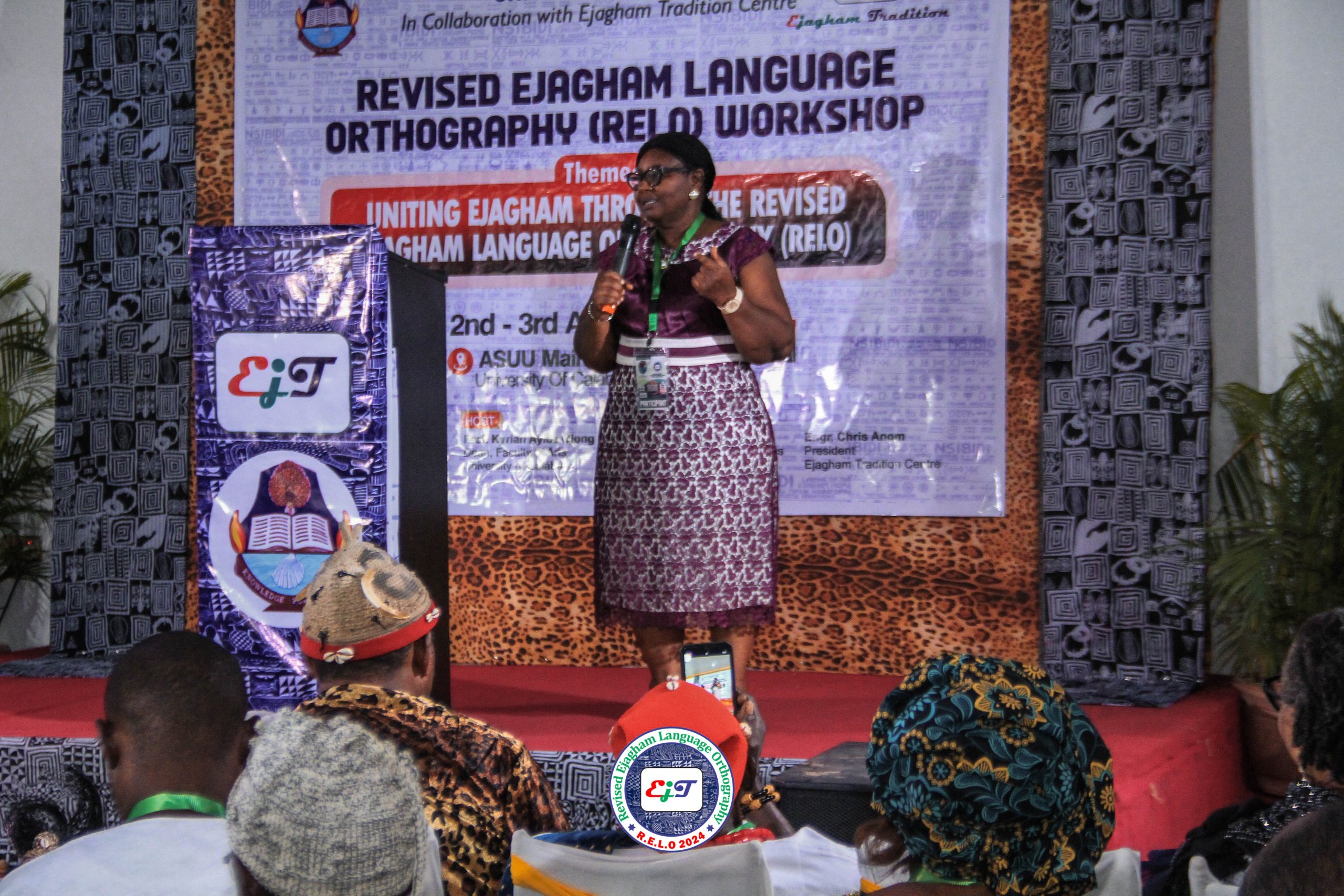
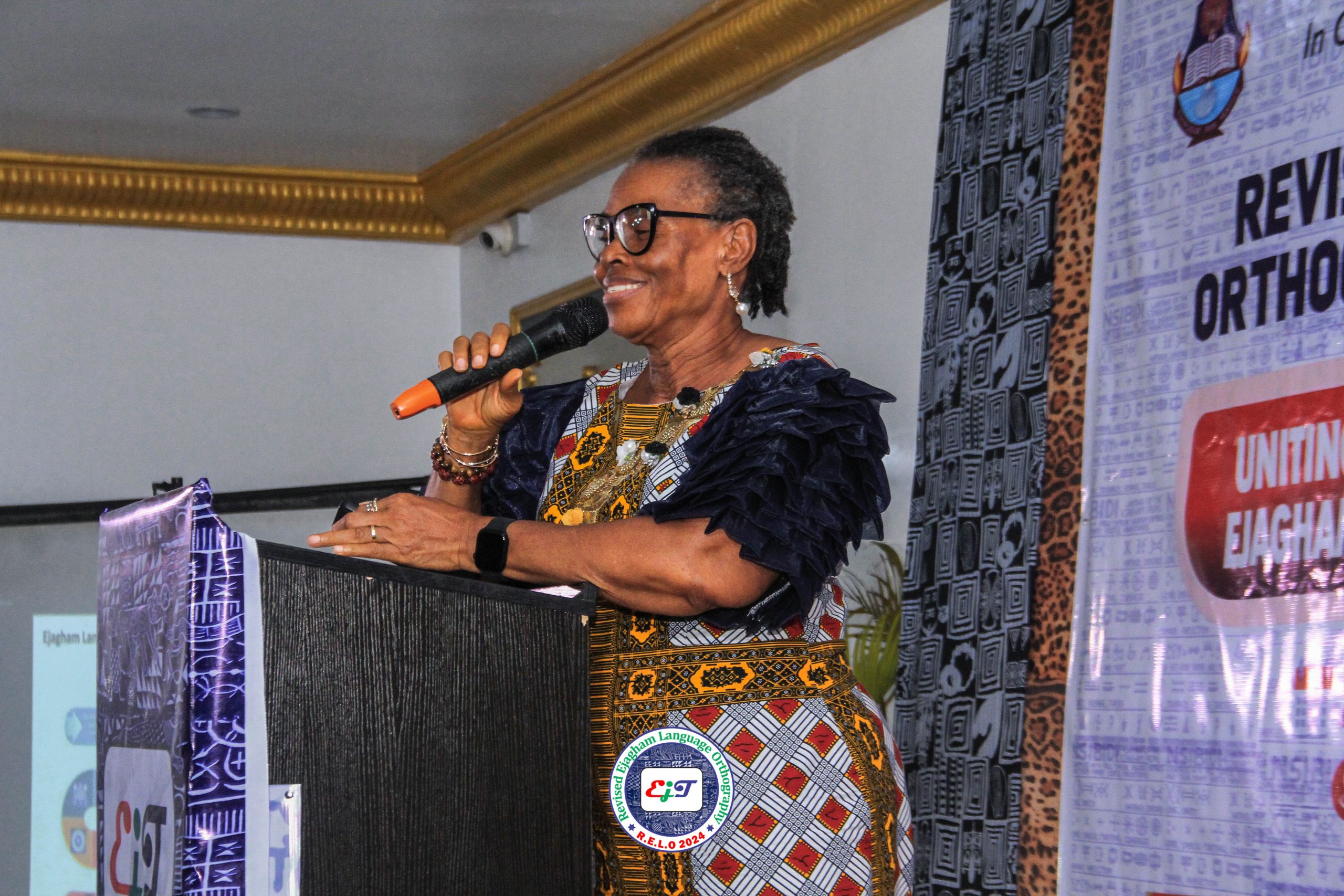
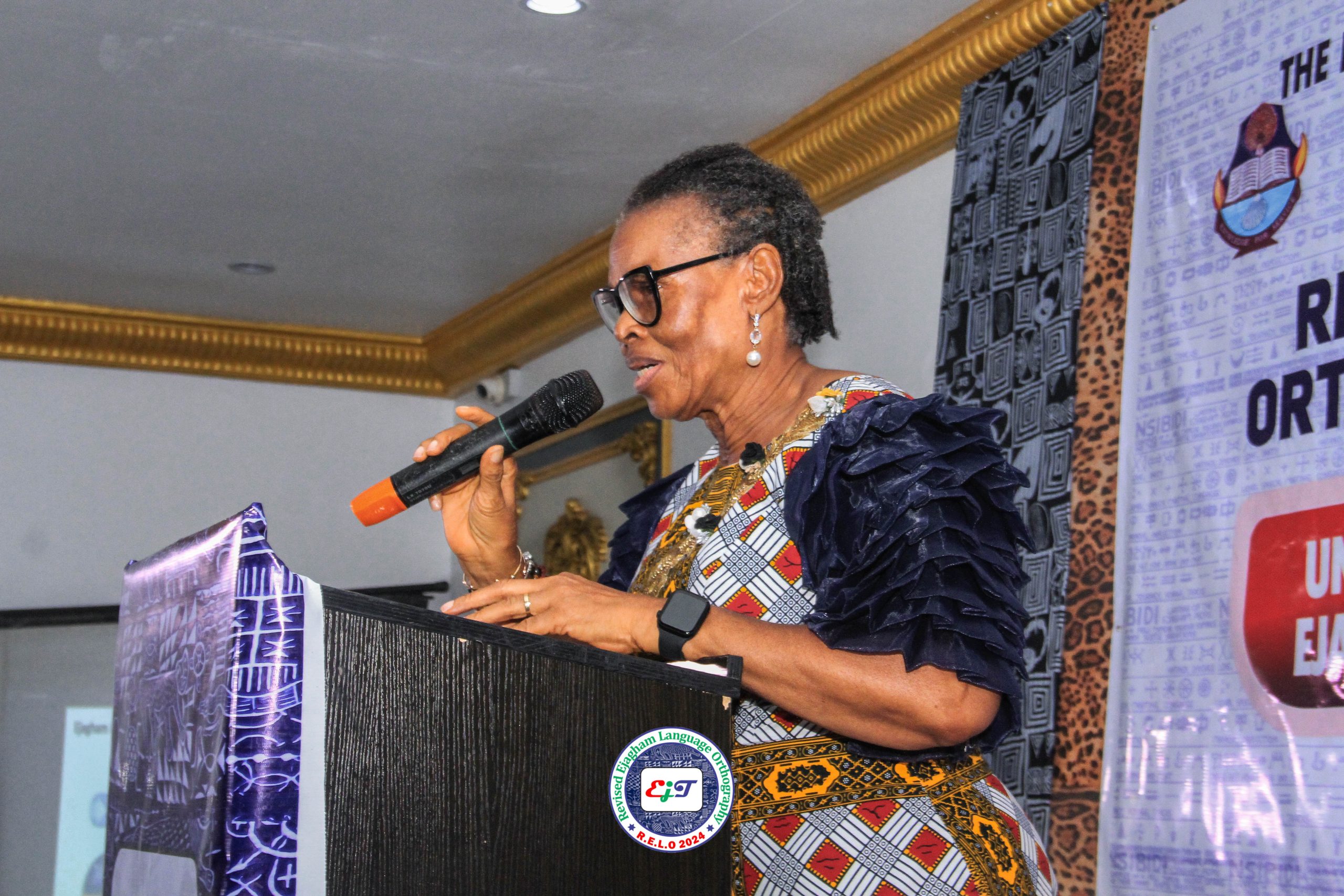
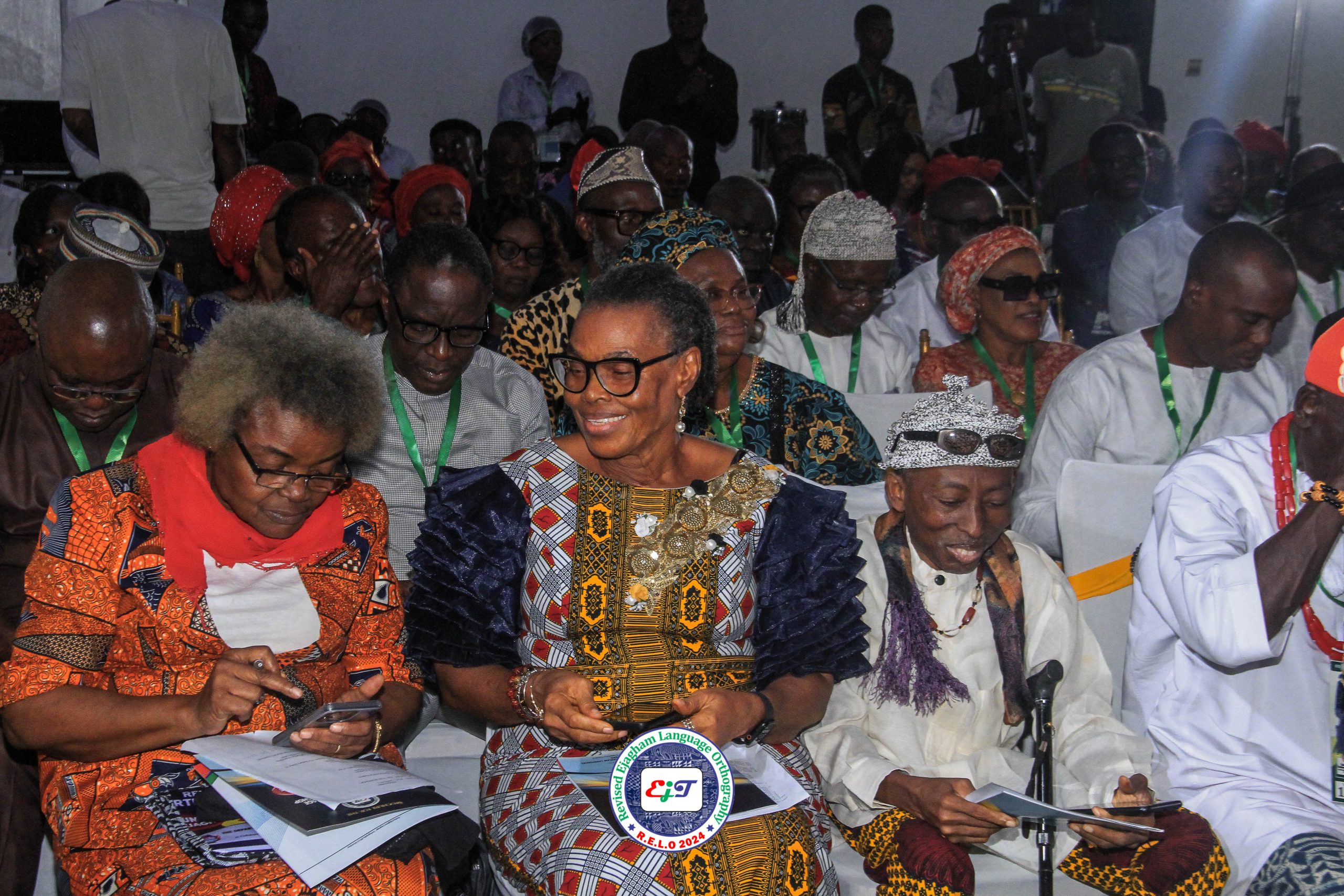
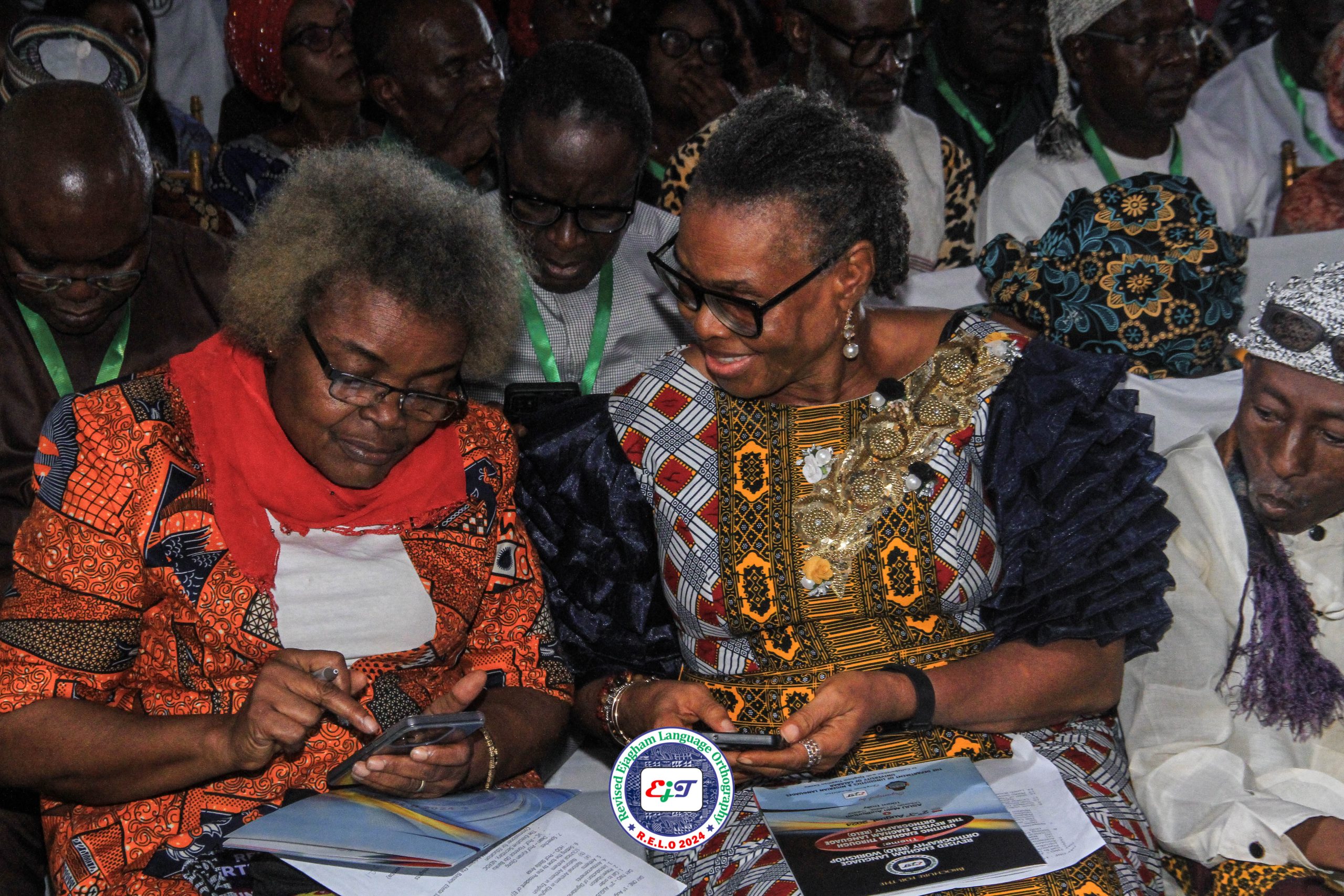
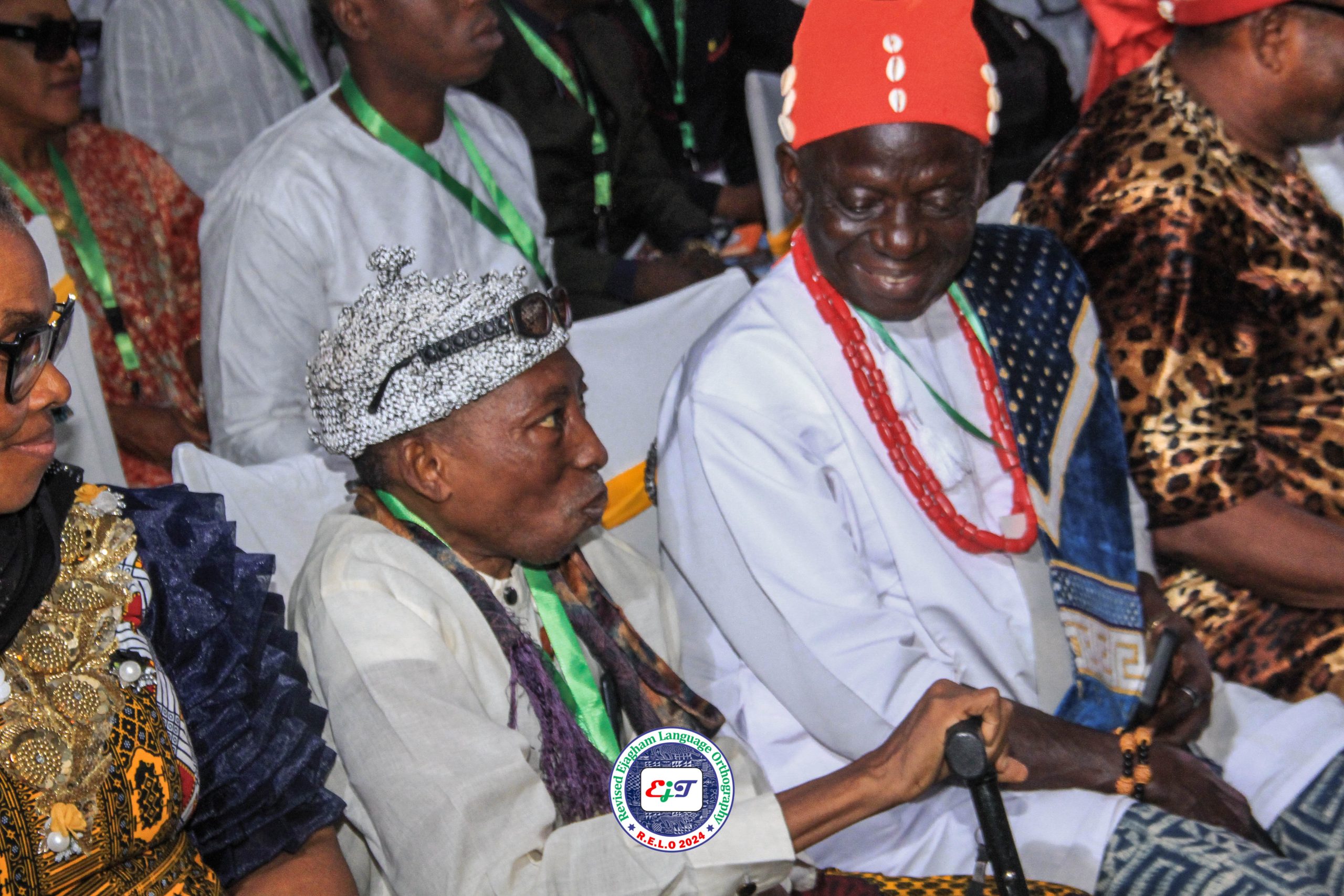
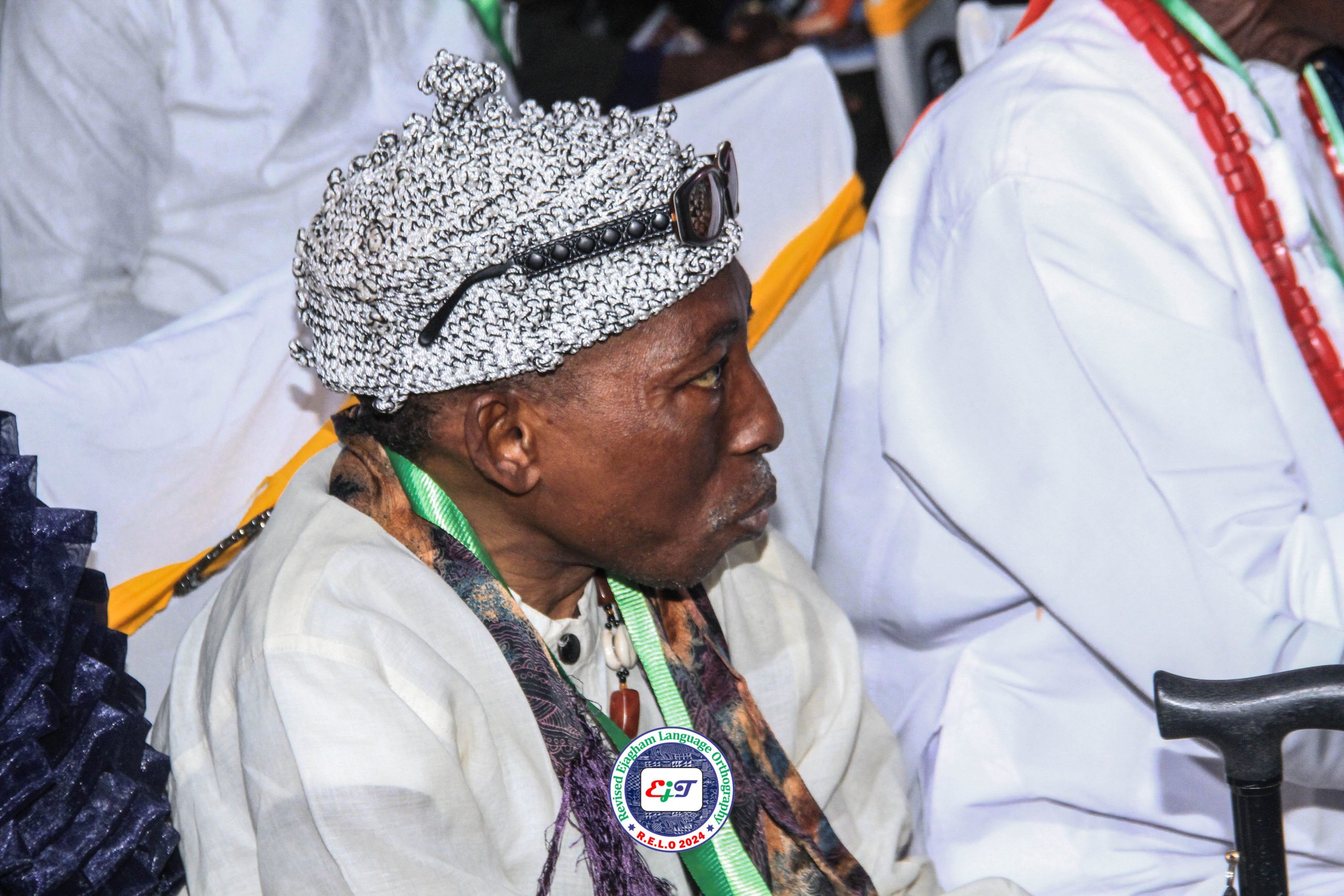
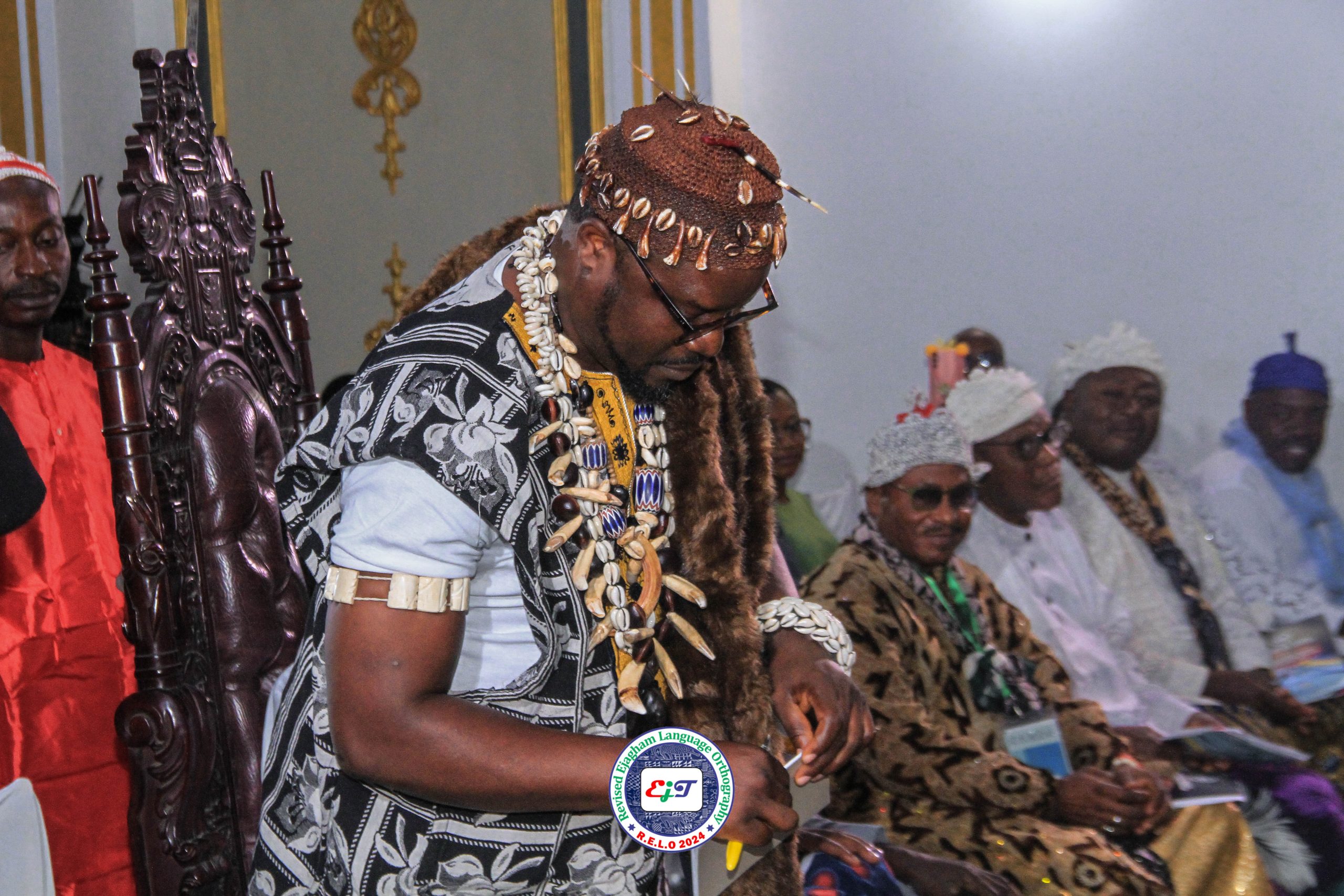
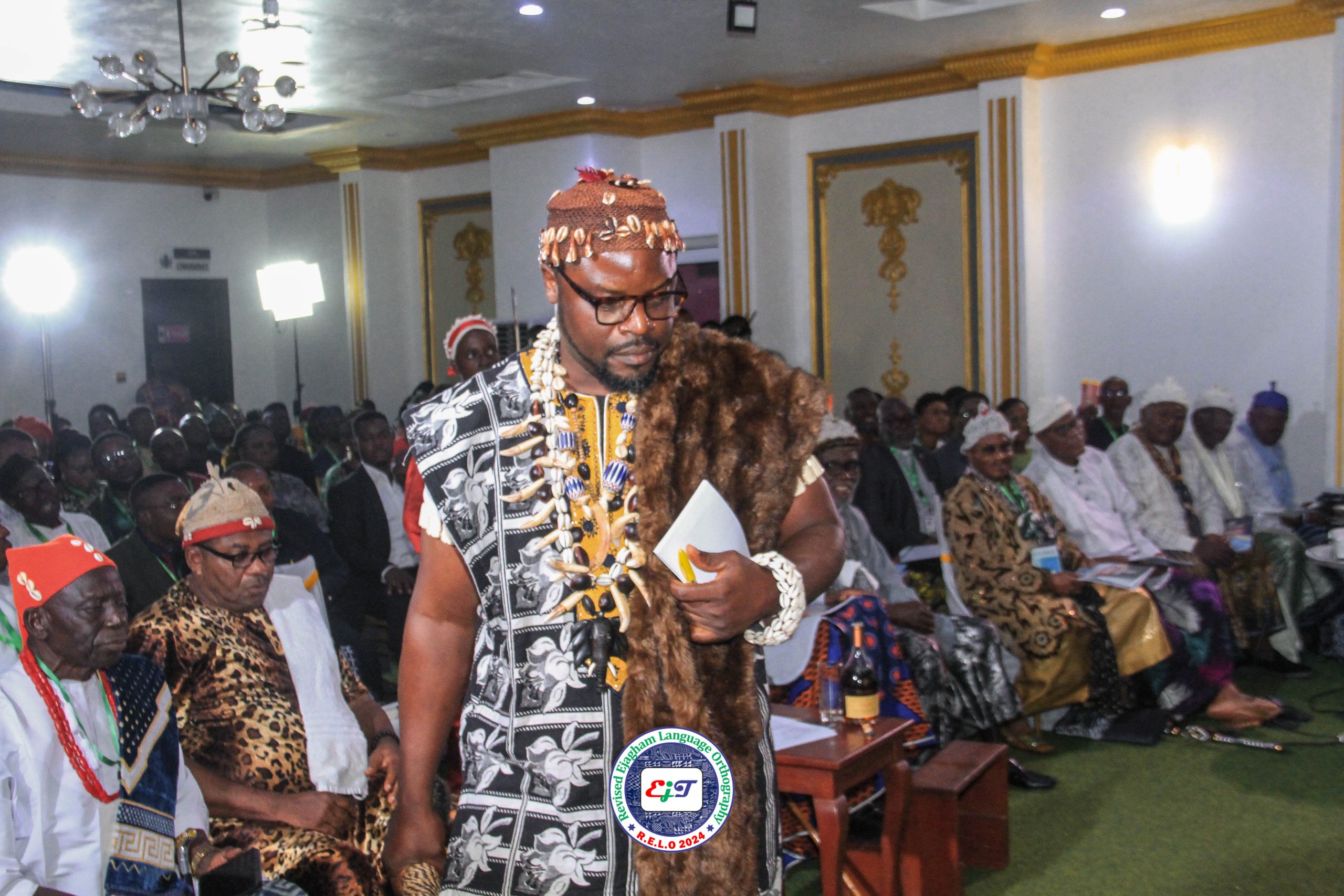
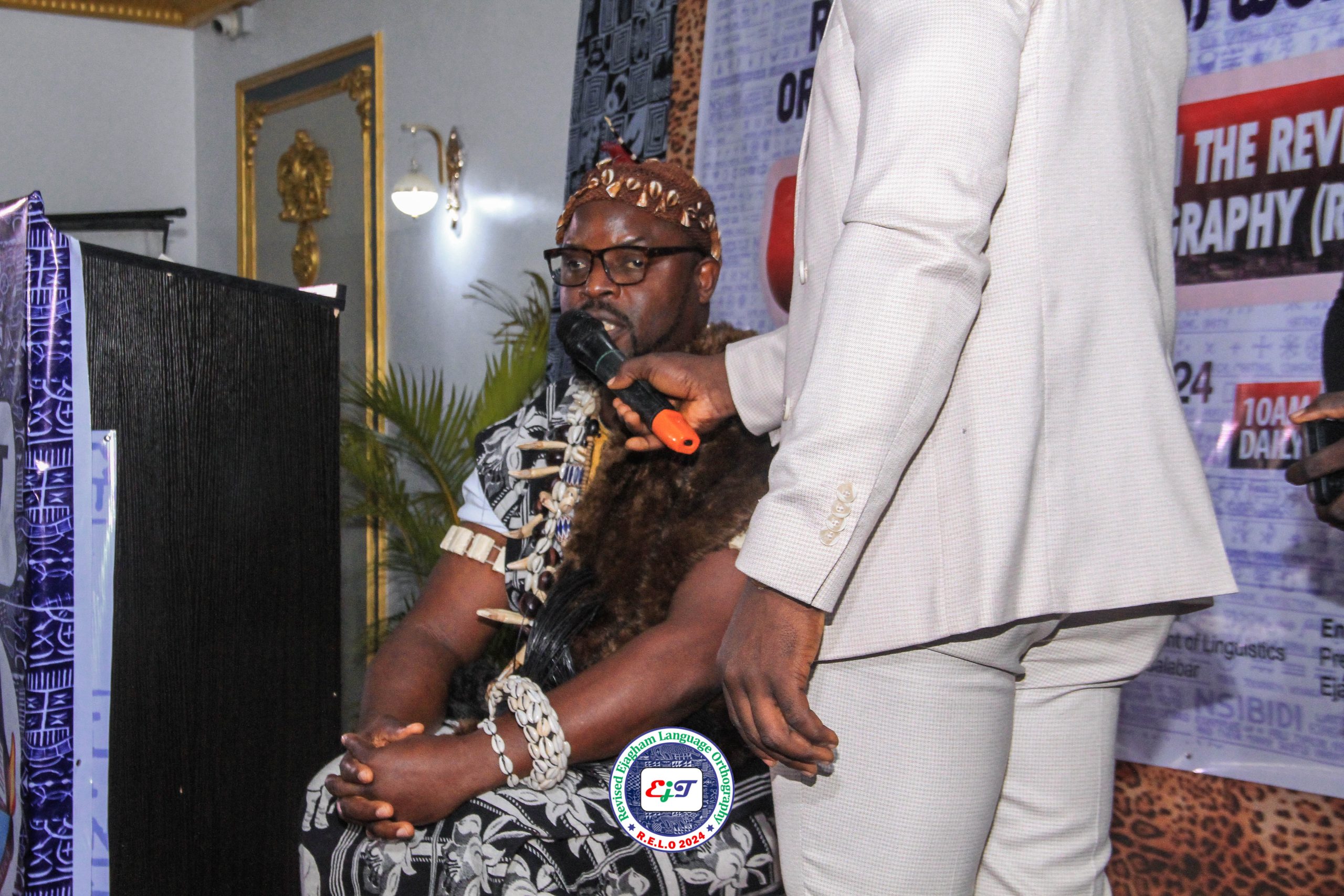
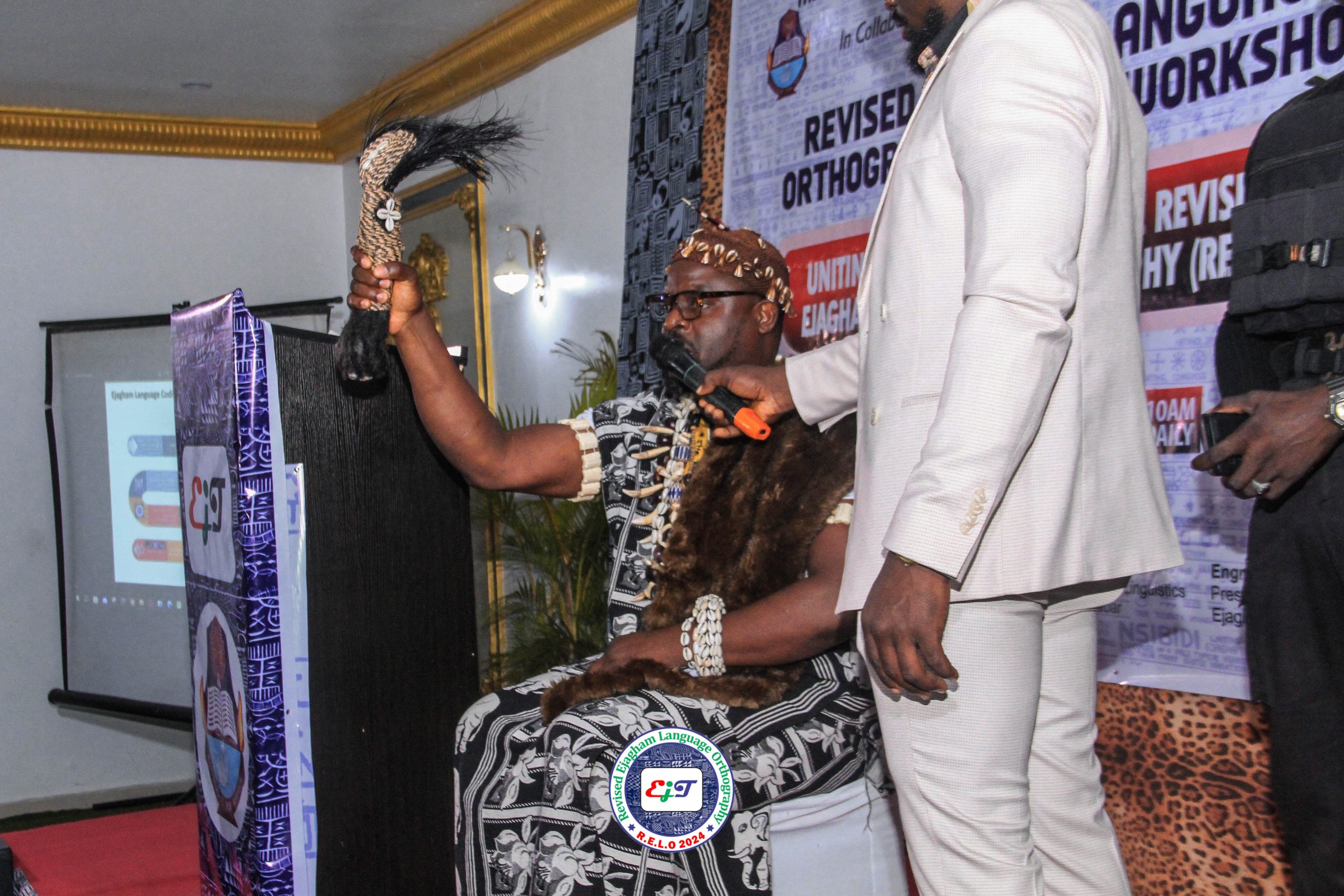
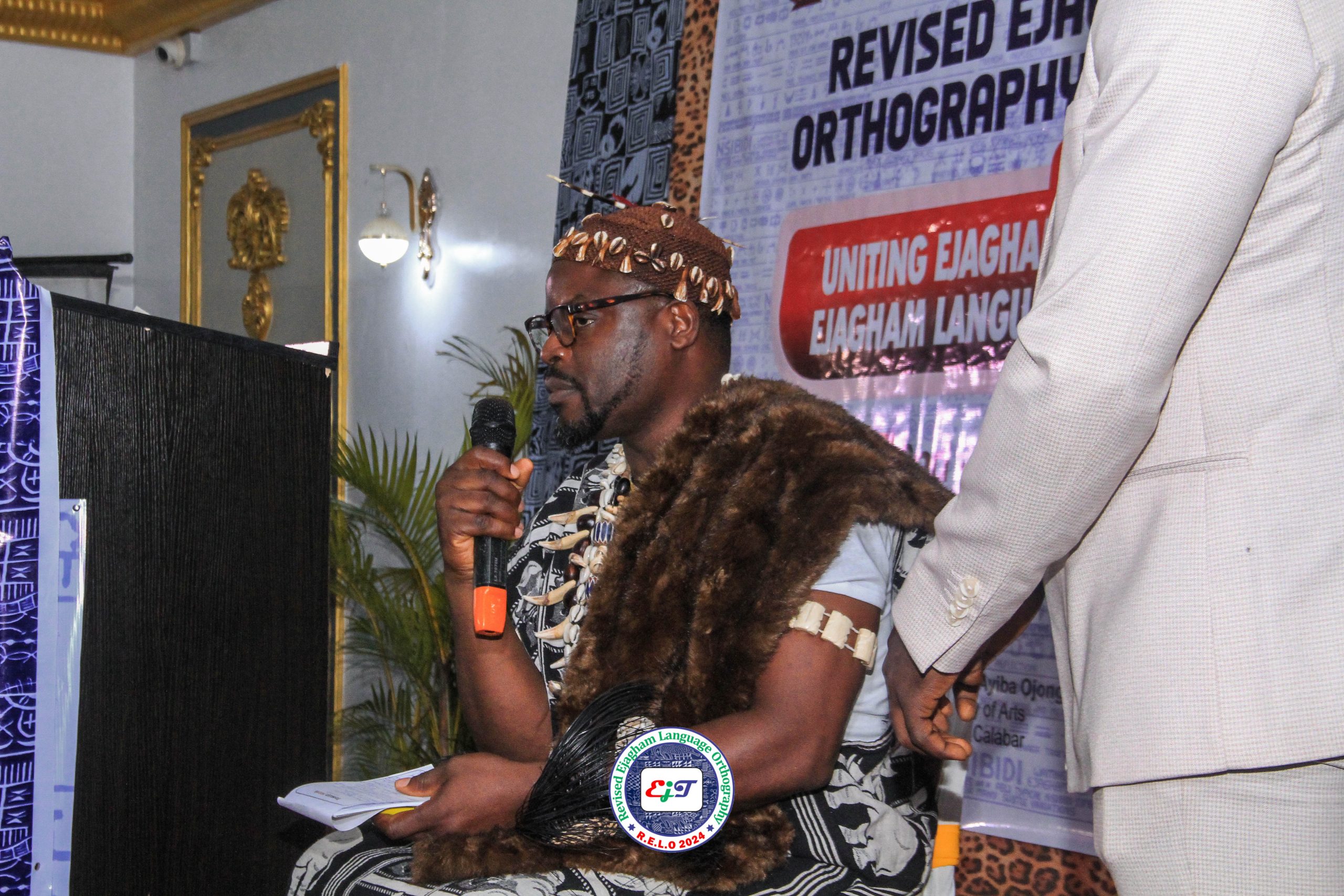
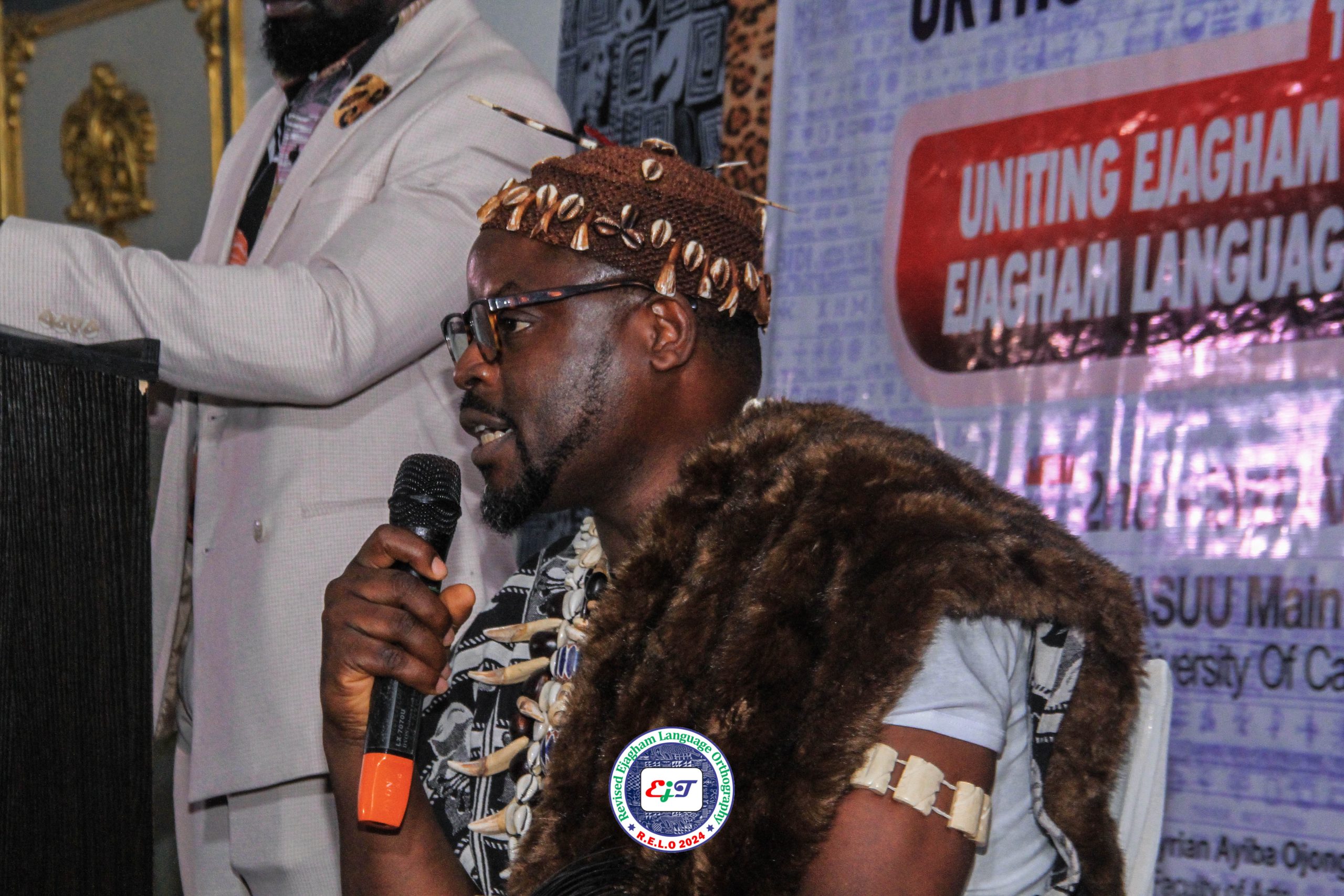
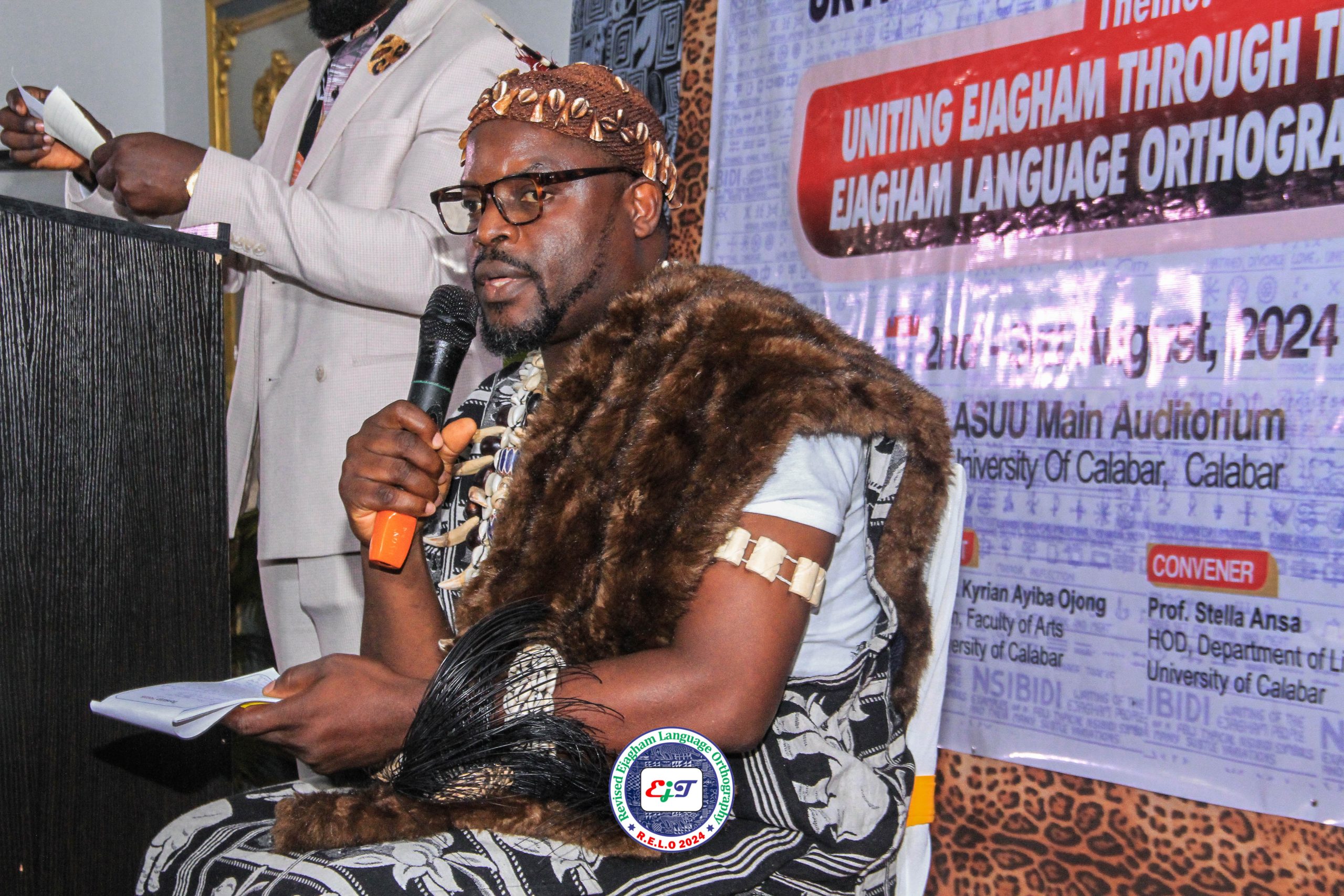
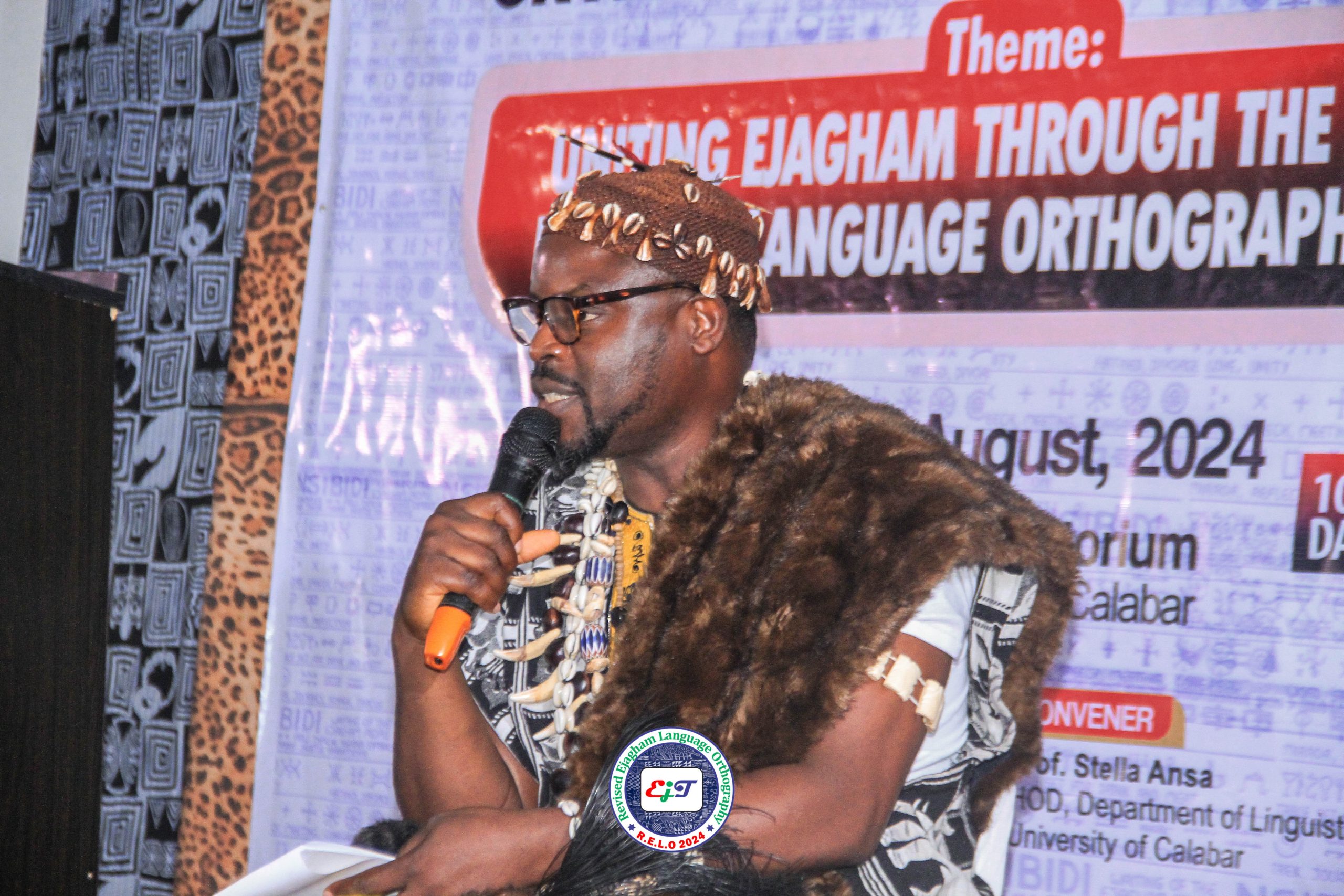
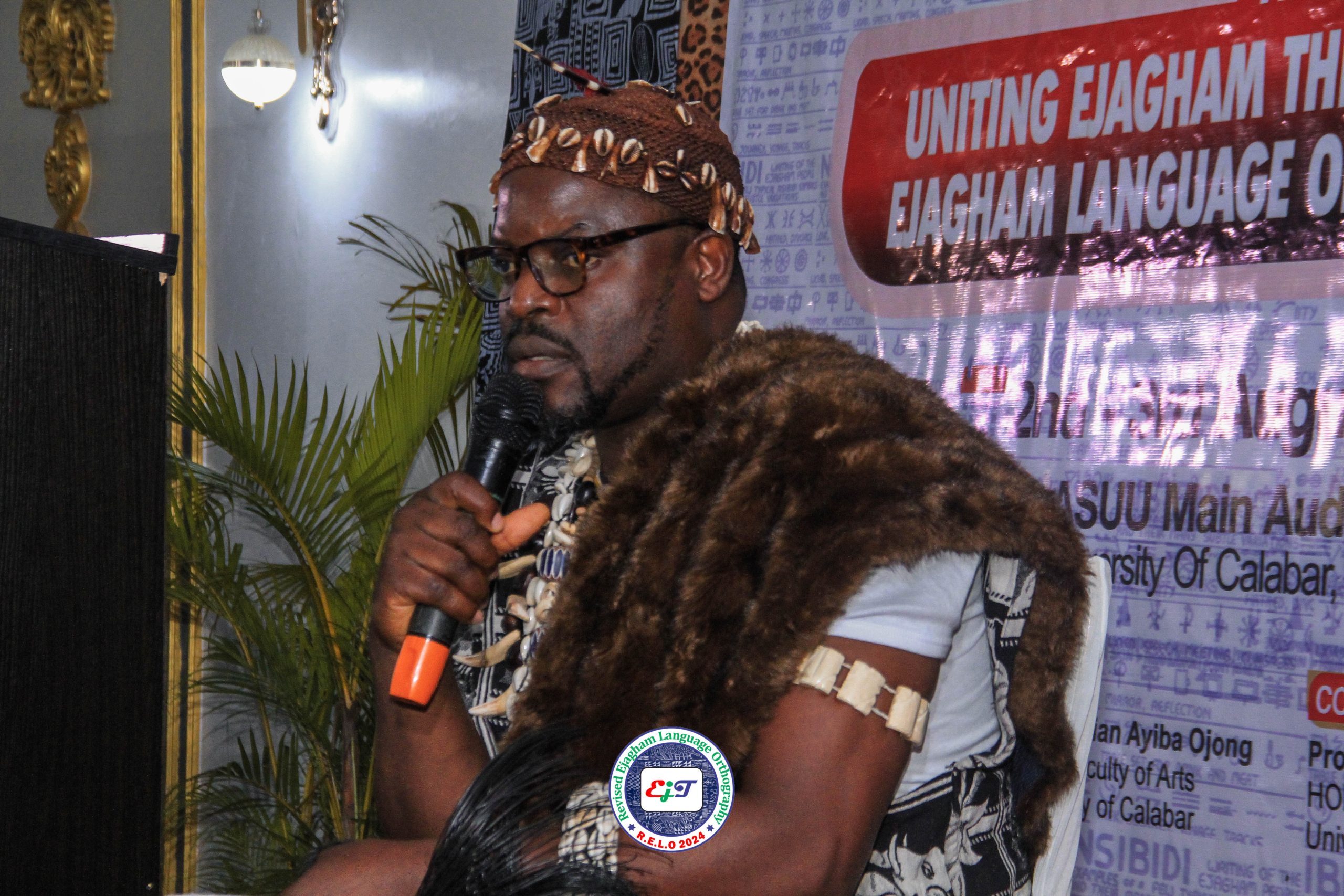
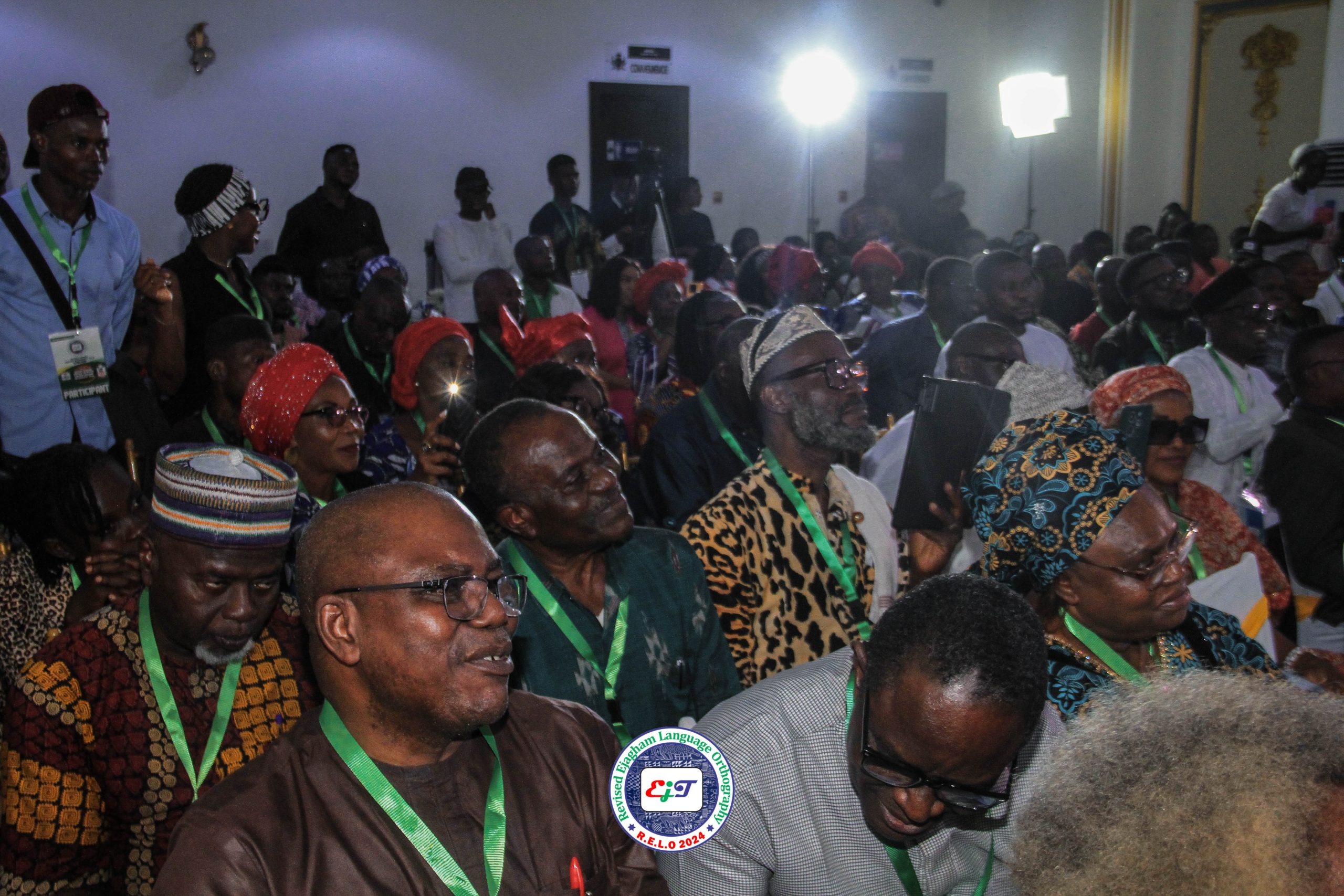
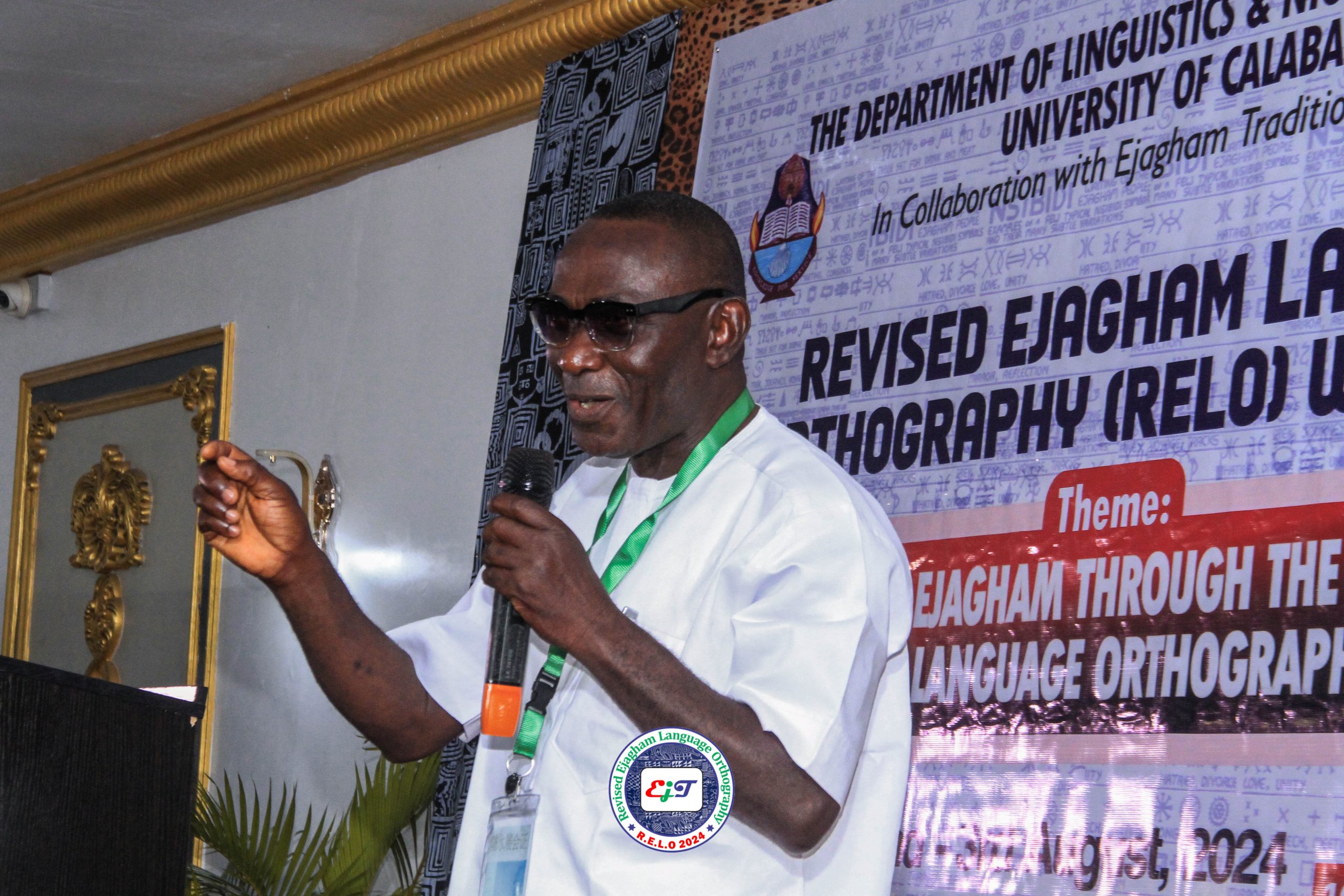
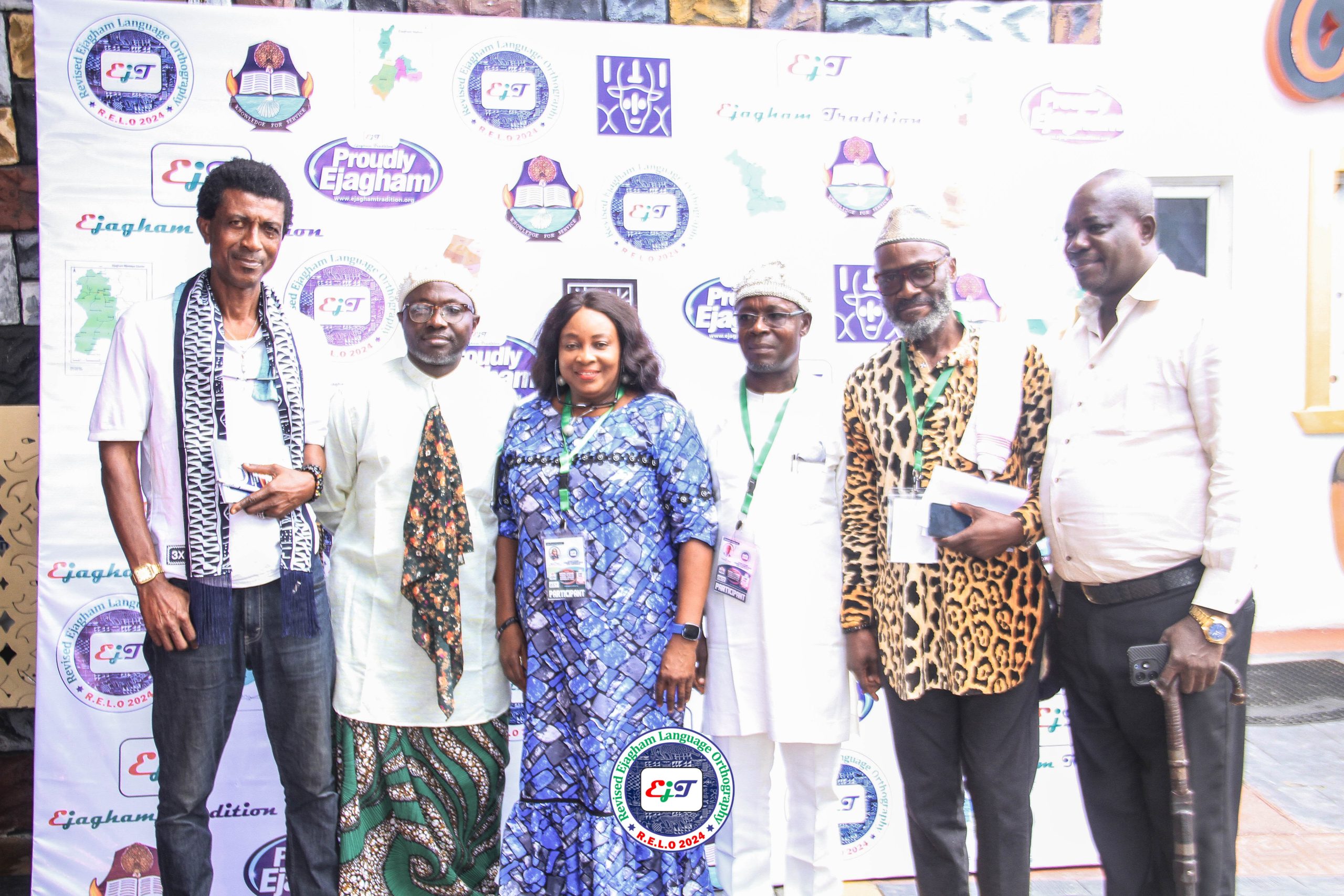
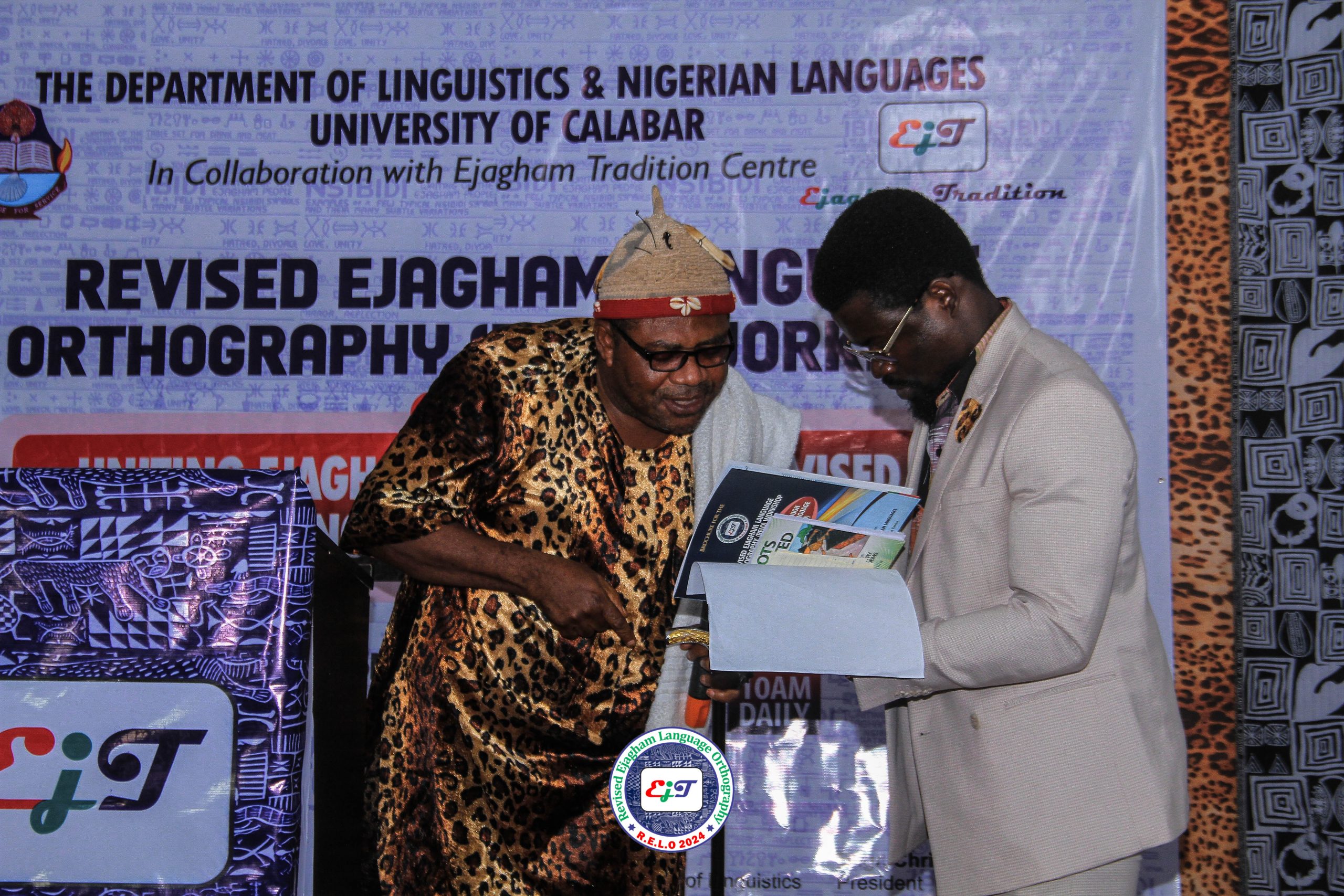
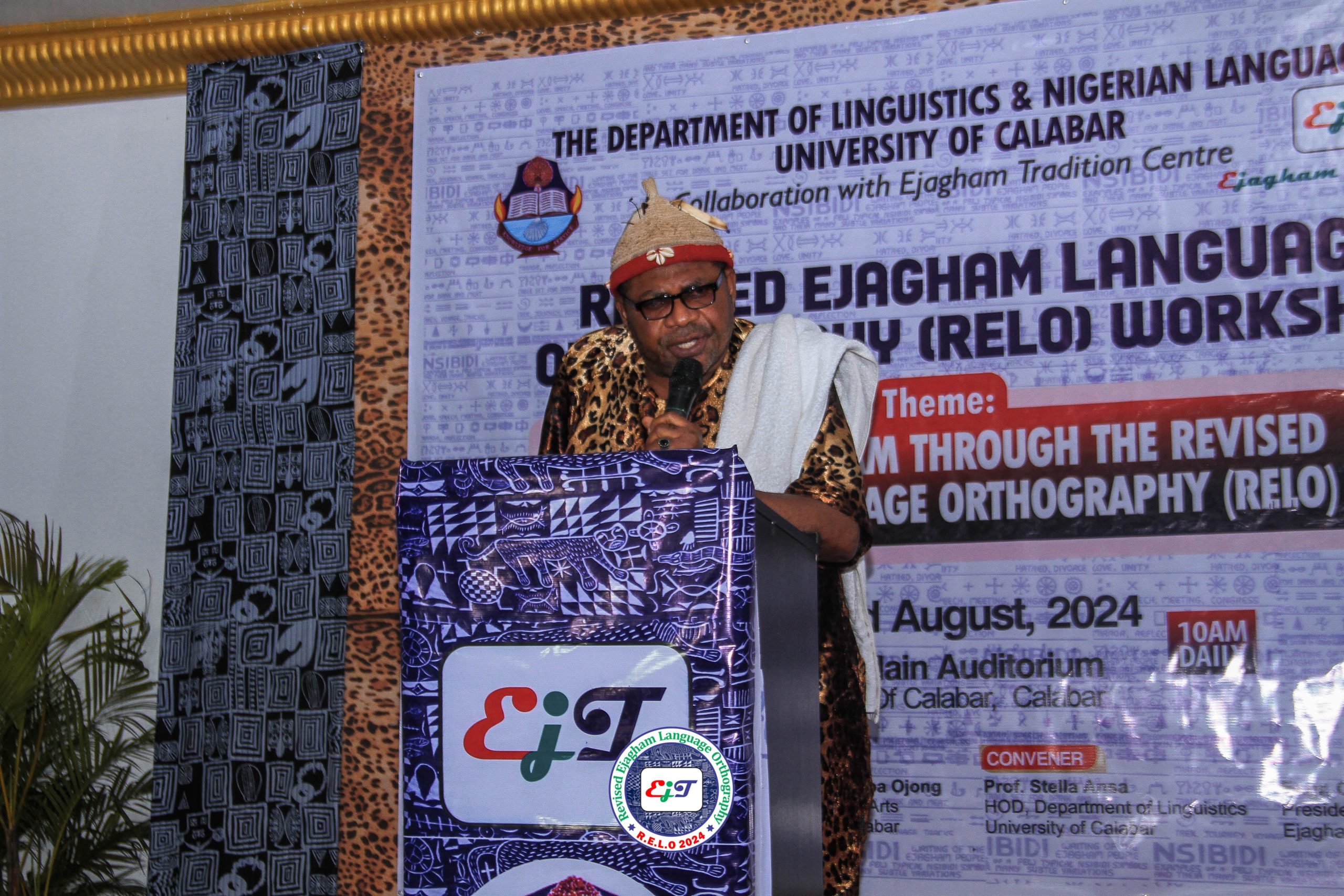
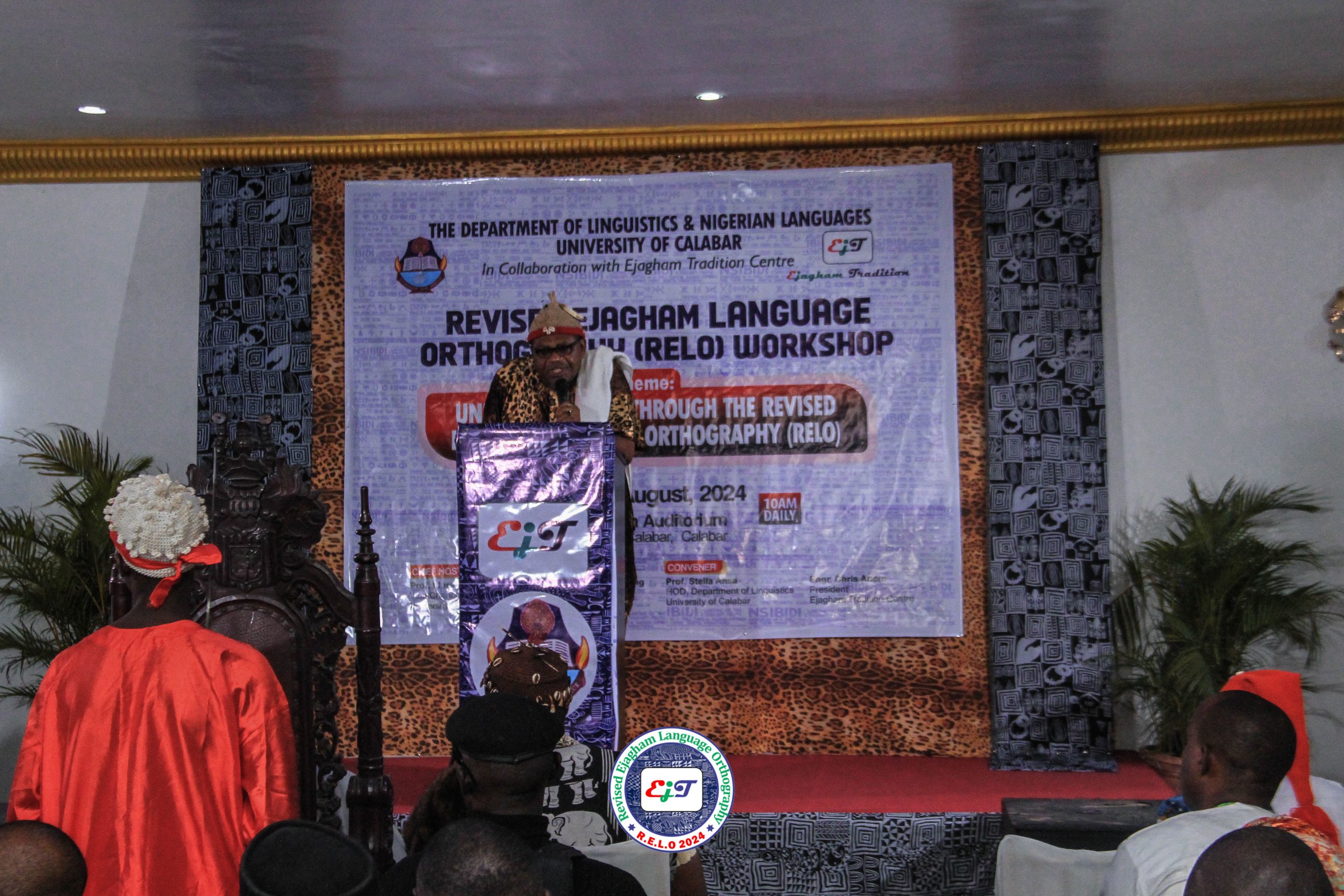
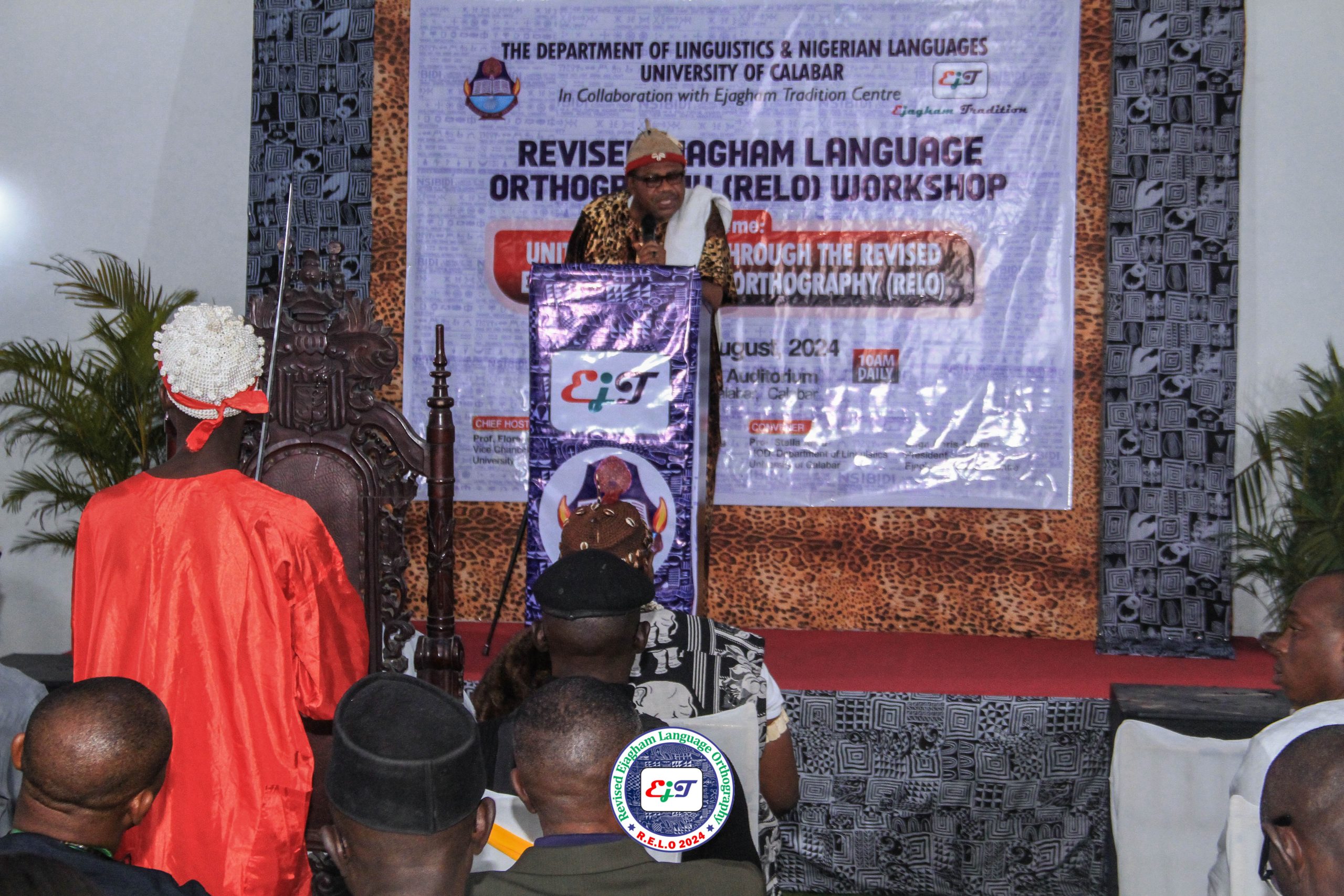
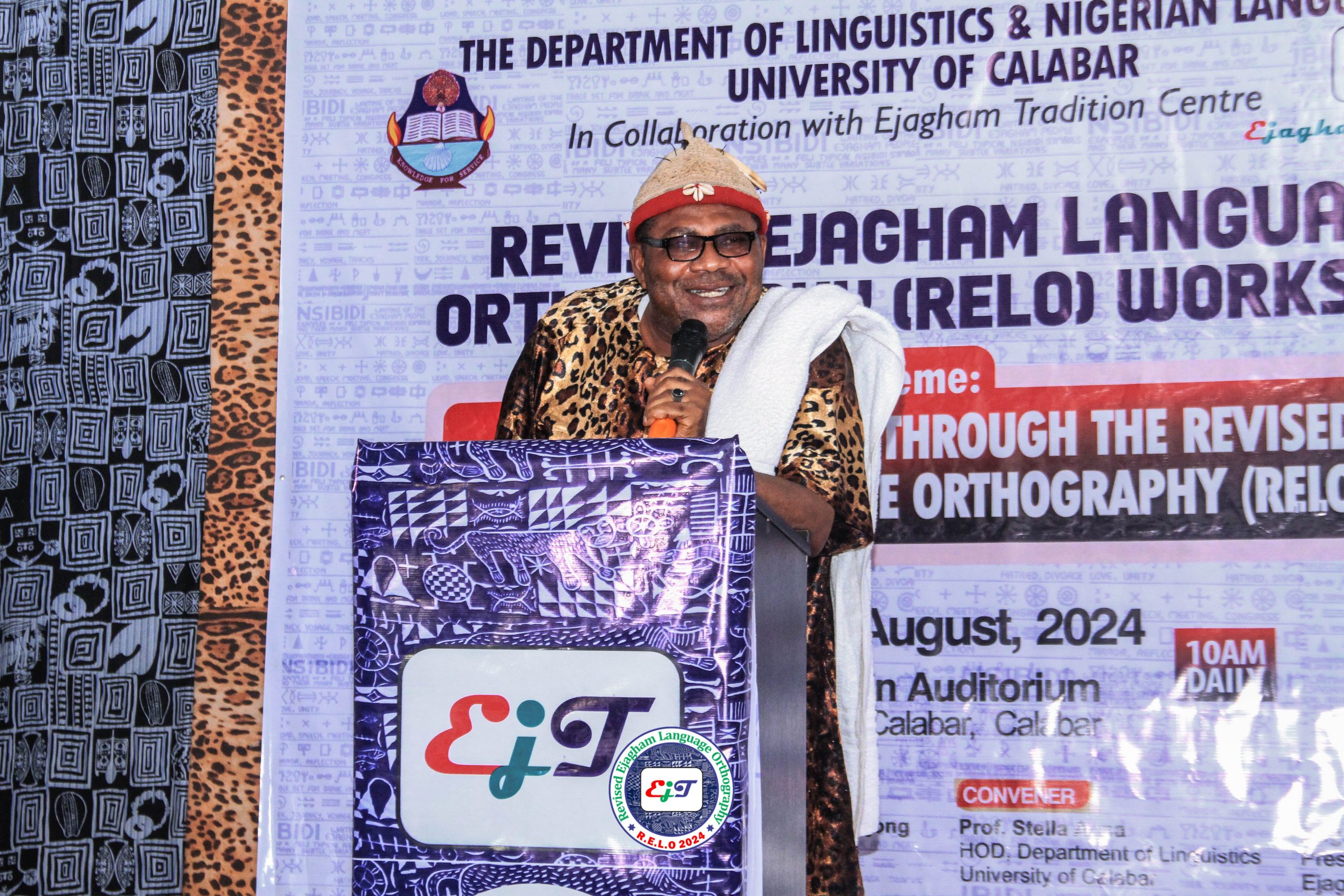
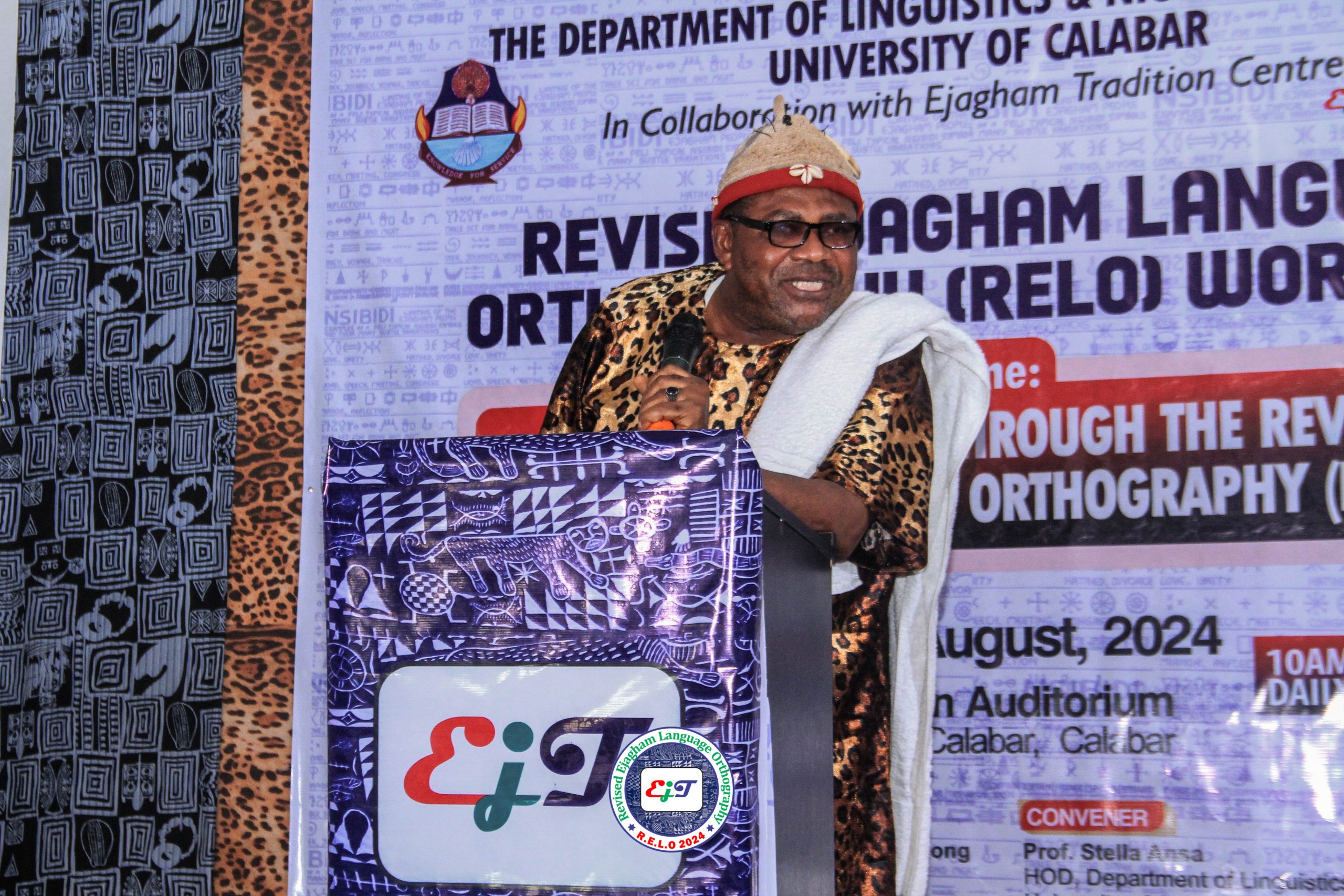
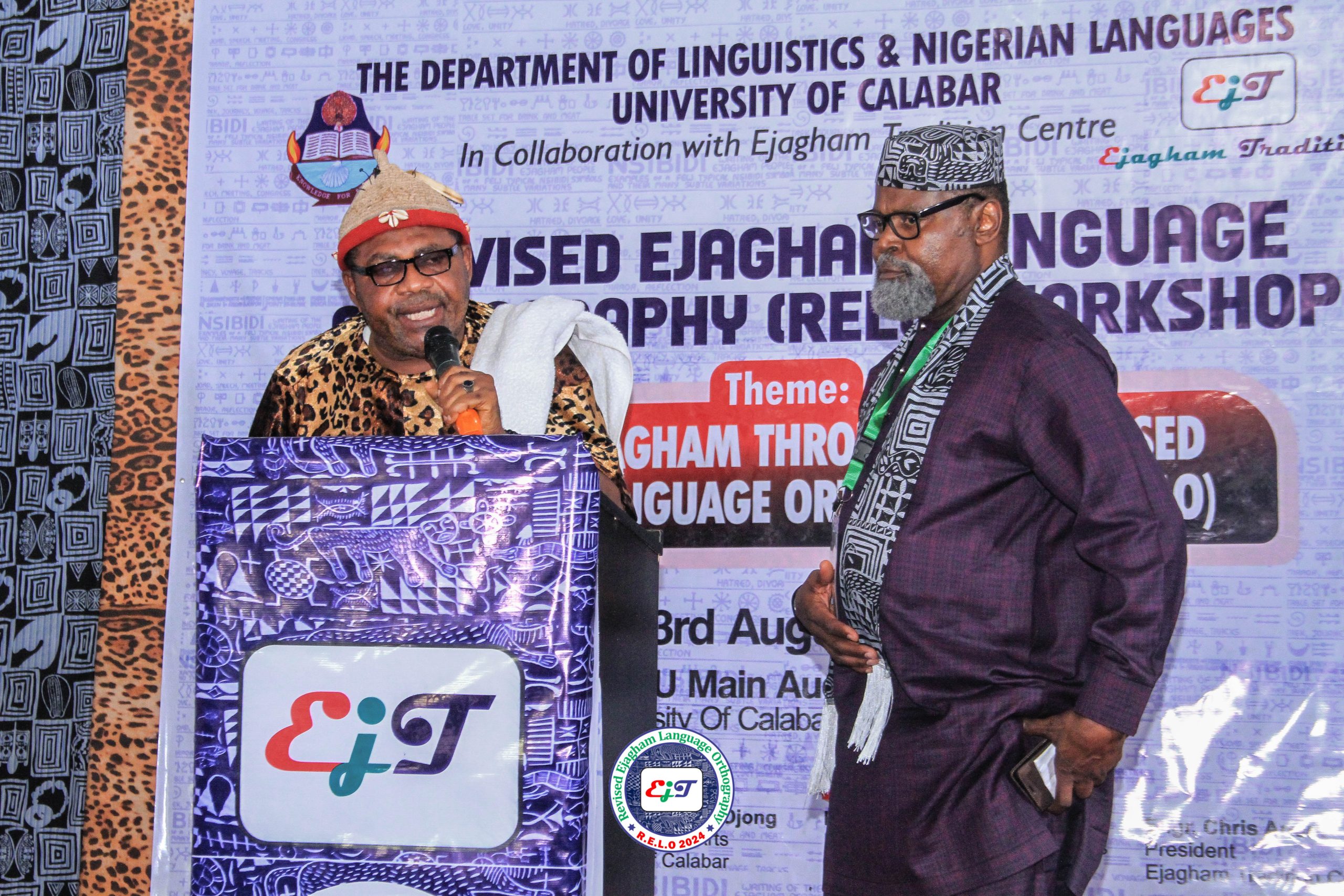
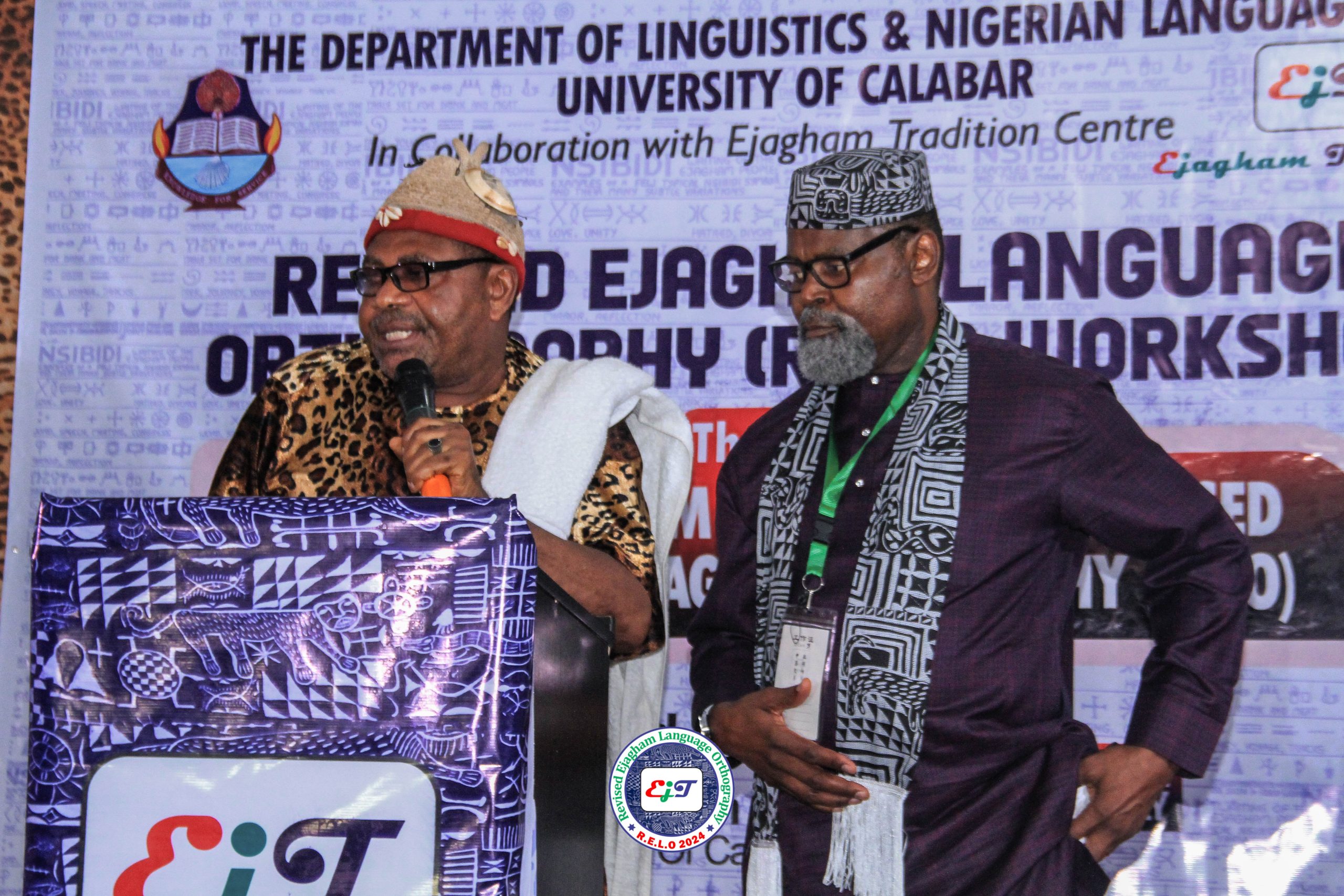
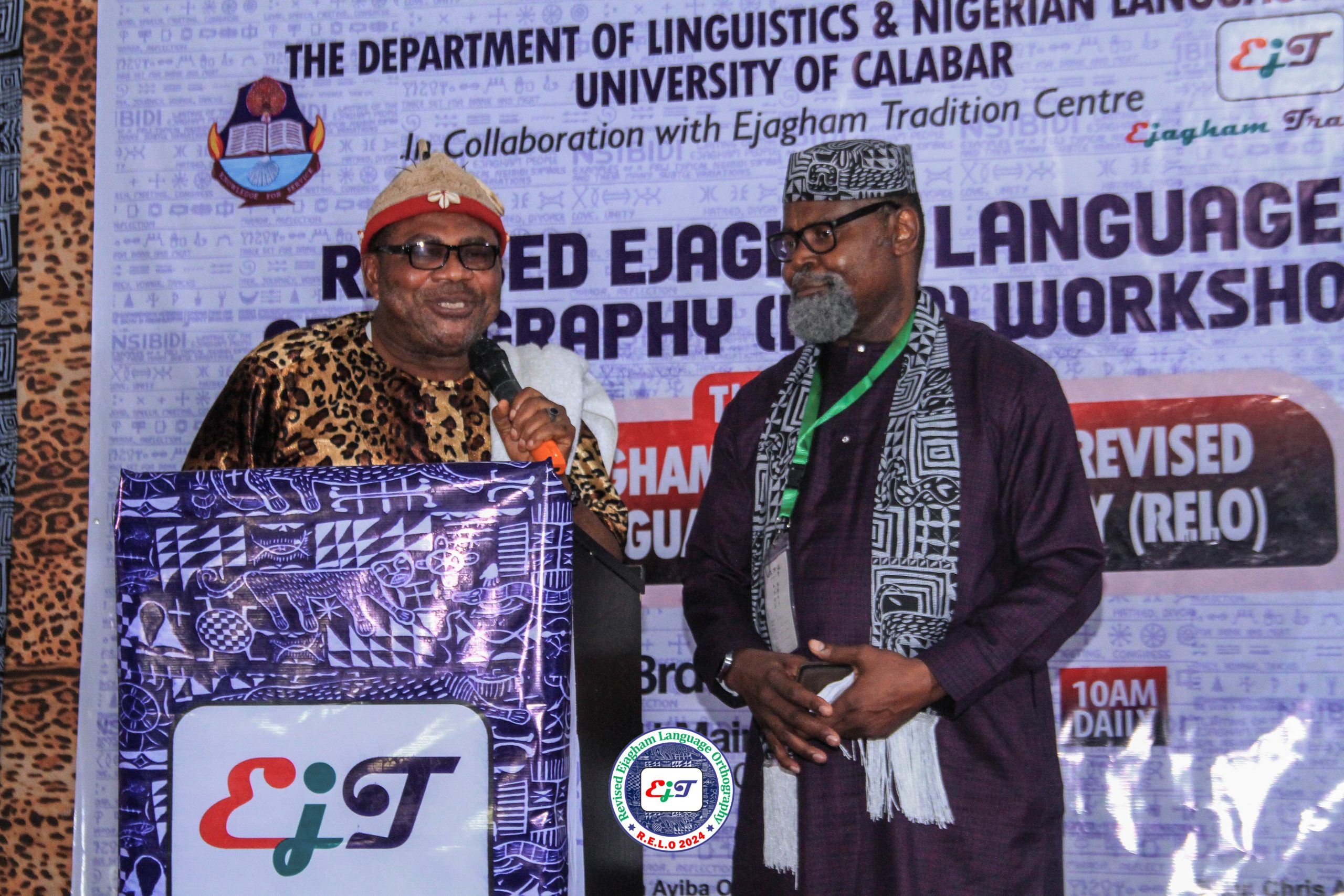
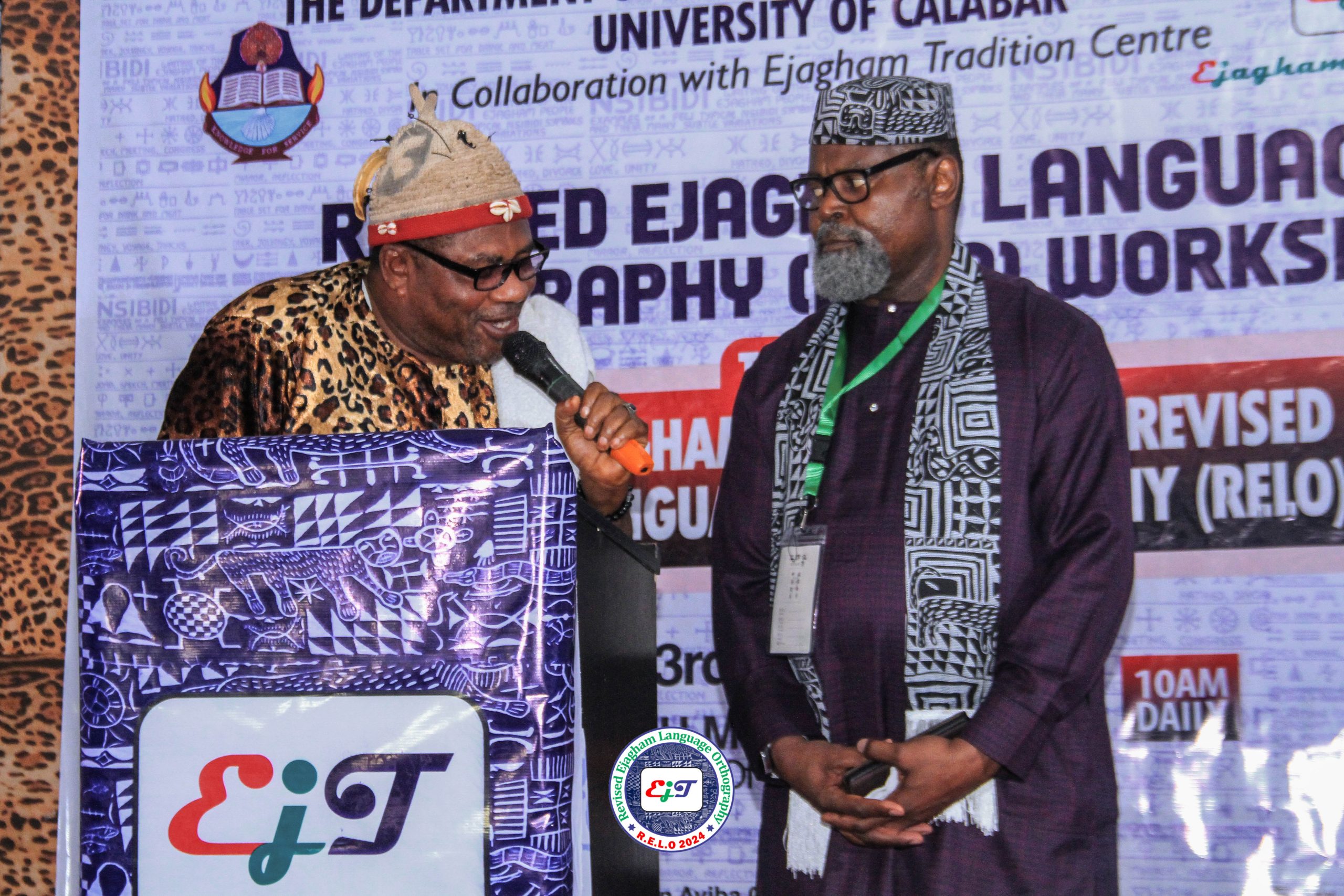
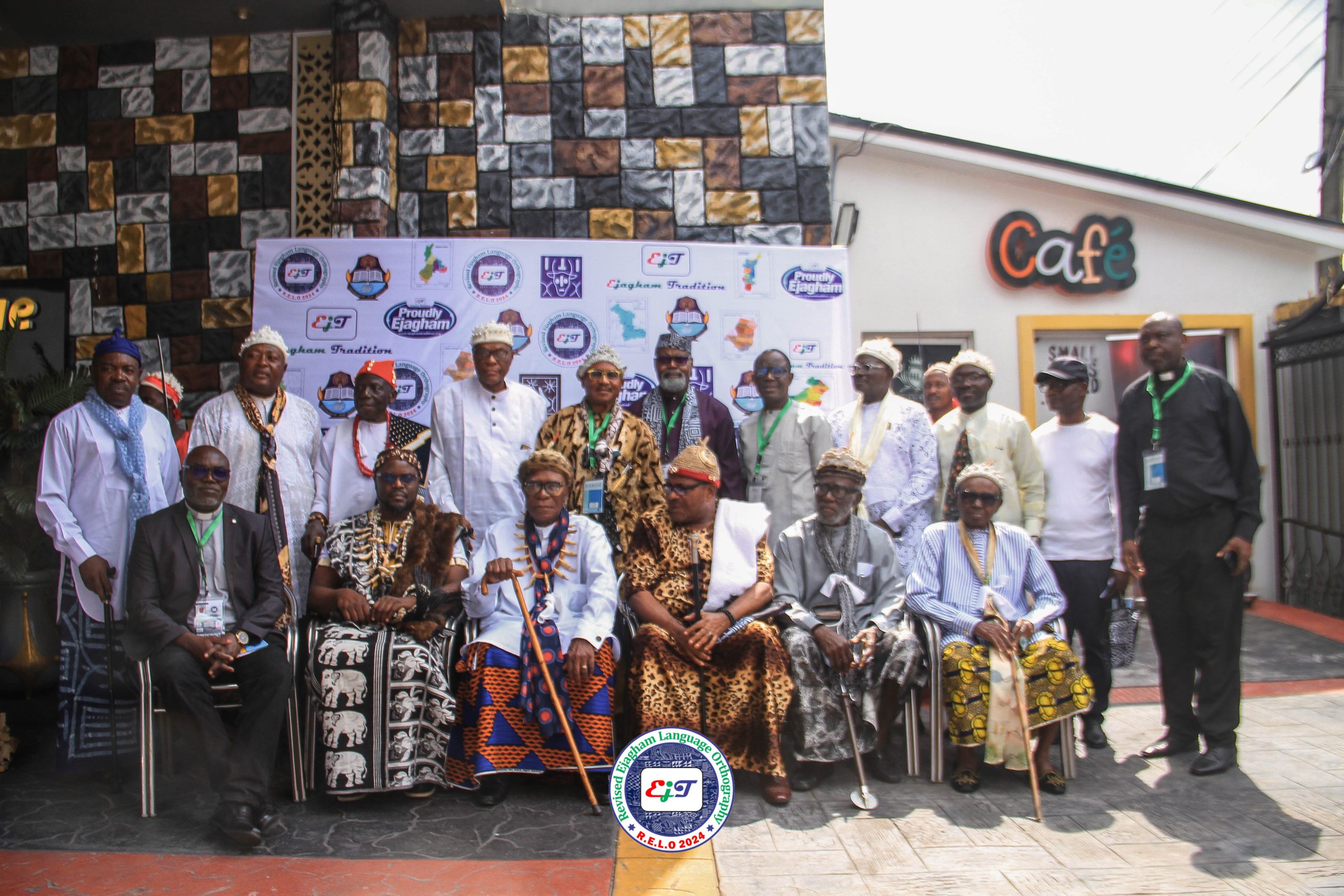
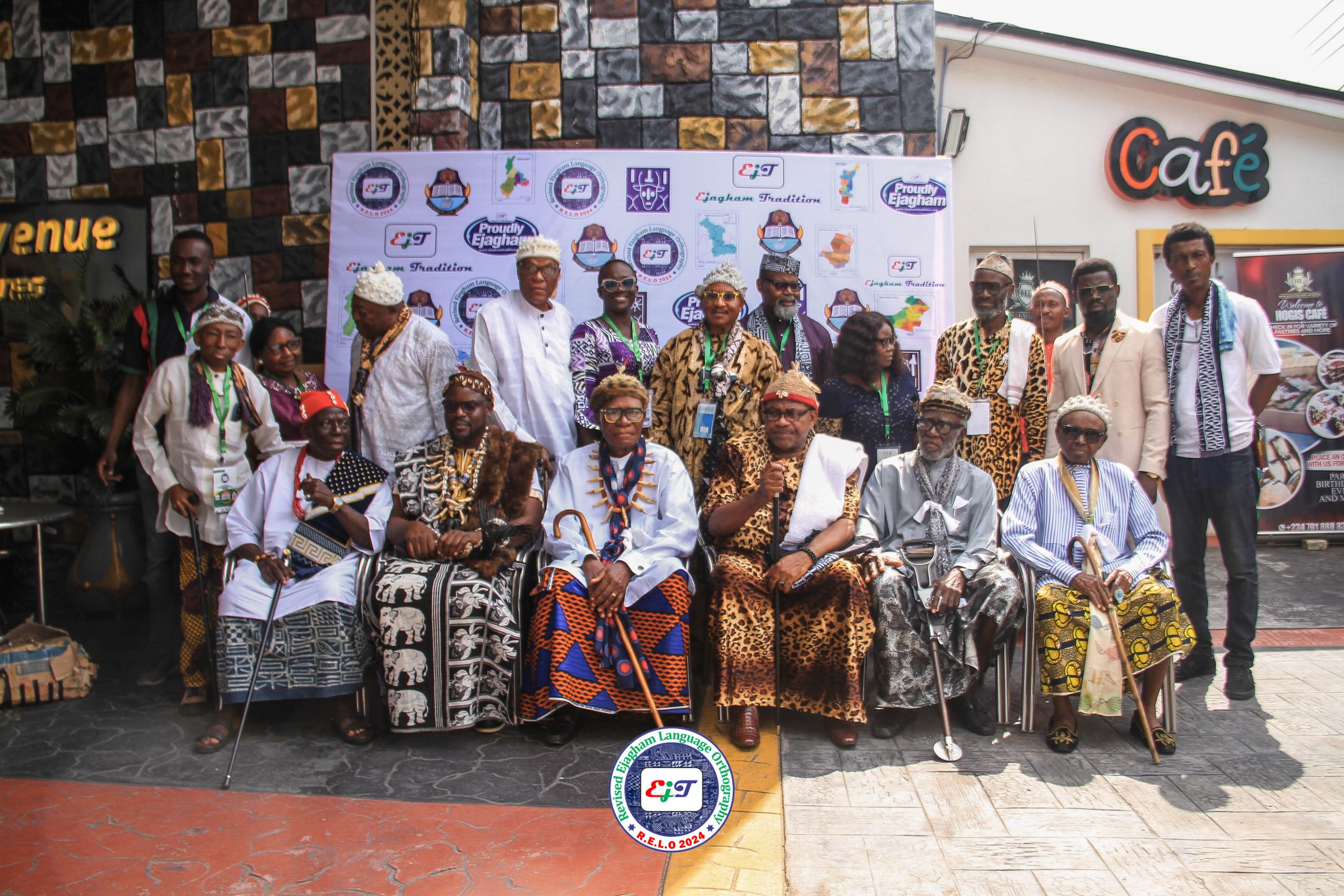
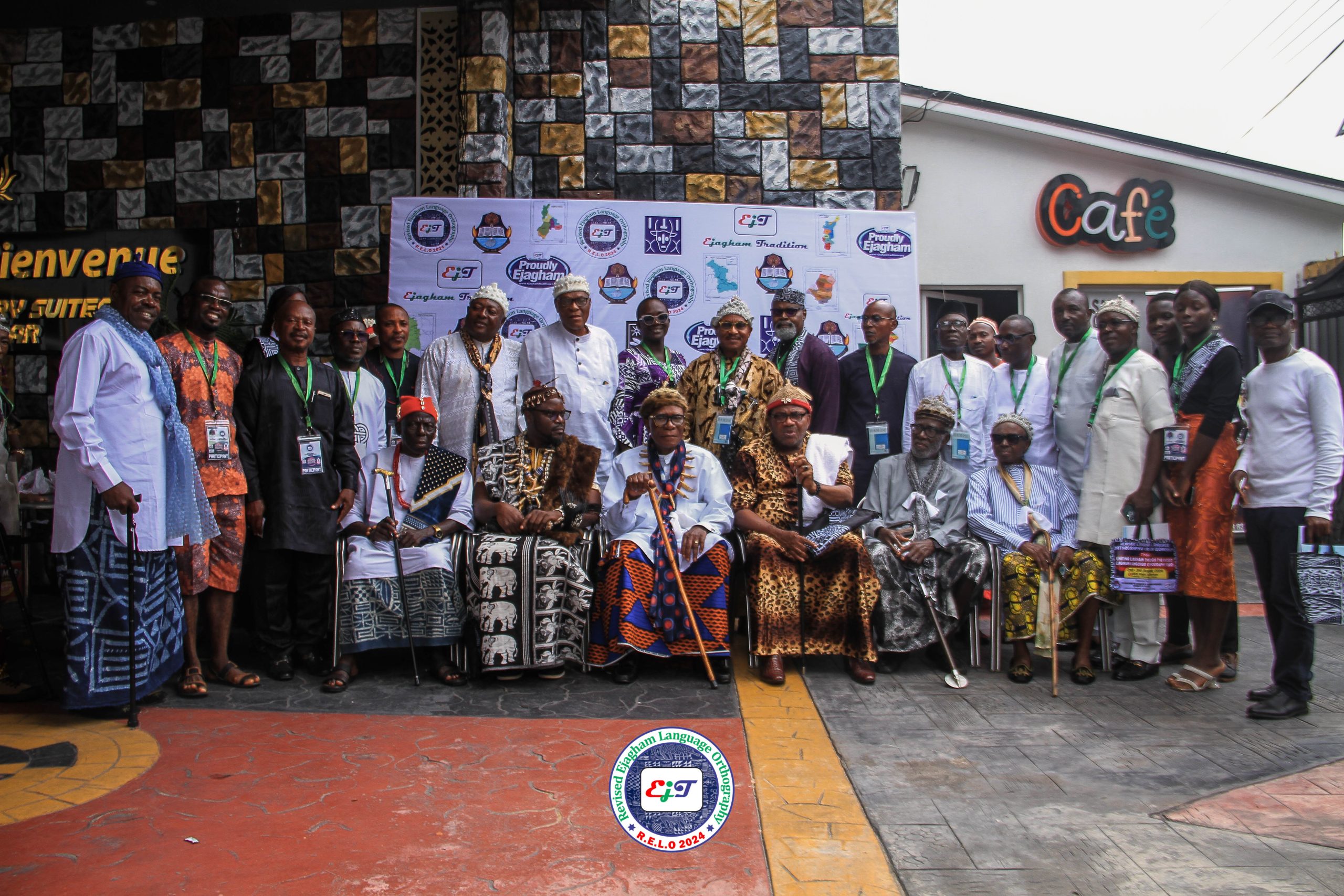
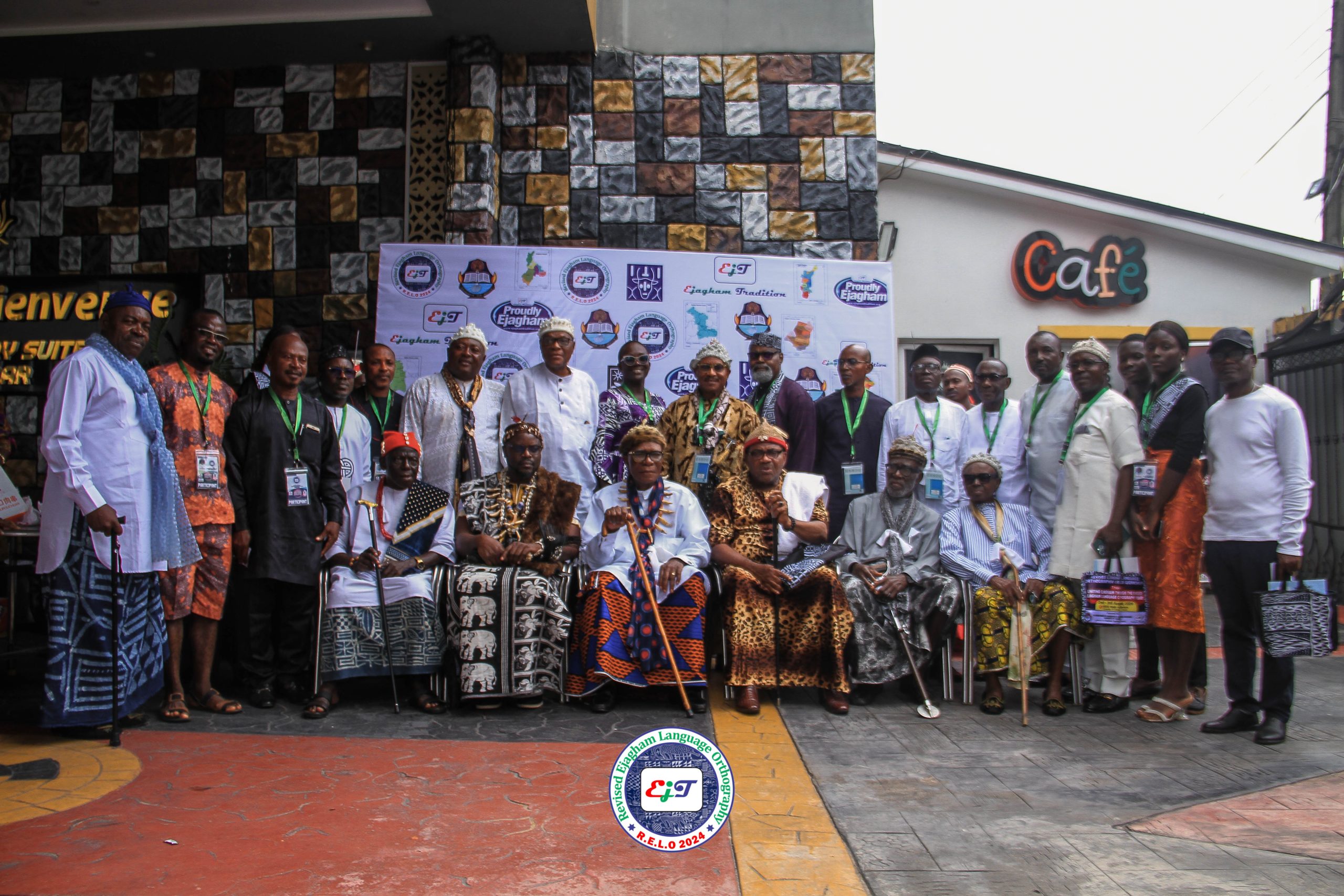
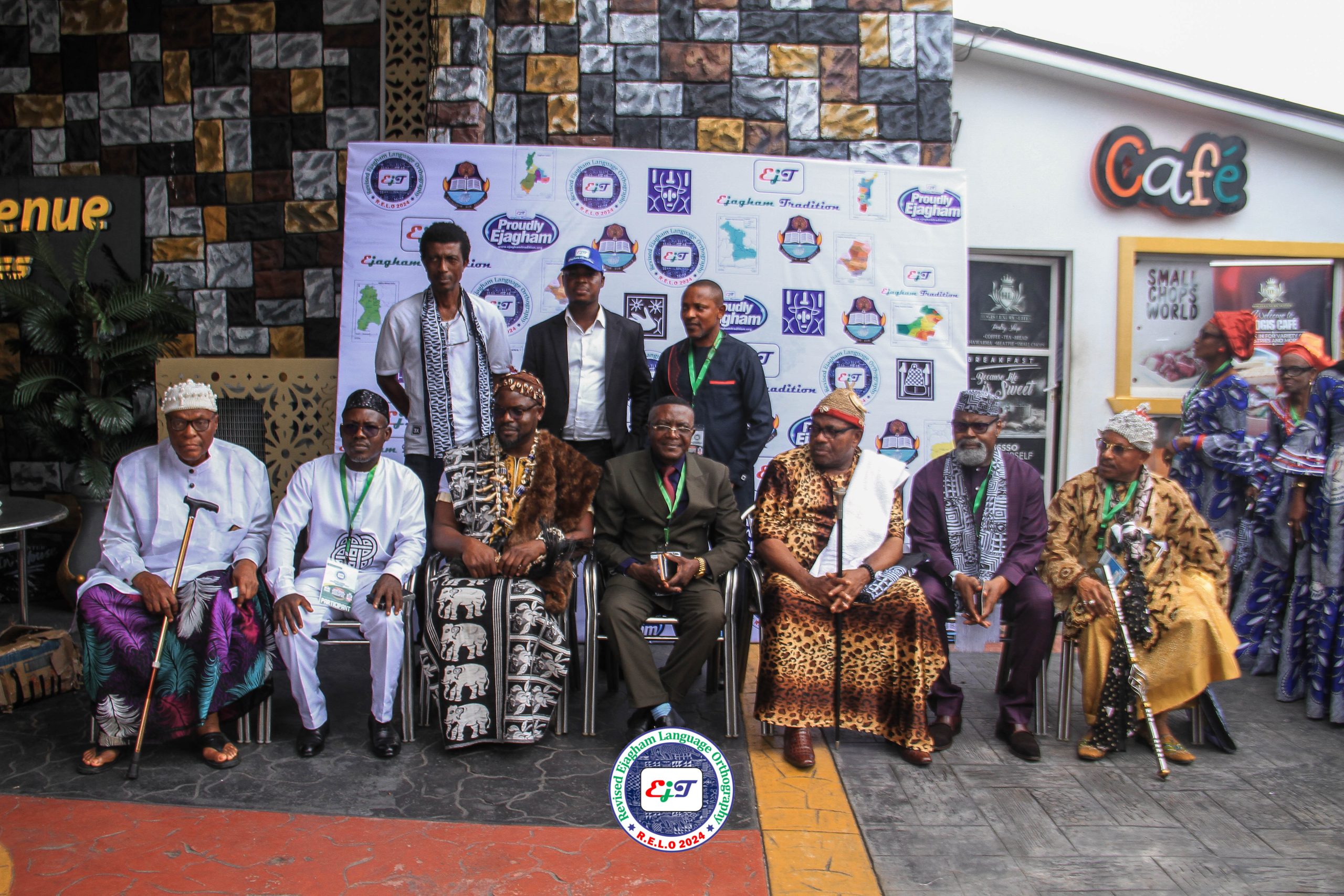
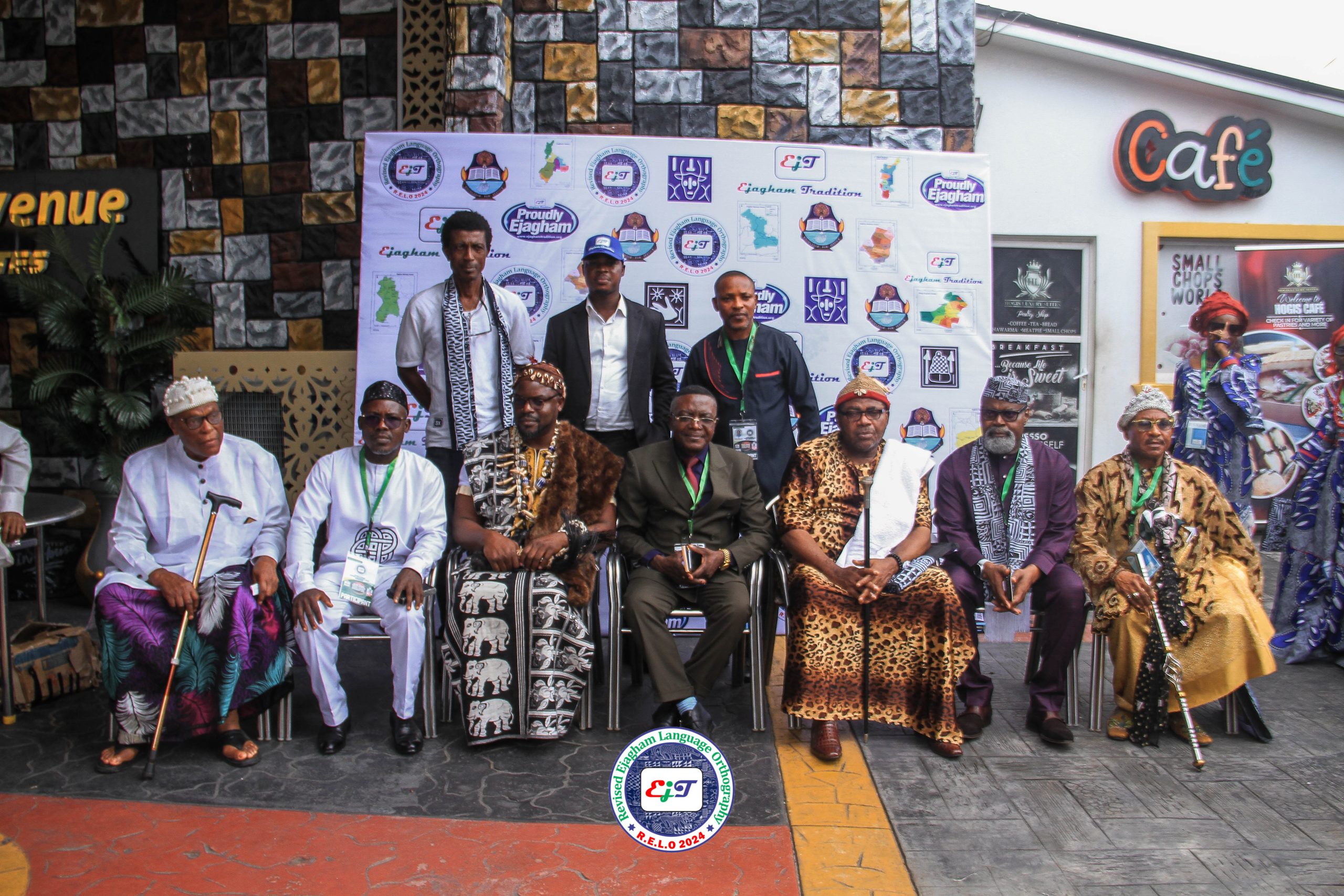
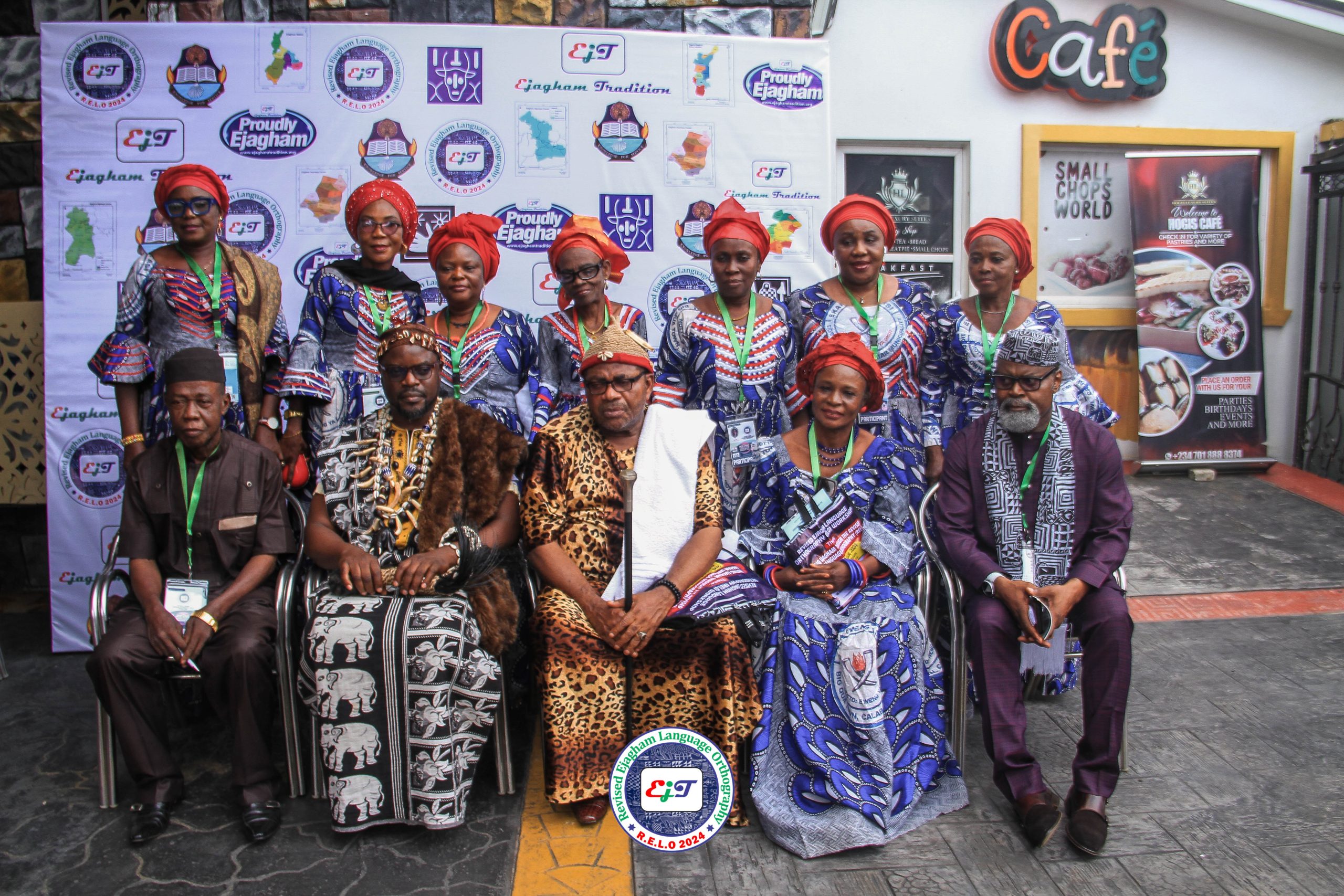
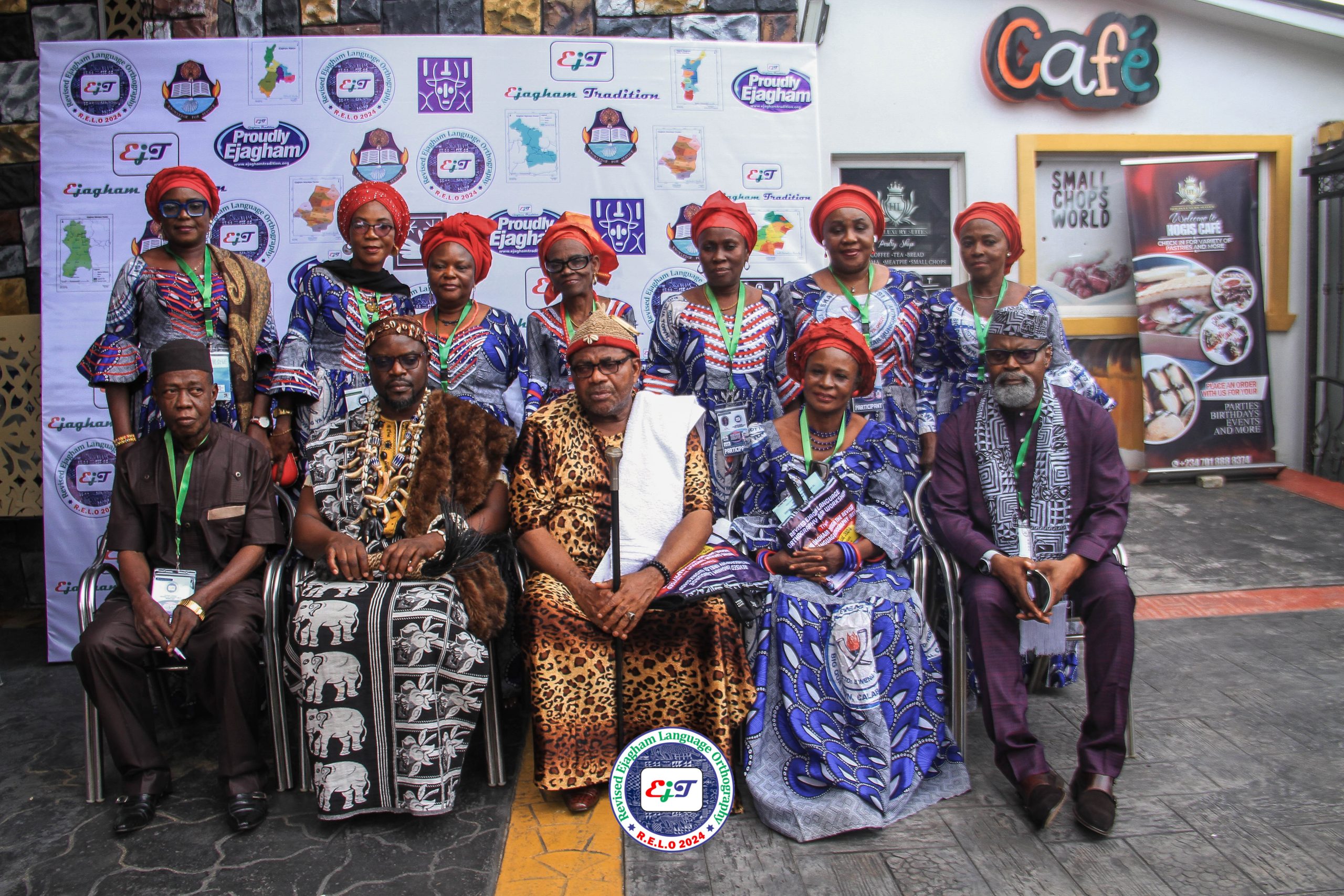
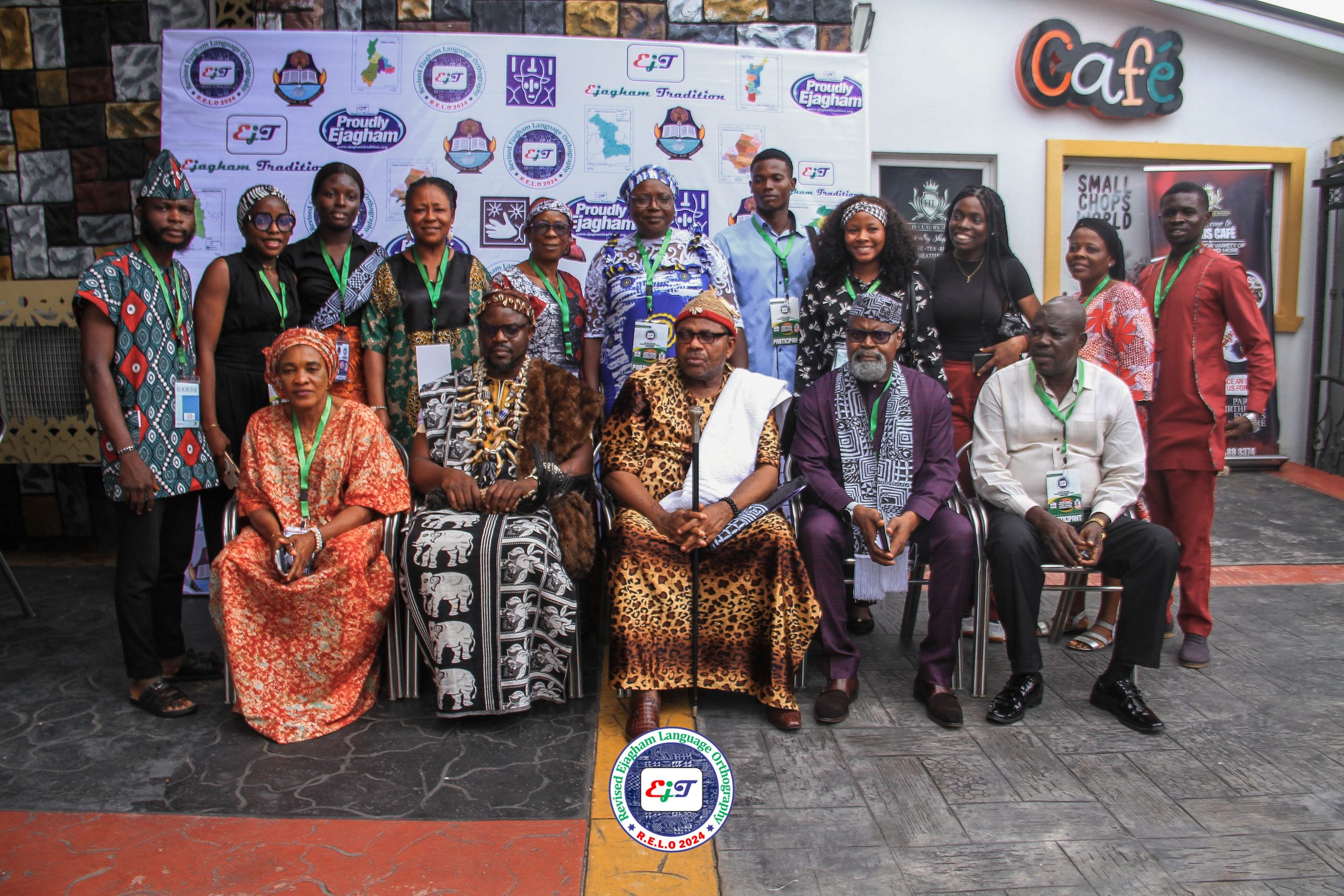
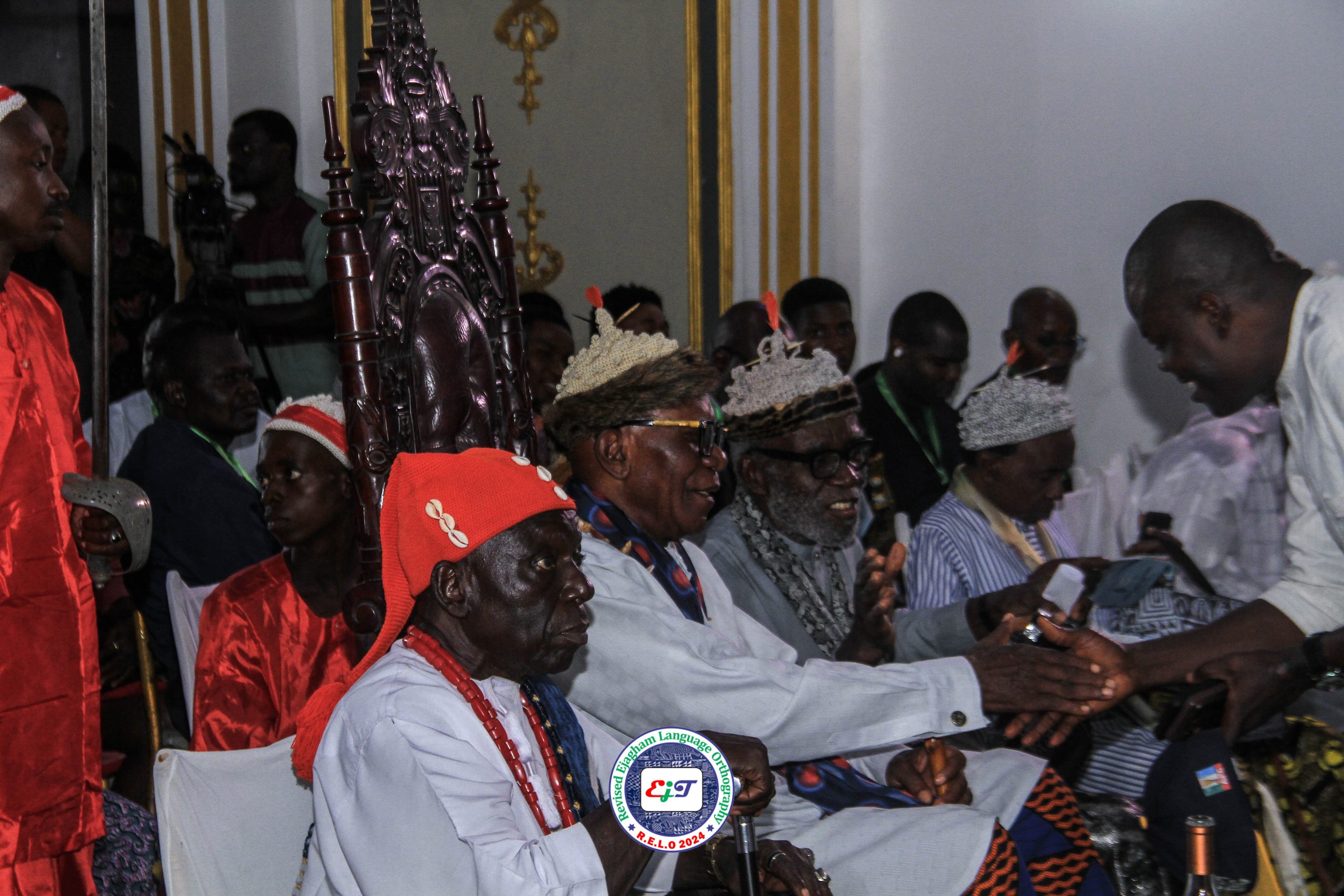
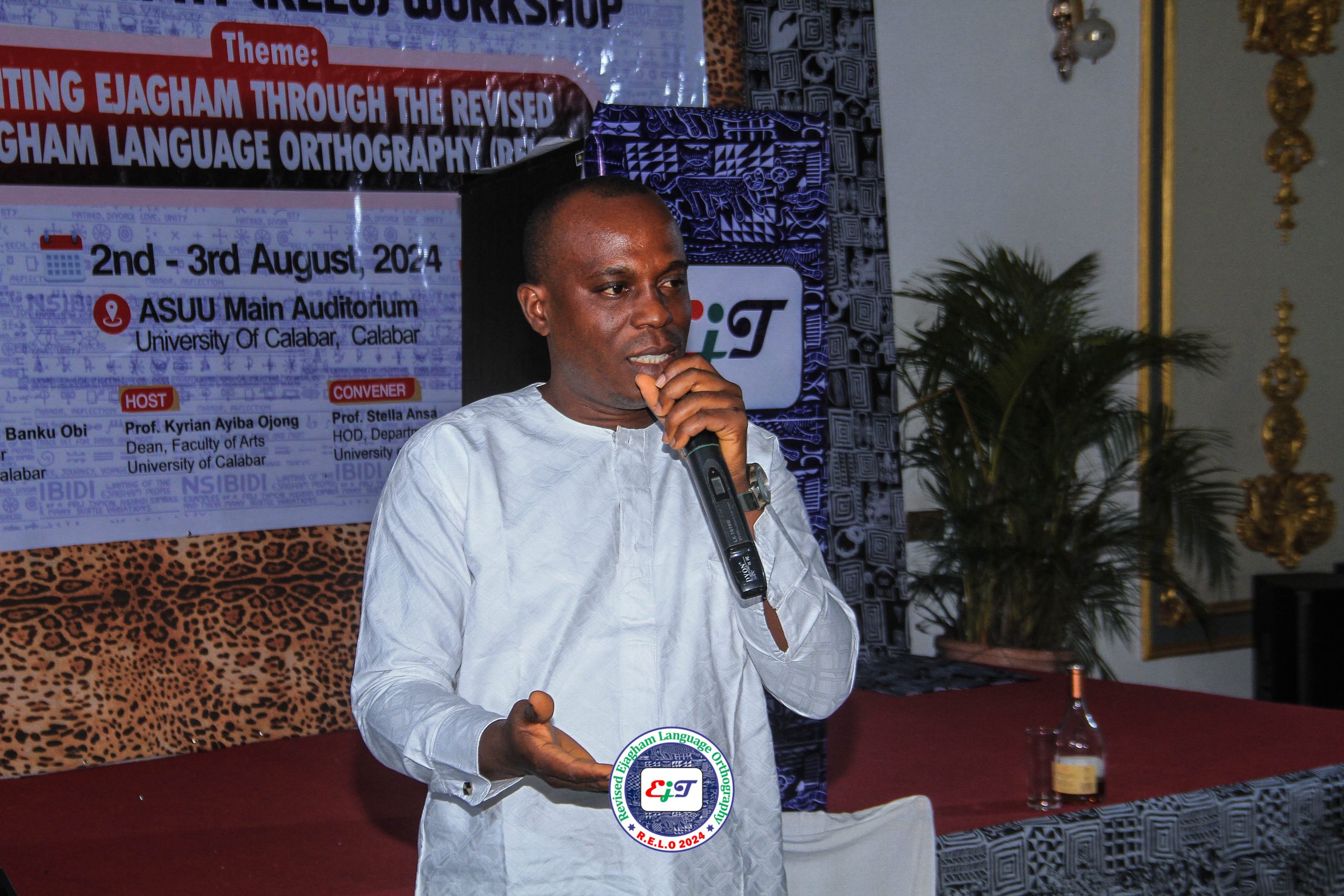
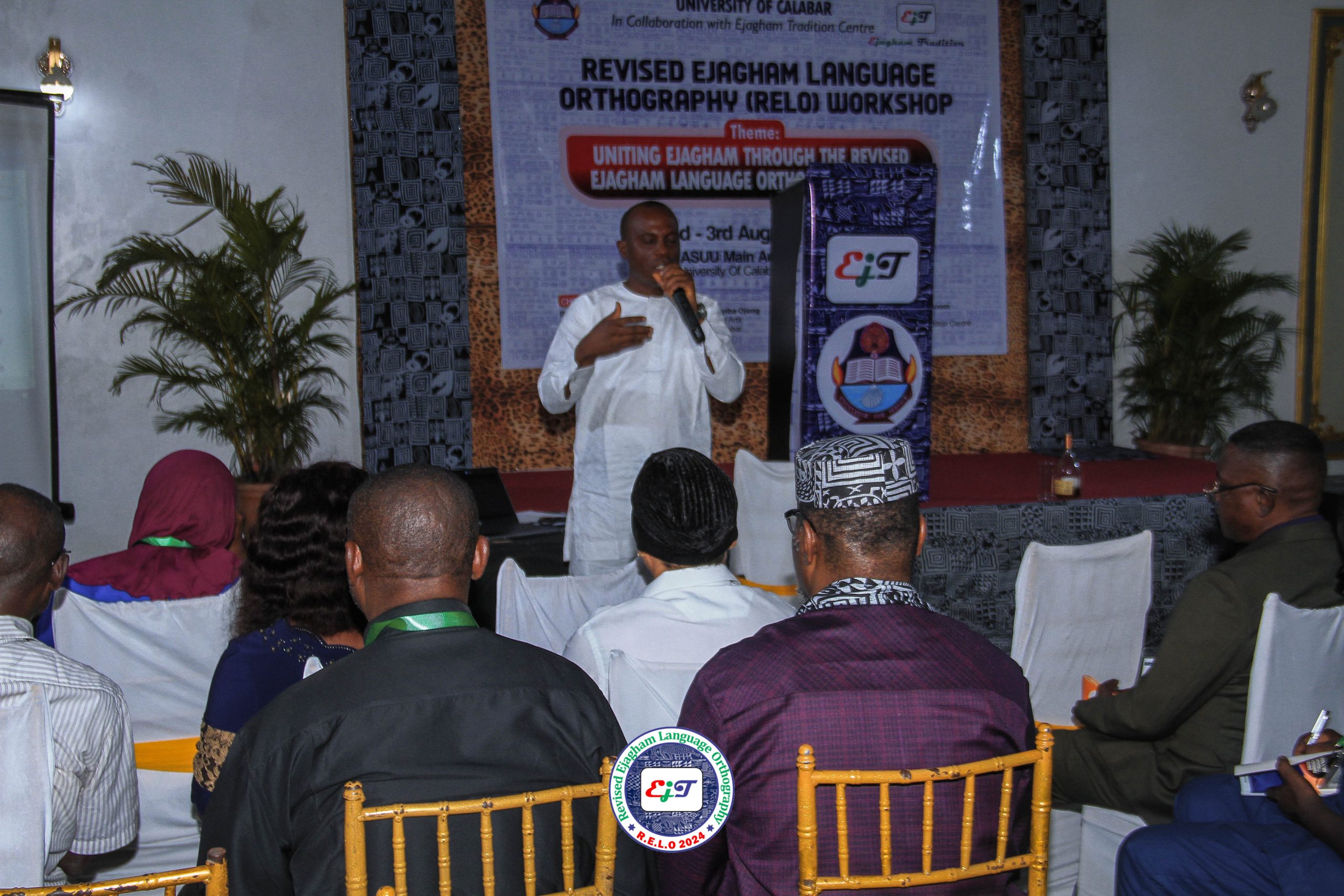
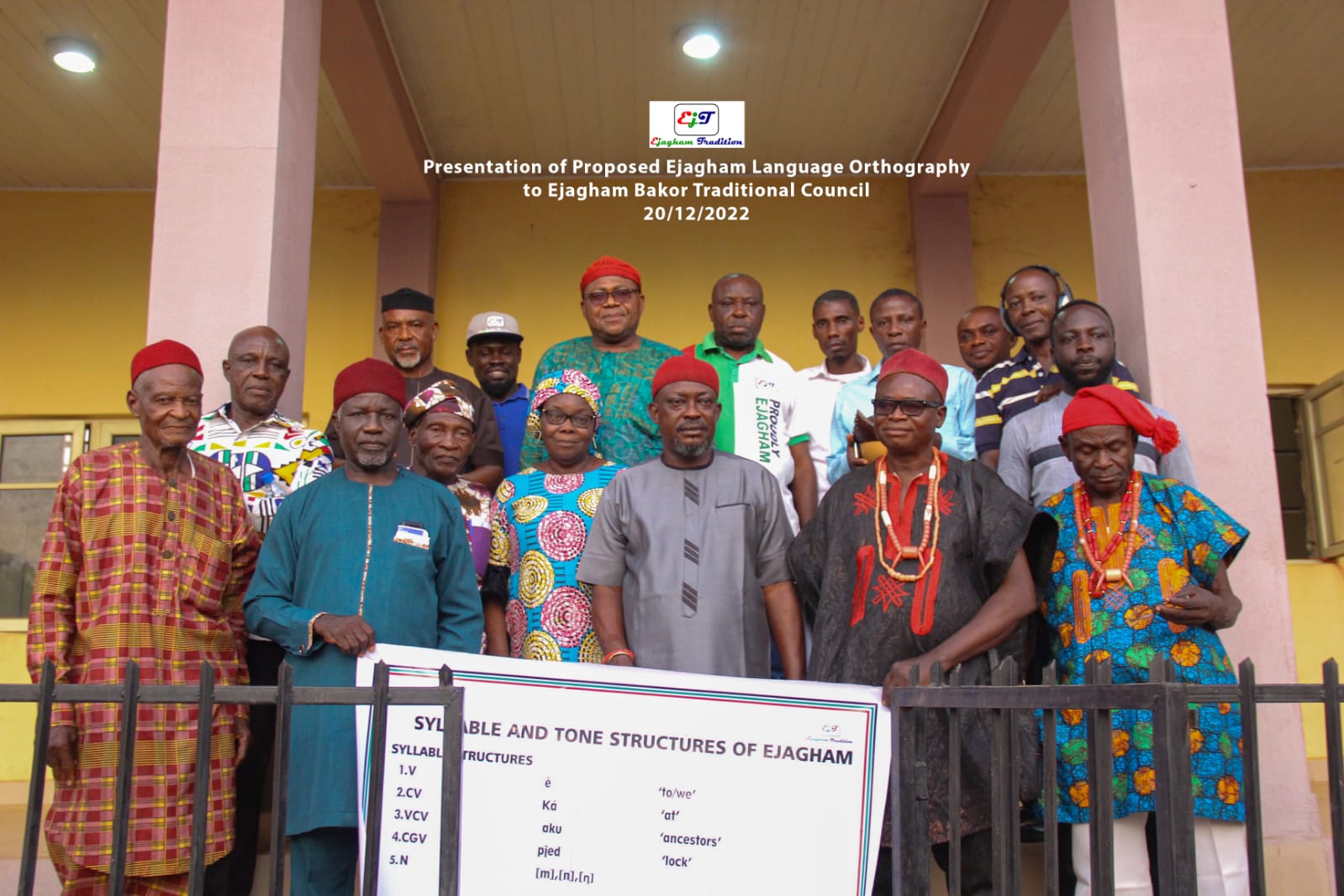
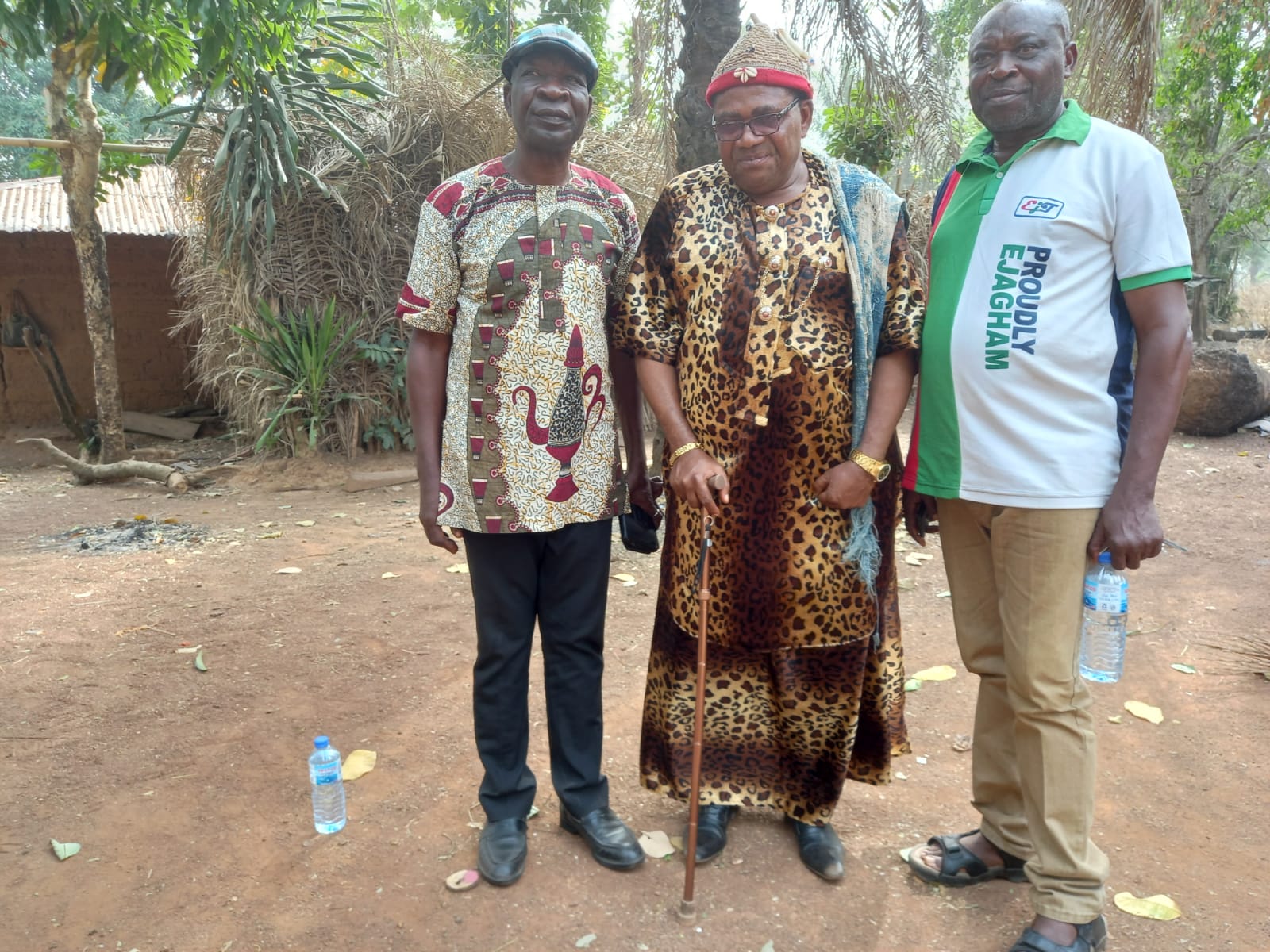
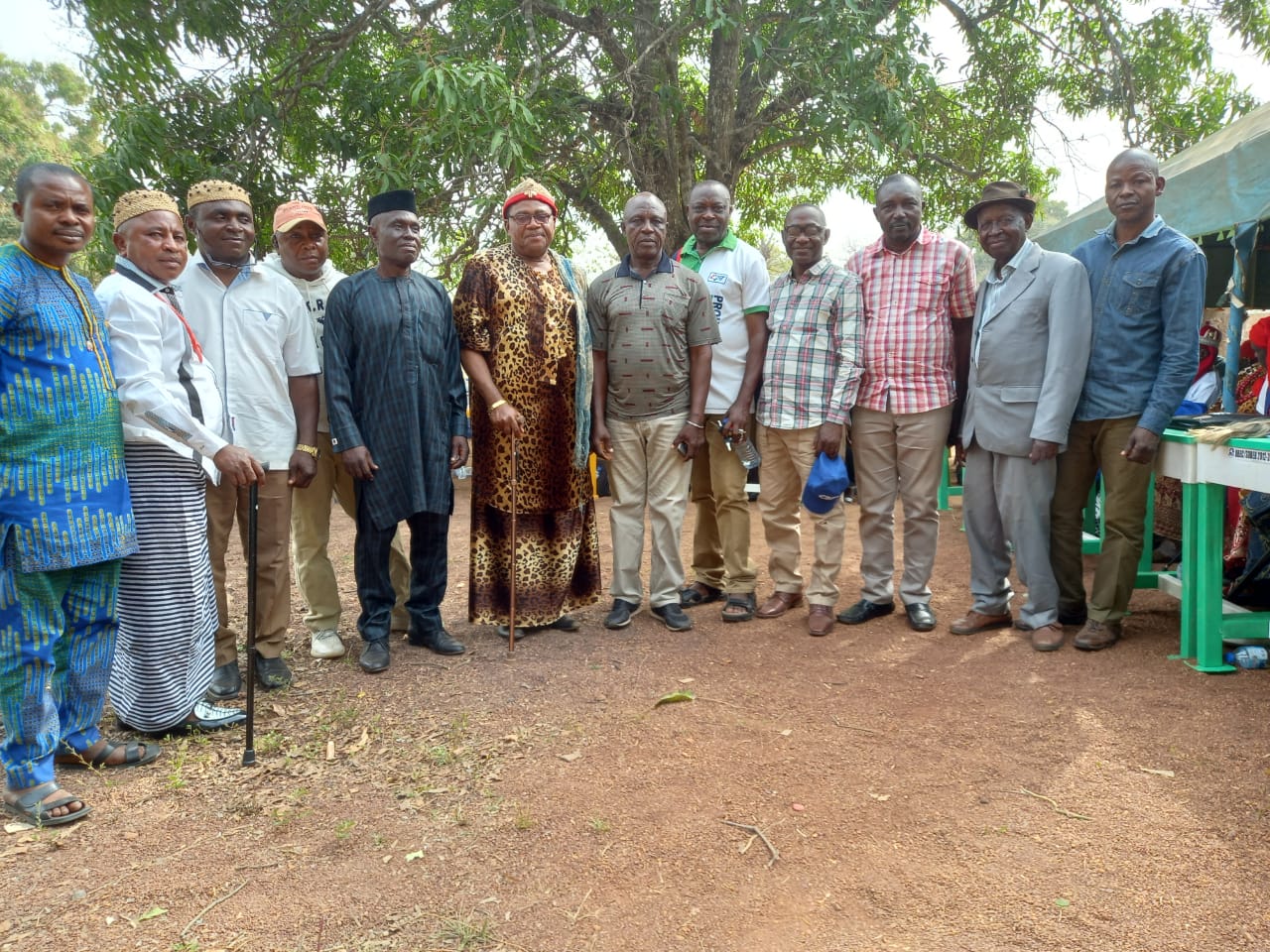
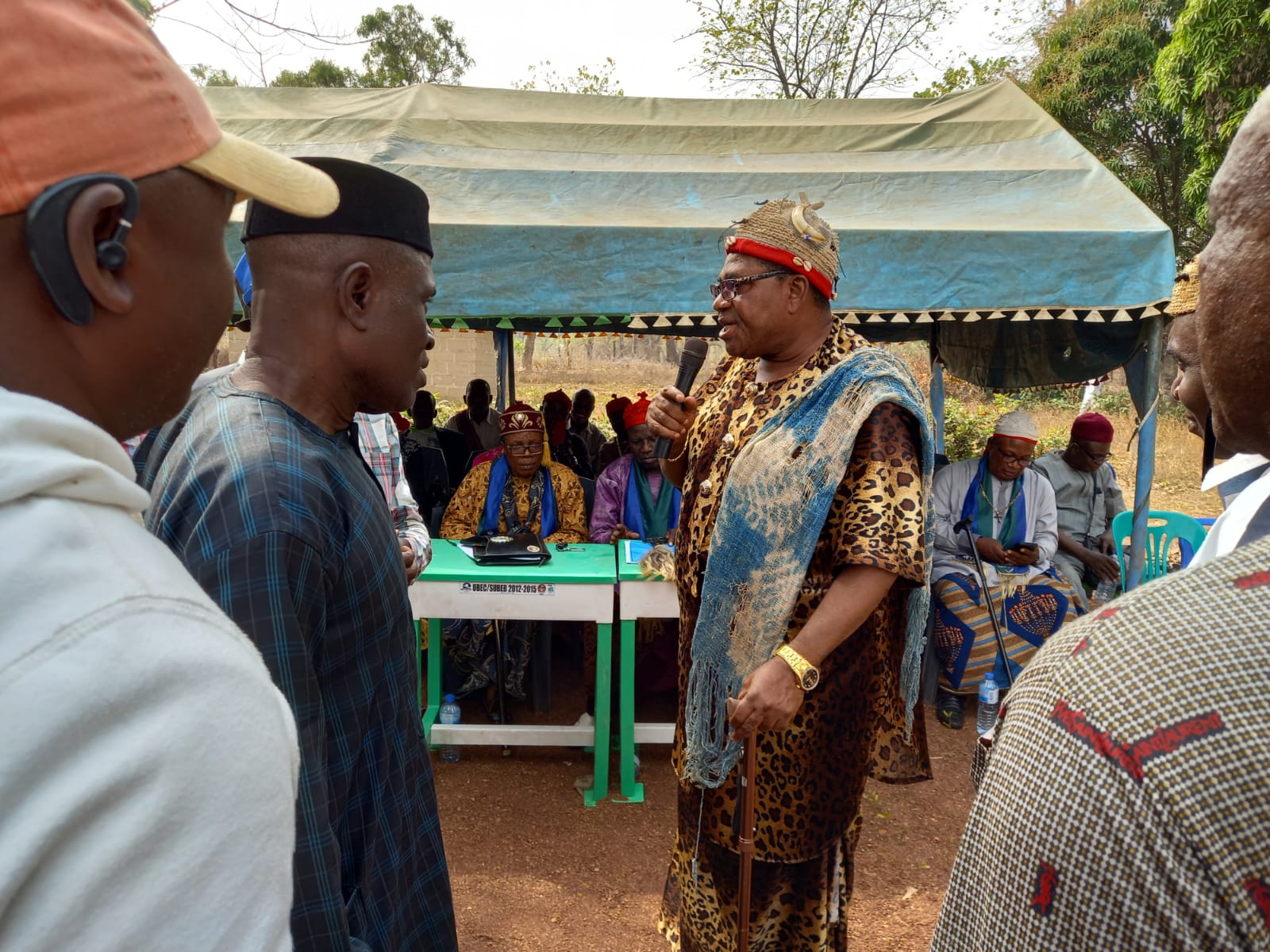
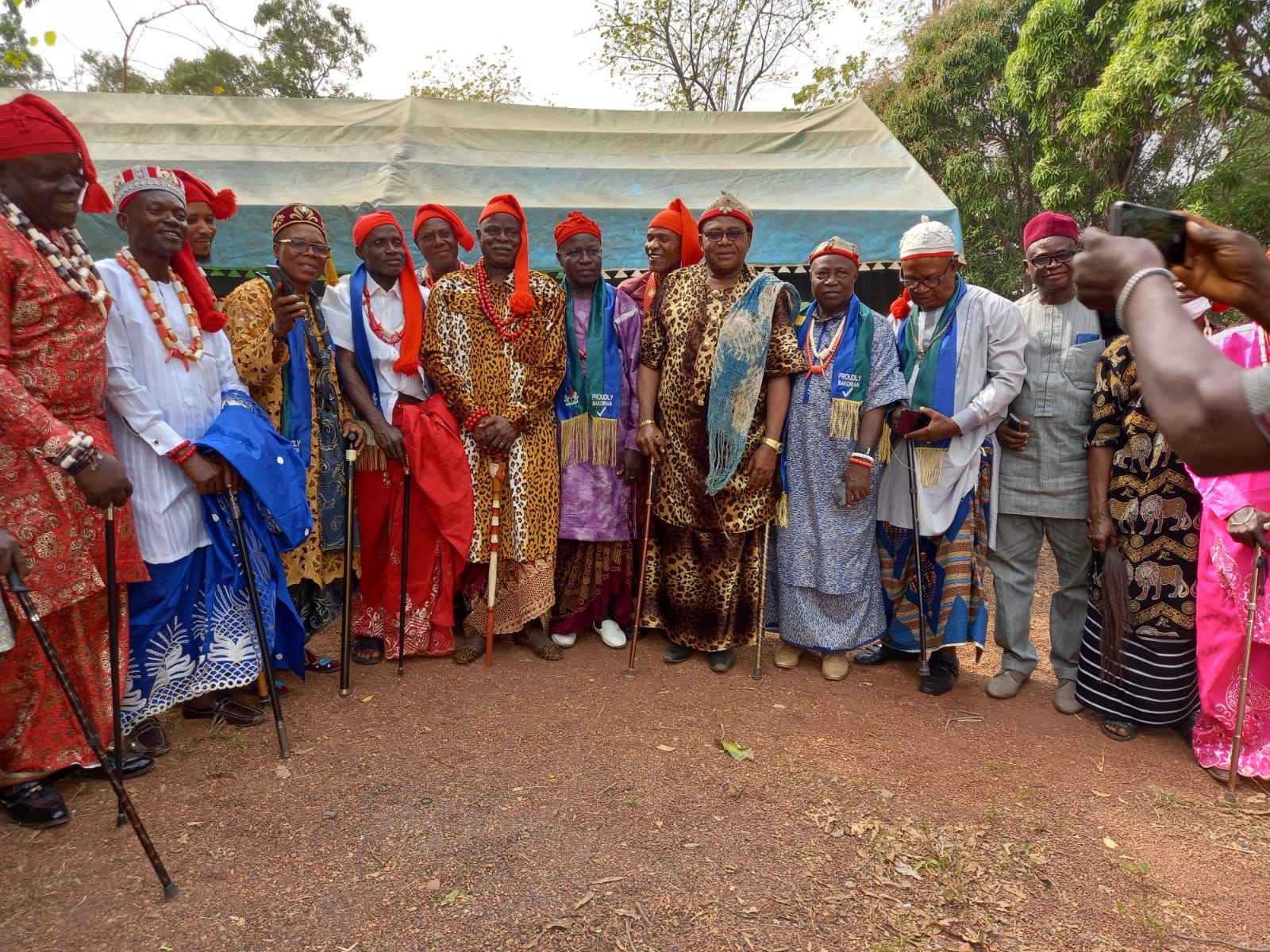
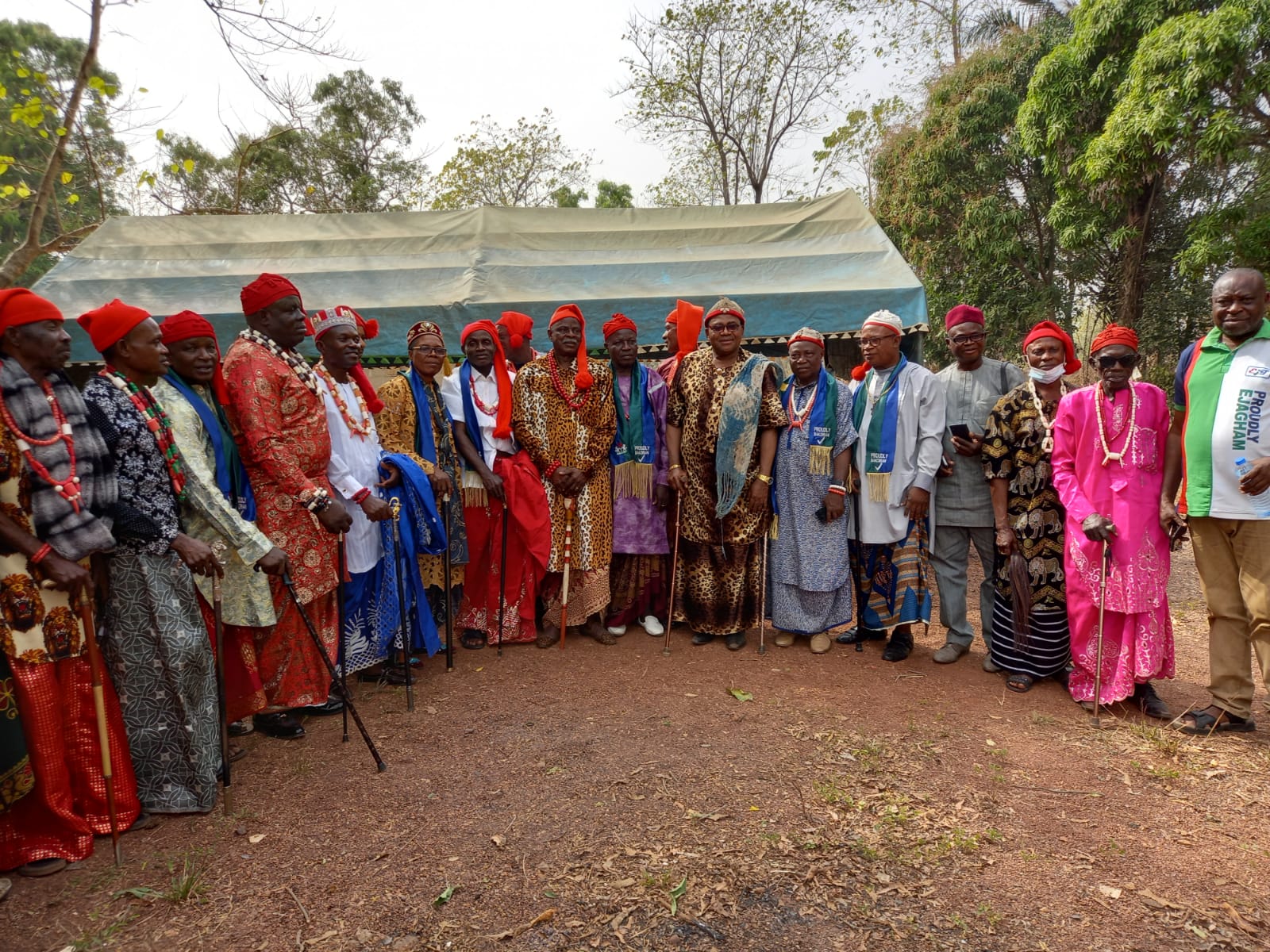
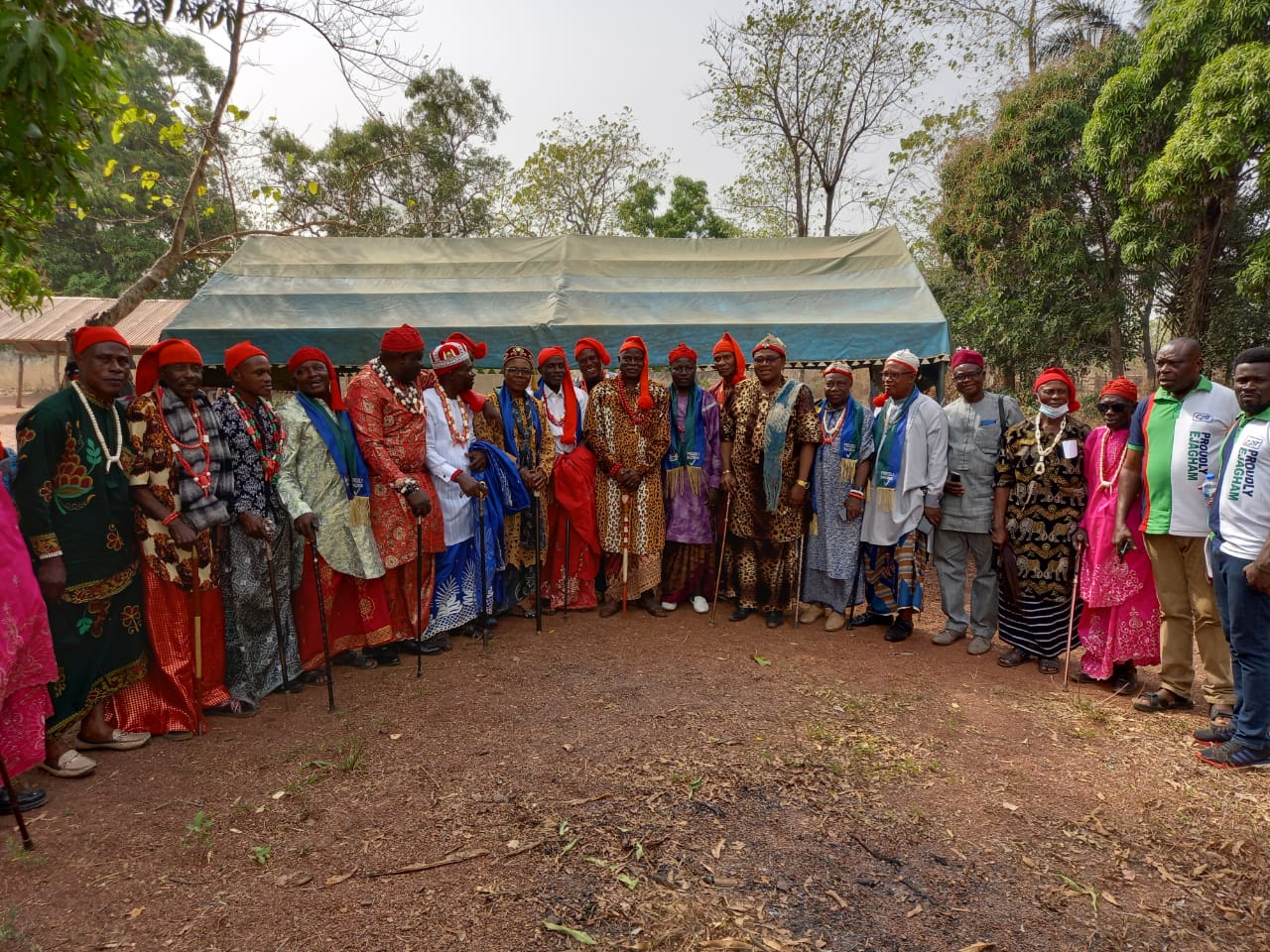
Pictures inserted by EjT
Works Cited
- Anwana, Asuquo Okon, Ekpe Imperium in South-Eastern Nigeria, 1600 – 1900. Calabar: African Pentecost Communications, 2009.
- Jones, Gwilym Iwan. The Art of Southeastern Nigeria. Cambridge University Press, 1984.
- Macgregor, J. K. “Some Notes on Nsibidi.” The Journal of the Royal Anthropological Institute of Great Britain and Ireland, vol. 39, 1909, pp. 209–219.
- Miller, Ivor L. Voice of the Leopard: African Secret Societies and Cuba. University Press of Mississippi, 2009.
- Nicklin, Keith. Ekpe and Nsibidi: The Calabar Connection. Nigeria Magazine, 1977.
- Ojong, Francis. Nsibidi: The Mystical Script of the Ejagham. Centre for Nigerian Studies, 1994.
- Onor, Sandy Ojang. The Ejagham Nation in the Cross River Region of Nigeria. Ibadan: Kraft, 1994.
- Tangban, Ojong E. The Ejagham Under Control Rule. Kaduna: Prudent Printing and Publishing, 2008.
- Talbot, Percy Amaury. In the Shadow of the Bush. Heinemann, 1912.