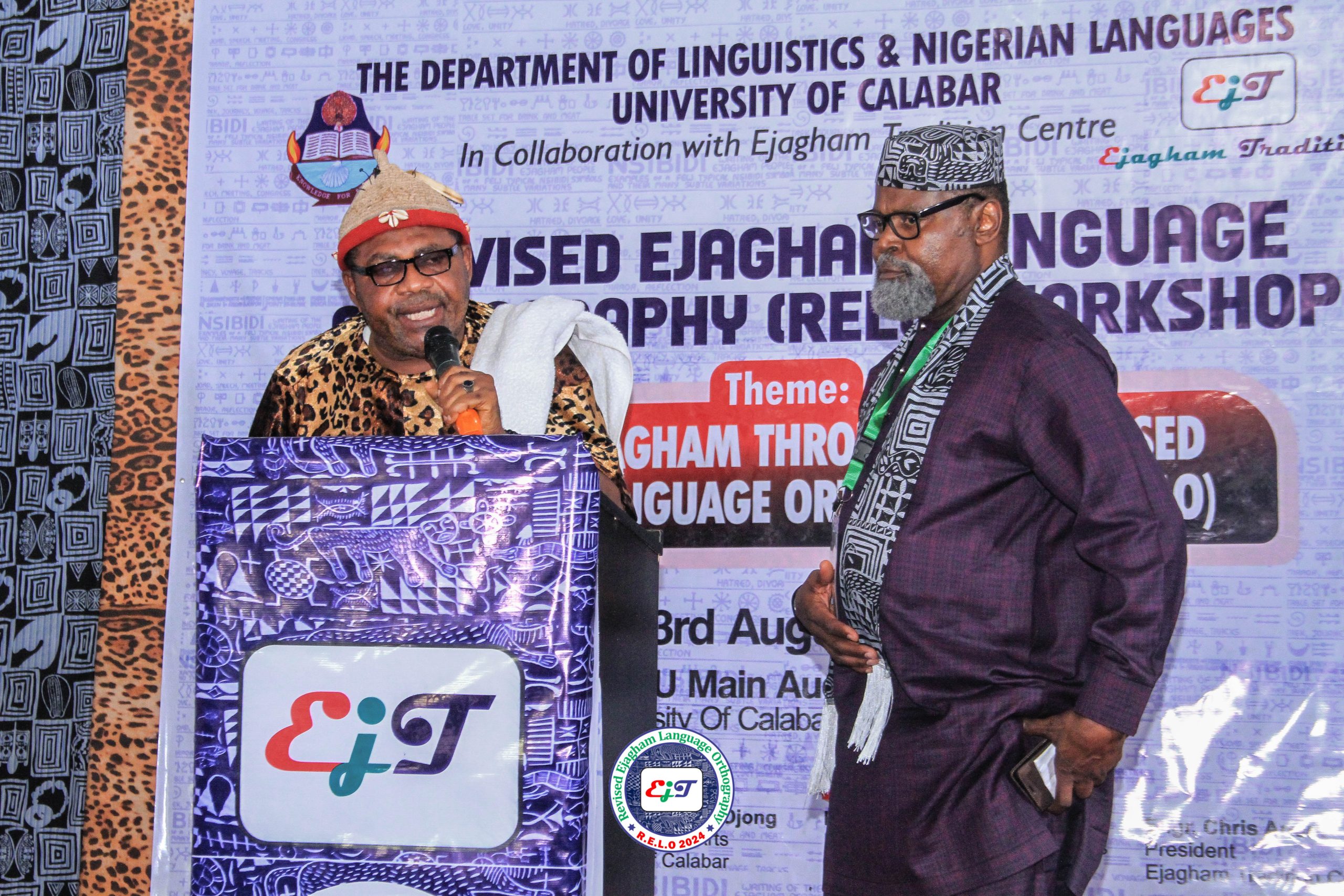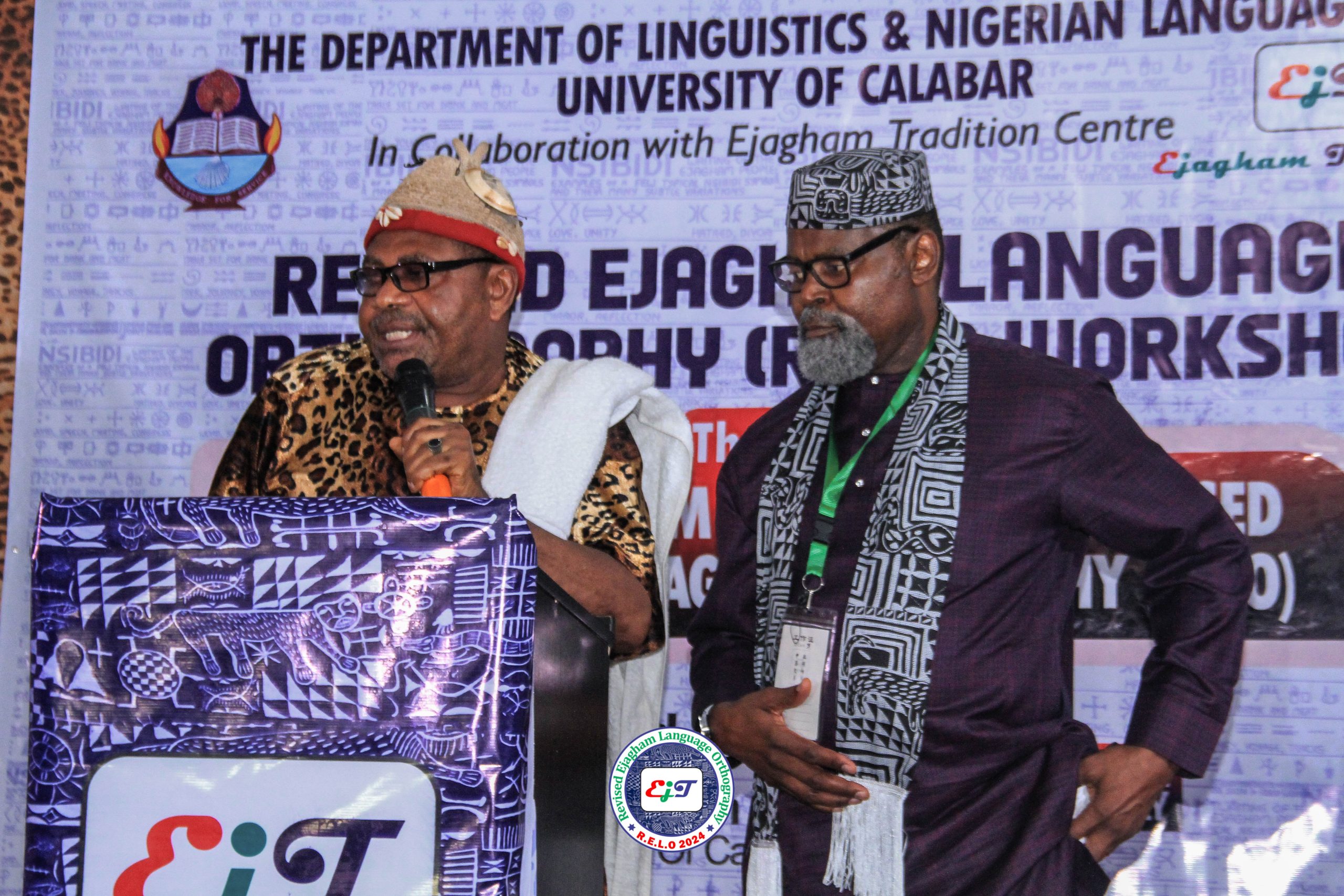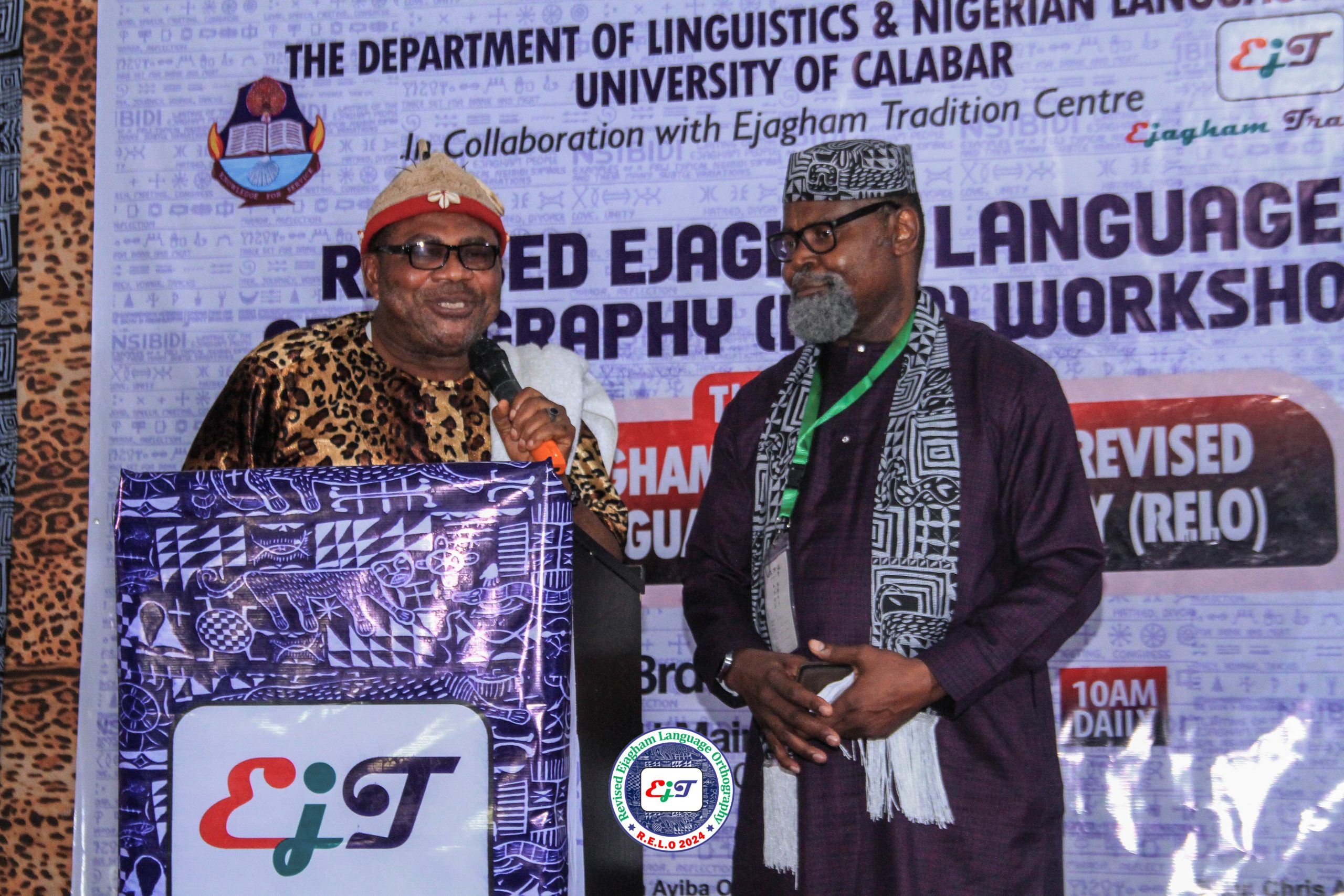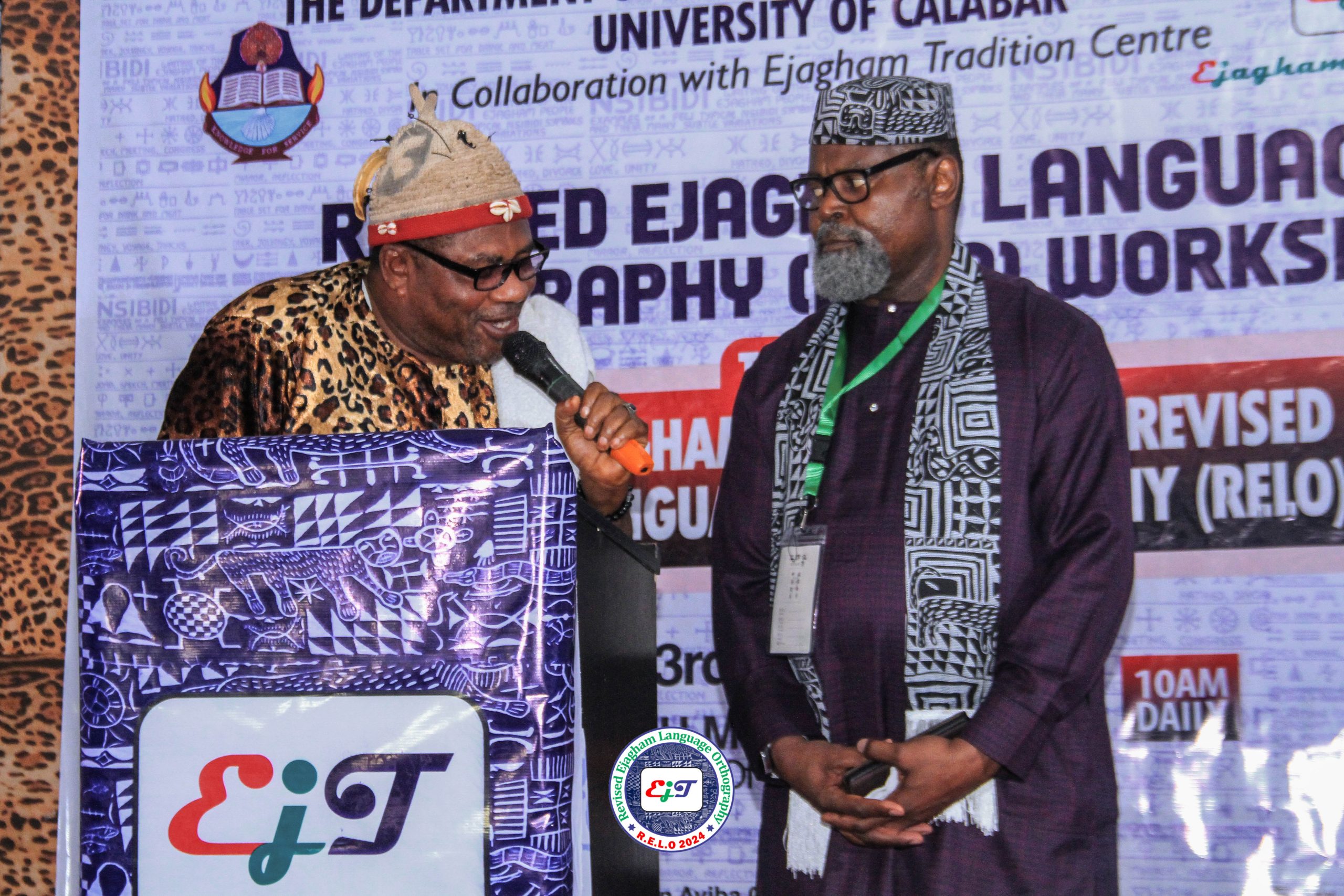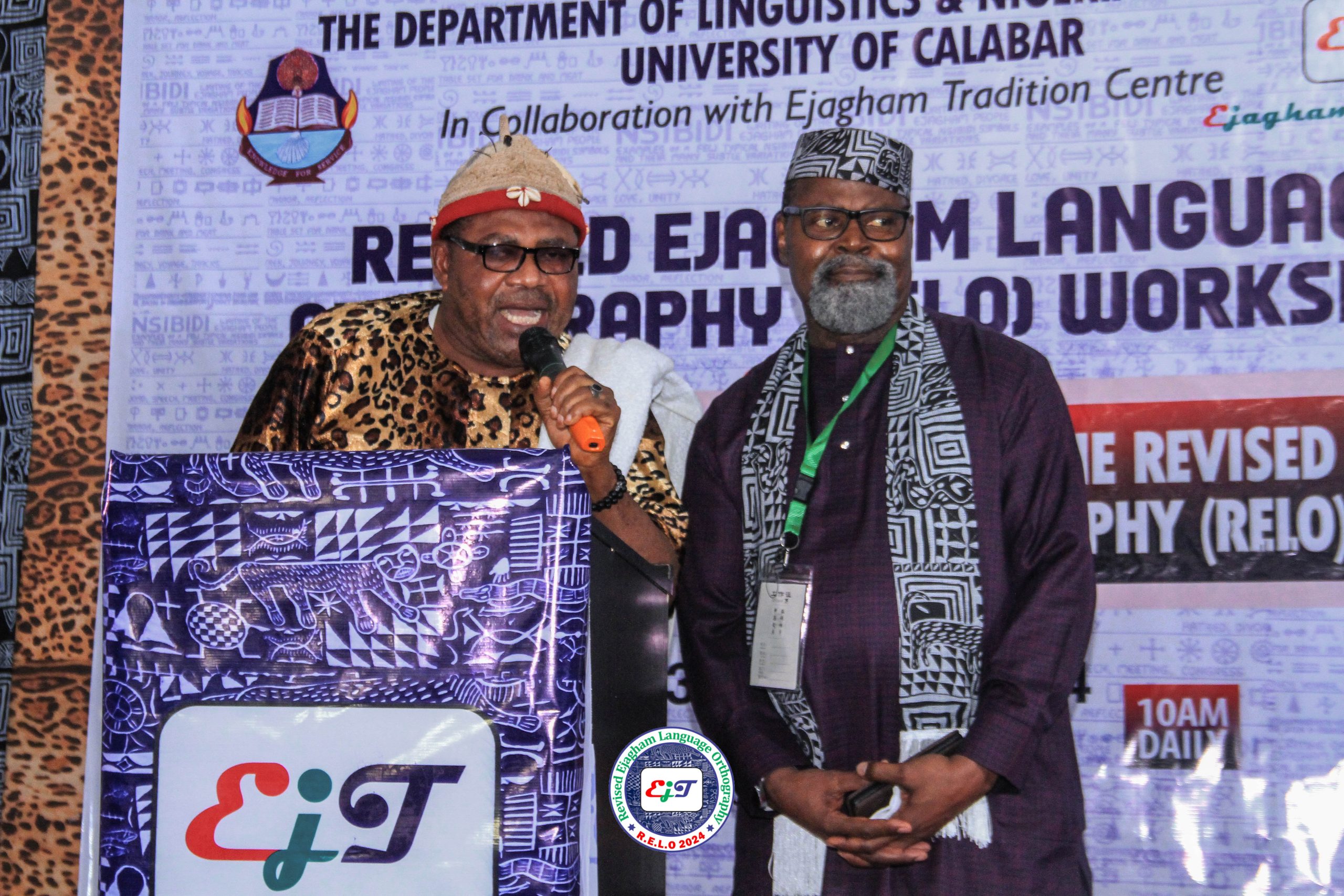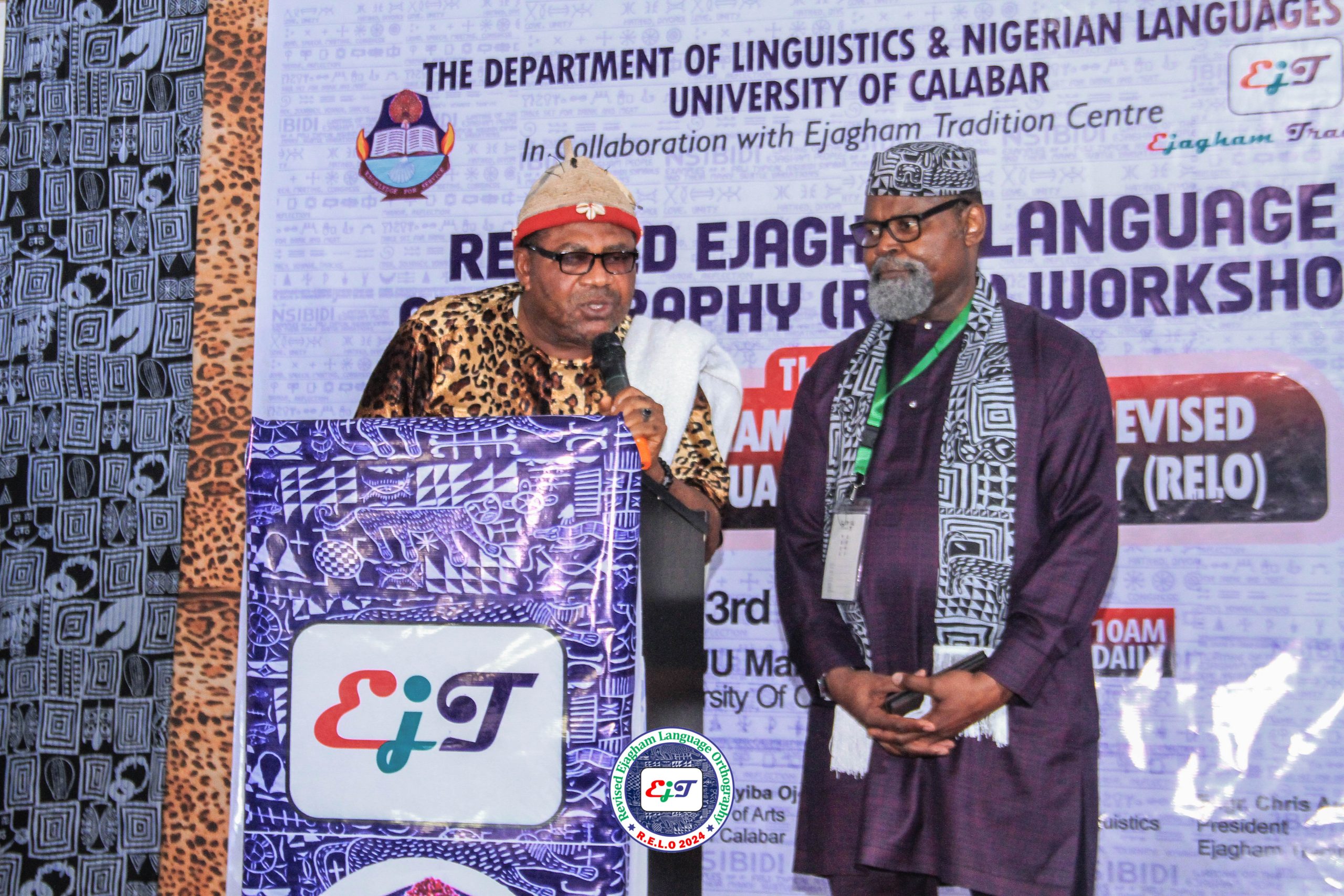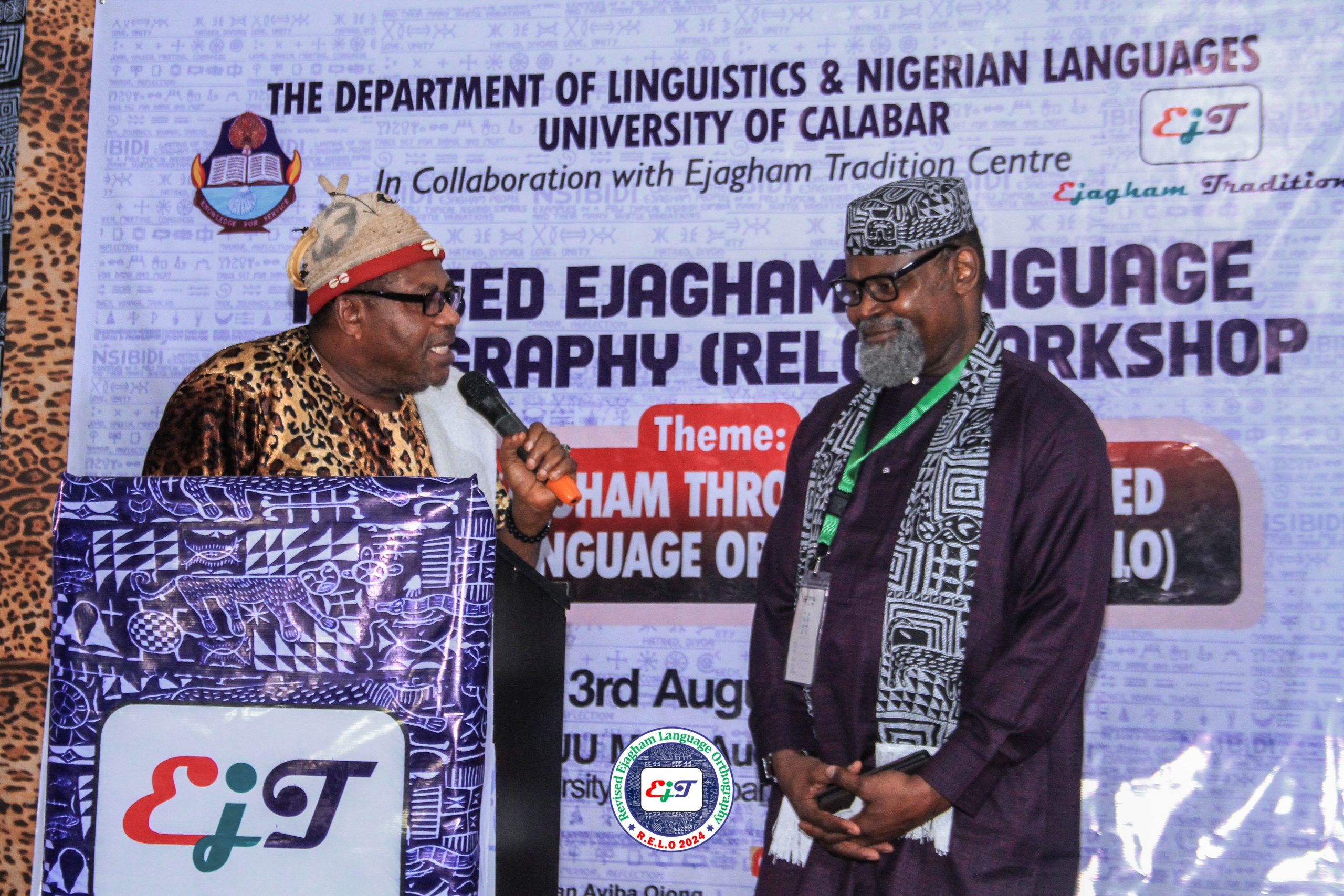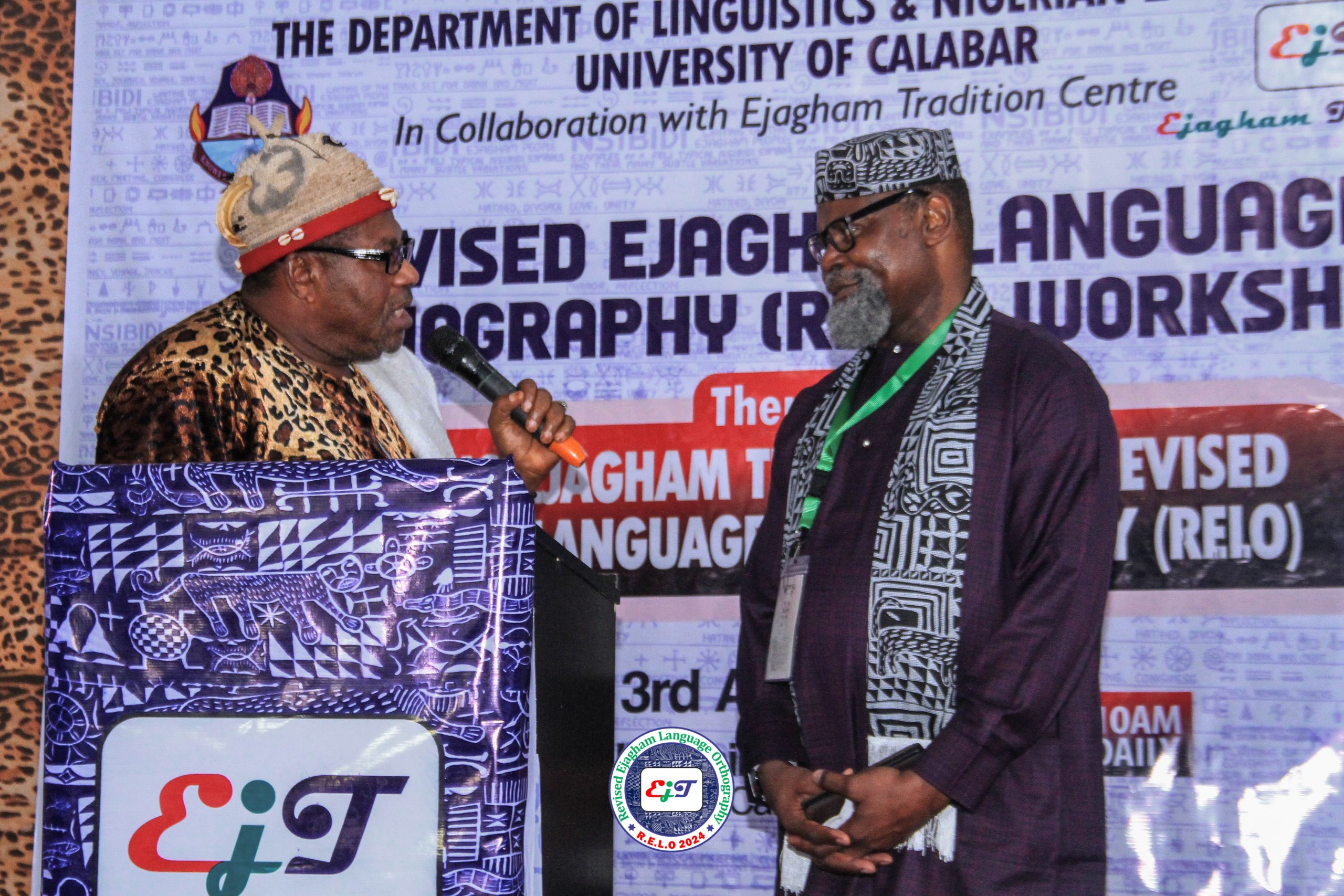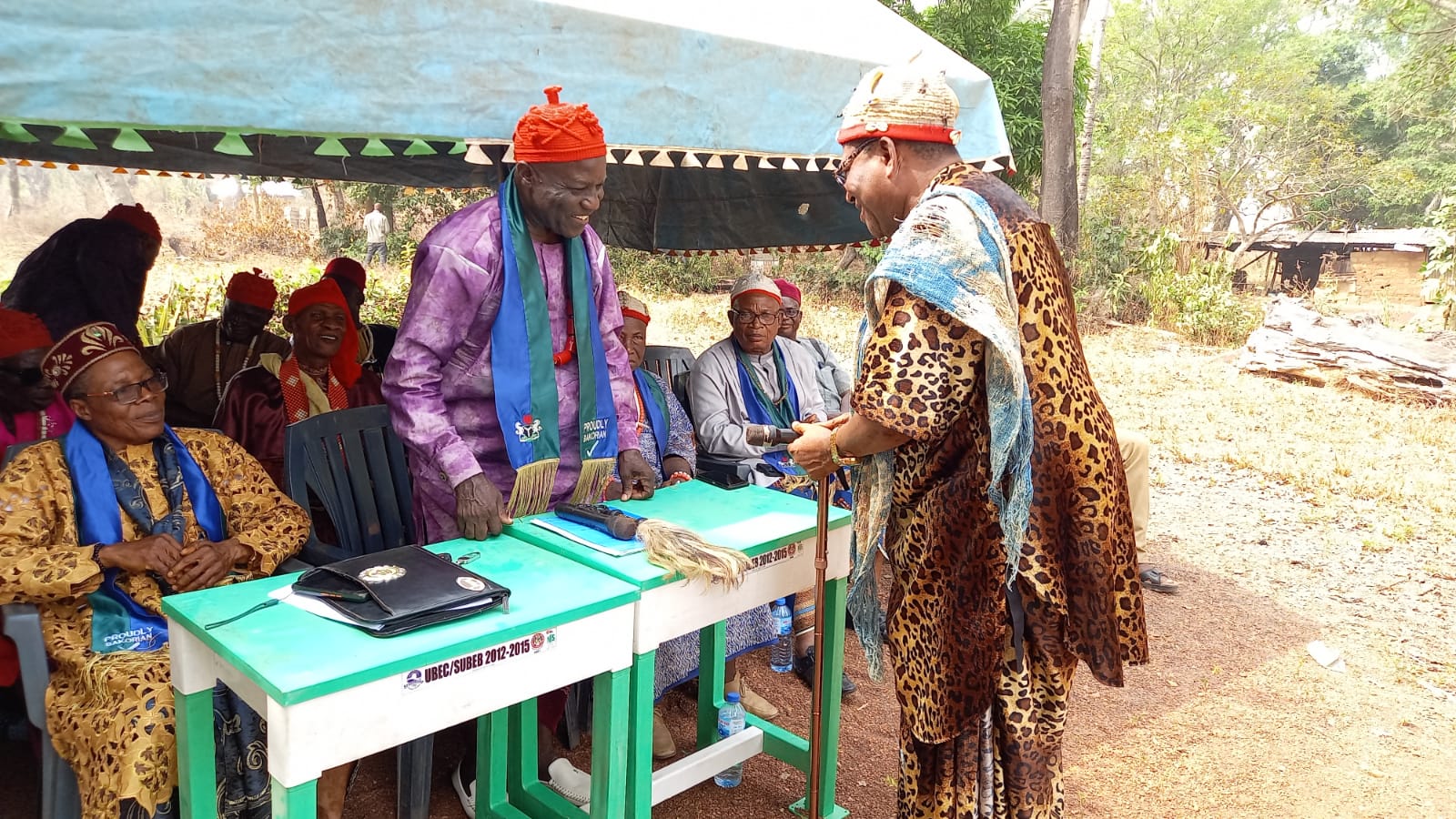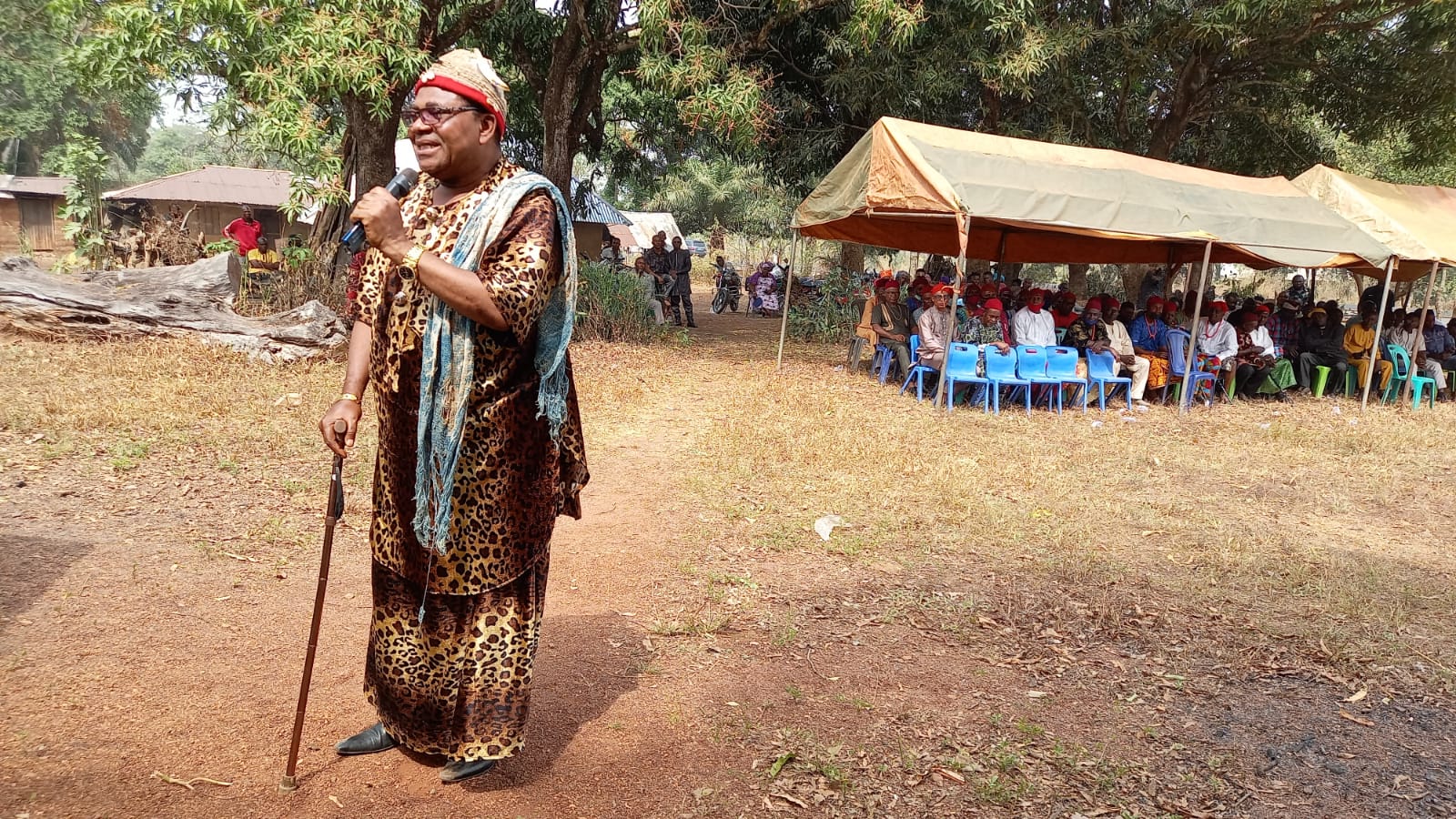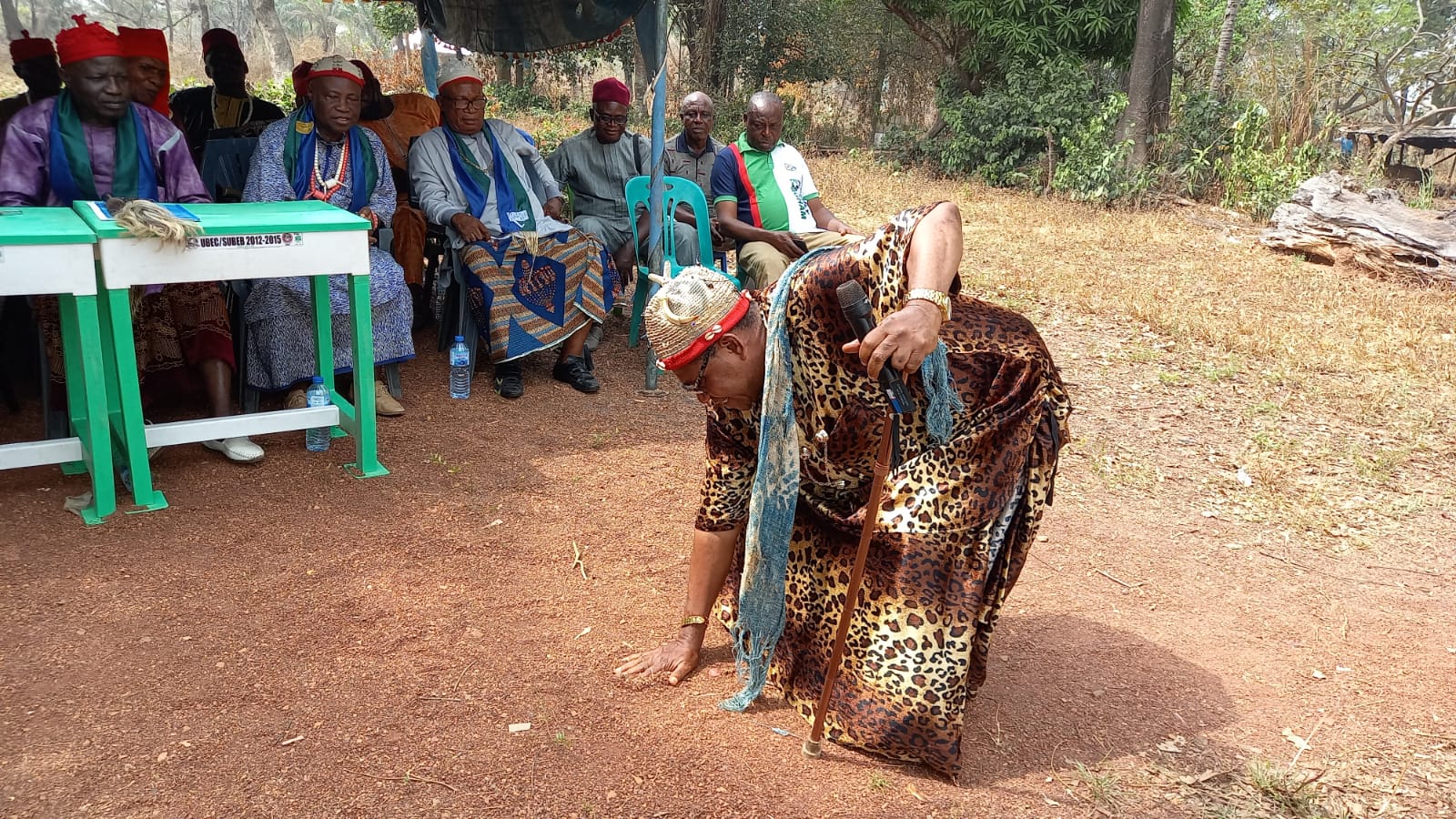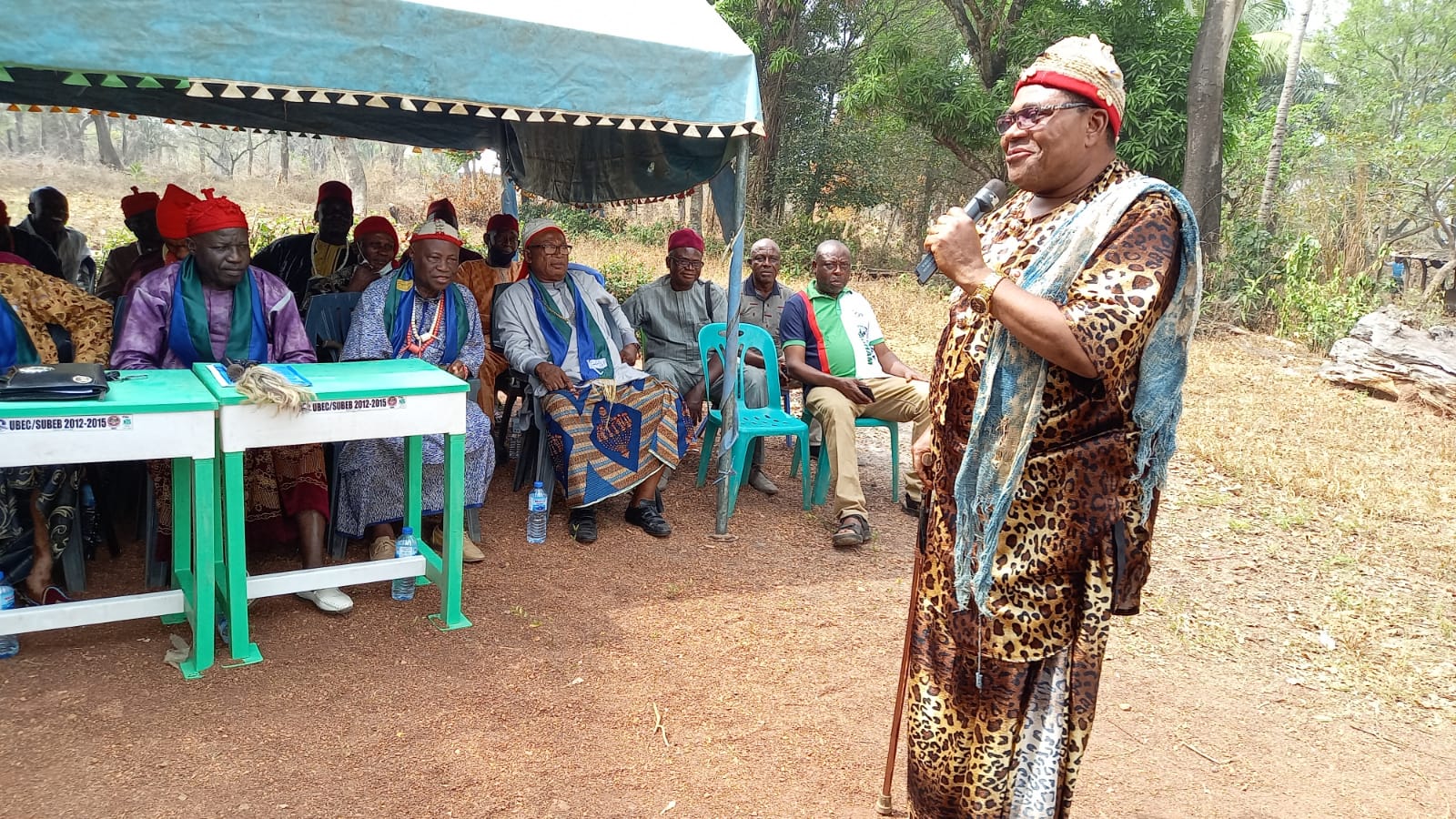
Mgbe and the Leopard: Restoring Ejagham Totemic and Linguistic Integrity
Foundational Context
The Ejagham institution of Mgbe stands at the apex of socio-political authority, ritual governance, and ancestral symbolism across the Cross River–Southwest Cameroon cultural corridor, the Ejagham Nation. Yet, contemporary discourse reveals persistent confusion regarding the zoological referent of the term Mgbe: is it Leopard or Lion?
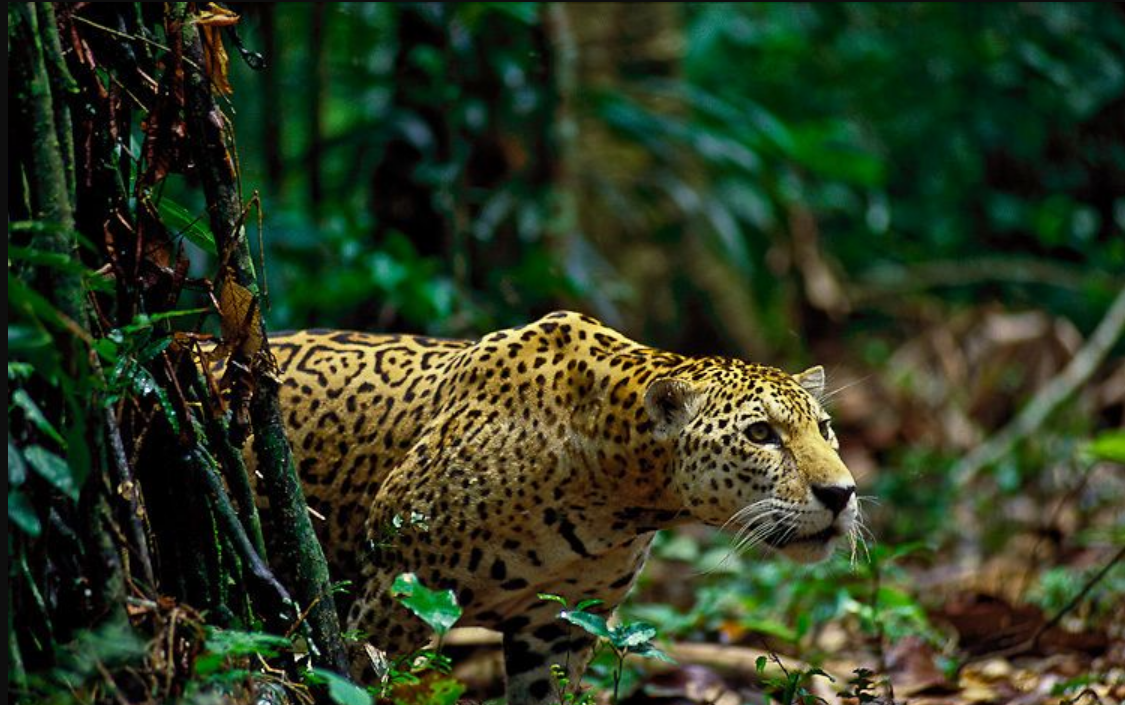
Drawing on a rich corpus of EjT WhatsApp ethnographic exchanges among Ejagham elders, scholars, and custodians (2019 till 2026), this artefact reconstructs the cultural logic underlying Ejagham forest taxonomy, ritual symbolism, and linguistic heritage. Through triangulation of oral testimony, ecological realities, Bantu comparative linguistics, and ritual practice, the study demonstrates conclusively that Mgbe refers to the Leopard (Panthera pardus), not the Lion (Panthera leo).
The write-up further examines a parallel crisis: the increasing adulteration of Ejagham language, including the replacement of indigenous terms with Efik/Ibibio expressions. This linguistic erosion threatens the authenticity of Ejagham cultural identity. Ultimately, the Leopard emerges as the ancestral totem of Ejagham civilization, and the preservation of Ejagham language becomes an urgent cultural imperative.
Prefatory Note
Among the Ejagham, Mgbe is not merely a lexical item; it is a civilizational institution. It denotes the supreme governance system, the sacred masquerade, and the ancestral embodiment of authority. Yet, despite its centrality, the zoological identity of Mgbe has become contested recently. The debate — whether Mgbe refers to Leopard or Lion — reflects deeper tensions between ecological memory, linguistic evolution, ritual aesthetics, and cross‑cultural influence.
The EjT WhatsApp exchanges (from 2019 to 2026) reviewed here constitute a rare, multi‑generational ethnographic dataset. They capture real-time intellectual negotiation among Ejagham elders, Iyambas, scholars, and cultural custodians. This article synthesizes these contributions into a coherent scholarly narrative, while also addressing a related cultural concern: the adulteration of Ejagham language and the gradual replacement of indigenous terms with Efik/Ibibio expressions.
Linguistic Foundations: Early Affirmations of the Leopard
The earliest voices in the dataset — Prof. Ekanem Wokoma (Ejagham Akamkpa), Ms. Eme Okang (Ejagham Qua), and Ugban Ita Akuku (Ejagham Bakor) — anchor the discussion in linguistic memory. Ms. Okang’s emphatic declaration, “Mgbe is Leopard. If I no know anything I know this one,” reflects a widely held understanding across Ejagham clusters. Ita Akuku adds that even in Nkim dialect, Leopard is Mgbe, demonstrating cross‑dialectal consistency.
These early contributions establish a linguistic baseline: Mgbe is the indigenous term for Leopard.
The Emergence of Confusion: Lion as a Misinterpreted Referent
The confusion surfaces when Dr. Mark Atabi (Ejagham Bakor) asserts that Mgbe is Lion. This position, though incorrect, is not uncommon among Ejagham speakers. Admin contextualizes the error: many who equate Mgbe with Lion are unconsciously thinking in Efik/Ibibio, where Ekpe refers to Lion. This linguistic interference has led to misinterpretations, including the appearance of Lion imagery on Ocham walls — a visual distortion of Ejagham symbolism.
Admin’s corrective — “Mgbe is Leopard; Nki is Lion” — re‑anchors the discussion in Ejagham categories.
Ritual Custodians Reassert the Leopard
Custodians of Ejagham ritual authority provide decisive clarification.
Sessekou (Iyamba) Hon. Dr. Agbornduku Eret (Ejagham Njemaya) states unequivocally: “Mgbe can only be the Leopard because the Leopard is the giant cat of the forest area.”
This ecological argument is foundational. Ejaghamland is rainforest, not savannah. Lions do not inhabit rainforests. Leopards do. Therefore, the forest cat that Ejagham people encountered, hunted, ritualized, and symbolized was the Leopard.
Ugban Ibu Monkom (Ejagham Bakor) reinforces this with Bakor dialect evidence:
- Mgbe = Leopard
- Ugaba = Lion
His repeated emphasis that Leopard belongs to the “cat class” reflects indigenous zoological taxonomy.
Eyewitness Ethnography: The Leopard Called Mgbe
The most authoritative testimony comes from Barr. Leo Ekanem (Ejagham Akamkpa), whose childhood experience in Oban (1977) provides empirical confirmation. A hunter killed a Leopard, and the village proclaimed “Ayui Mgbe!” — “Mgbe has been killed.” The animal carried home was unmistakably a Leopard.
His granduncle, Ntufam Joseph Asuquo Offiong — Iyamba and clan head — explained Ejagham forest taxonomy:
- Mgbe — Leopard
- Ekpiri Mgbe — Tiger (a conceptual category, not a local species)
- Nki — Lion
This classification aligns with Ejagham symbolic thought: the cat family represents bravery, hierarchy, and forest mastery. The Leopard is the apex cat of the rainforest, and thus the chosen totem.
Ritual Praxis: The Women’s Fight to See the Face of Mgbe
Iyamba Eret provides ethnographic detail from Cameroon Ejagham communities. When a Leopard is killed:
- Its face is covered with leaves, beginning with Ekpa Mgbe.
- Women fight to uncover the Leopard’s face.
- Men fight to prevent this.
- The ritual continues until the Leopard is safely taken into the Ocham.
This ritual — Ehenmm Ochi Mgbe or Mbok n’Mgbe — is performed only for the Leopard, never for Lion. The ritual drama is tied to the Leopard’s sacred status. If Mgbe were Lion, this ritual would not exist in rainforest communities where Lions do not occur.
This is living proof that Mgbe refers to Leopard.
Comparative Bantu Linguistics: The Wider African Context
Dr. Daniel Epeh (Ejagham Ngunaya) strengthens the argument by pointing to Bantu linguistic parallels. In Congo, Leopard is Mgwe/Ngwe/Ngoy — cognates of Mgbe. Ugban Inyambe Wogar (Ejagham Bakor) notes that the Leopard society in Congo is called Anyoto, again showing cultural continuity across Bantu-speaking peoples.
These parallels demonstrate that the Leopard, not the Lion, is the pan‑Bantu symbol of forest authority.
Ecological Realities: Lions Do Not Inhabit Ejaghamland
Nta Takon Ntimi (Ejagham Etung) summarizes the ecological truth: “The rainforest is not known for Lion. The Ejagham totem is Leopard.”
This is supported by Dr. Okimba Akim (Ejagham Akamkpa), Pa. Oba Ekum Ojogu (Ejagham Bakor), and others who affirm that Nki is Lion, not Mgbe. The ecological distribution of animals is decisive: Ejagham people could not have built a totem around an animal absent from their environment.
Symbolism and Totemism: Why Leopard, Not Lion
The Leopard’s mastery of the forest — its stealth, intelligence, and unmatched skill — is why Ejagham chose it as the totem. As Admin recounts from ndua Chief Edet Ekpo of Ejagham Qua: “Leopard is the most skilful forest cat.”
Nta Ntiamba Obi Ntui (Ejagham Njemaya) adds that across Bantu cultures, Leopard skin symbolizes valor, dignity, and royalty — a shared cultural grammar that transcends geography.
The Leopard is not merely an animal; it is a philosophical symbol of Ejagham identity.
Masquerade Aesthetics: Why Some Mistake Mgbe for Lion
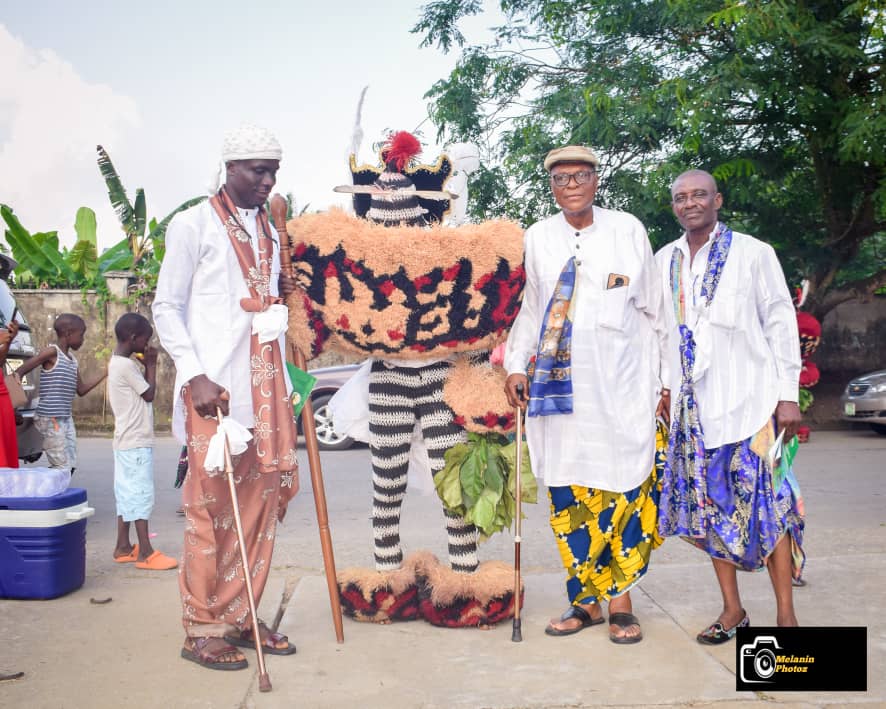
Some confusion arises because the Okumi Mgbe masquerade sometimes features a mane resembling that of a Lion. As Barr. Ekanem explains, this design was deliberate: the mane symbolizes majesty and authority. But the masquerade’s symbolic aesthetics do not change the zoological identity of the totem.
The masquerade could be inspired by the Lion’s regal appearance, but the institution is Leopard.
The Crisis of Language Adultration
Having resolved the misconception surrounding Mgbe, attention must turn to a deeper cultural crisis: the self‑inflicted adulteration of Ejagham language, even among custodians of the culture. Nta Festus Ekem (Ejagham Njemaya) articulates this problem with clarity and urgency.
- The Ekpe–Mgbe Confusion as Linguistic Erosion
Ejagham people increasingly refer to Mgbe — the Leopard, the Ejagham Totem — as Ekpe, an Efik/Ibibio word meaning Lion. This substitution is not merely a linguistic error; it represents a loss of cultural identity. As Ekem notes, some Ejagham custodians now claim that Efik/Ibibio taught Ejagham the practice of Mgbe, despite historical evidence to the contrary.
- Historical Origins: Mgbe as an Ejagham–Oroko Discovery
Ekem provides a critical historical clarification, noting that early accounts trace the origin of Mgbe to Ejagham. In its earliest form, the institution was known as Mgbe among the Ejagham denoting “Leopard.” When the Efik/Ibibio later encountered this institution, they rendered the name into their own linguistic framework as Ekpe, meaning “Lion,” thereby introducing a fundamental semantic distortion that has persisted over time.
The troubling development today is that many Ejagham people are gradually abandoning their indigenous term and adopting the Efik/Ibibio translation. This shift not only obscures the true zoological identity of the Ejagham totem but also contributes to the broader erosion of Ejagham linguistic and cultural authenticity.
- Replacement of Ejagham Vocabulary
Ekem highlights several examples of linguistic displacement:
Key → erébhí, in Ejagham, now replaced by ekpogorey
Lamp → ngun, in Ejagham, now replaced by otunikang
Shoes → ibhim‑akat, in Ejagham, now replaced by mkpokut
These substitutions represent a systematic erosion of Ejagham linguistic identity.
- A Proposal for Cultural Preservation
Ekem proposes that the use of the word Ekpe be banned within Ejagham territory to preserve the authenticity of Ejagham heritage. While the proposal is strong, it reflects a legitimate cultural concern: without linguistic preservation, symbolic institutions such as Mgbe risk losing their indigenous meaning.
Final Classification: Ejagham Forest Cats
The collective conclusion across all contributions is clear:
- Mgbe = Leopard
- Nki = Lion
- Nfah Mgbe = Panther
- Ejoh = Civet Cat
This classification aligns with Ejagham ecology, ritual practice, linguistic heritage, and oral history.
Decision
The EjT WhatsApp chats over whether Mgbe refers to Leopard or Lion reveals the dynamic interplay between language, ecology, ritual, and identity in Ejagham thought. Through triangulation of oral testimony, linguistic evidence, ecological realities, and ritual praxis, this piece demonstrates conclusively that Mgbe refers to the Leopard, the ancestral forest cat of Ejagham civilization.
Yet the study also exposes a deeper cultural threat: the adulteration of Ejagham language through the adoption of Efik/Ibibio terms. This linguistic erosion undermines the authenticity of Ejagham heritage and distorts the meaning of sacred institutions such as Mgbe.
Reaffirming the Leopard as the Ejagham totem and restoring Ejagham linguistic integrity are therefore inseparable tasks. Together, they safeguard the intellectual, cultural, and spiritual foundations of Ejagham identity.
Ekup na nkad
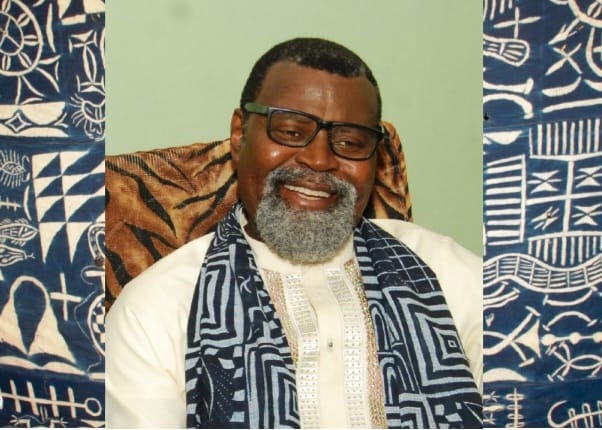
Ntufam Engr. Chris Anom CEng, CMarEng, FIMarEST, FRINA
President, EjT