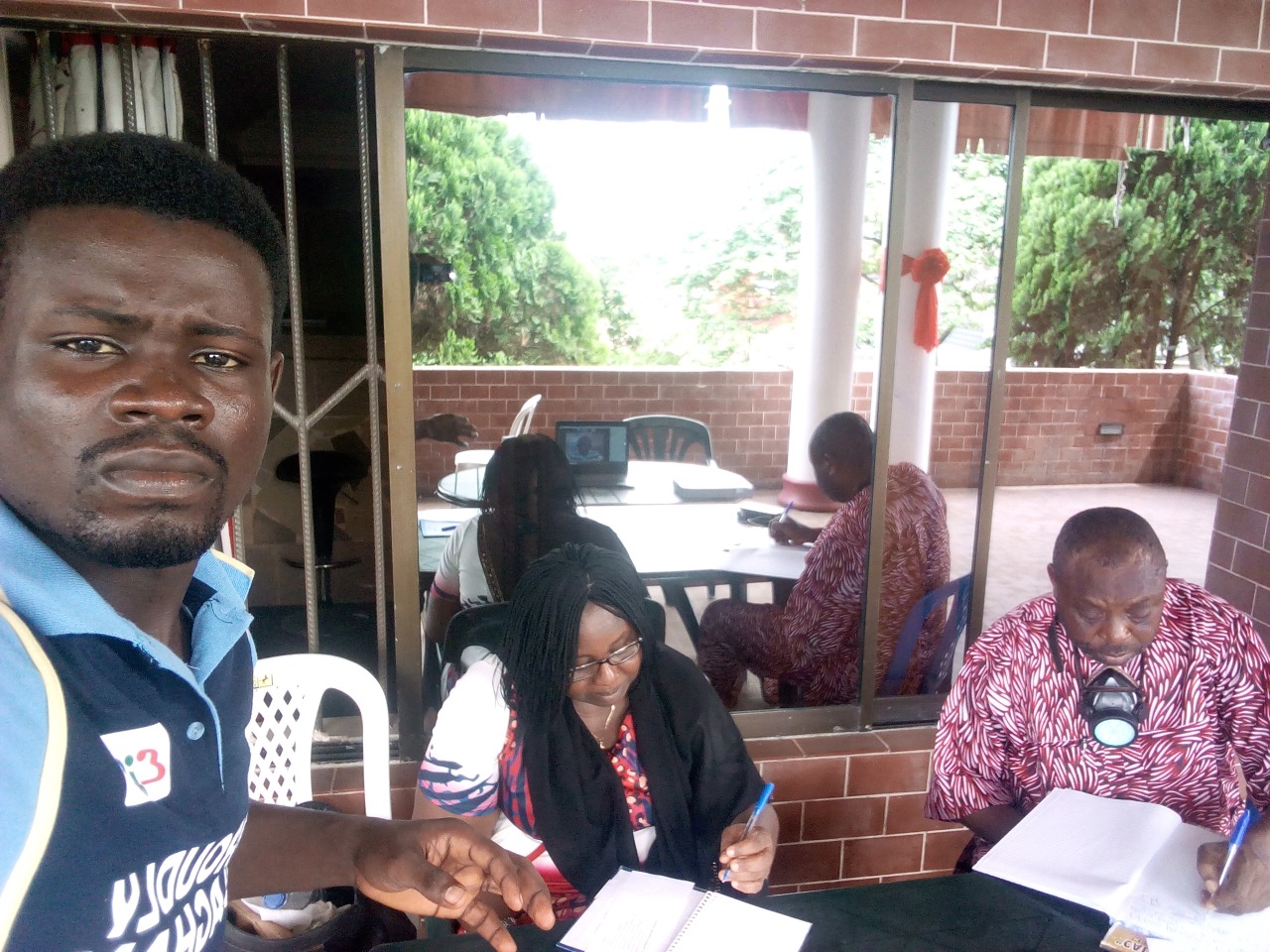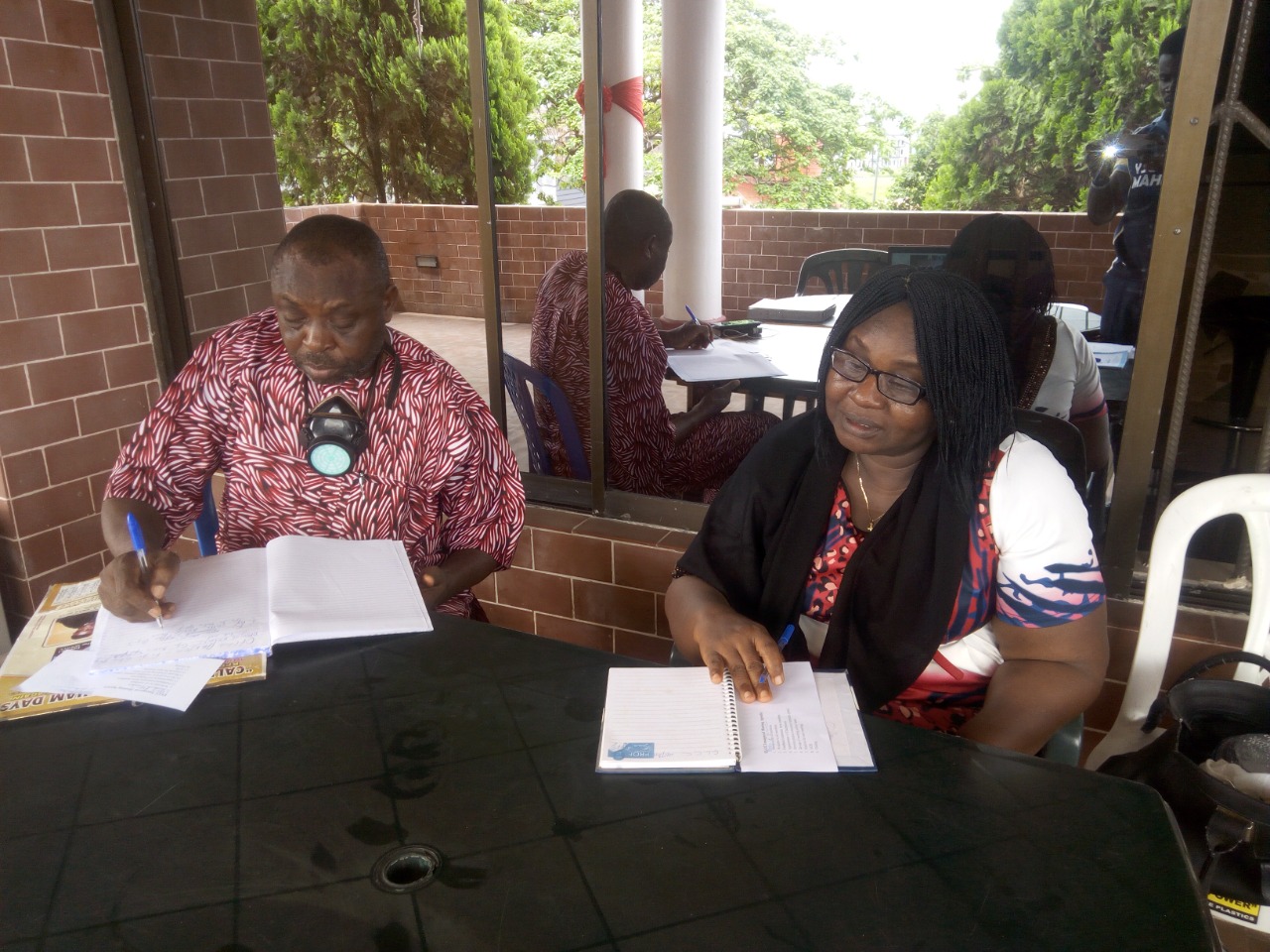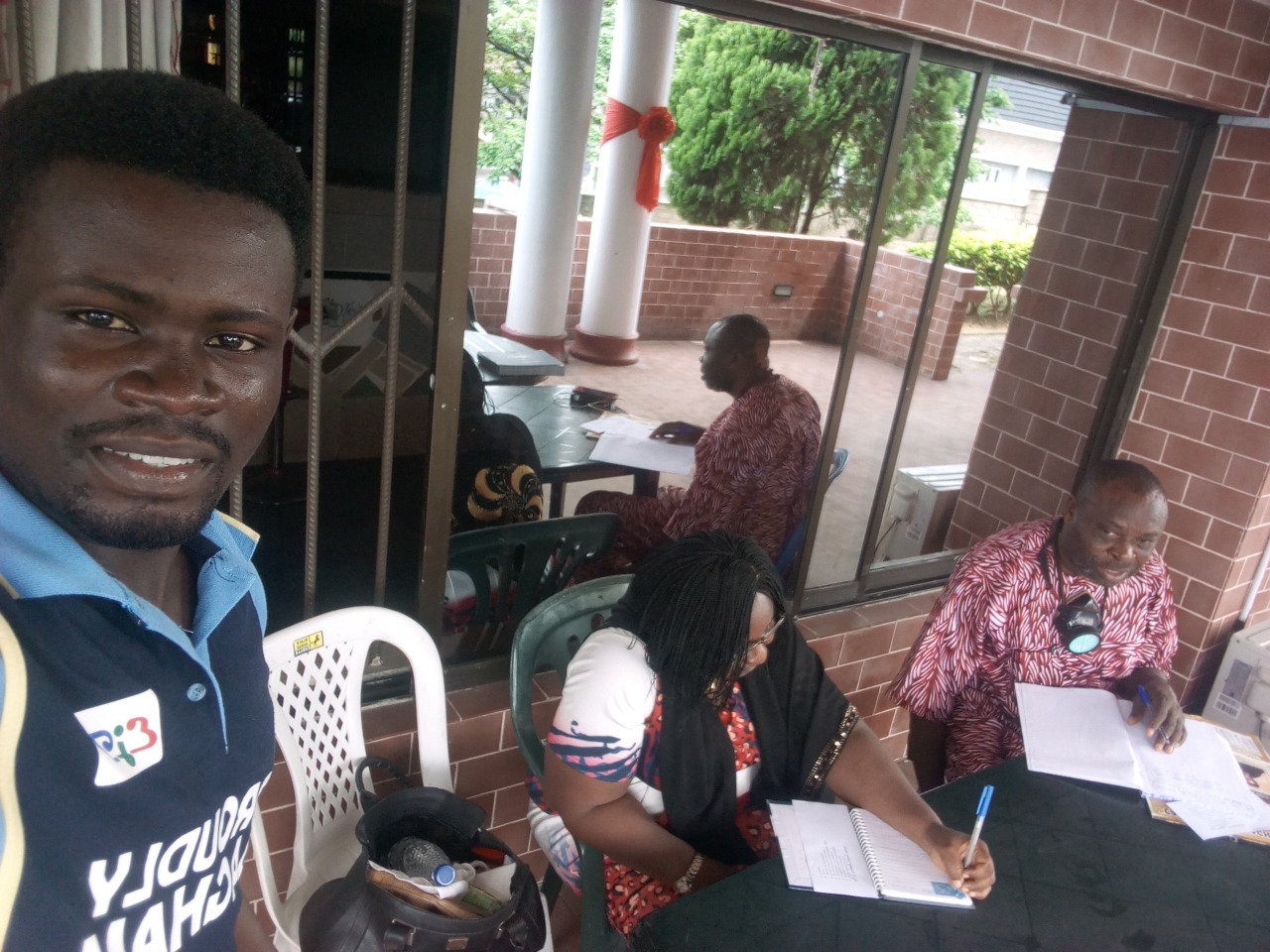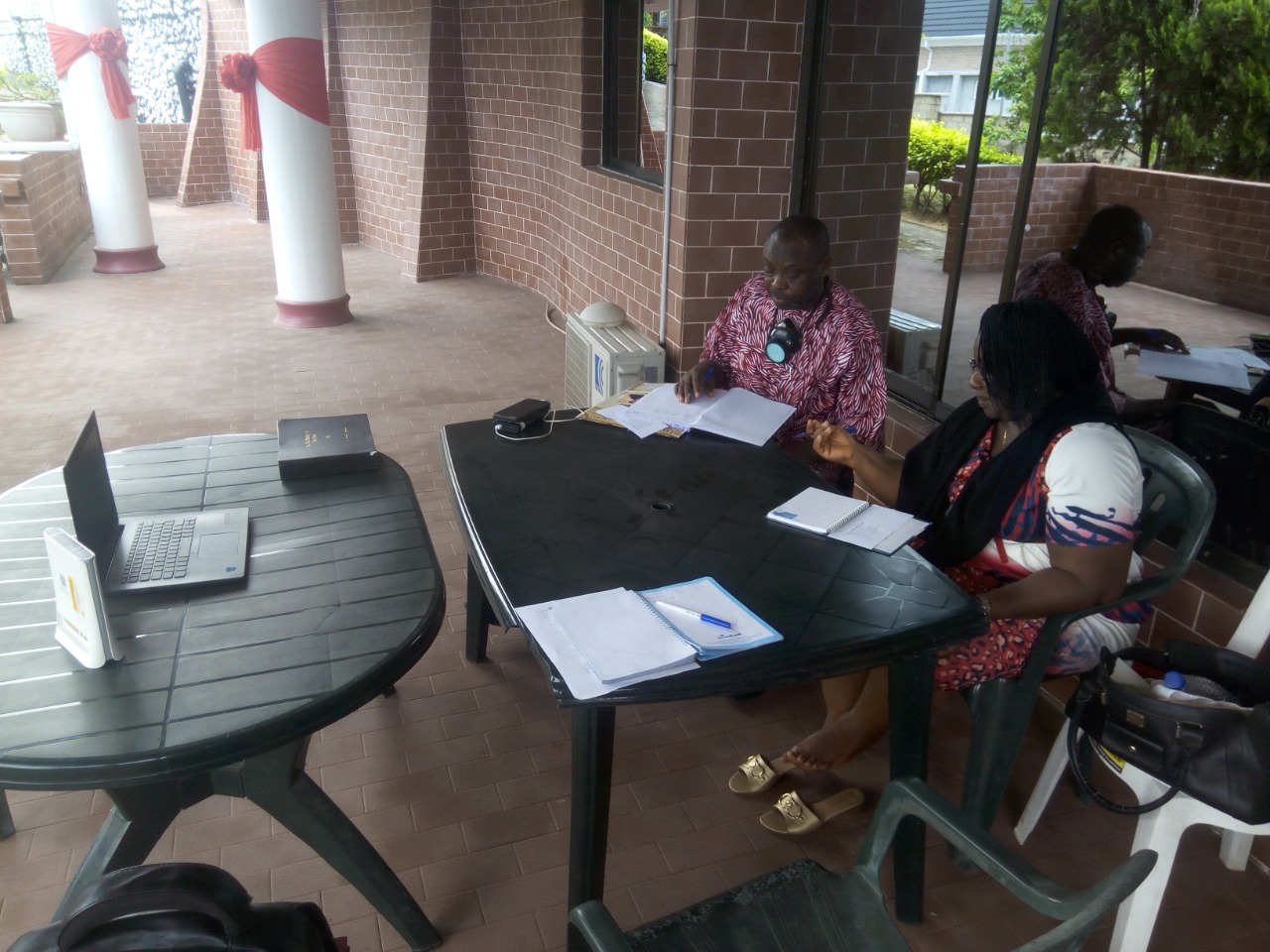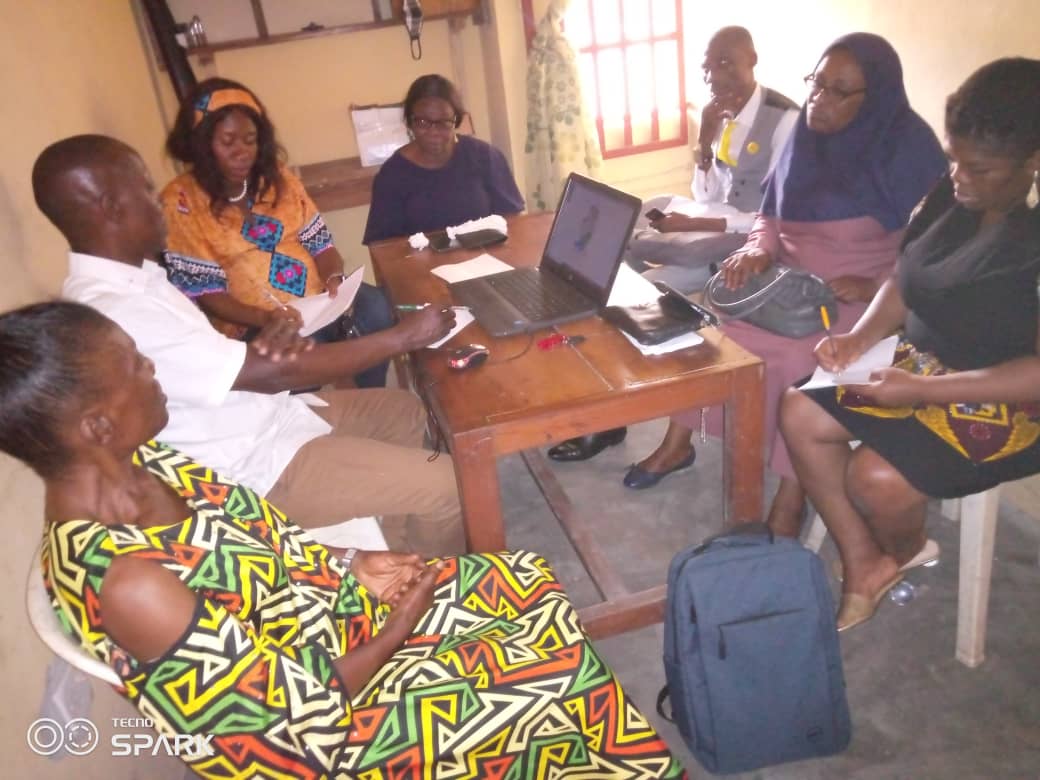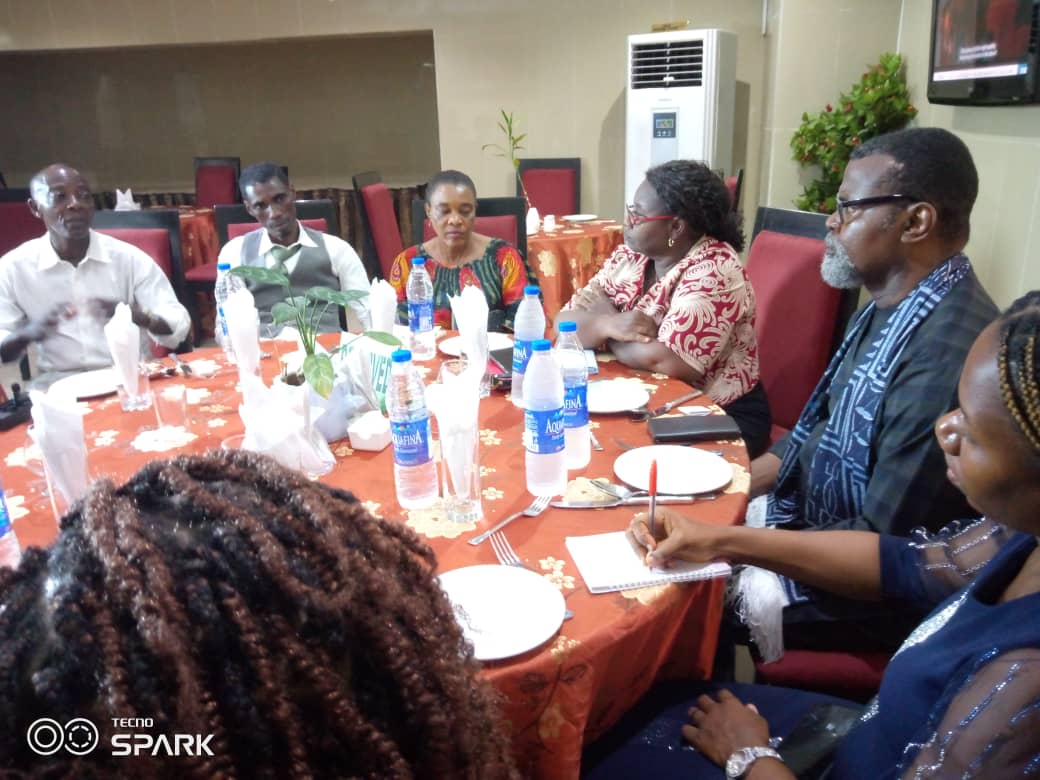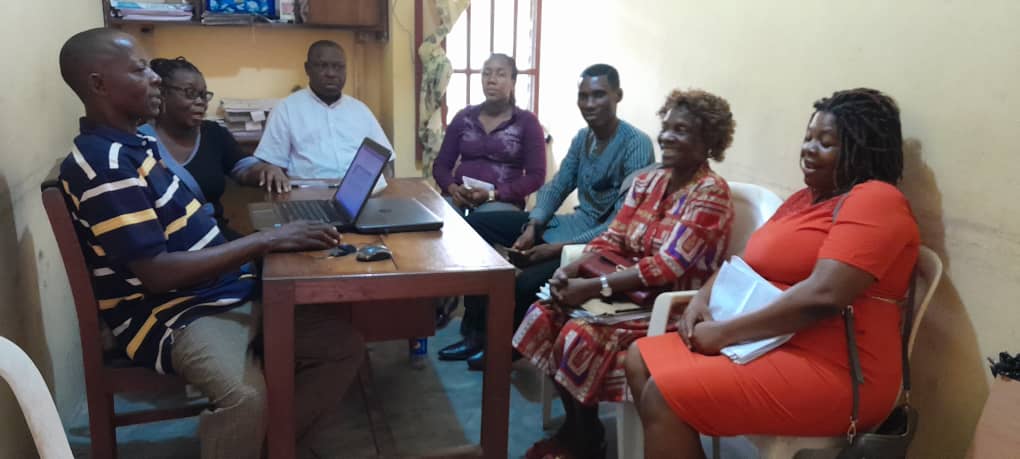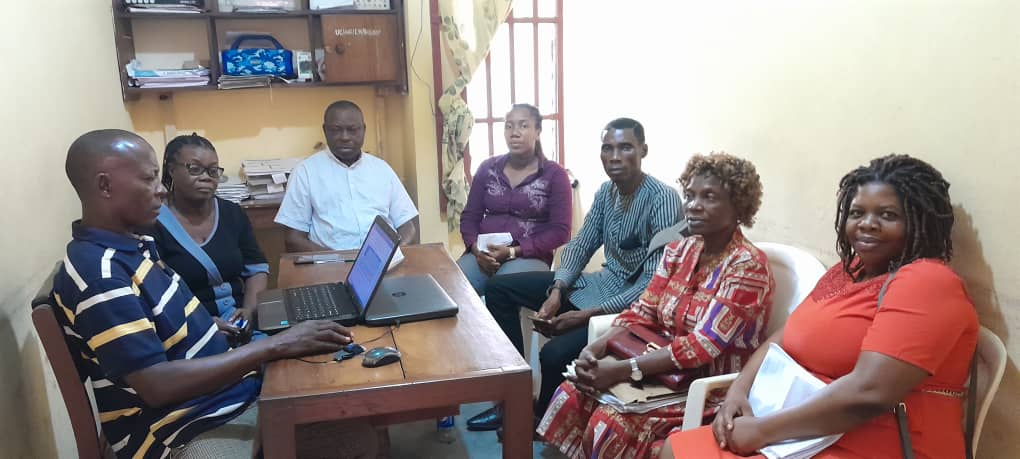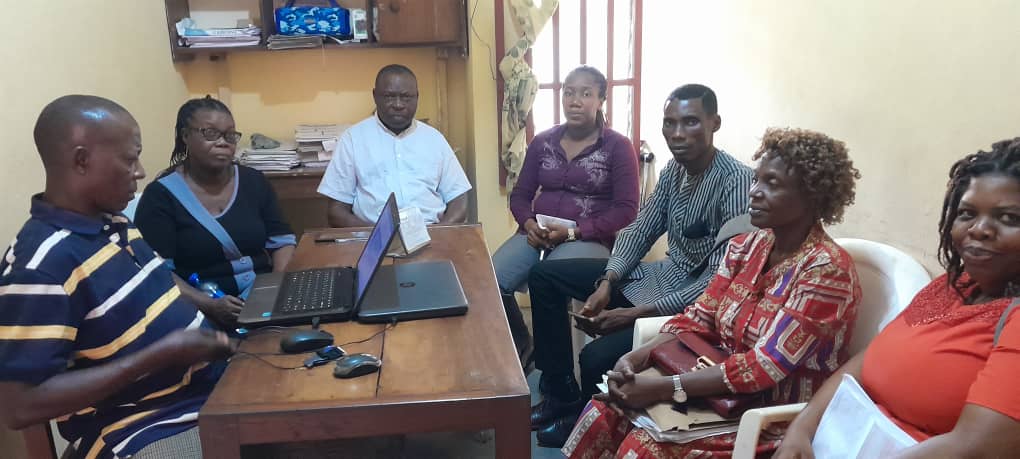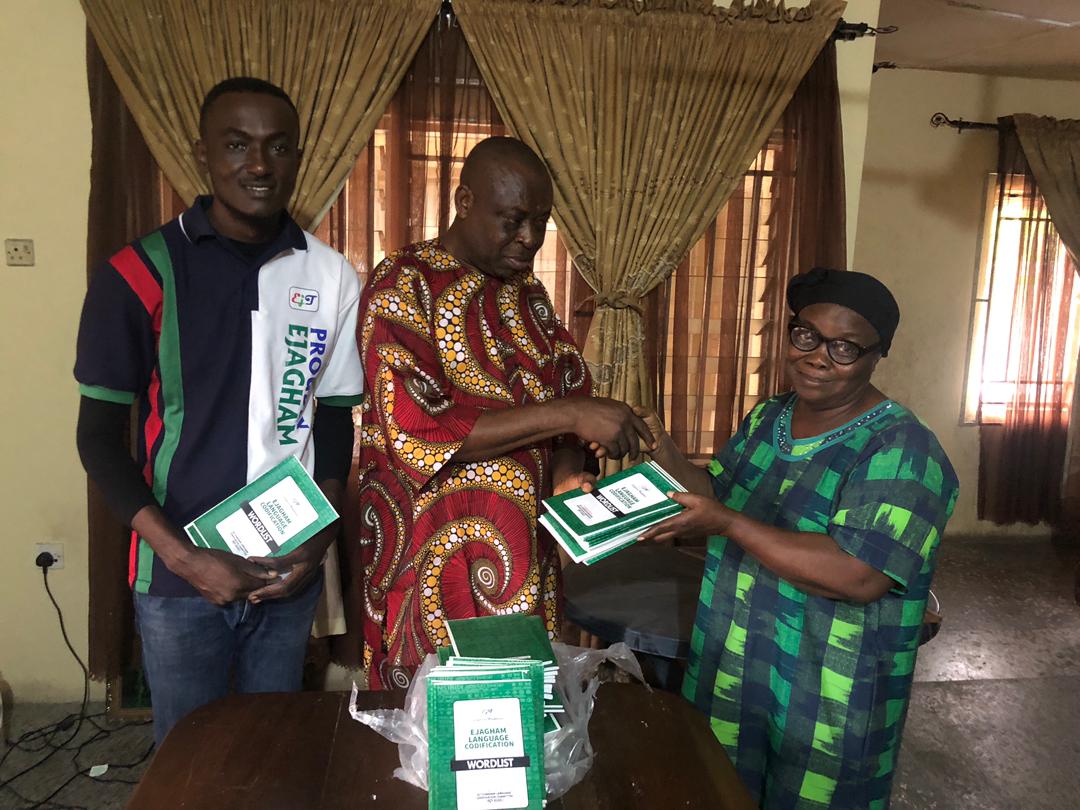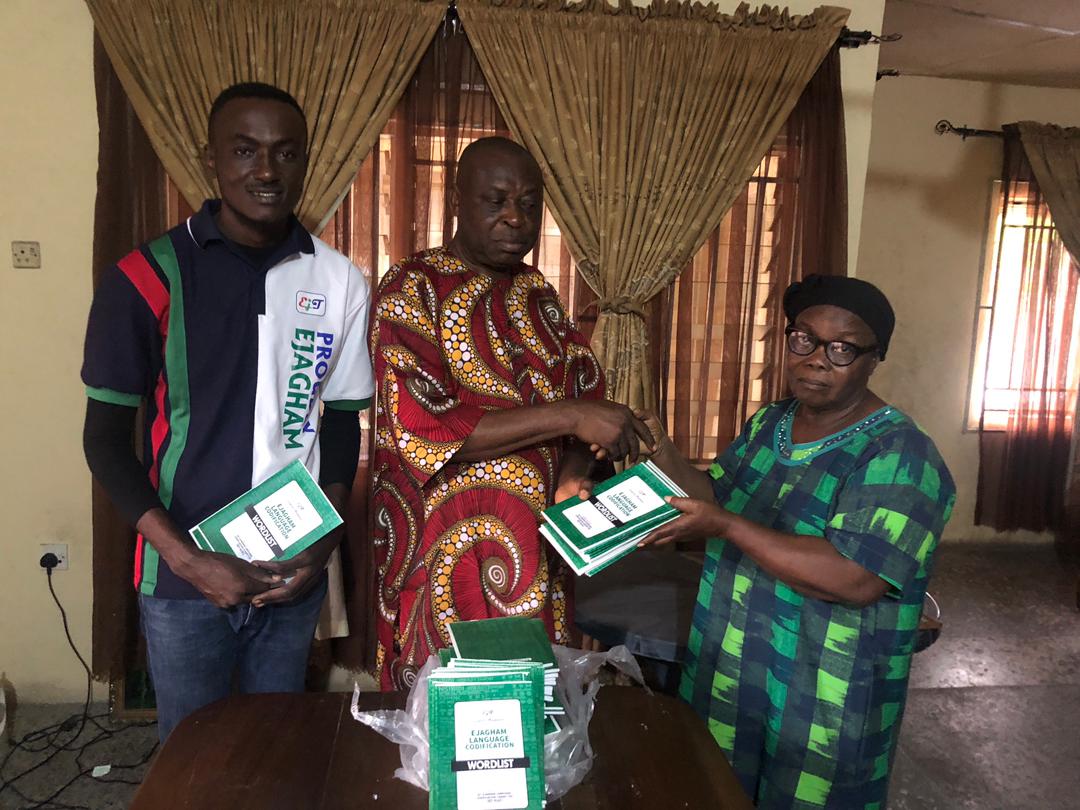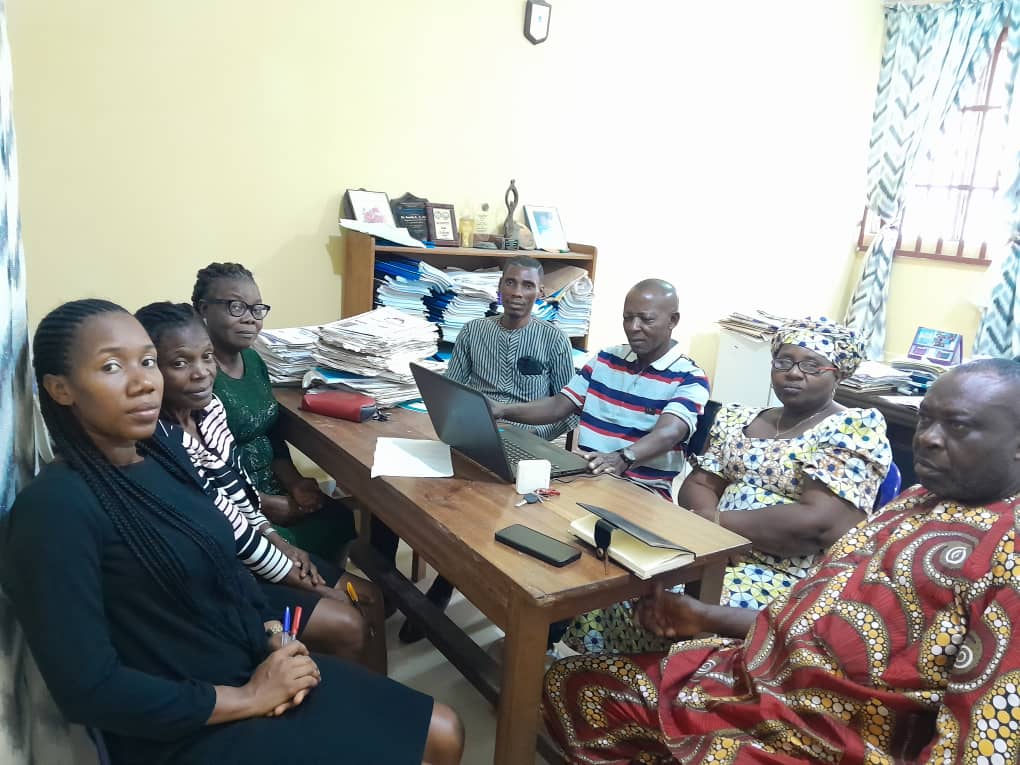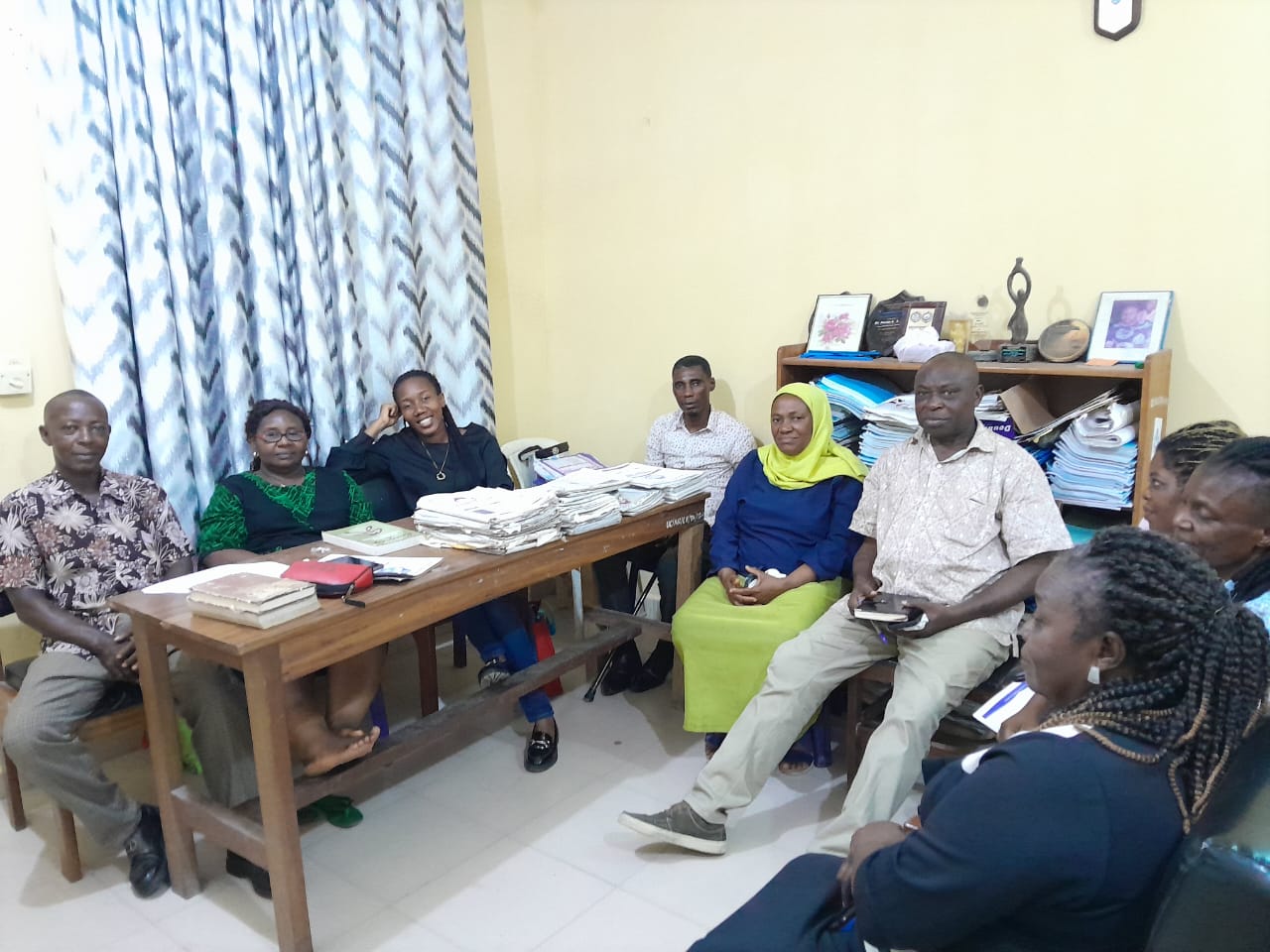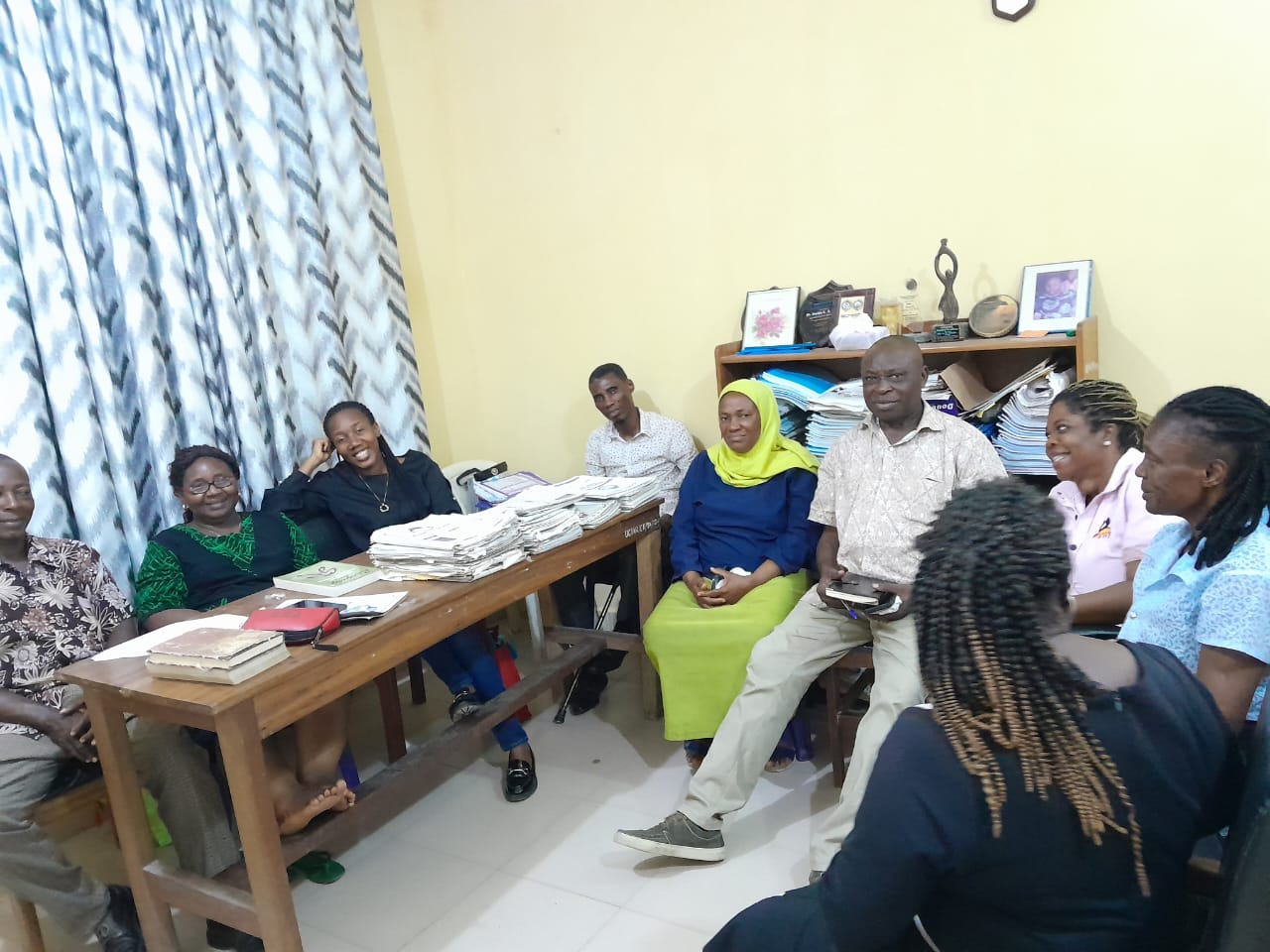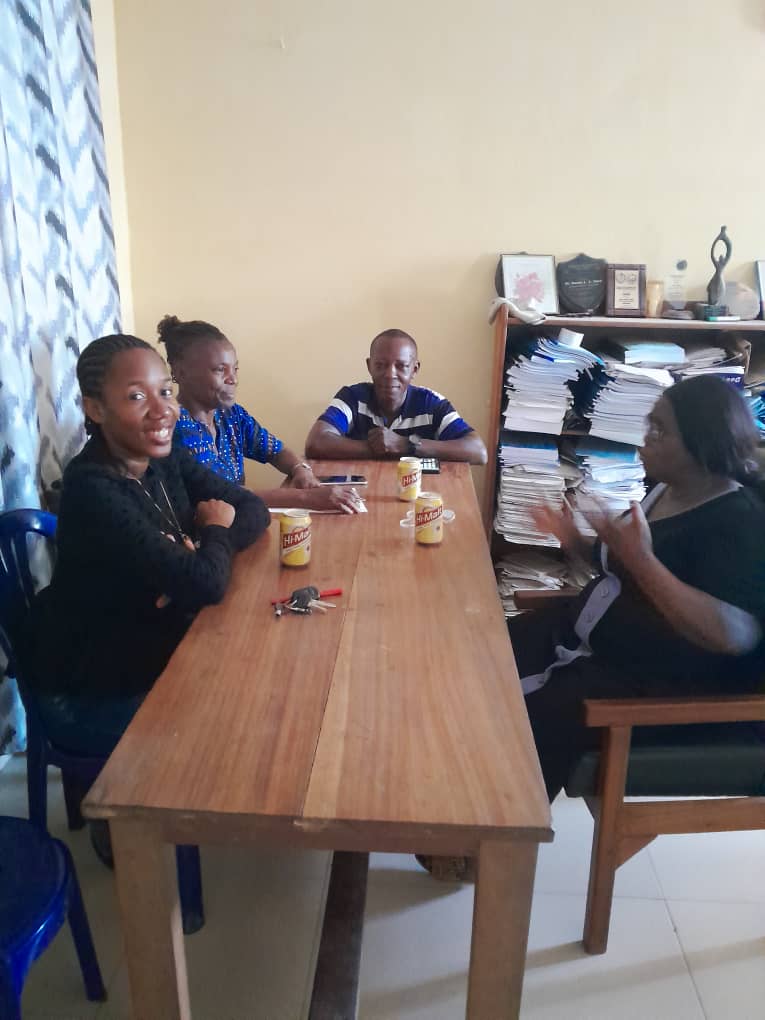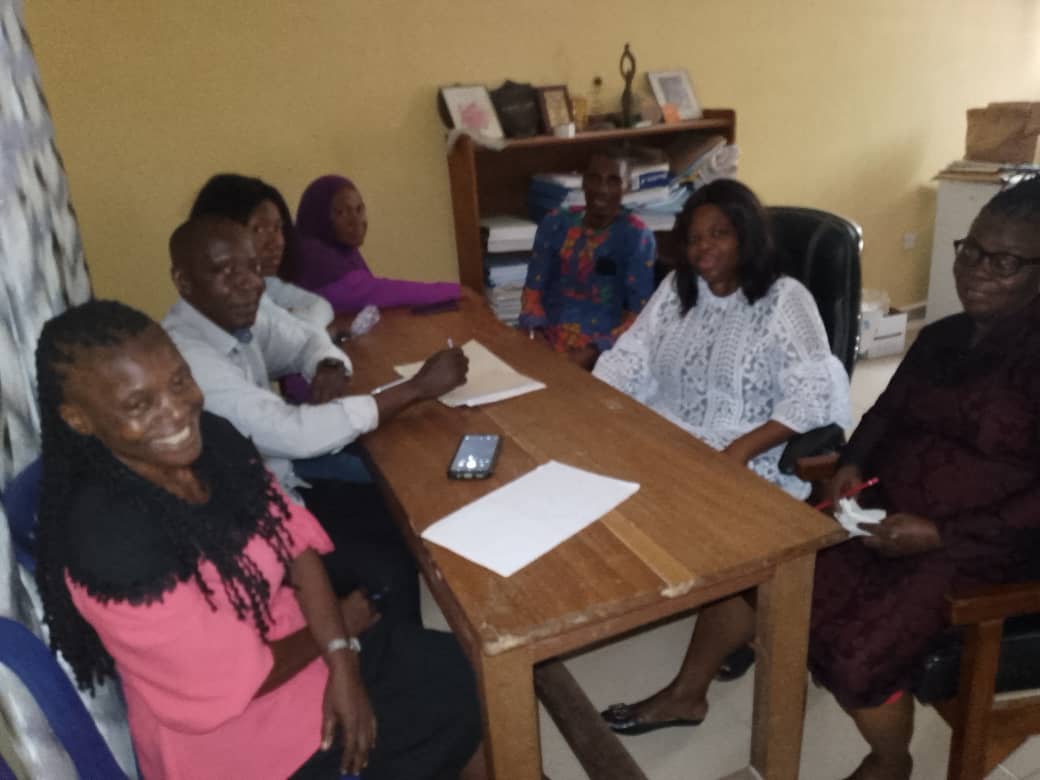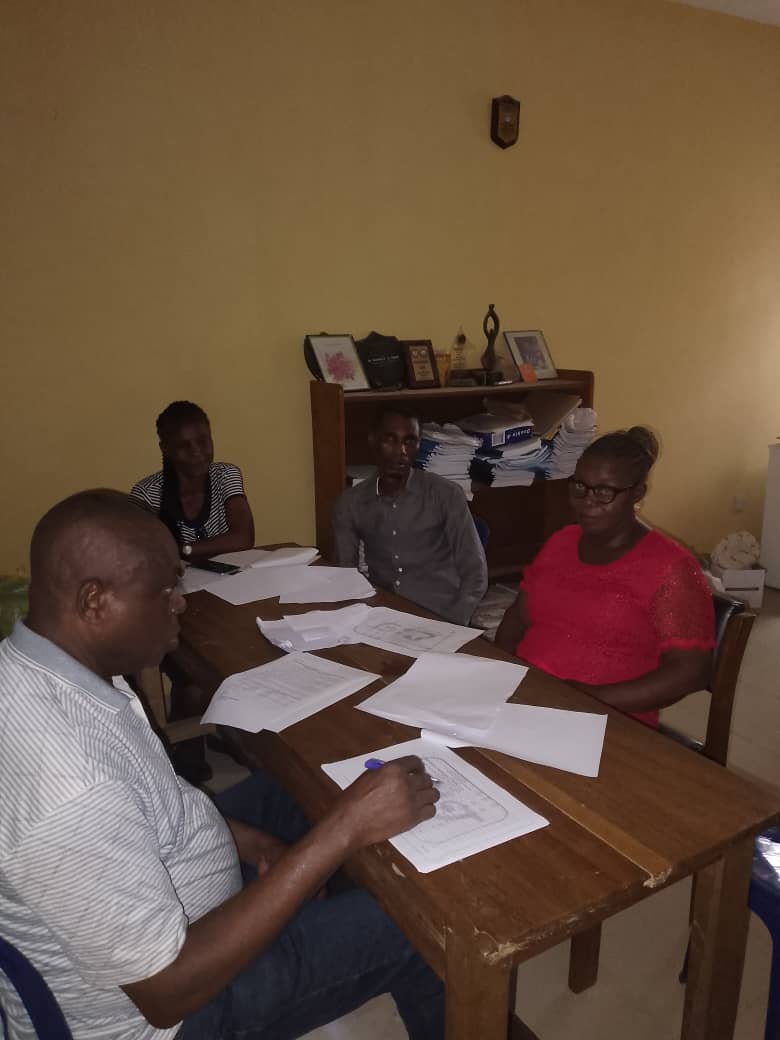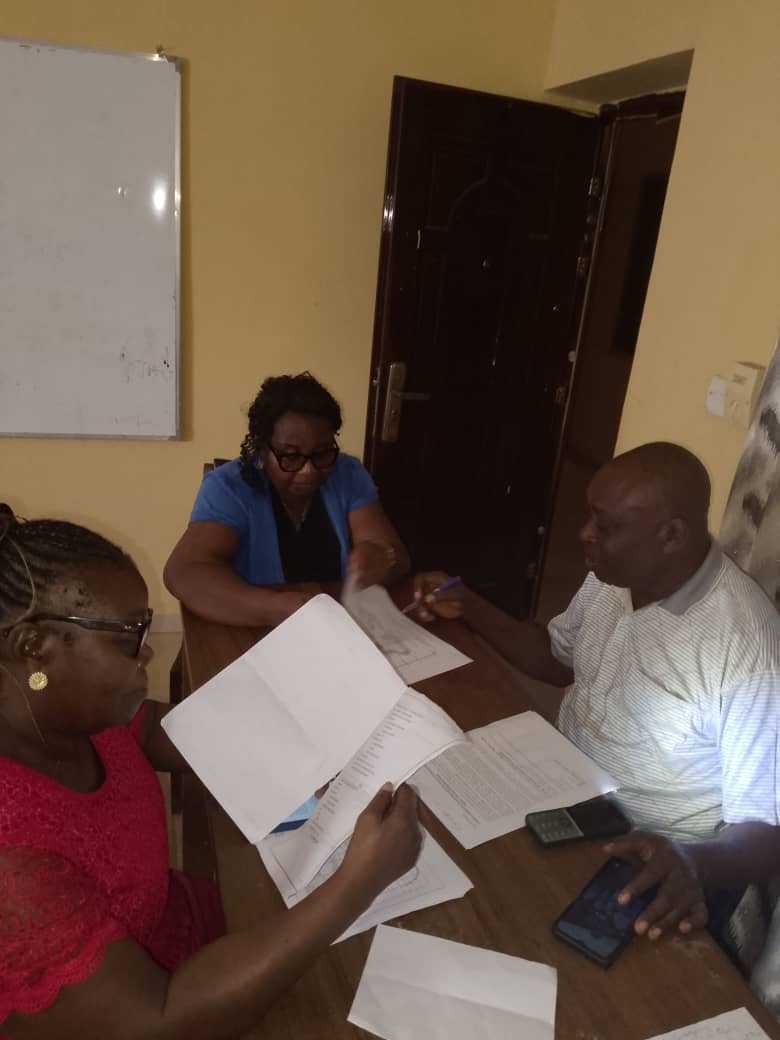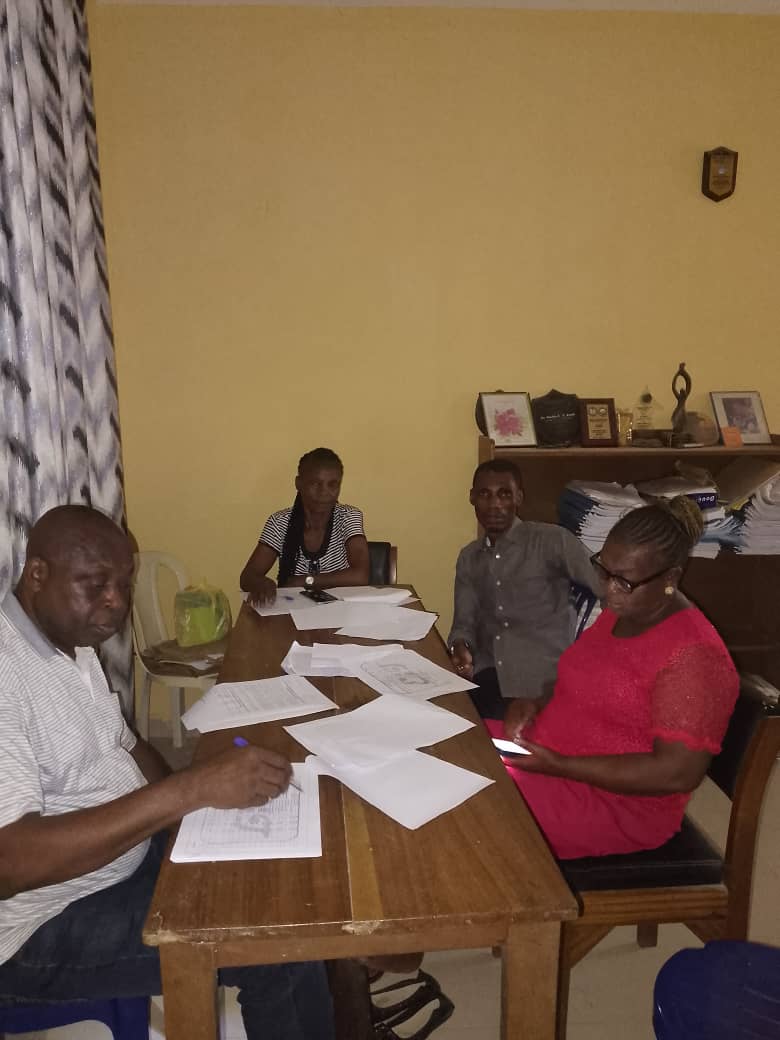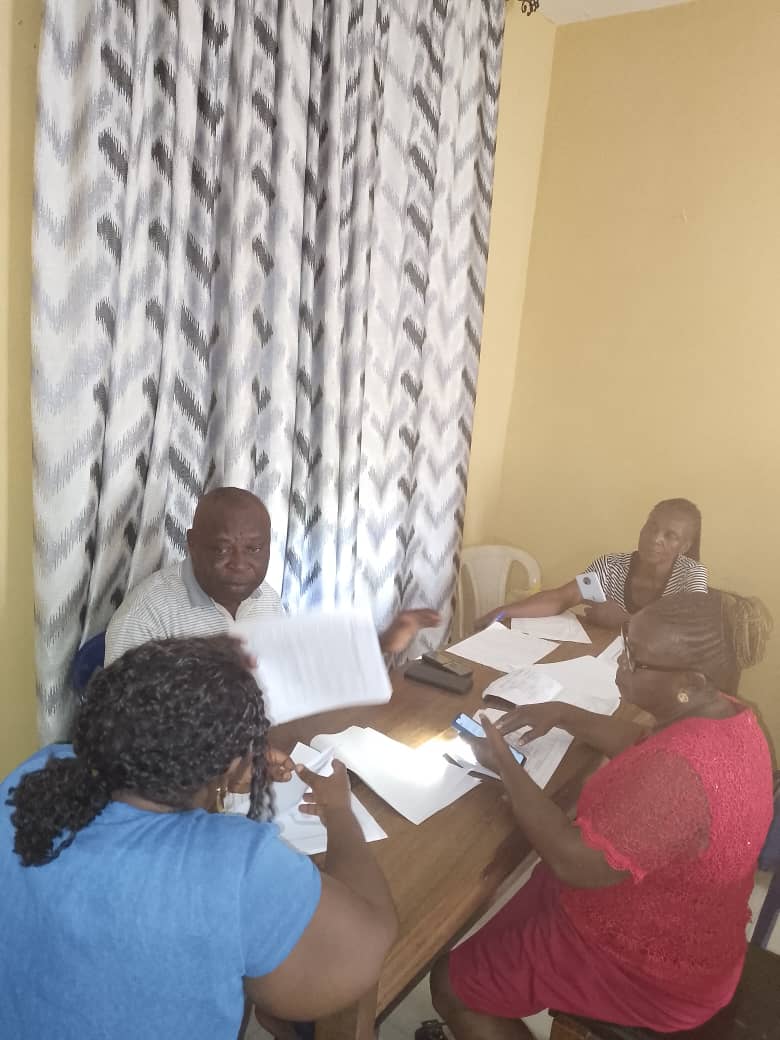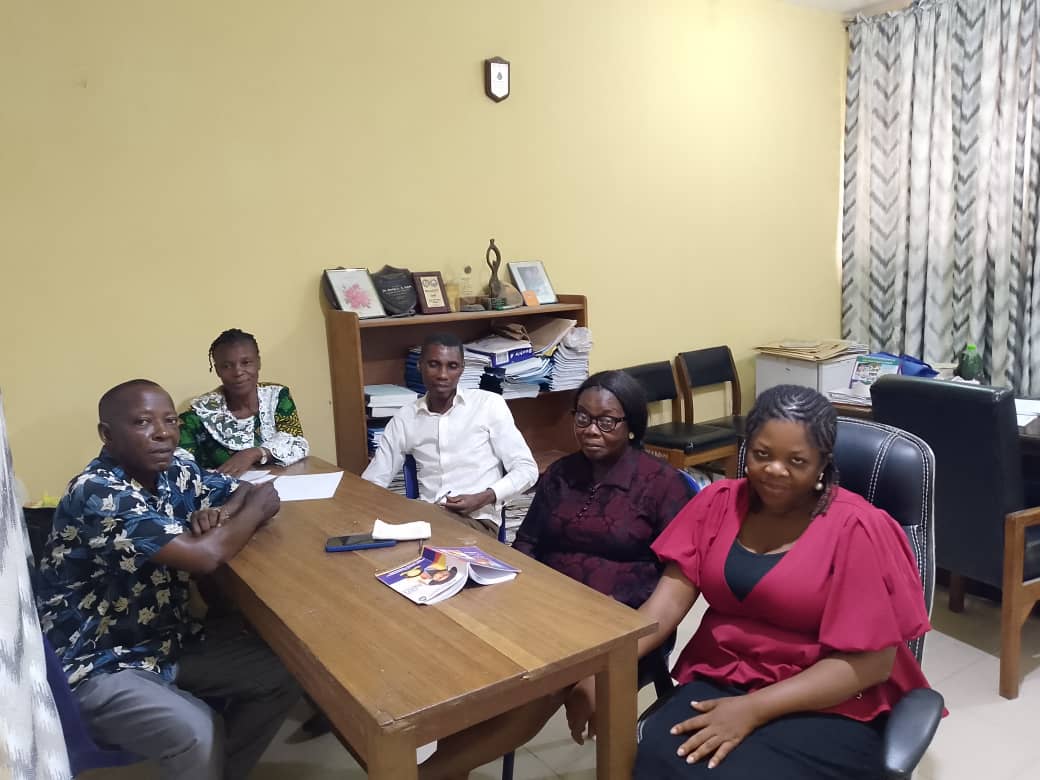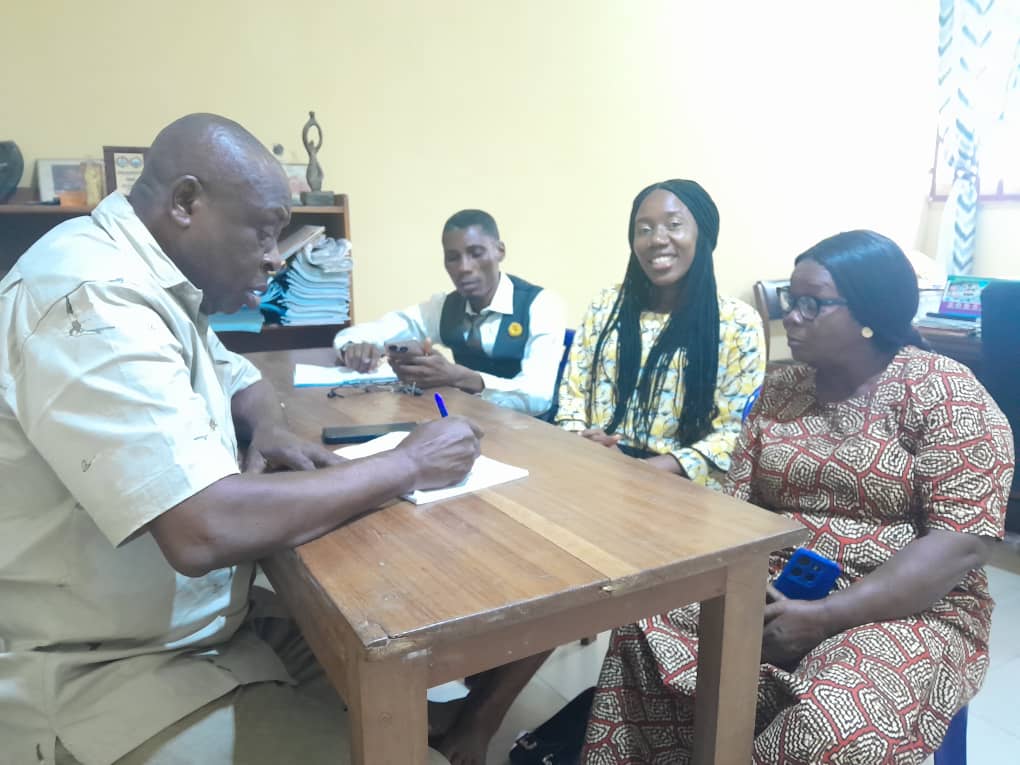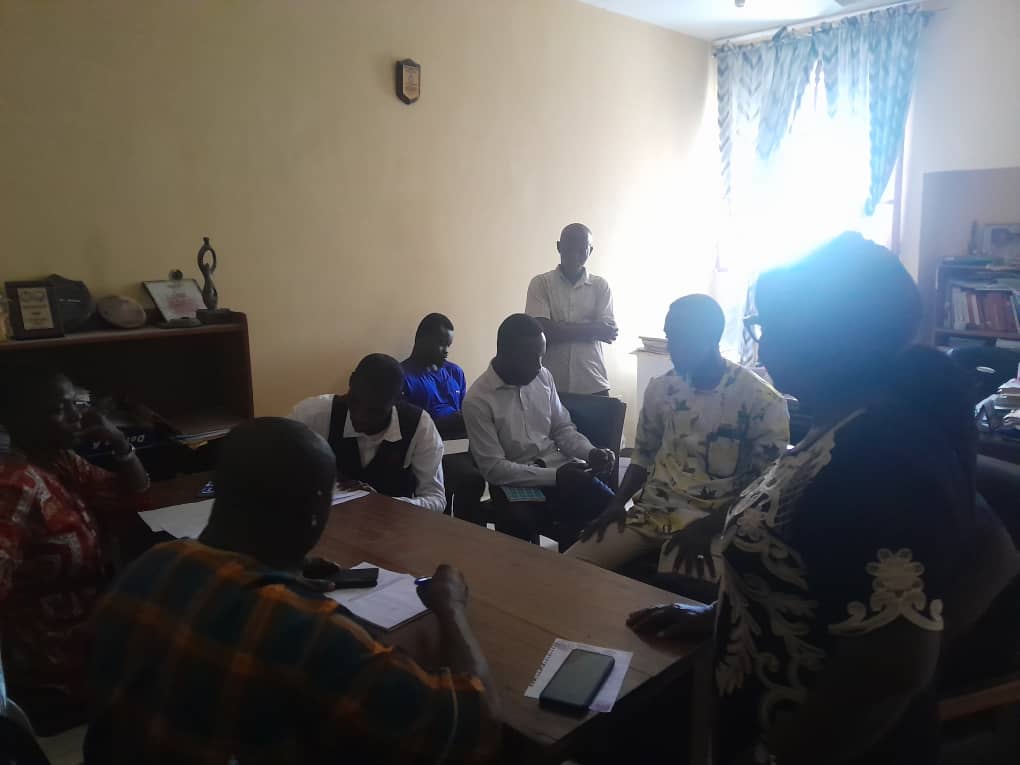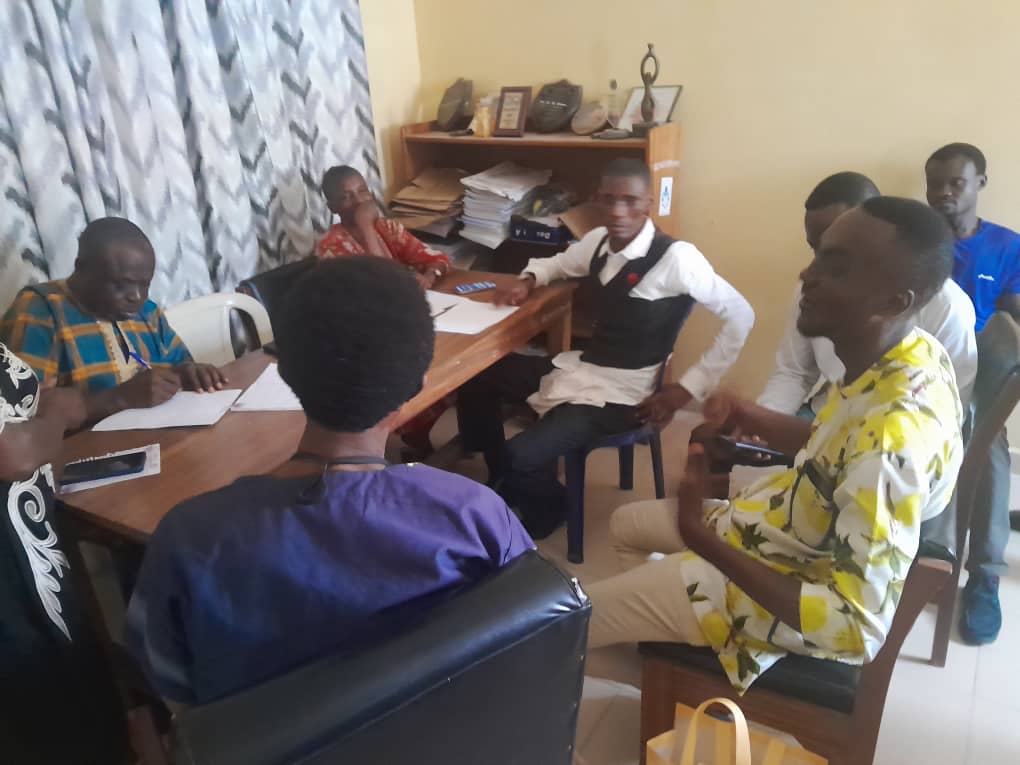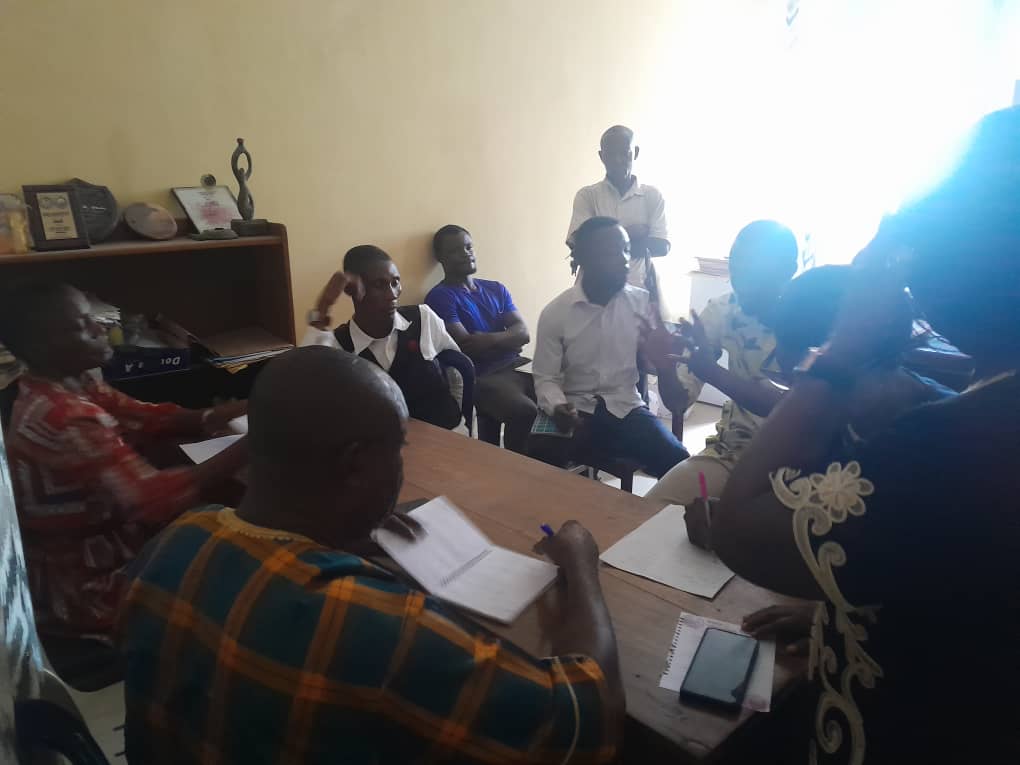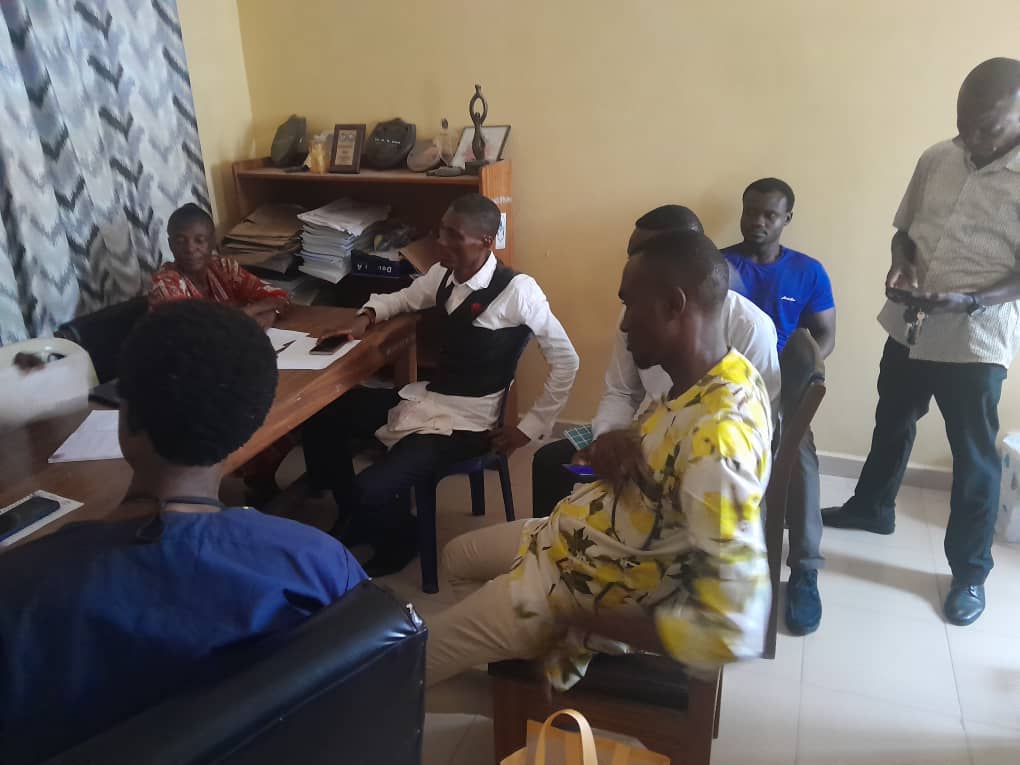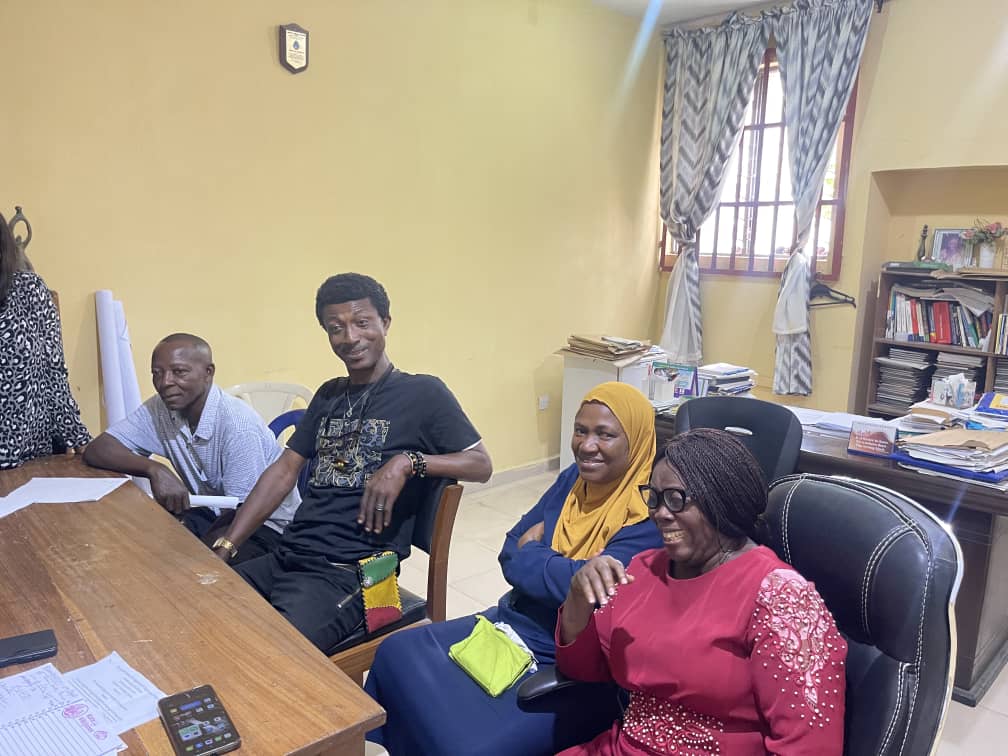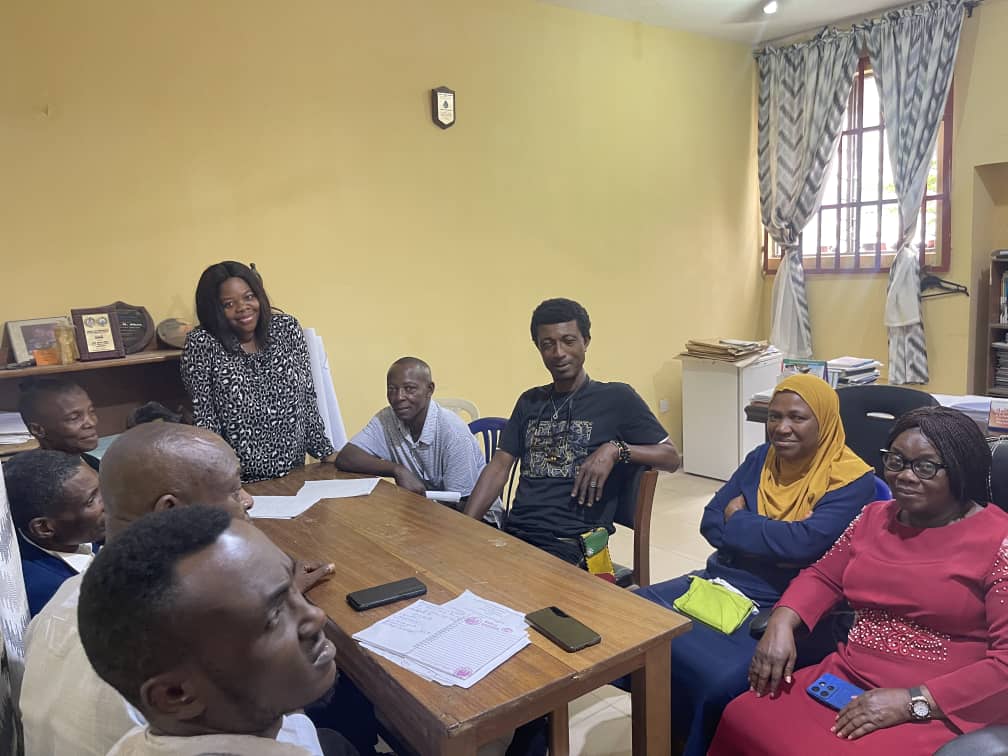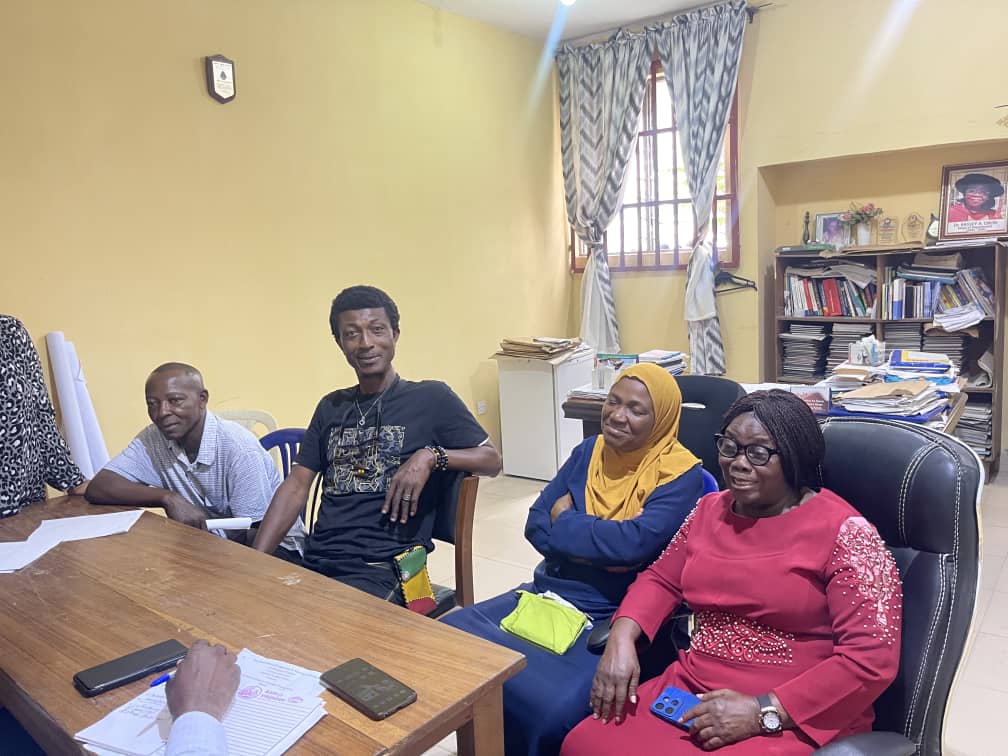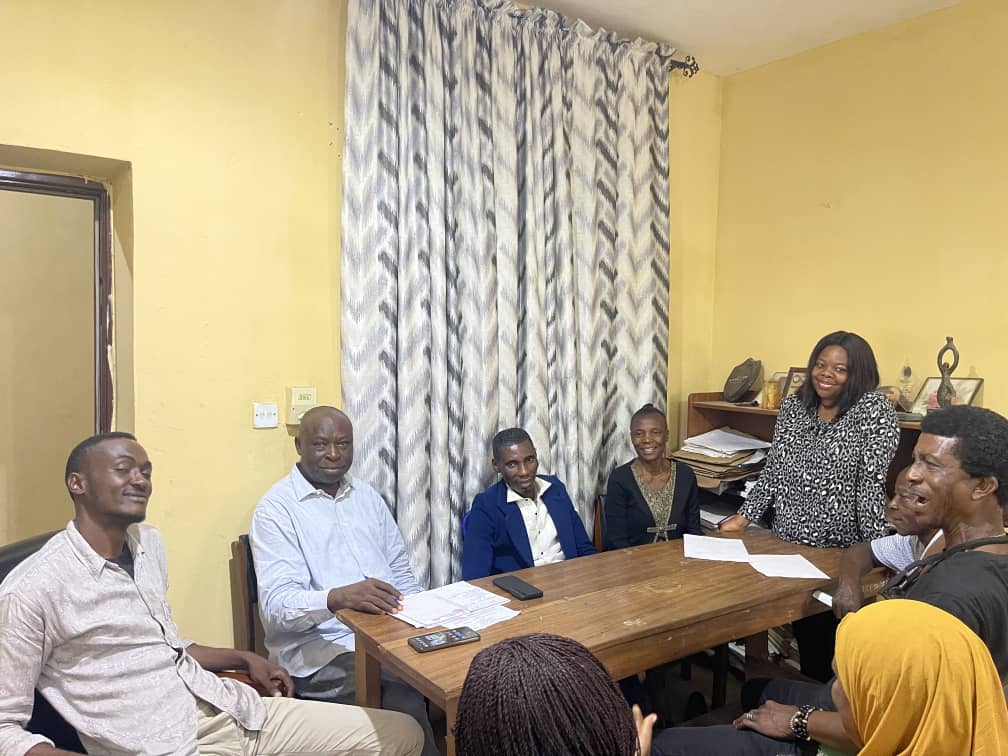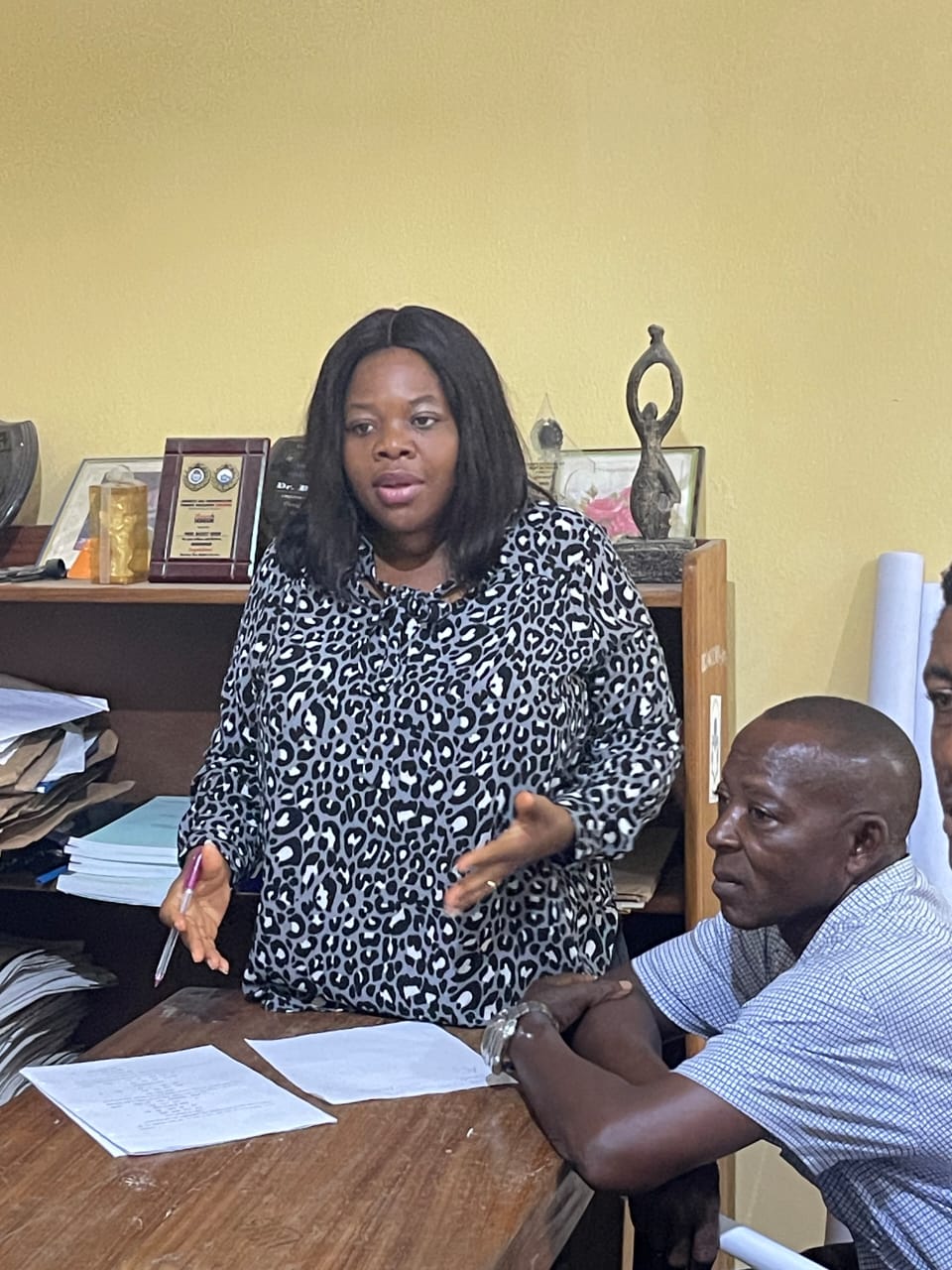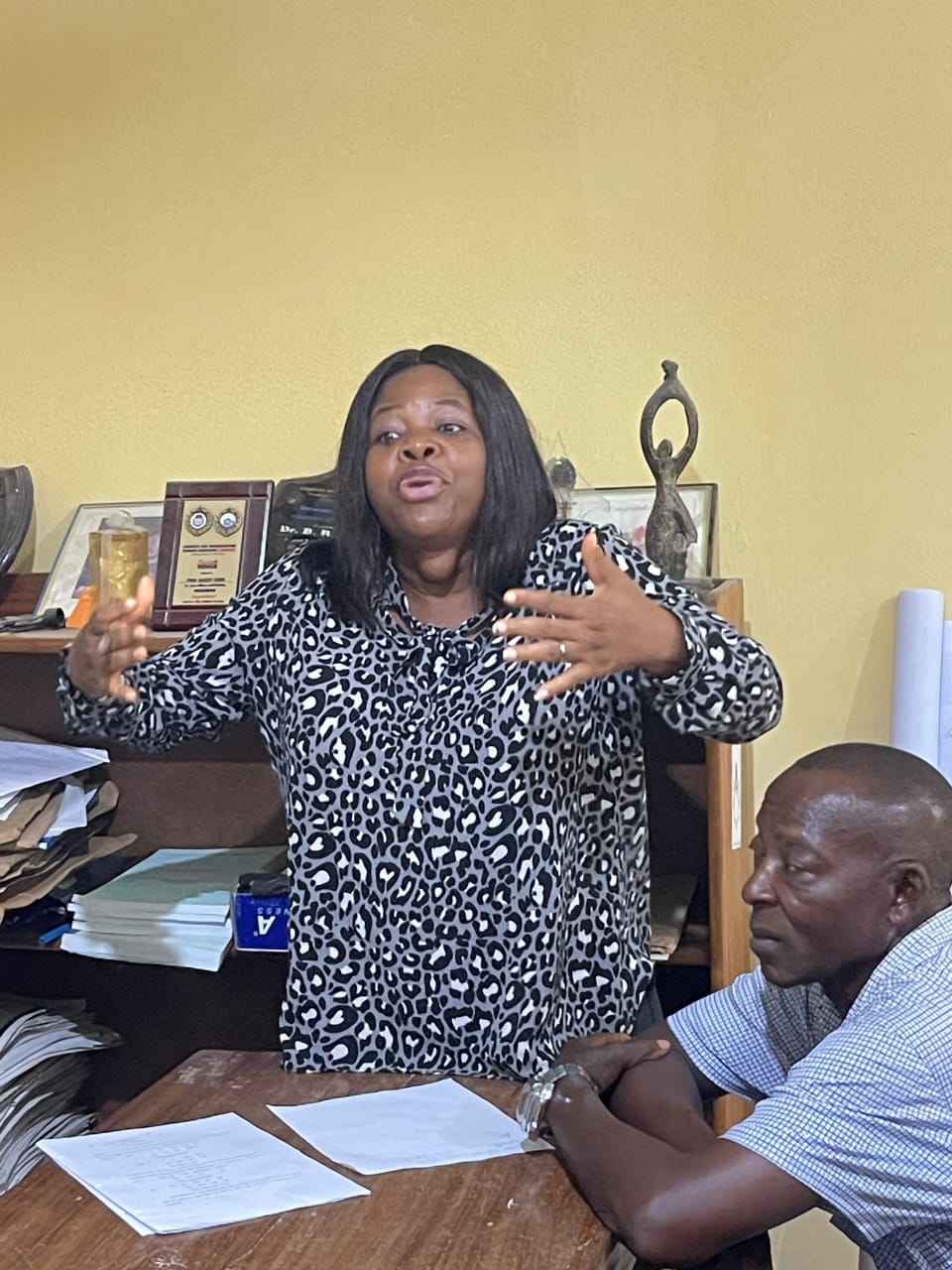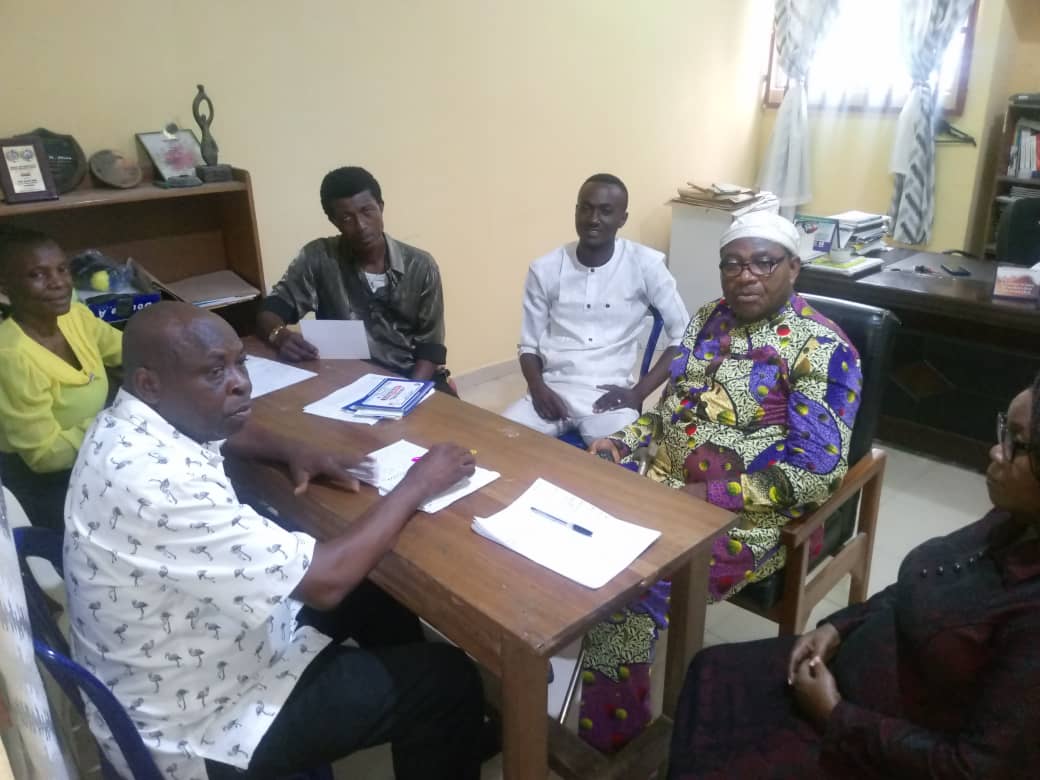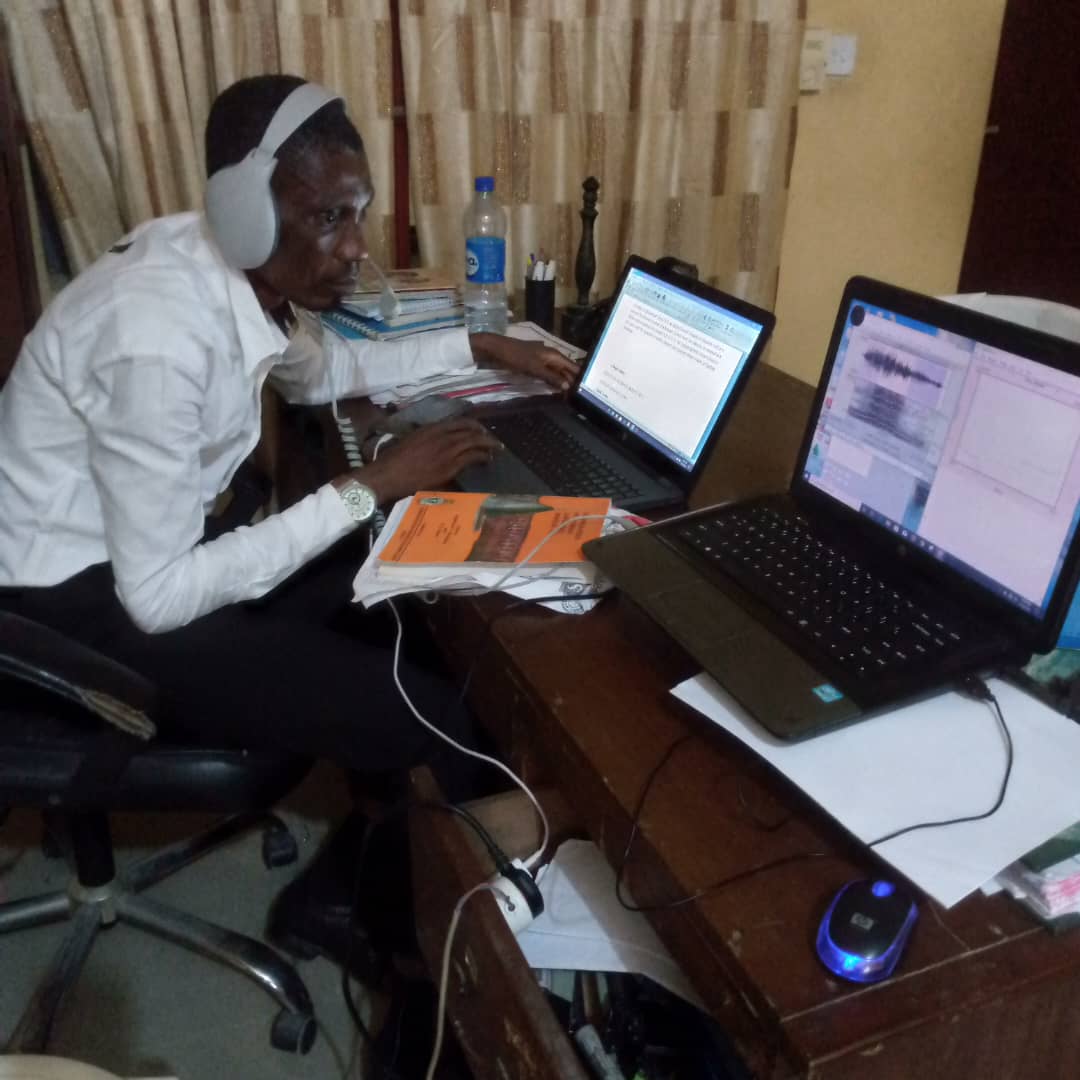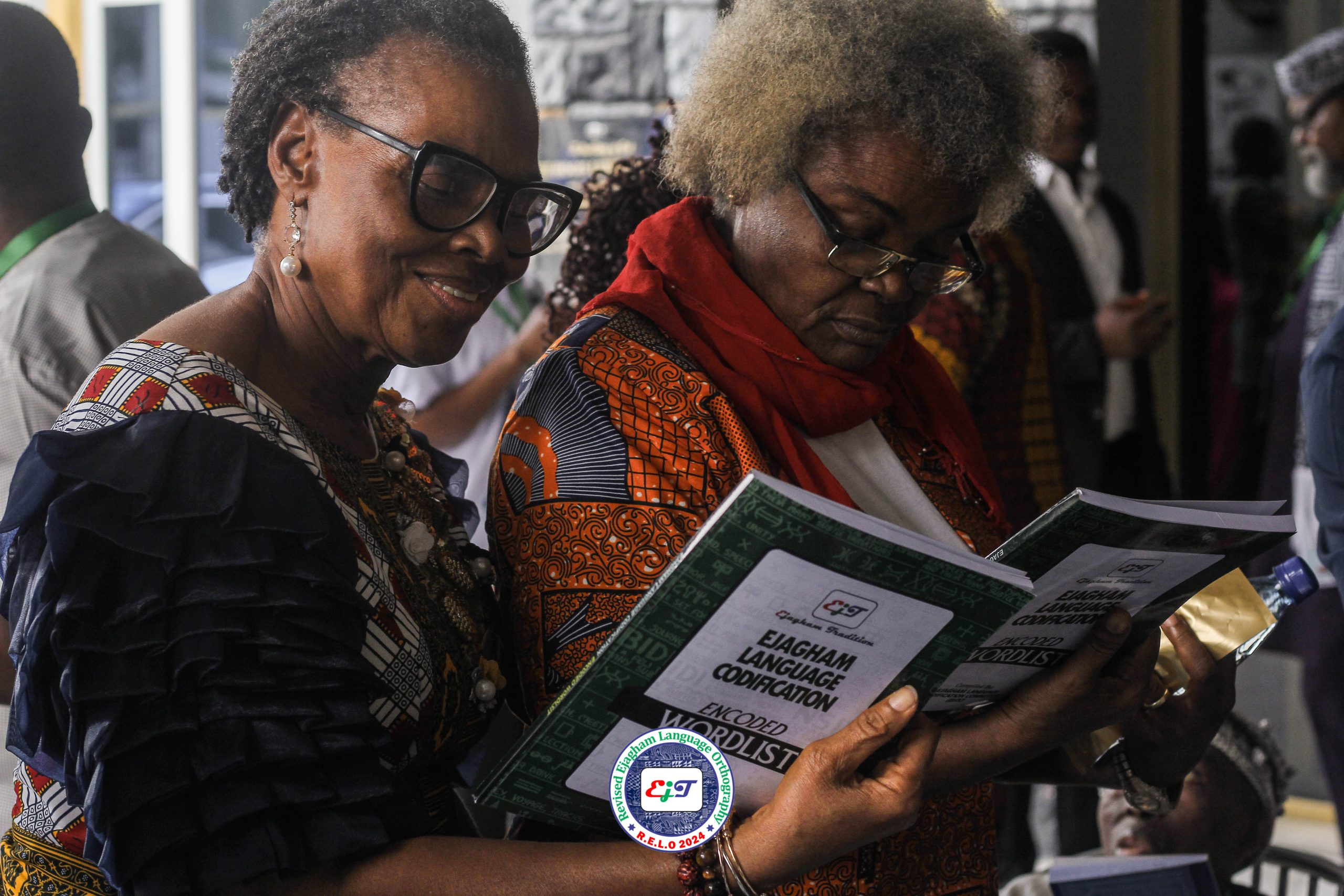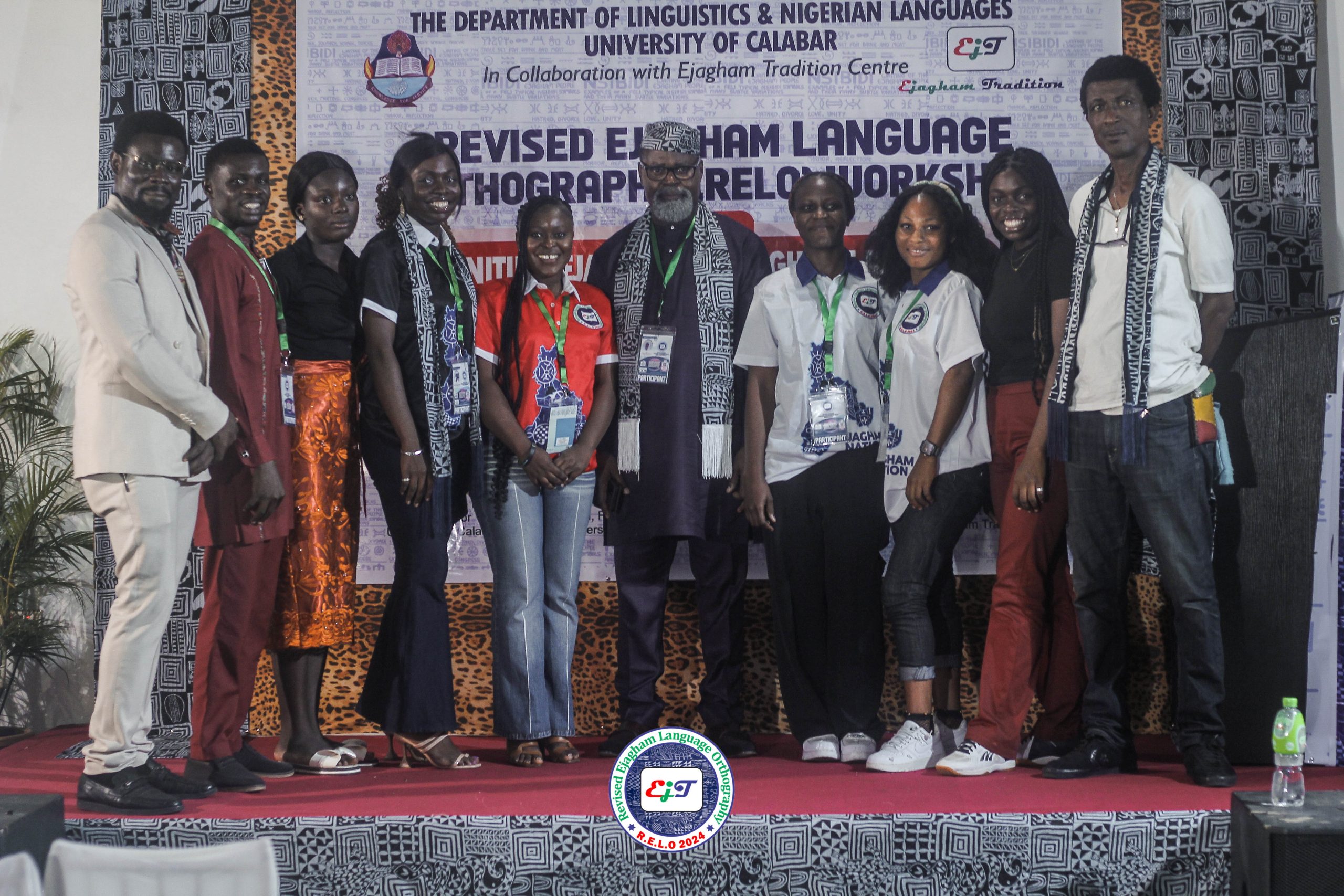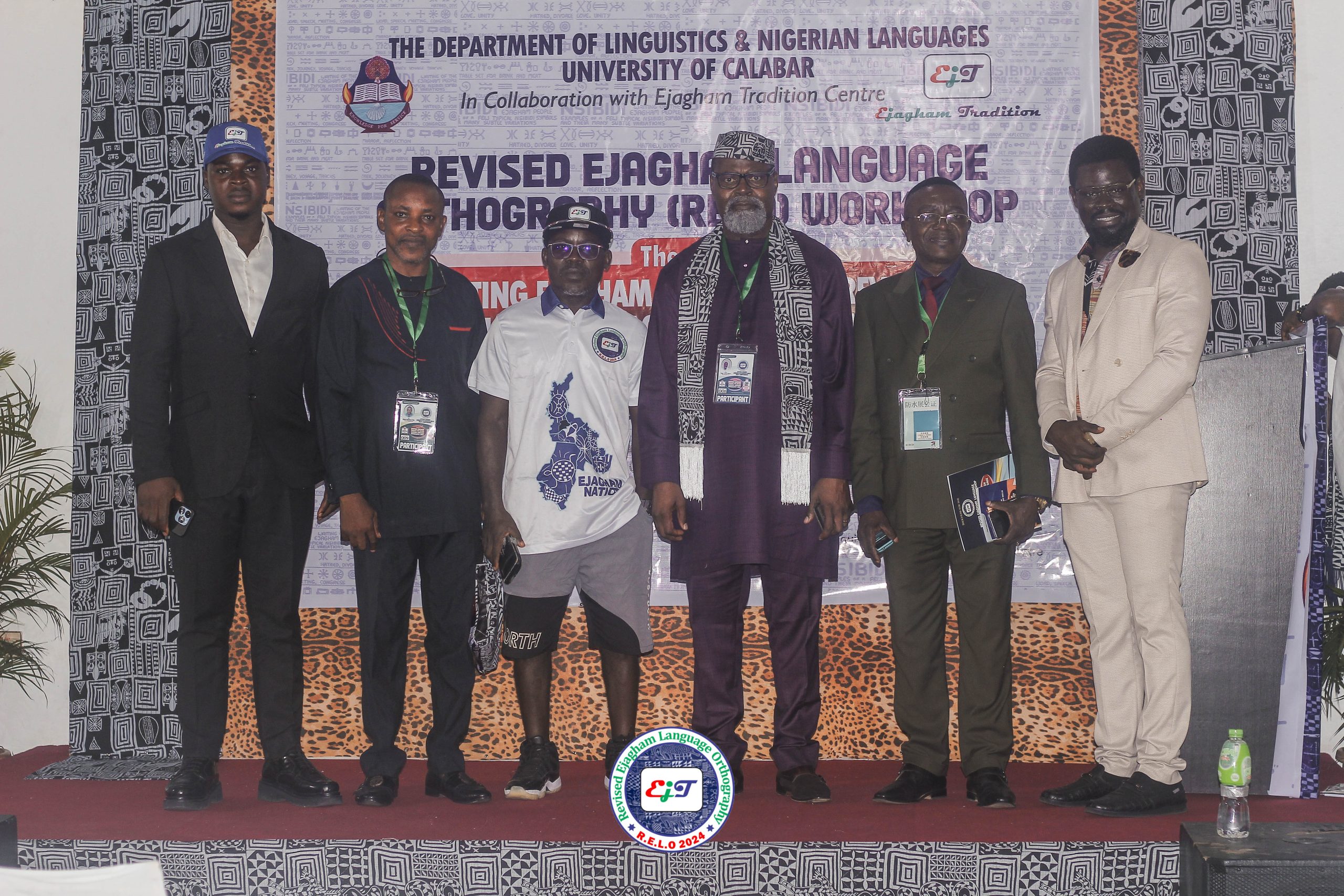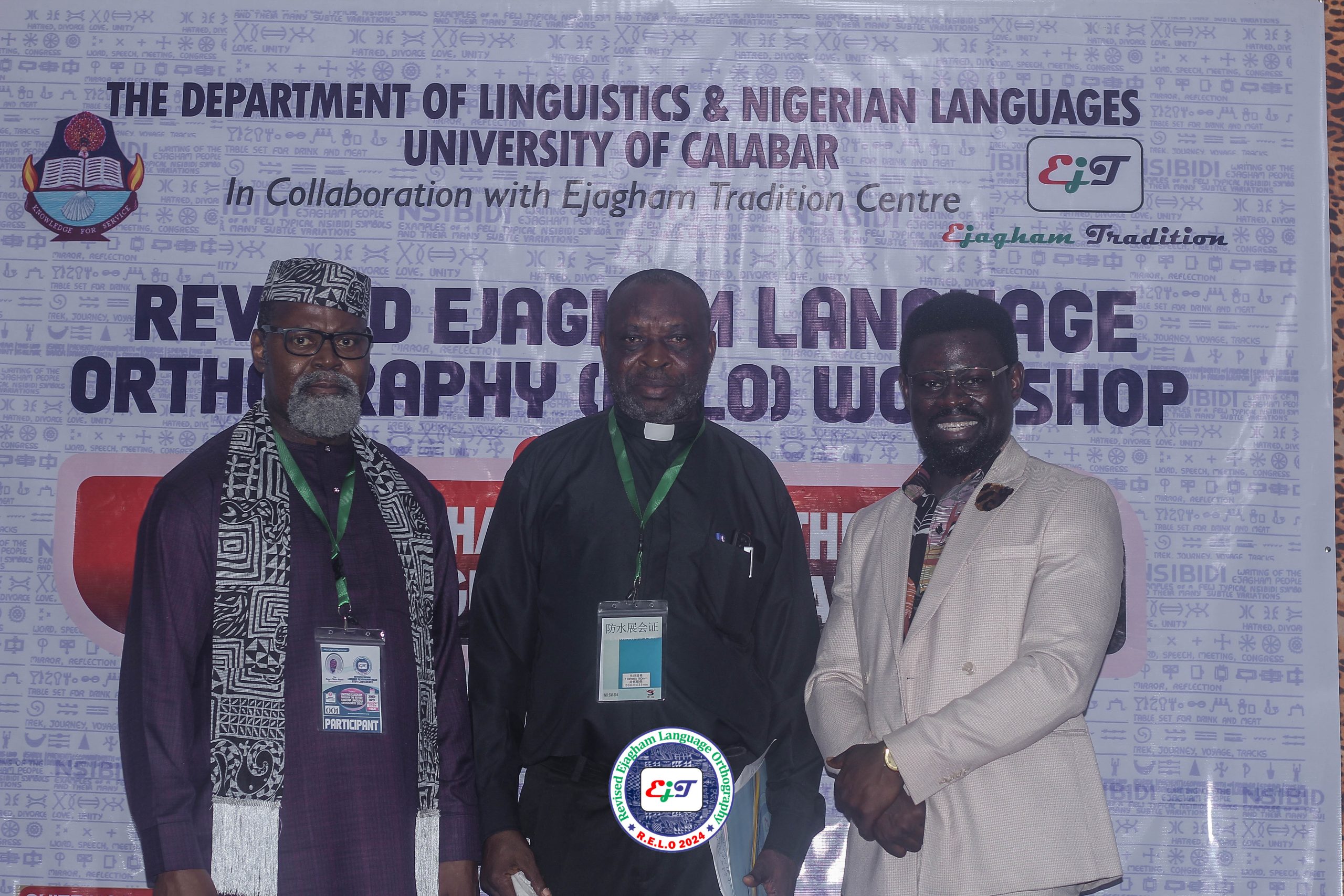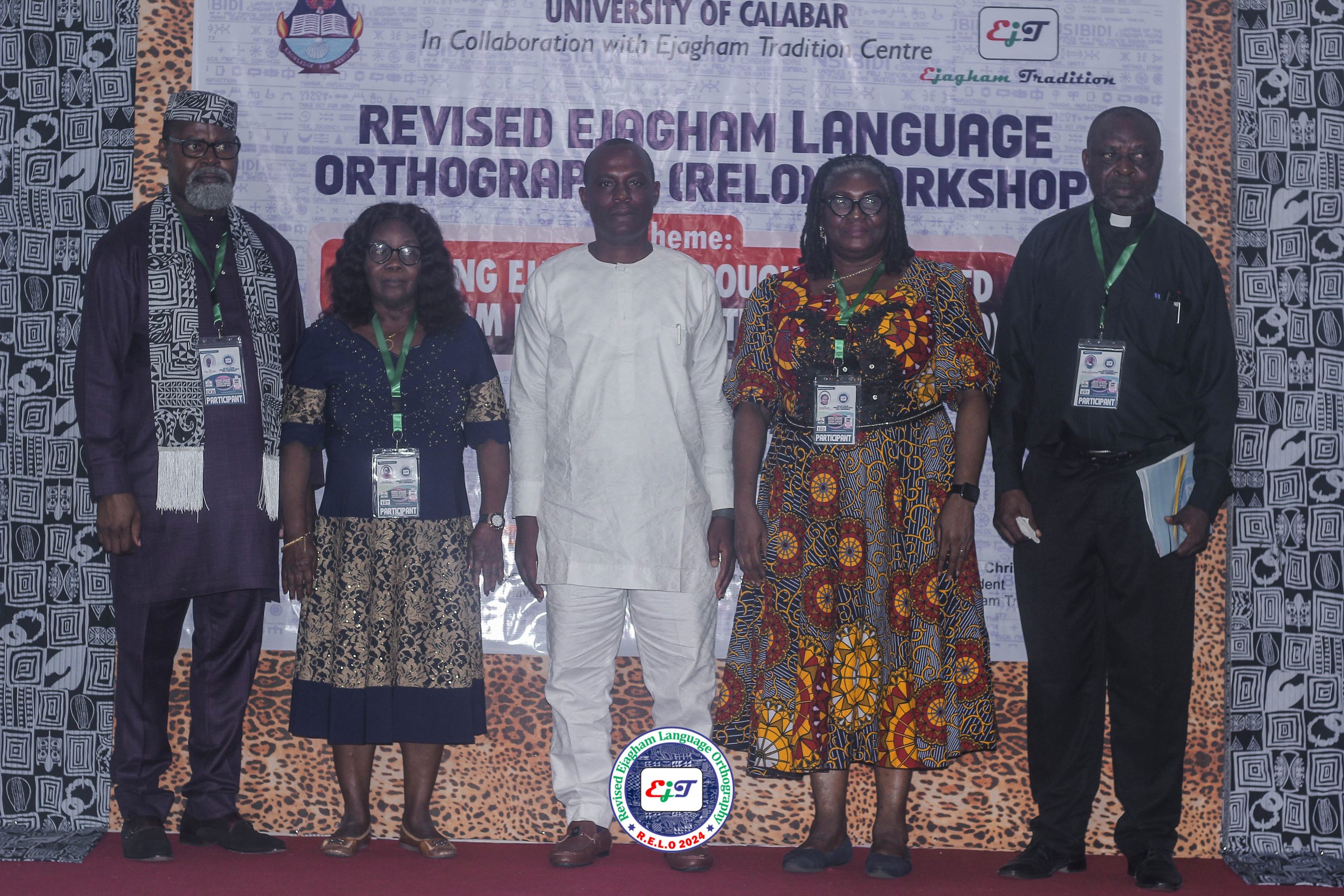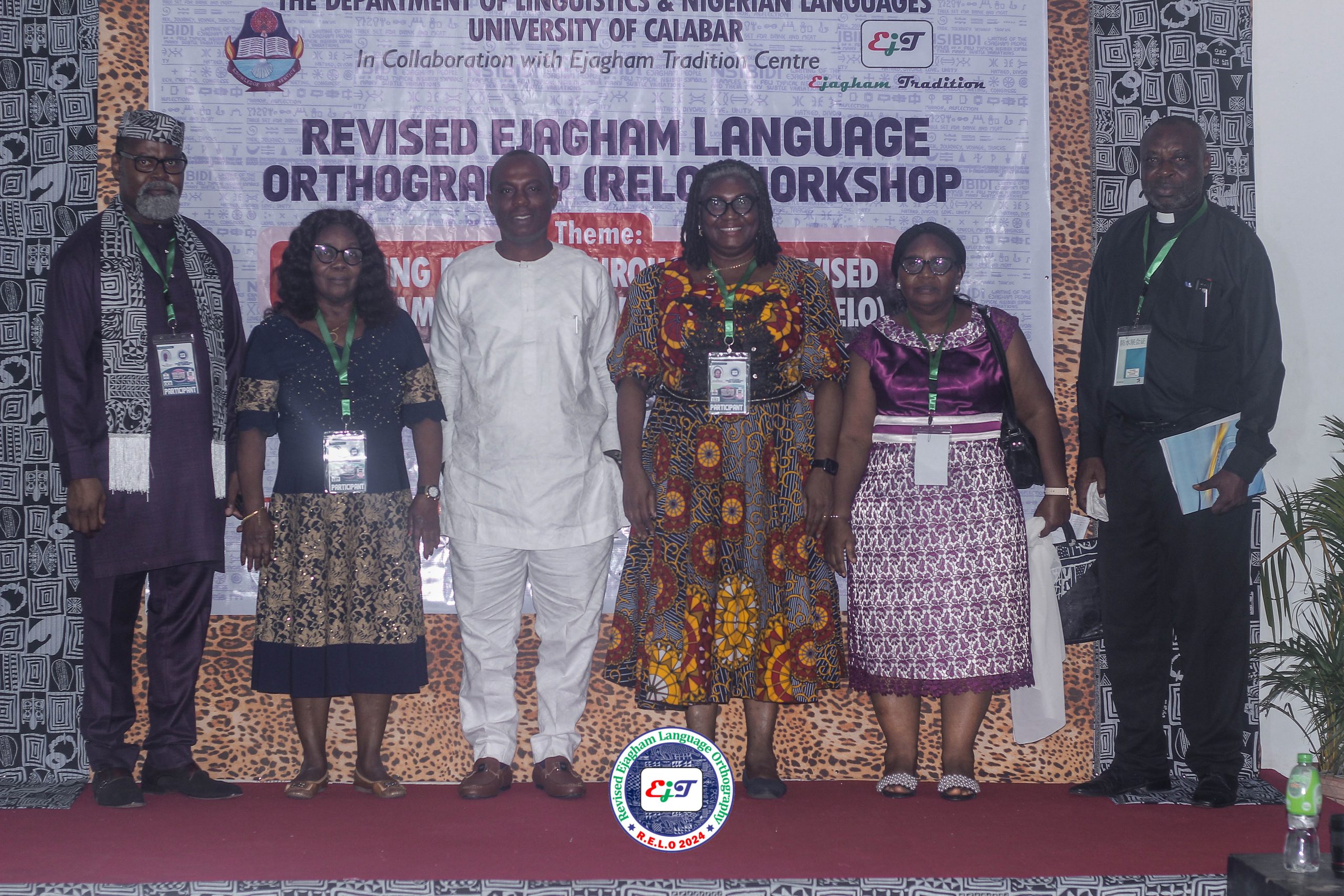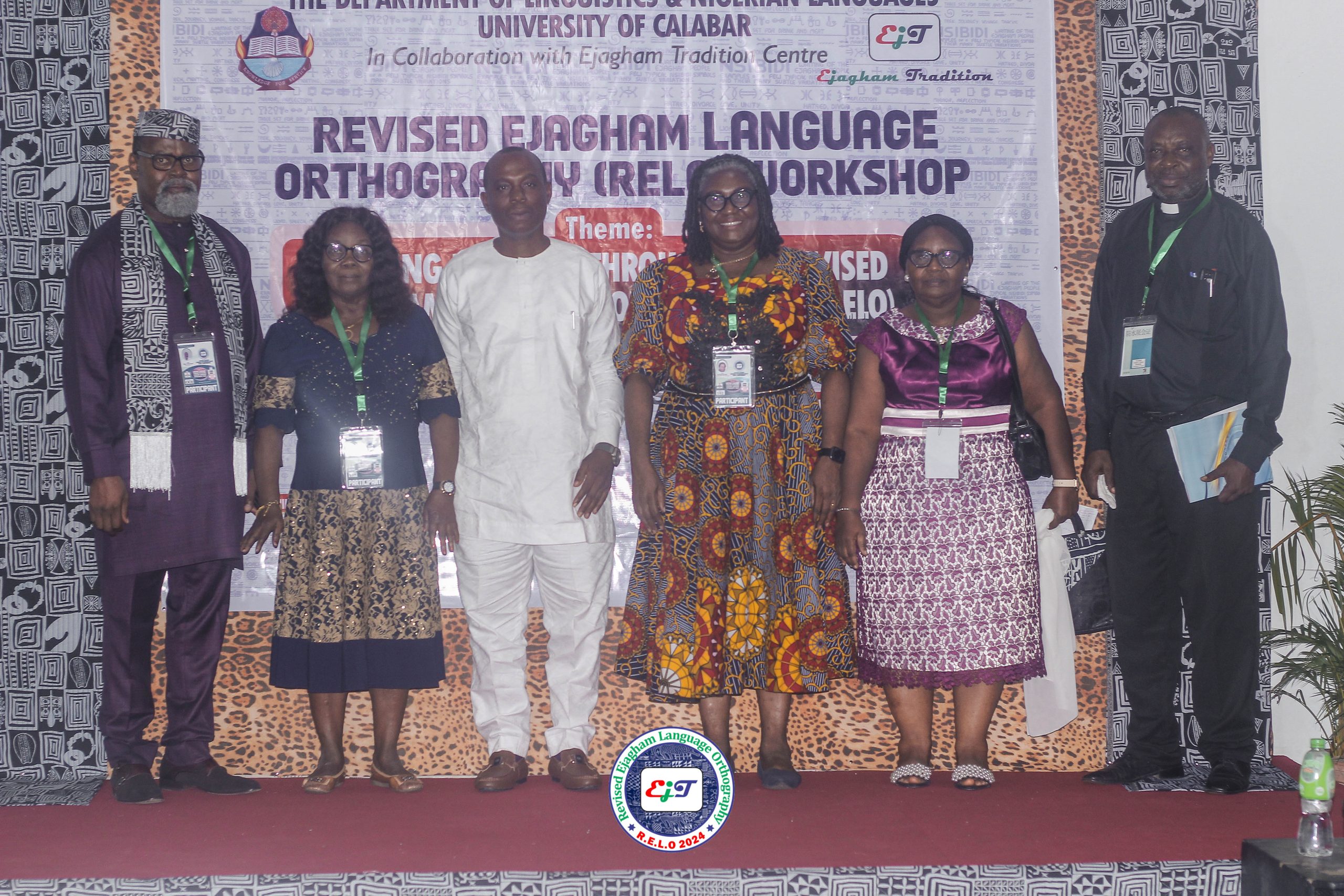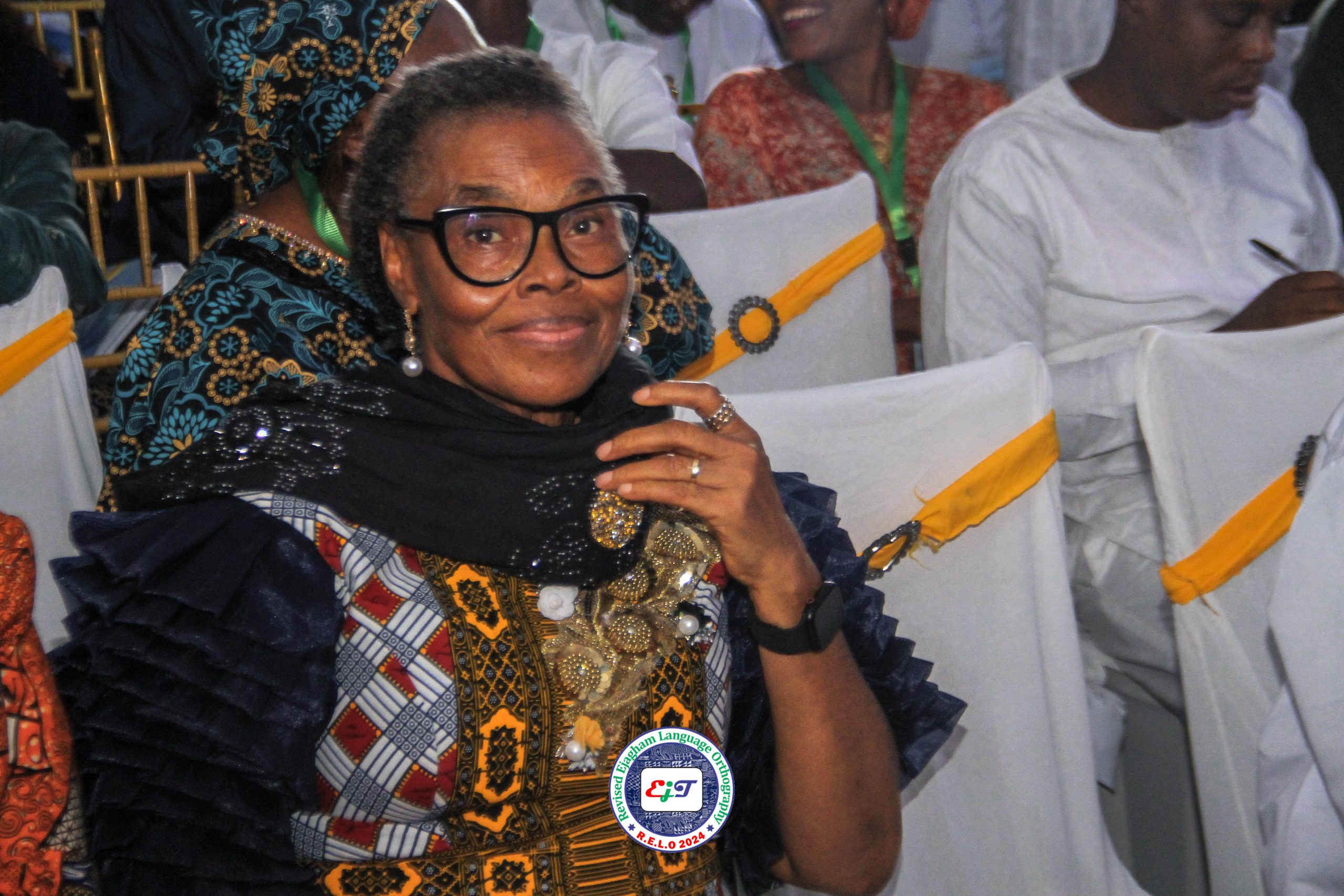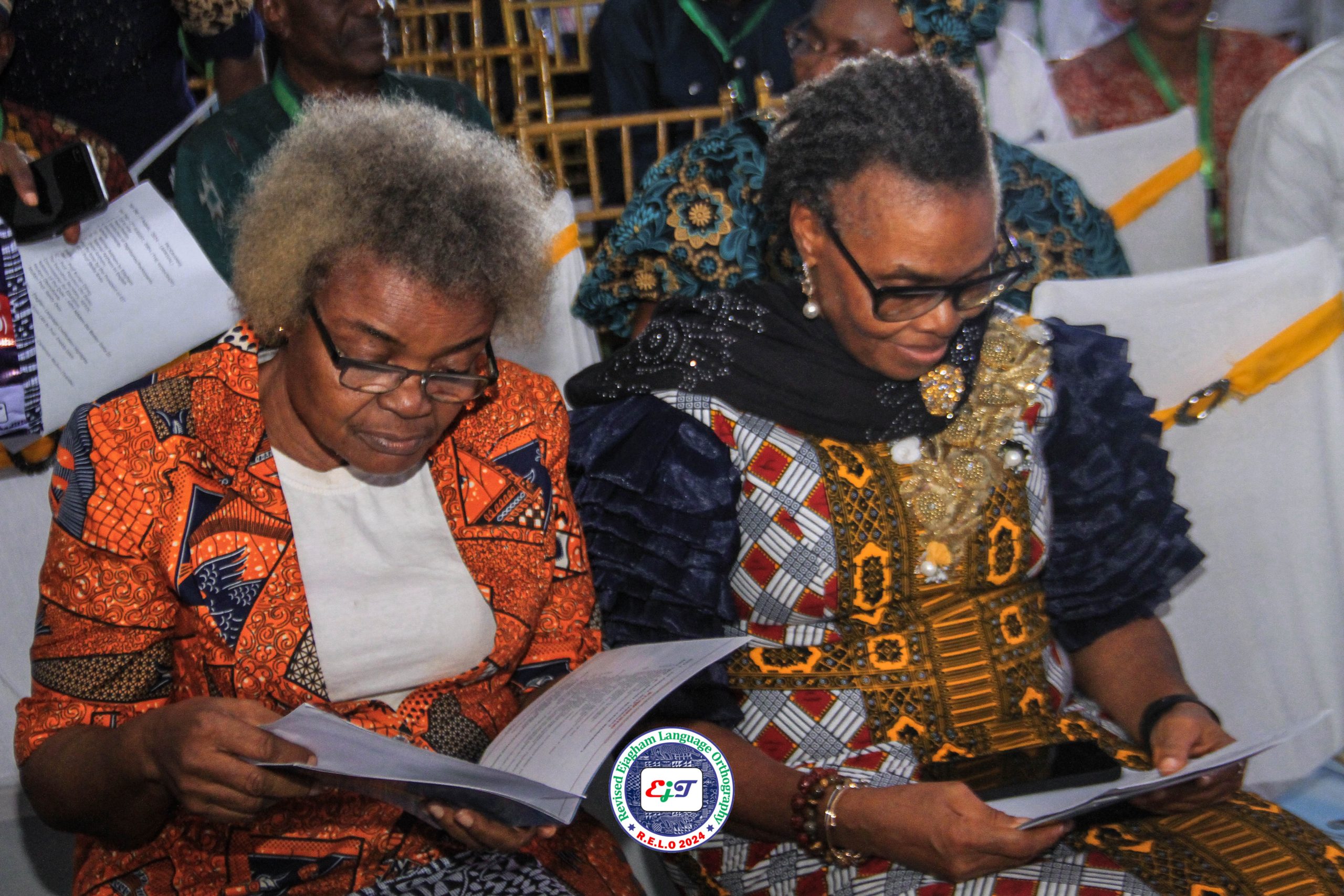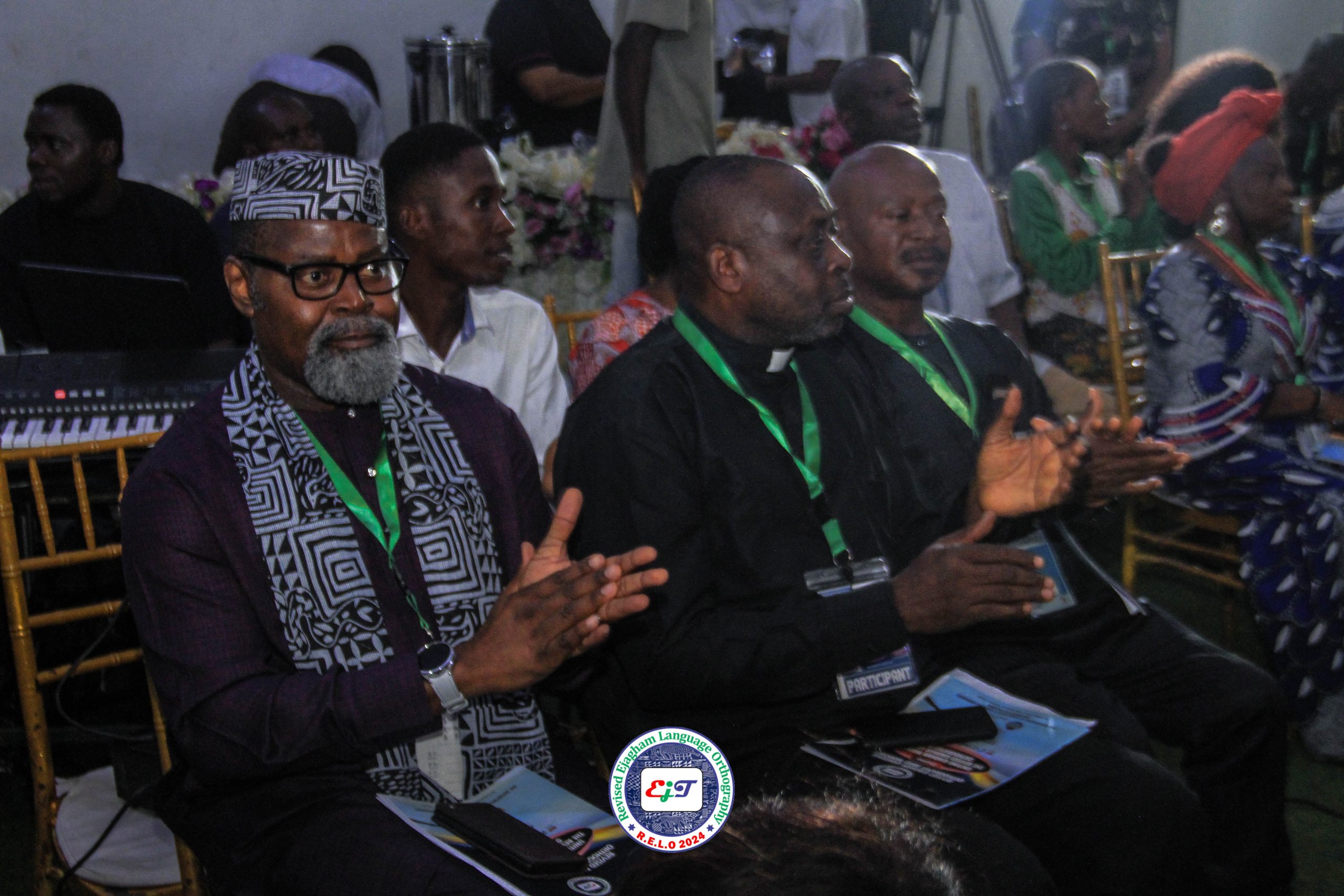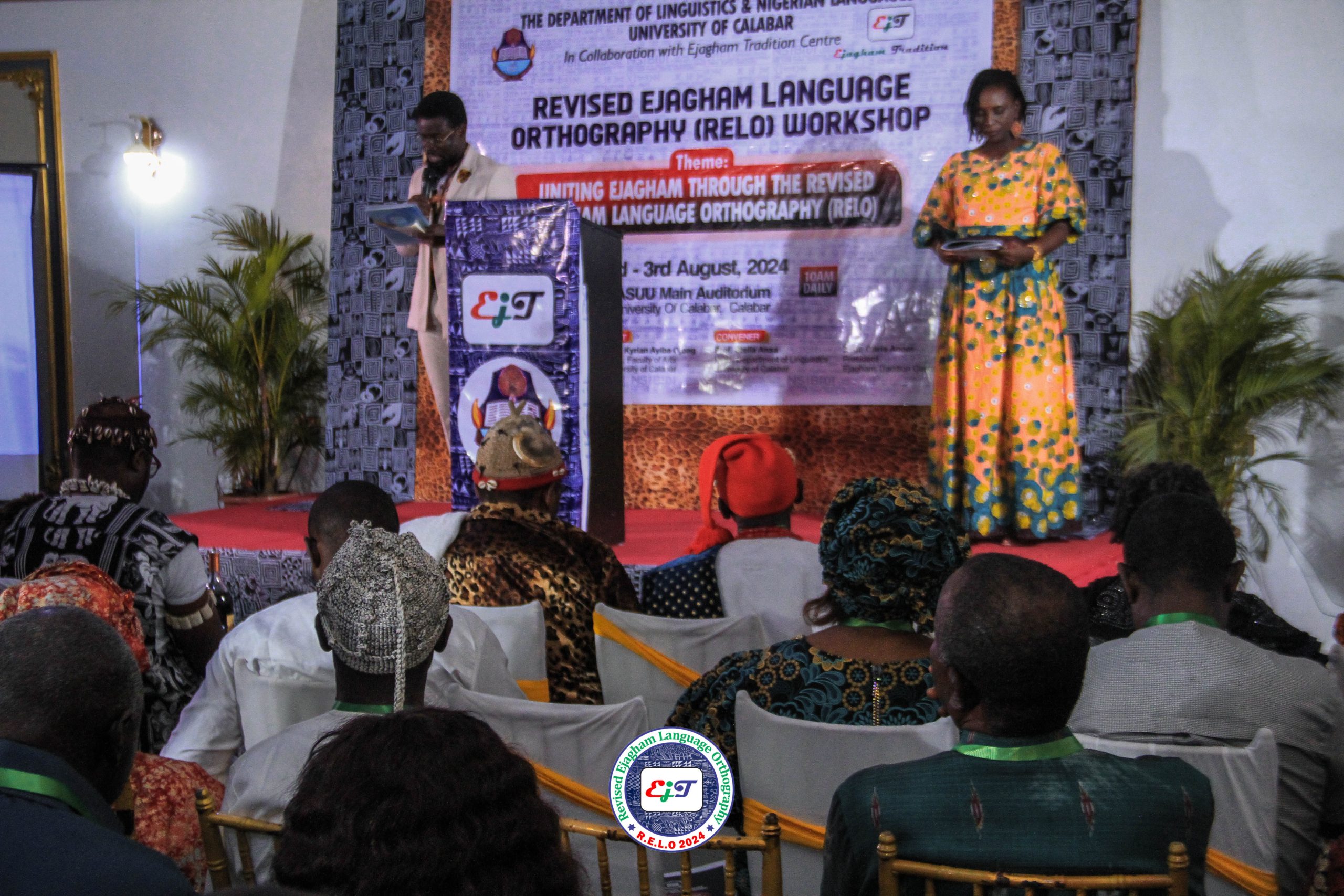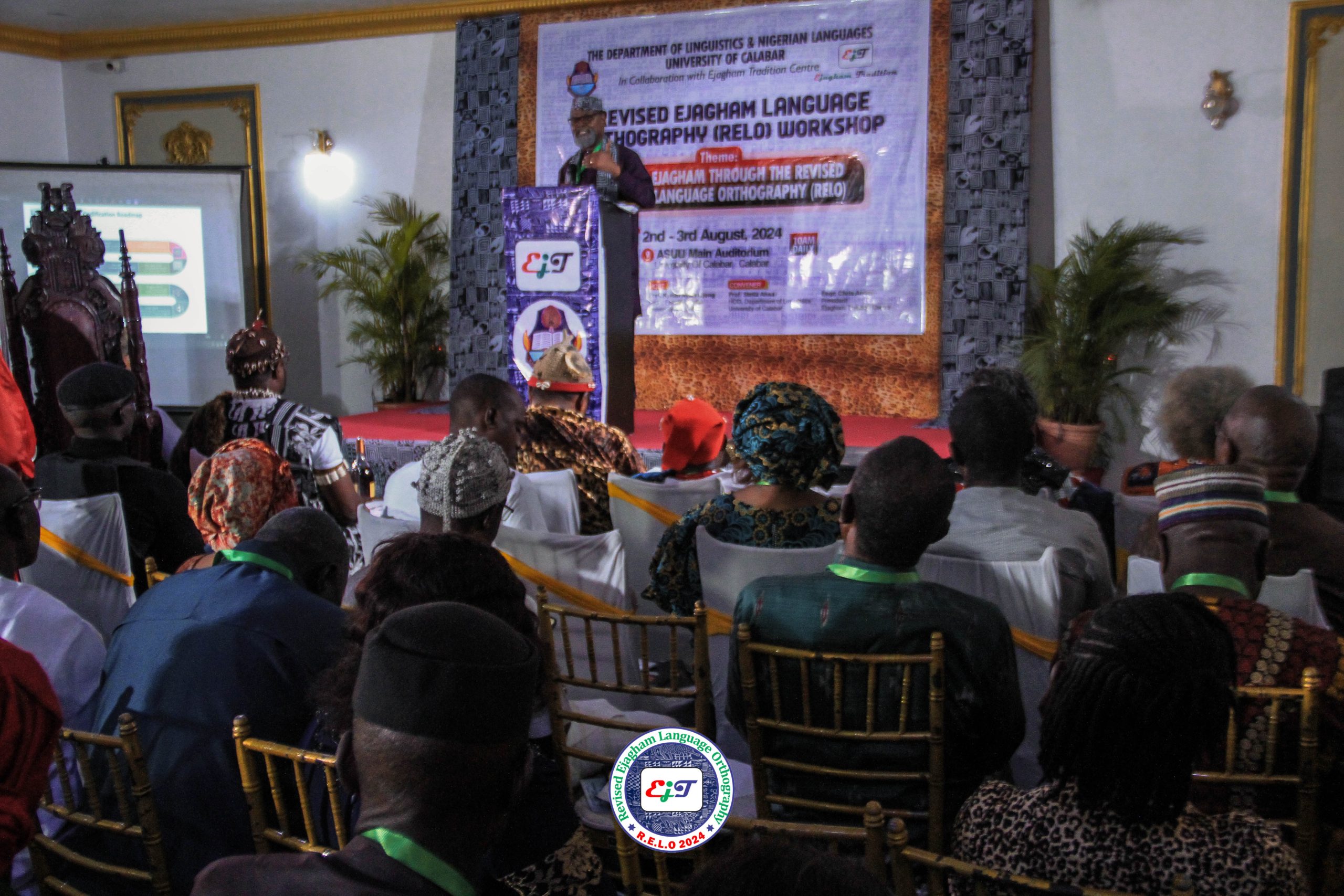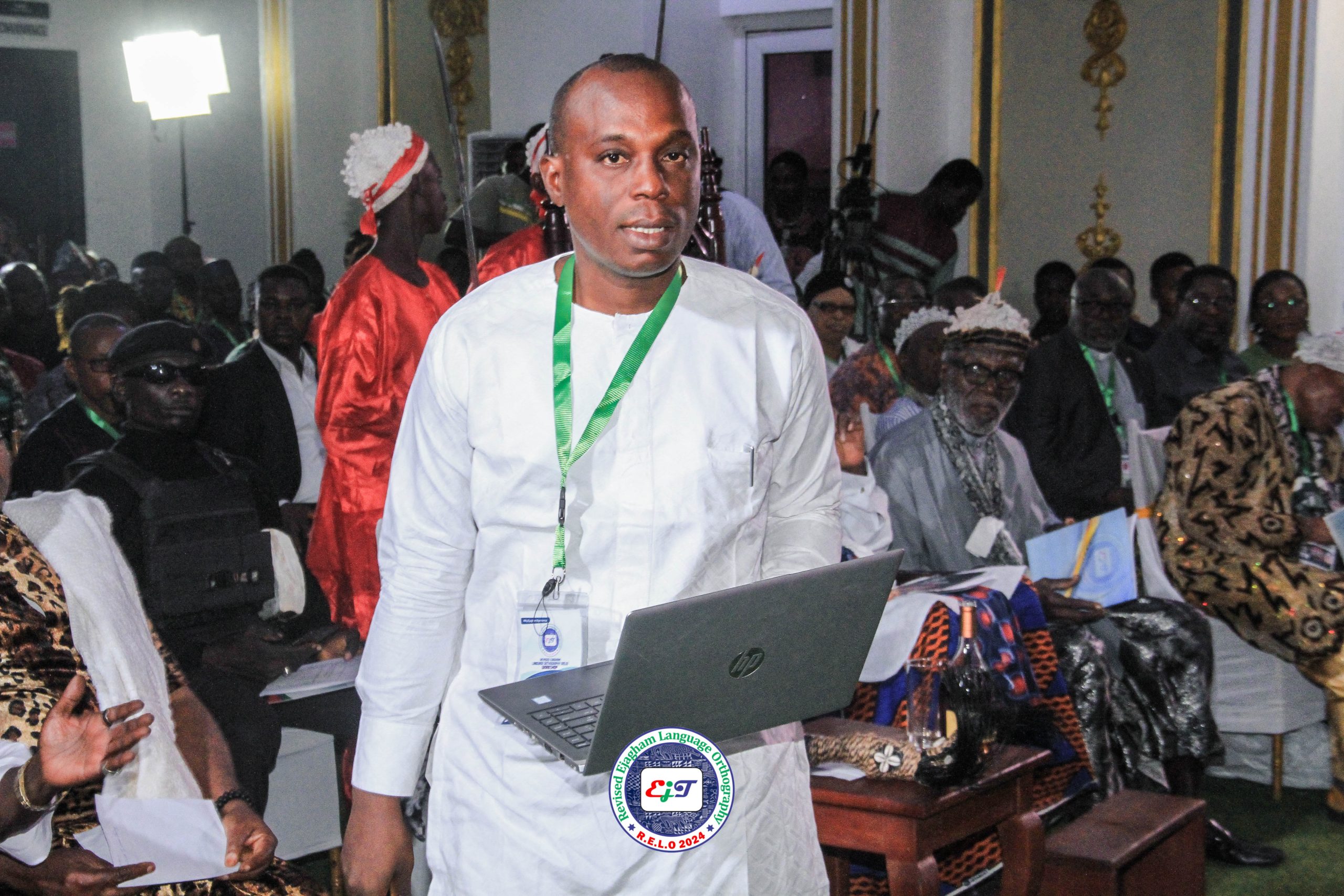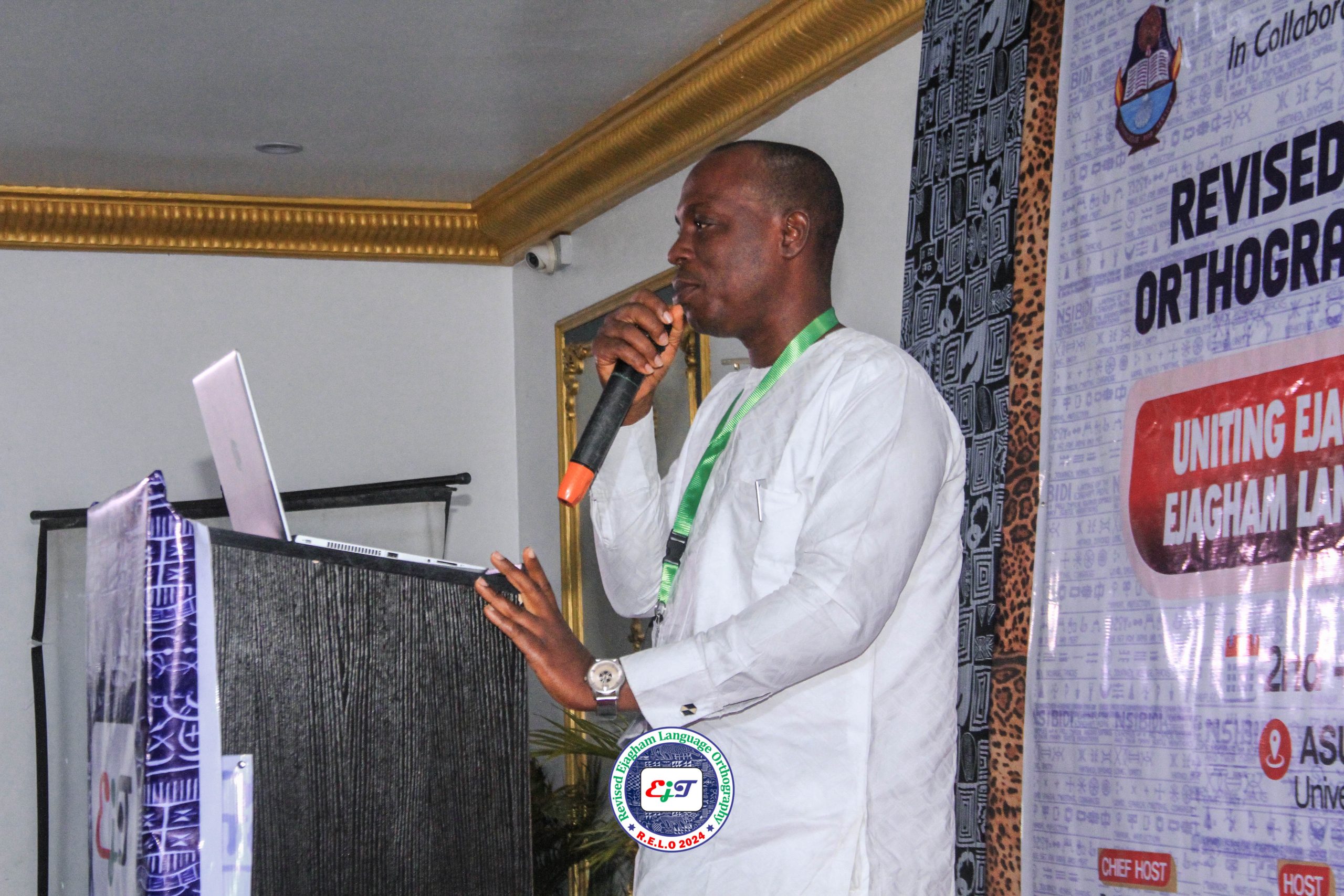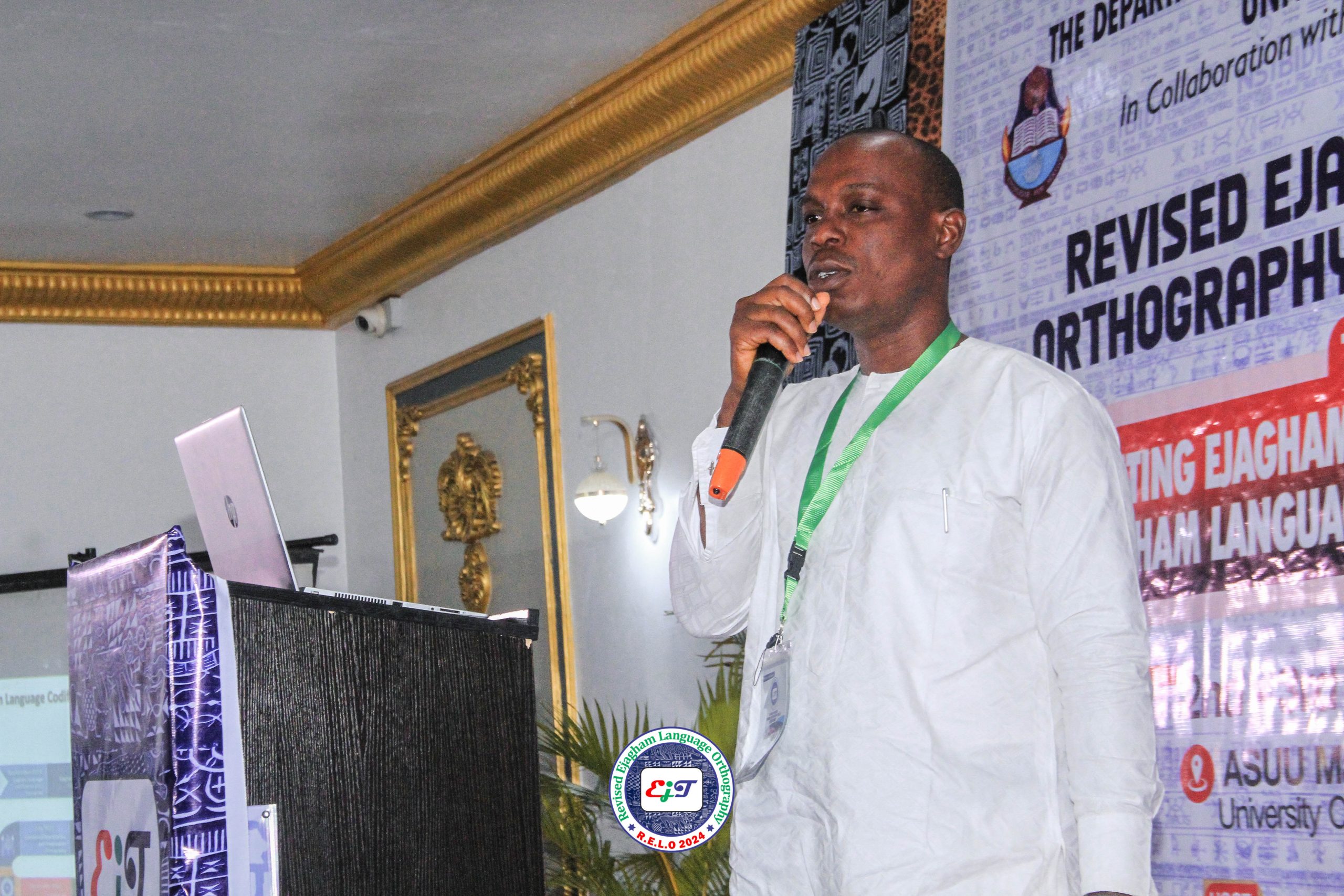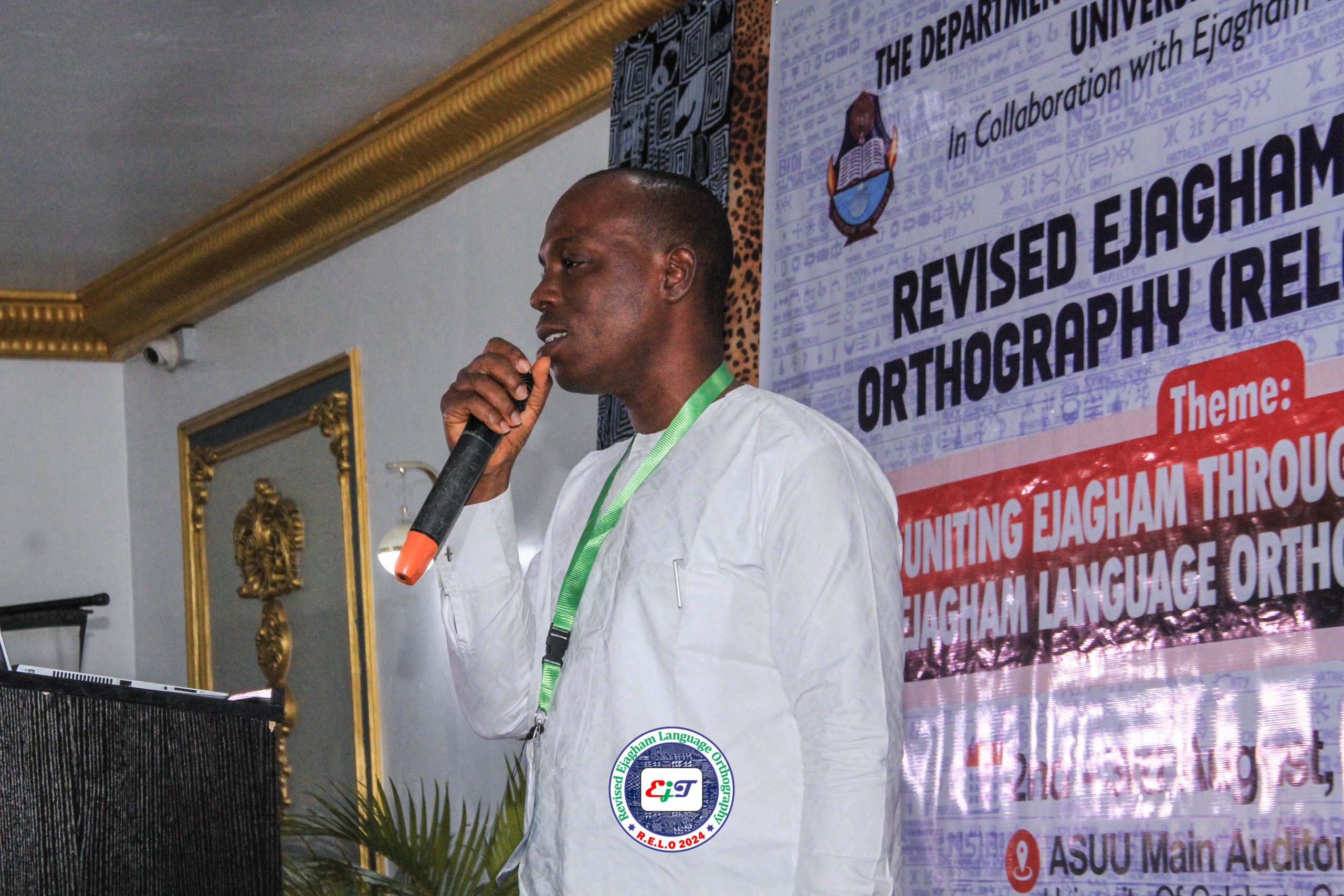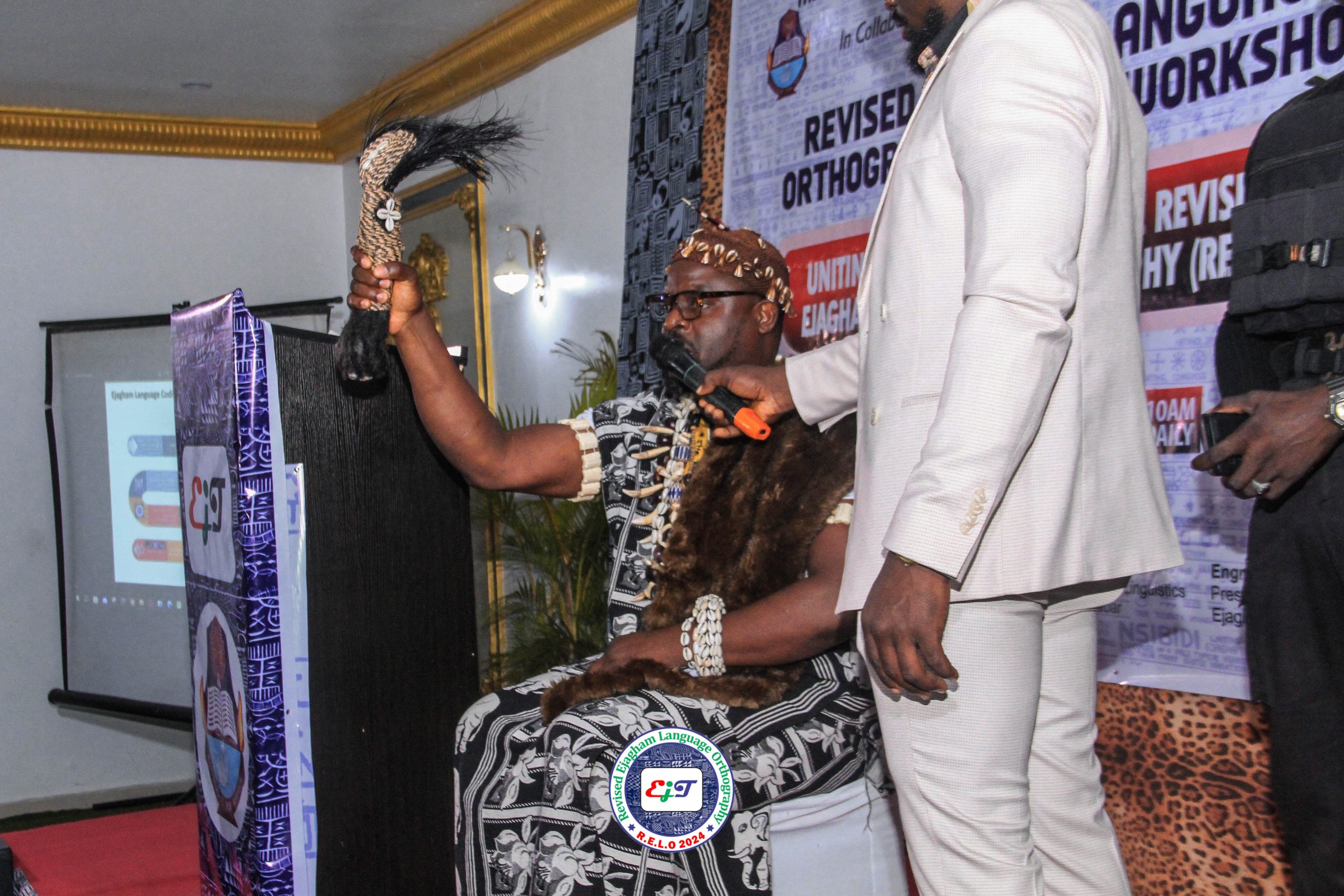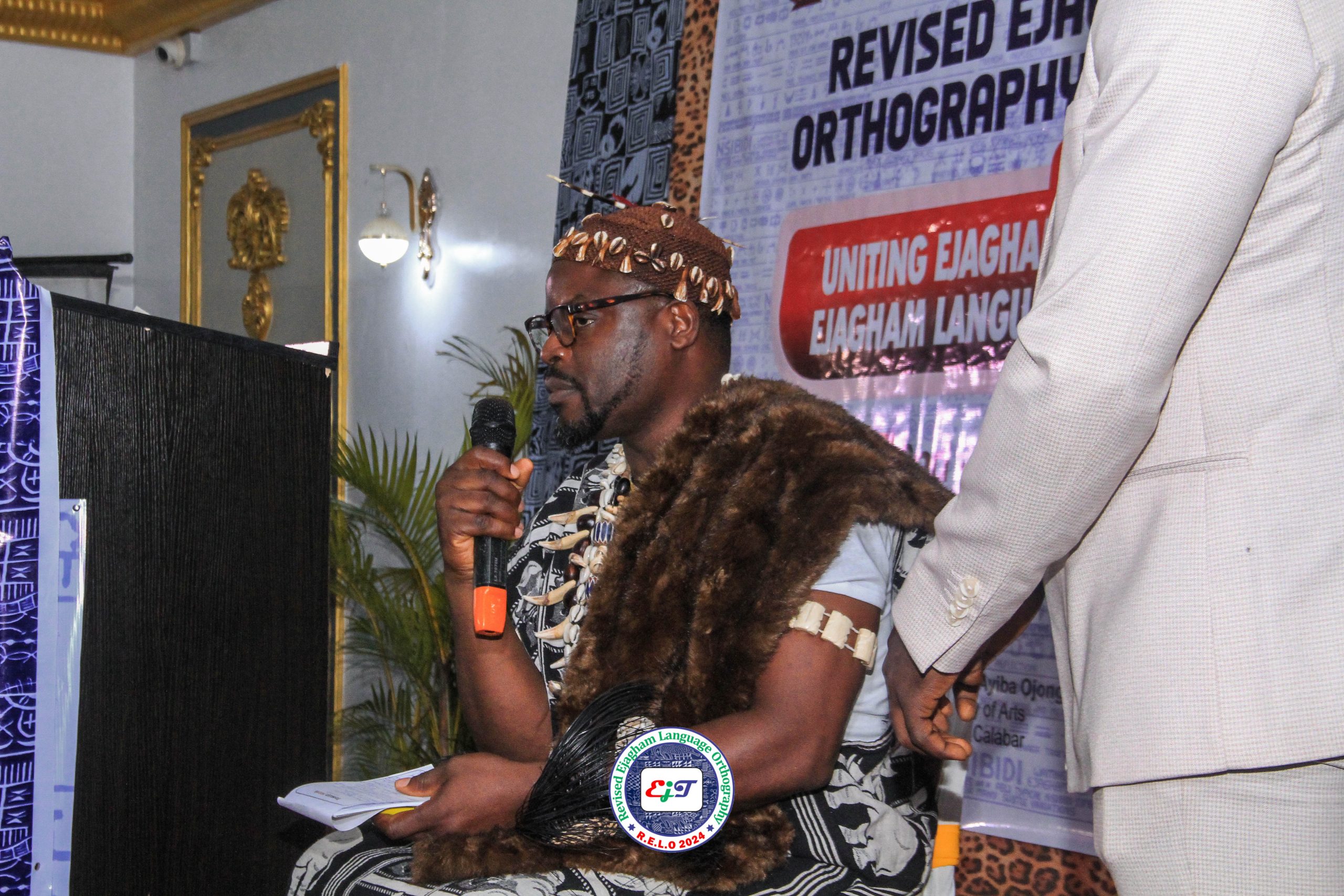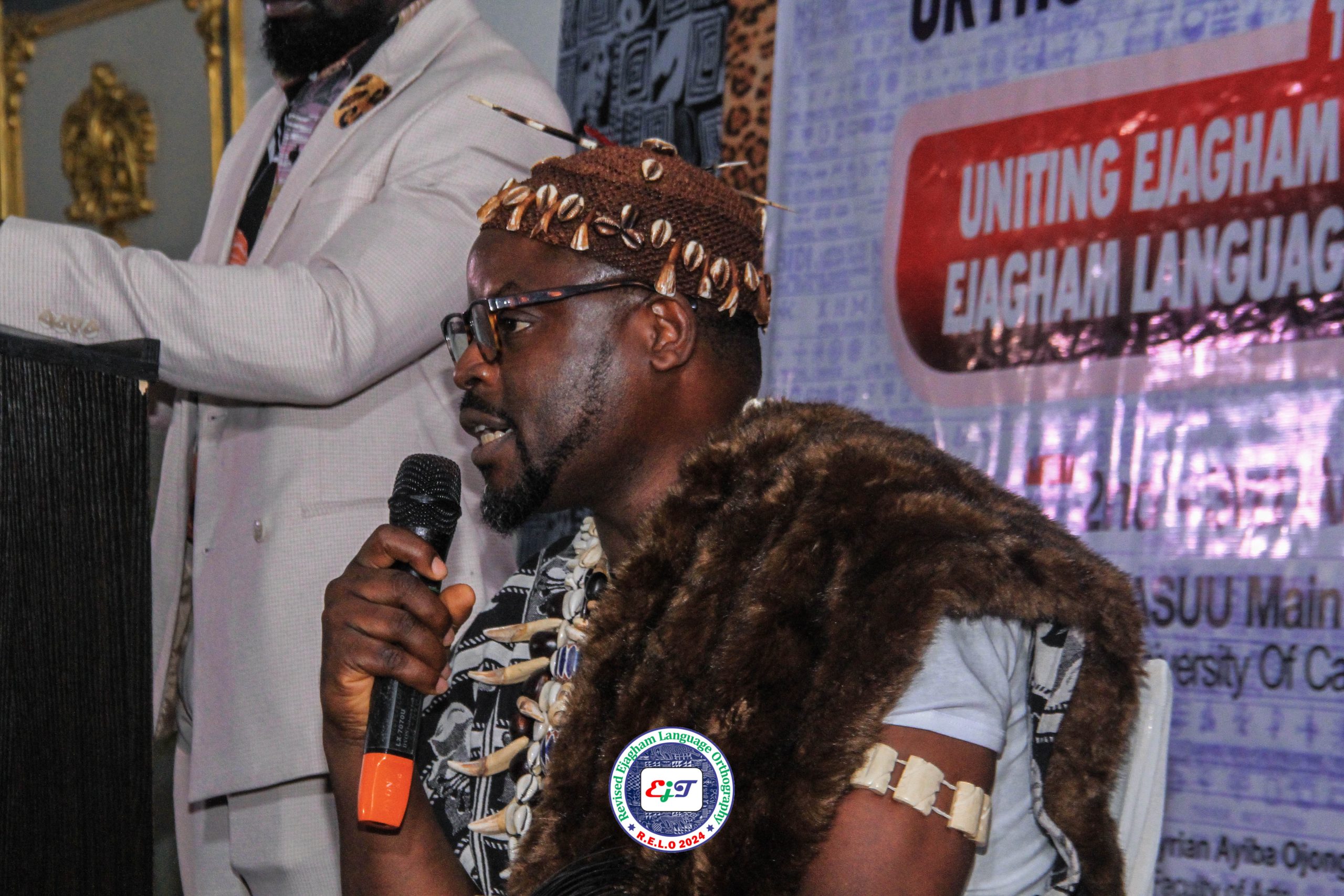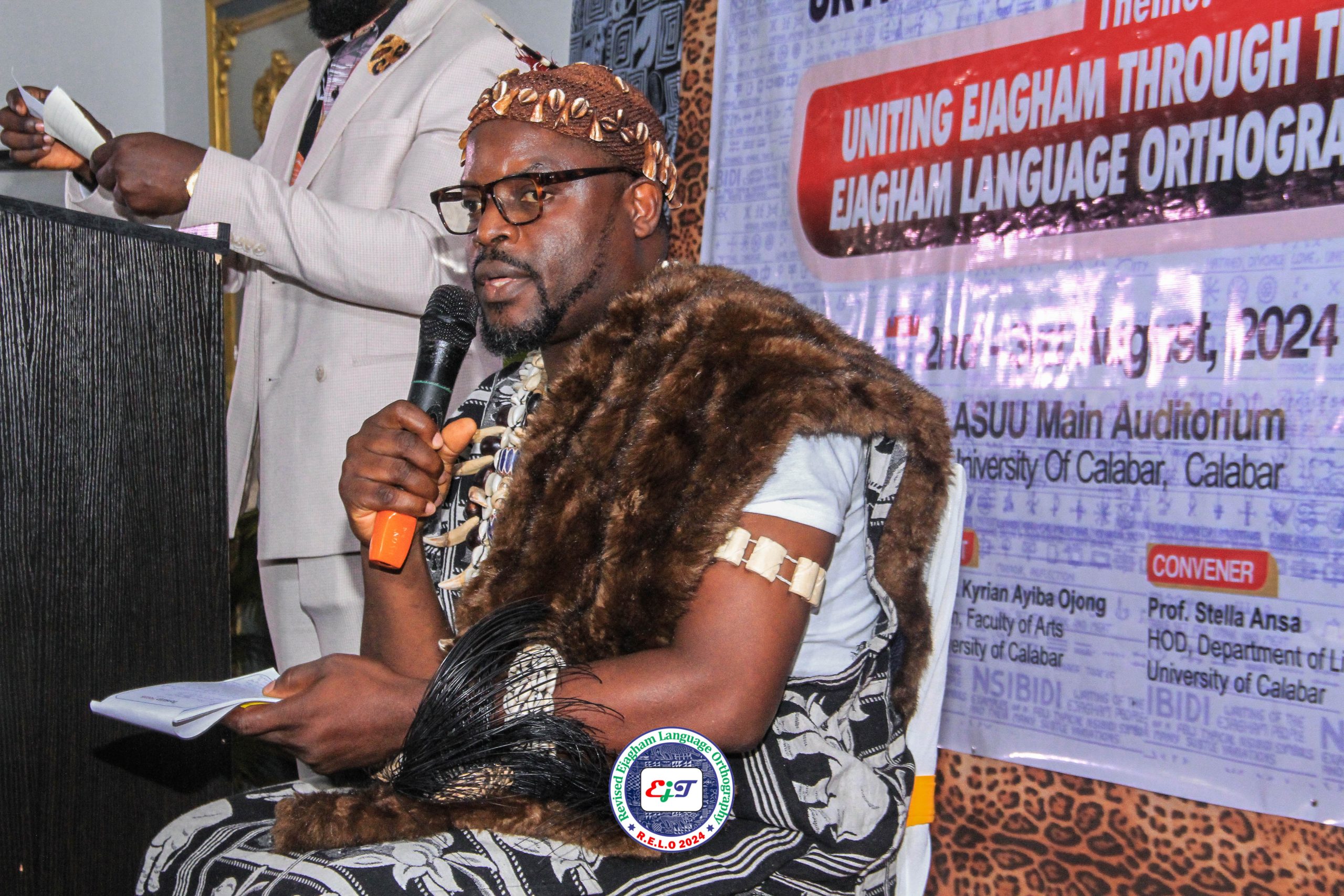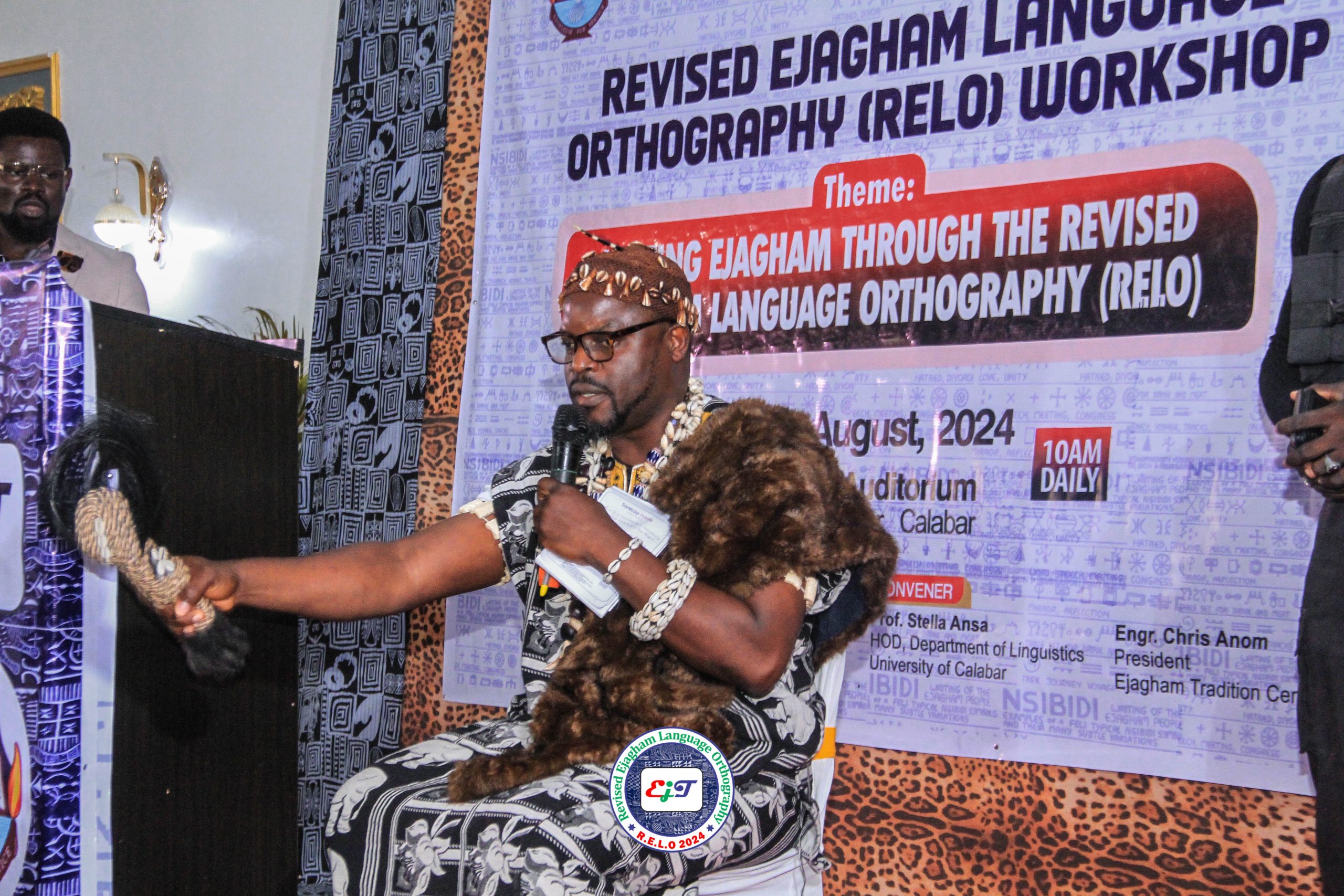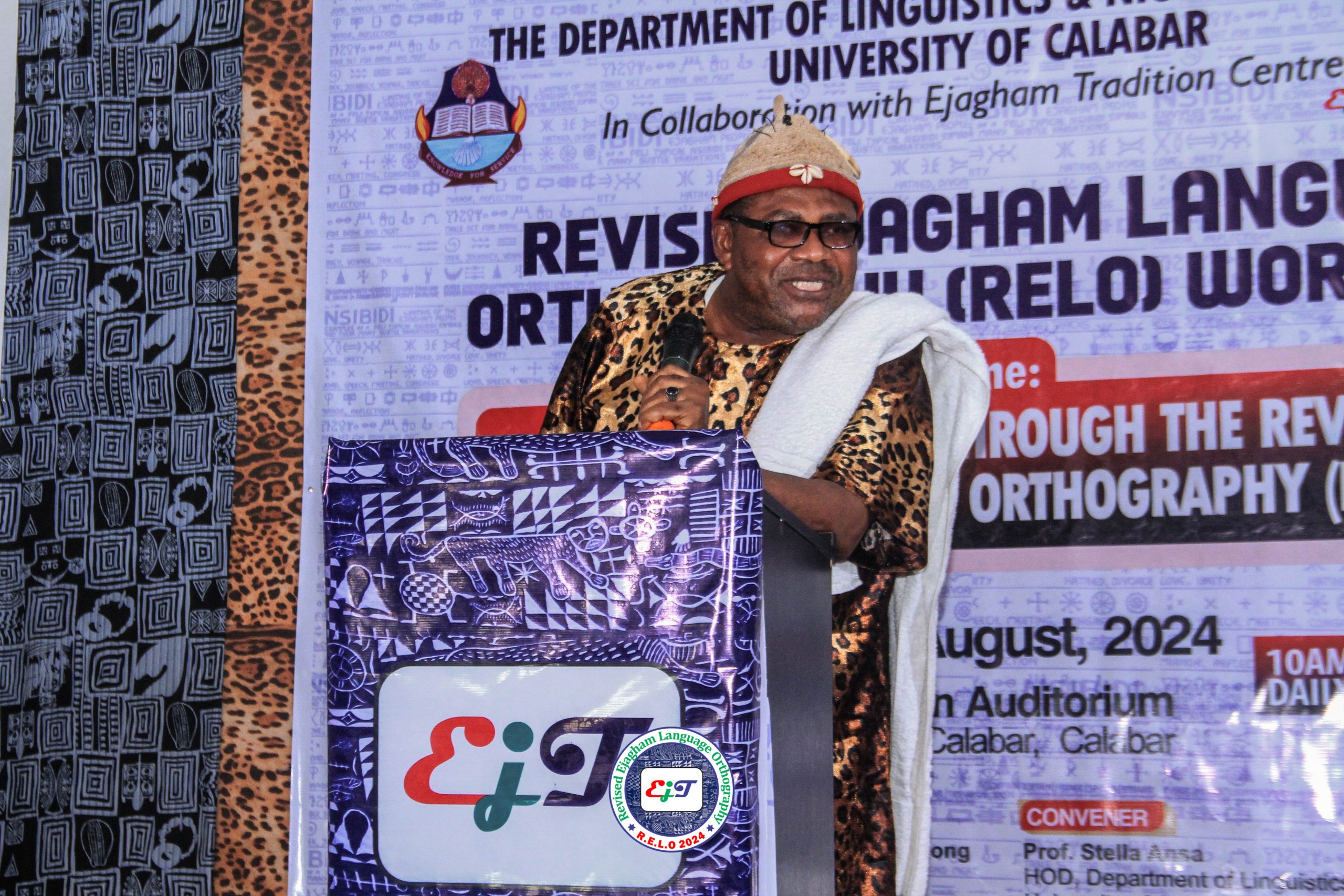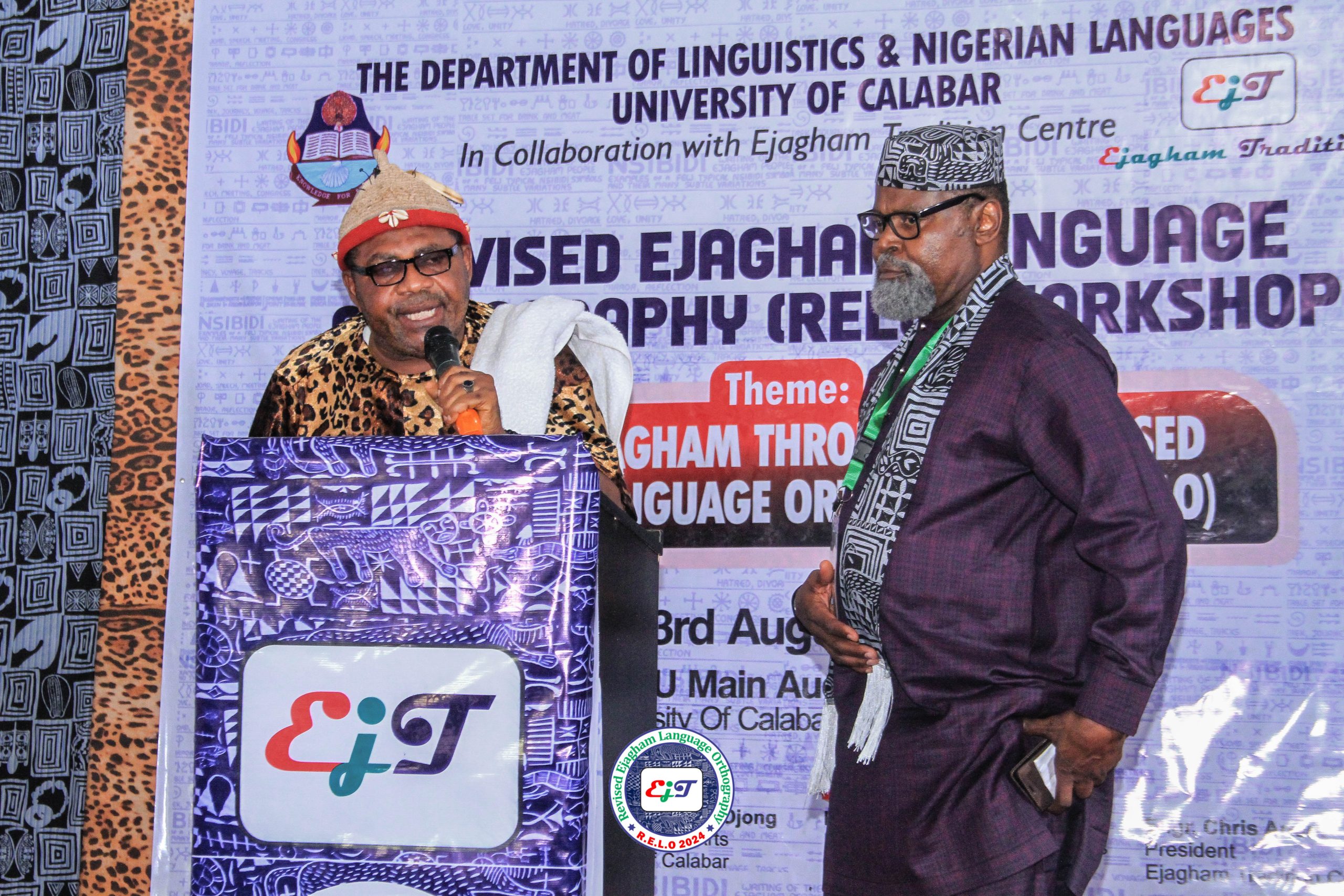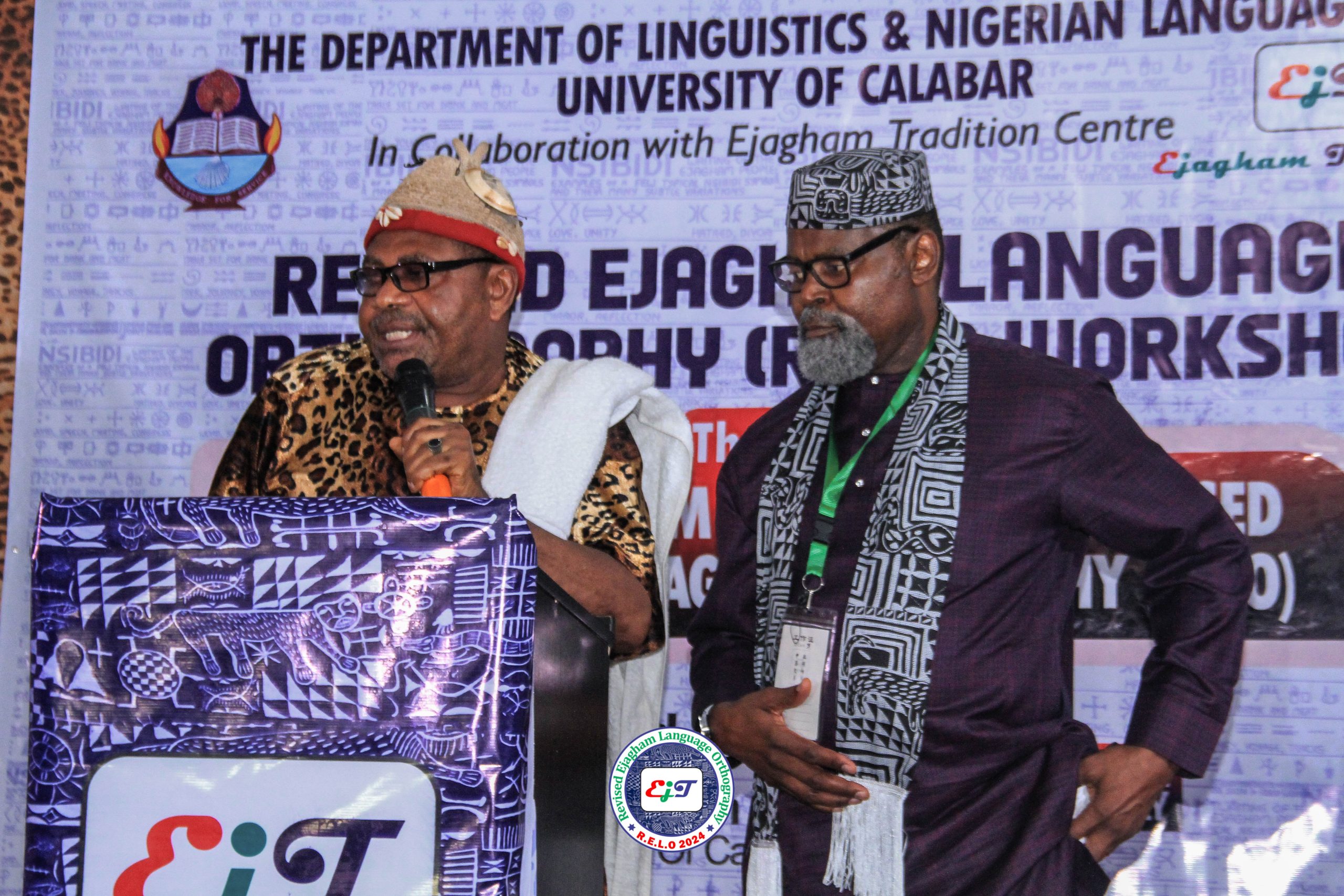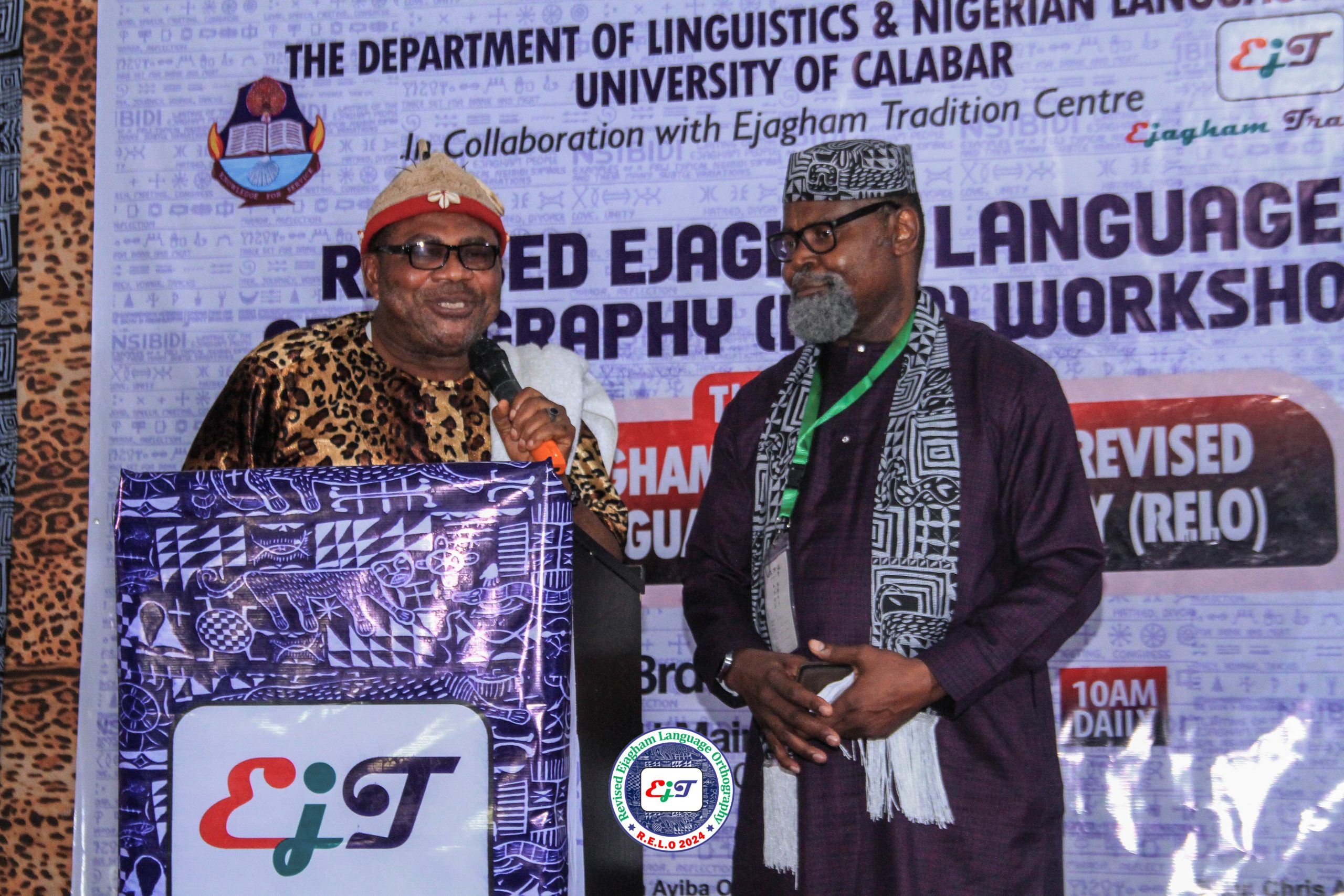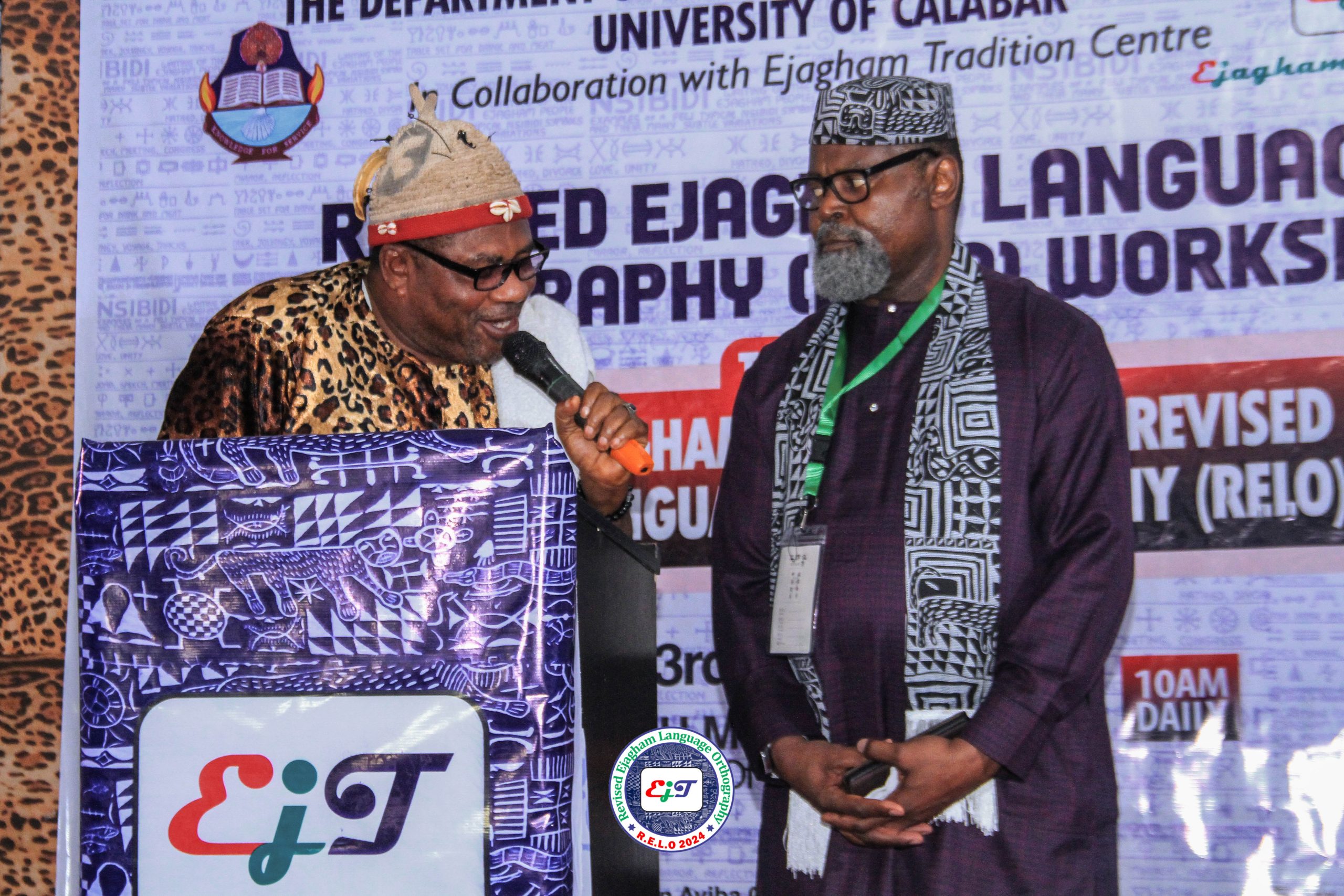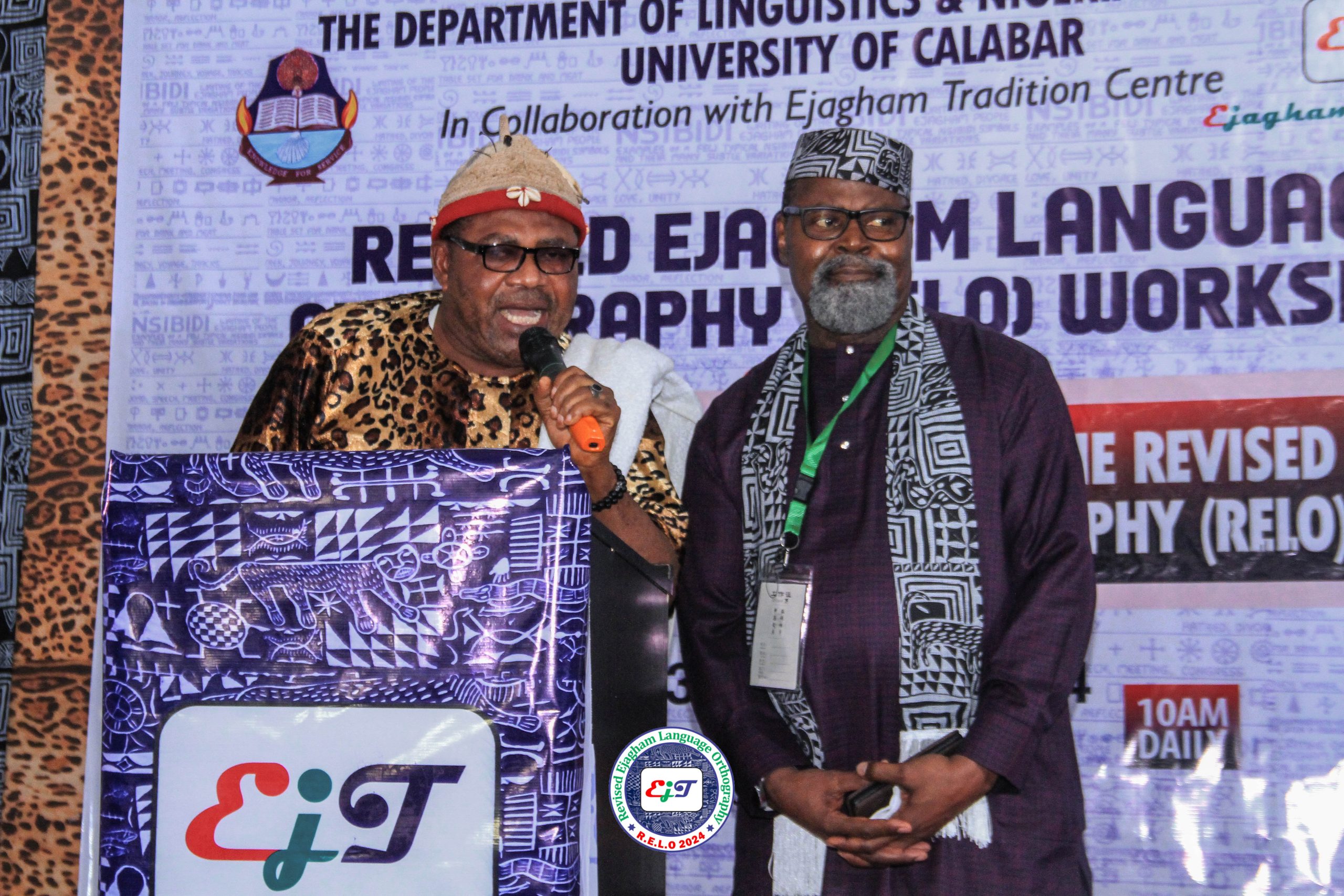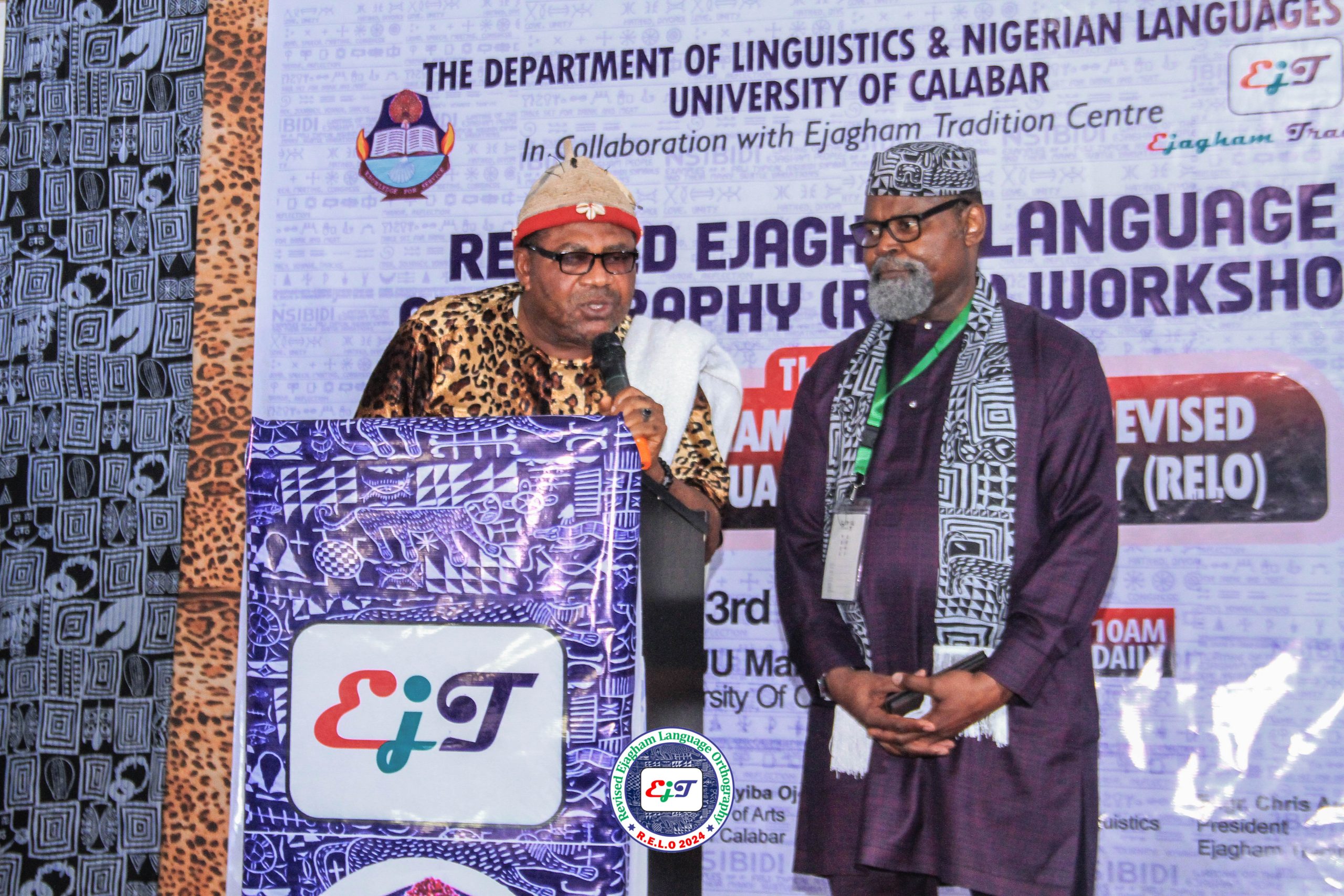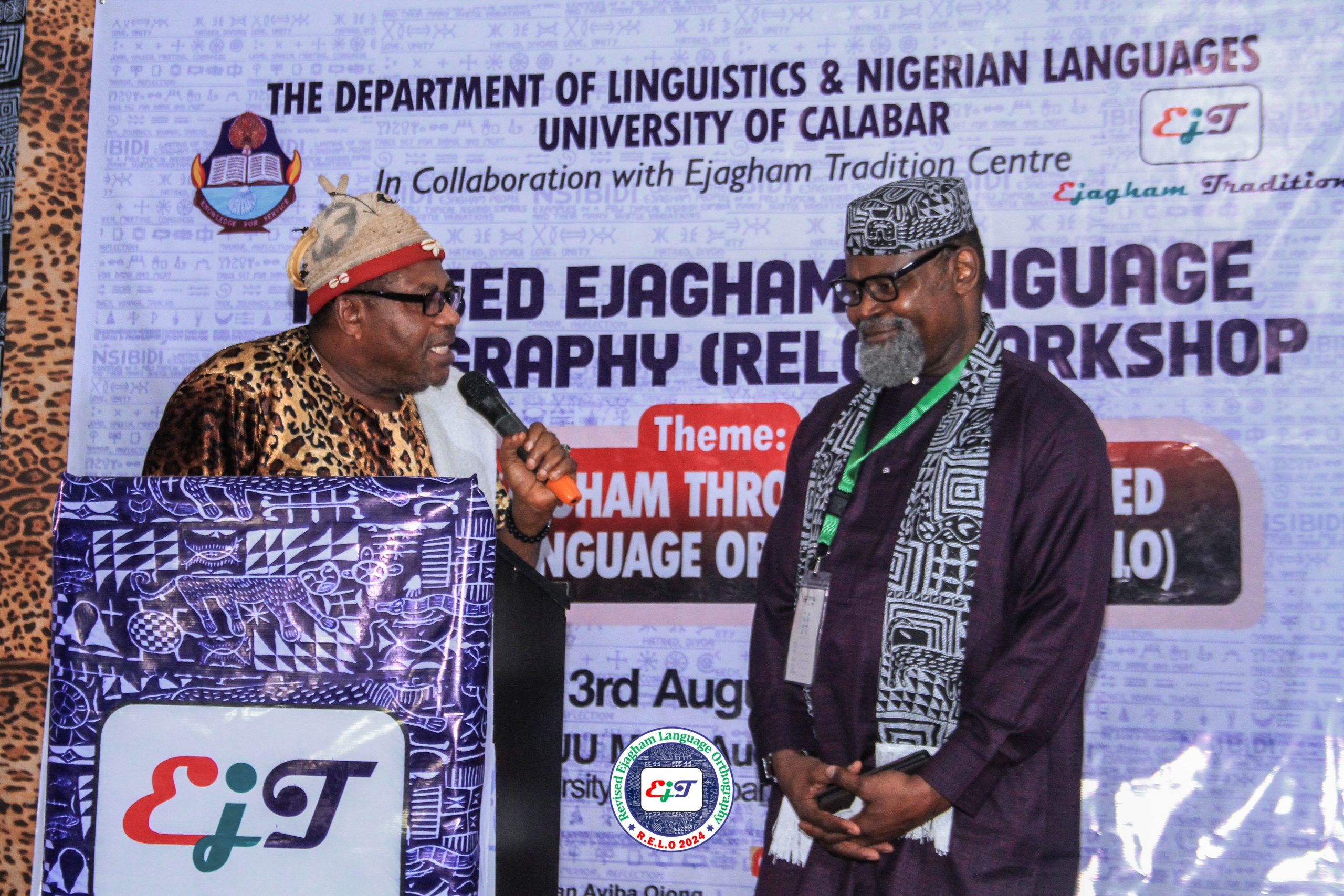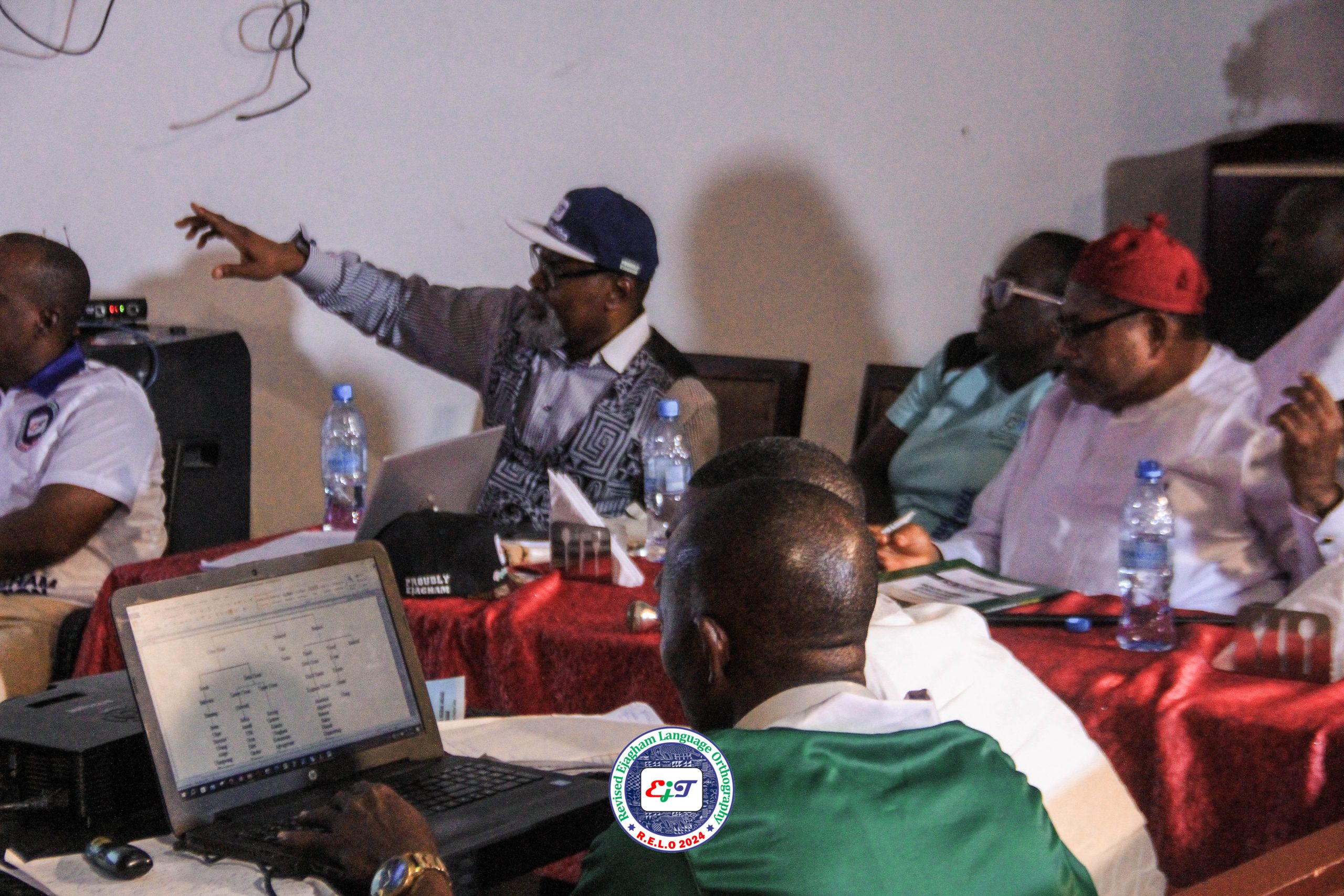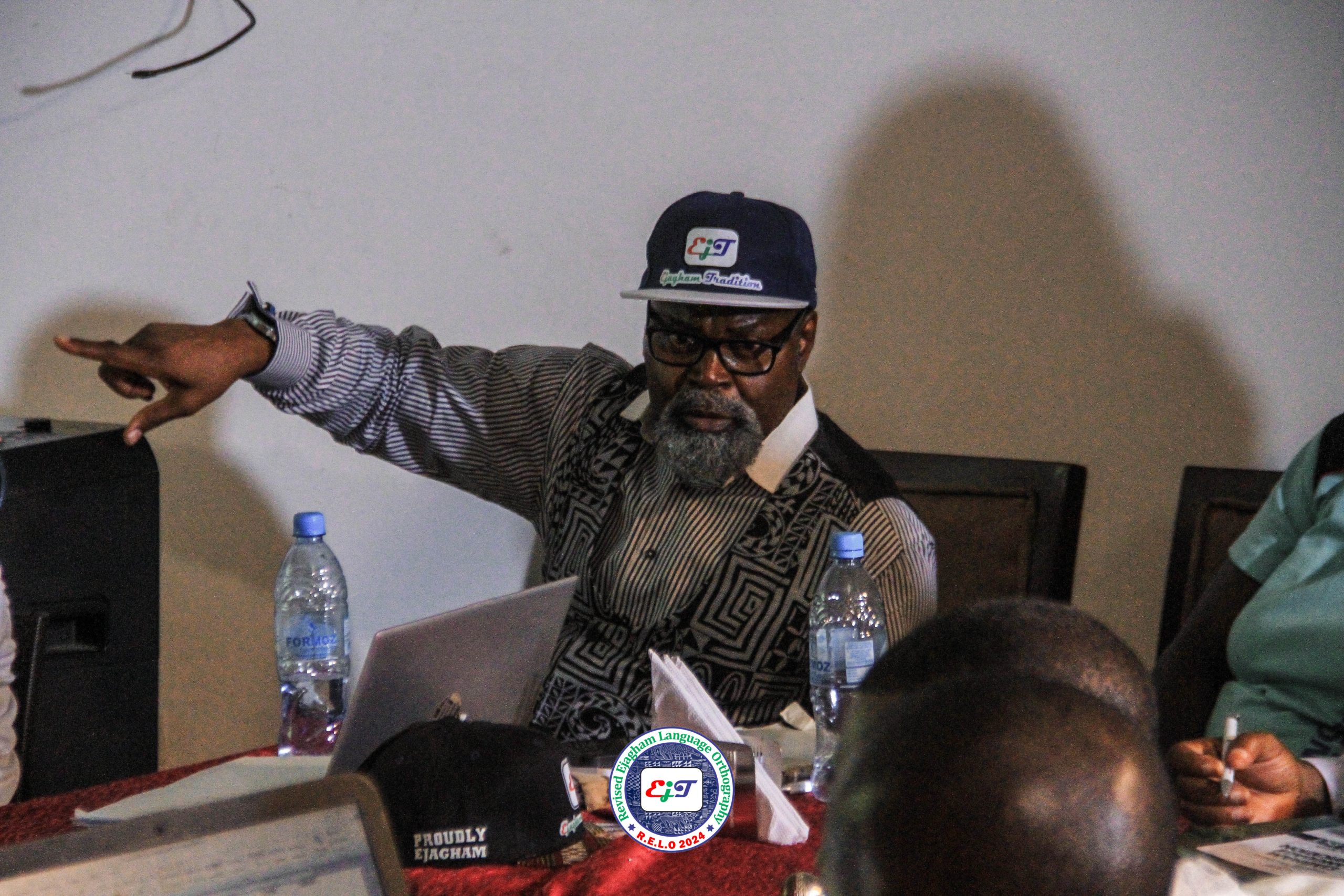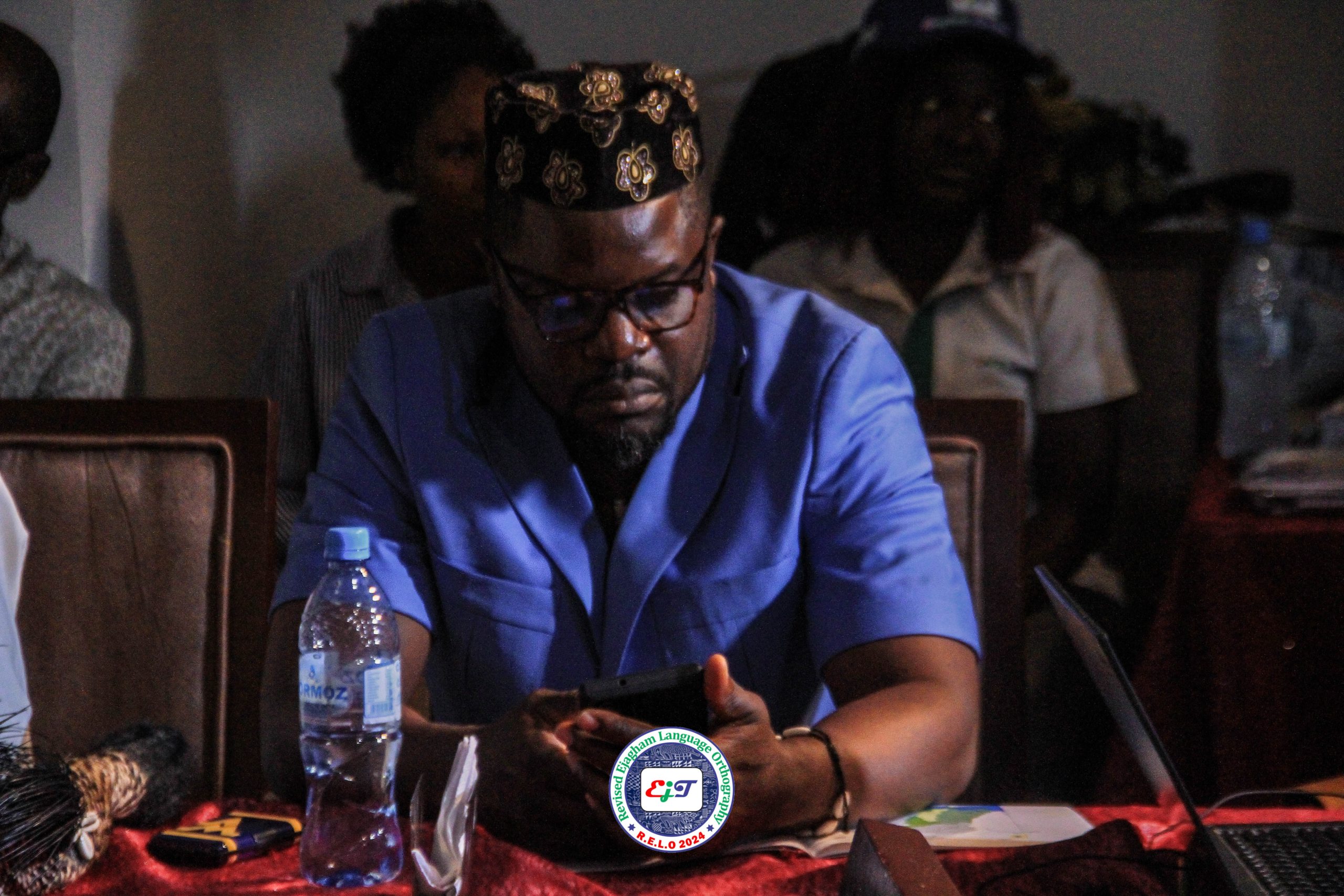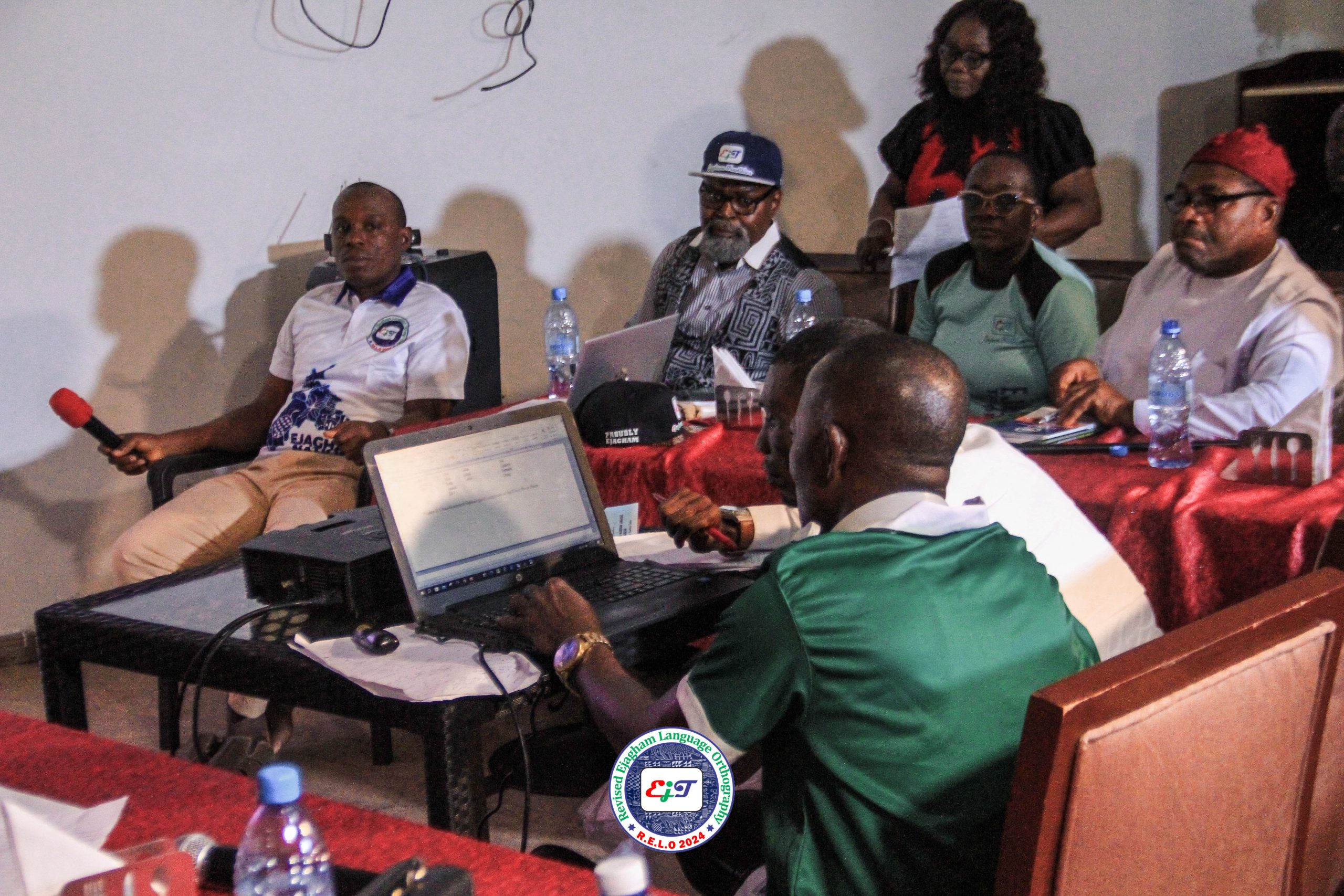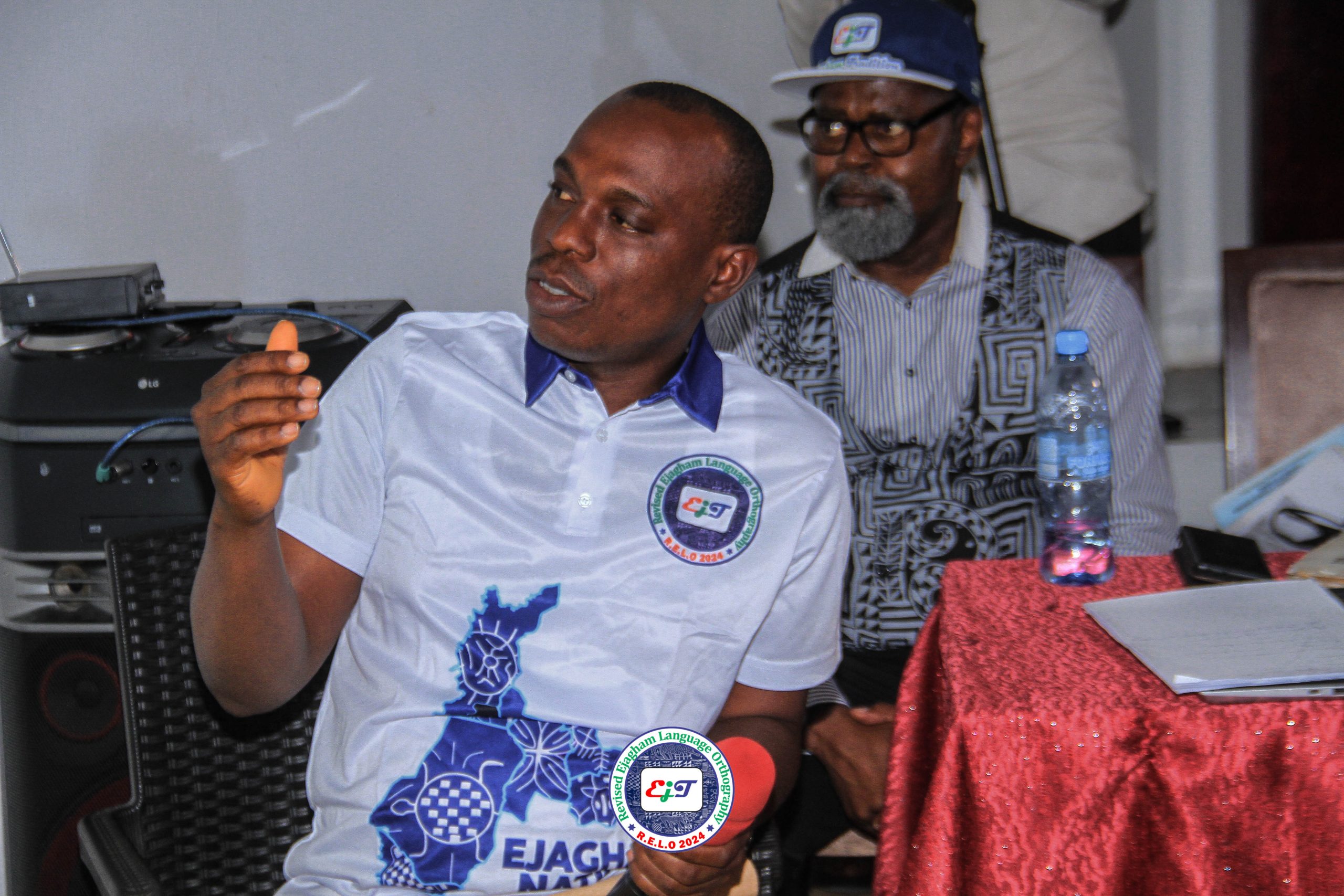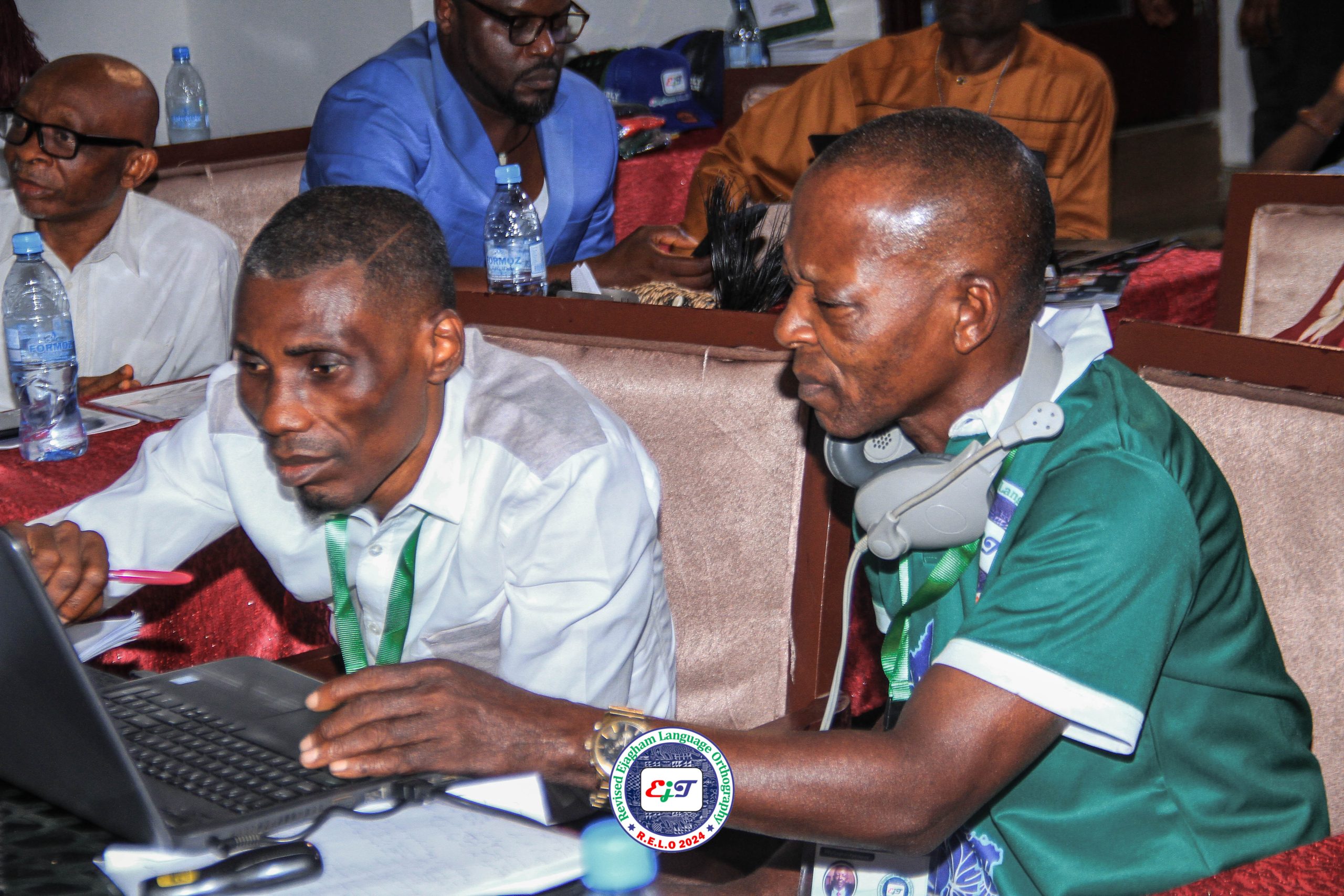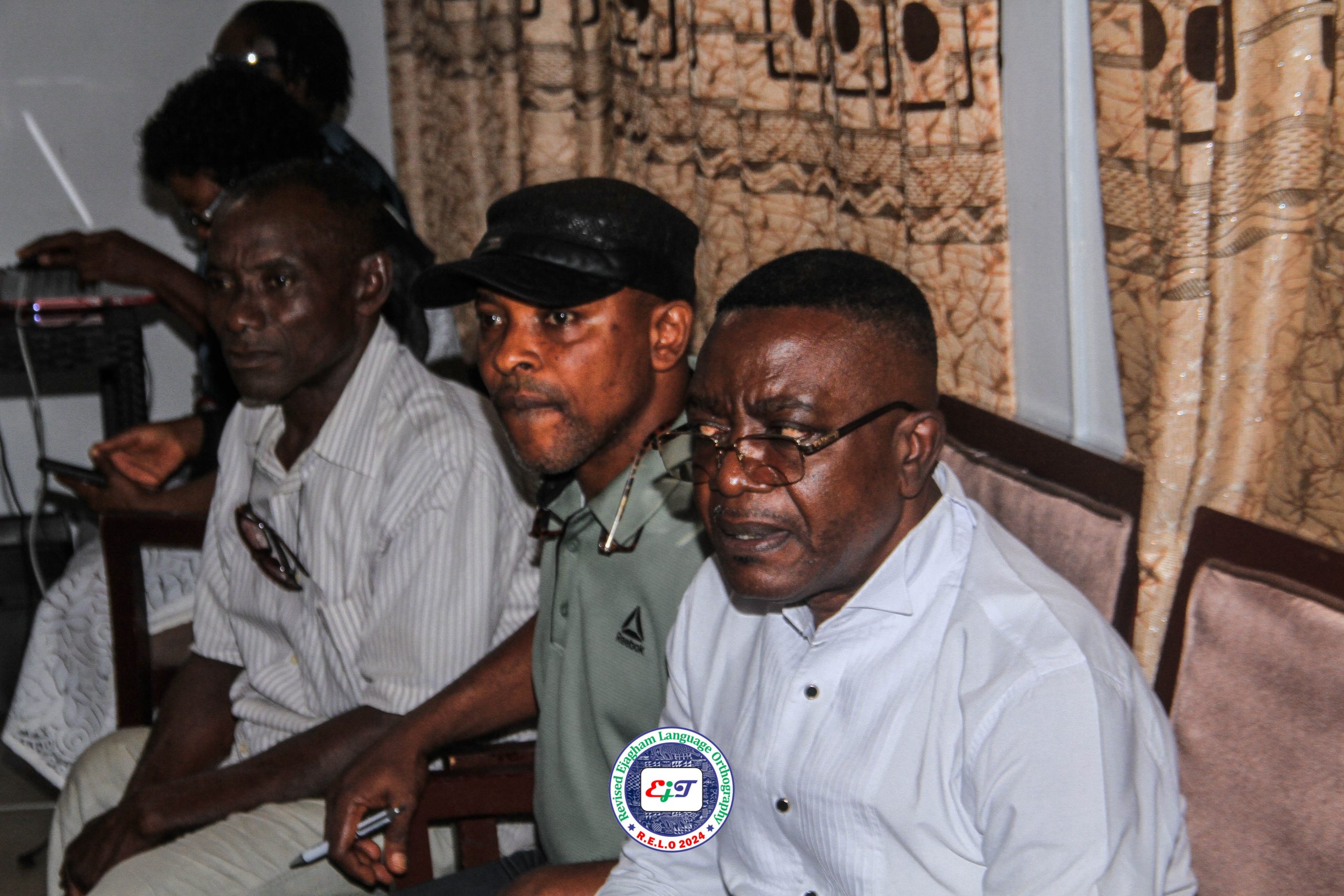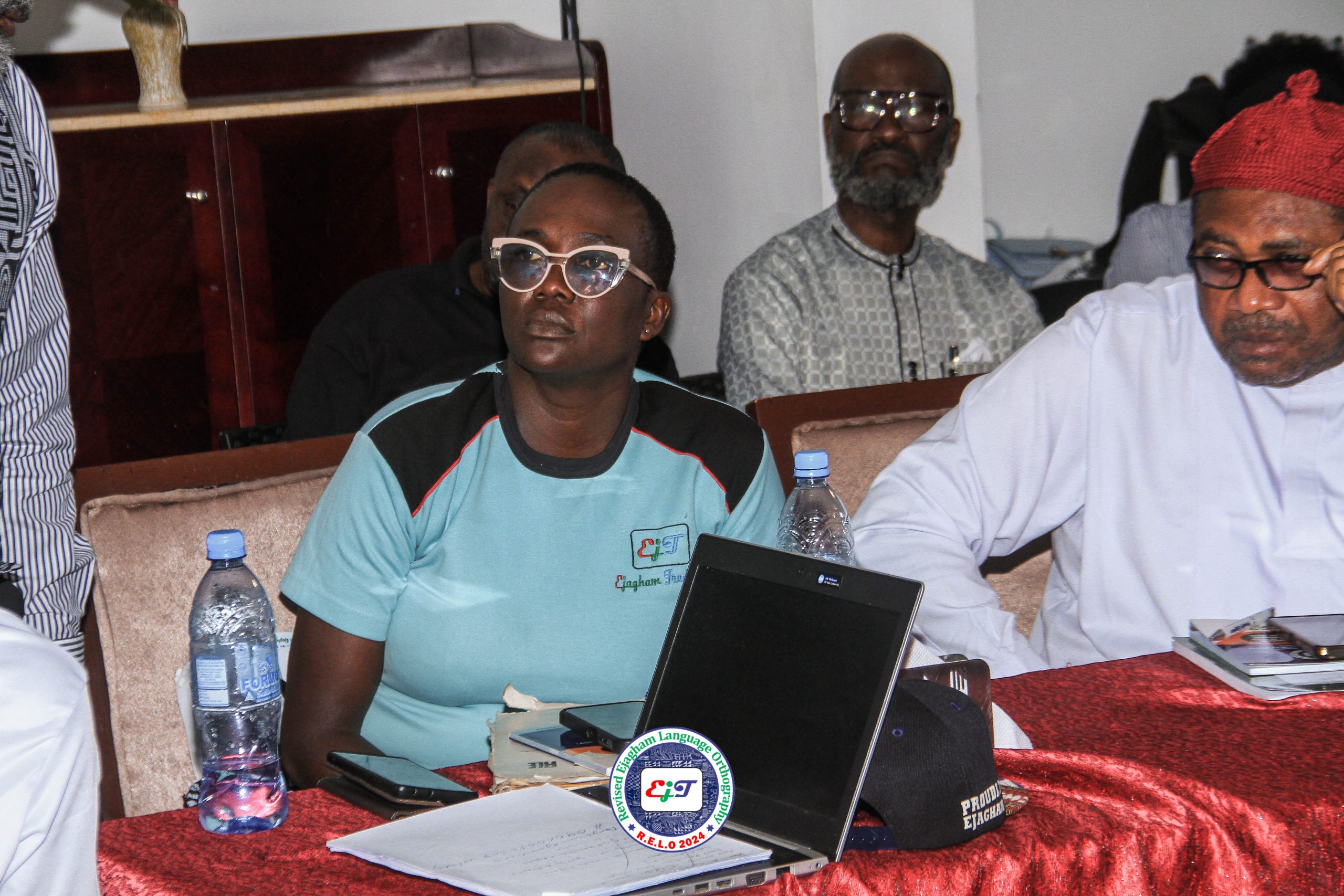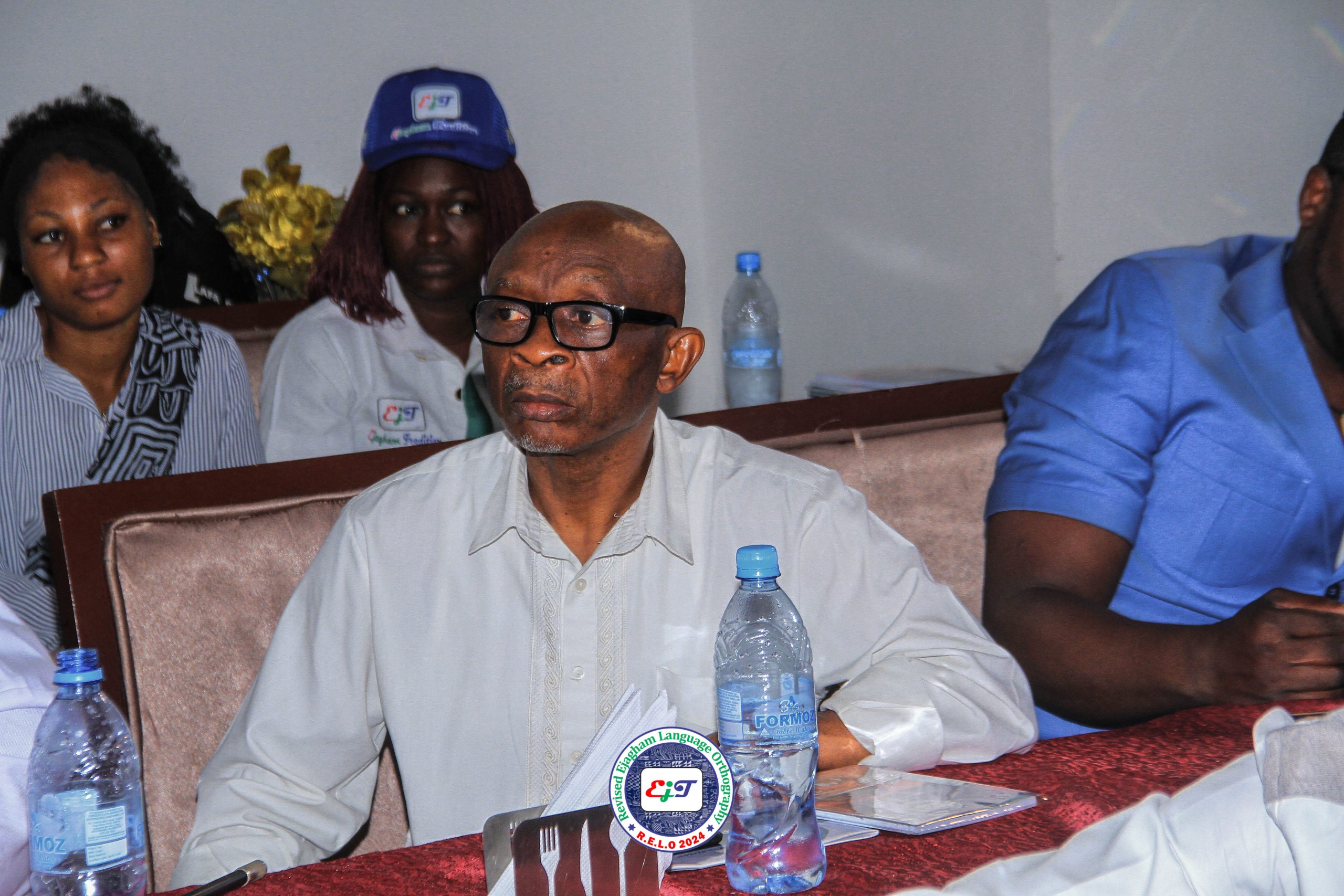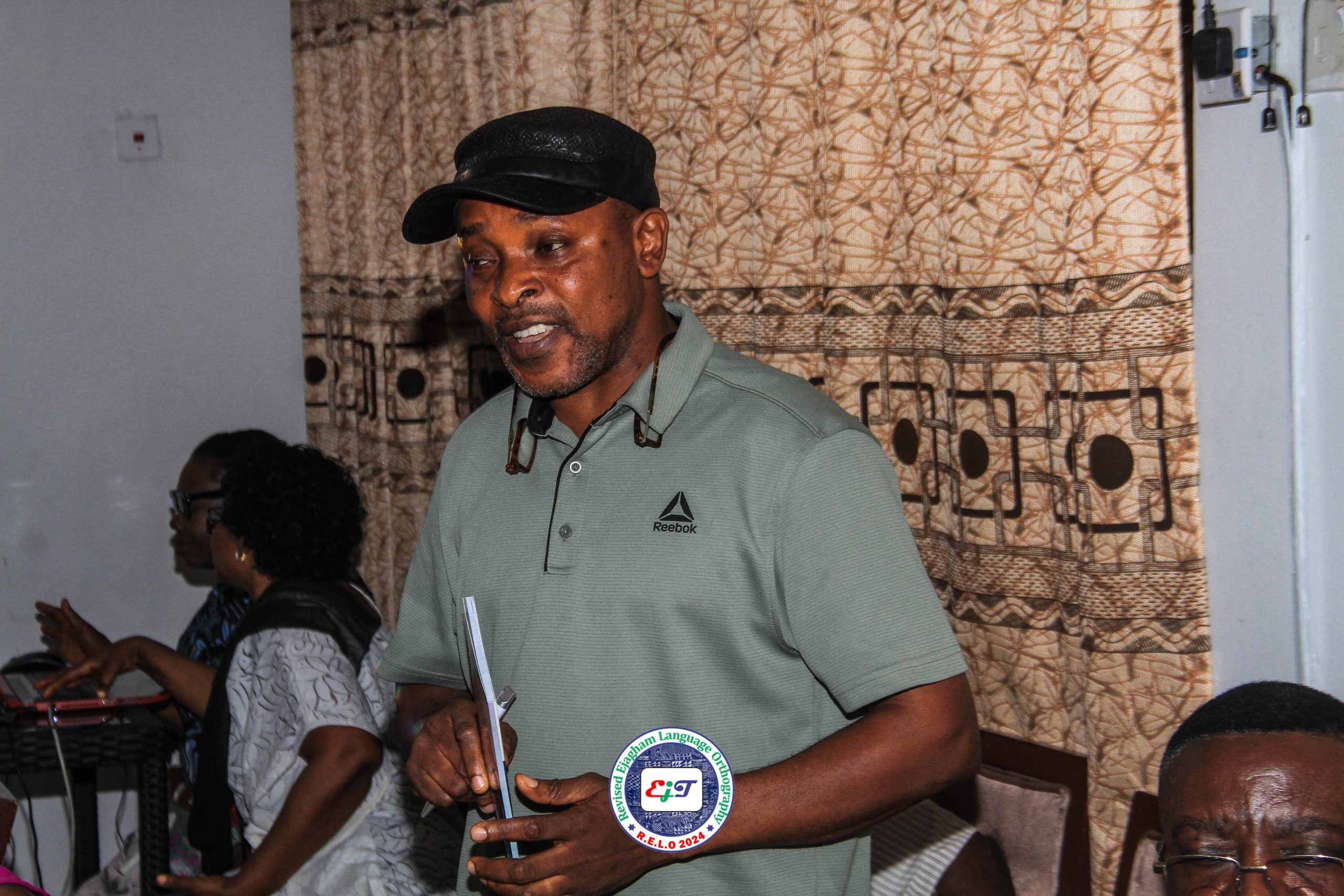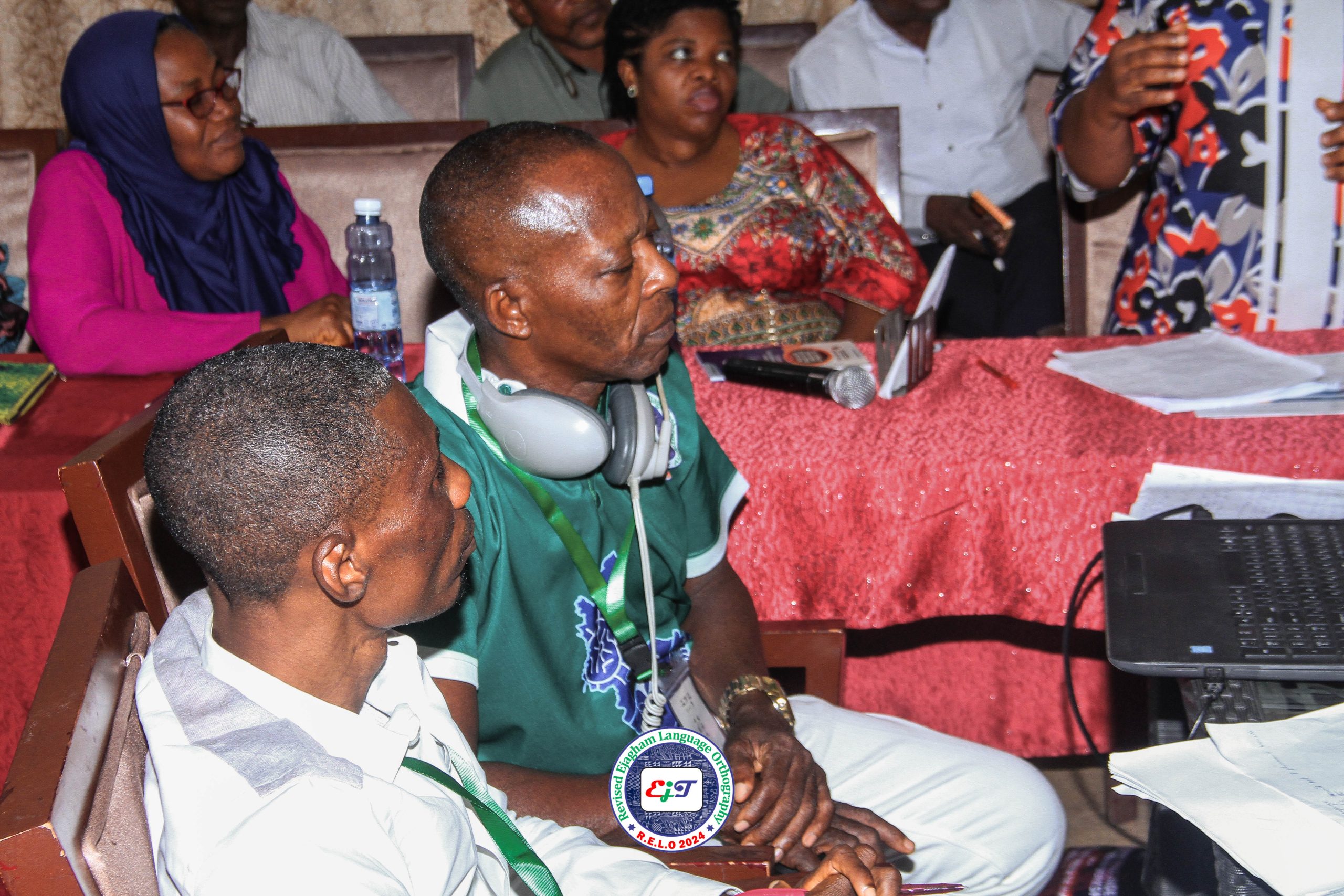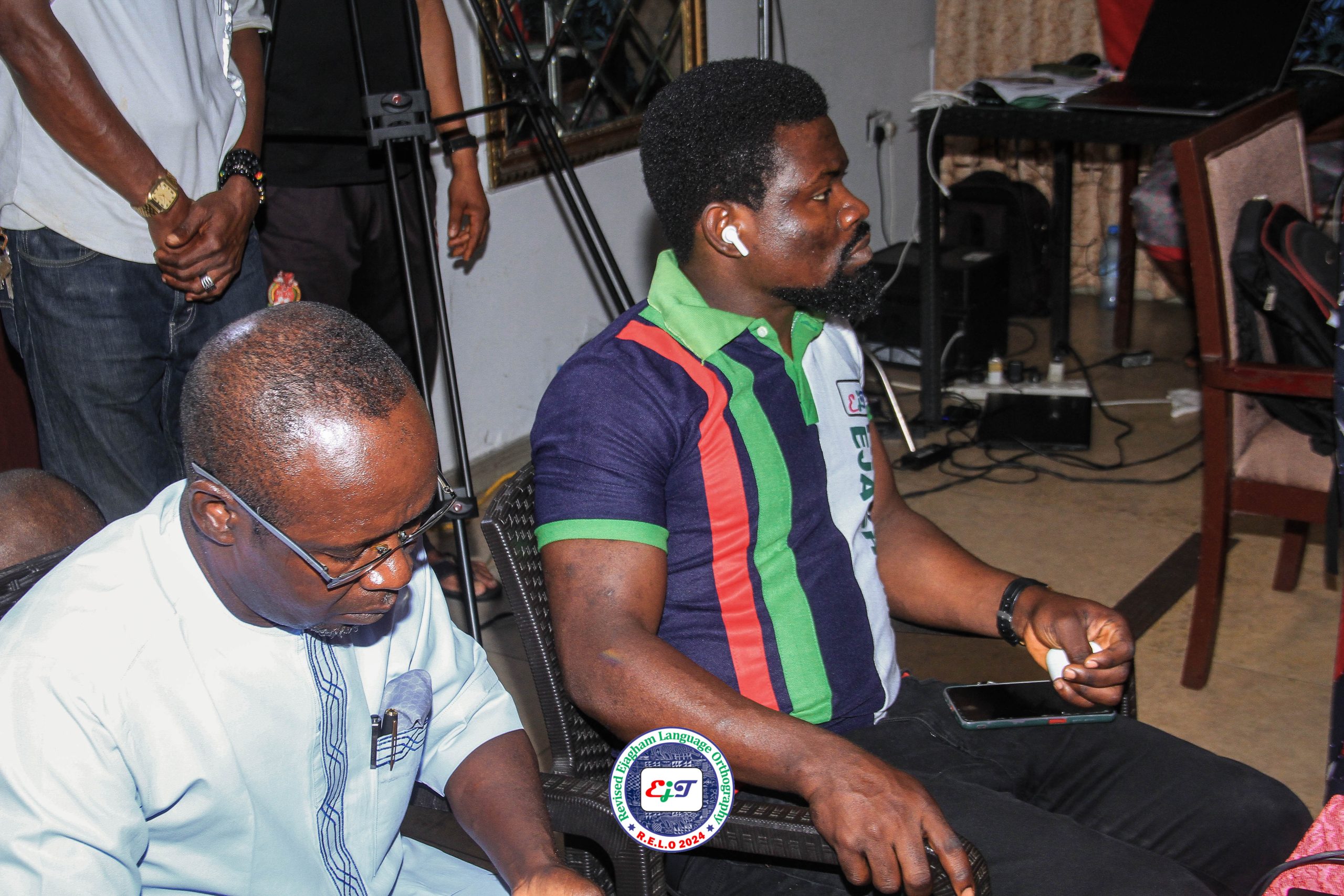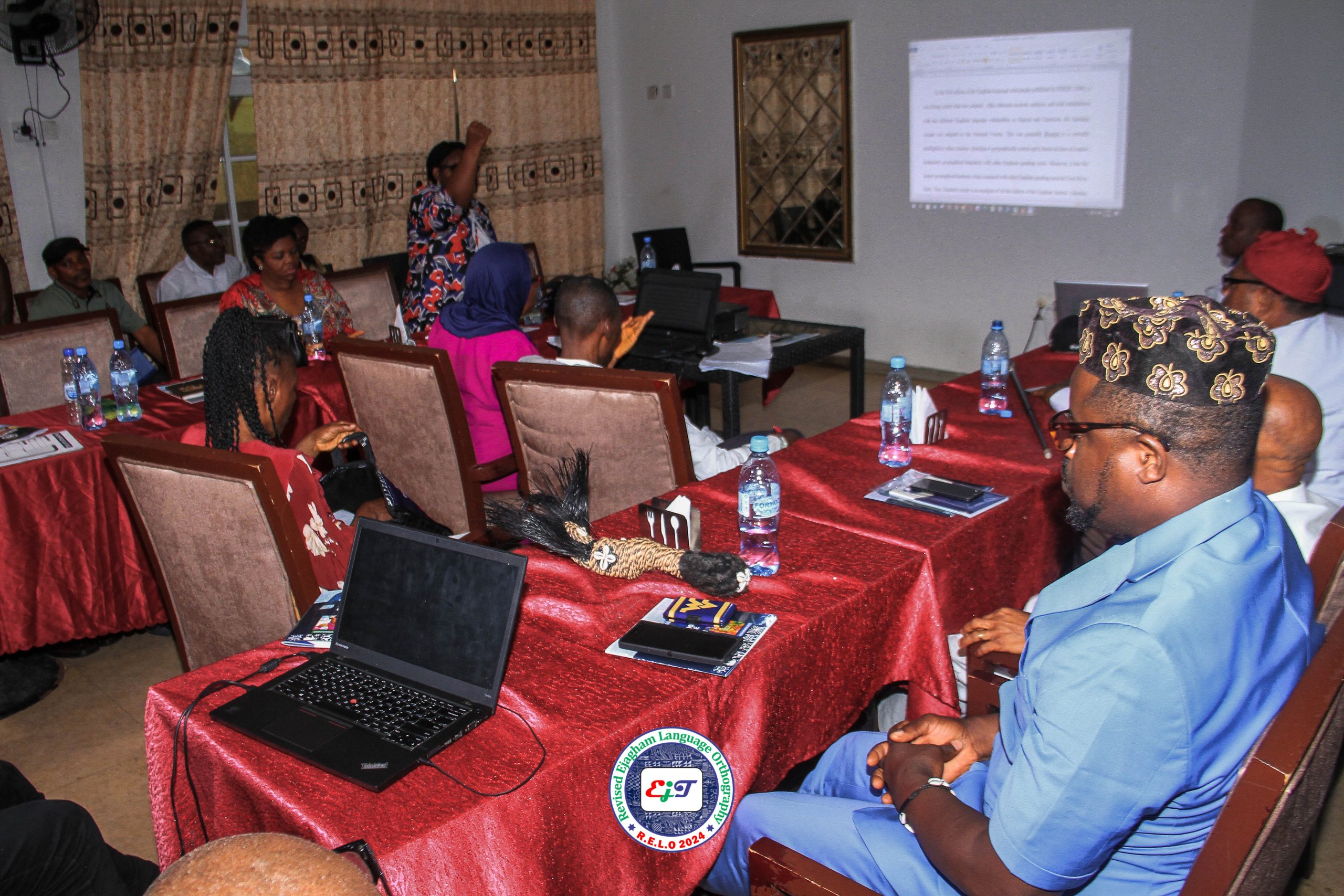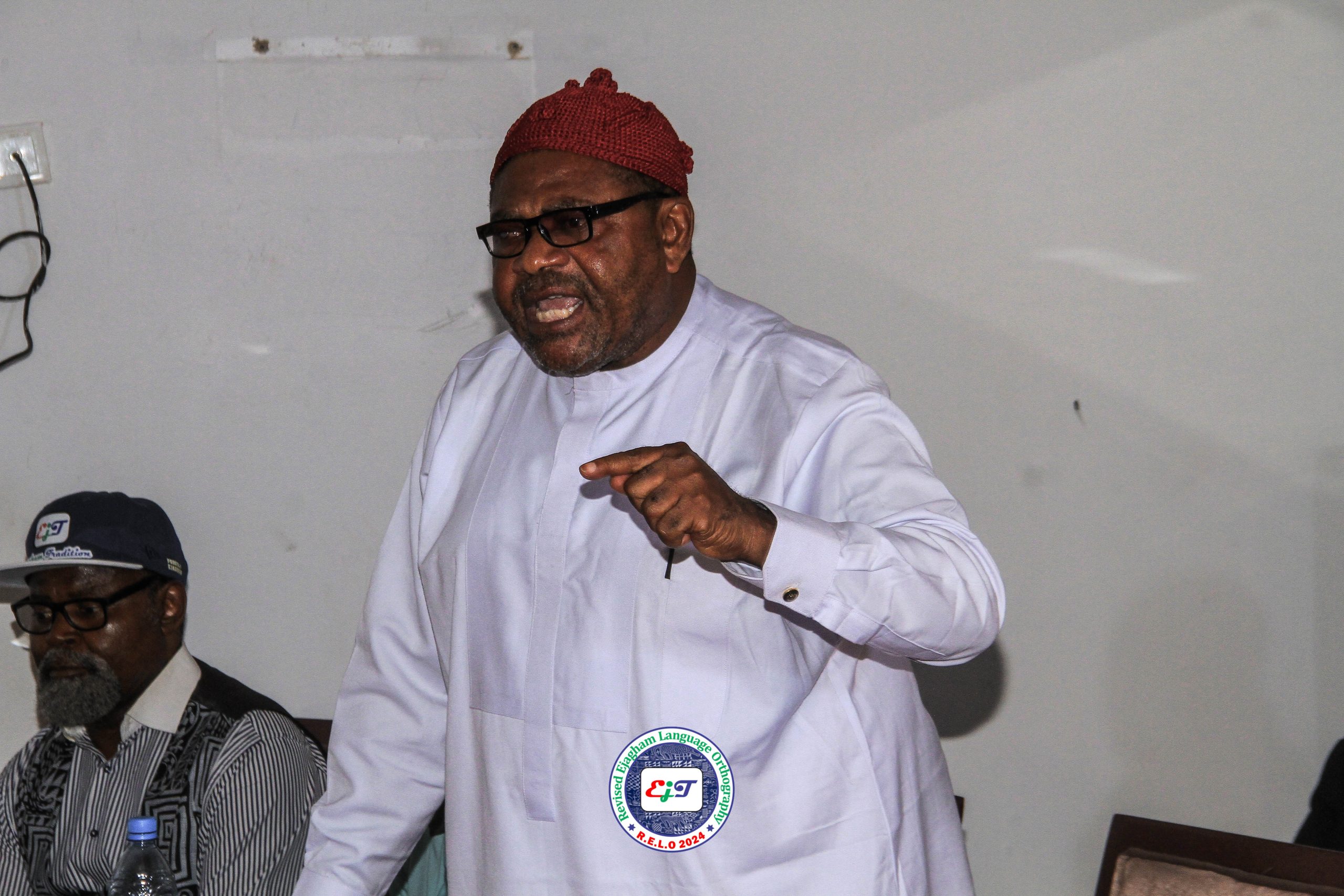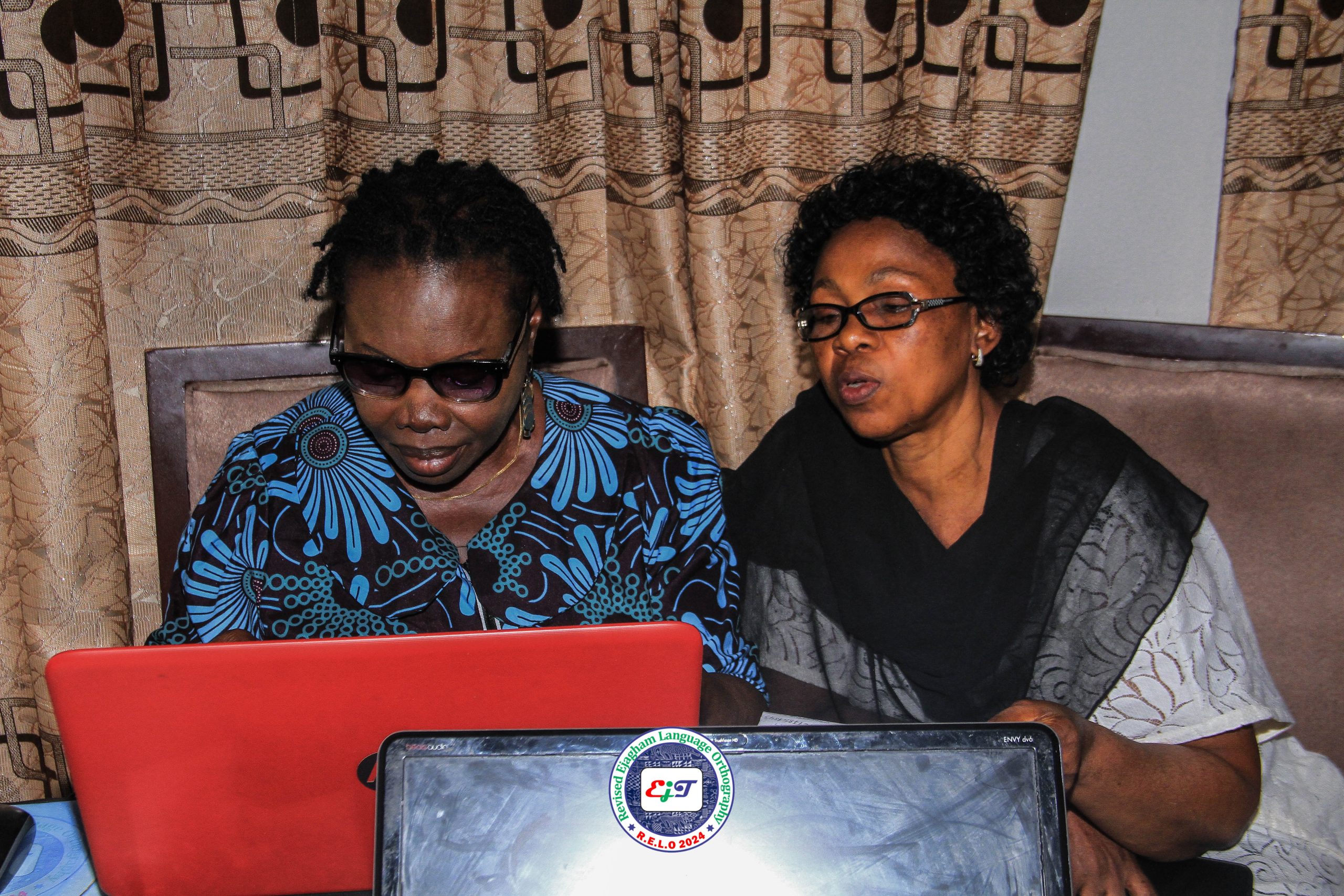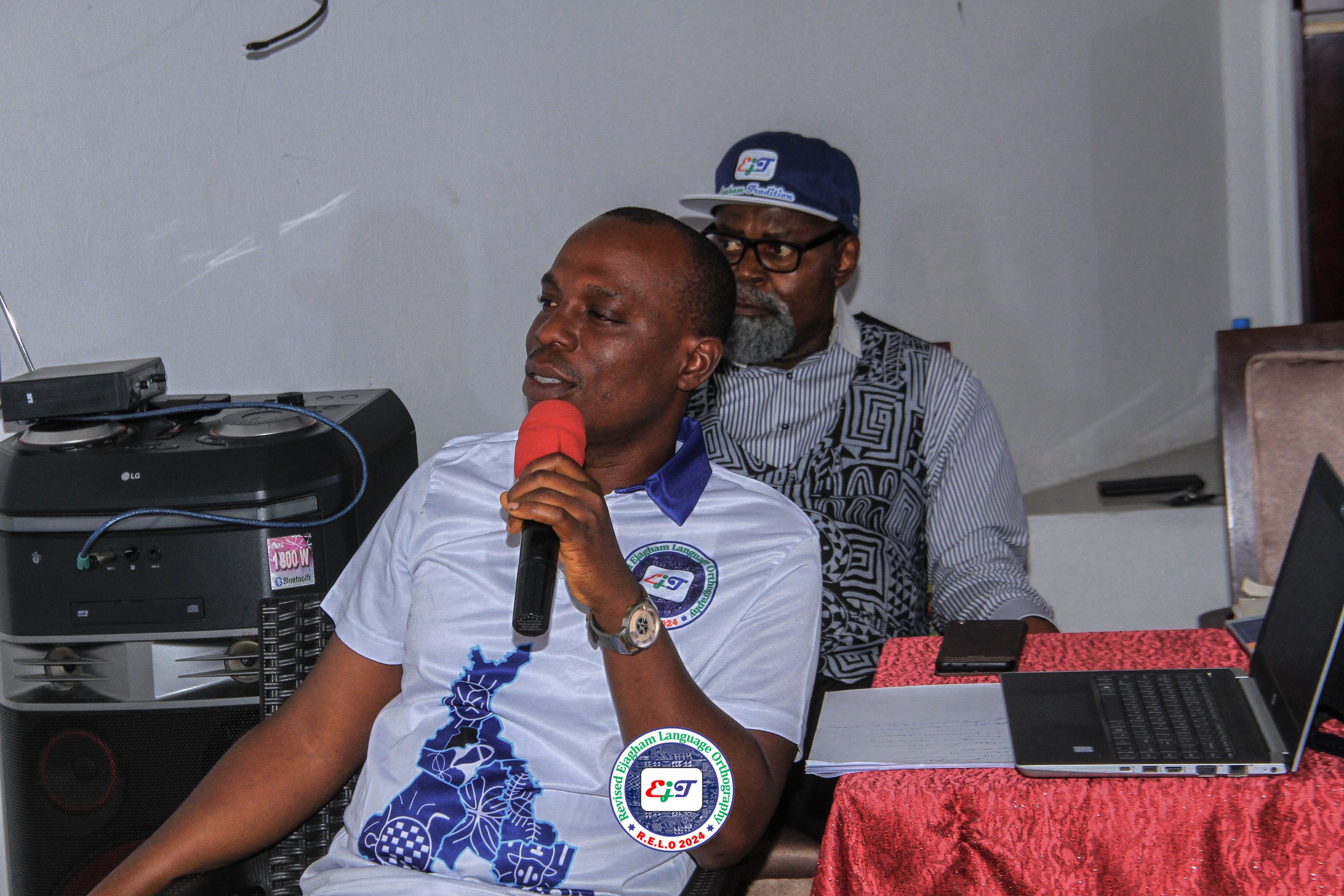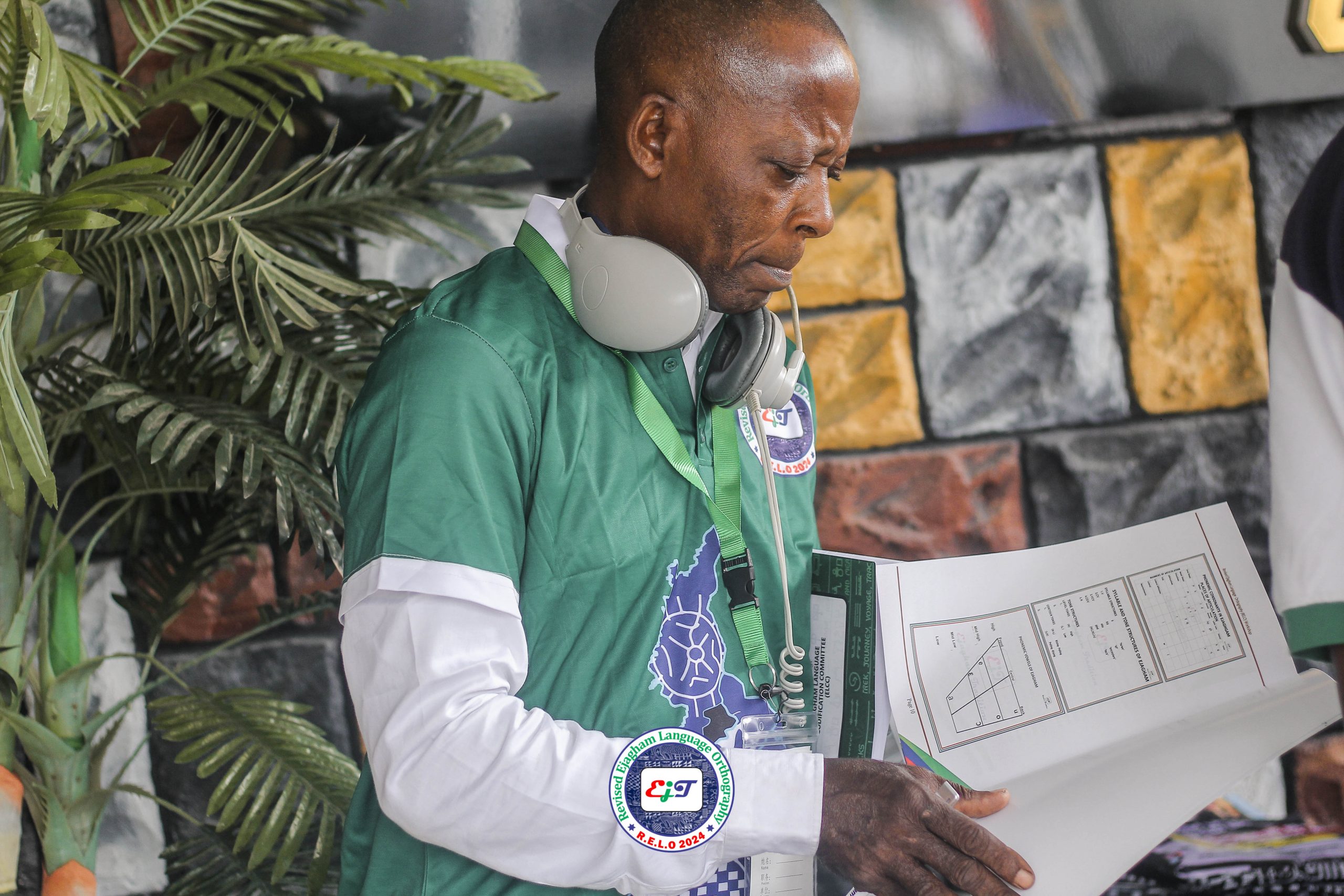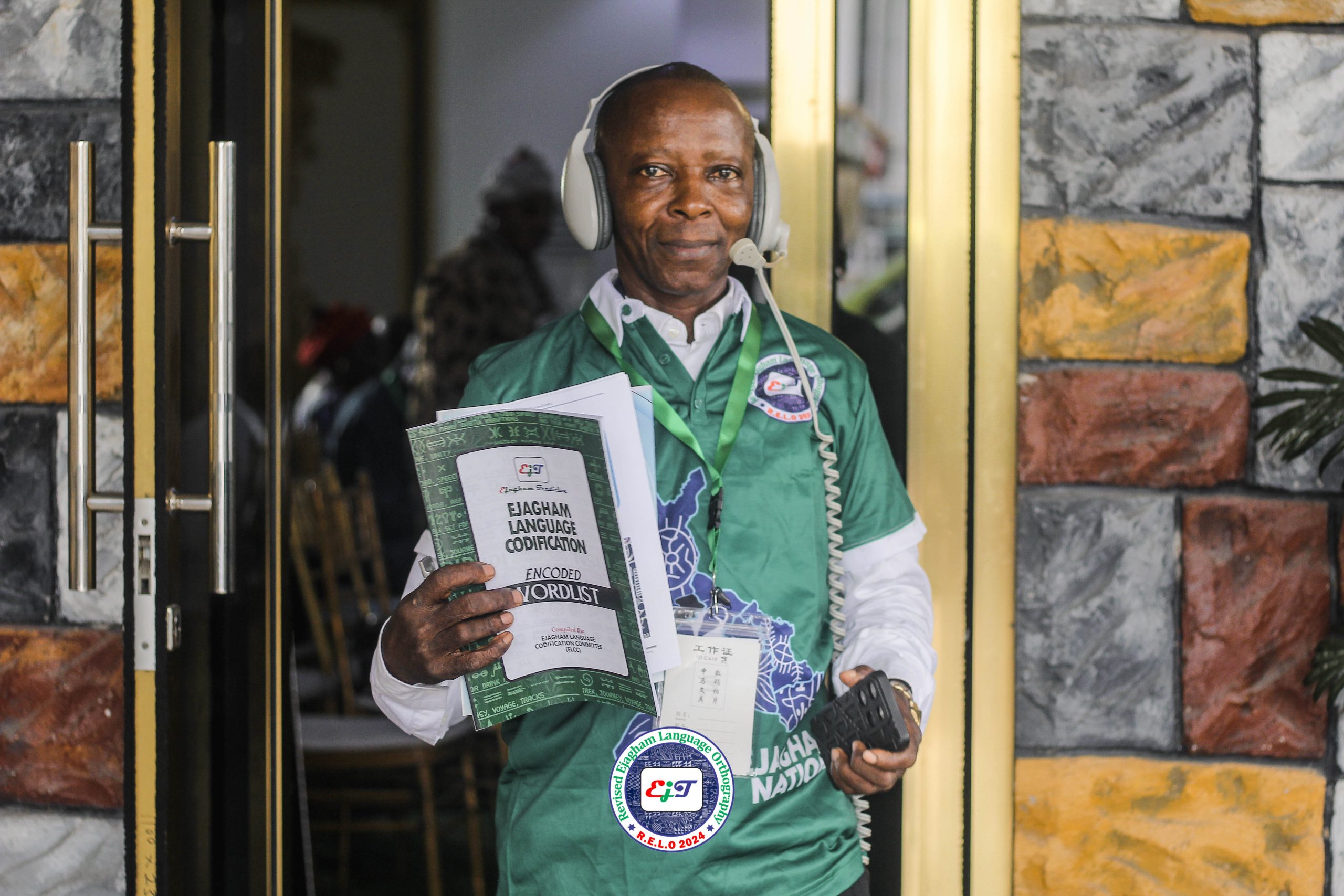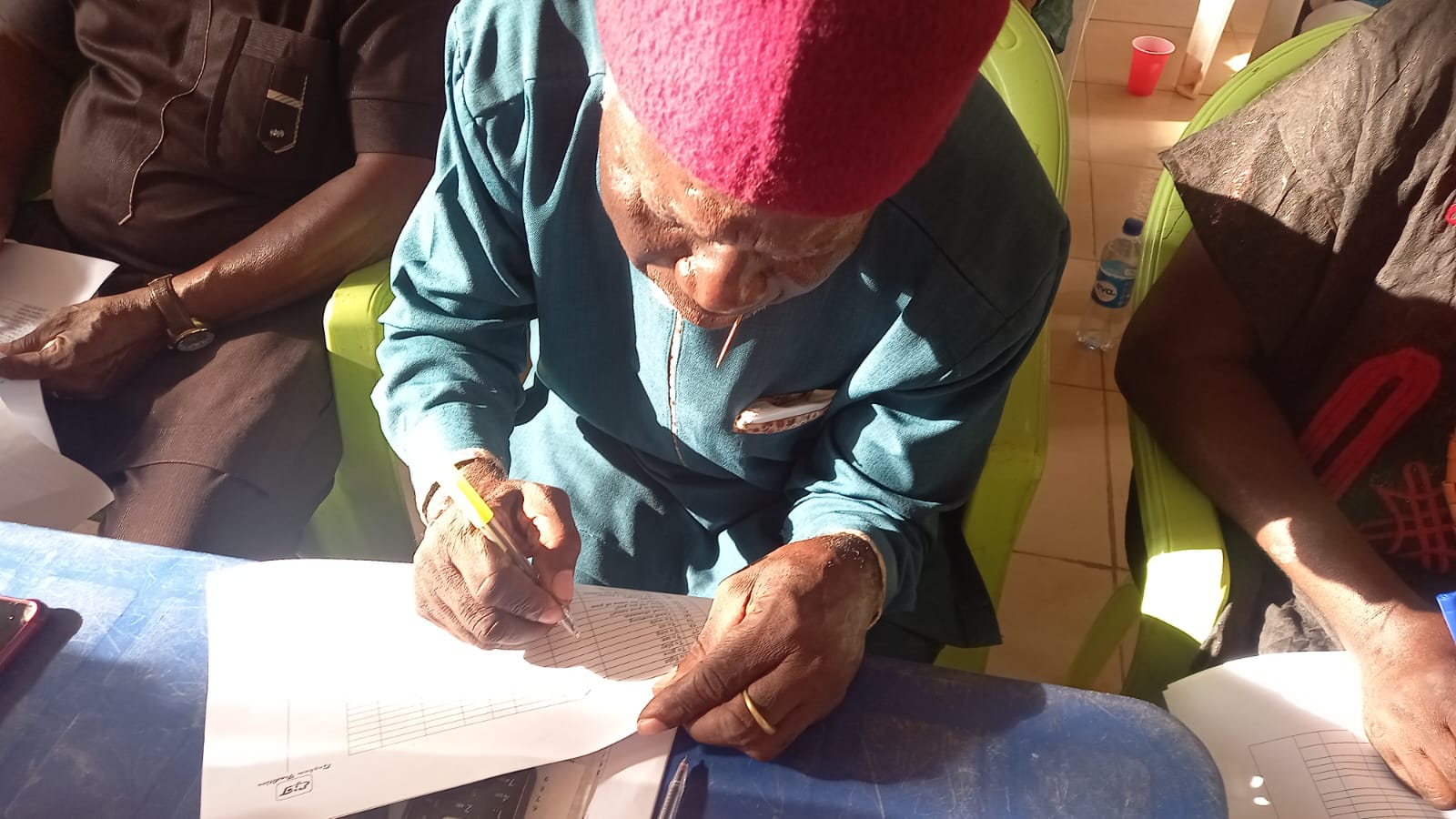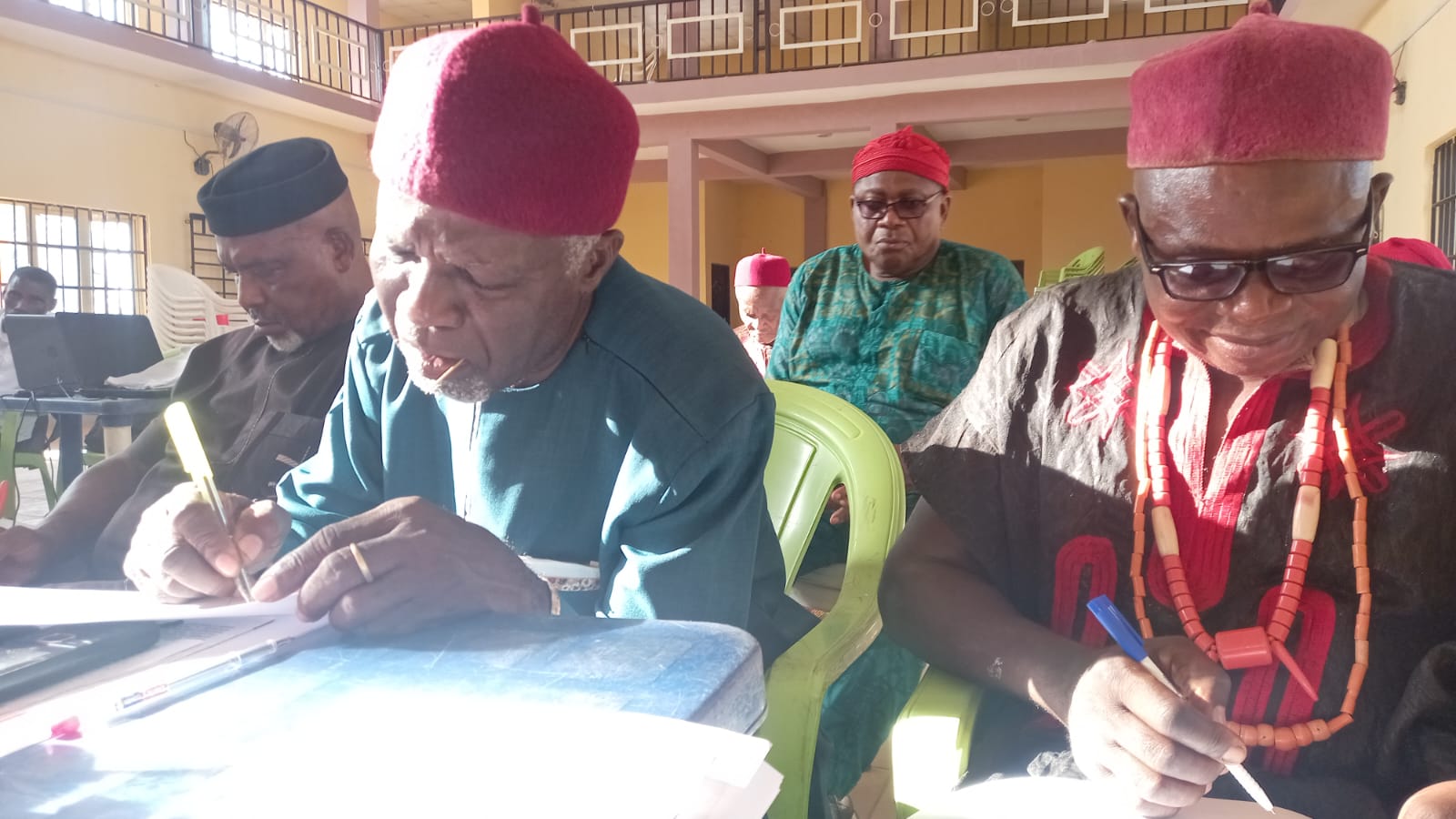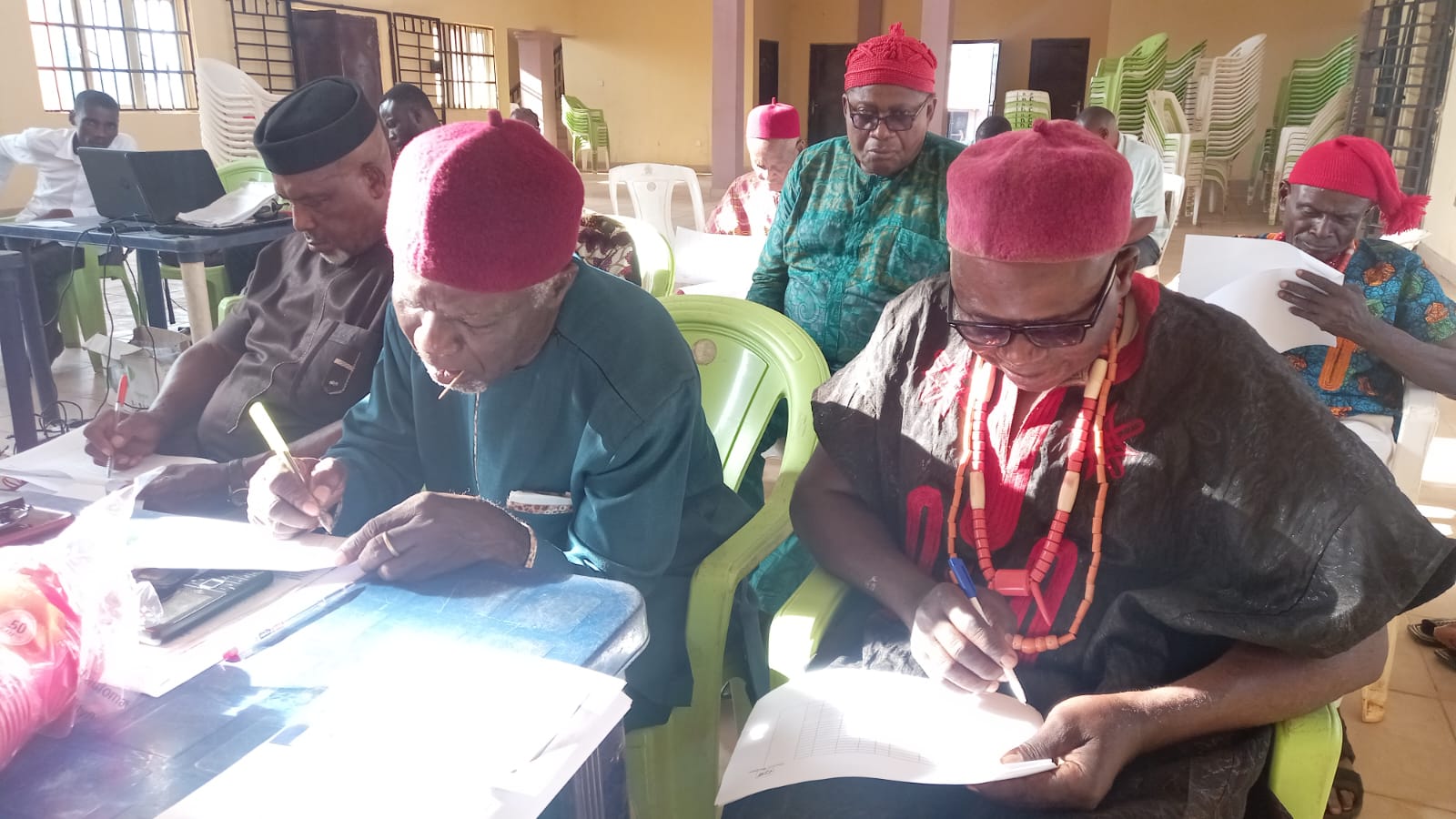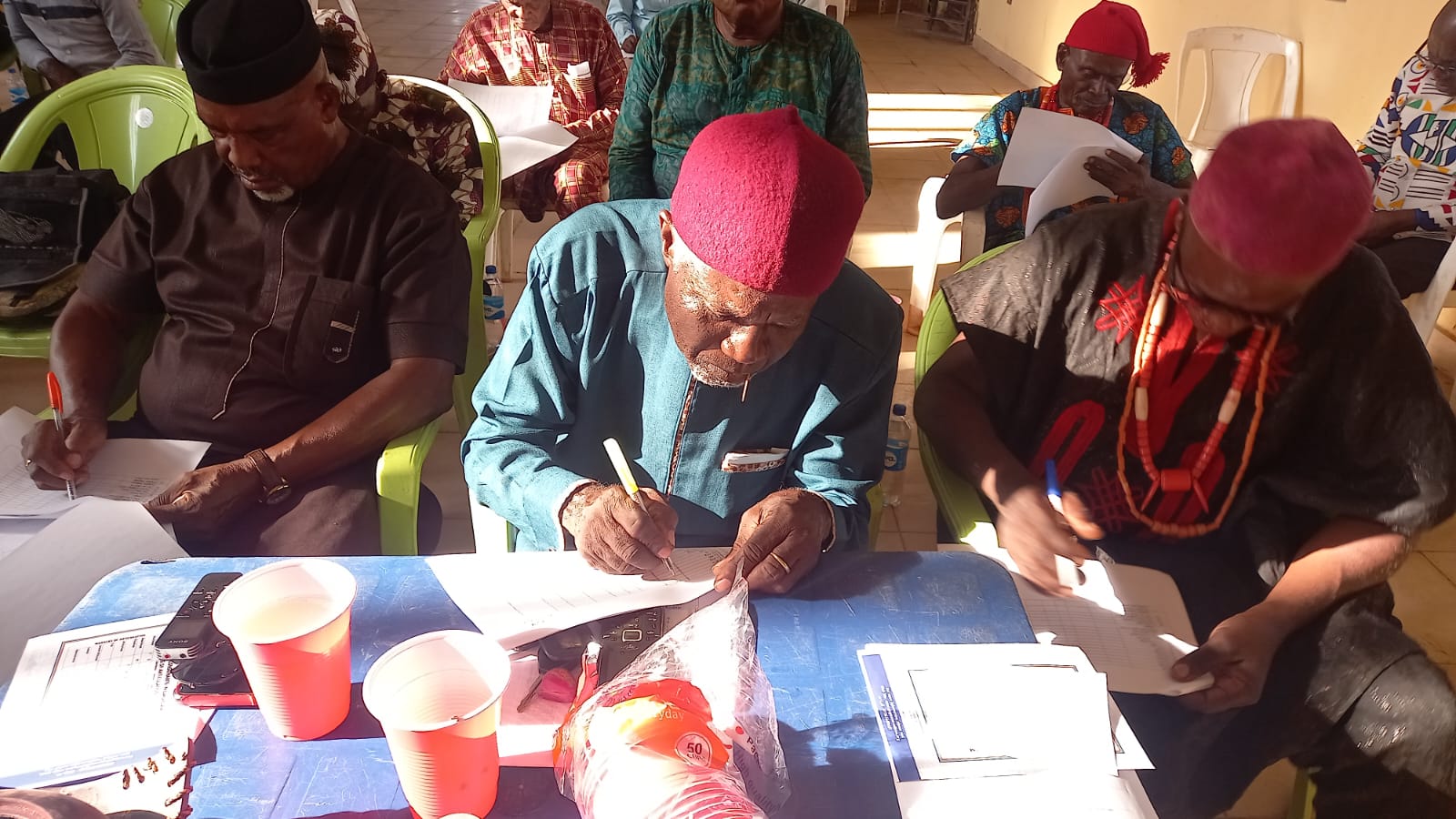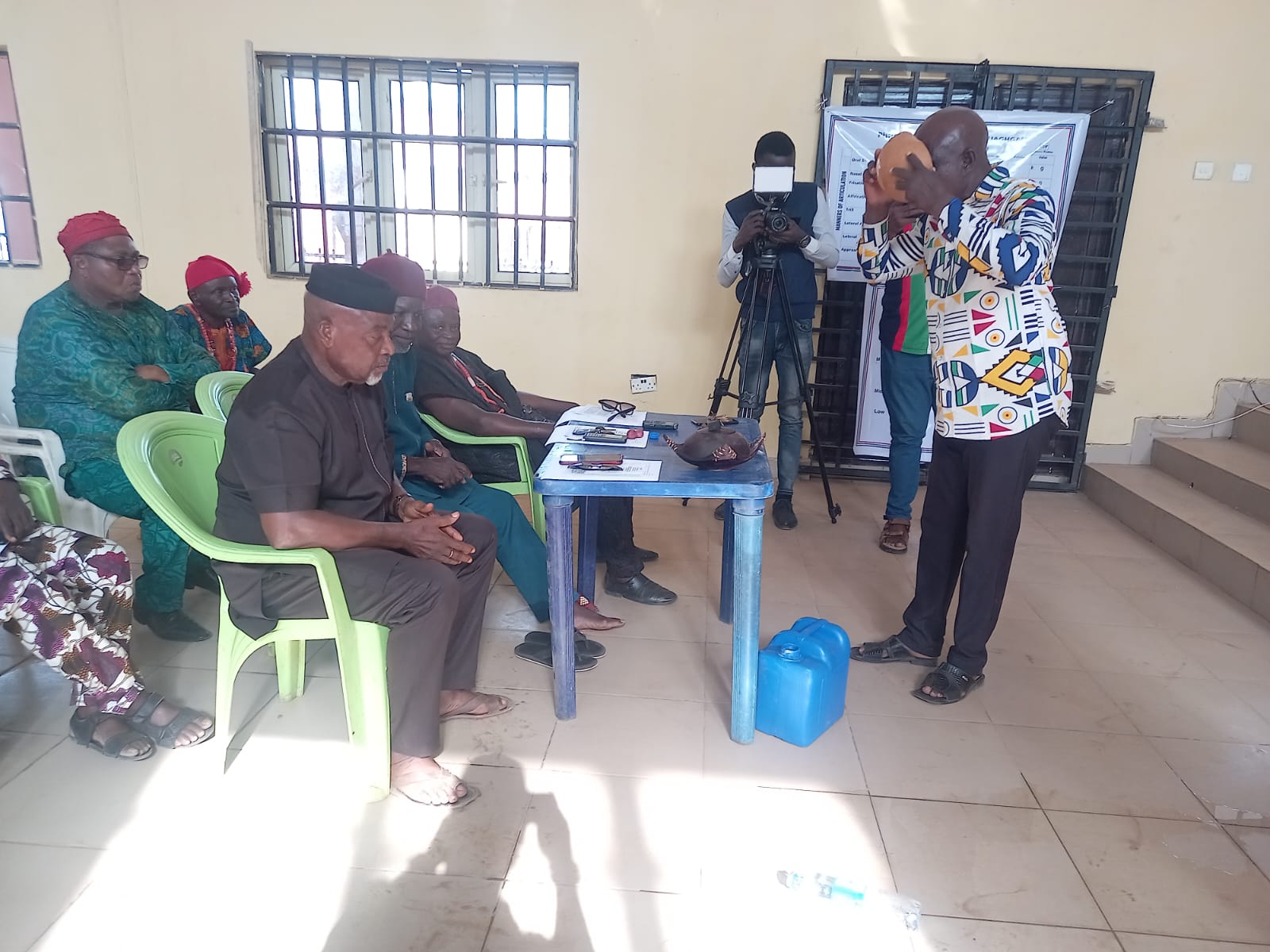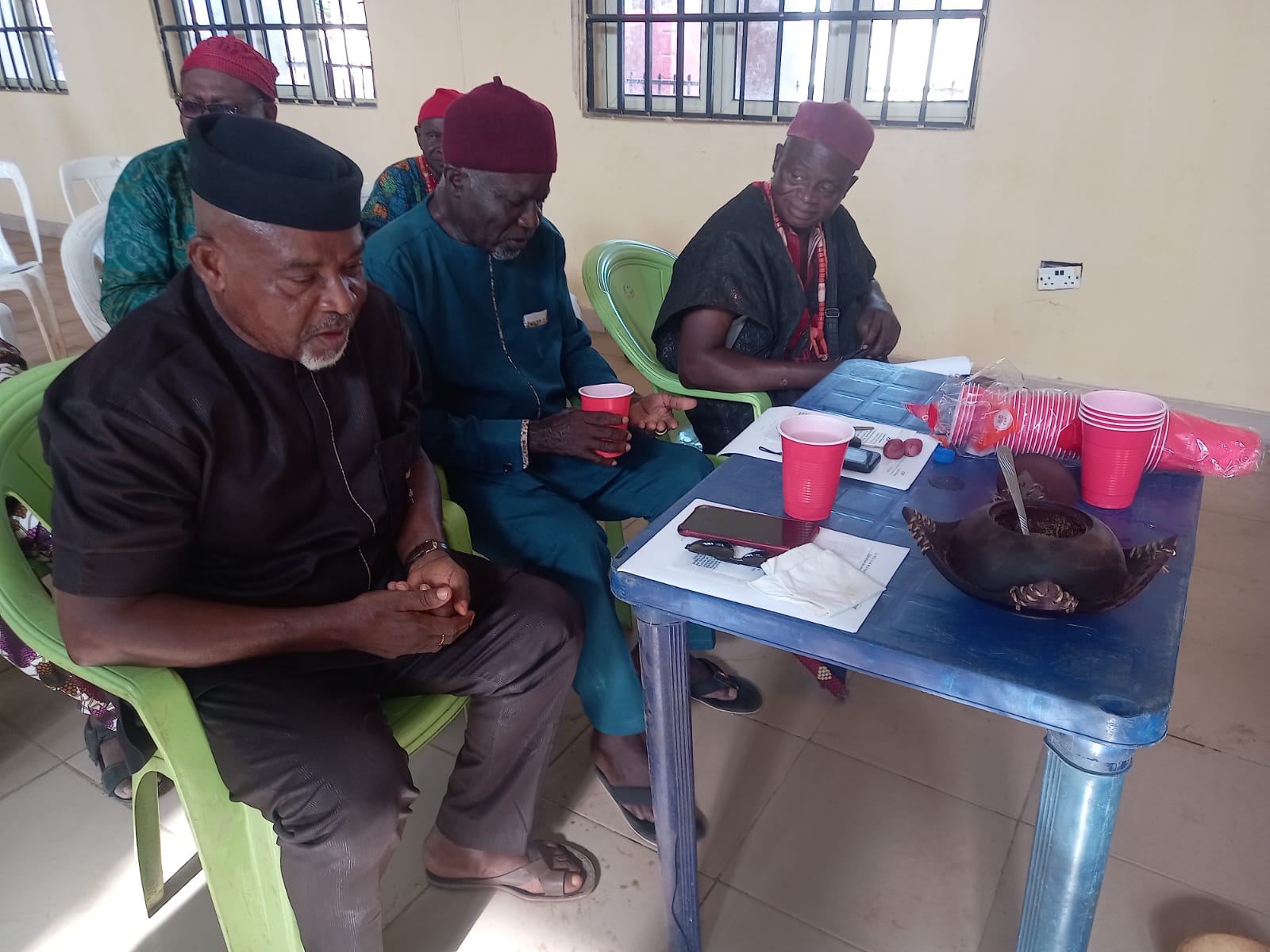

This message is a call to every member of EjT, and to all Ejagham sons and daughters, whether at home in our ancestral land or across the diaspora, to remember one of the most visionary technological undertakings in our history initiated by EjT: the Ejagham Language Translation Instrument (ELTI).
ELTI is more than a project. It is a declaration of identity, a modern expression of Ejaghamness, and a bold step toward ensuring that our language stands secure in the digital future. It embodies the spirit of heritage preservation, the courage of volunteerism, and the determination of a people who refuse to let their voice fade.
This project, conceived in 2020 and advanced quietly over the years through extraordinary volunteerism, has now reached an advanced stage requiring renewed collective support.
This reminder consolidates the journey, the milestones, the individuals, and the spirit that have sustained this project.
Origins: ELTI as an ELCC Deliverable (2020)
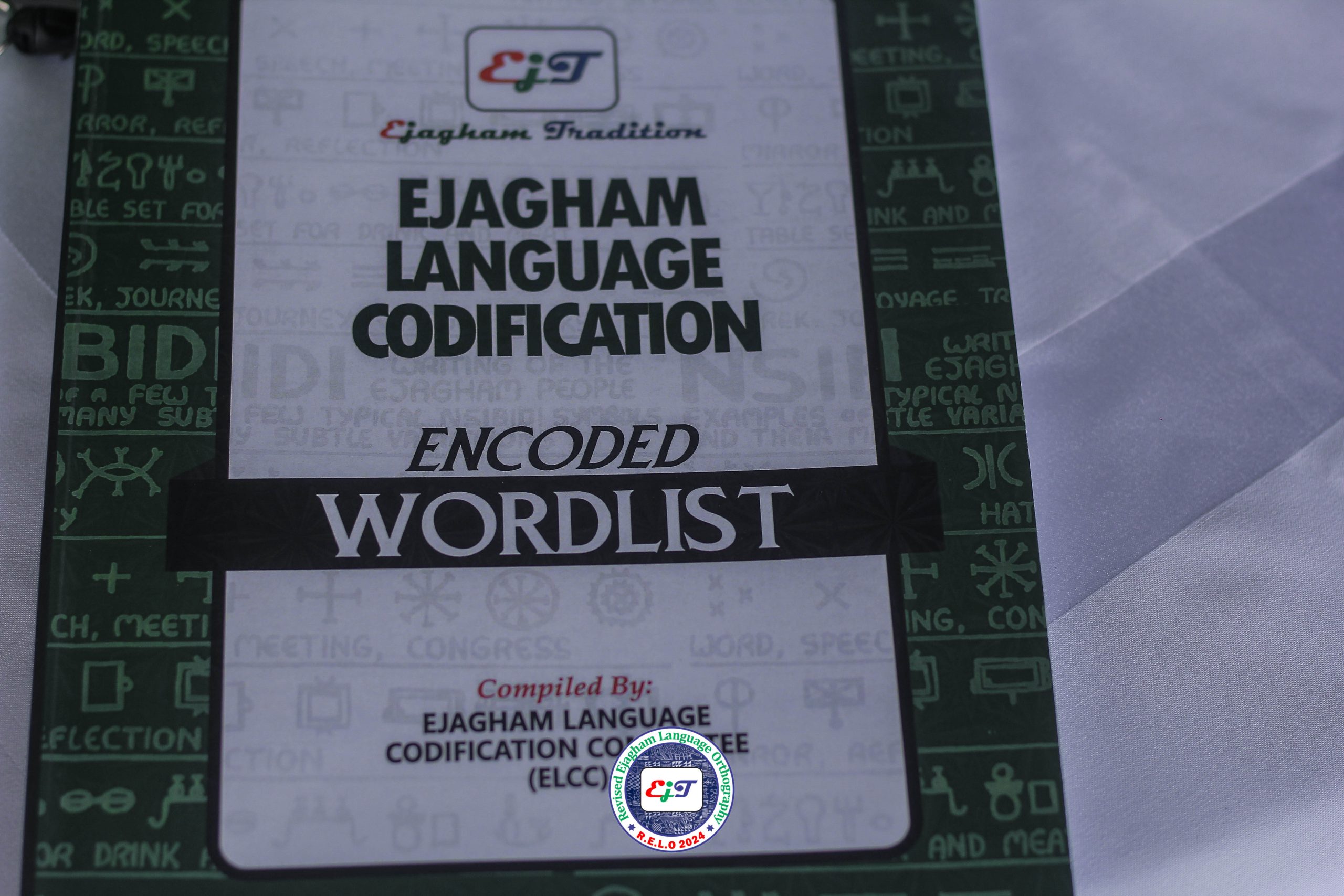
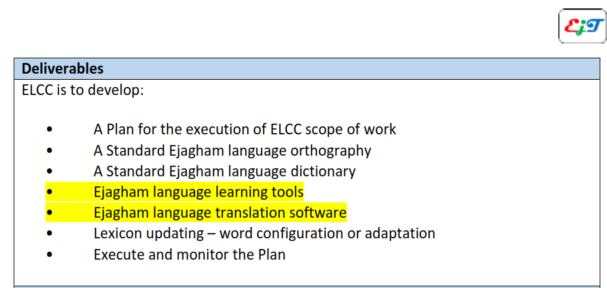
In April 2020, the Ejagham Language Codification Committee (ELCC) was constituted under the leadership of Prof. Stella Ansa (Chairperson) and Fr. Dr. Felix Eja Ojong (Alternate Chair). The ELCC Terms of Reference (ToR) clearly mandated the development of:
“Ejagham language learning tools” and “Ejagham language translation software.”
This ToR established ELTI as a core pillar of Ejagham linguistic revival, not an optional add‑on, but a strategic requirement for the future of Ejagham language.
The First Breakthrough: Dataset Acquisition (2021)
By 2021, the project achieved a significant milestone. Machine learning models require copious volumes of text, and Ejagham had very little written material. Then came a transformative intervention.
The Q1 2021 Report states:
“We have acquired a base dataset of Ejagham texts. The dataset is a collection of the entire bible in Ejagham.”
This dataset was donated by Dr. John R. Watters (PhD Linguistics) and Kathie L. Watters (MA Linguistics), two scholars who lived among Ejagham communities in Nigeria and Cameroon. Their work provided the first large-scale Ejagham text corpus in history.
Their contribution is immortalised in the report:
“History will afford him a place of concourse among the Ejagham people.”
This dataset became the foundation upon which the ELTT model is being built.
A Volunteer Steps Forward: Nta Ekaba Bisong (2021)
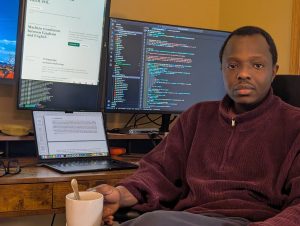
In the same year, Nta Ekaba Bisong—a Machine Learning professional and author of Building Machine Learning and Deep Learning Models on Google Cloud Platform, and proudly from Bendeghe Ekiem—answered EjT’s call for volunteers. He is prominently featured on Celebrating Ejagham Authors (https://www.ejaghamtradition.org/mr-ekaba-bisong/), a testament to his scholarly contribution and commitment to heritage advancement. His decision to volunteer his expertise mirrored the earlier example set by Prof. Stella Ansa, who had offered her professional leadership to guide the Ejagham Language Codification initiative. Together, their actions embody the spirit of selfless service that continues to propel Ejagham’s linguistic renaissance.
The Q1 2021 Report affirms:
“Nta Ekaba Bisong leads the efforts of his volunteer team, some of whom are non‑Ejagham, on the development of Ejagham language‑translation tool.”
This marked the beginning of Ejagham’s entry into the world of neural machine translation, a technological leap unprecedented in our history.
EjT END OF YEAR Report 2021.cdr
Model Building and Technical Progress (2021–2022)
With the dataset secured, the team began the complex work of model development. The Q4 2020 Report explains:
“We are… iterating on the dataset to finalize the tidy format before promotion into the training algorithm.”
This phase required:
- text cleaning
- English–Ejagham alignment
- dictionary mapping
- neural model training
- GPU compute resources
The project faced financial constraints, prompting an appeal:
“We anticipate that we will need a starting budget of about US $10,000… Whatever you can do would go a long way.”
It is important to state, with clarity, that no financial support was provided by Ejagham people for this project. Despite the absence of direct funding, the initiative did not falter. Instead, it advanced through the unwavering dedication of volunteers and intermittent assistance from the Google Developer Expert program. This reality underscores both the resilience of the project team and the profound impact of individual commitment in safeguarding Ejagham heritage.
A Major Milestone: Academic Paper Completed (2024)
For a period, public updates slowed. Even dedicated EjT followers began to forget the project. Yet behind the scenes, Nta Ekaba and his team continued refining the model. However, the Q4 2024 Report delivered a landmark achievement. According to Nta Ekaba Bisong:
“An academic paper on ‘Ejagham‑English Neural Machine Translation Model: …’ is ready to be published.”
This marks the first time Ejagham language appears in a formal machine-learning research publication. It is a historic moment for Ejagham scholarship and digital heritage.
You may be wondering how this initiative evolved into an academic project. Developing a machine‑learning translation system on the side is possible, but the challenges are substantial. To manage these, Nta Ekaba Bisong made a deliberate choice: if he was going to build a full language‑translation model, it should serve his own heritage — Ejagham. As the Ejagham proverb says, “ngun otar, obugha imah” — this is analogous to the prover, charity begins at home.
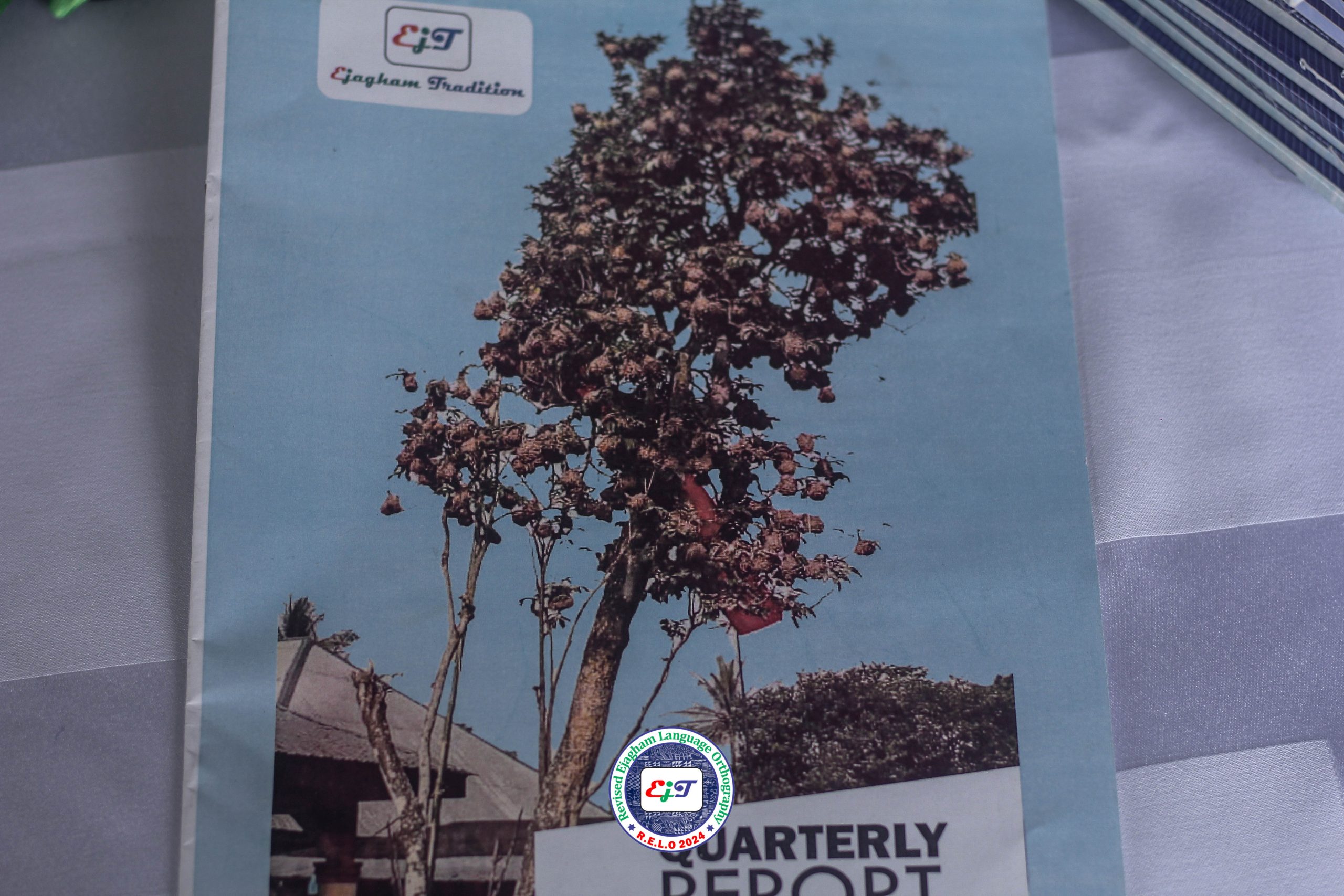
EjT Quarterly Report October – December 2024.cdr
Guided by this principle, he formally adopted the Ejagham–English and English–Ejagham machine‑learning translation project as his academic research, ensuring the structure, rigor, and continuity needed to advance this category of work.
Additional Volunteer Support: Rev. Ayamba Nkiri (2024)
Another volunteer stepped forward to support the human-interface component of the ELTI:
“Rev. Ayamba Nkiri has accepted to support Nta Ekaba Bisong for the human interphase part of the ELTT development.”
It is evident that the human‑interface phase did not progress at the time because Nta Ekaba Bisong was fully engaged in advancing the core translation module itself, a stage of development that demanded uninterrupted technical focus. Nevertheless, Rev. Ayamba Nkiri’s willingness to volunteer at that critical moment underscores a fundamental truth about our collective journey: Ejagham heritage moves forward only when Ejagham people step forward with their expertise, their time, and their commitment.
Today: A Renewed Call to Action (2026)
In 2026, the ELTI stands at a critical juncture:
- The dataset is robust.
- The model is advanced.
- The academic paper is ready.
- The technical foundation is complete.
What remains is community participation. This involves Ejagham native speakers validating translations, contributing idioms, refining meanings, and ensuring that the machine learns Ejagham as Ejagham people speak it.
This is the moment for collective action.
A Message to All Ejagham People
The ELTI is not merely a technological project. It is a cultural resurrection. It is the bridge between our ancestors and our unborn generations. It is the digital future of Ejagham identity.
EjT therefore calls on:
- Ejagham linguists
- Ejagham native speakers
- Ejagham students
- Ejagham professionals
- Ejagham elders
- Ejagham diaspora communities
to respond to this renewed call for participation.
As stated in the Q4 2024 Report:
“There is nothing we cannot achieve for Ejagham if we work selflessly together.”
Watch this space – Details of participation loading …..
Ekup na nkad.

Ntufam Engr. Chris Anom CEng, CMarEng, FIMarEST, FRINA
President, EjT