
Historical Roots of the Division of Ejagham People in Nigeria and Cameroon: A Cautionary Reflection
To understand the forces shaping Ejagham behaviour, identity, and collective action today, we must look beyond current events. The divisions we face, whether in cultural initiatives, community projects, or cross‑border collaboration, did not arise overnight. They are the long shadows of a colonial strategy that reshaped how Ejagham people saw themselves and one another.
Before colonial intrusion, the Ejagham nation functioned as a culturally cohesive whole. Our people shared a common language, kinship networks, vibrant customs, and spiritual traditions that flowed naturally across what would later become international borders. Movement was fluid, families intermarried, clans interacted freely, and cultural exchange was effortless. The idea of “Ejagham Nigeria” or “Ejagham Cameroon” would have been unimaginable to our ancestors.
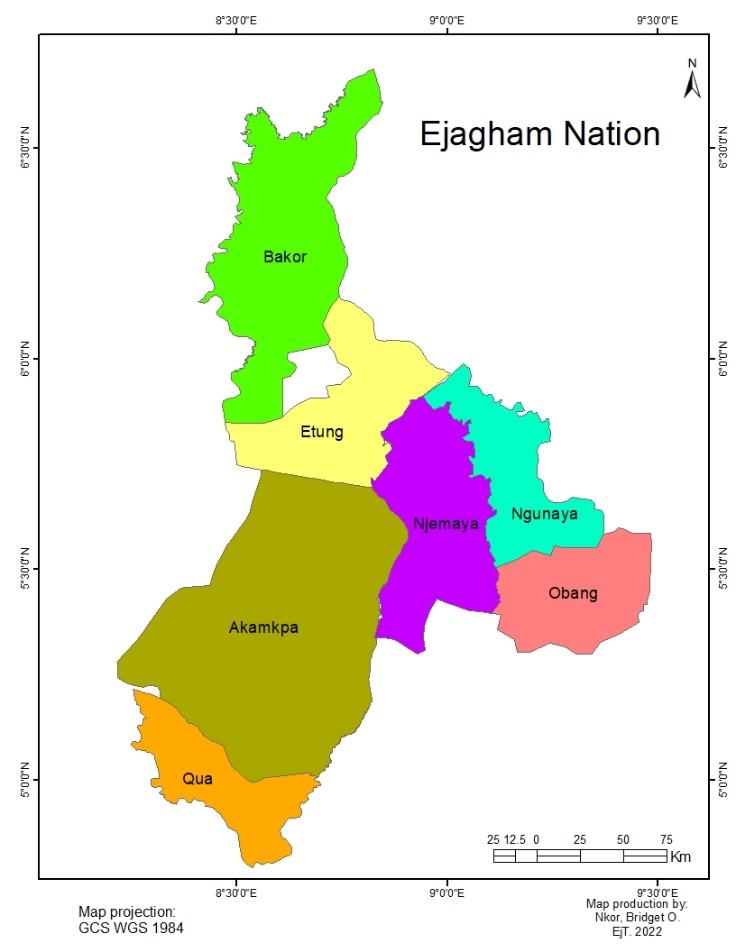
This harmony was disrupted by European colonialism. In pursuit of administrative convenience, colonial authorities imposed rigid boundaries that ignored the region’s cultural and linguistic realities. The Ejagham homeland was split between British rule (later Nigeria) and German, then French and British administration (later Cameroon). This division was not merely geographic, it was ideological, administrative, and psychological.
Over time, these imposed borders created distinct colonial experiences. Education systems diverged, administrative structures evolved differently, and languages of governance, English on one side, German and later French and English on the other, added new layers of identity. A once‑unified cultural space slowly became reshaped by competing colonial influences.
These differences soon shaped everyday life, altering how Ejagham people understood authority, engaged with institutions, and perceived one another across the border. The colonial project, intentional or not, planted a quiet but enduring sense of “us” and “them” among Ejagham people who had once been one. Even after independence, this divide persisted, reinforced by national policies, political realities, and the practical difficulties of cross‑border interaction.
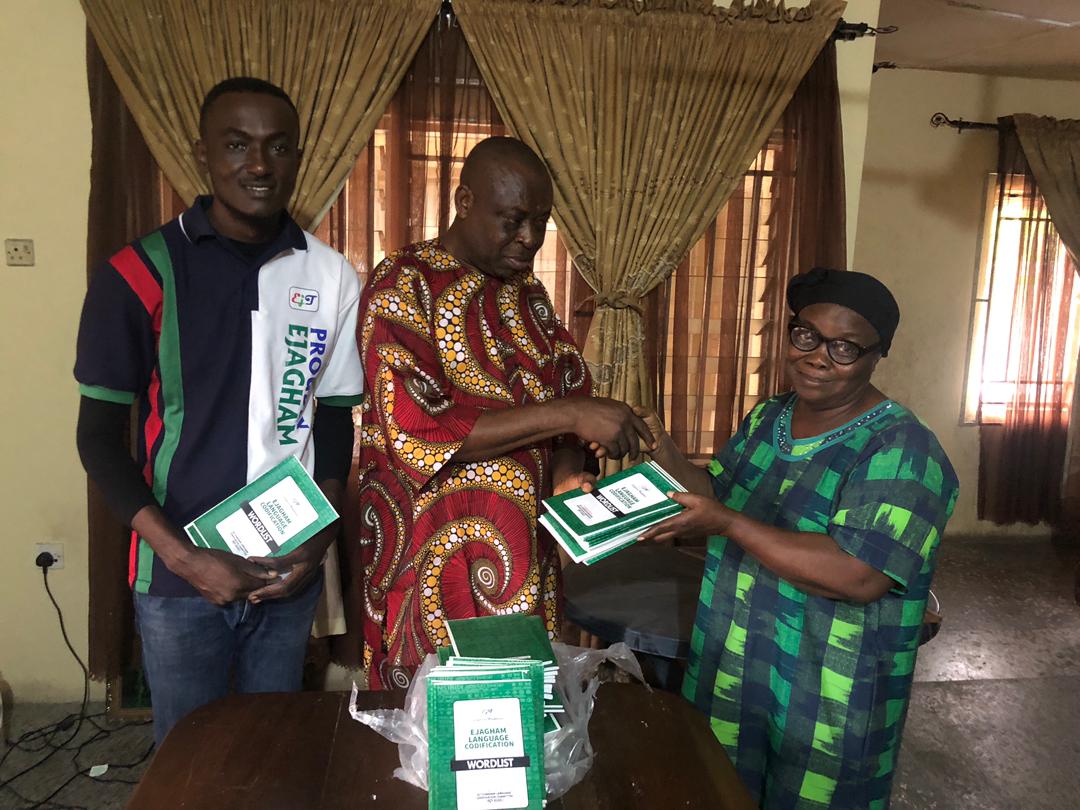
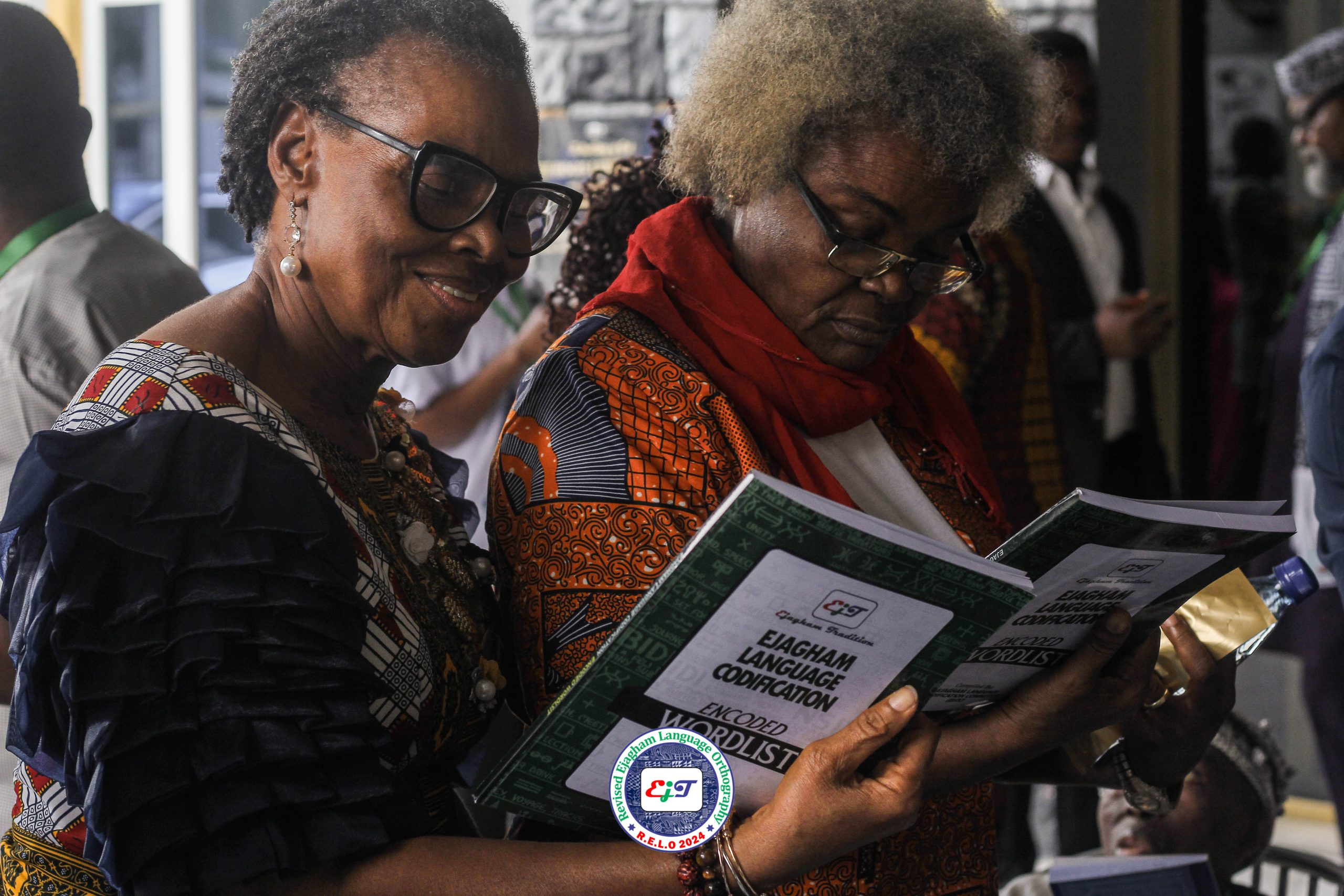
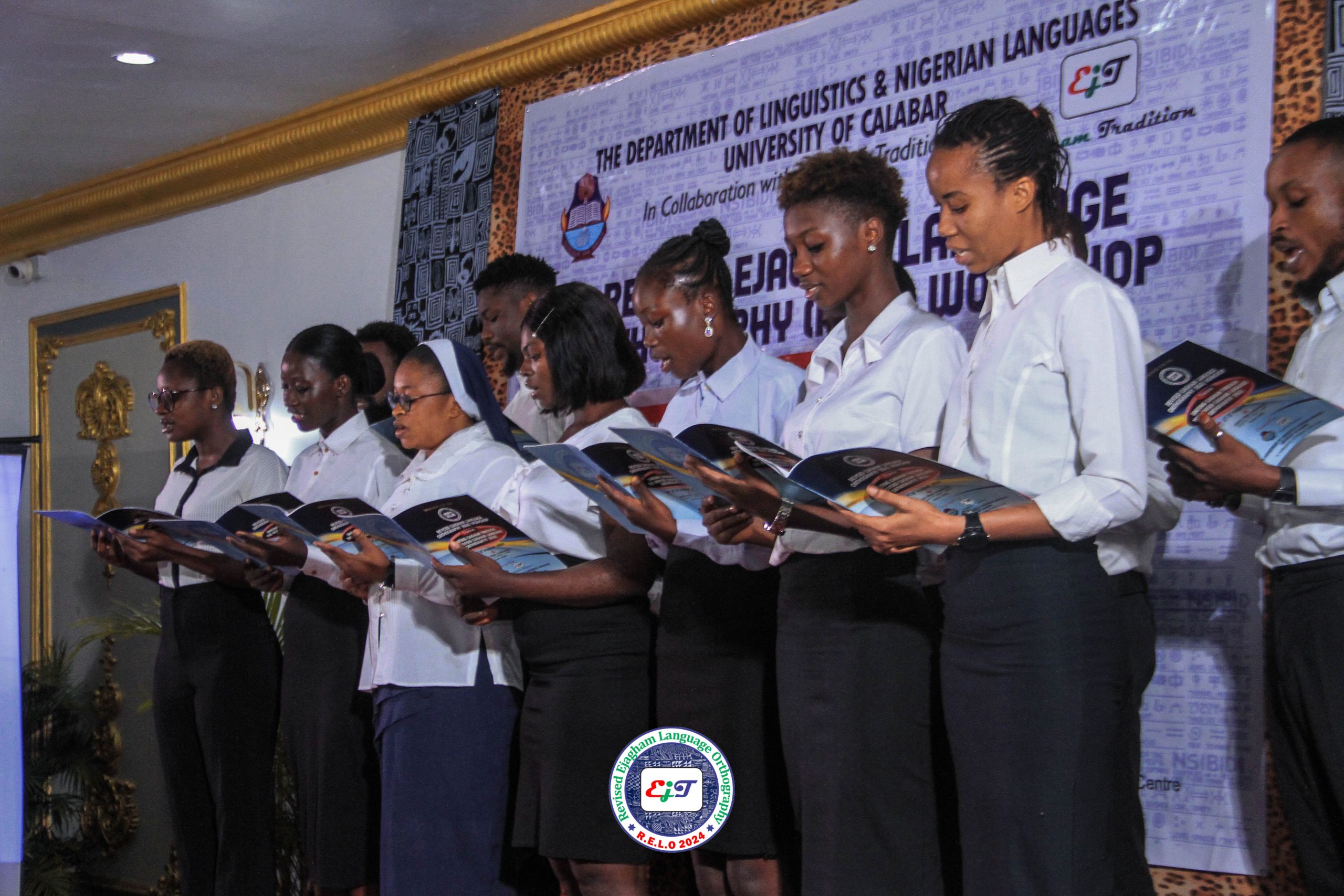
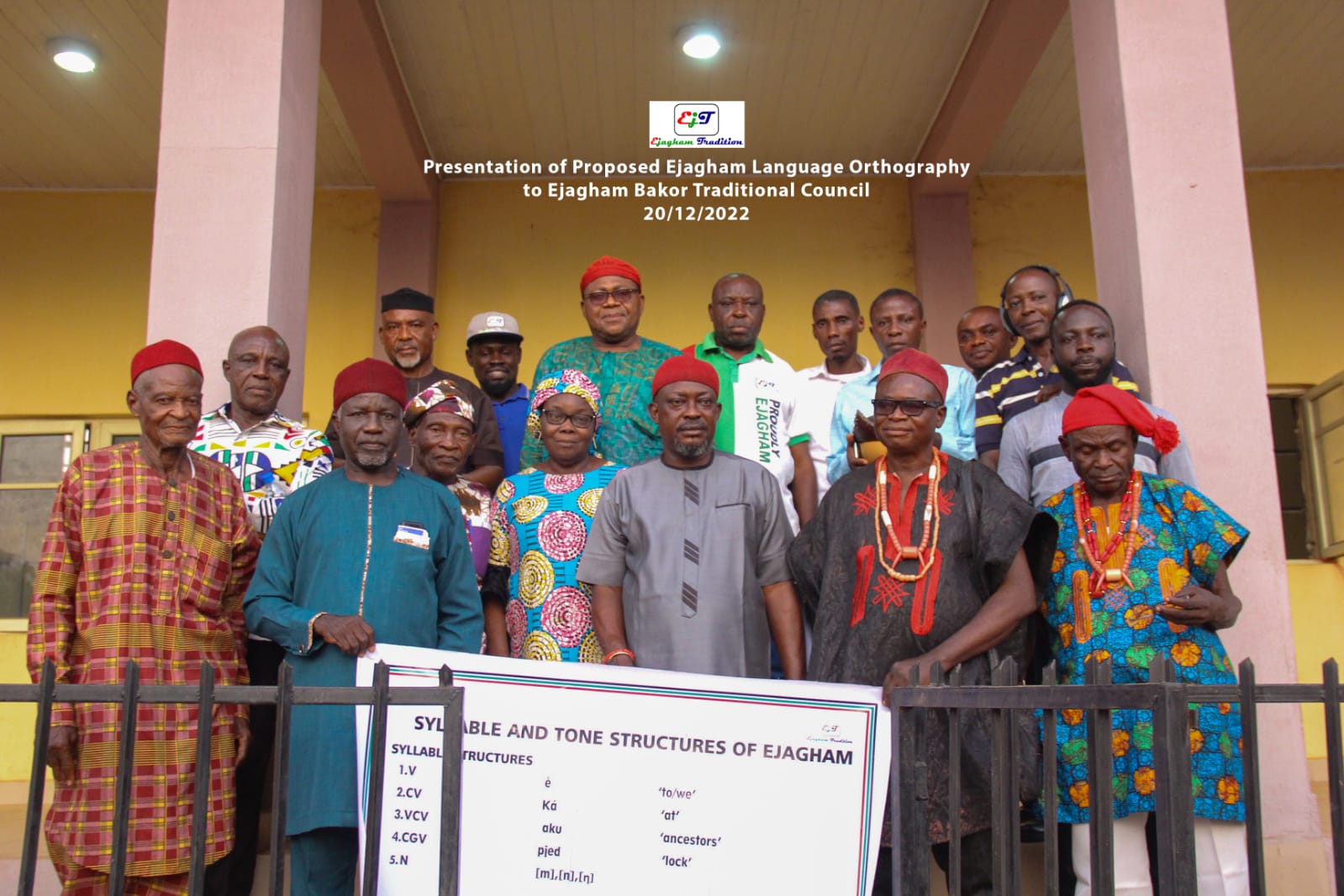
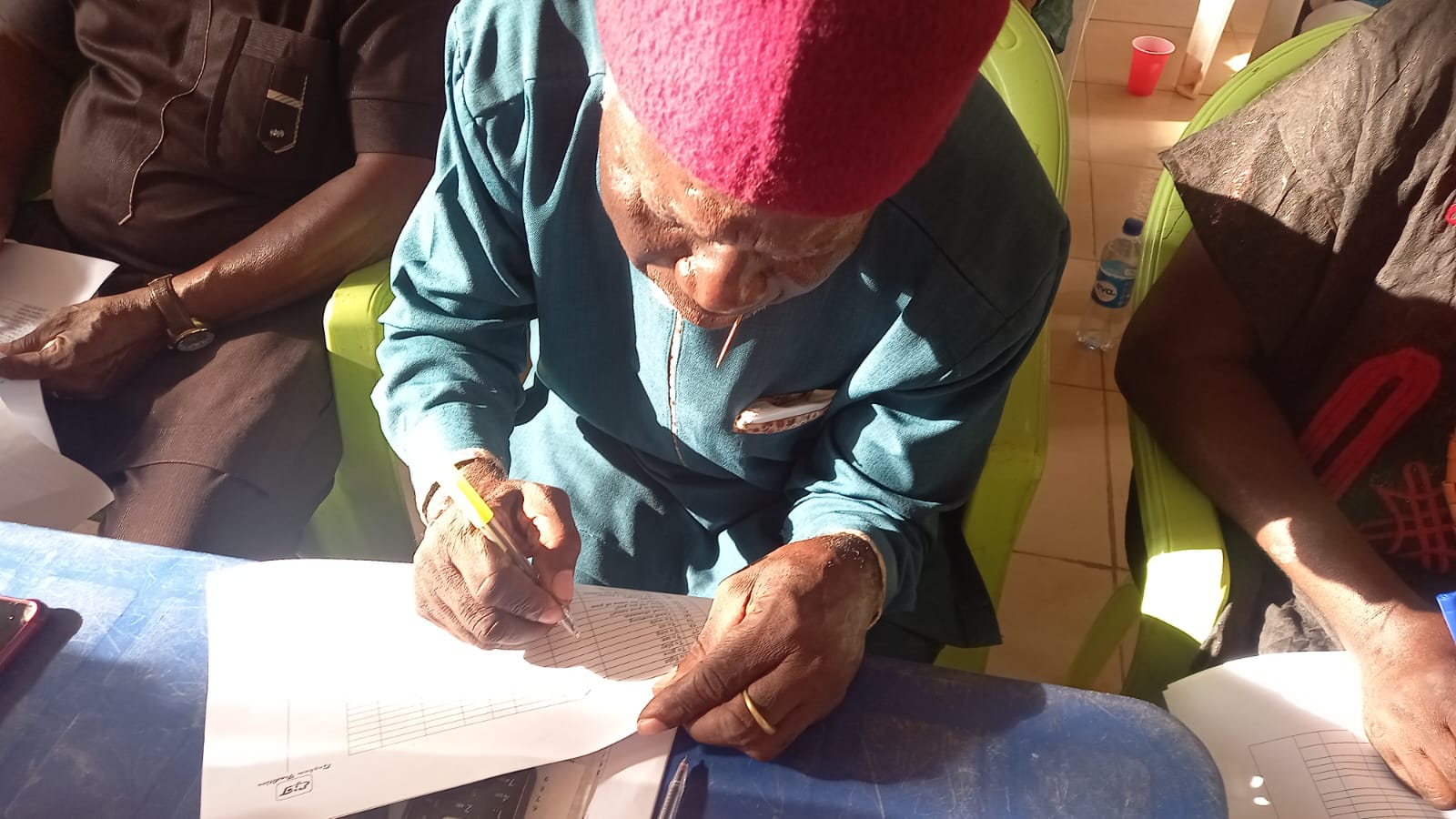
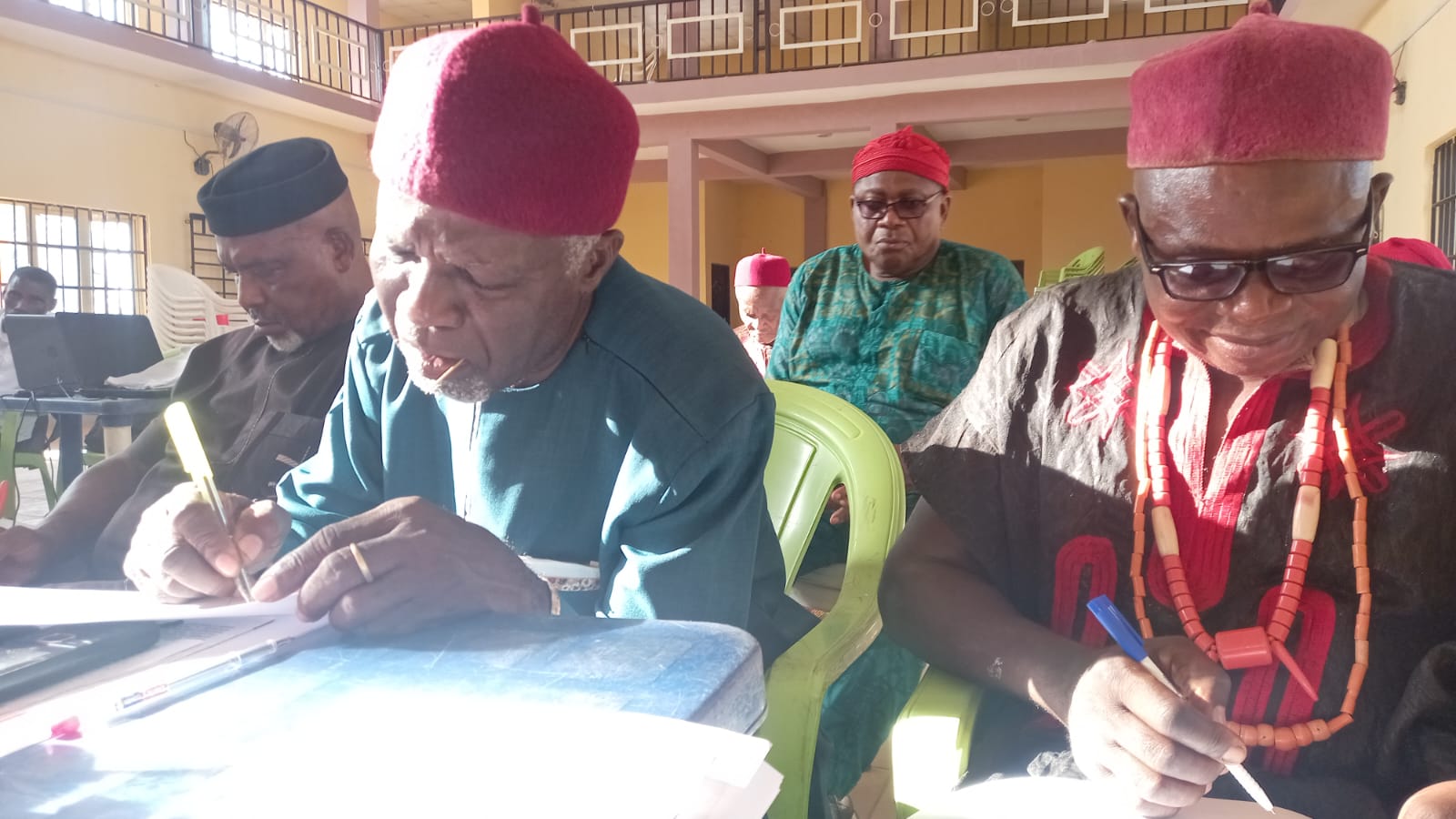
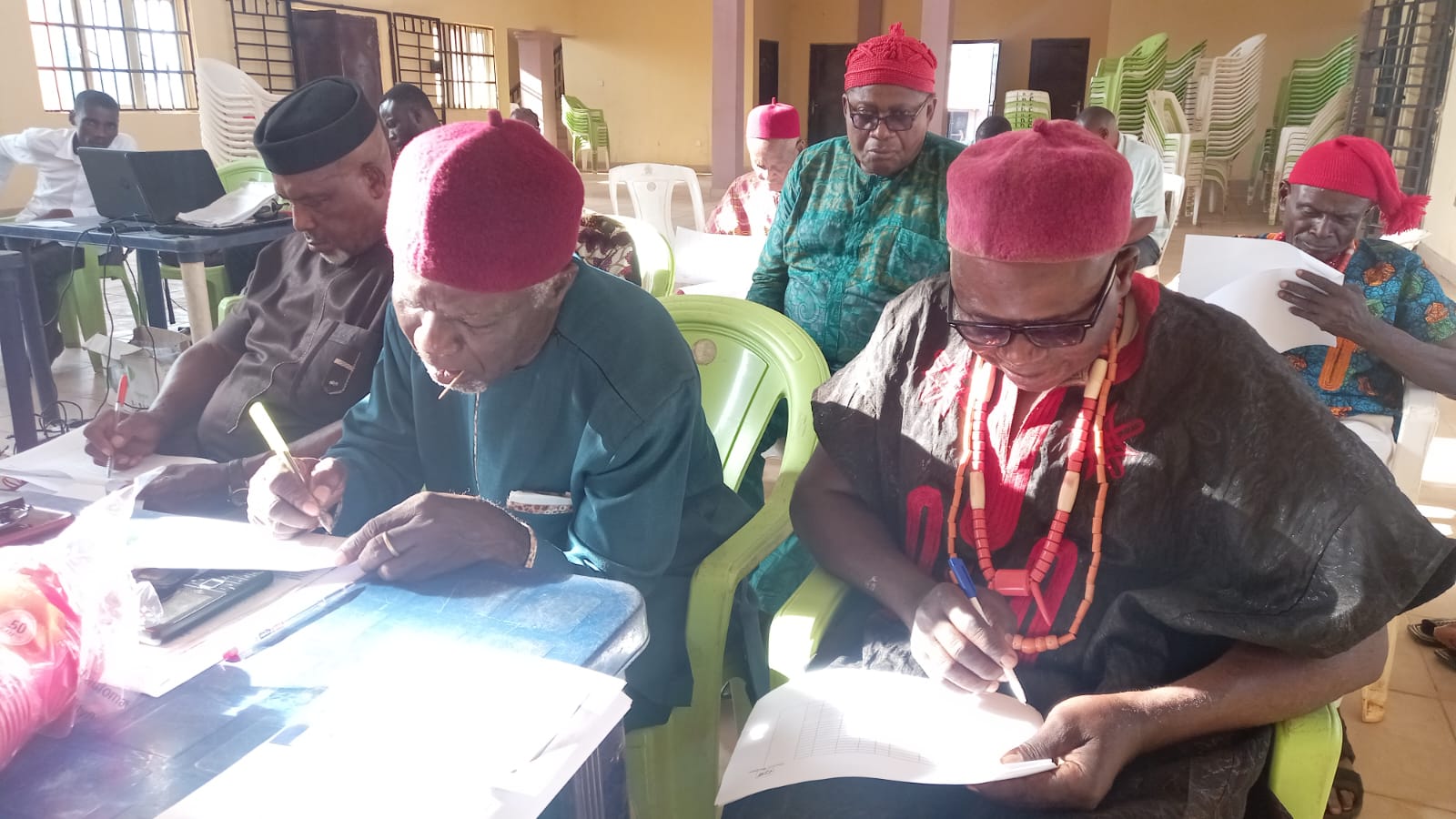
Today, the Ejagham remain culturally connected but administratively divided. Our shared heritage still binds us, yet colonial‑era boundaries have left traces of mistrust, competition, and differing expectations. These fractures quietly but powerfully shape collaboration, influence perceptions of leadership, and affect how initiatives like the Ejagham Language Codification and Curriculum Development project are received.
Understanding this history is not optional; it is essential. It reveals that the challenges we face today are not merely the product of personality differences or contemporary disagreements. They are rooted in a colonial structure designed to divide, categorise, and control. Recognising this truth allows us to approach present-day obstacles with clarity, empathy, and caution.
Most importantly, it reminds us that healing requires more than administrative fixes. It calls for a deliberate effort to rebuild unity across boundaries that were never meant to divide us. As Ejagham people, we must stay vigilant, aware of how colonial influence still shapes our interactions and committed to reclaiming the unity our ancestors lived, practiced, and passed down.
Ekup na nkad.
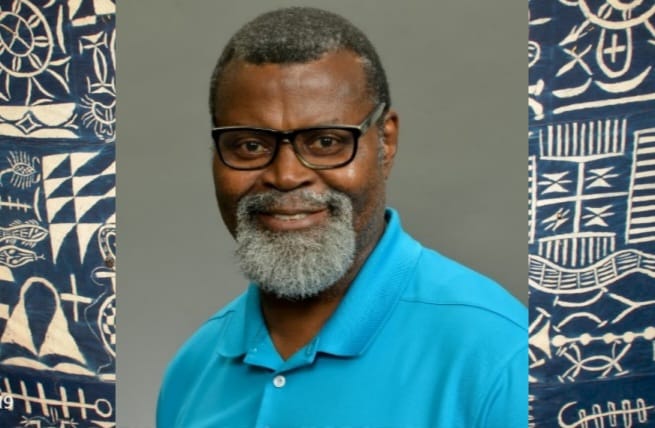
Ntufam Engr. Chris Anom CEng, CMarEng, FIMarEST, FRINA
President, EjT