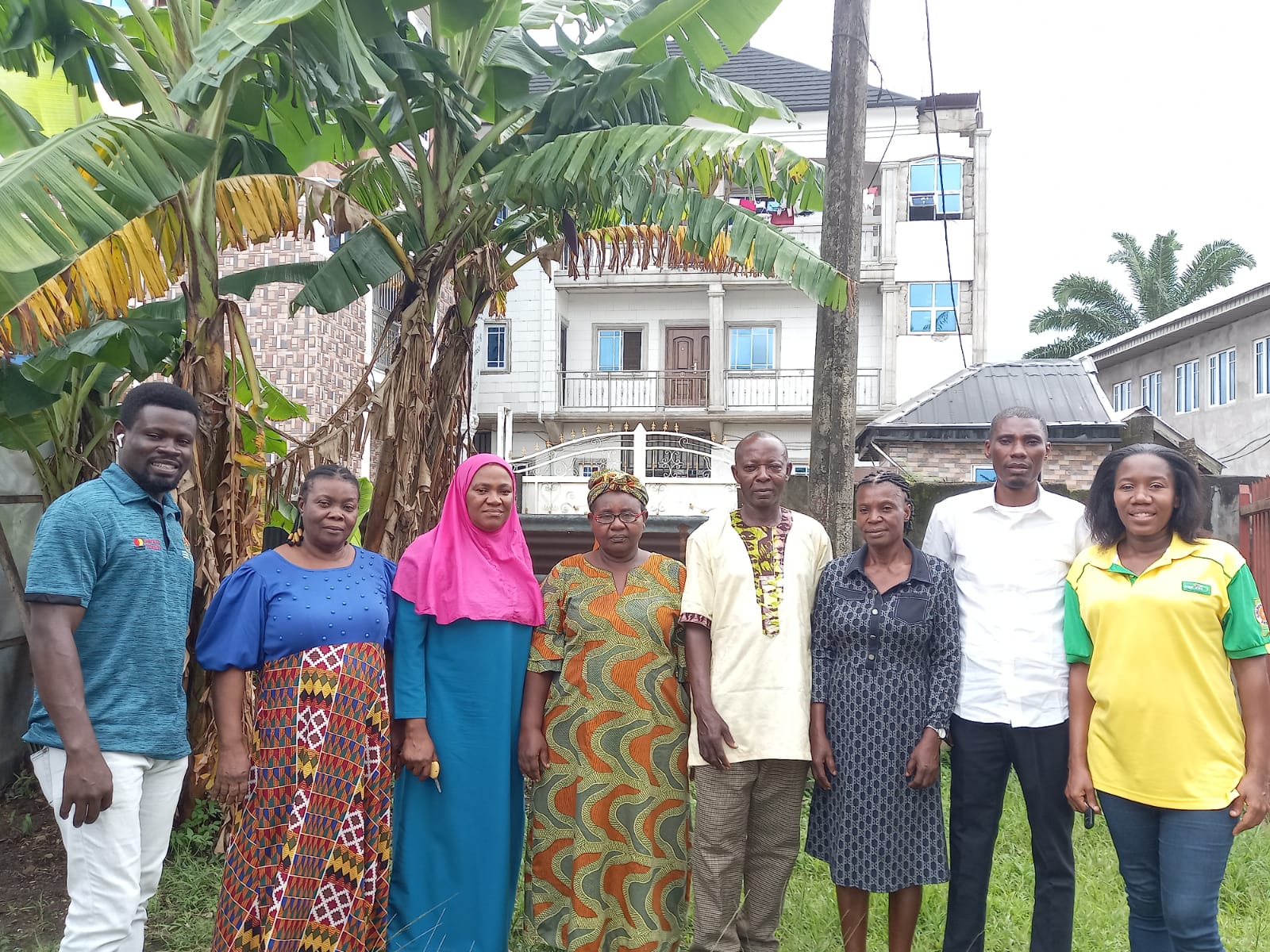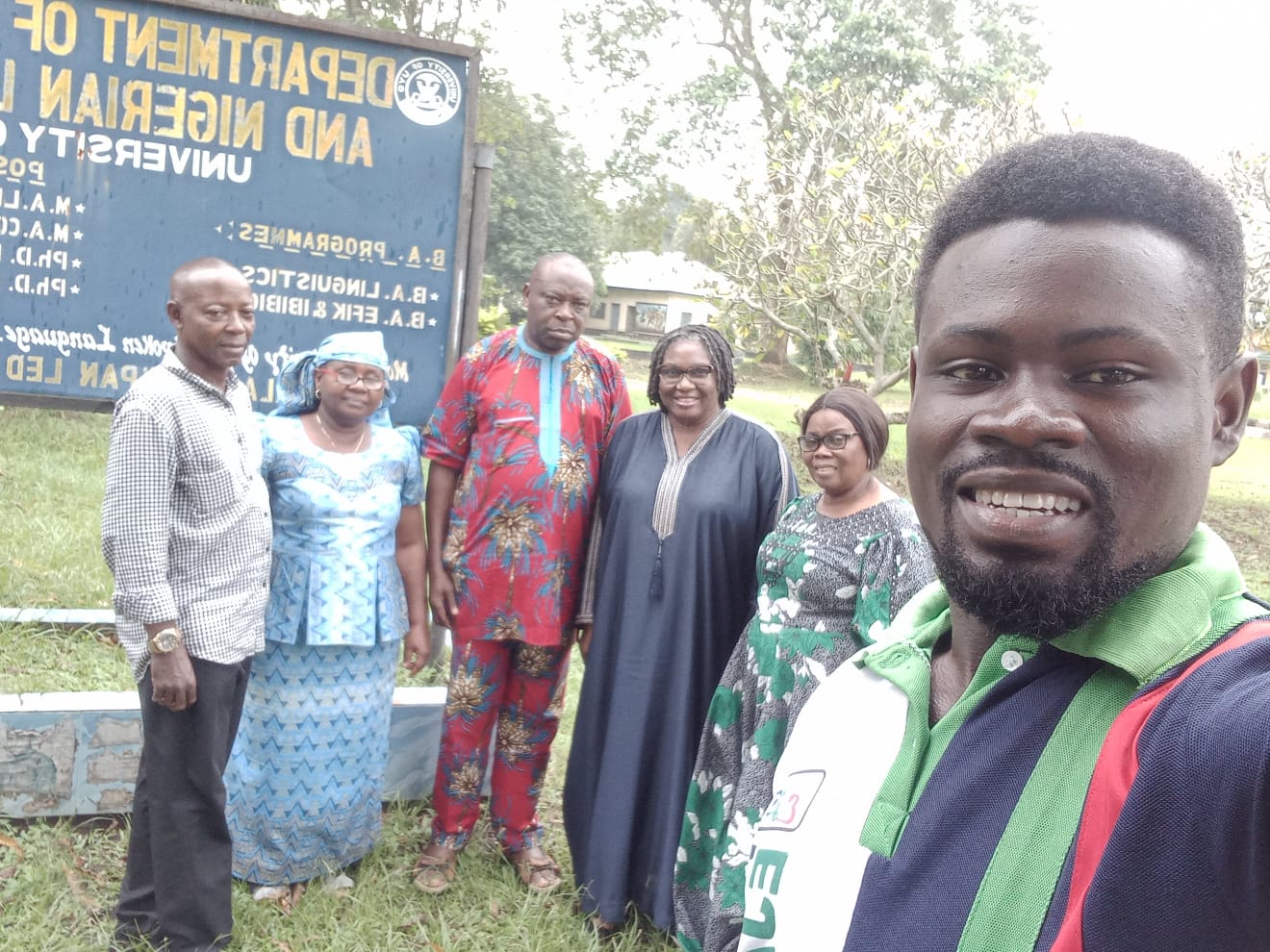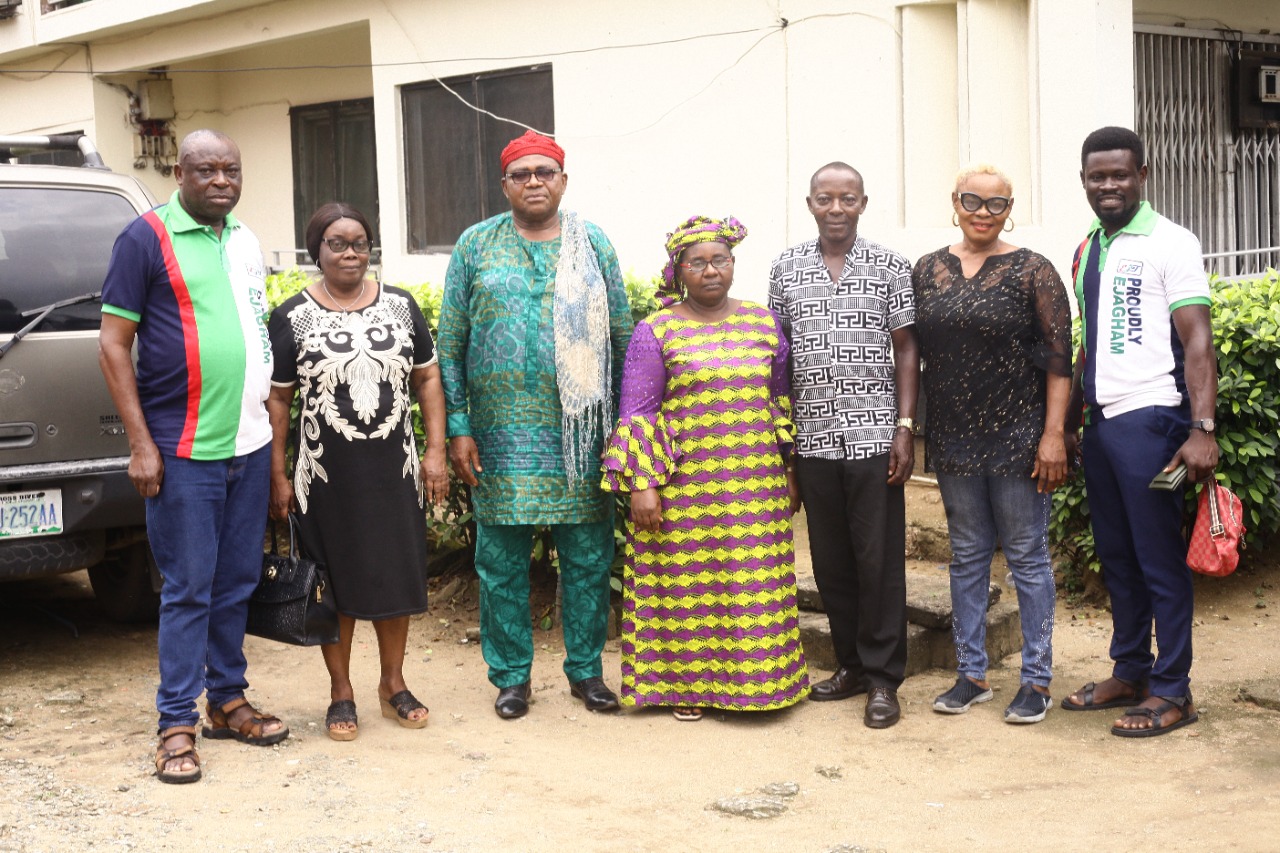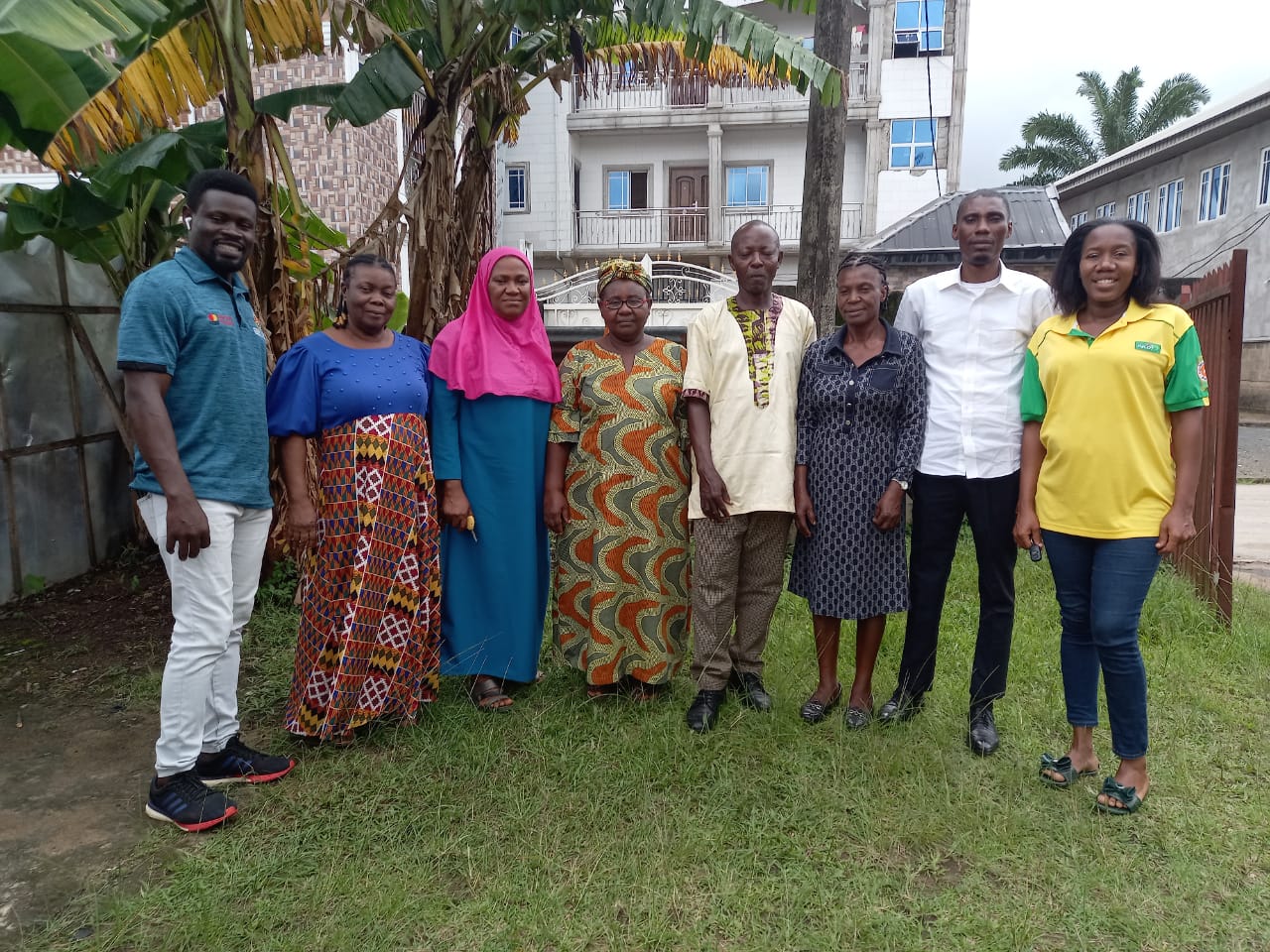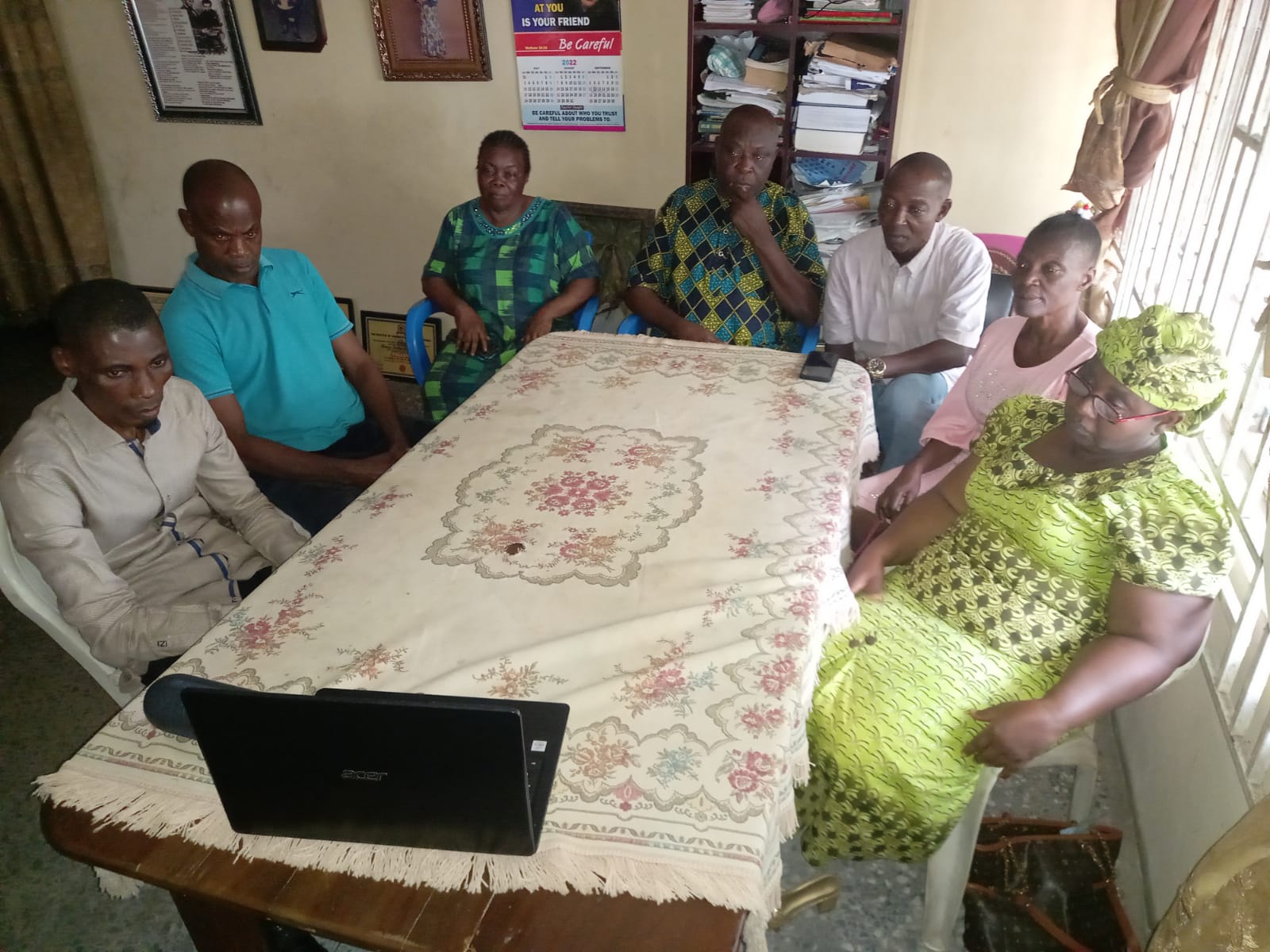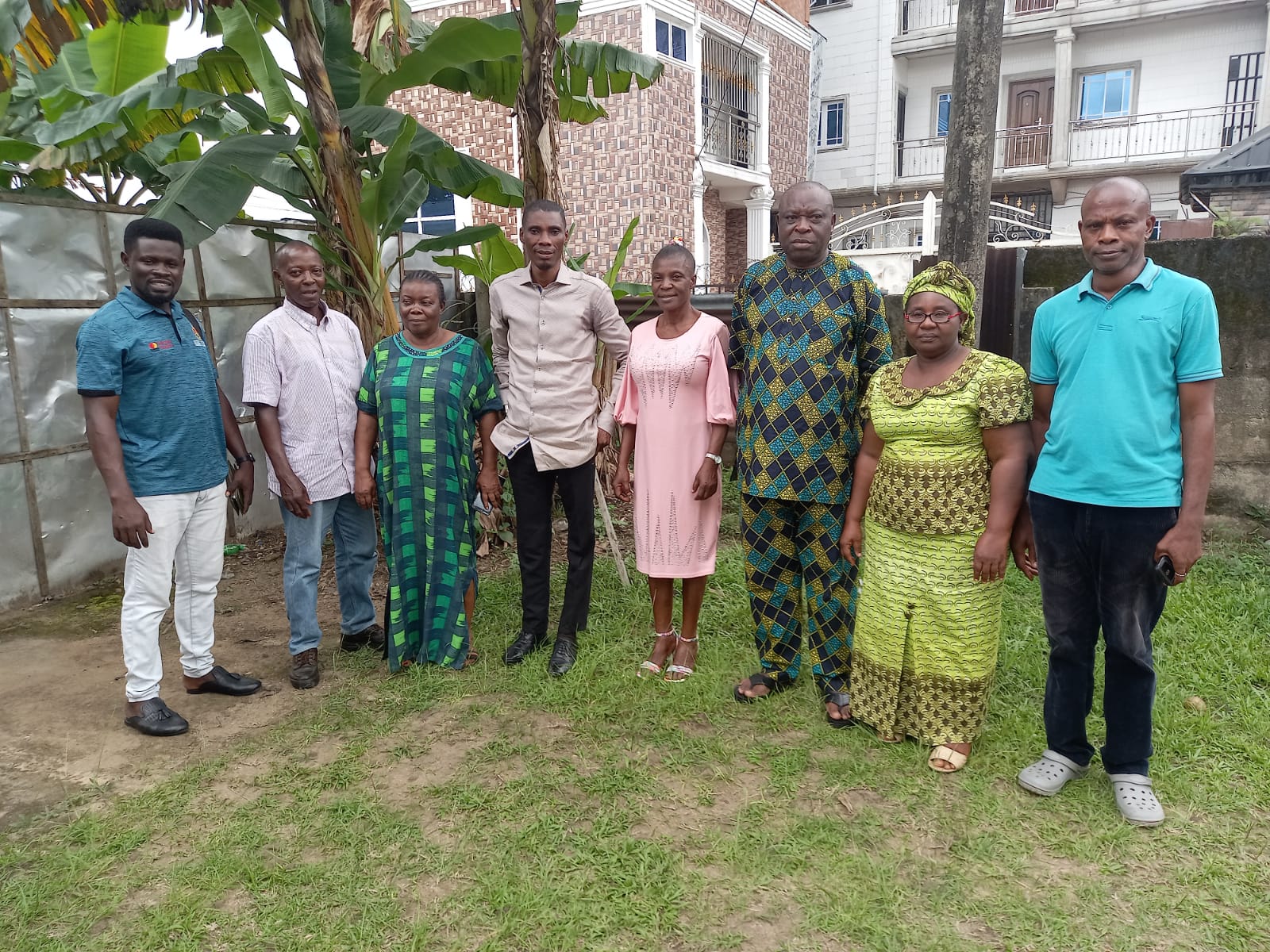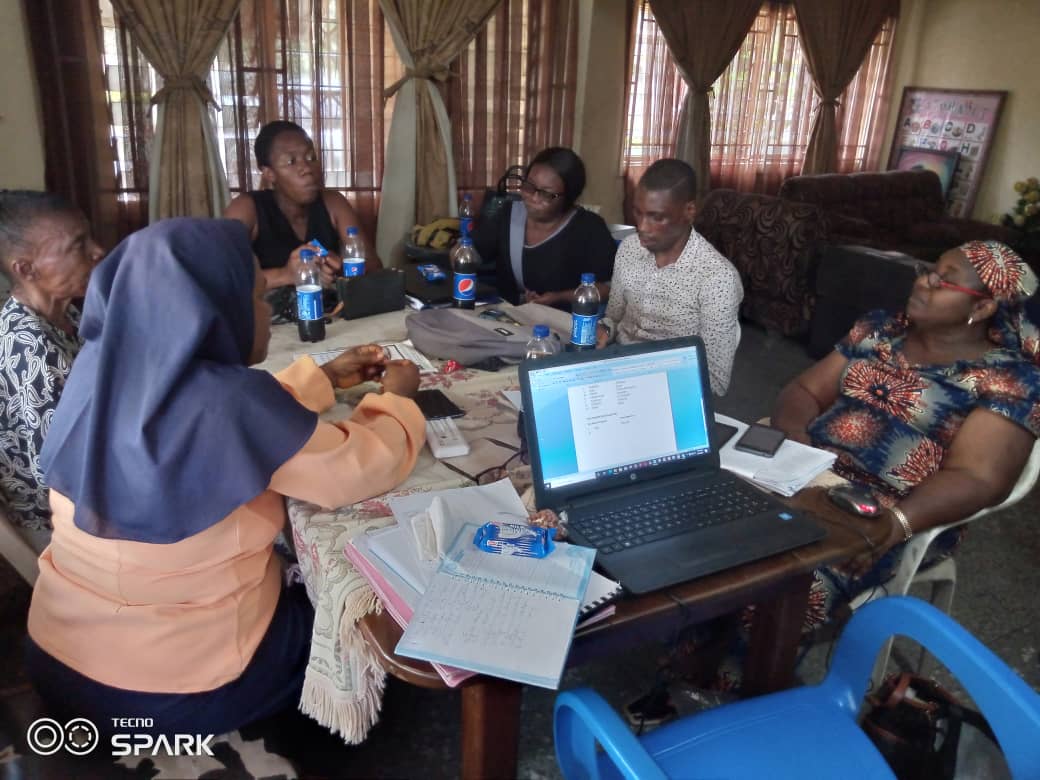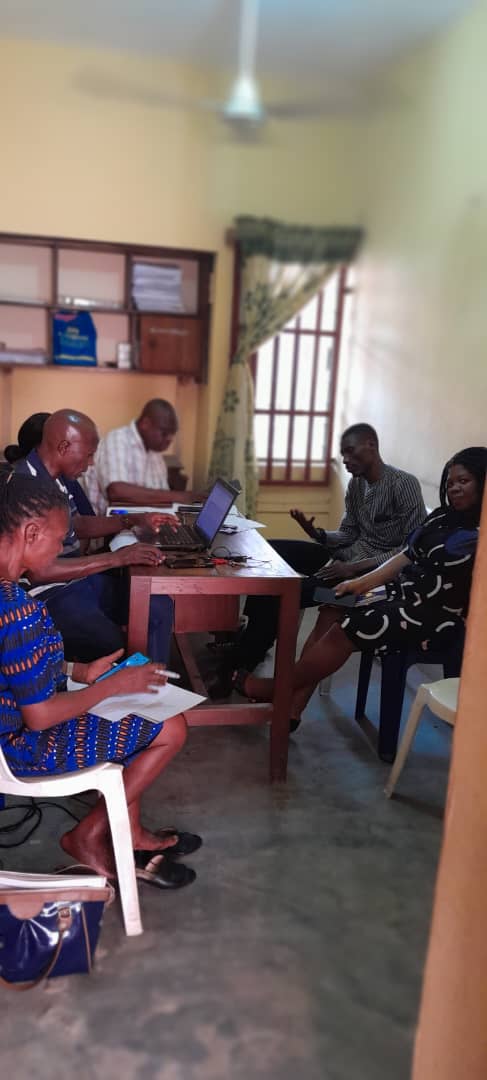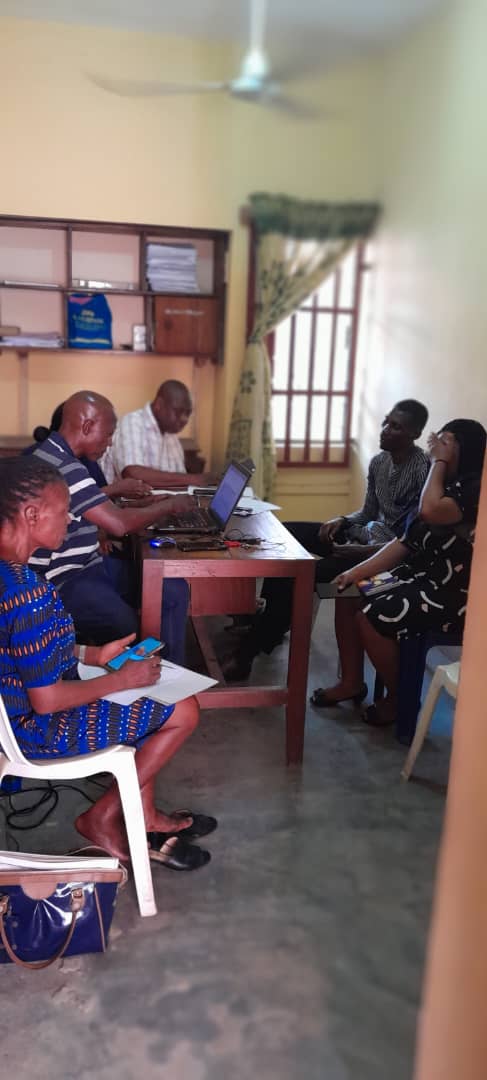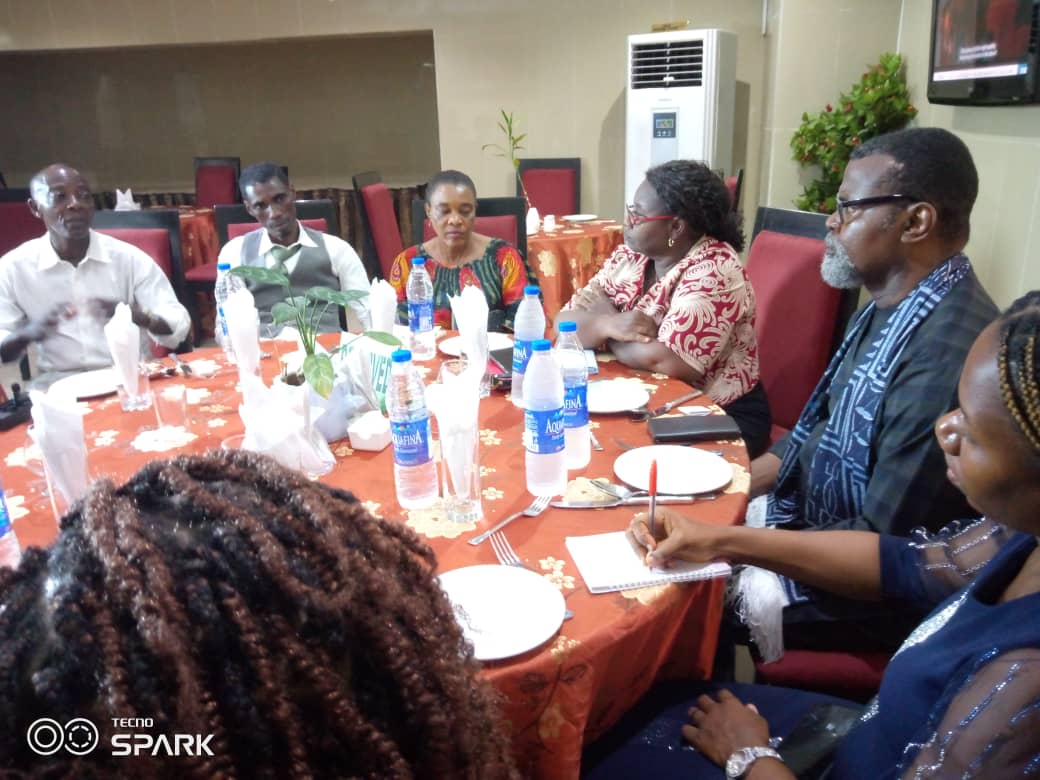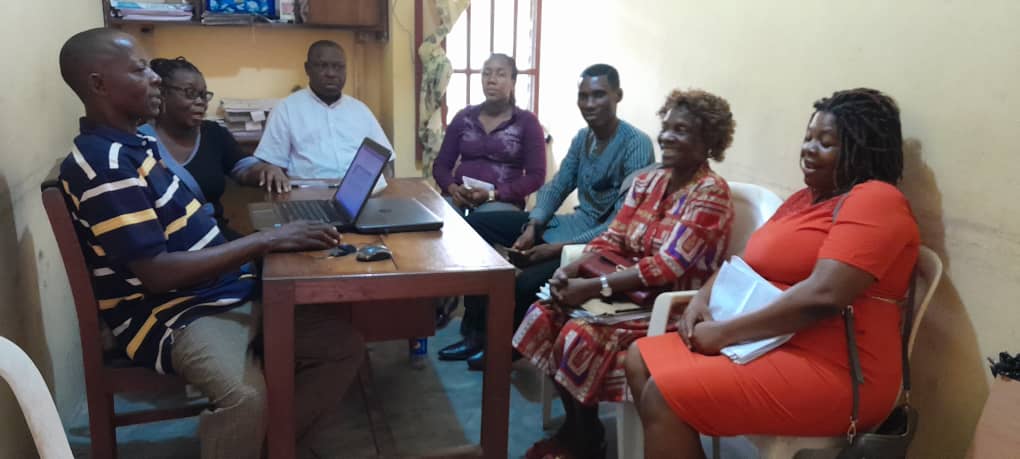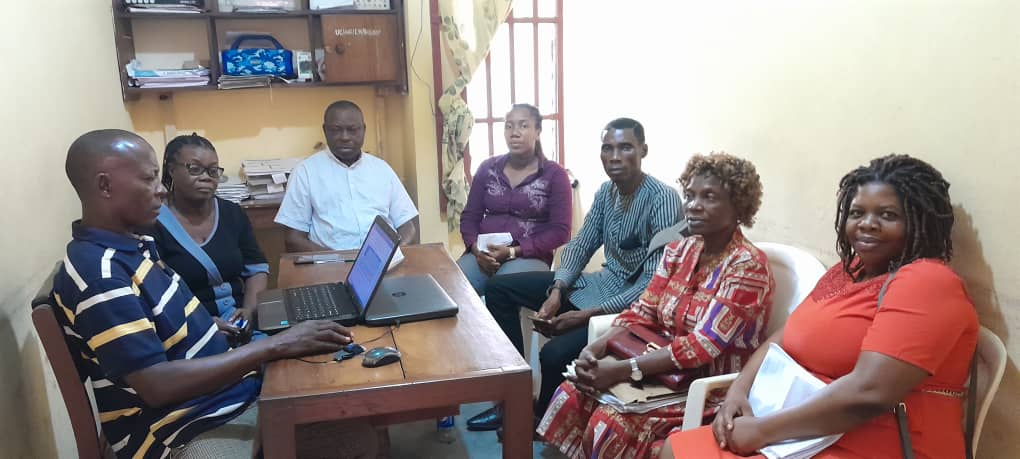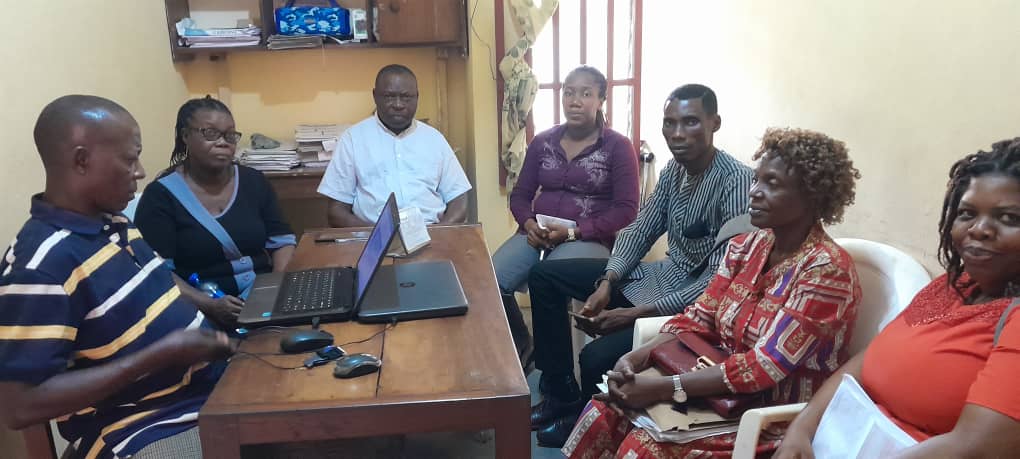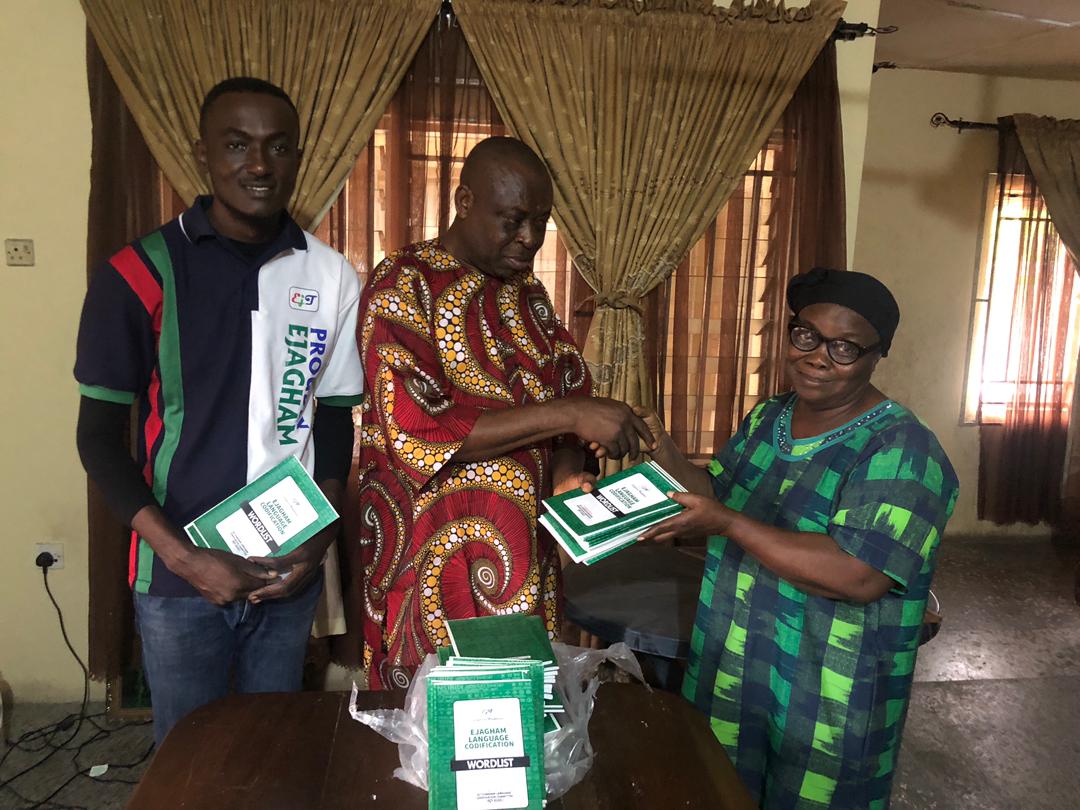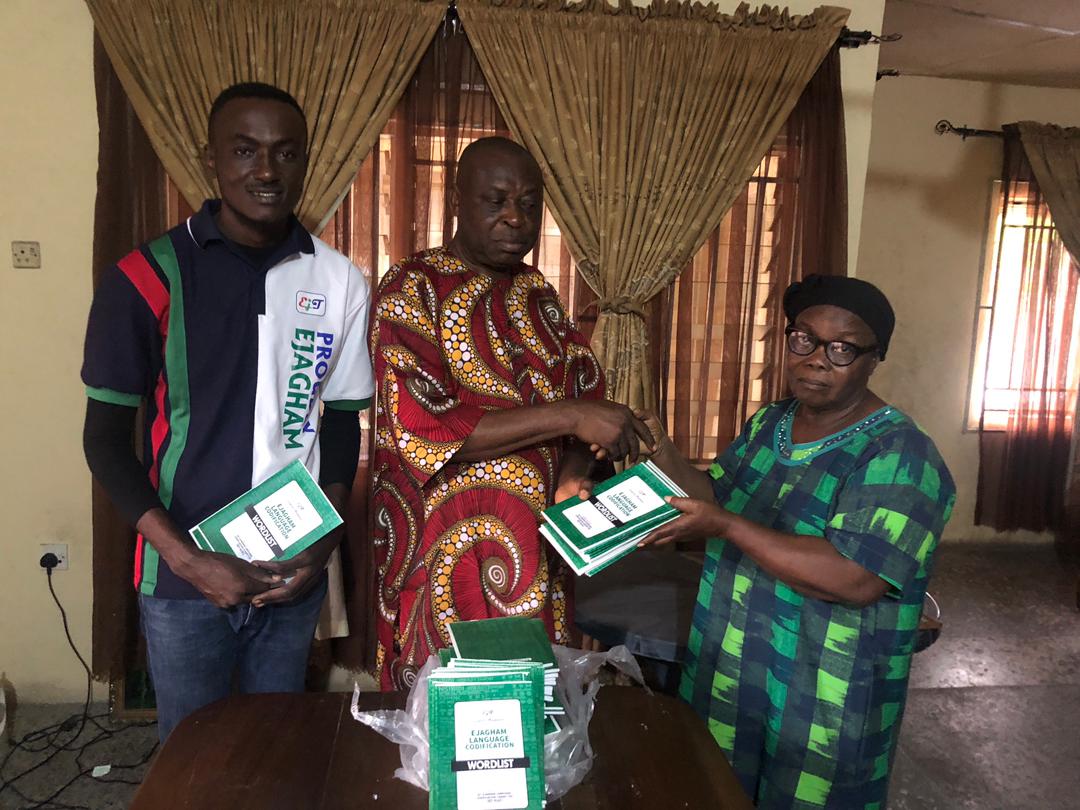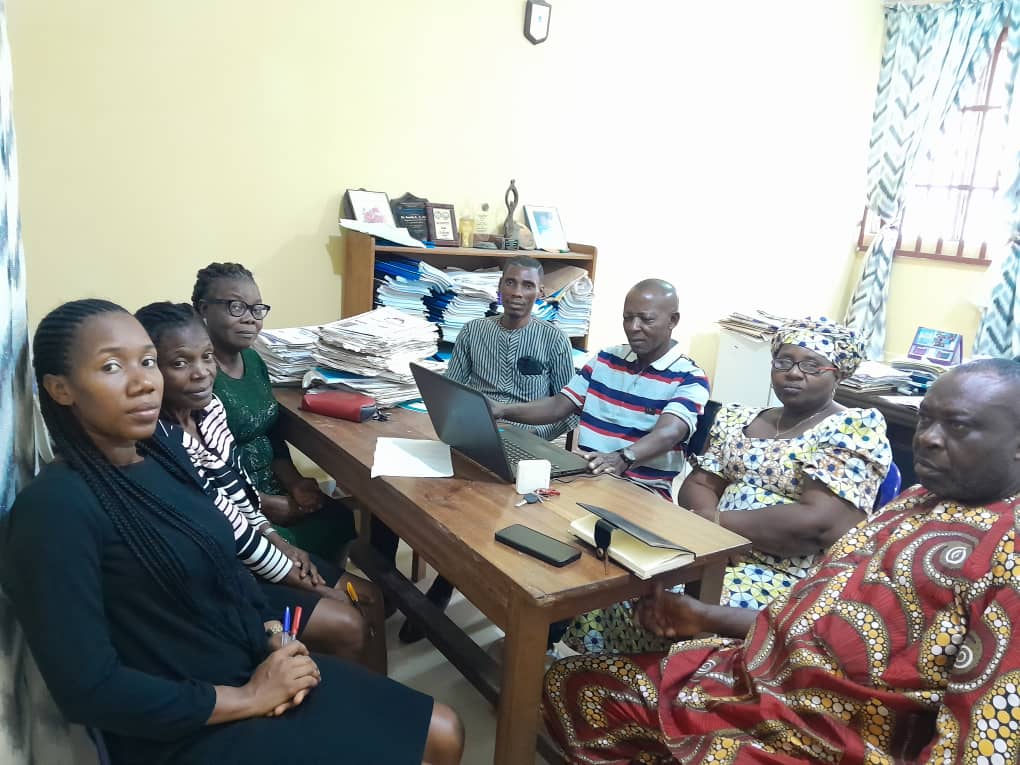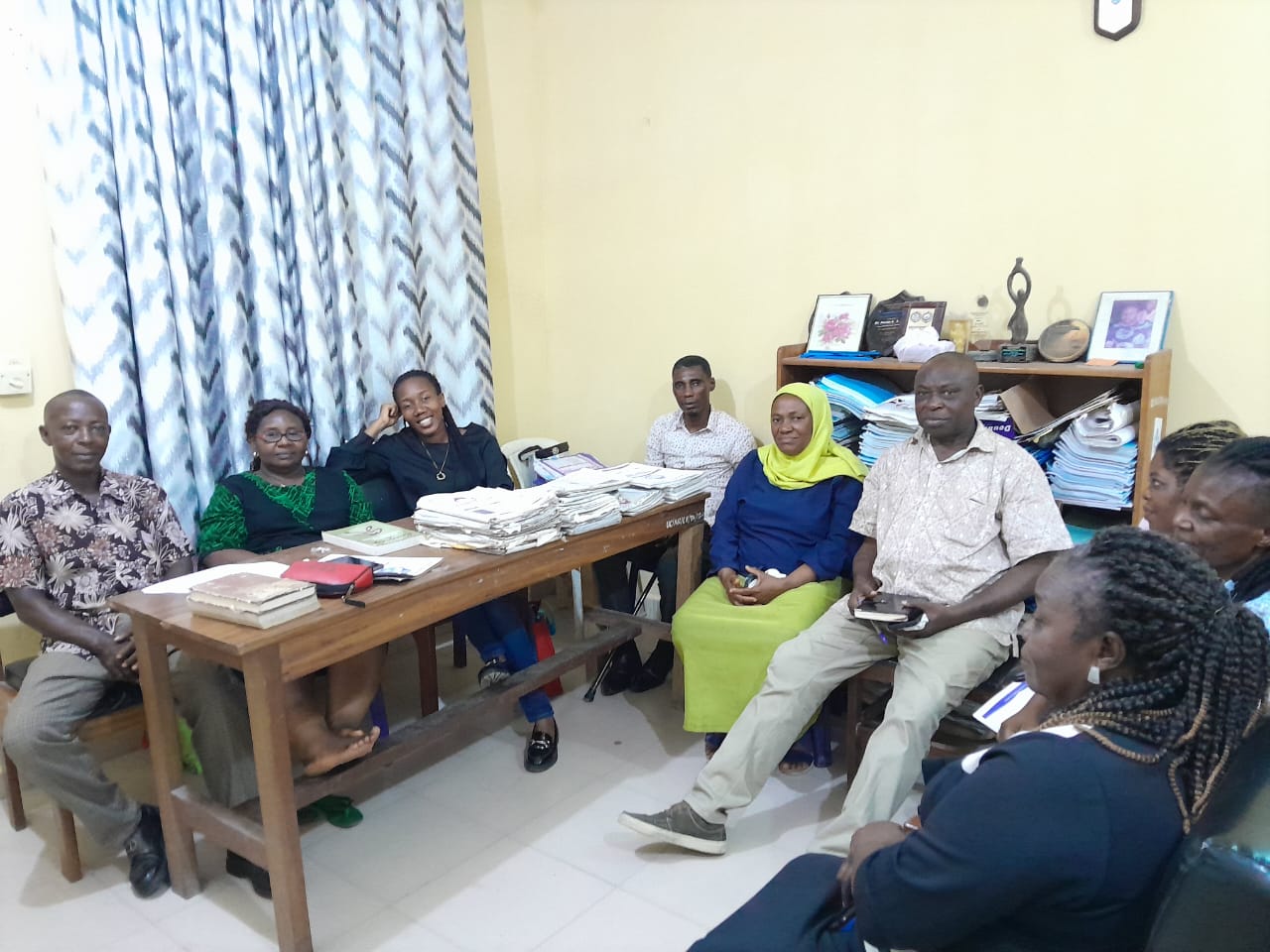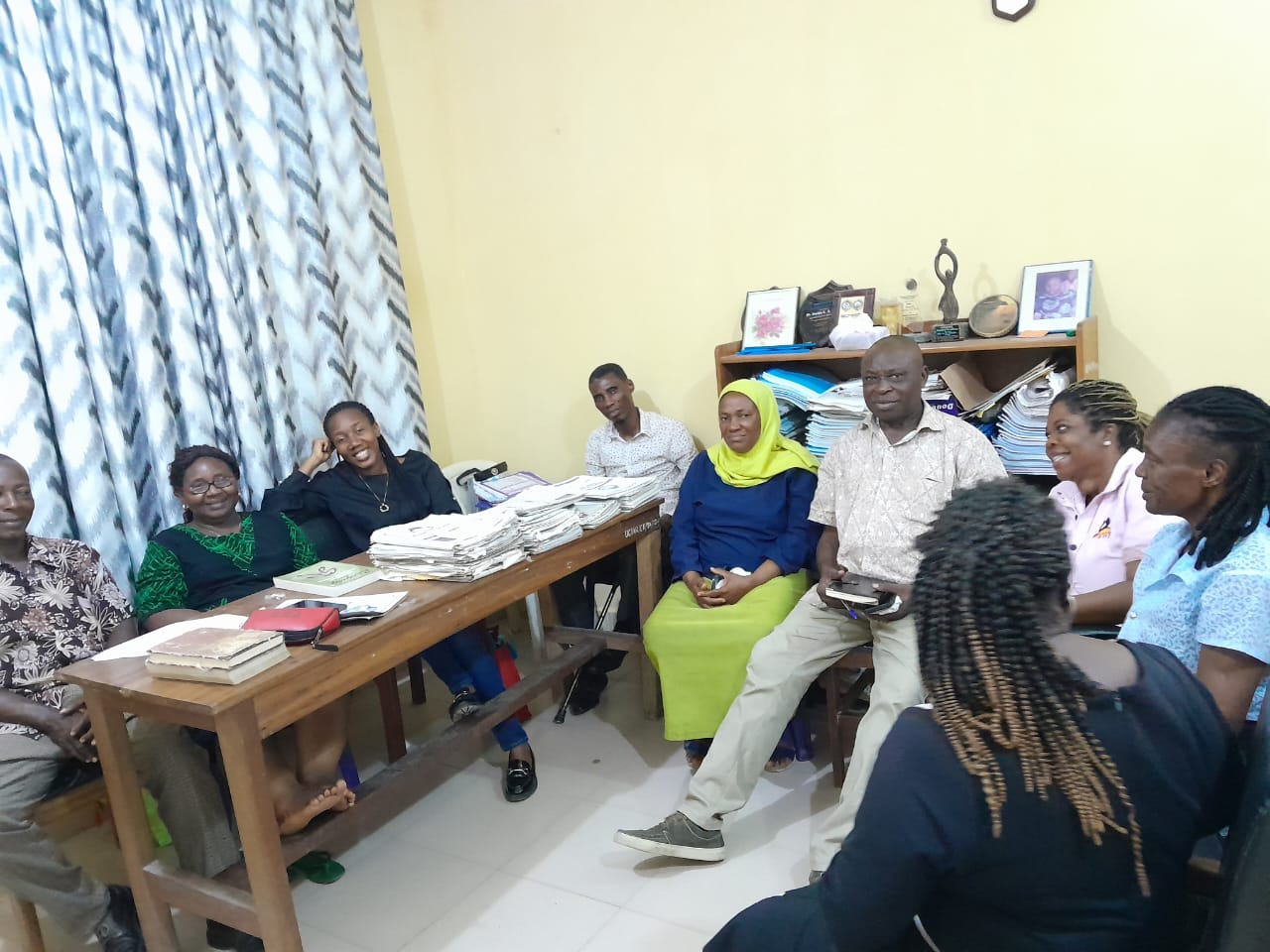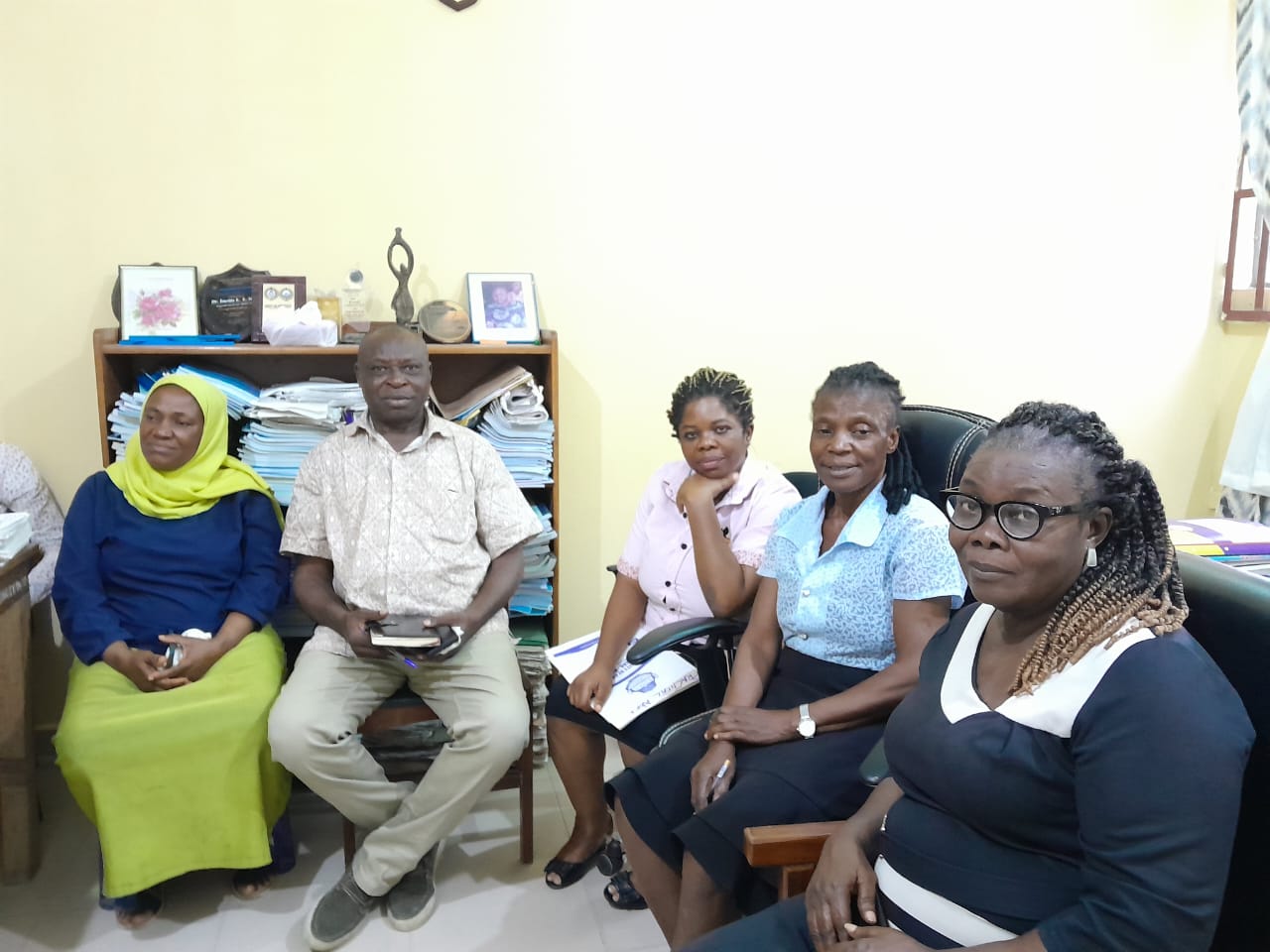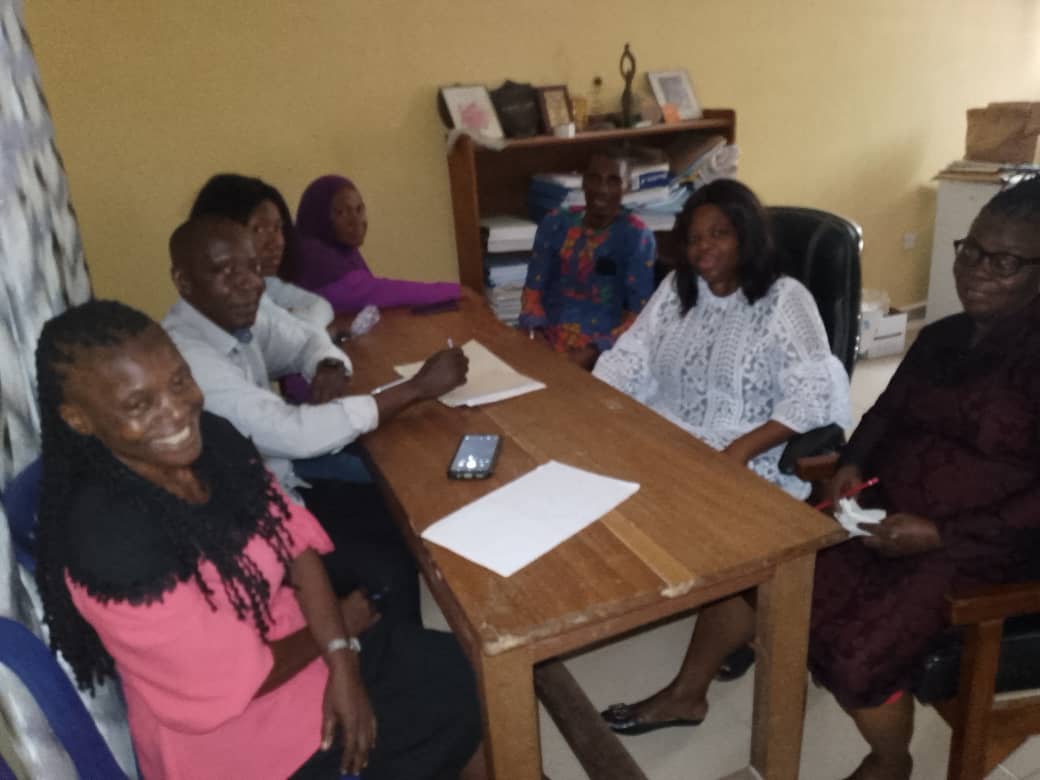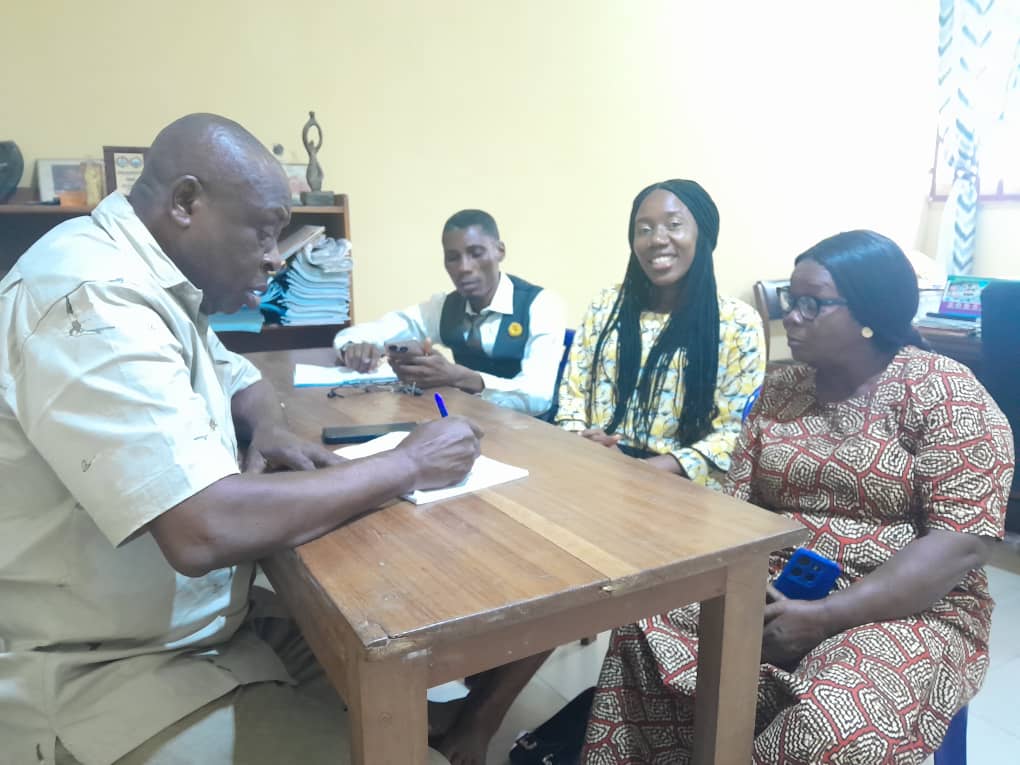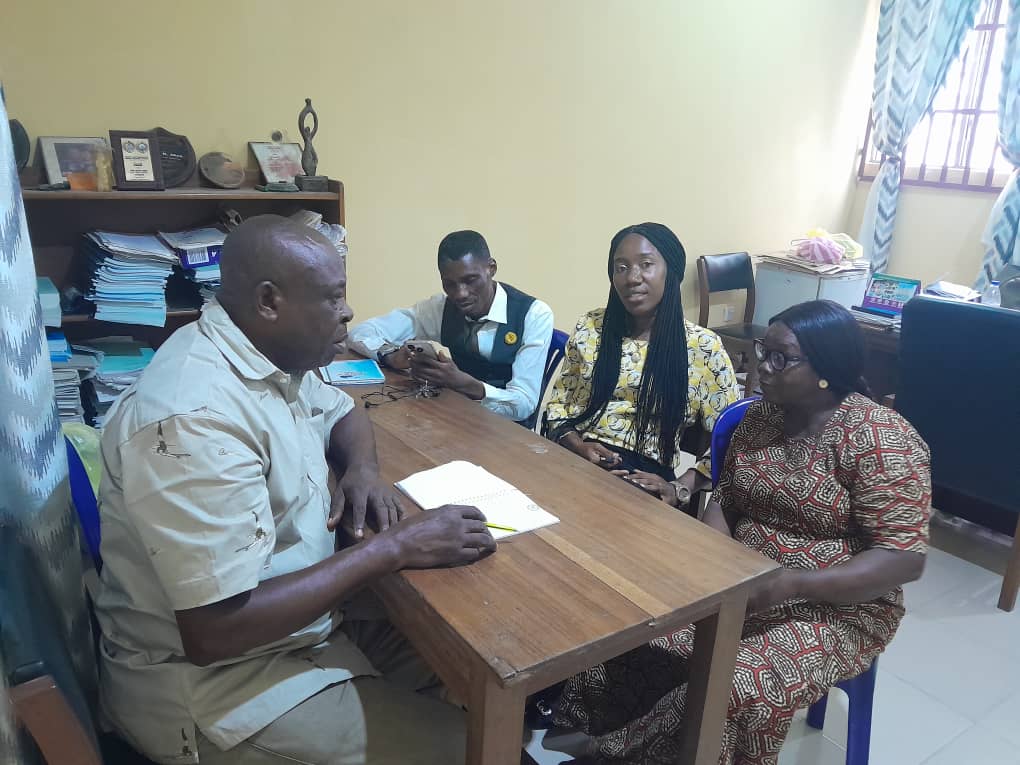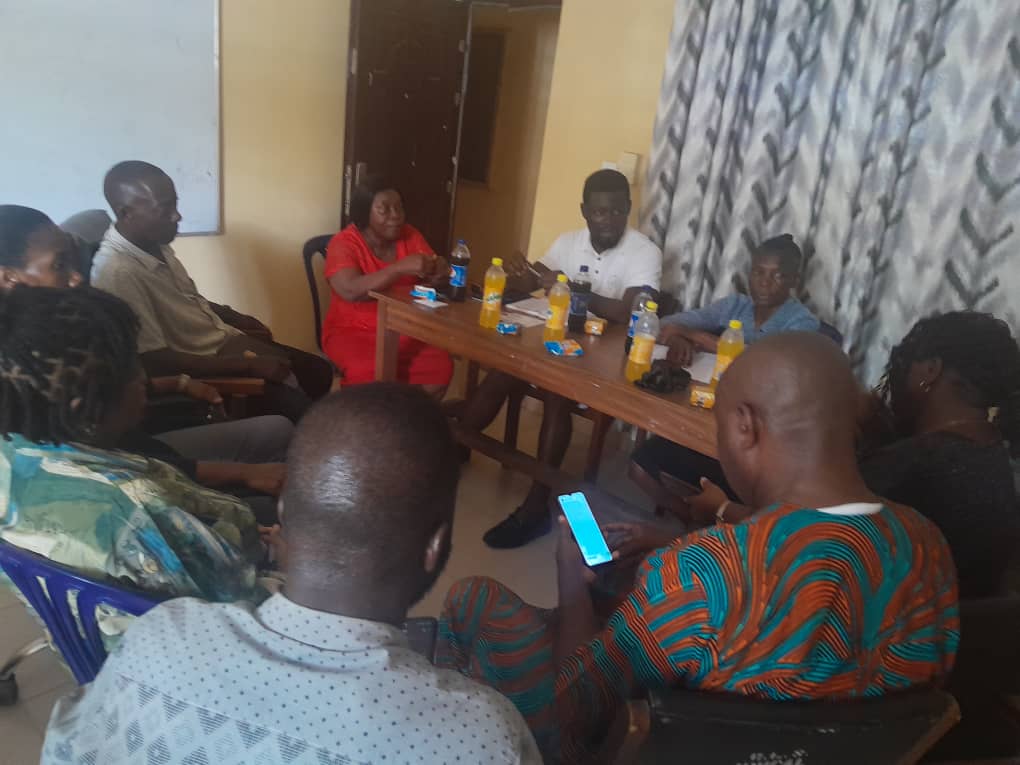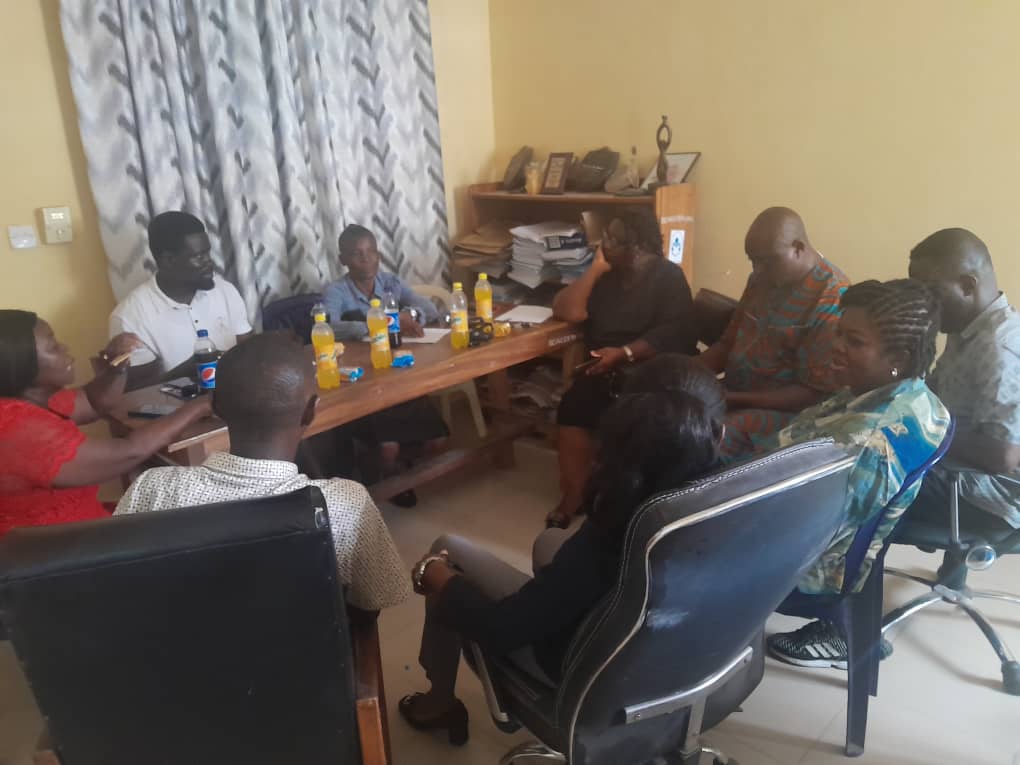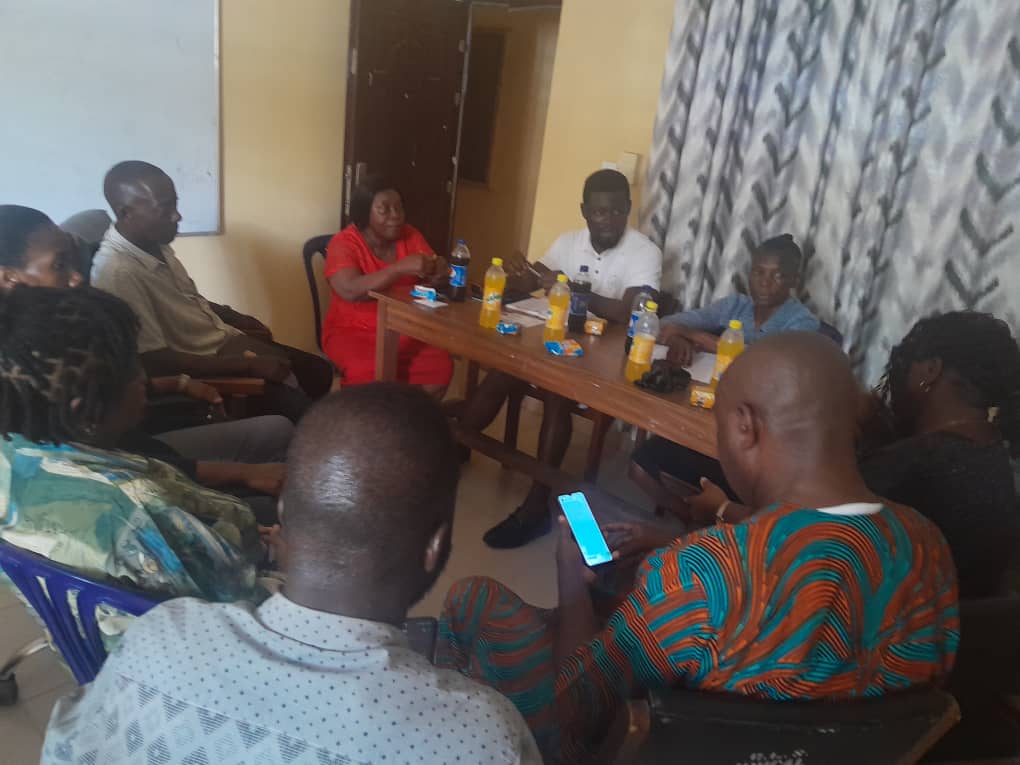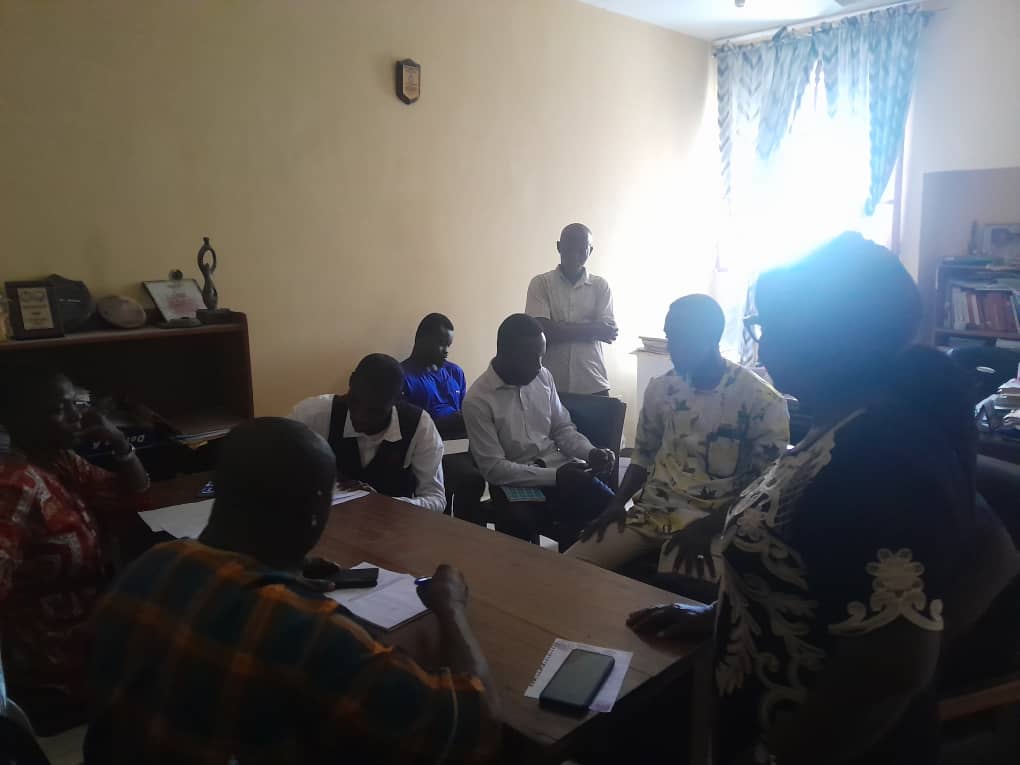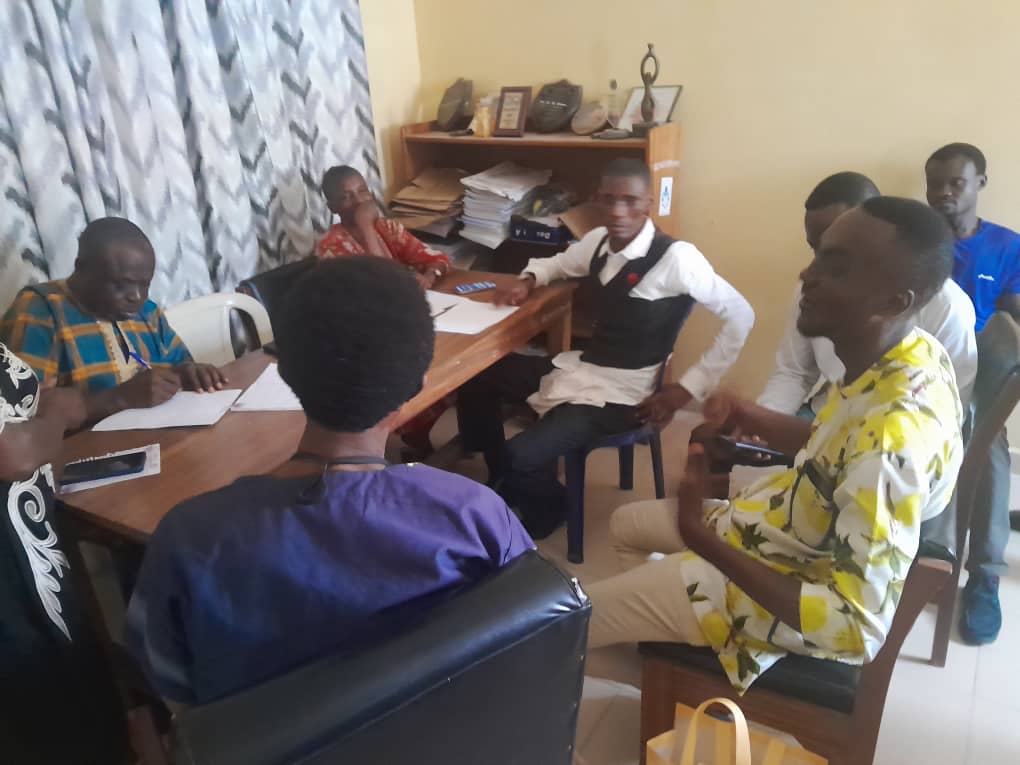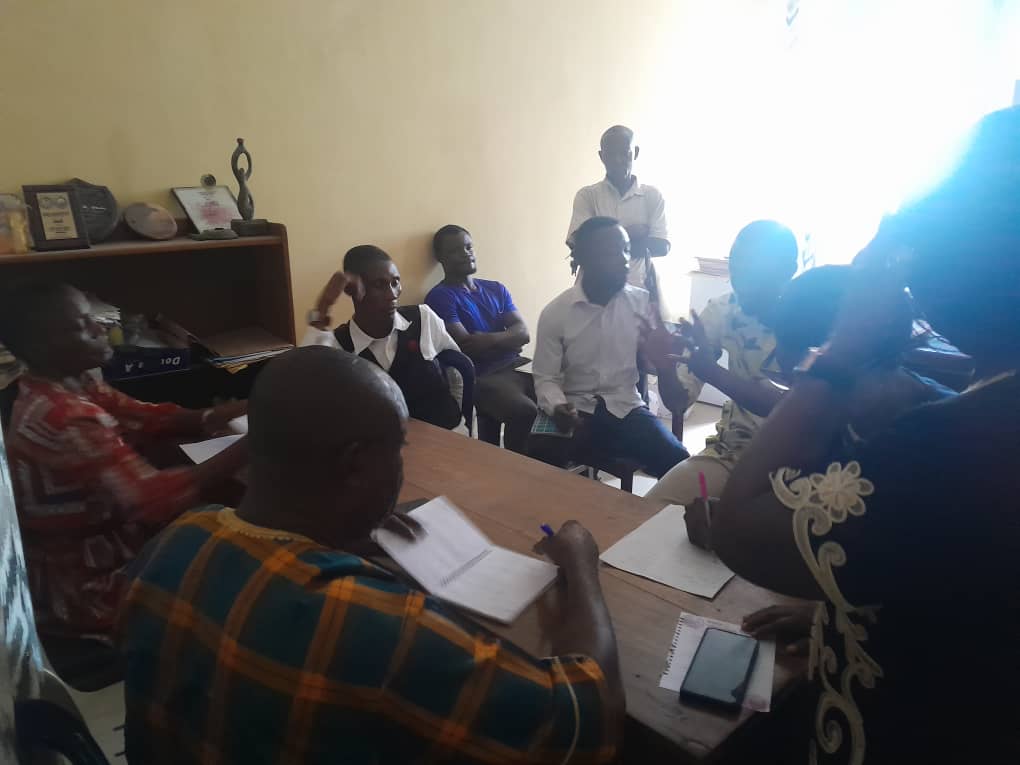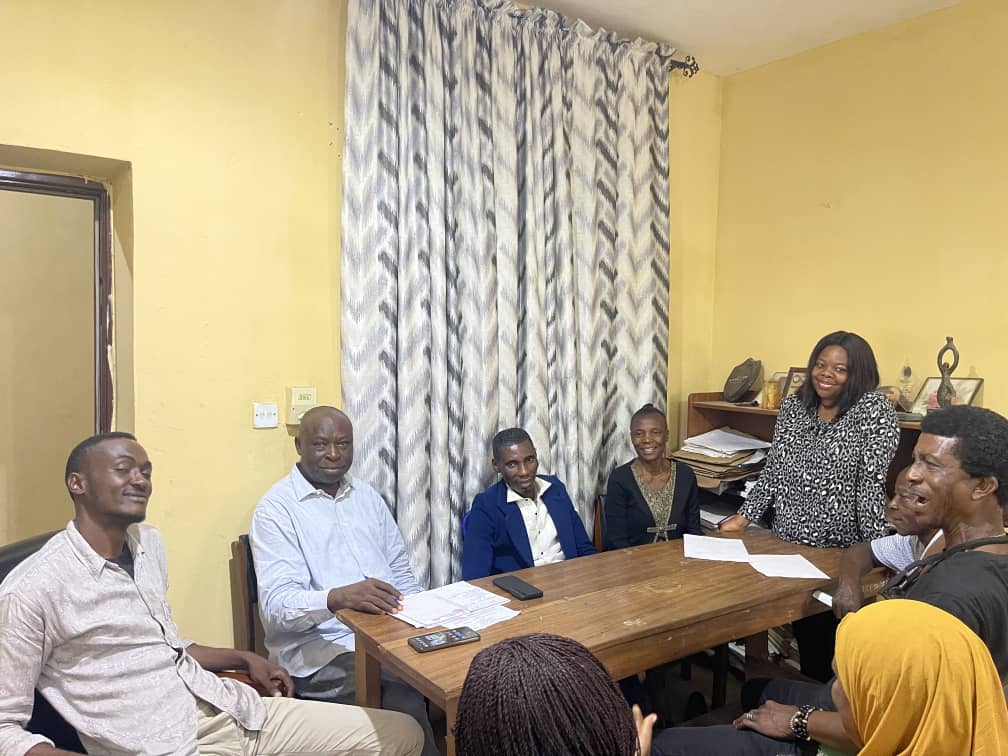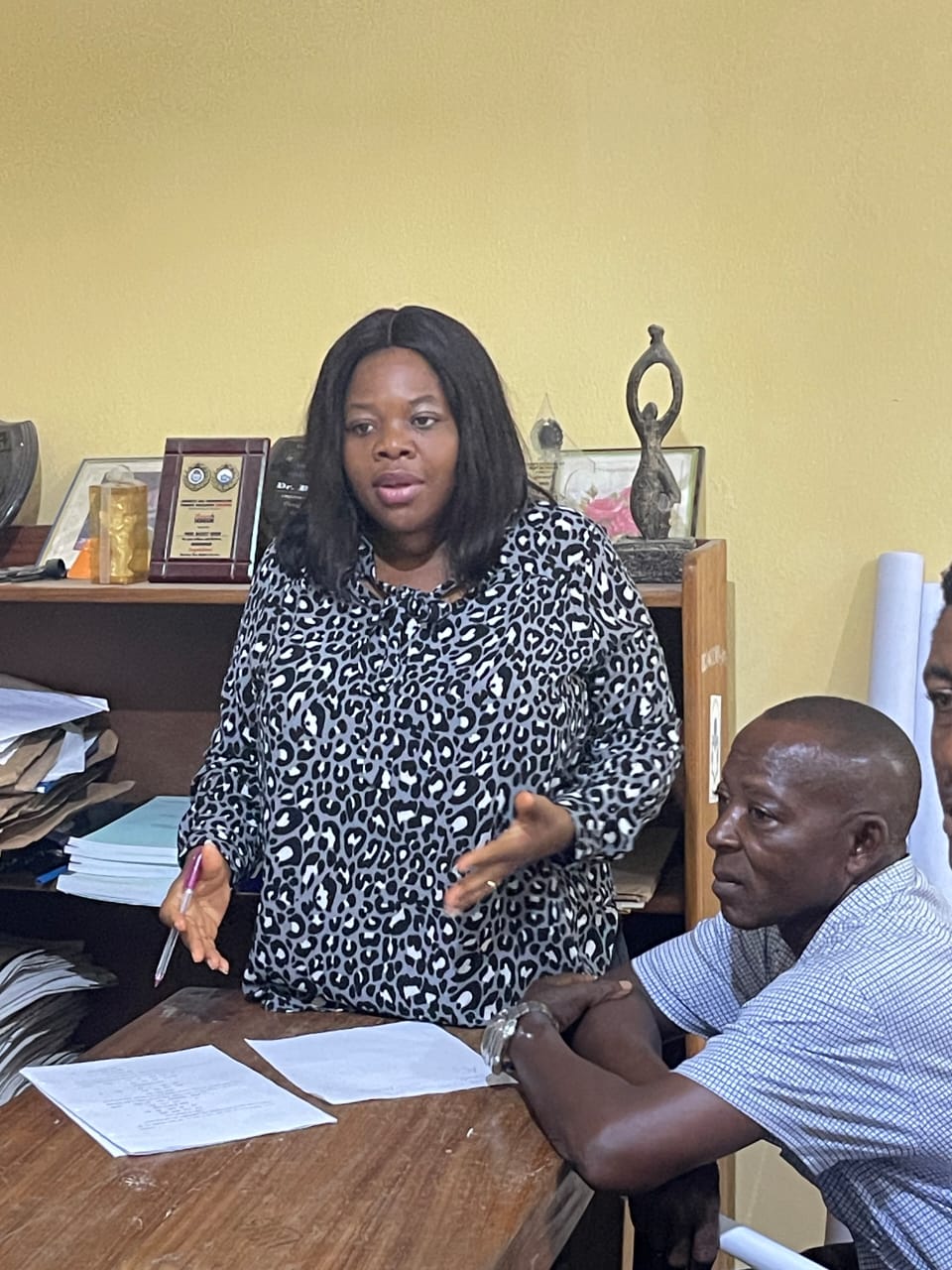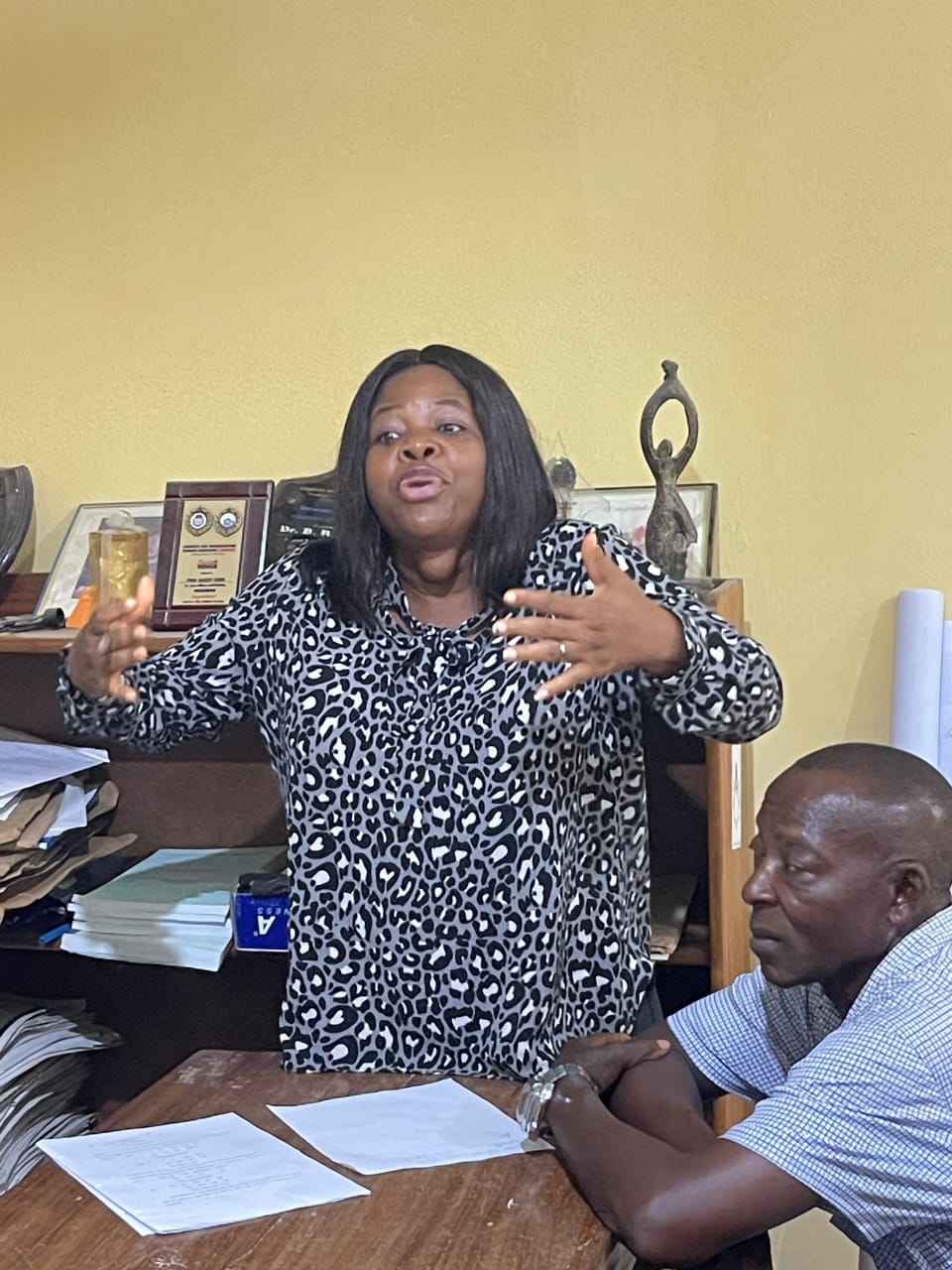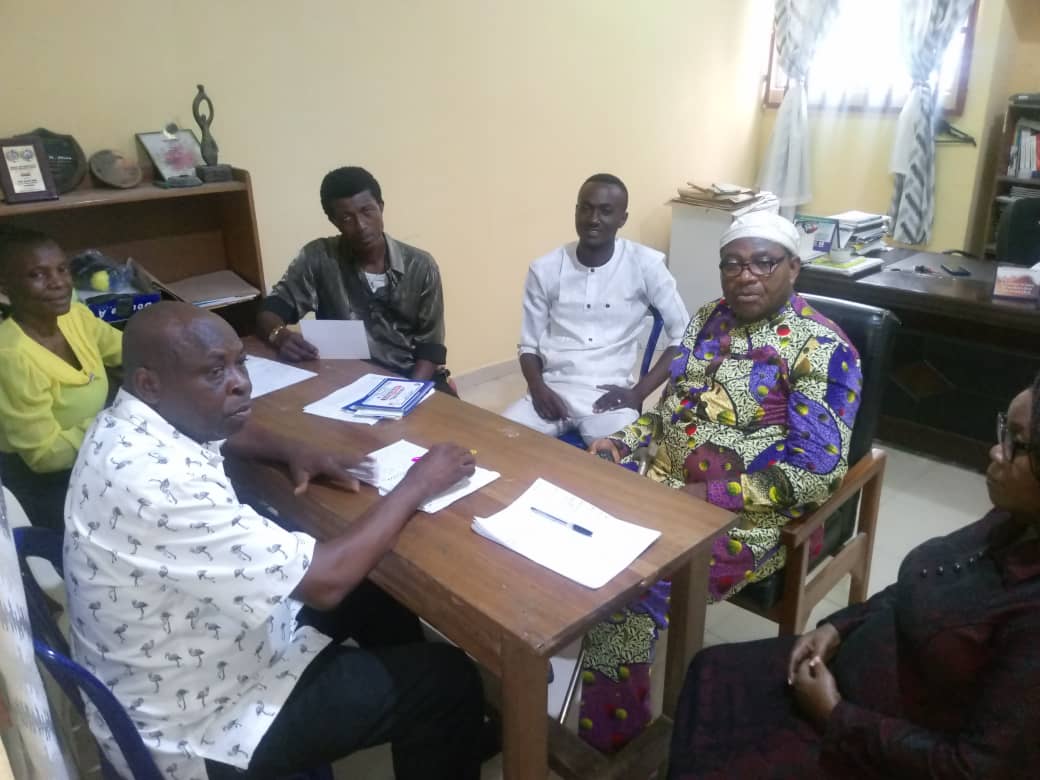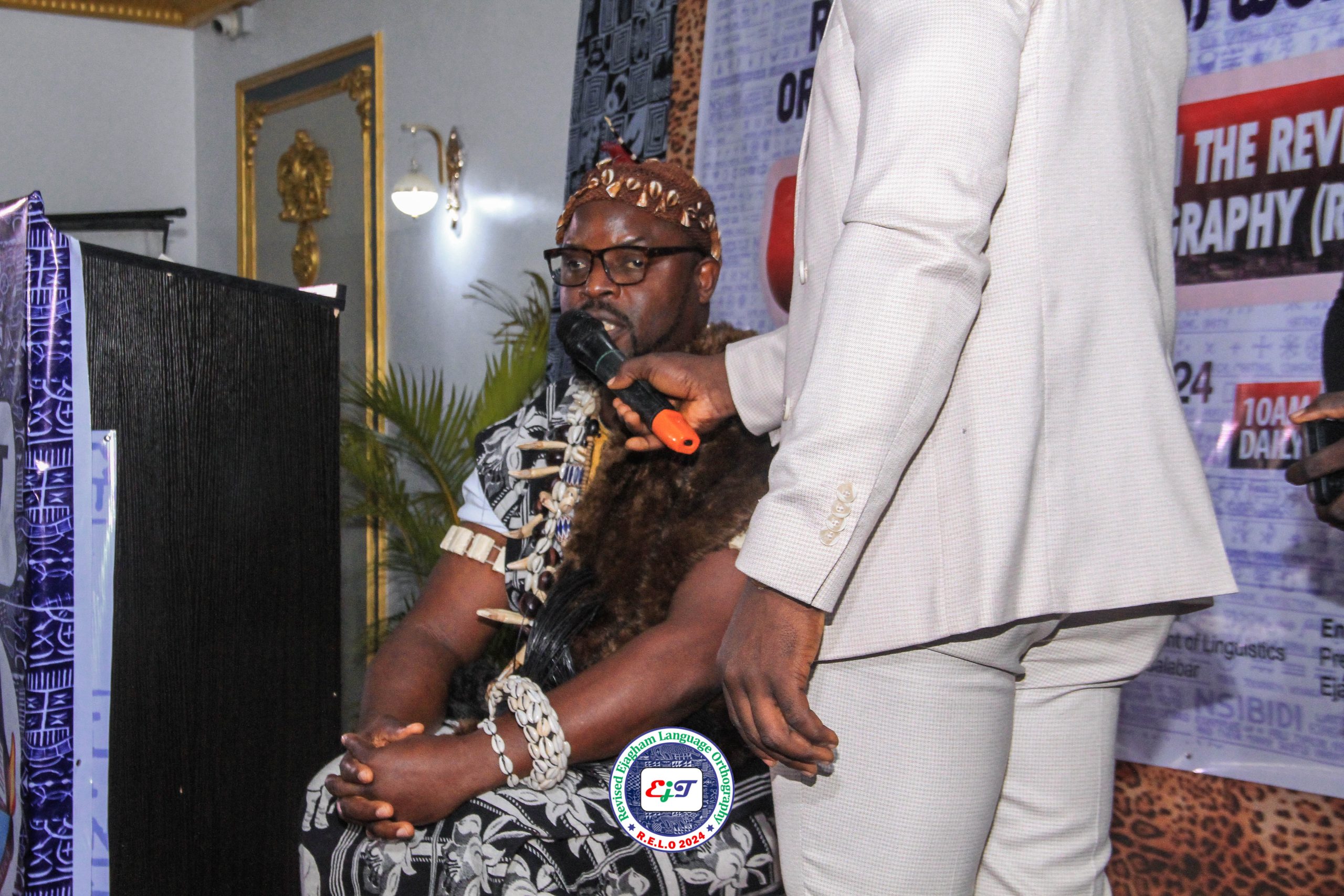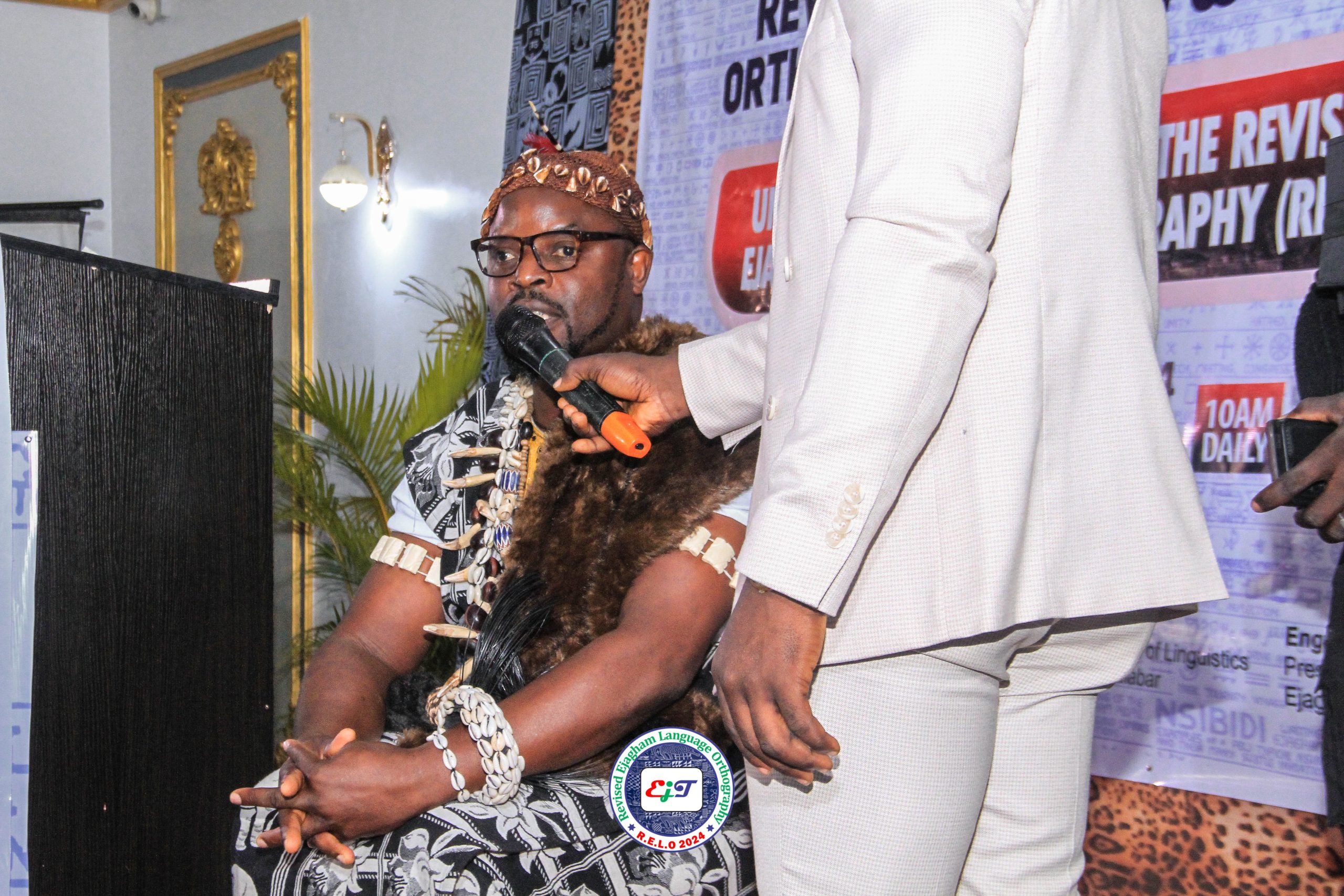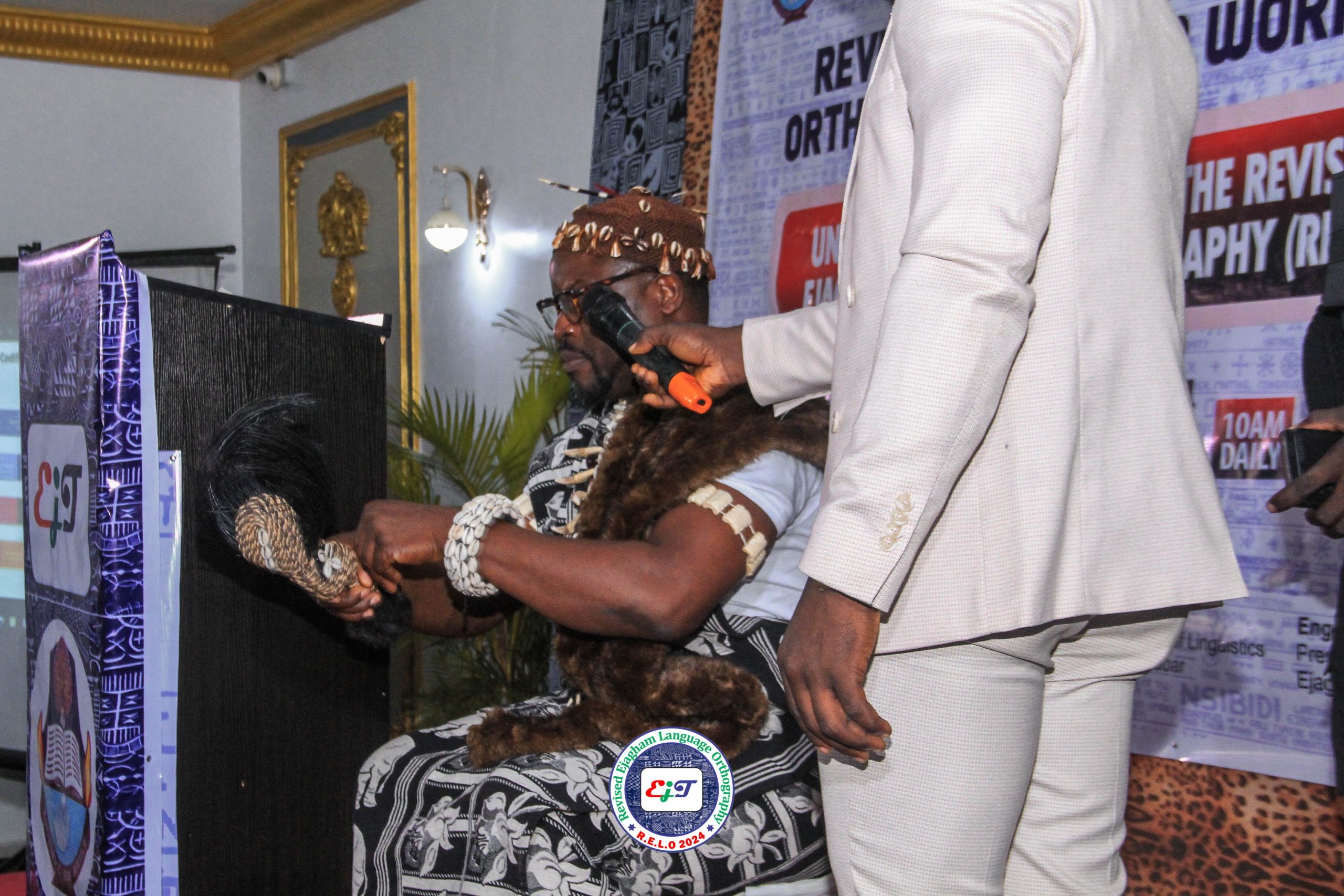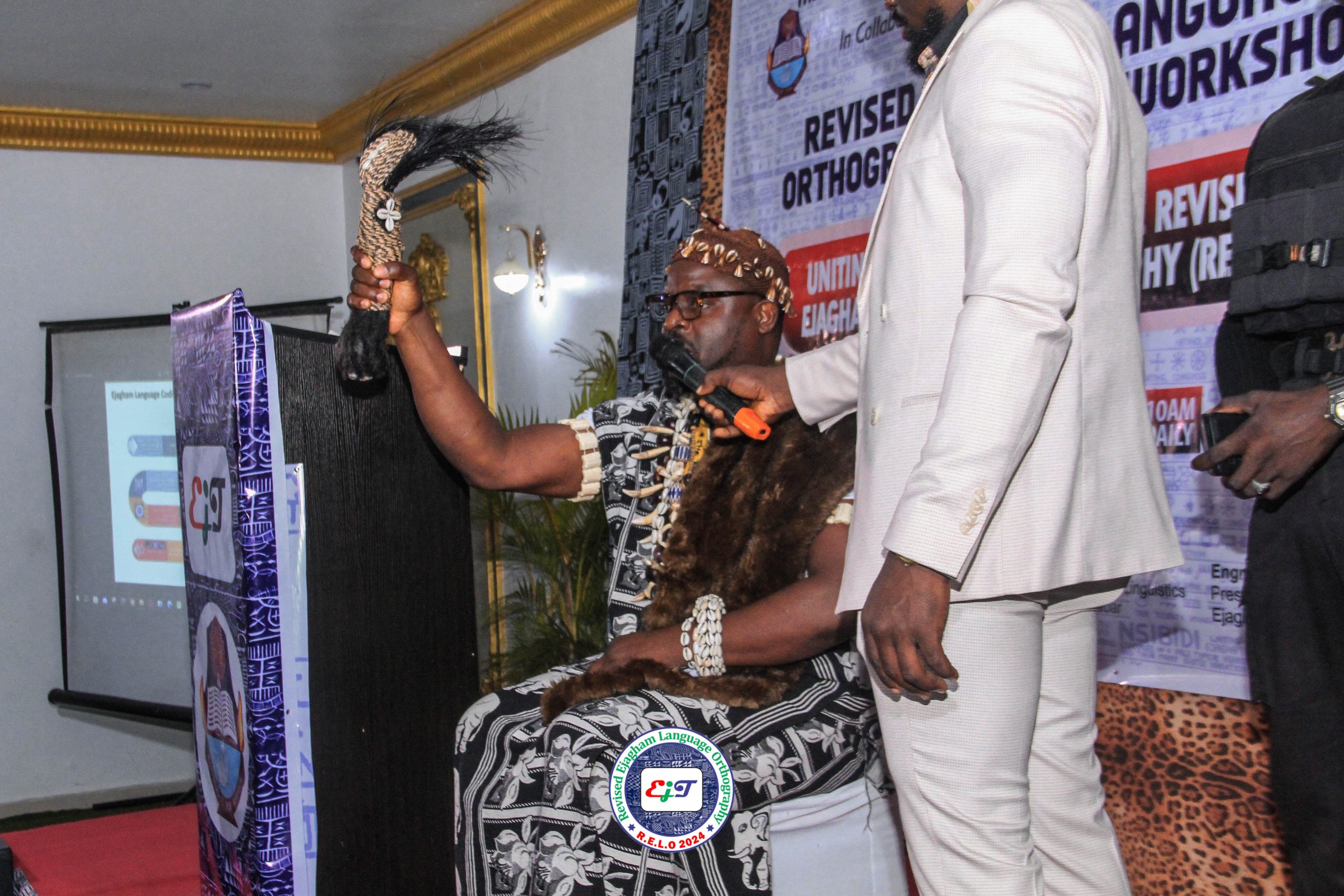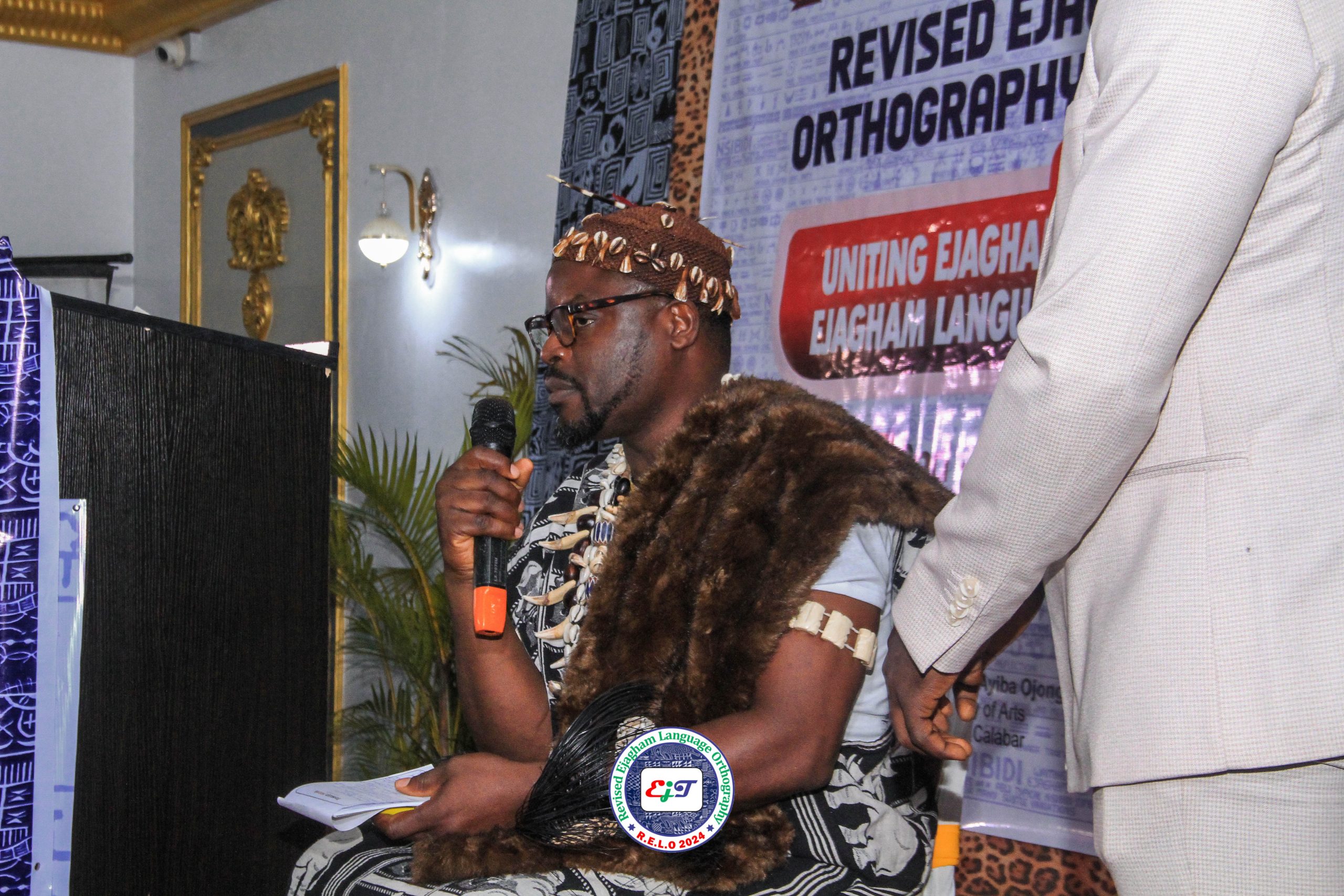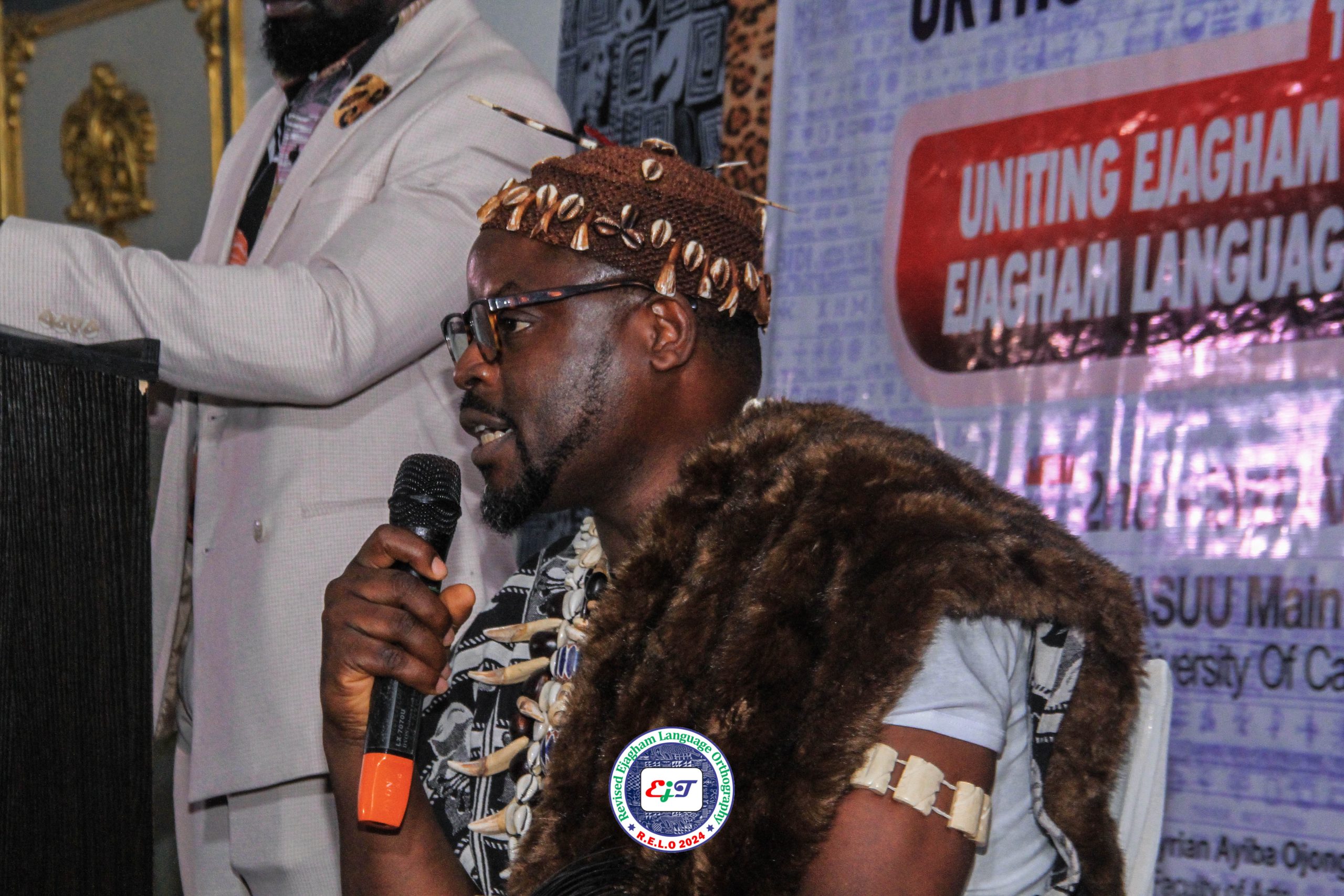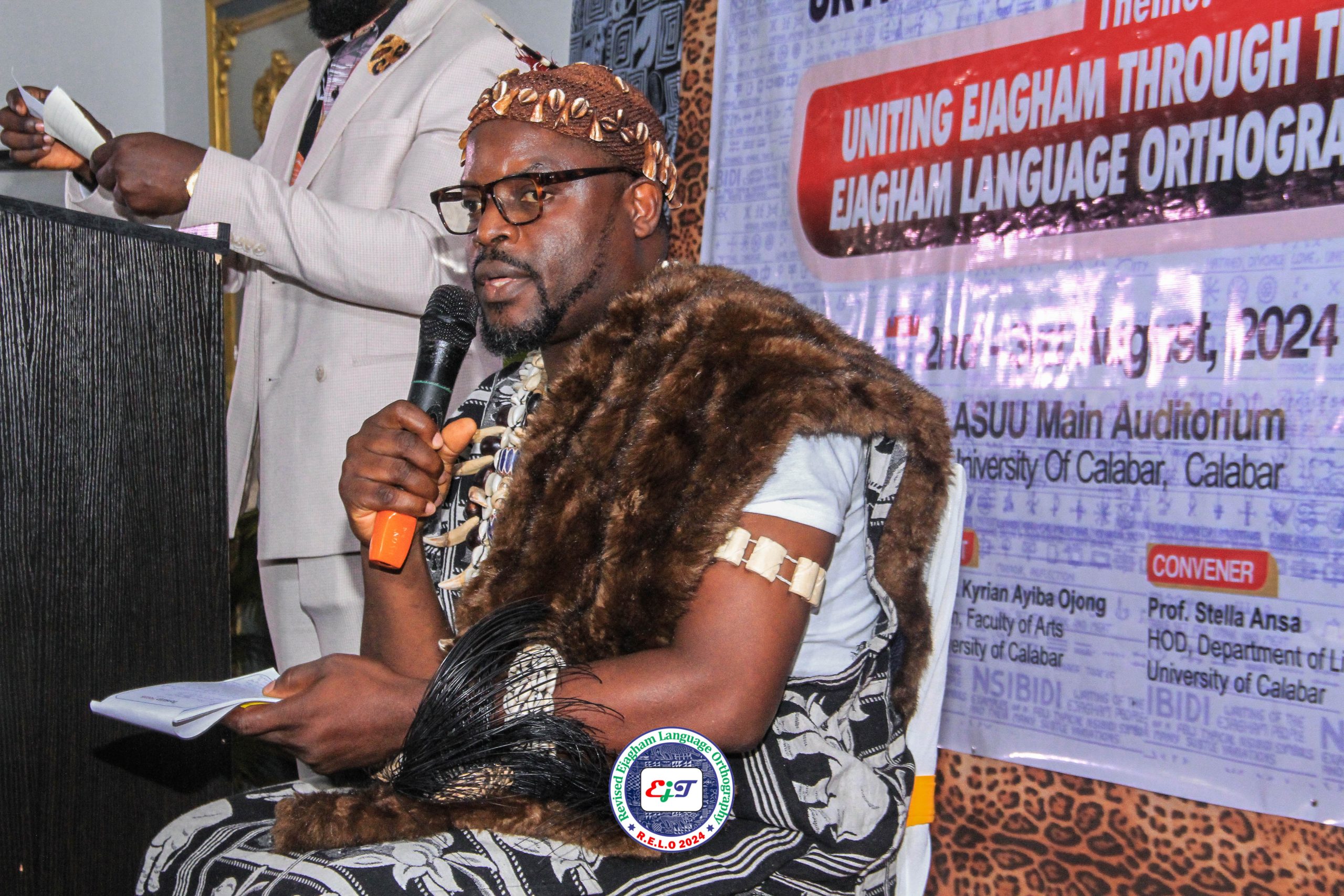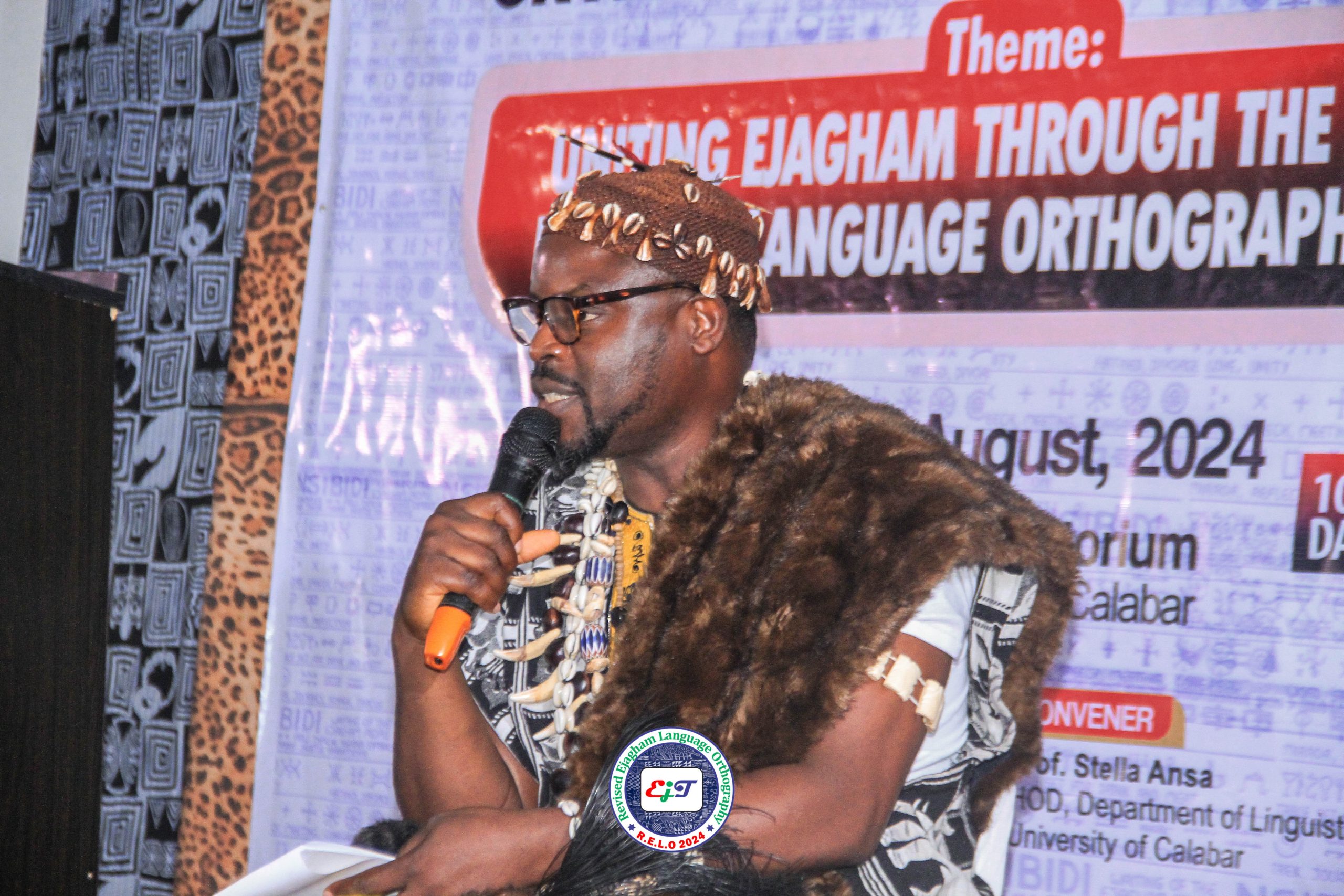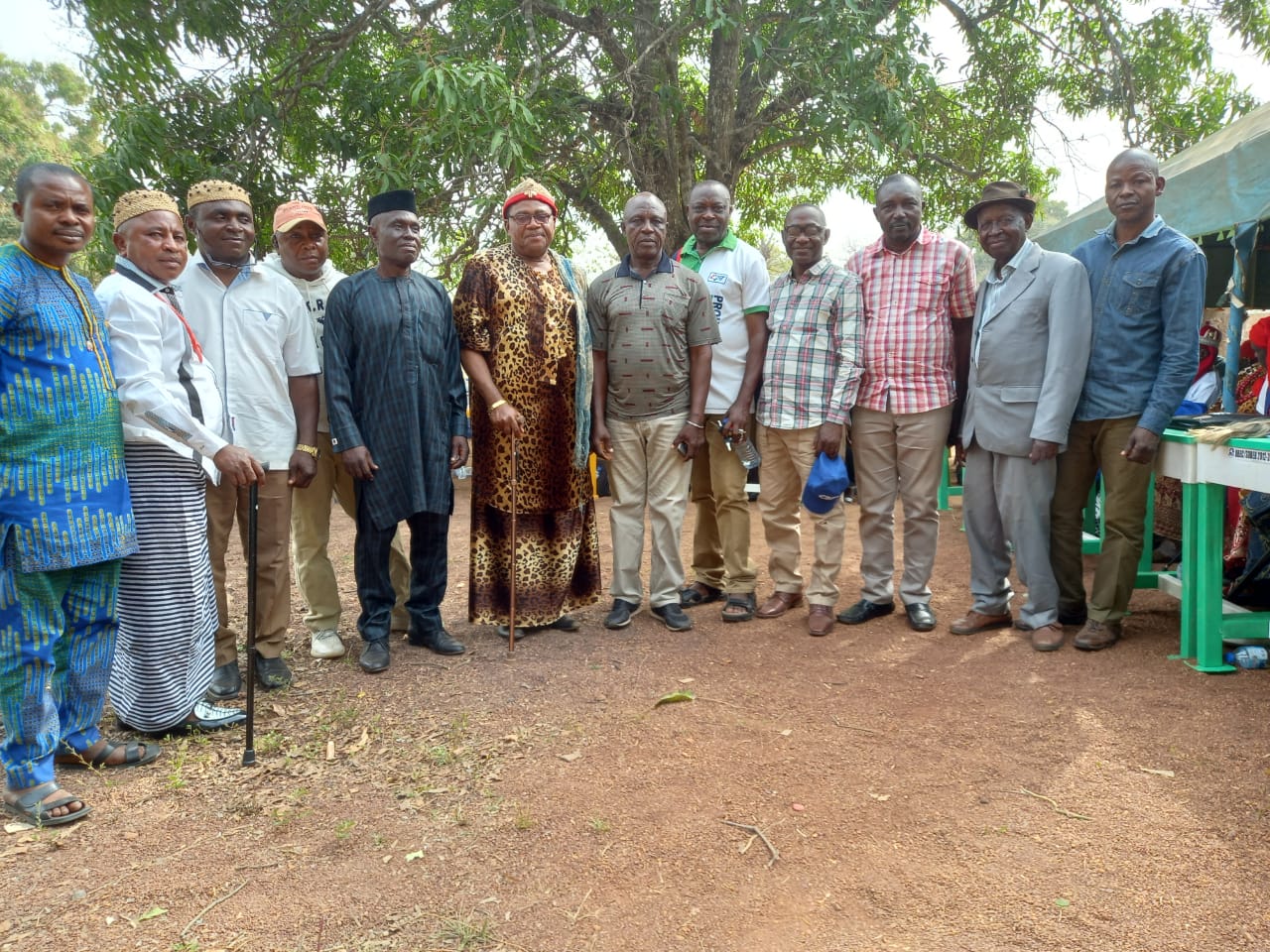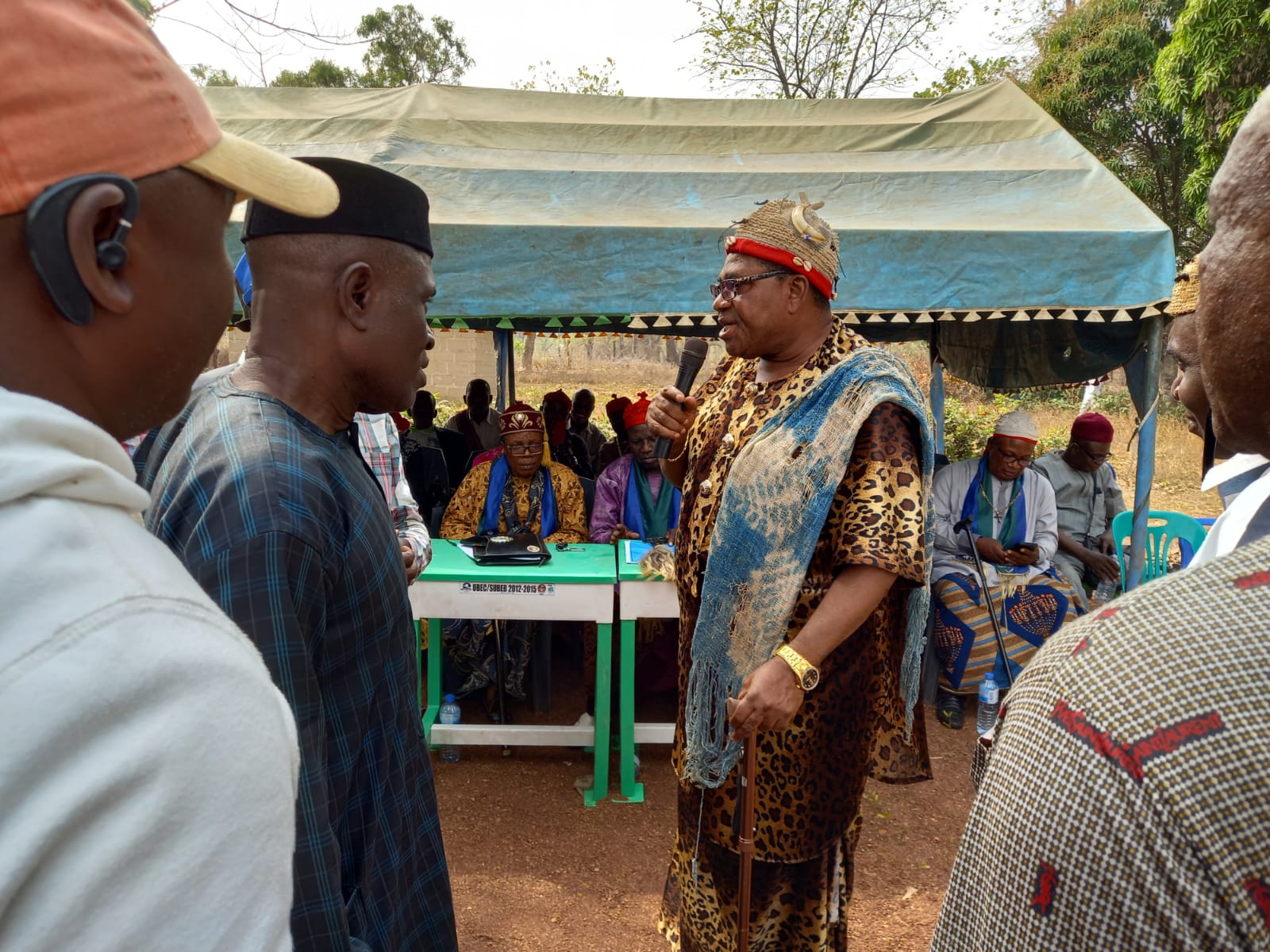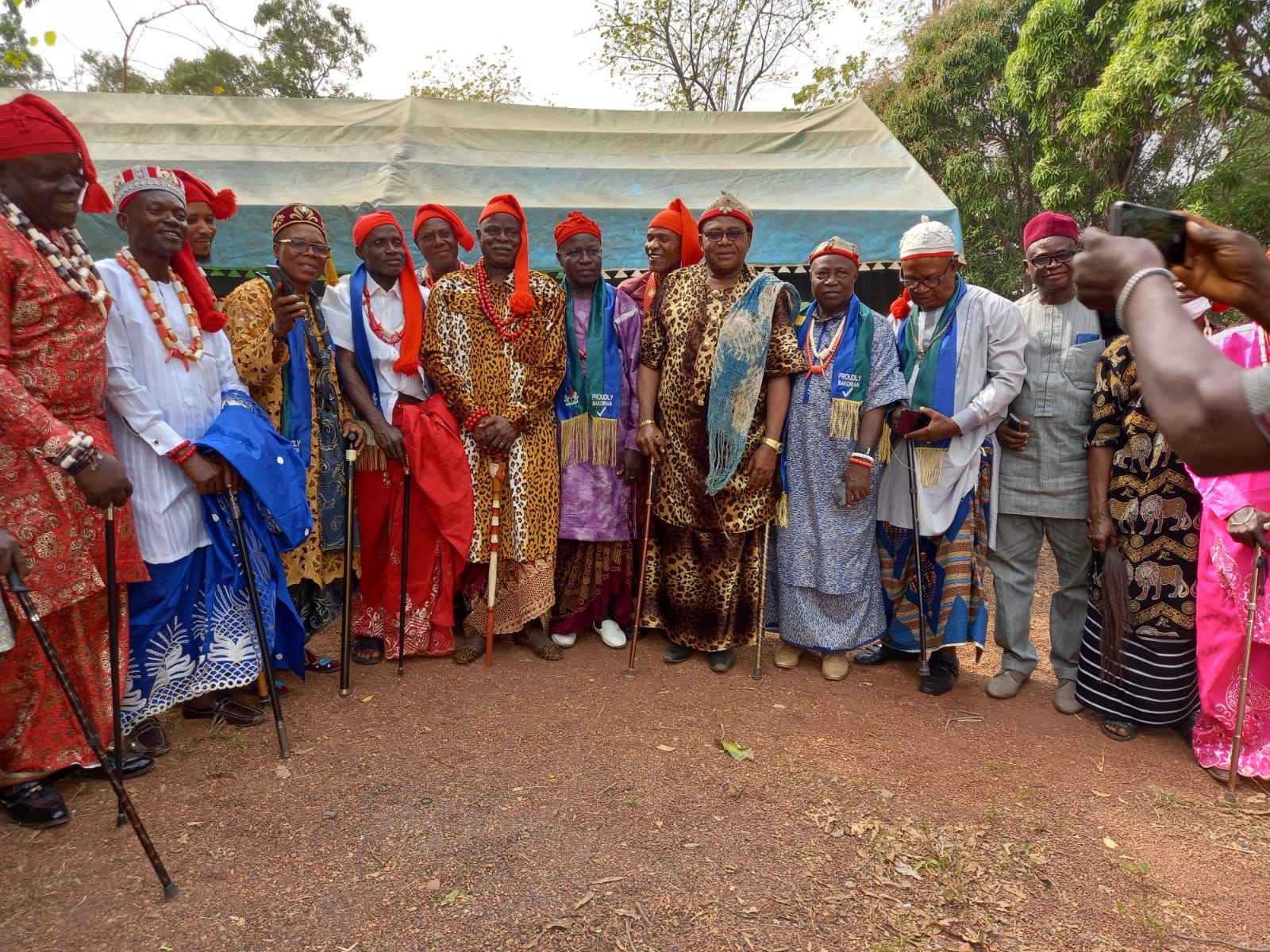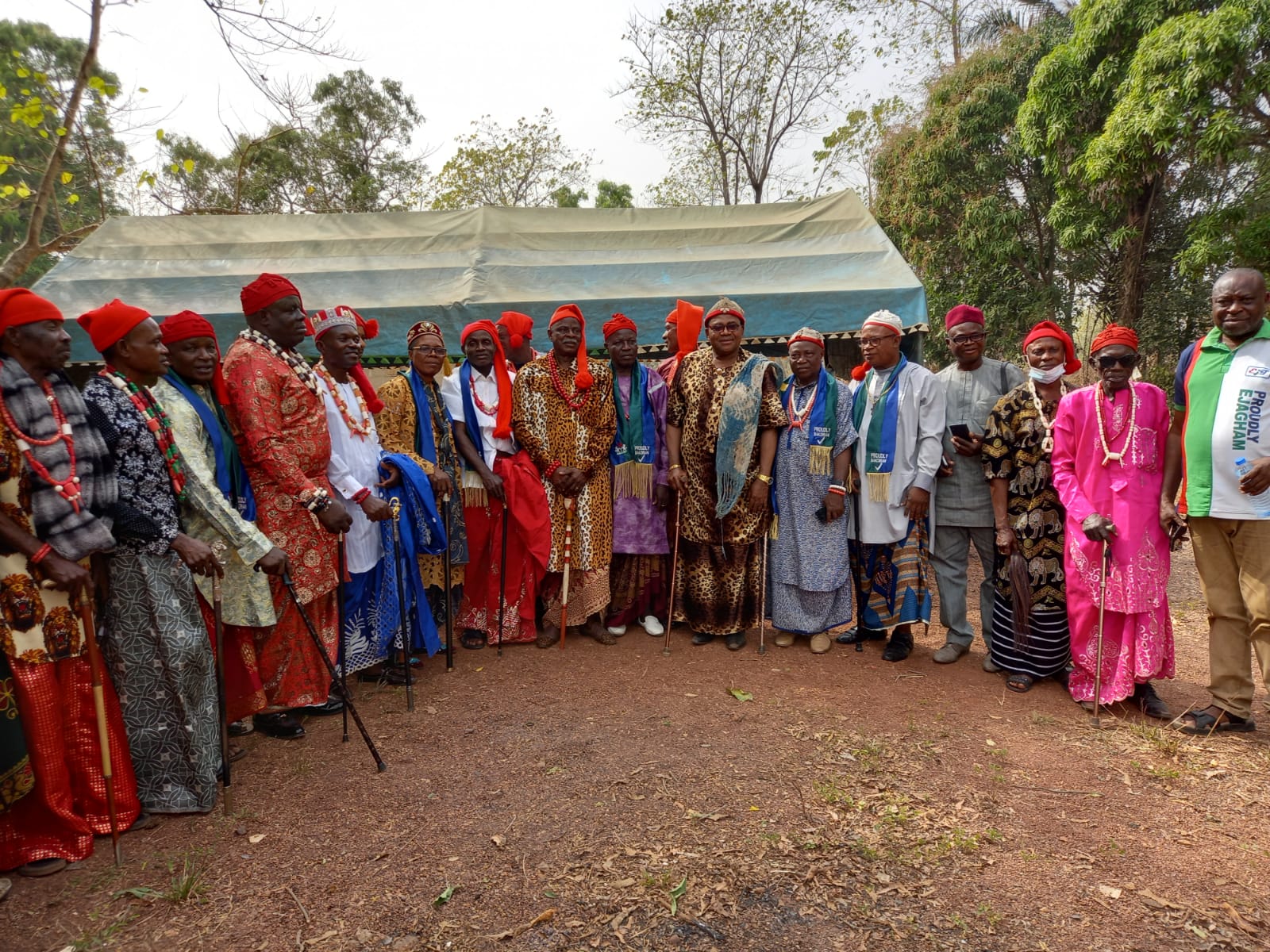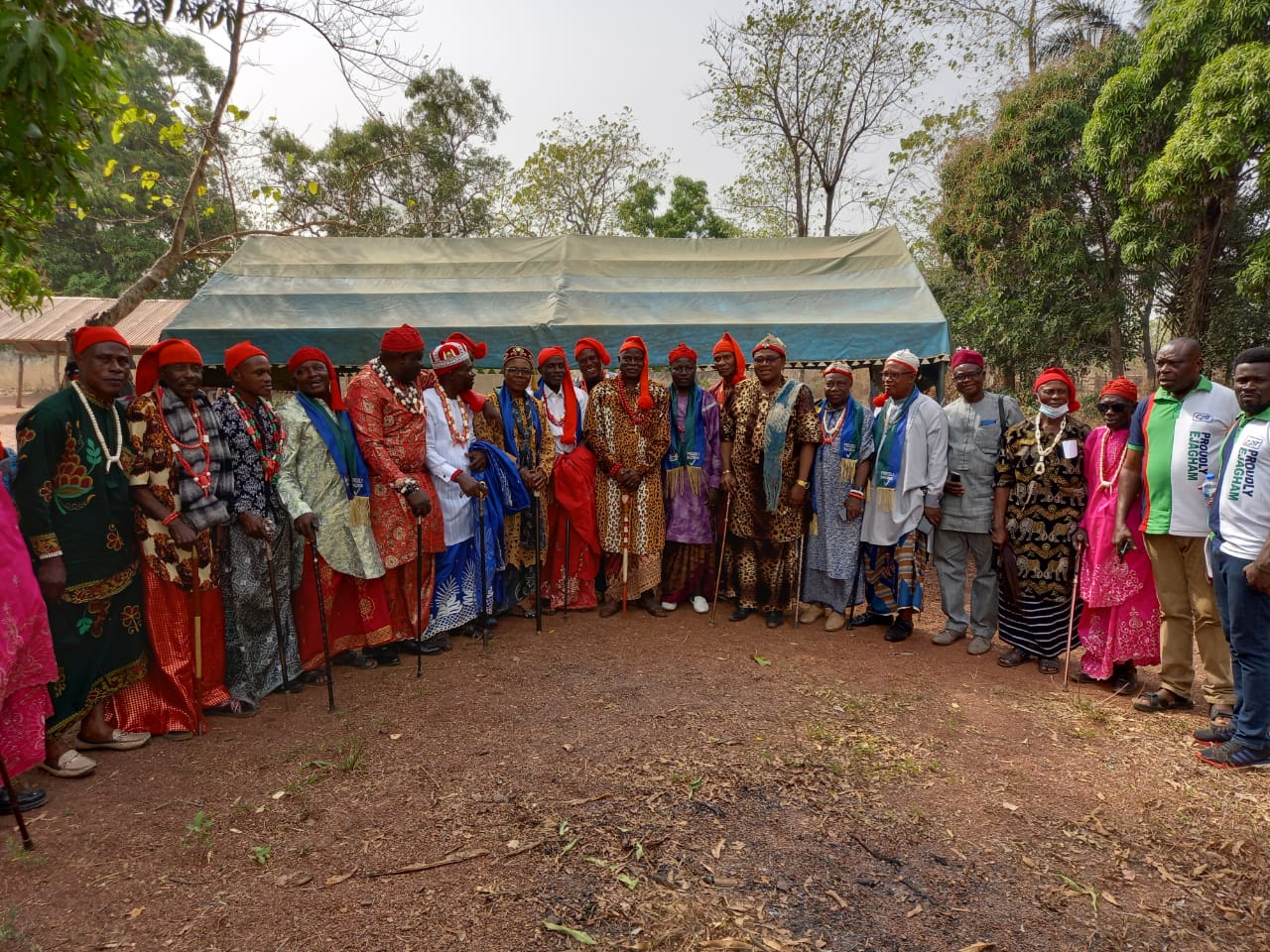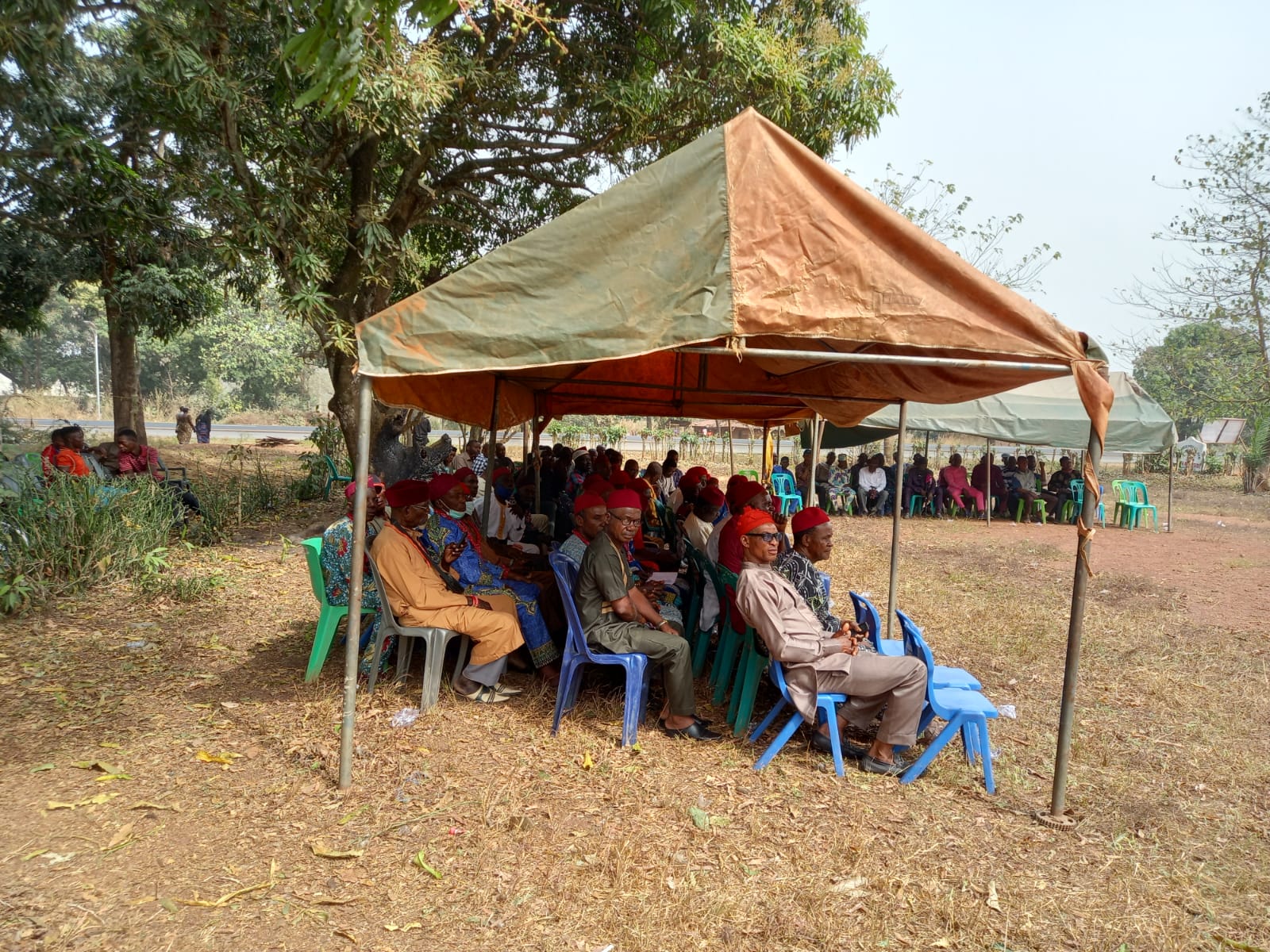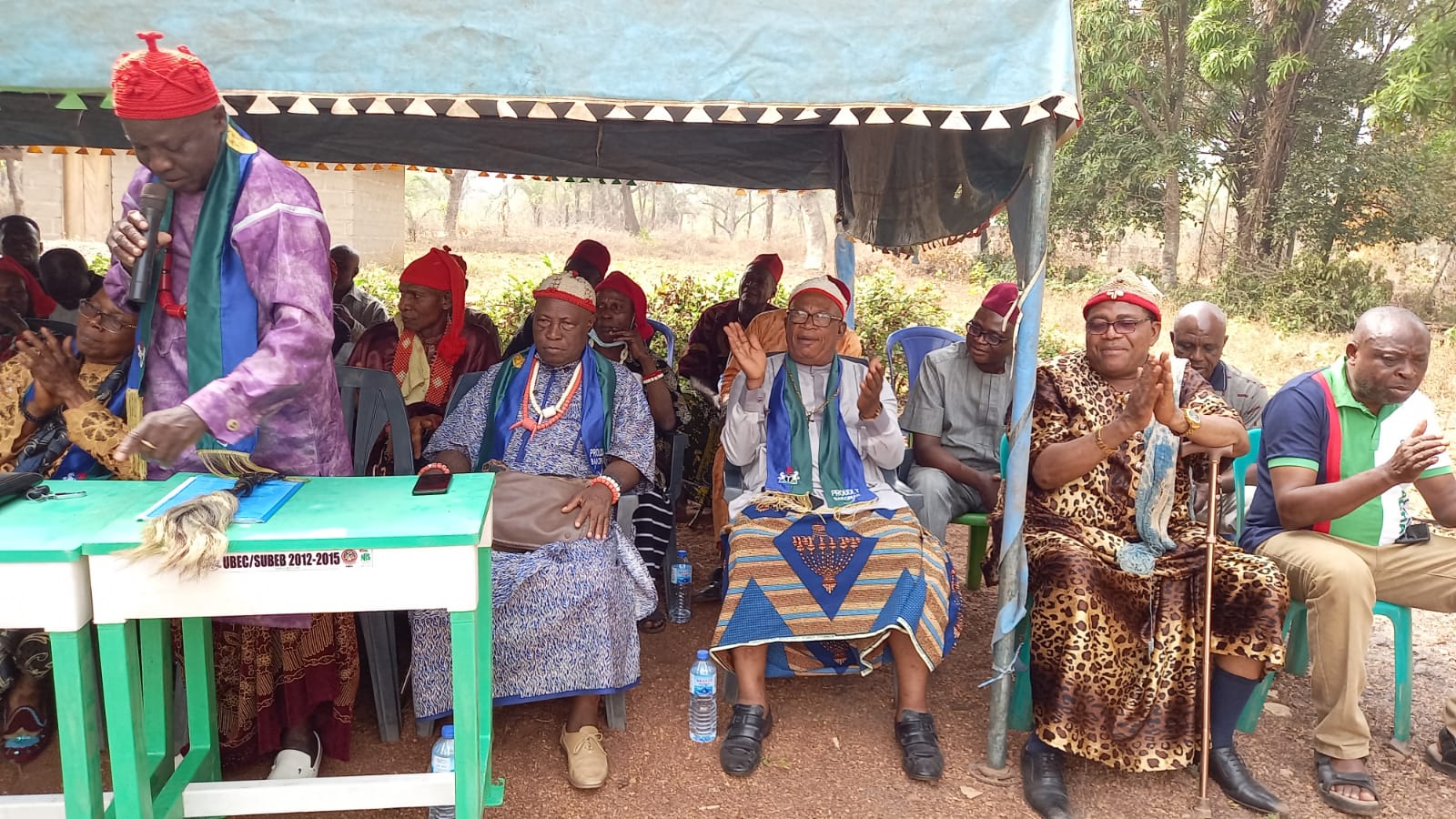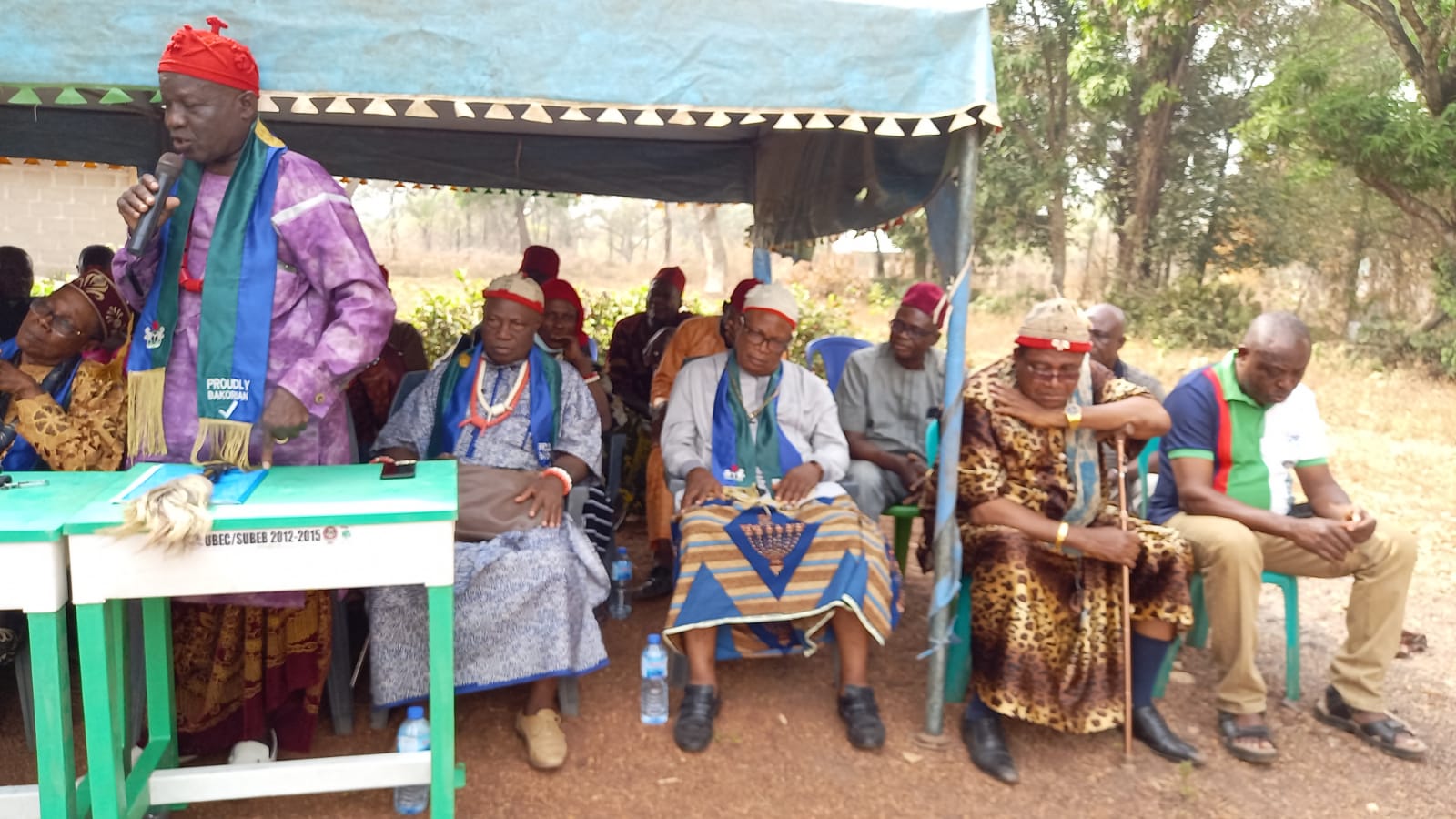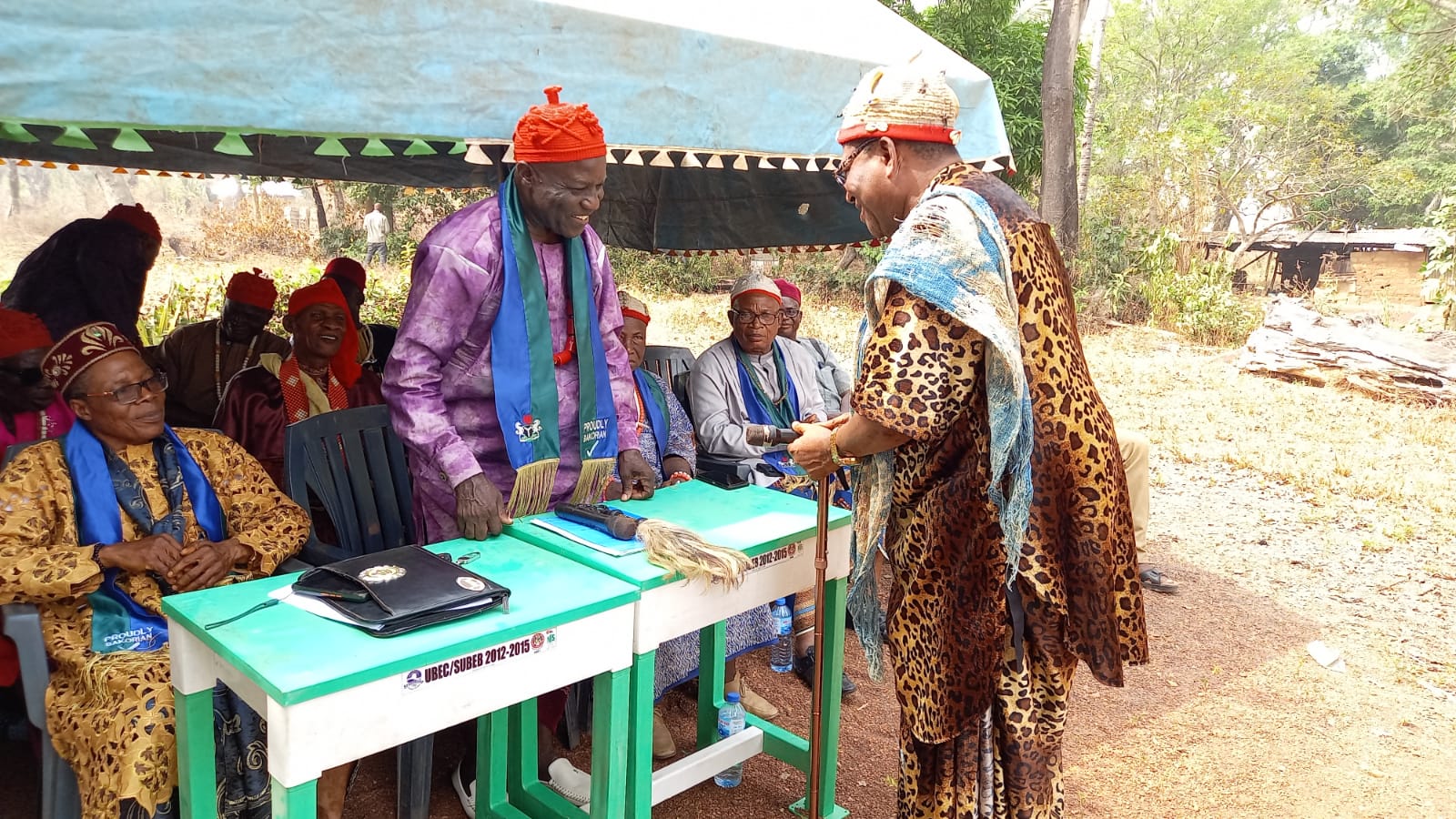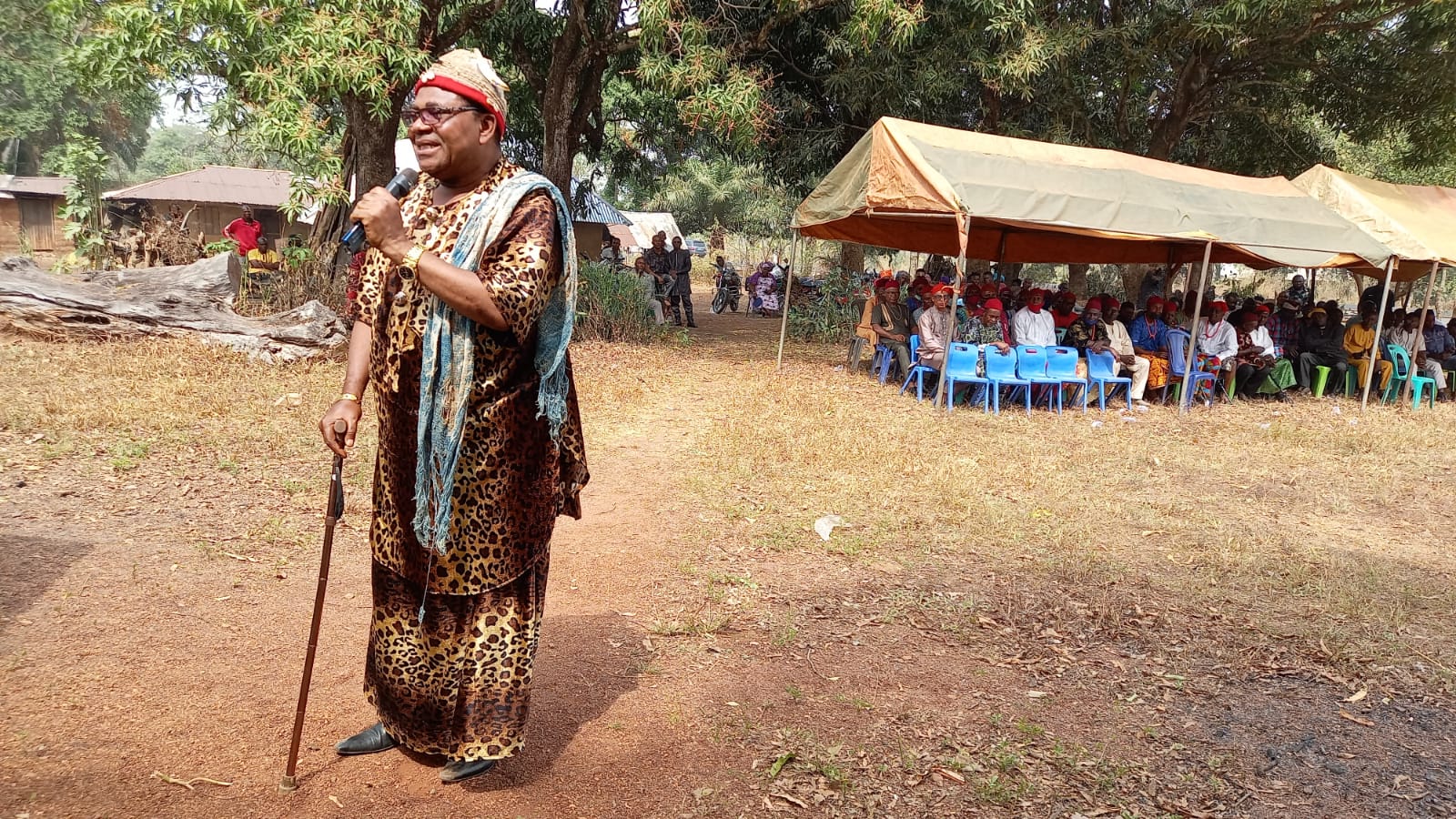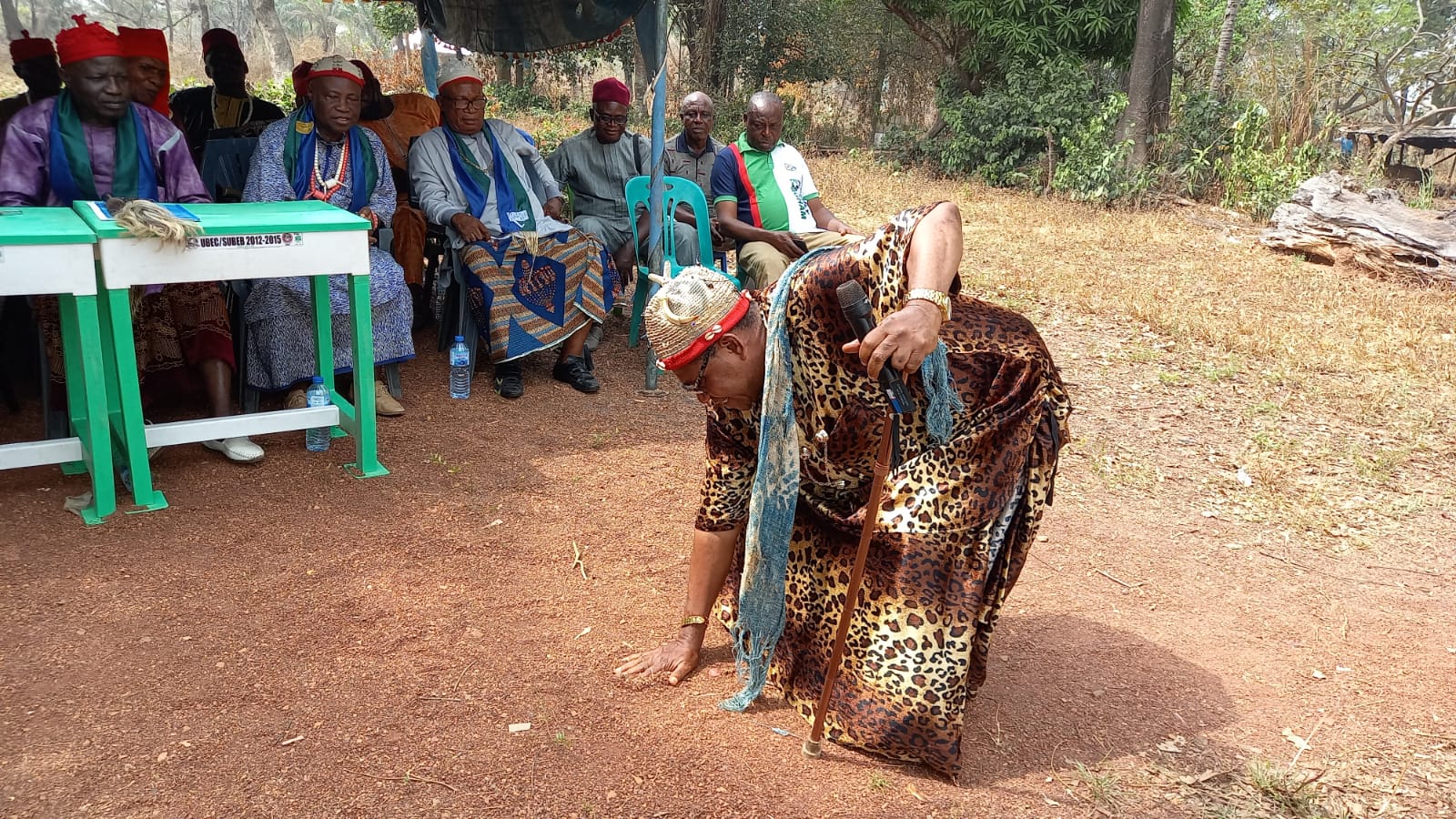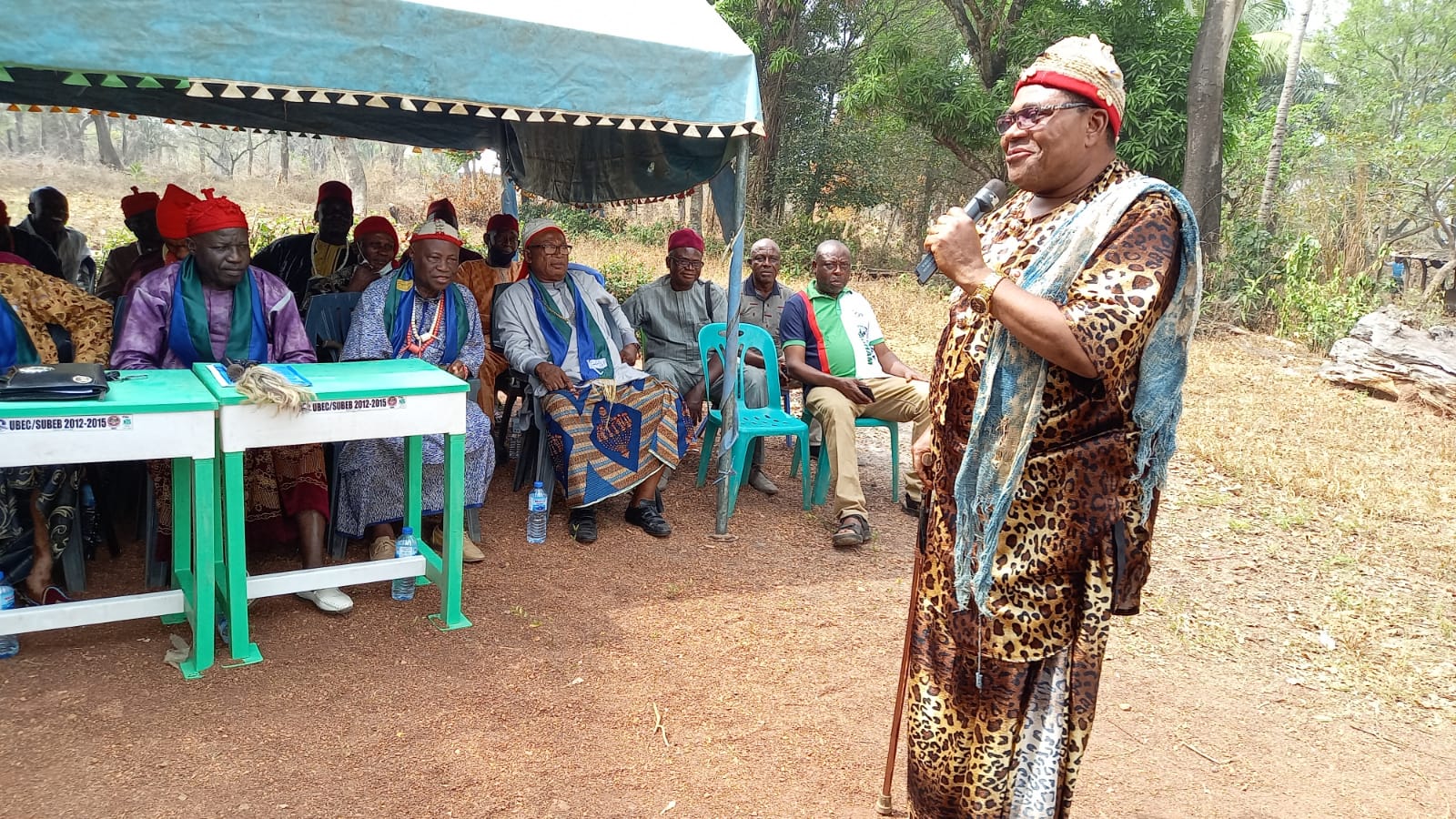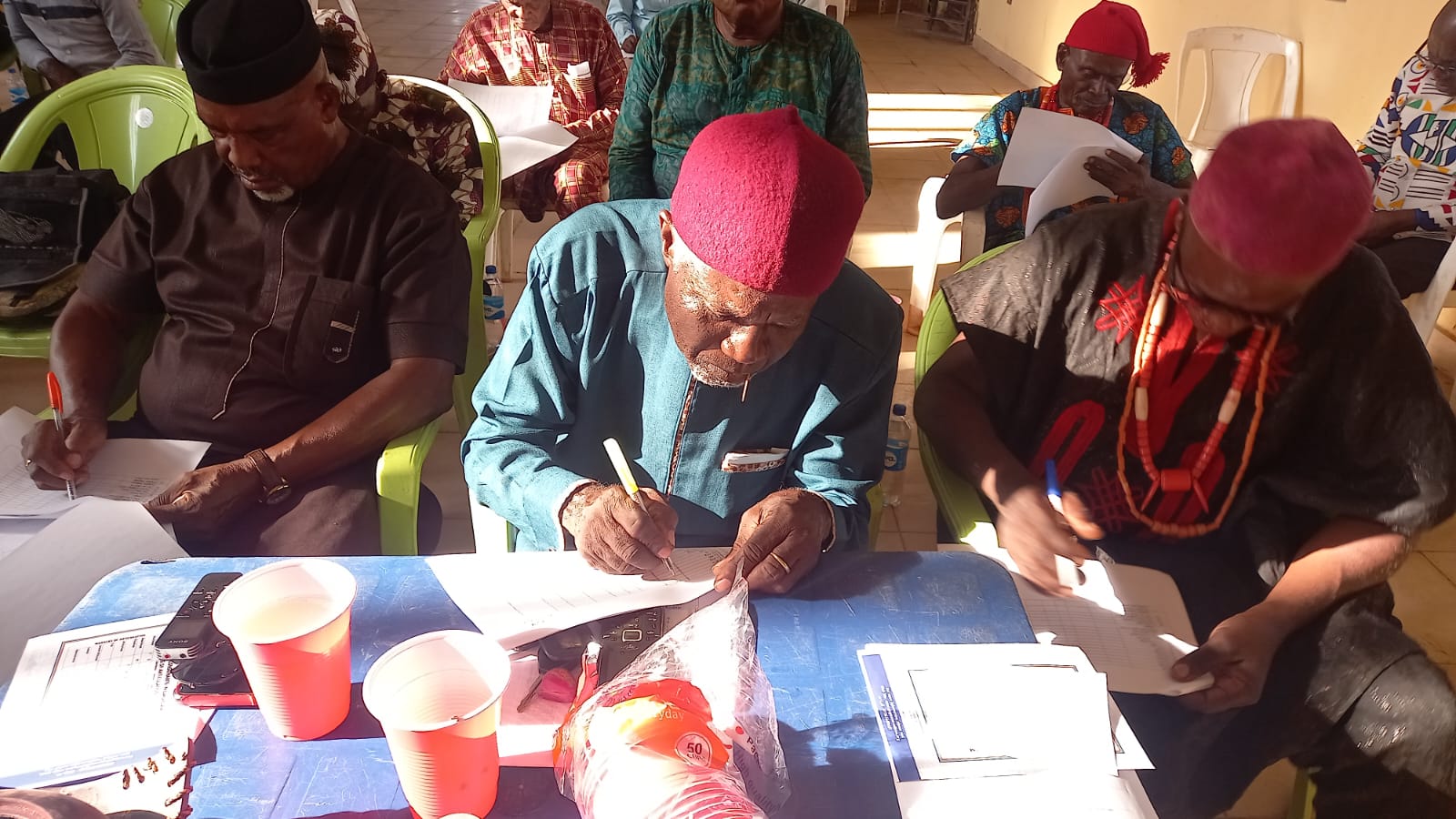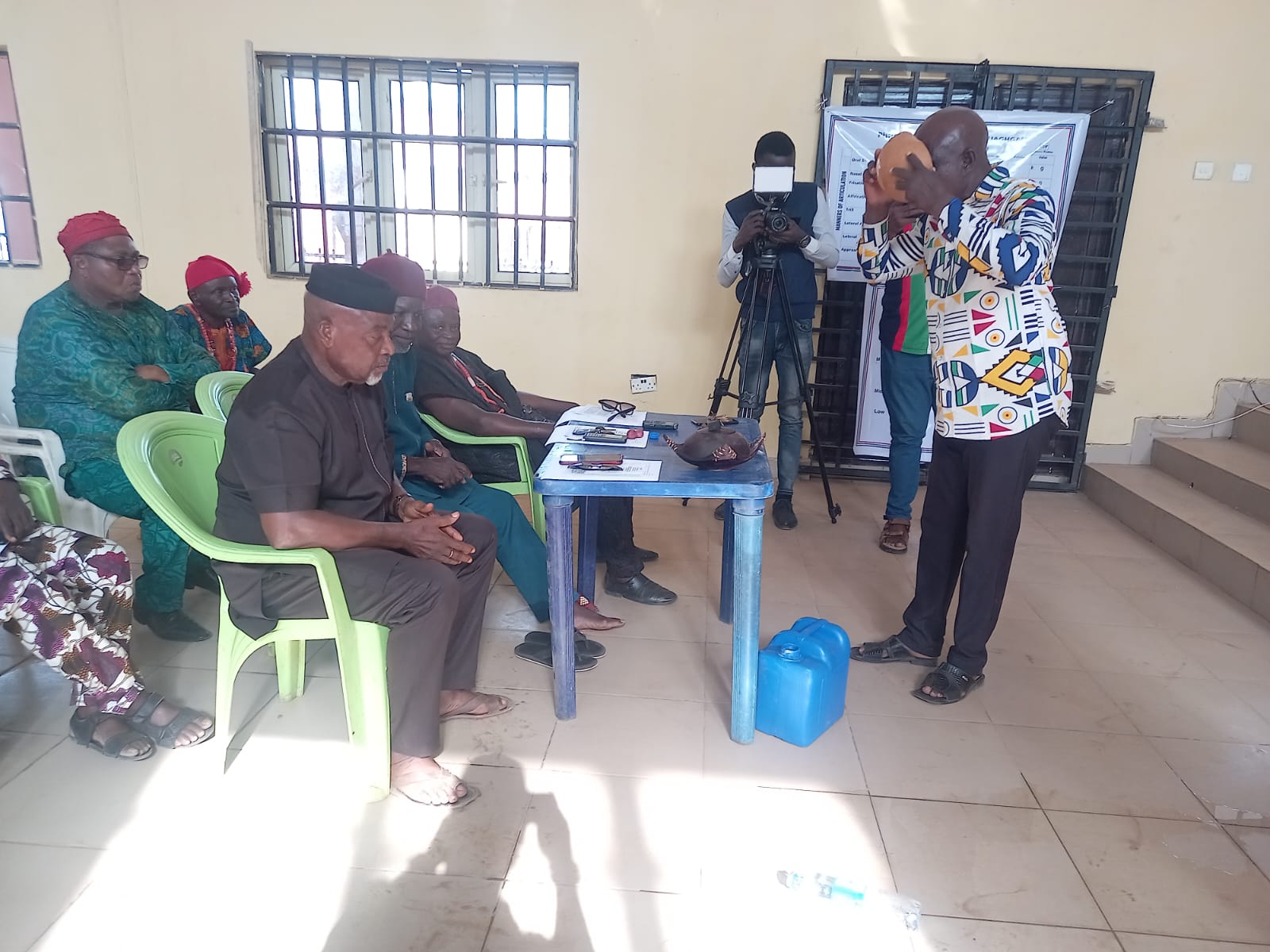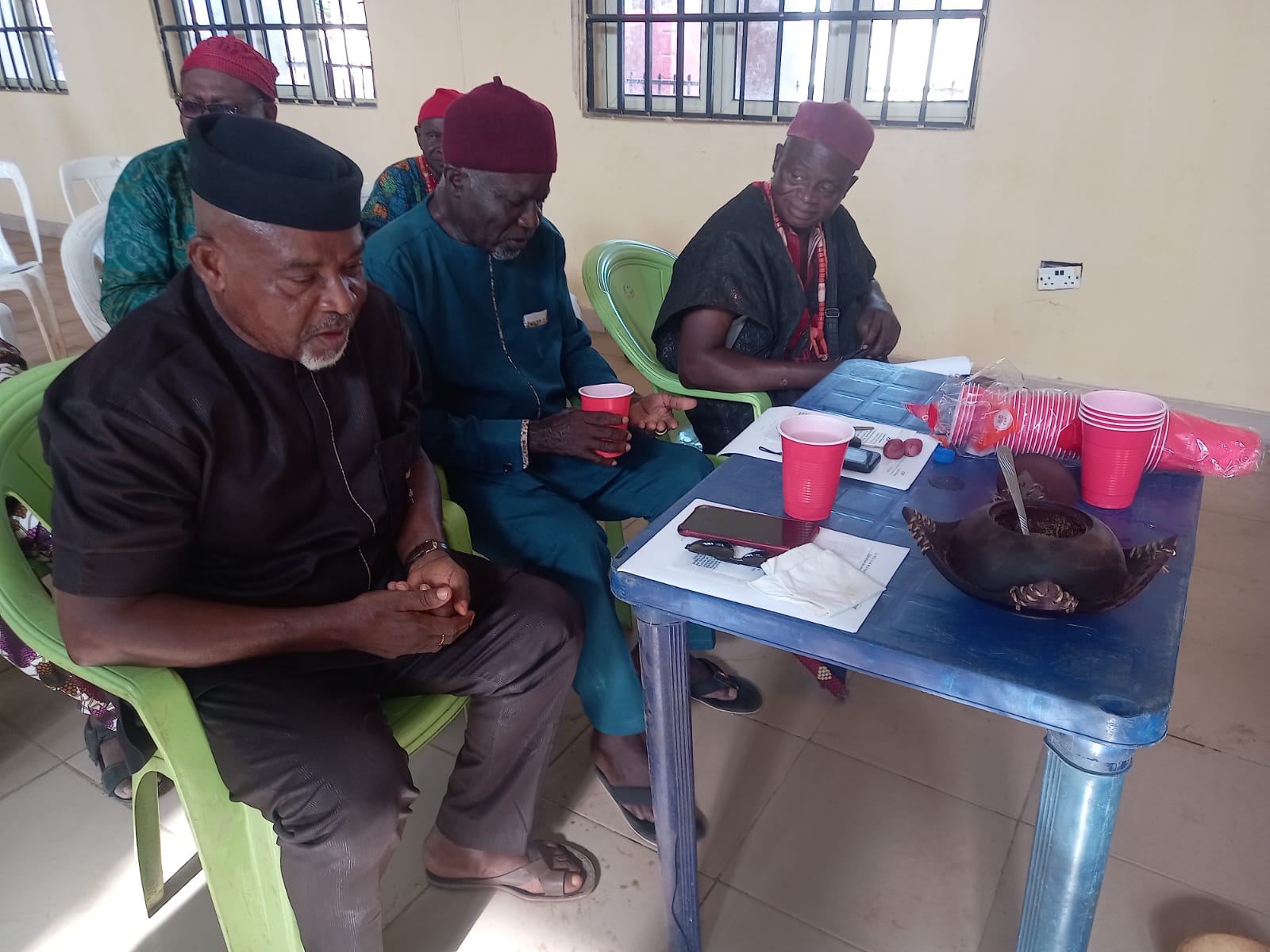

A Comprehensive Ethnographic and Linguistic Study with Special Reference to Inokun Village, Eyumojock Sub‑Division, South West Region, Cameroon. Initiated by: Barr. Agbor Akabum.

Abstract
This article offers a detailed ethnographic and linguistic exploration of ancestral appeasement rituals among the Ejagham people, focusing on Aku Efugem, the practice of feeding or appeasing the ancestors. Drawing from field observations in Inokun village, oral testimonies, and contemporary EjT community discourse, the study clarifies the distinctions among Aku Ejomim, Aku Efugem, and Amim Efugem, three related but functionally distinct ritual expressions. It also examines the spiritual entities Anim, Arem, and Nnim, whose meanings vary across Ejagham dialect clusters and have been reshaped by colonial encounters. The article concludes by situating these practices within the broader struggle against the EDAME Effect, Erosion, Dilution, Adulteration, Misinterpretation, and Extinction of Ejagham traditional practices and cultural expressions, and emphasizes the importance of documentation, dialogue, and digitalization for sustaining Ejagham cultural heritage.

Introduction
Among the Ejagham people, death is not perceived as a termination of existence but as a transition into another realm of life. The deceased, collectively known as Aku, continue to exist in a spiritual dimension that remains intimately connected to the world of the living. They observe, guide, bless, or reprimand their descendants depending on how they are remembered and honoured. This understanding forms the foundation of Ejagham ritual life, where the living and the dead maintain a reciprocal relationship rooted in respect, memory, and spiritual responsibility.
One of the most important expressions of this relationship is Aku Efogem, the ritual of feeding or appeasing the ancestors. This practice, deeply embedded in Ejagham cosmology, reinforces lineage continuity, spiritual balance, and communal identity. The present article documents the ritual as practiced in Inokun village, clarifies the terminology surrounding ancestral rites, and explores the linguistic and cultural diversity that shapes Ejagham spiritual expression.
Ejagham Cosmology and the Role of the Ancestors
The Ejagham worldview is built on the conviction that life continues beyond physical death. The ancestors remain conscious and morally invested in the affairs of the living. Their presence is not abstract; it is active, relational, and often interventionist. The living owe them periodic honour, food, and remembrance, while the ancestors in turn provide protection, fertility, guidance, and prosperity. When this reciprocal relationship is neglected or violated, the ancestors may express displeasure through misfortune, illness, or communal disharmony. Rituals of appeasement restore balance and reaffirm the moral order.
Ritual Materials and Symbolism in Aku Efogum
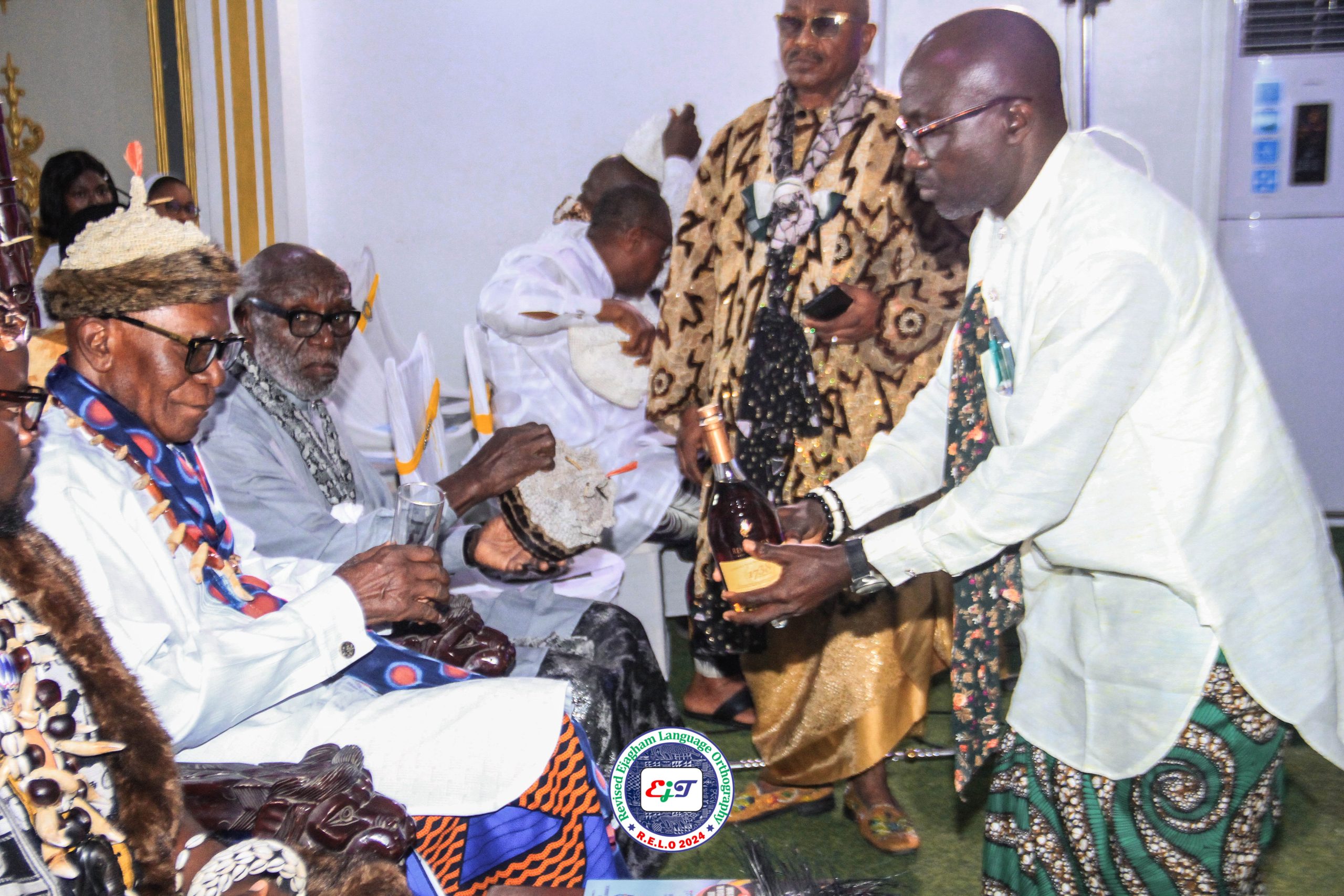
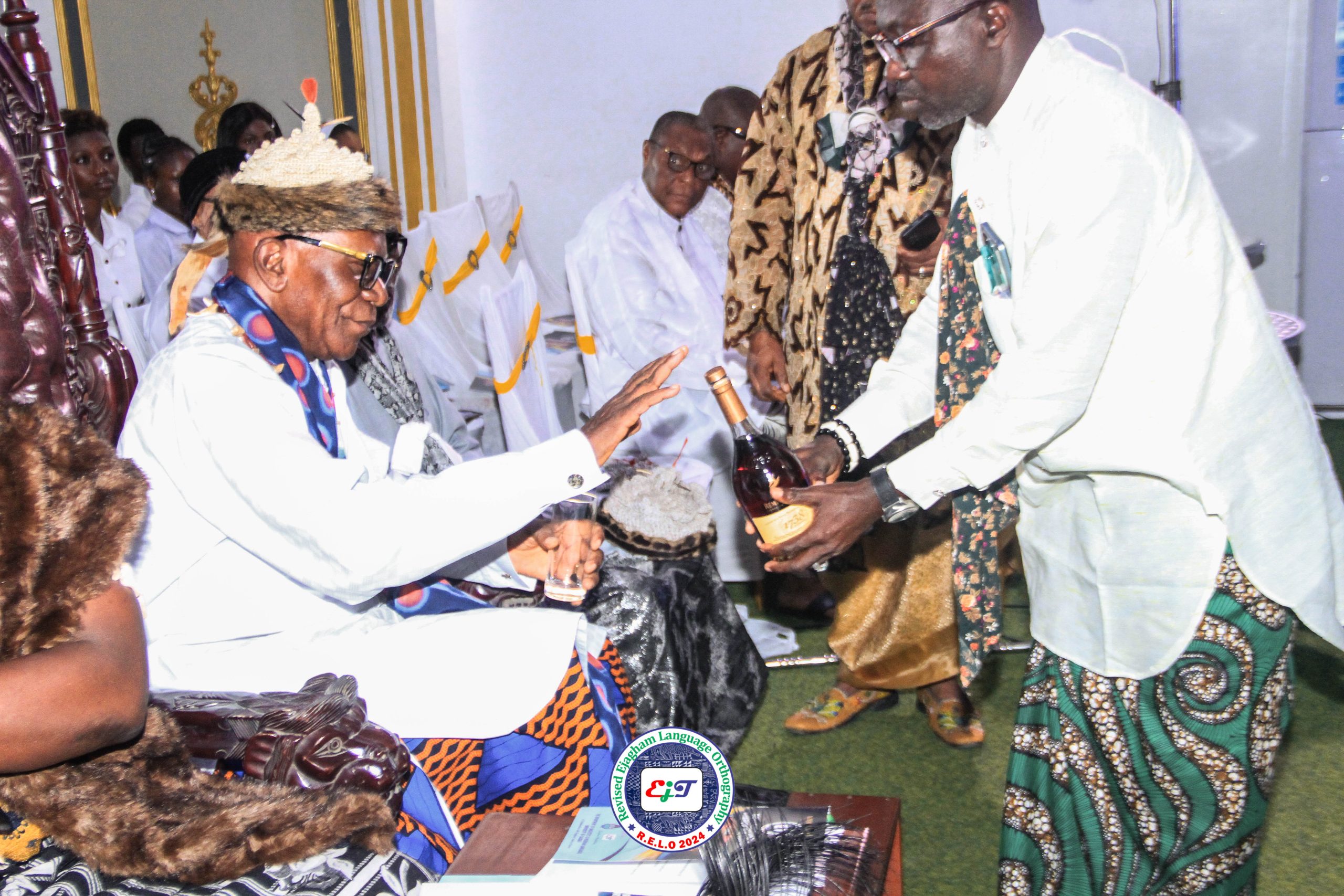
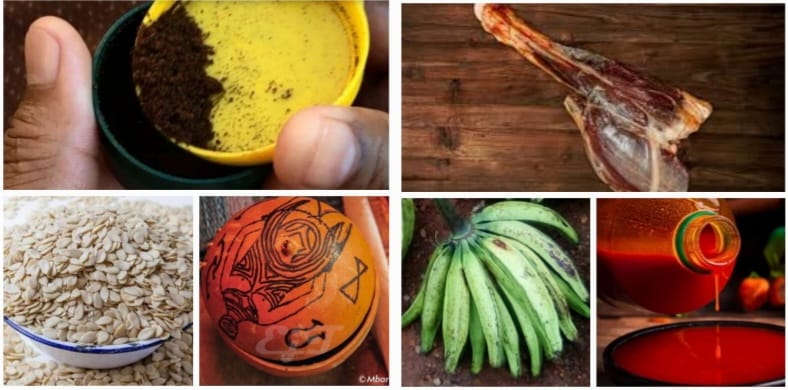
The ritual of Aku Efugem requires a carefully selected set of items, each carrying symbolic meaning within Ejagham cosmology. Unripe plantains of a special species known as Ebare or Ebare Egomeh represent sustenance and purity. Red palm oil, called Aku Abih, symbolizes vitality and the life force. Egusi, called Orsahn, is associated with fertility and abundance. Palm wine harvested from a standing tree, known as Amem Osor, is valued for its purity and truthfulness, while freshly fetched early‑morning stream water, called Ayep ma nah, may feh, embodies renewal and spiritual freshness.
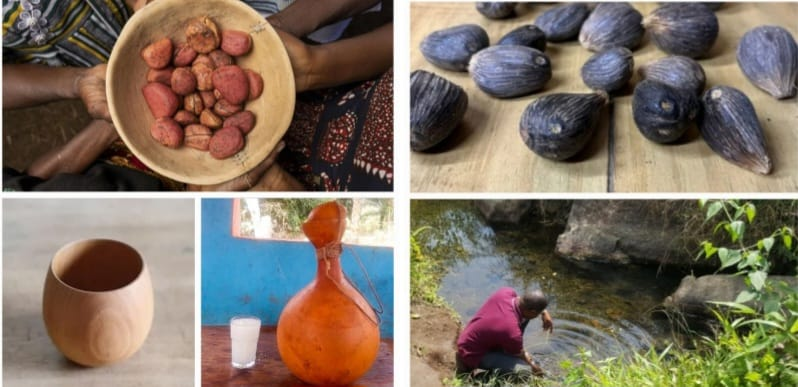
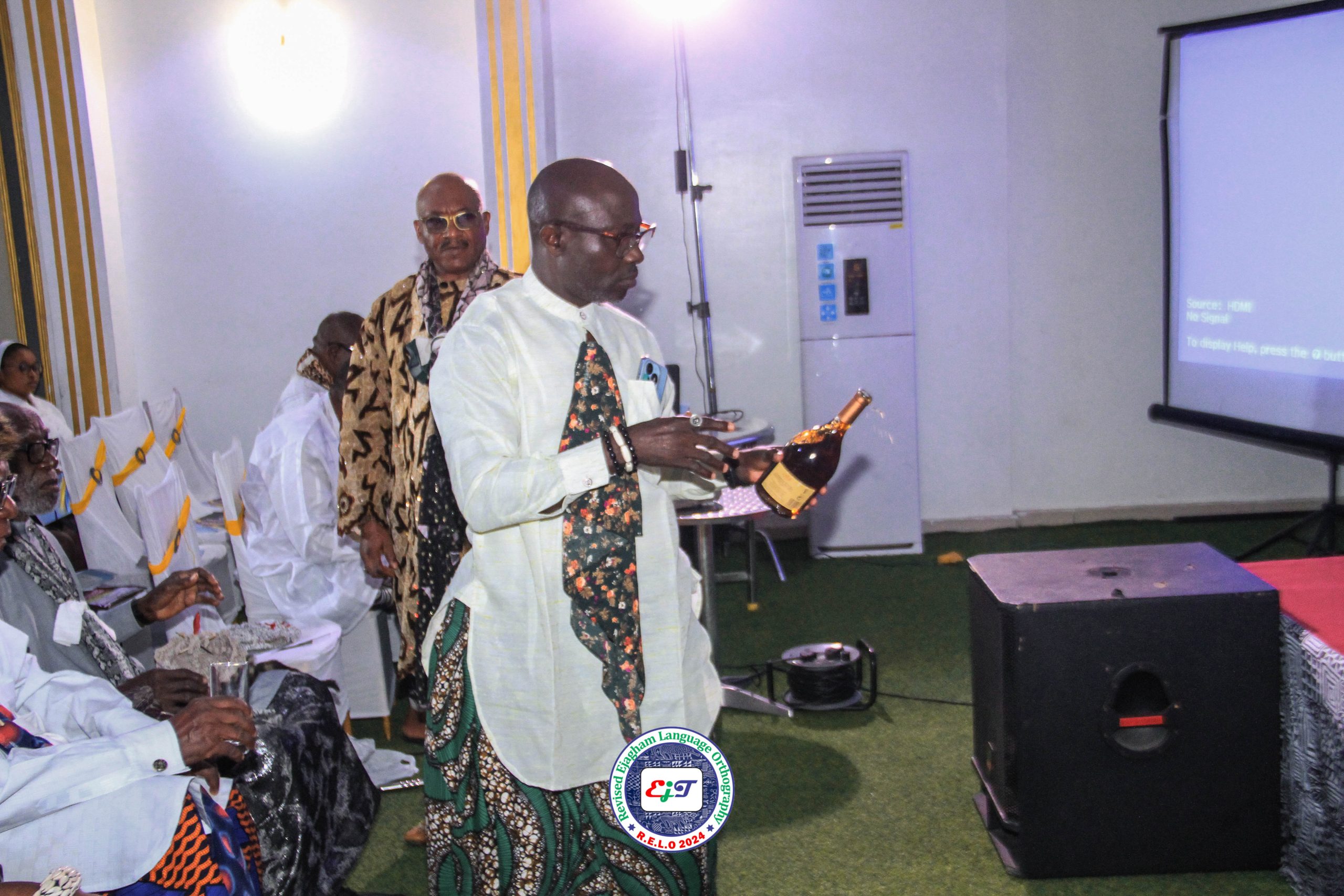
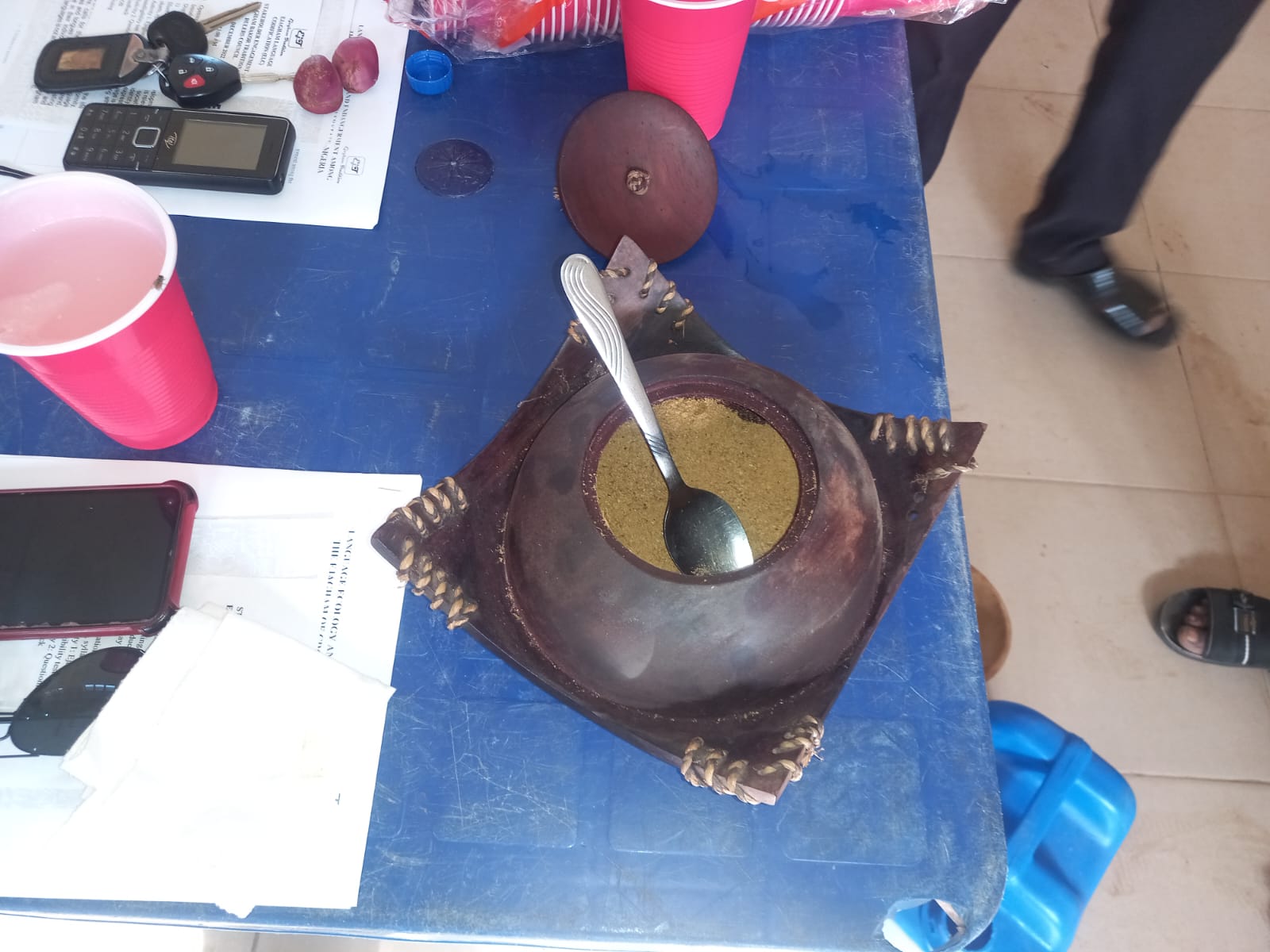
Animal offerings such as a hen or the lap of a deer, Otah Nyem Nsun or Iseh, signify honour and communication with the spirit world. Native kola nuts, called Eji. serve as instruments of communion, while the wooden cup, Afisan and calabash, Okpereh, act as ritual vessels. Snuff, called Oneh, is used for invocation, and the uncracked kernel, called Megi Mbang, symbolizes unity and the unbroken continuity of the lineage. Together, these items form a ritual vocabulary through which the living communicate with the ancestral realm.
The Ritual Process
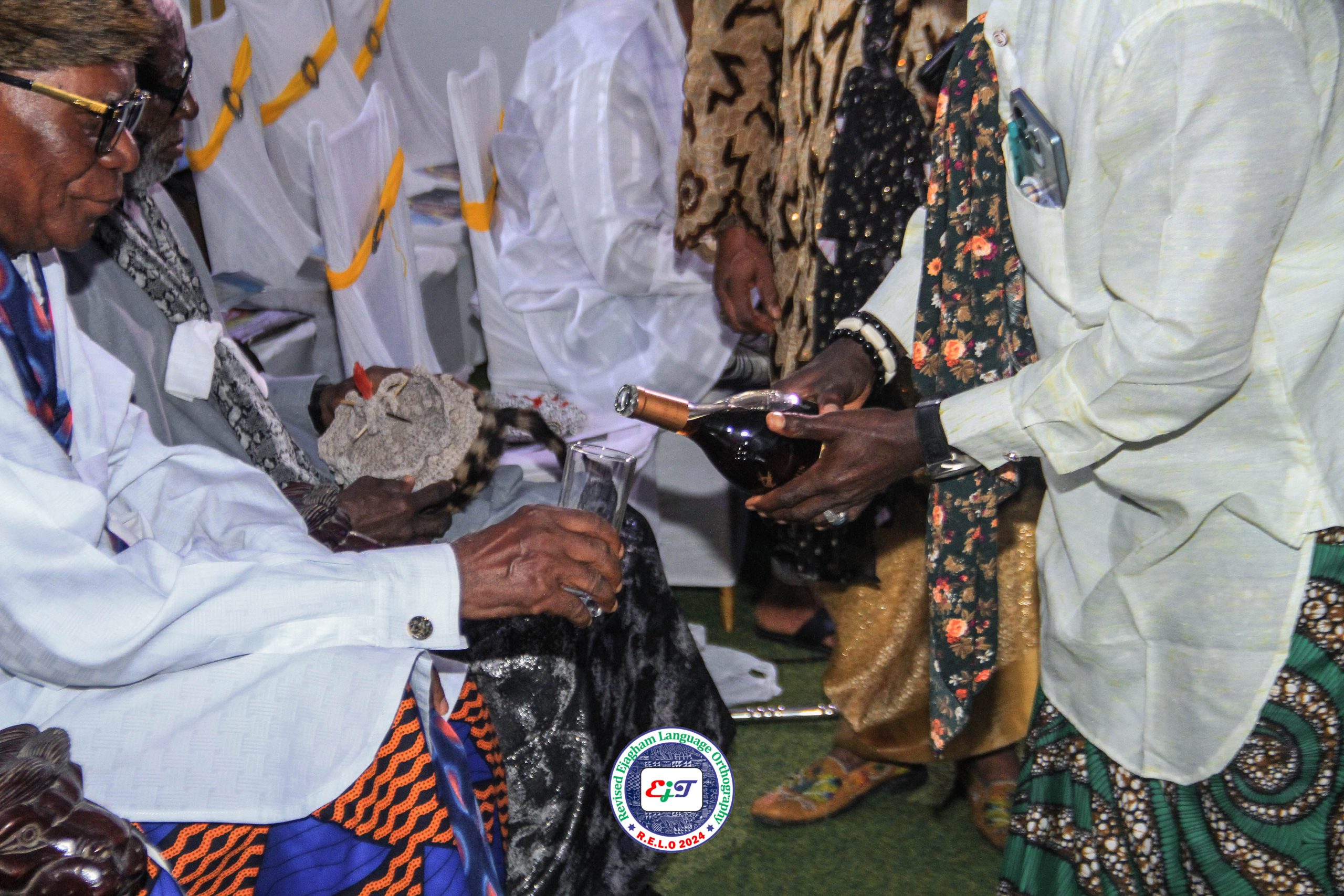
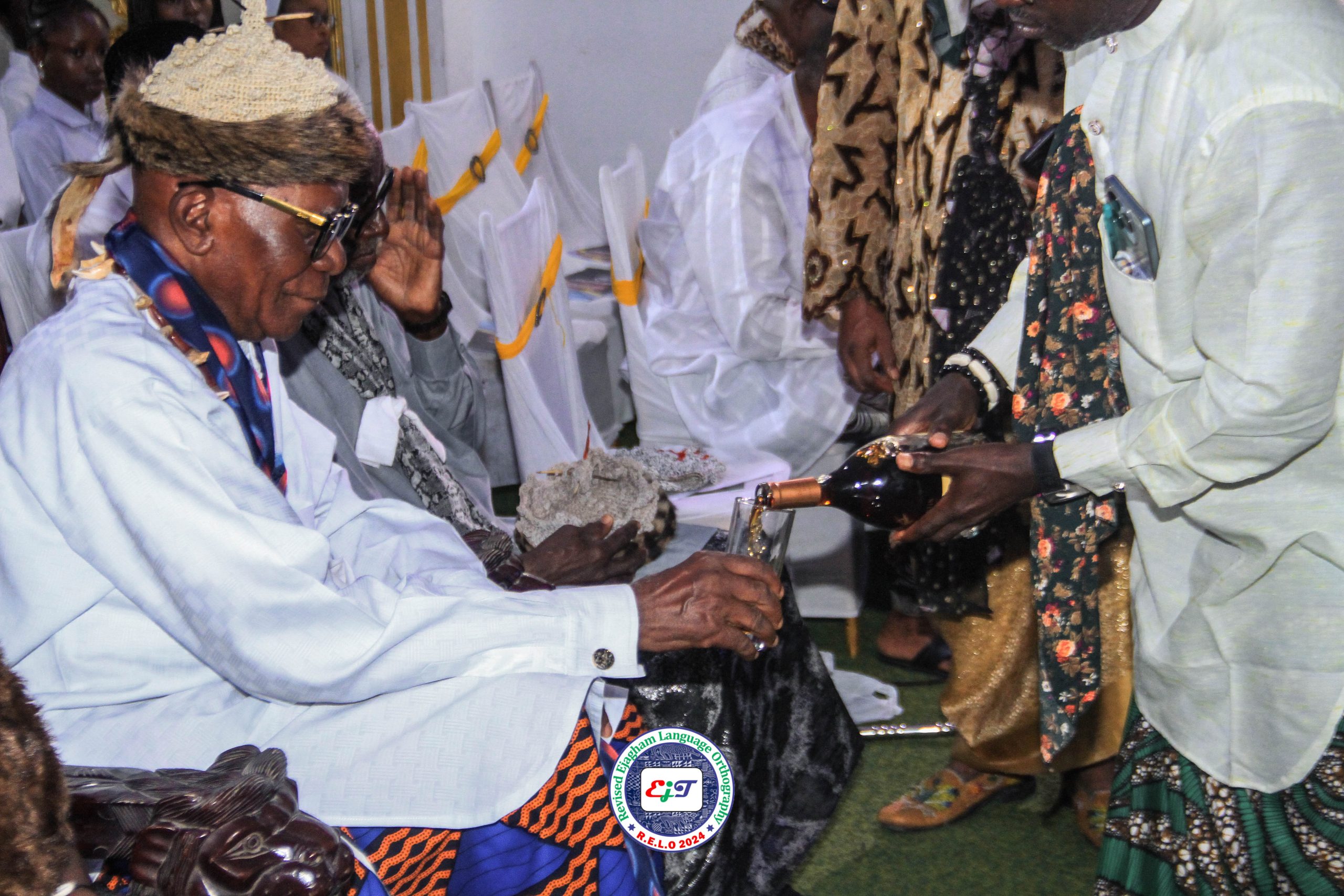
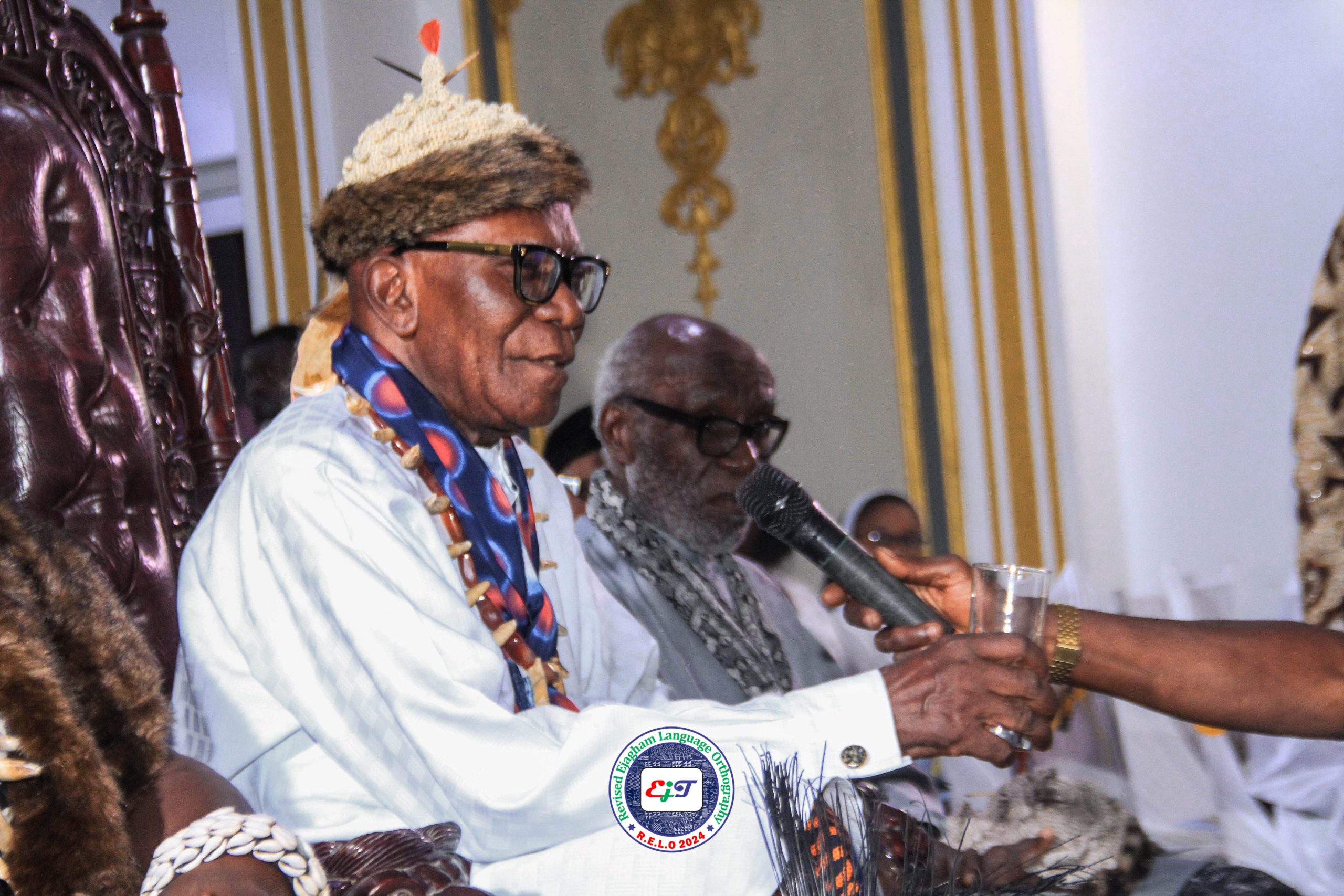
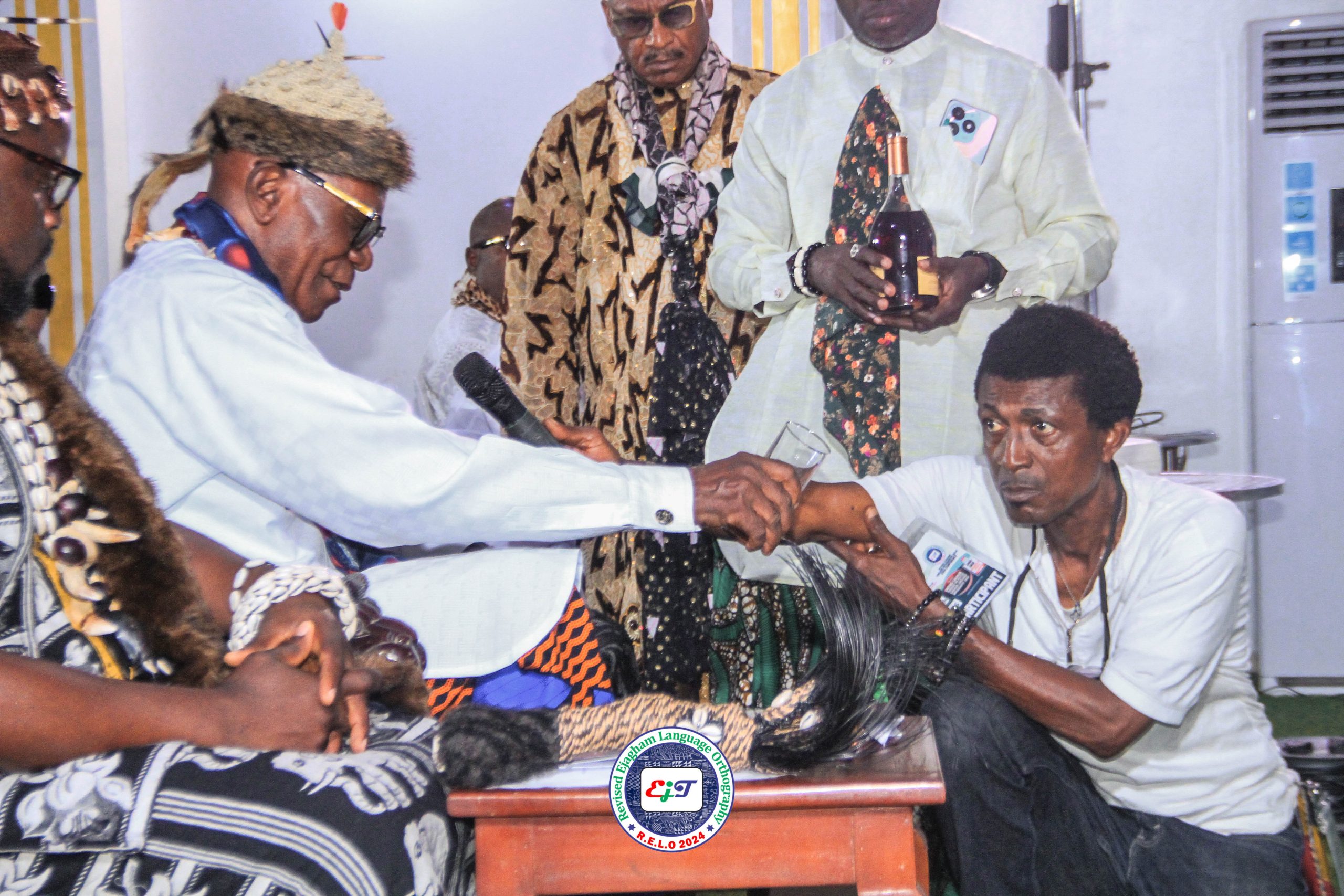
Although the precise sequence varies across families and lineages, the ritual generally begins with an invocation of the ancestors, followed by the presentation of food and symbolic items. Libation is poured using palm wine or water, after which the sacrificial offering is made. Prayers or petitions are spoken aloud, asking for protection, fertility, good harvest, or forgiveness. The ritual concludes with the communal sharing of blessed items, reinforcing unity among the living and strengthening their bond with the dead.
Differentiating Aku Ejomim, Aku , and Amim
One of the most intricate aspects of Ejagham ritual life is the nuanced vocabulary used to describe different forms of ancestral engagement. Although these expressions share a common cosmological foundation, they are not interchangeable. Each term reflects a distinct ritual purpose, obligation, and spiritual context.
Aku Ejomim: Appeasement After Offense
Aku Ejomim is performed when the ancestors show signs of displeasure toward an individual, family, or community. This displeasure is usually confirmed through Obasi-Njom, the divination process. The ritual is obligatory and aims to apologise for wrongdoing committed either knowingly or unknowingly. Offenses may include the violation of taboos, neglect of ancestral obligations, social misconduct, or the desecration of sacred spaces. The expression “Jom Aku”, to pacify the ancestors, captures the essence of this ritual. It belongs to a broader ritual grammar that includes expressions such as Jom‑Etek (appeasing the land), Jom‑Njom (appeasing the spirits), etc.
Aku Efugem: Voluntary Feeding and Petition
In contrast, Aku is a voluntary ritual performed to seek blessings, protection, fertility, or prosperity. It is not triggered by ancestral displeasure but by the desire of the living to maintain spiritual harmony and express gratitude. The verb Efugem, meaning “to feed,” is central to this ritual category. Thus, expressions such as Afug Aku (feeding the ancestors), Afuga Ebed (feeding the spirits of the land), and Afug Ndeb Amem (feeding the spirits) all belong to the same family of rituals. These practices are acts of nourishment rather than apology.
Ajom Eku: Collective Appeasement
A related expression, Ajom Eku, refers to a collective appeasement performed when an entire community has committed an act of disrespect or violation against the ancestors. Like Aku Ejomim, it is obligatory and serves to restore communal balance. It is comparable to Ajom Asongka in Babong tradition.
Amim Efugem: Libation – The Introductory Rite
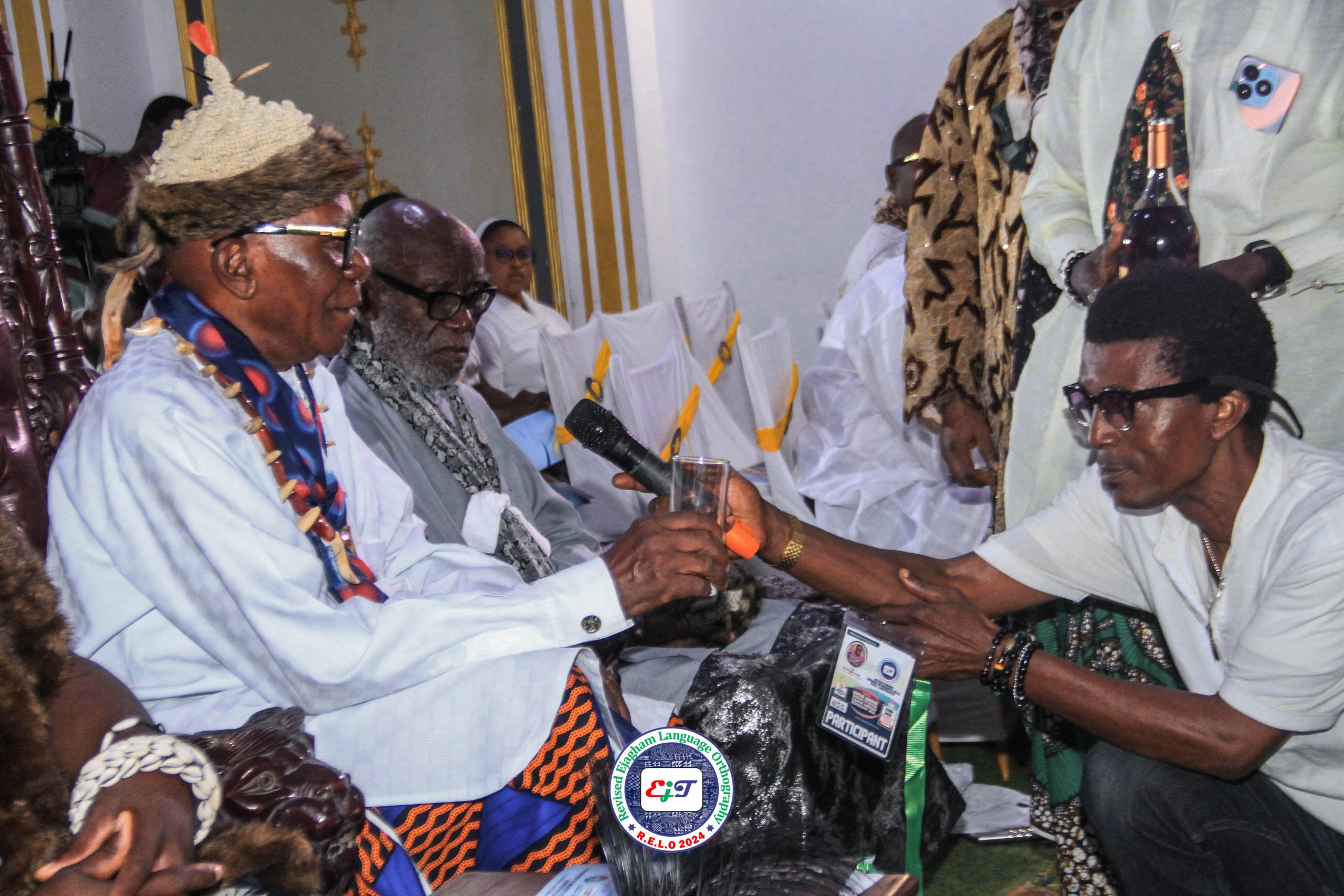
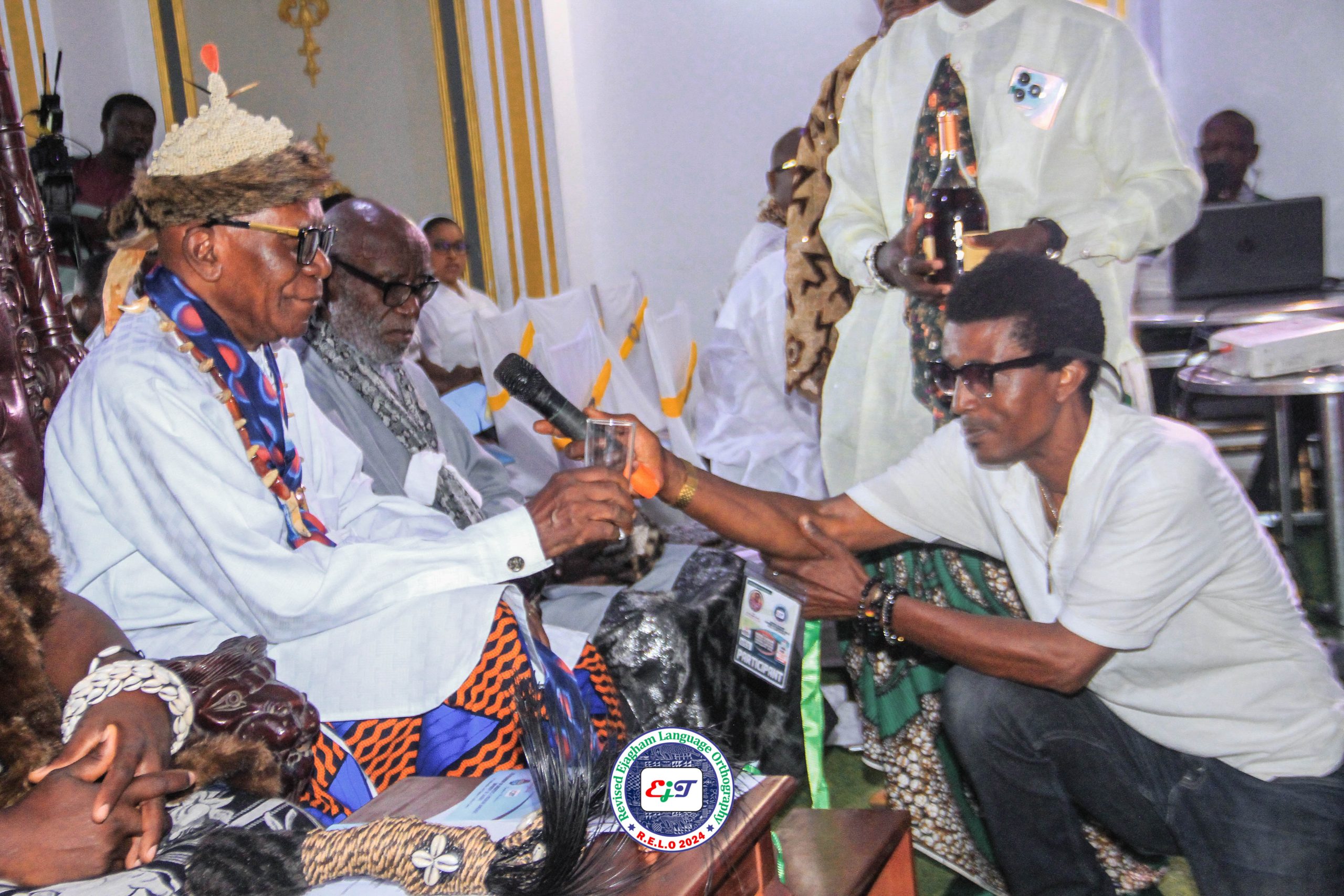
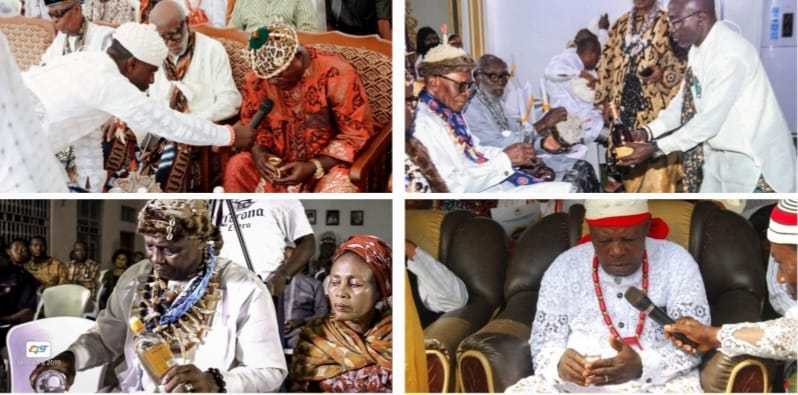
Amim Efugem is neither a feeding ritual nor an appeasement ritual. It is the introductory libation performed at the beginning of meetings, ceremonies, or major rituals. Similar to “opening prayers” in Christian contexts, it invites the ancestors to witness, guide, and legitimize the proceedings. It does not involve sacrifice or the full ritual structure of Aku Efugem or Aku Ejomim.
Ritual Taxonomy: Efugem and Ejomim
Elders emphasise a fundamental distinction between Efugem and Ejomim. The former refers to rituals of feeding, while the latter refers to rituals of appeasement. Both involve sacrifice, but their intentions differ. Feeding rituals nourish and honour the ancestors, while appeasement rituals seek forgiveness and reconciliation.
Linguistic and Cosmological Dimensions: Anim, Arem, and Nnim
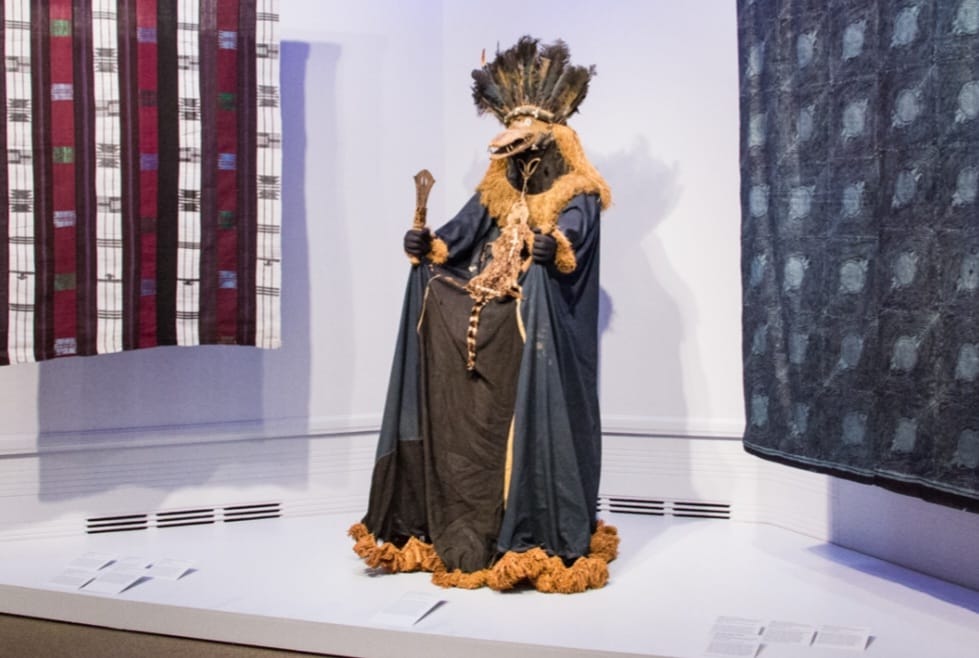
The linguistic diversity of the Ejagham people adds another layer of complexity to the understanding of ancestral rituals. In Ejagham Qua, the word Anim refers to water. In Ejagham Njemaya, Arem denotes sacred stones selected from water and placed under a cotton tree. These stones are periodically fed and are believed to ensure fertility in both women and the soil. In Ejagham Bakor, the equivalent term is Nnim, a life‑bearing spiritual force present in water, land, and plants.
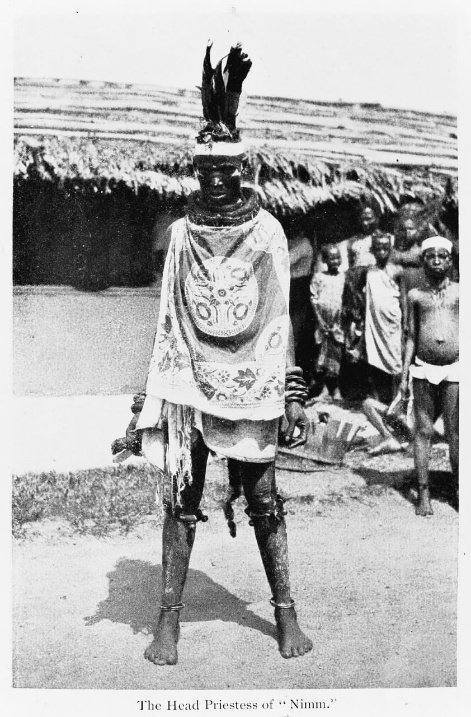
According to Ugban Ayirano Wogar – “The association of Nnim with the devil among the Nkim is a legacy of colonial and missionary reinterpretation, mirroring the fate of other African spiritual entities such as Eshu among the Yoruba and Ekwensu among the Igbo, beings that were originally revered as powerful, protective forces within their indigenous cosmologies.
As a child, I often heard the expression: Isho go Ibor, Nnim ga ndegì, commonly rendered as ‘God in heaven, the devil on earth.’ Yet this translation, shaped by missionary influence, does not reflect the original Ejagham understanding of Nnim.
With deeper study of Ejagham spirituality, especially the role of Nnim and the significance of the Nnim priestess, it became clear that the phrase carries a very different meaning. Rather than expressing opposition between heaven and earth, it affirms their harmony. A more accurate rendering is: “Thy will be done on earth as it is in heaven.”
In this light, Nnim emerges not as a demonic figure but as the earthly manifestation of divine presence, a life‑bearing spiritual force active in water, land, and the natural world.”
Knowledge Preservation and the EDAME Effect
The ongoing EjT community dialogue surrounding Aku Efugem demonstrates the importance of documentation, discussion, digitalization, and dissemination, EjT’s pillars of the Triple‑D Strategy for cultural preservation. These practices counter the EDAME Effect, which threatens Ejagham heritage through erosion, dilution, adulteration, misinterpretation, and in some cases, extinction. Each shared insight, question, clarification, and memory contributes to a growing archive of Ejagham knowledge that future generations can rely upon.
Conclusion
The rituals of Aku Ejomim, Aku Efugem, and Amim Efugem reveal the depth and sophistication of Ejagham cosmology. Their distinctions, rooted in obligation, intention, and spiritual logic, reflect a nuanced system of ancestral engagement that has sustained Ejagham identity for centuries. The lively EjT community discourse that inspired this article is itself a form of ritual: a feeding of collective memory, a libation poured into the vessel of heritage. Through documentation, dialogue, and digital preservation, the Ejagham people continue to resist the EDAME Effect and strengthen the foundations of their cultural future.
Part 2 Loading ….
Ekup na nkad
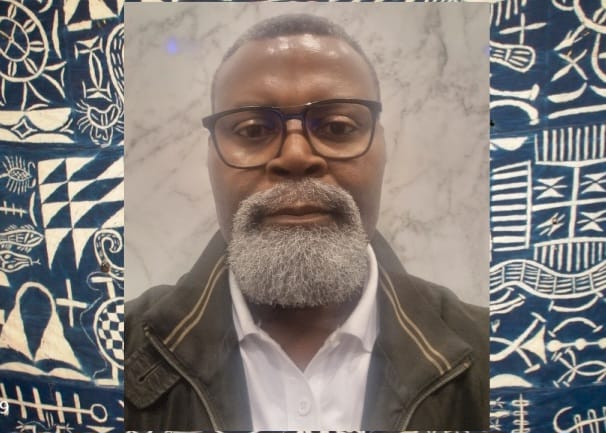
Ntufam Engr. Chris Anom CEng, CMarEng, FIMarEST, FRINA
President, EjT