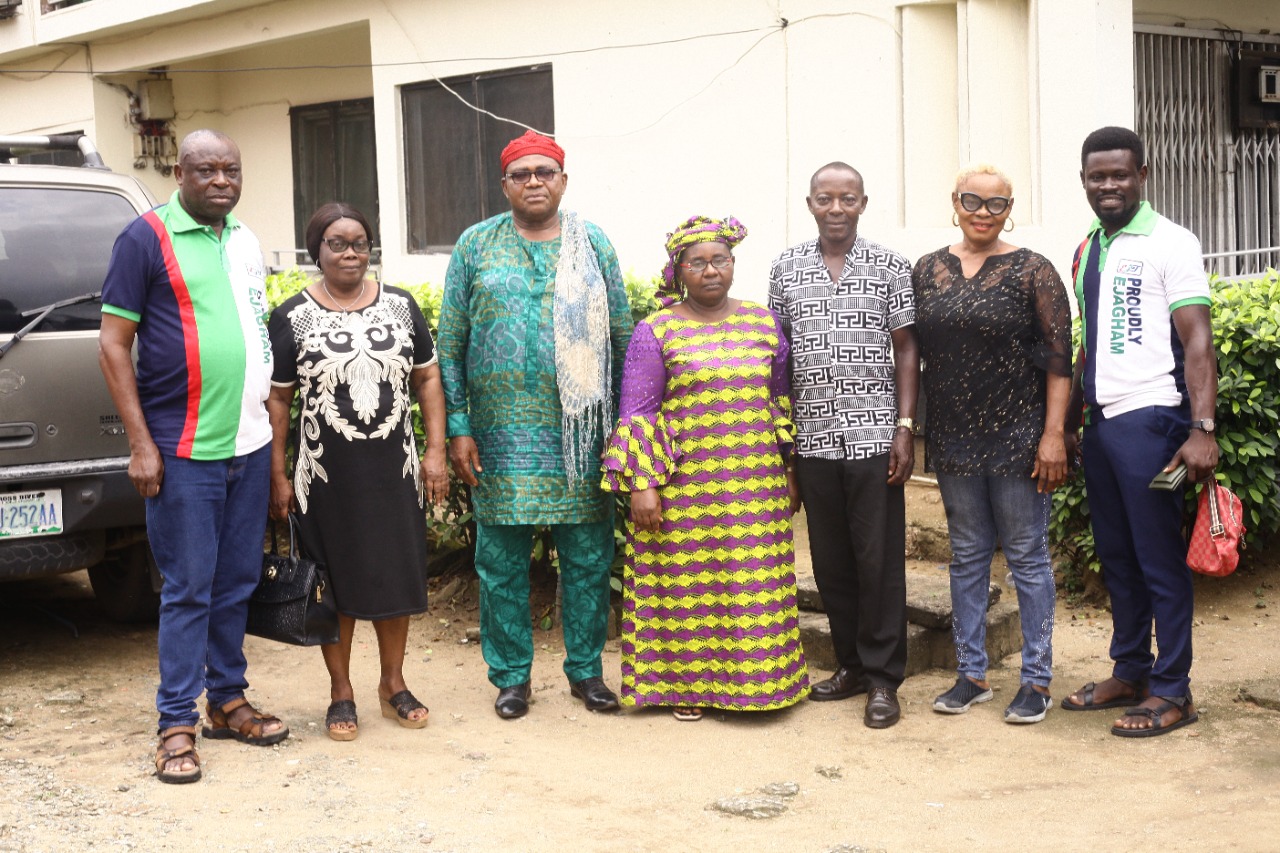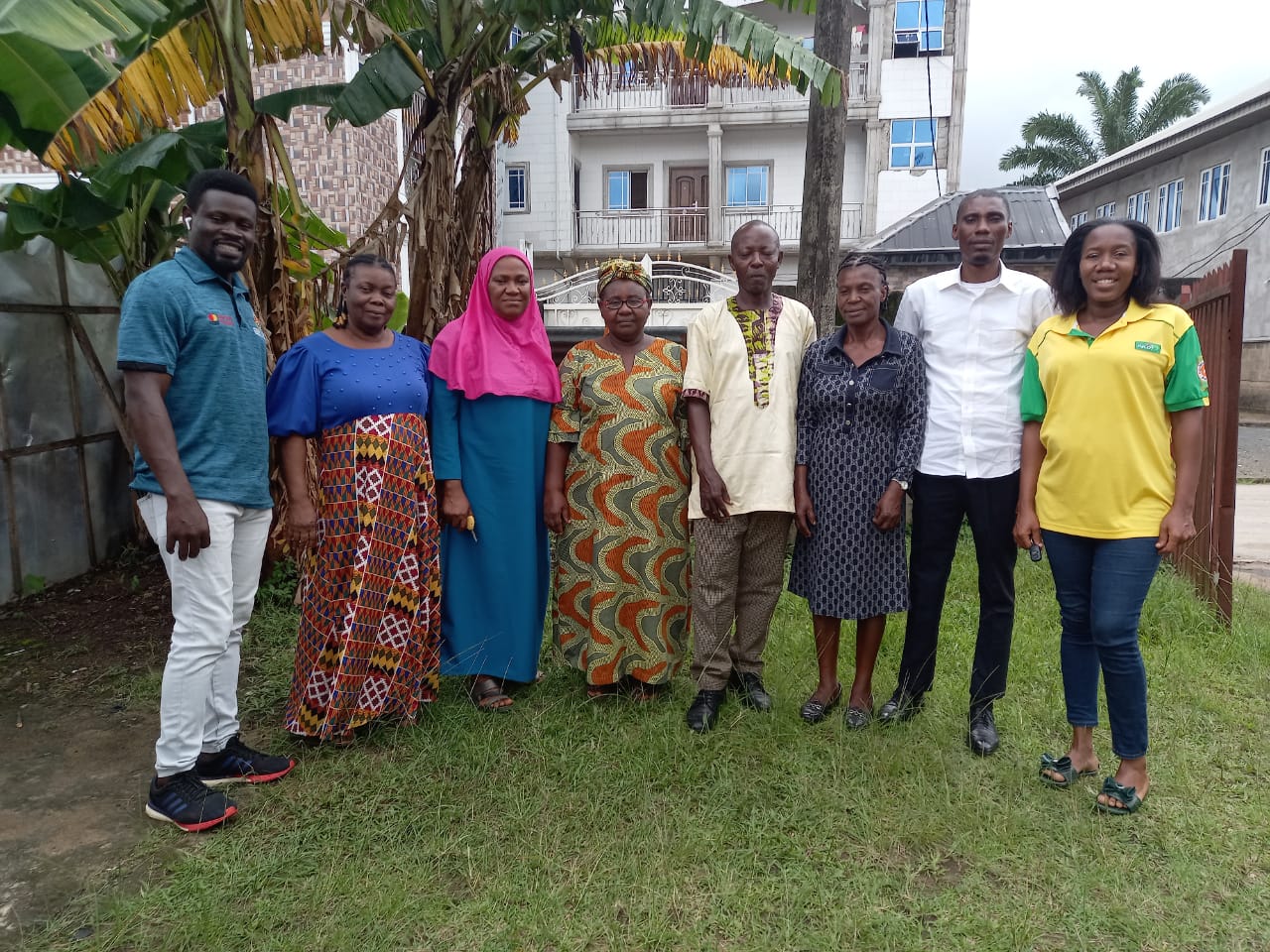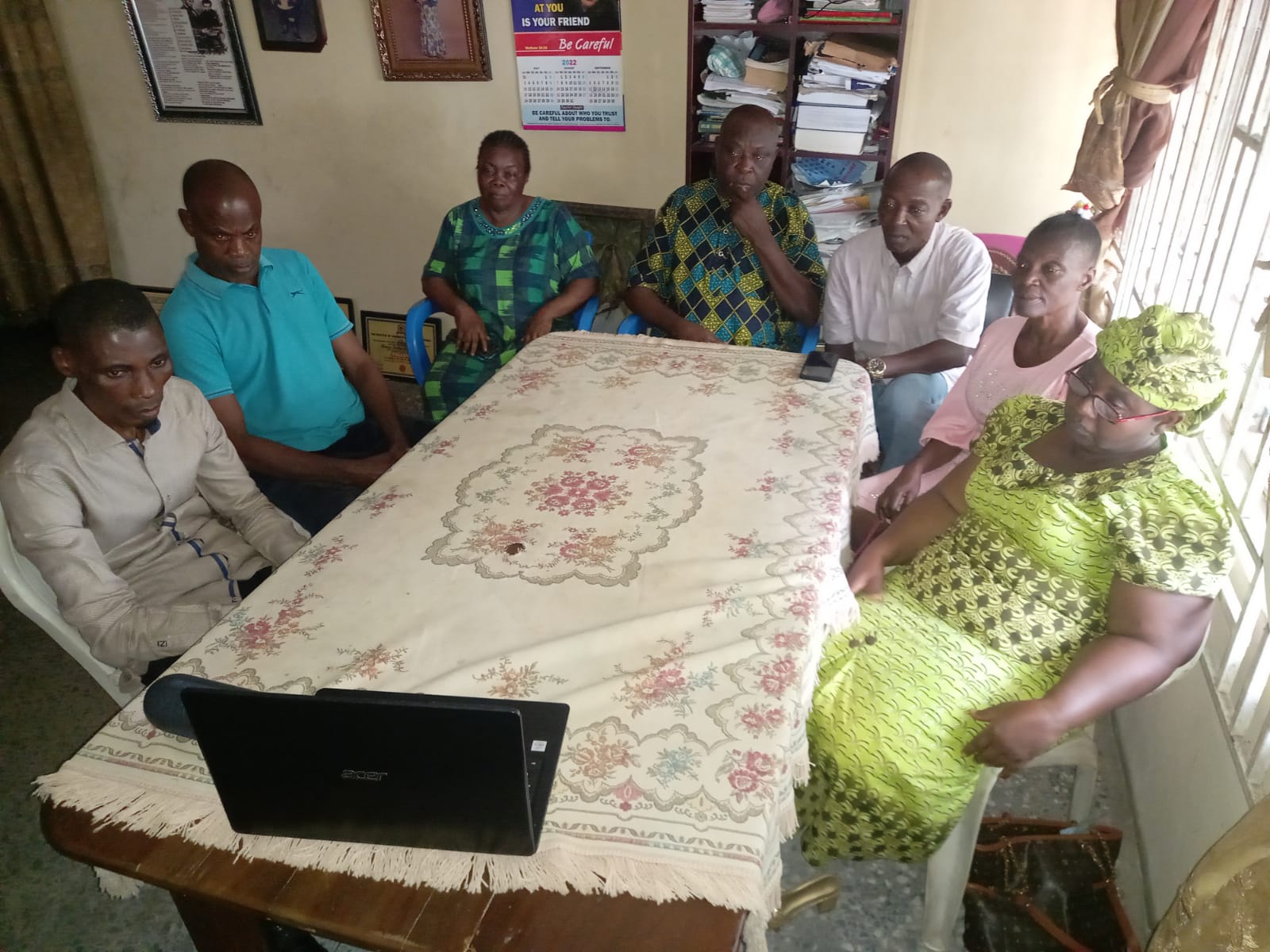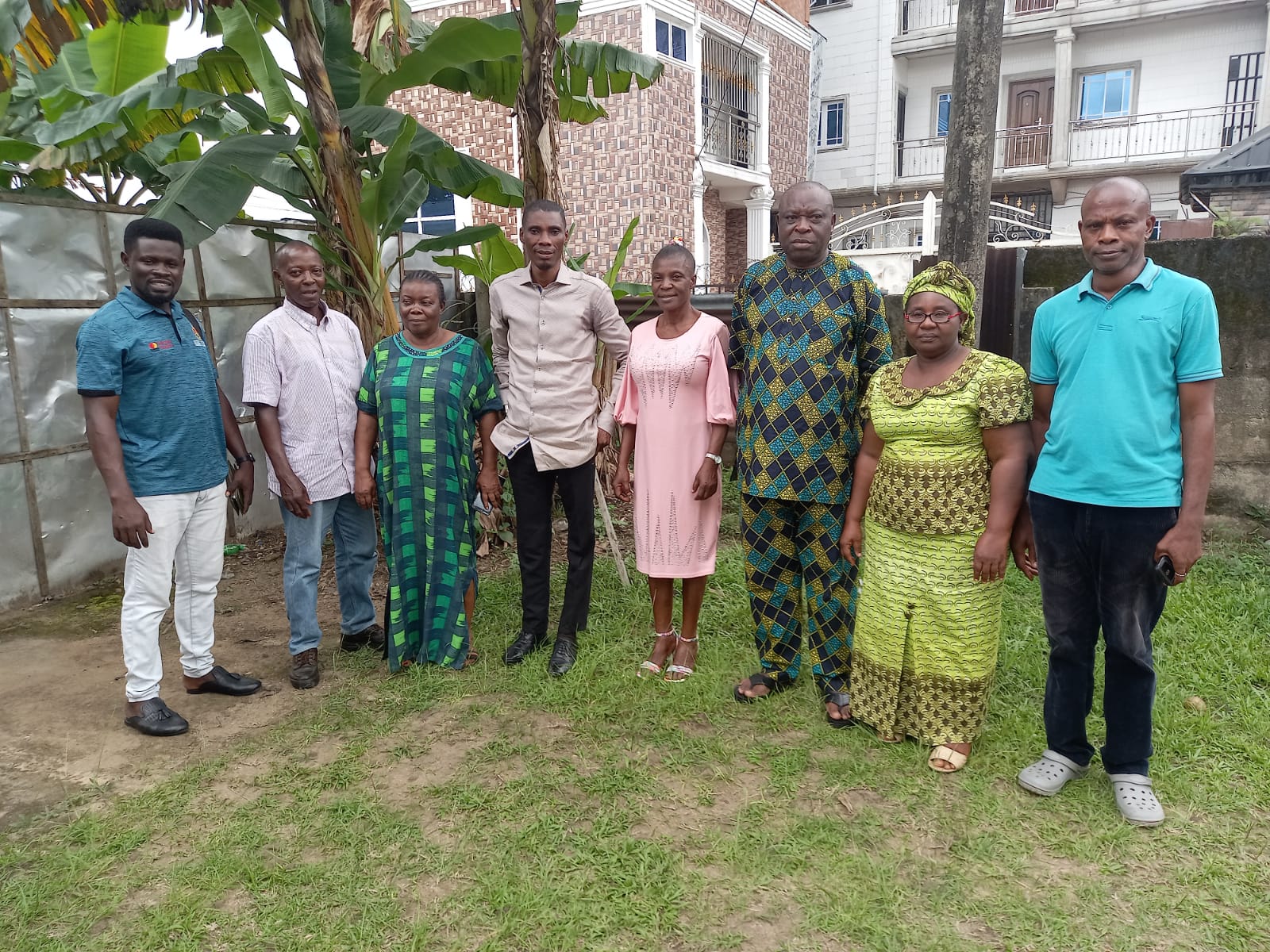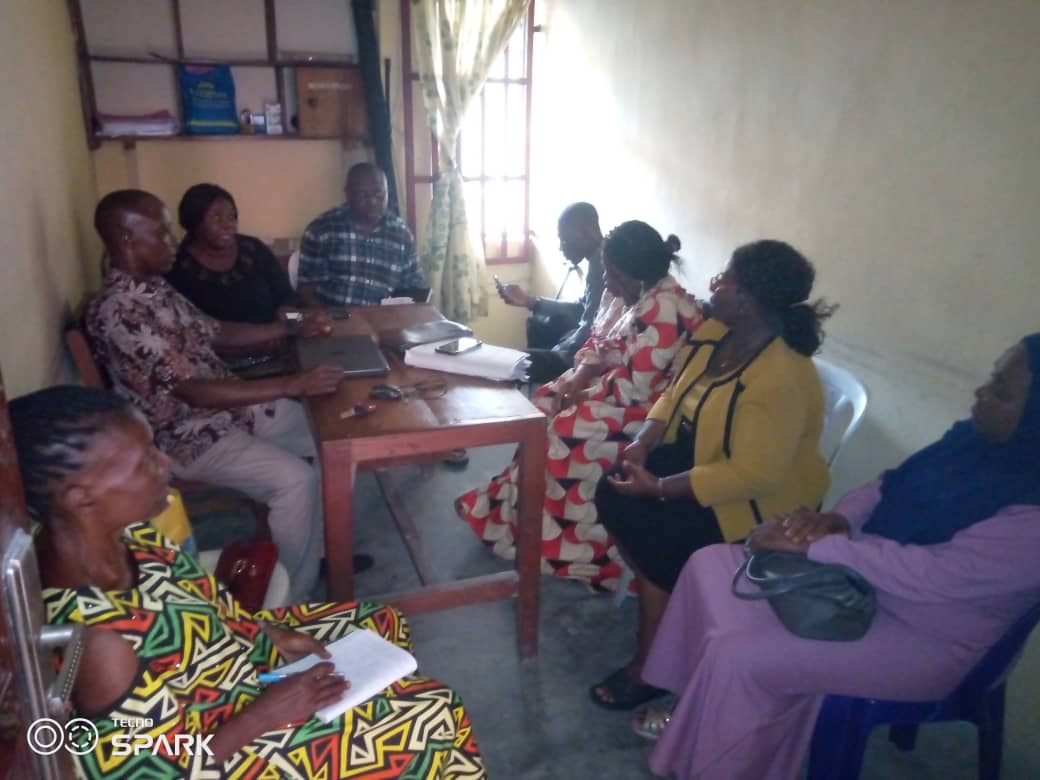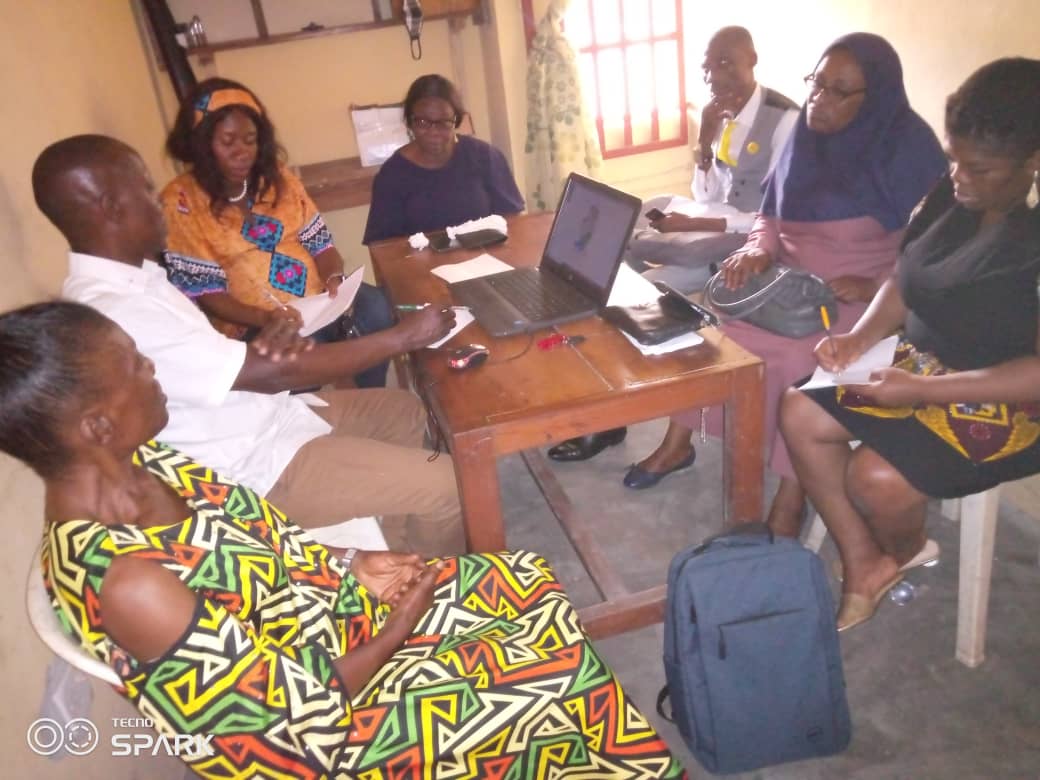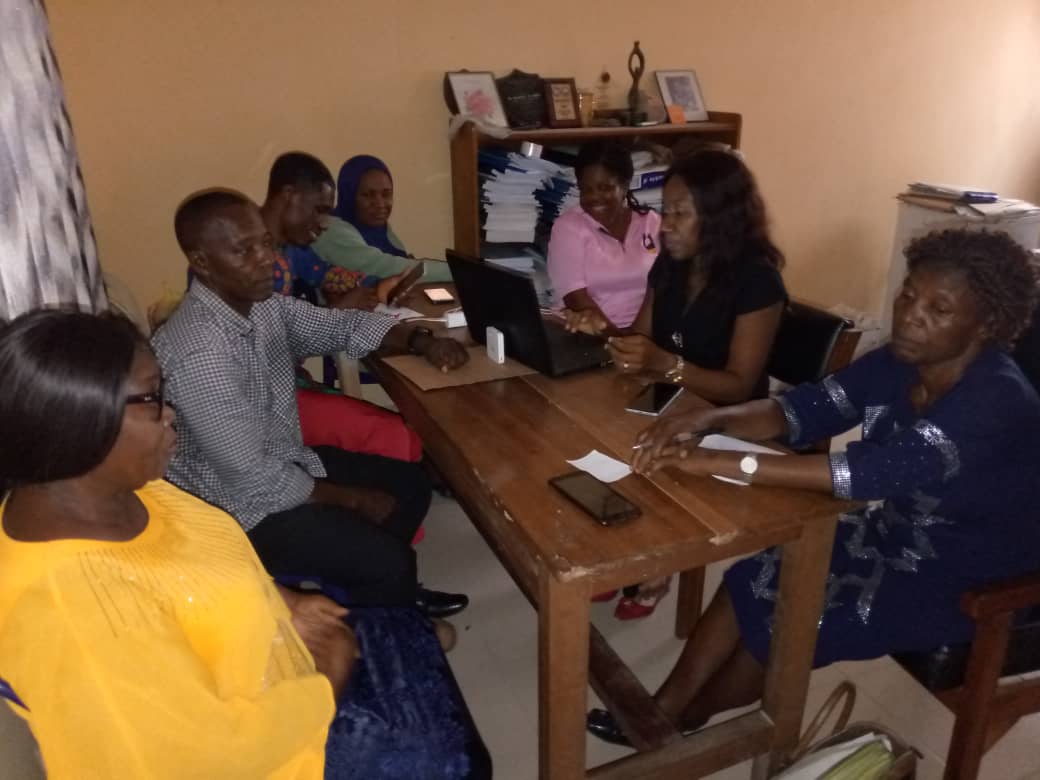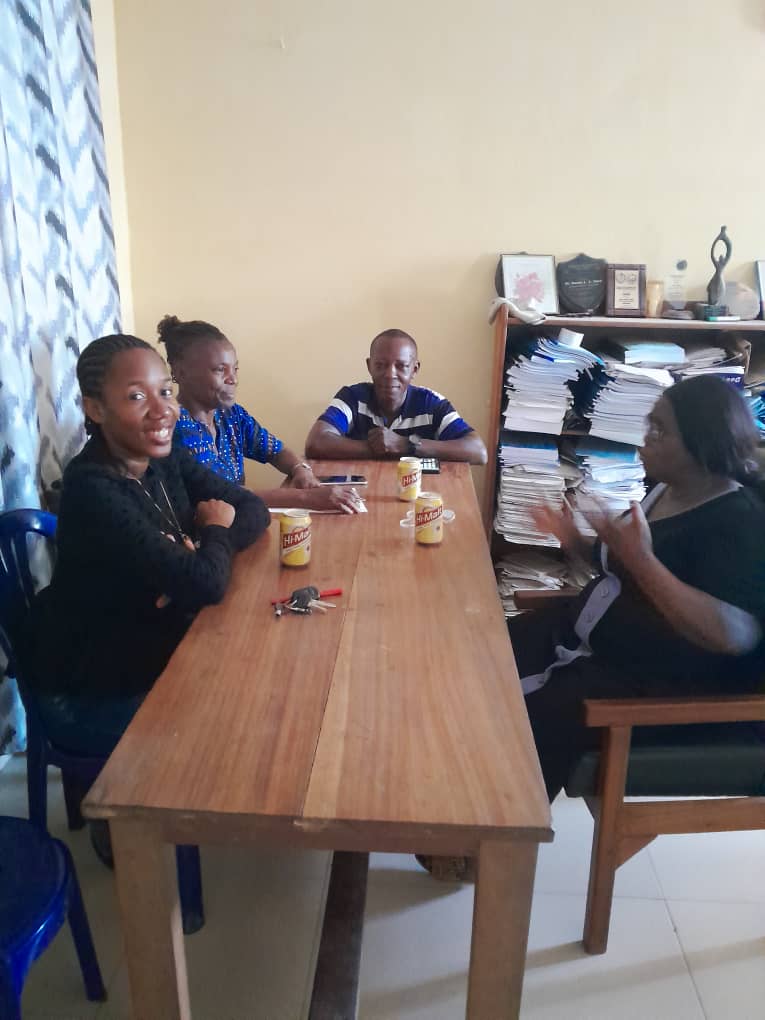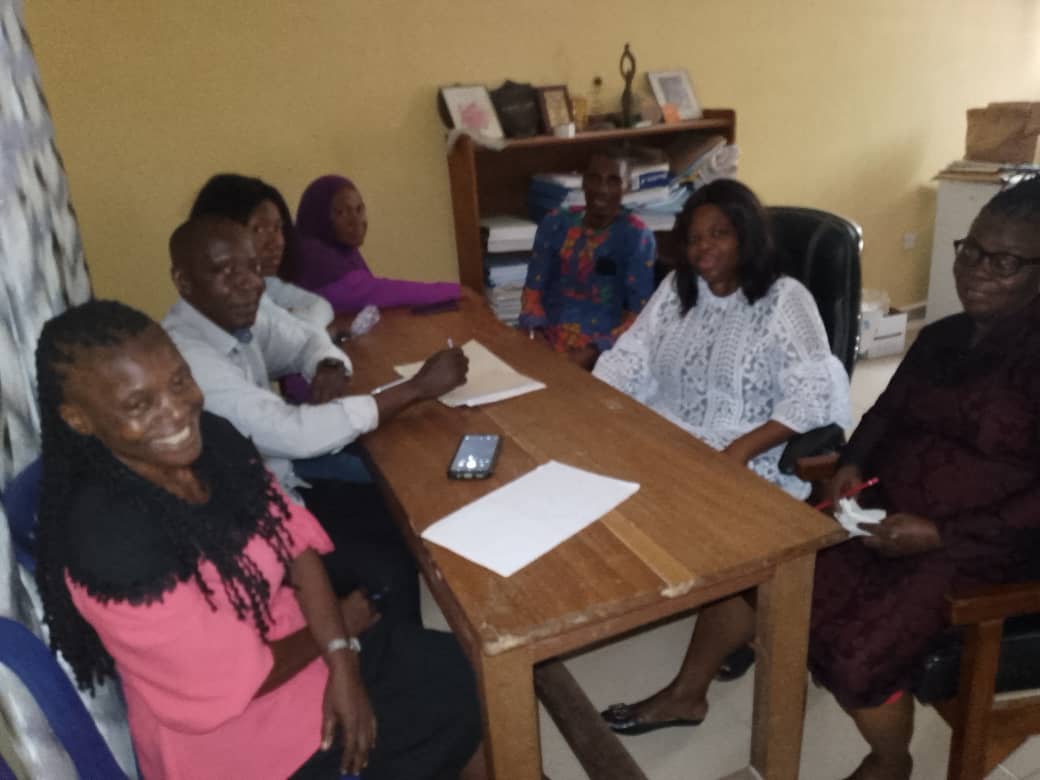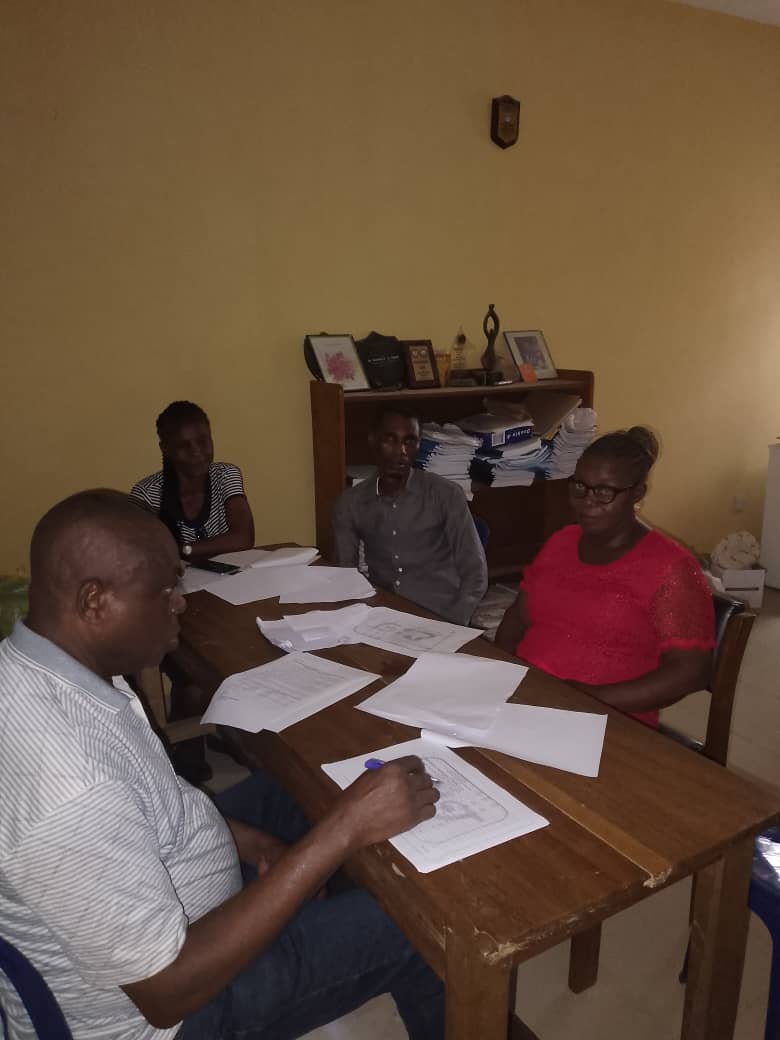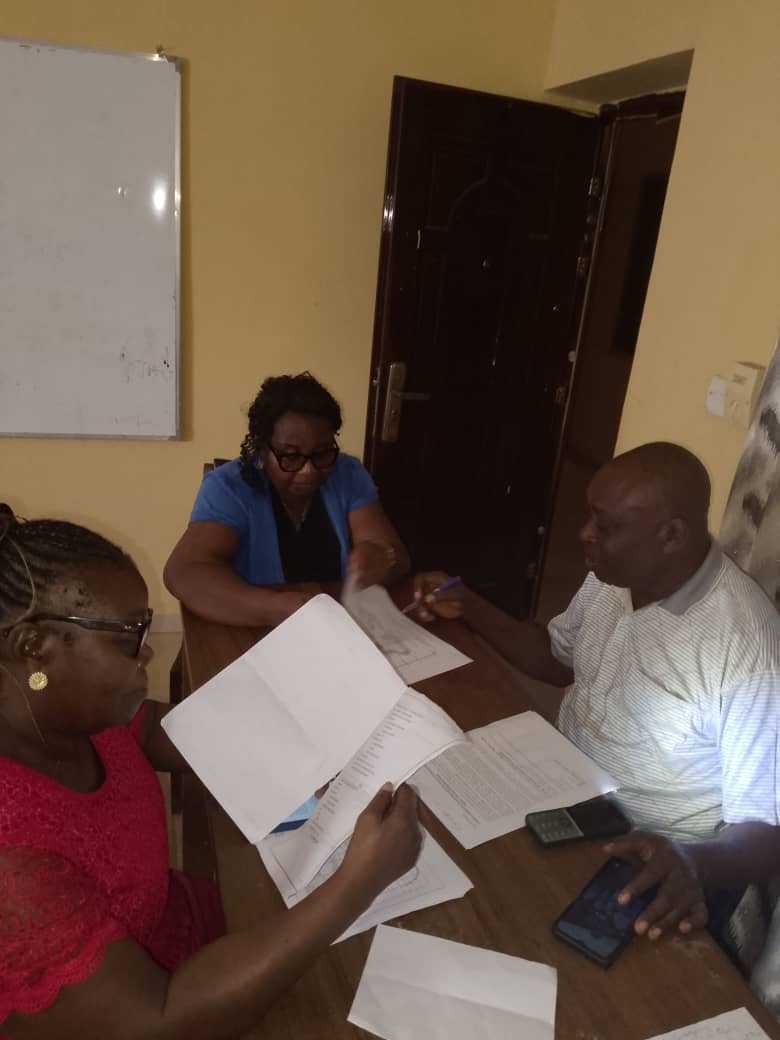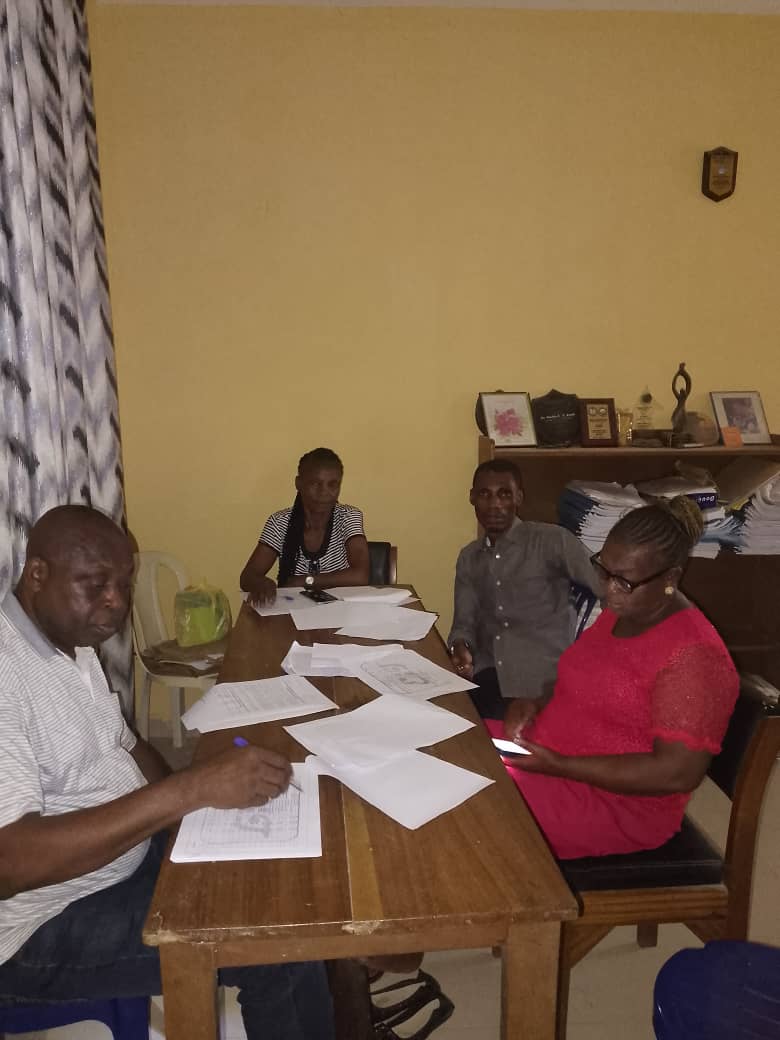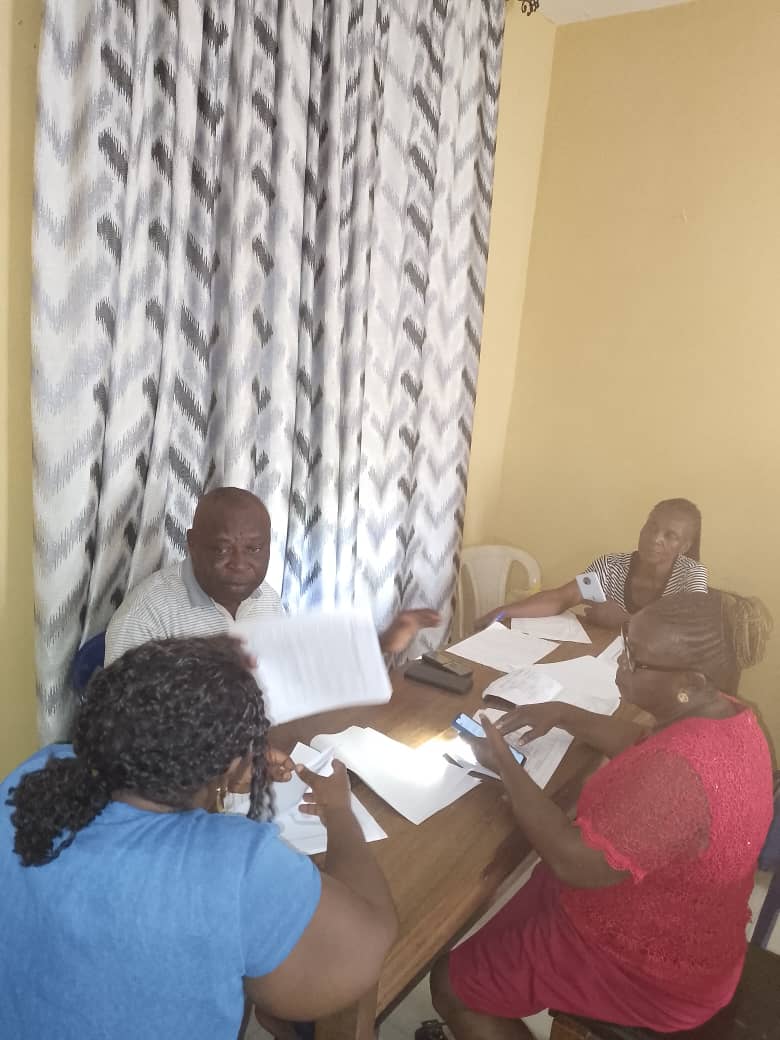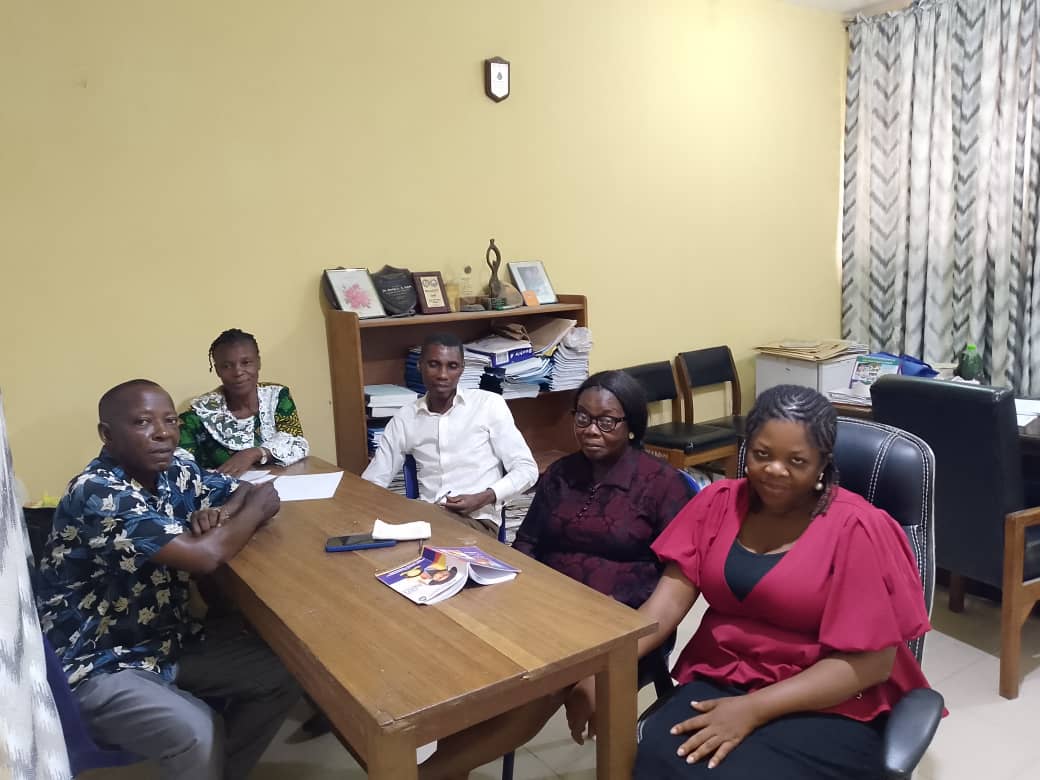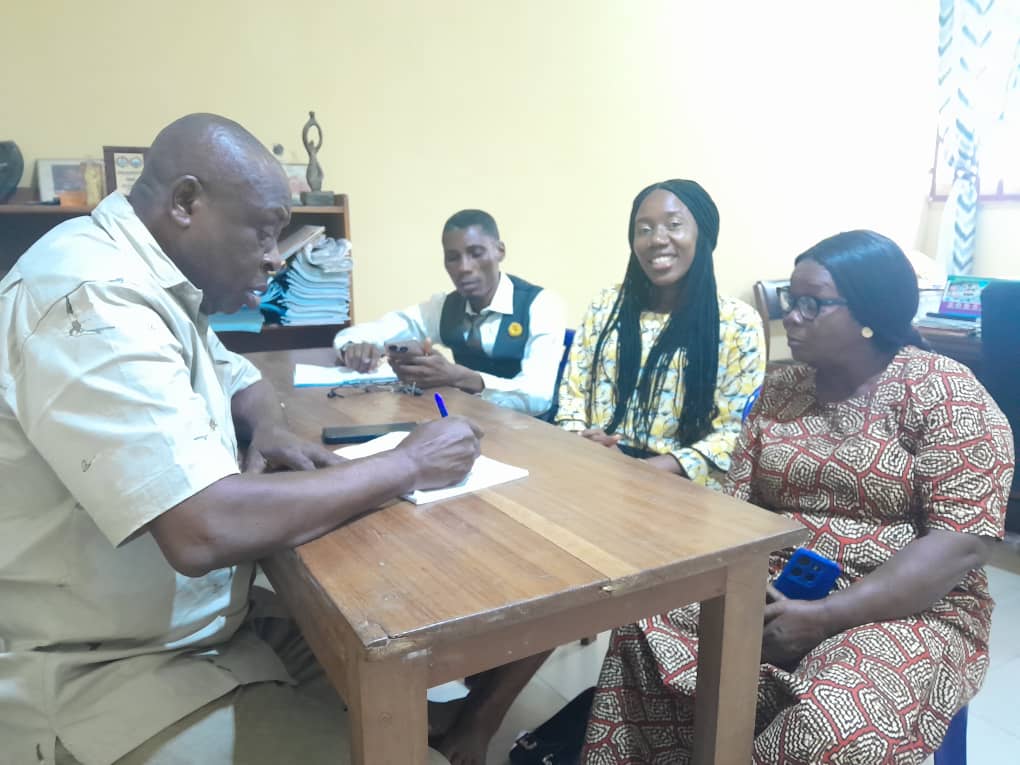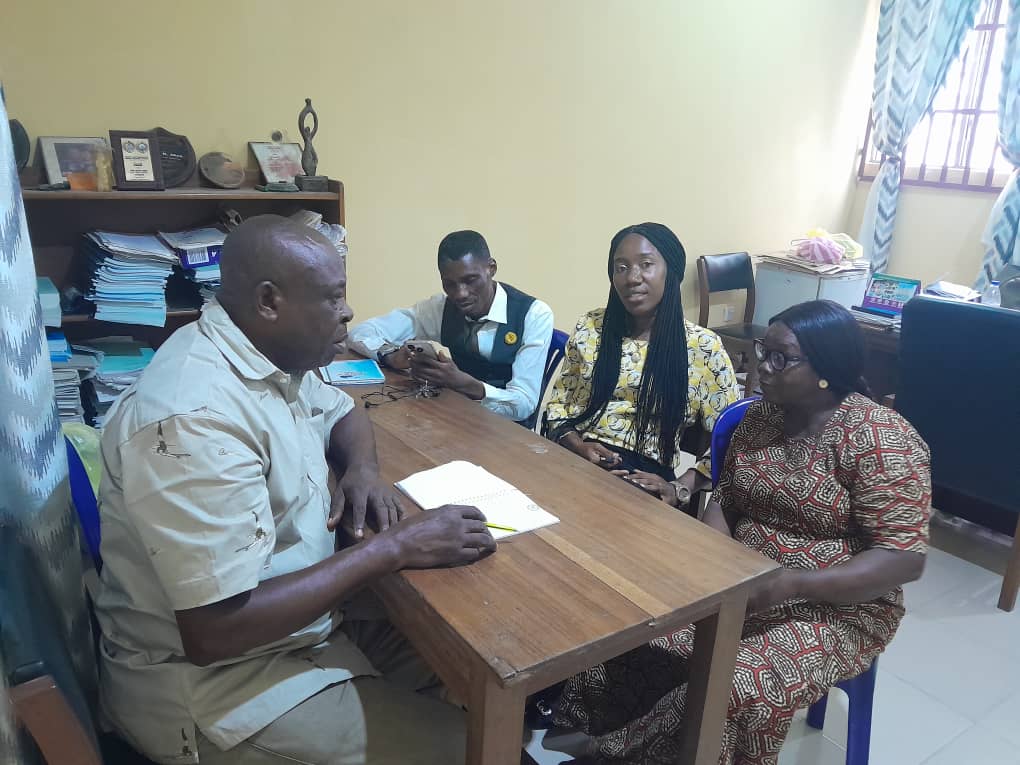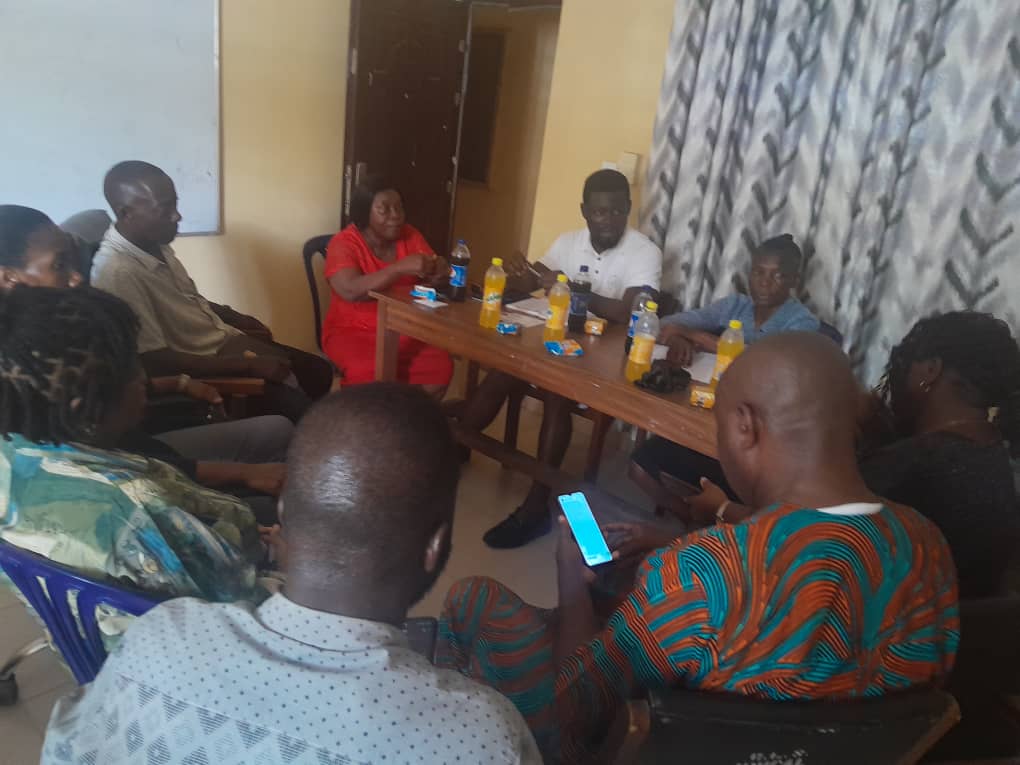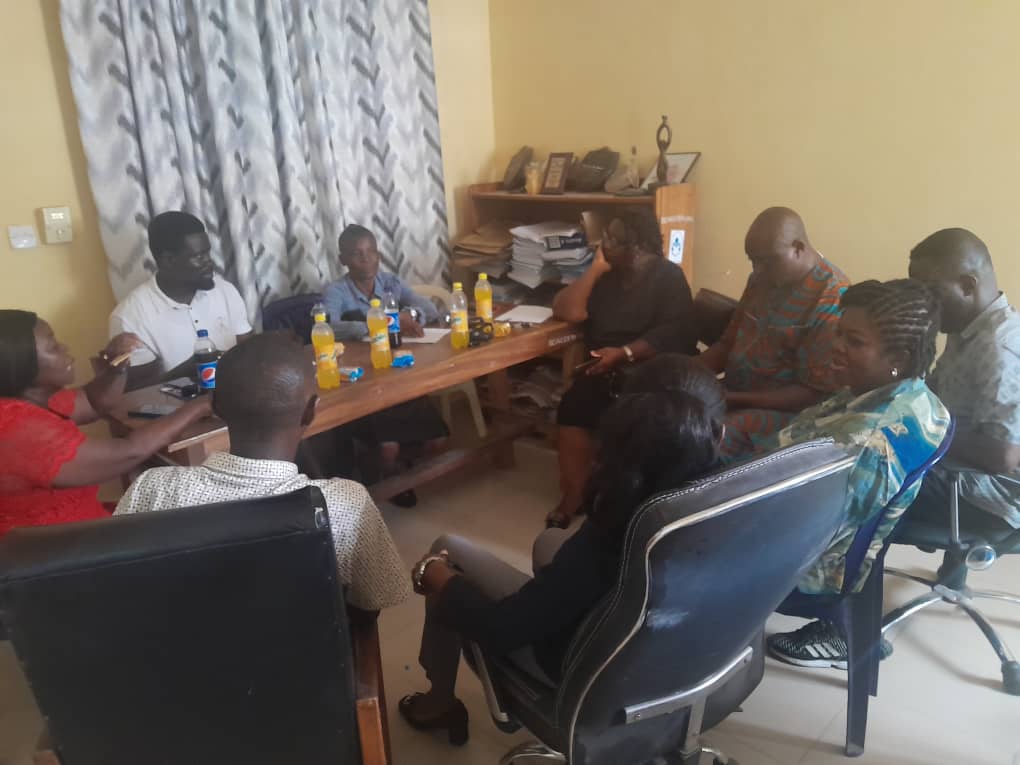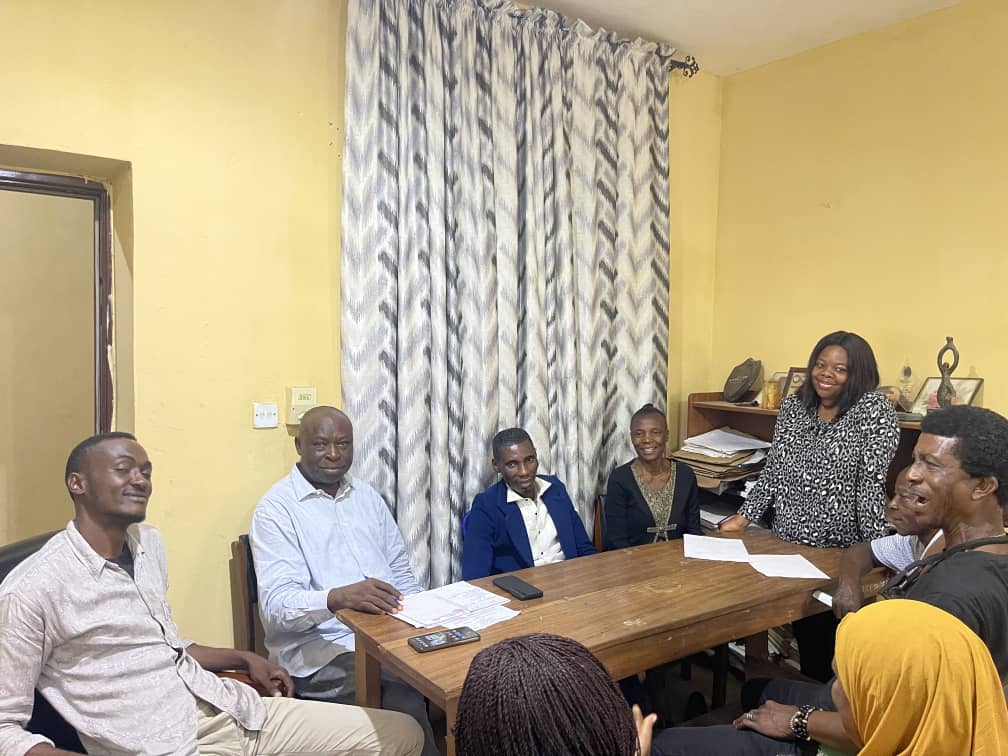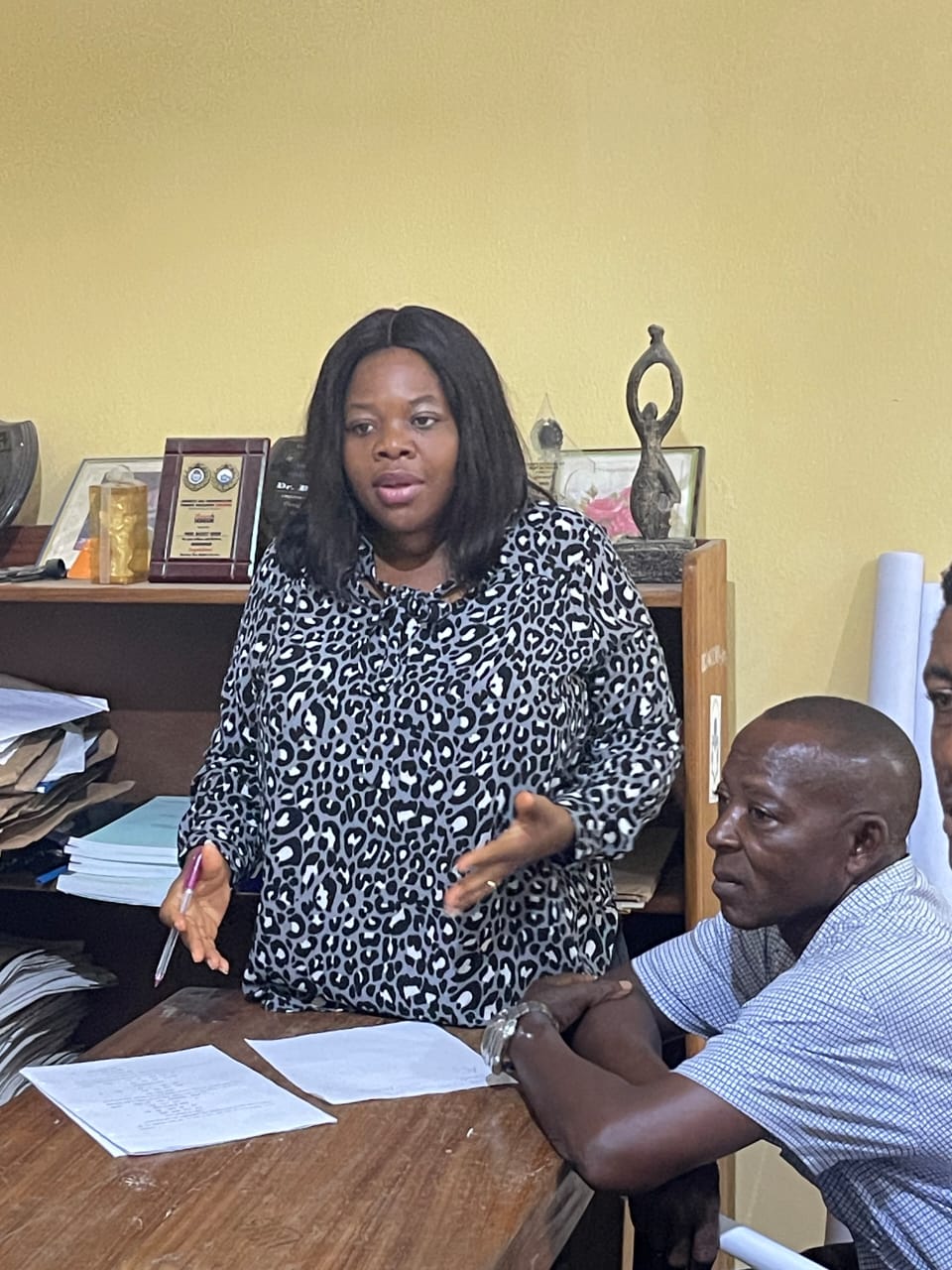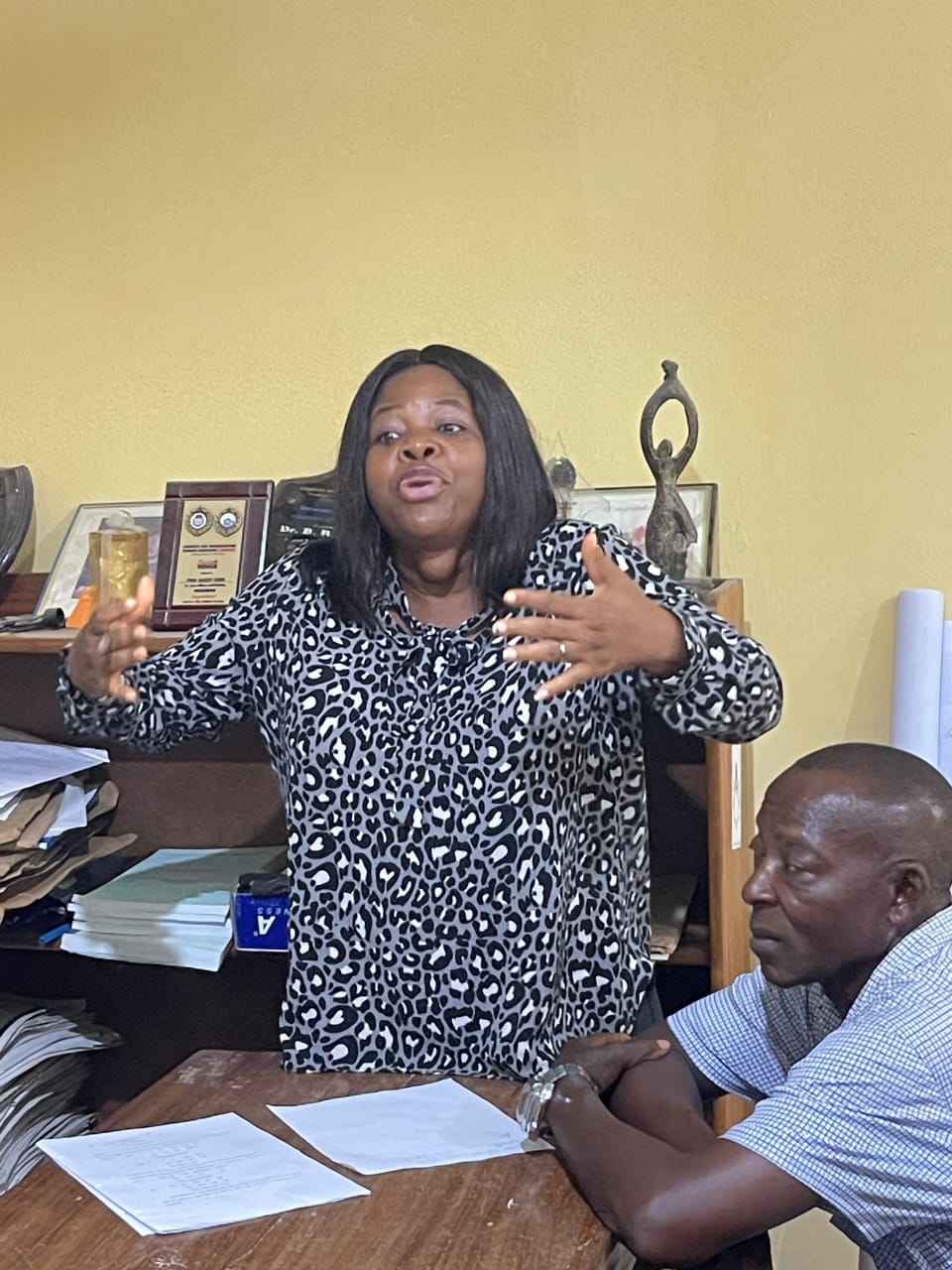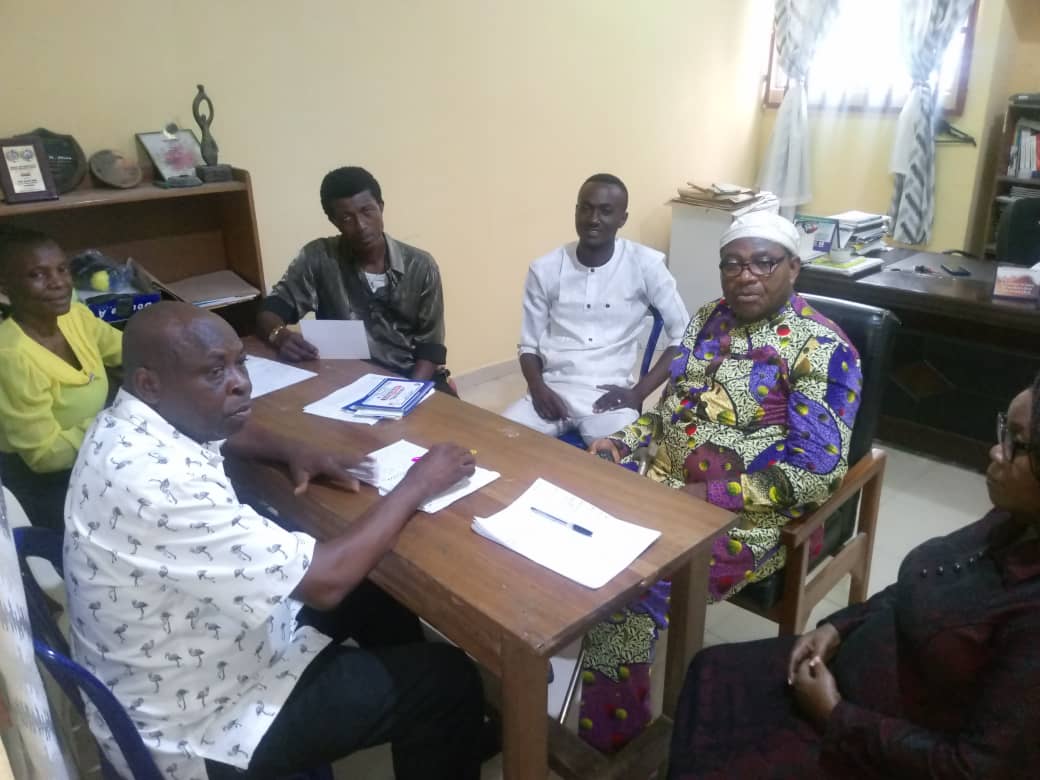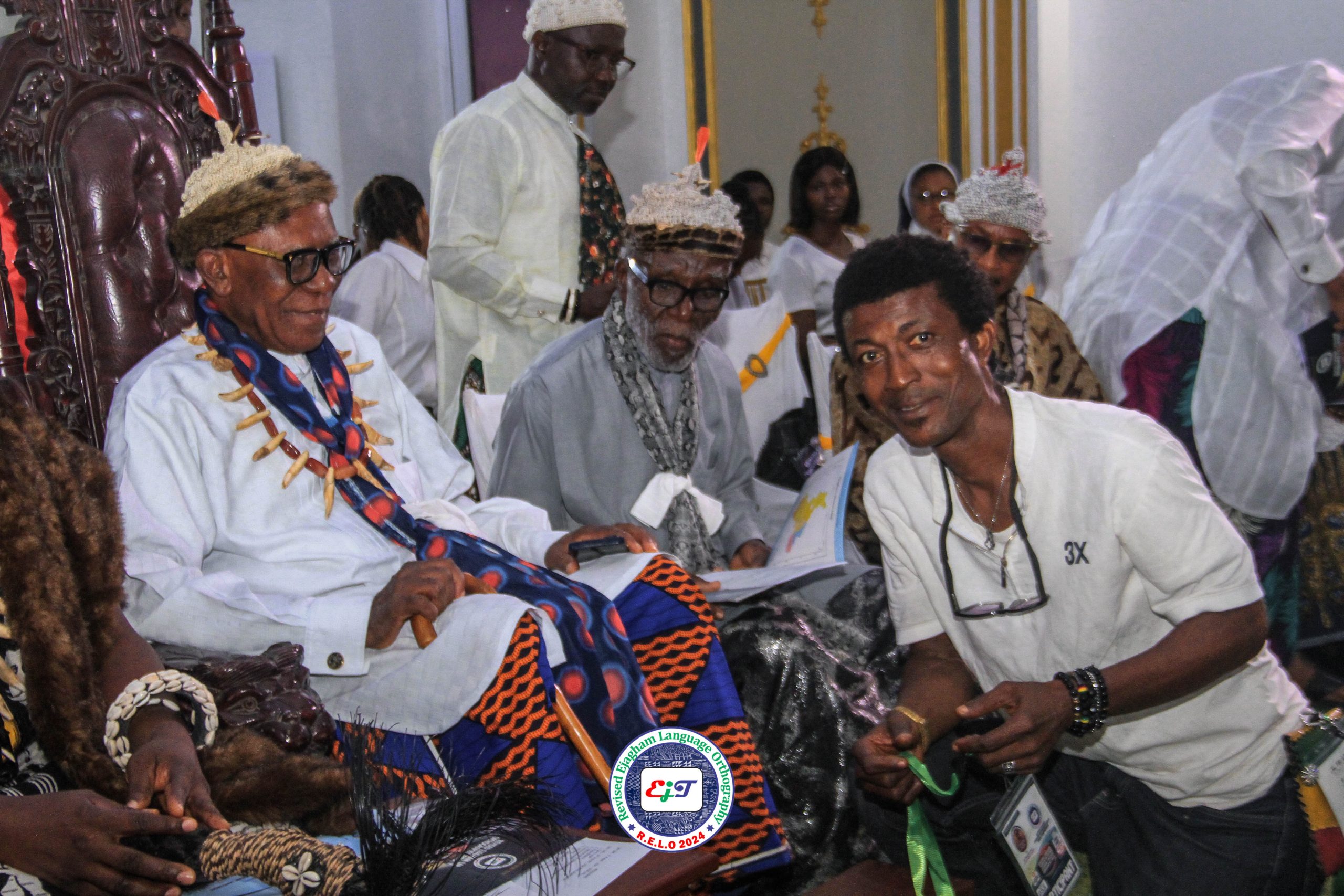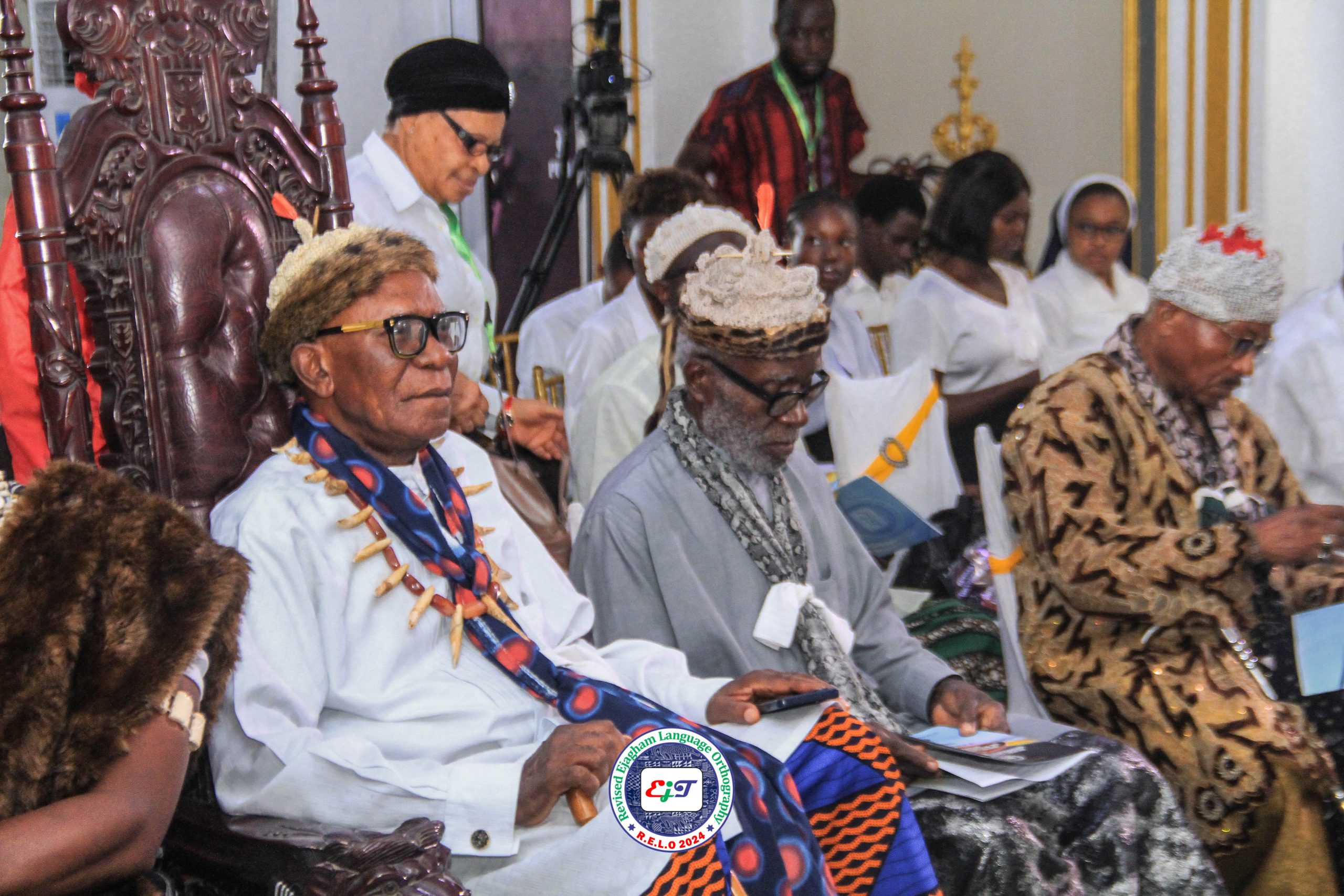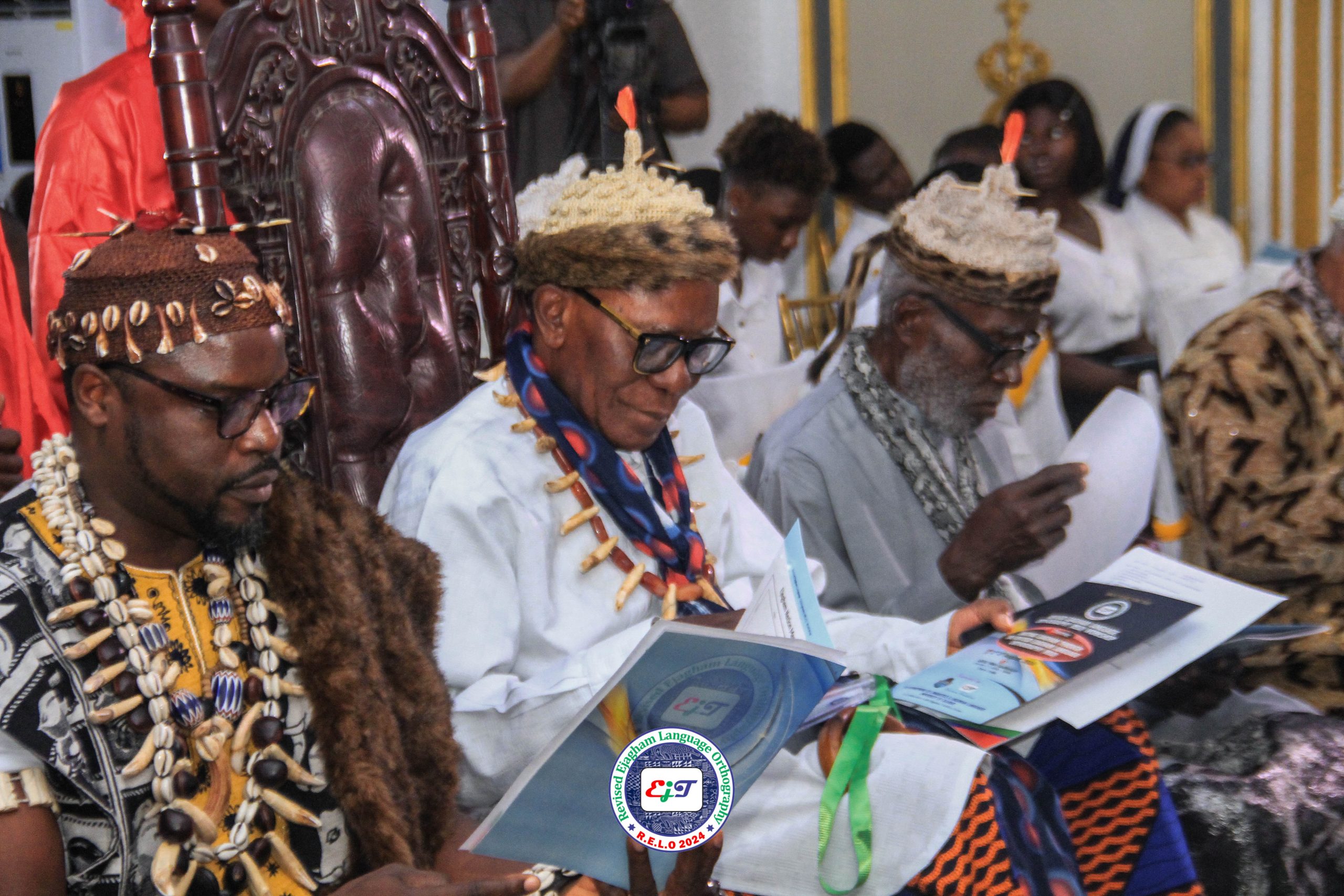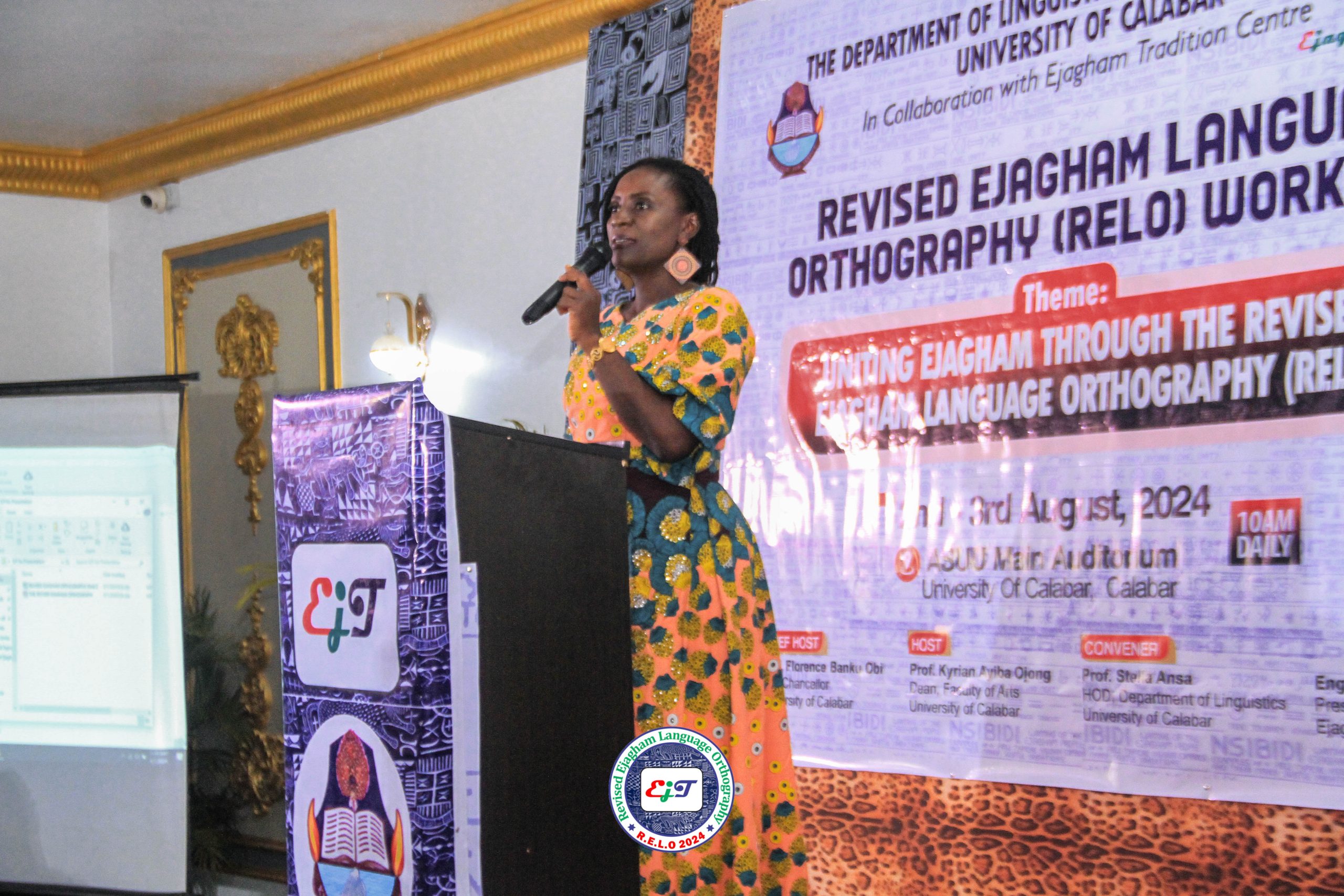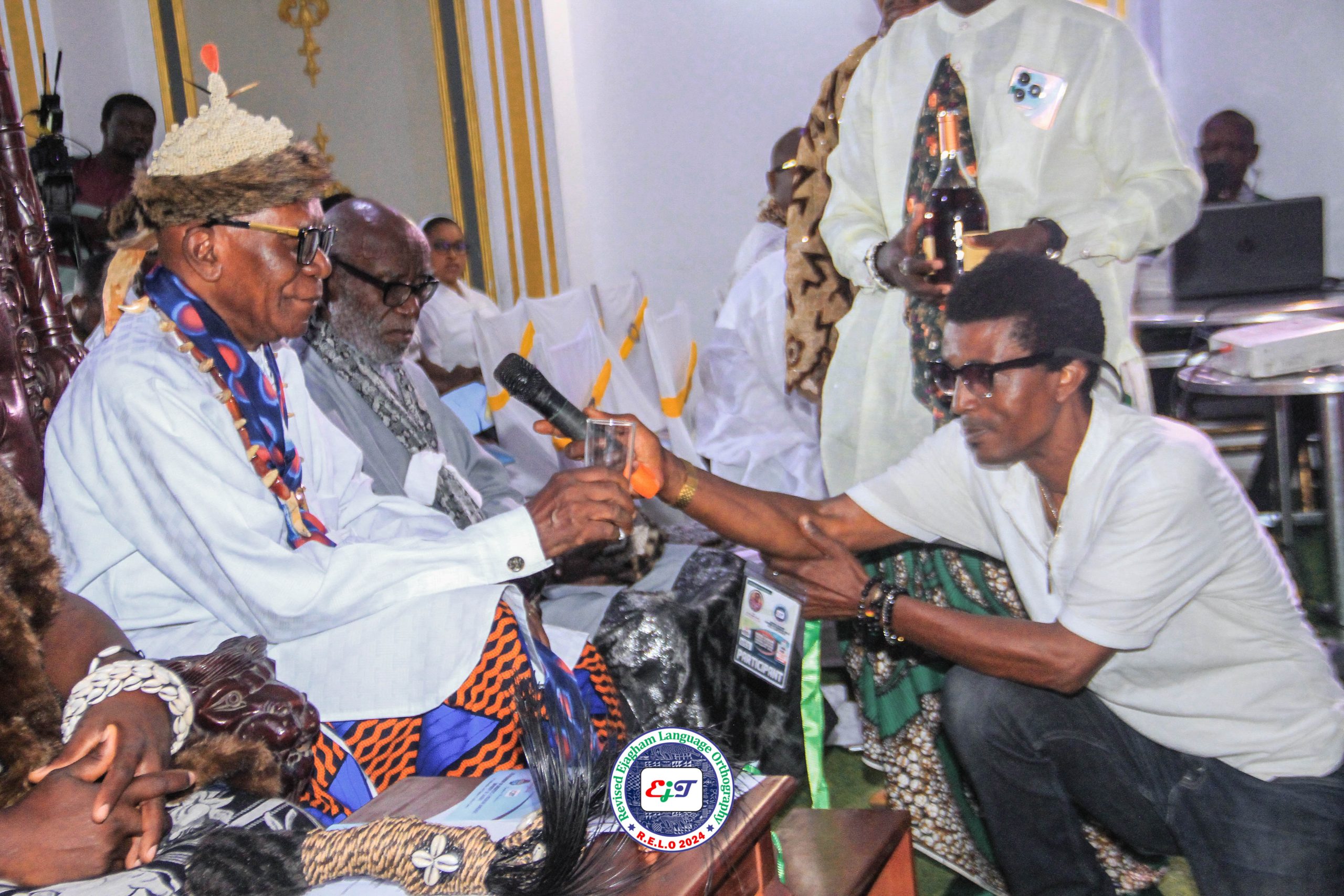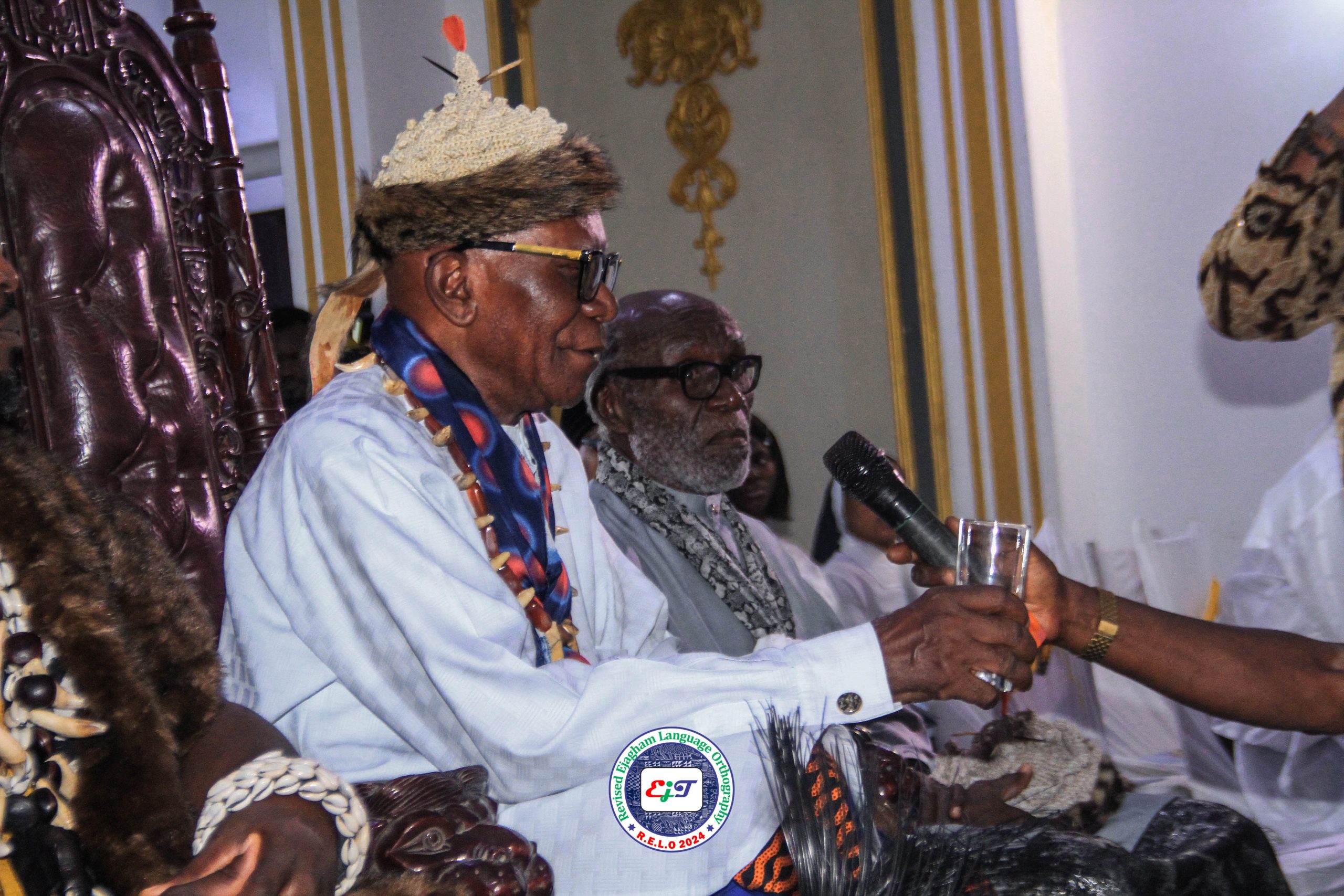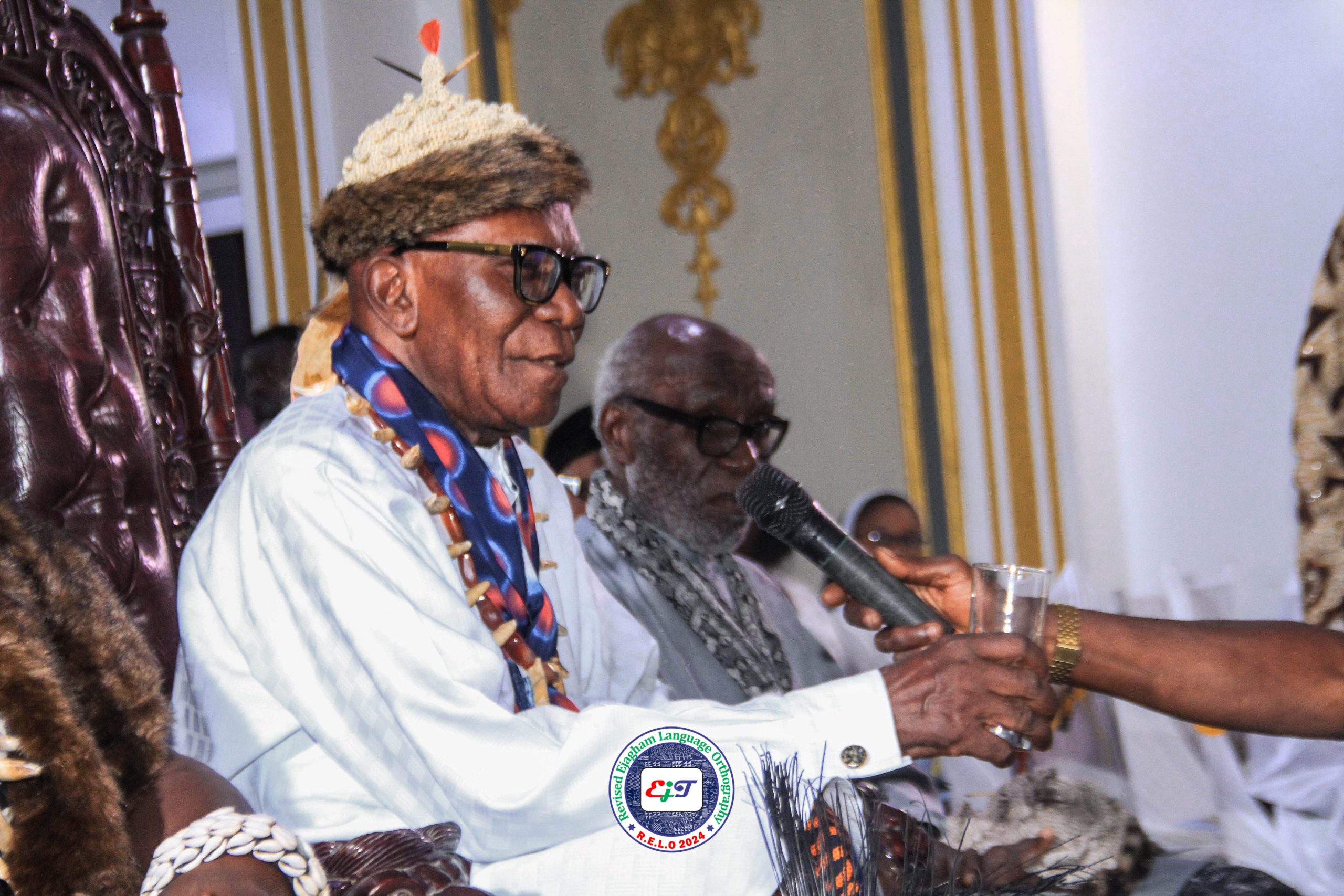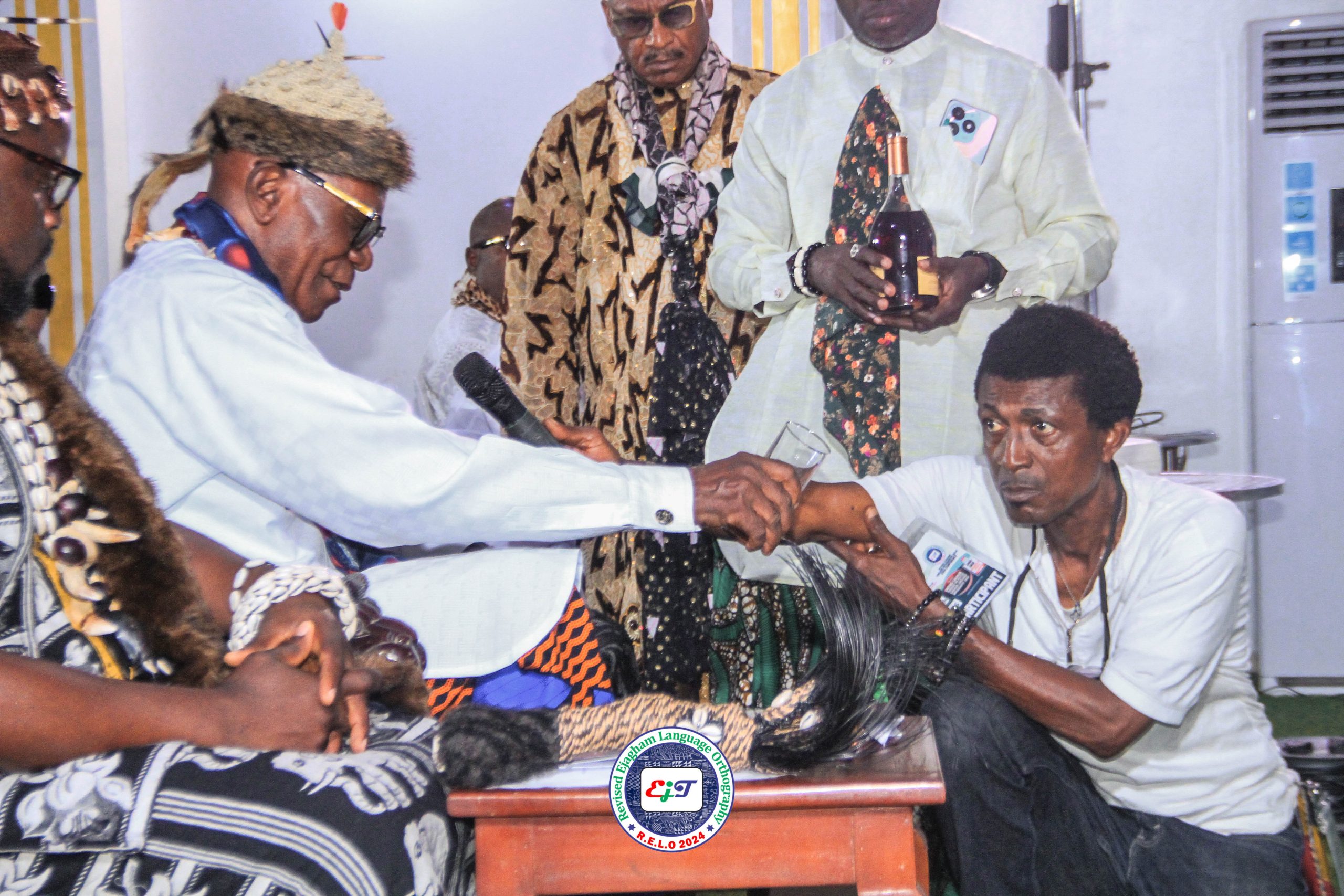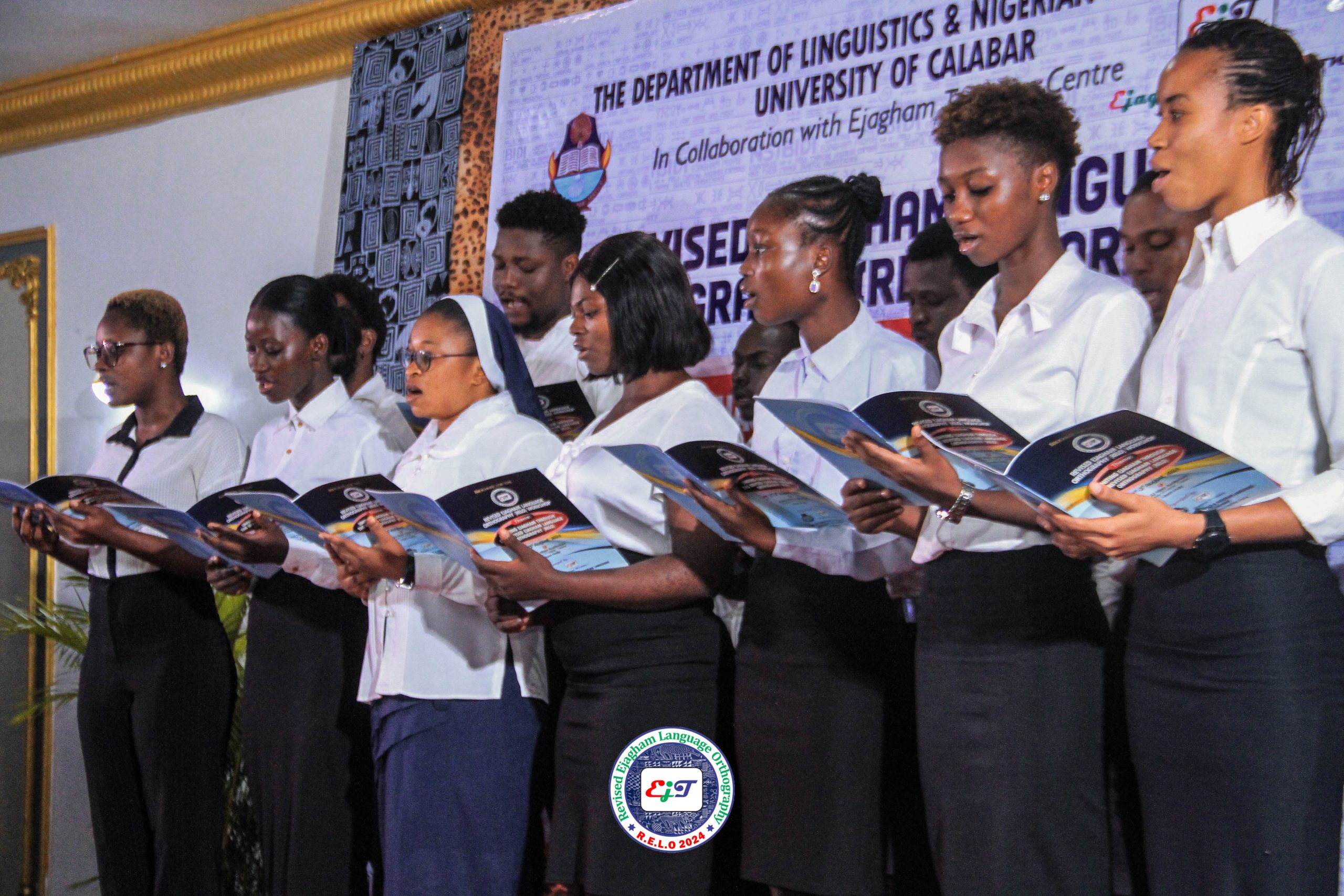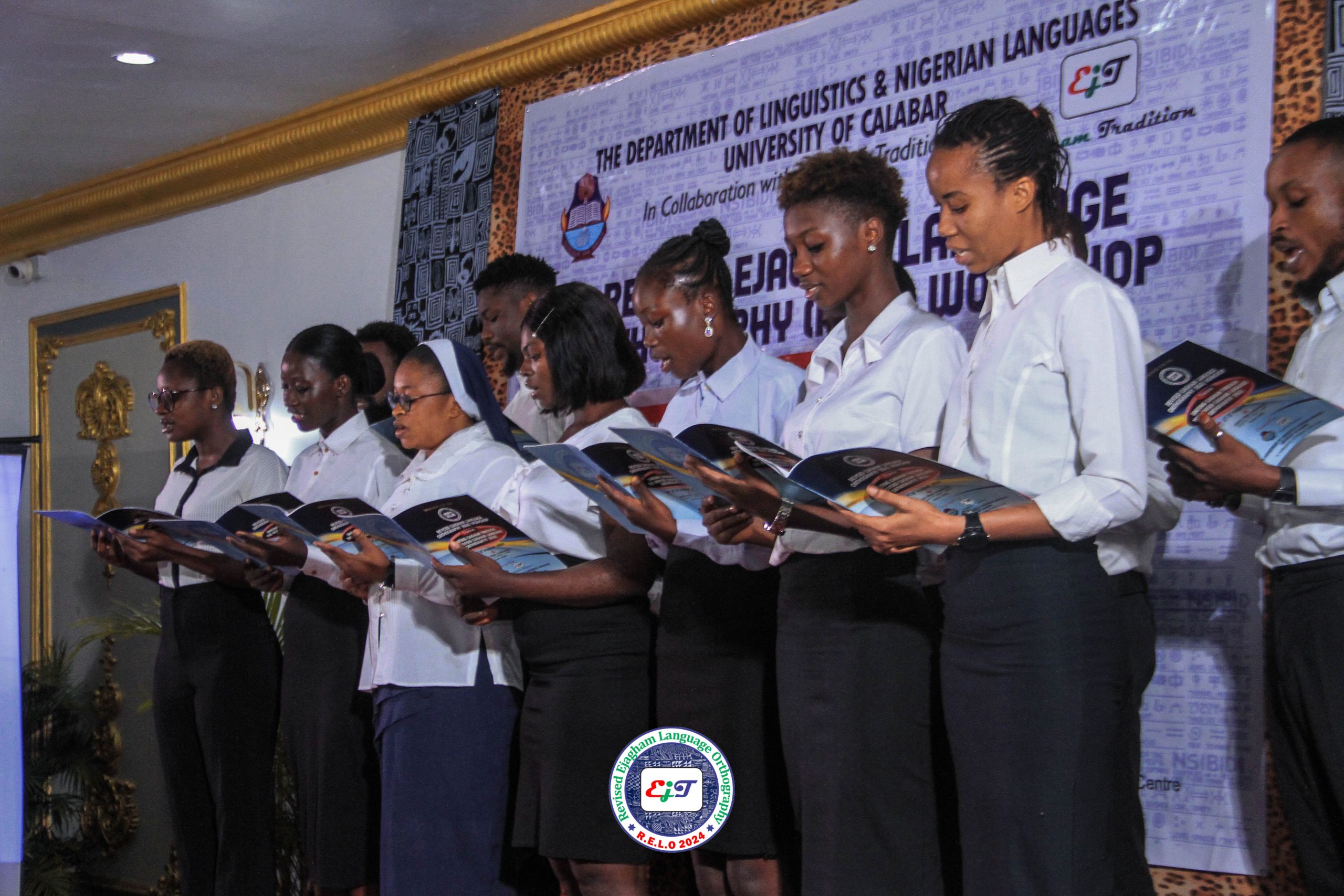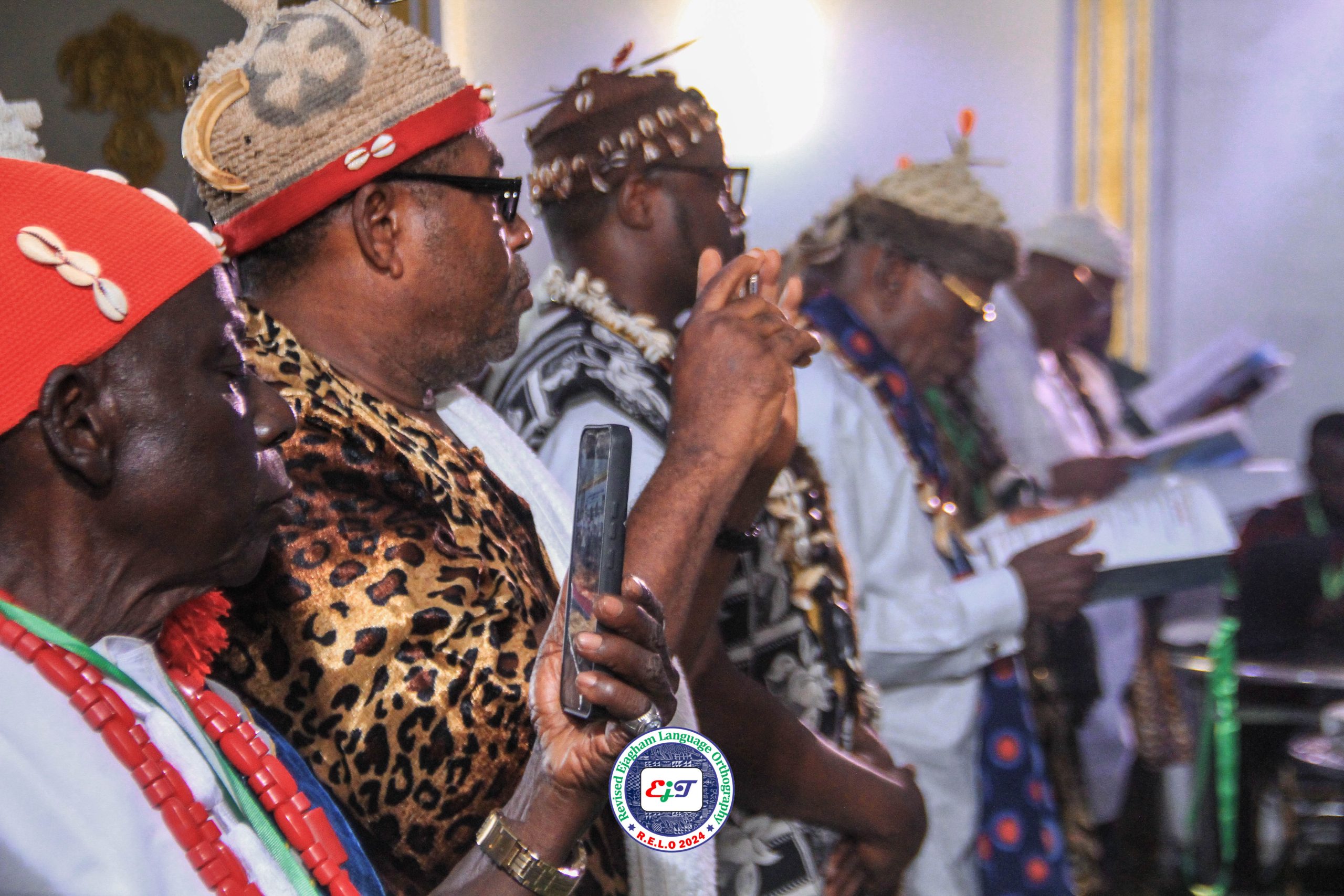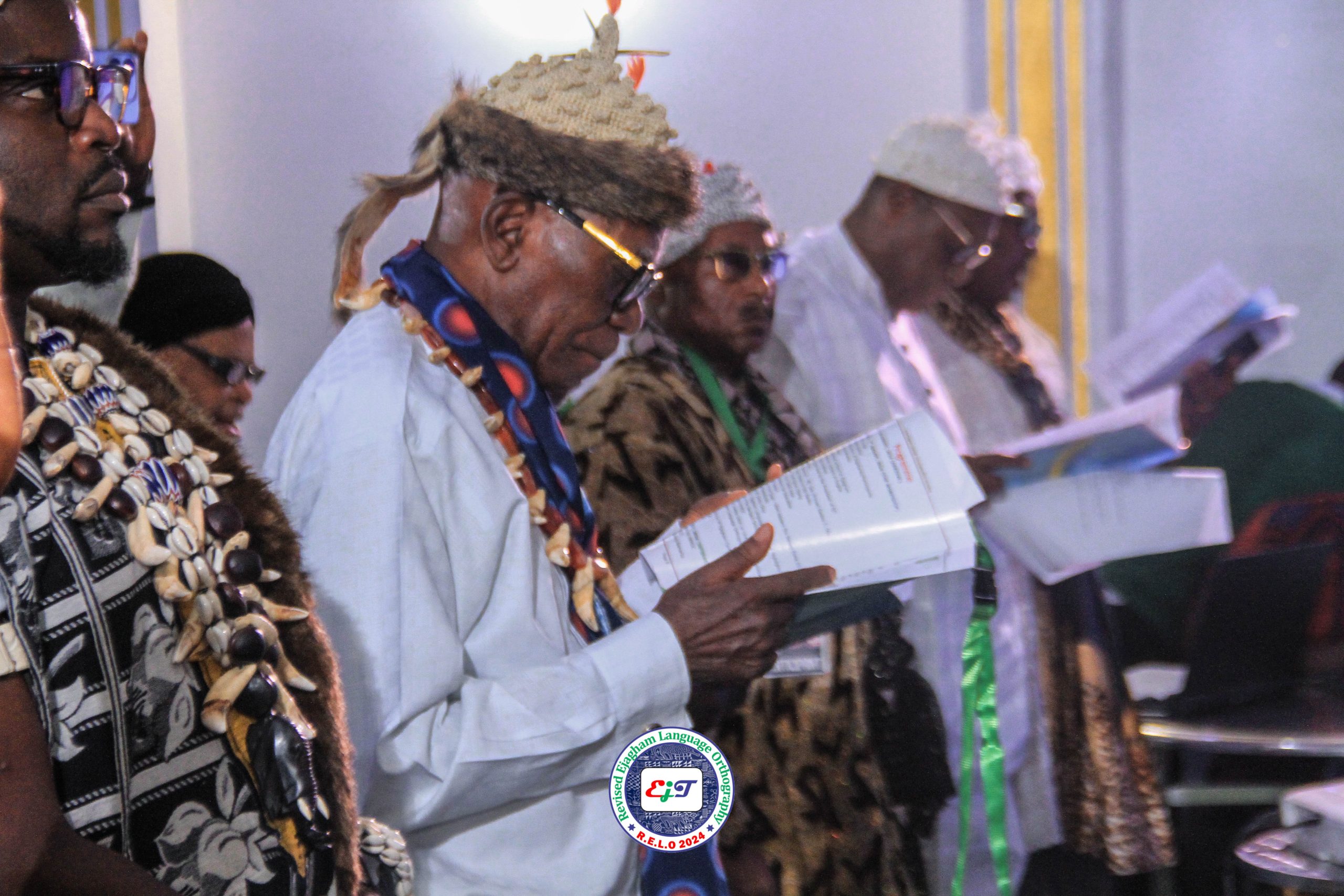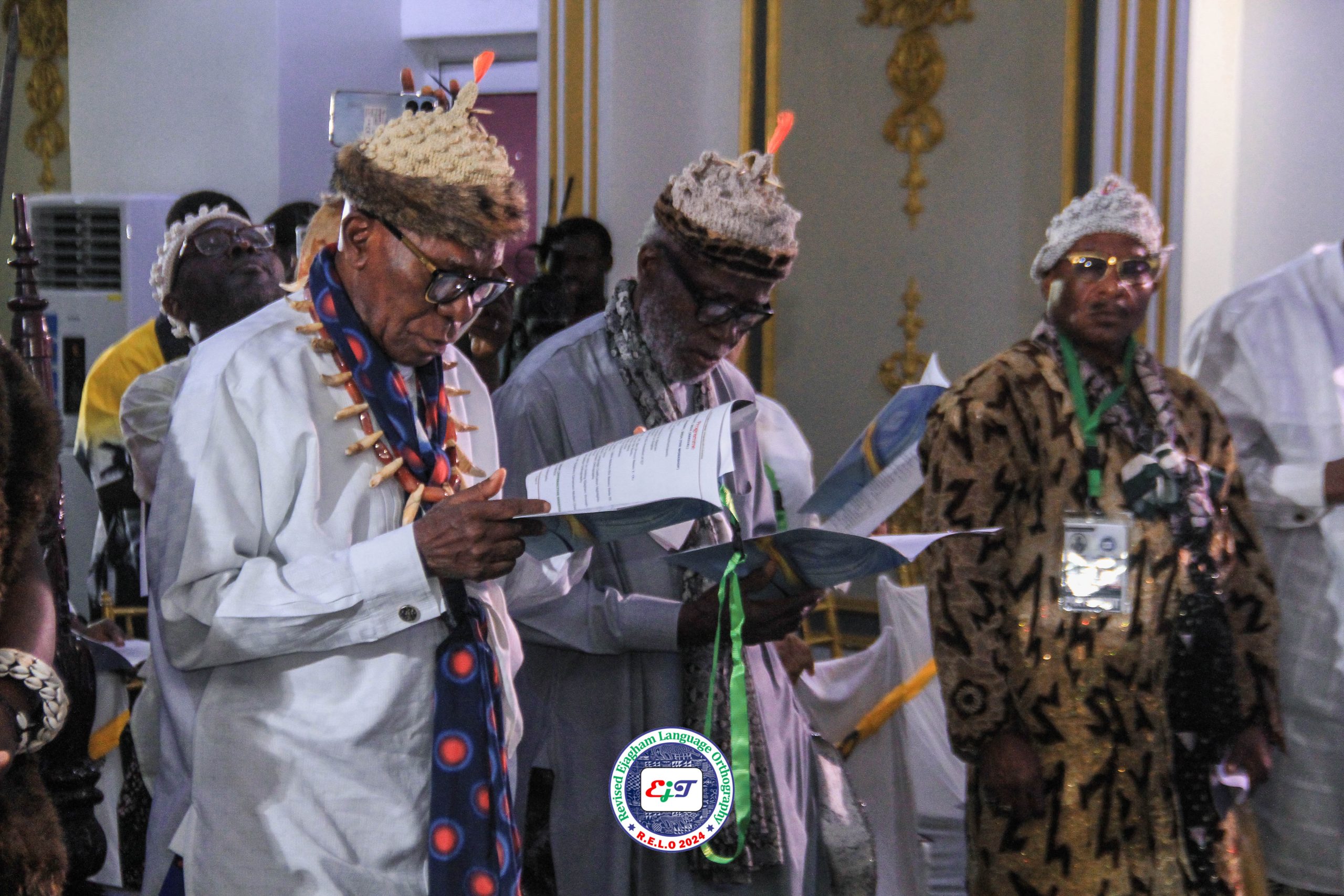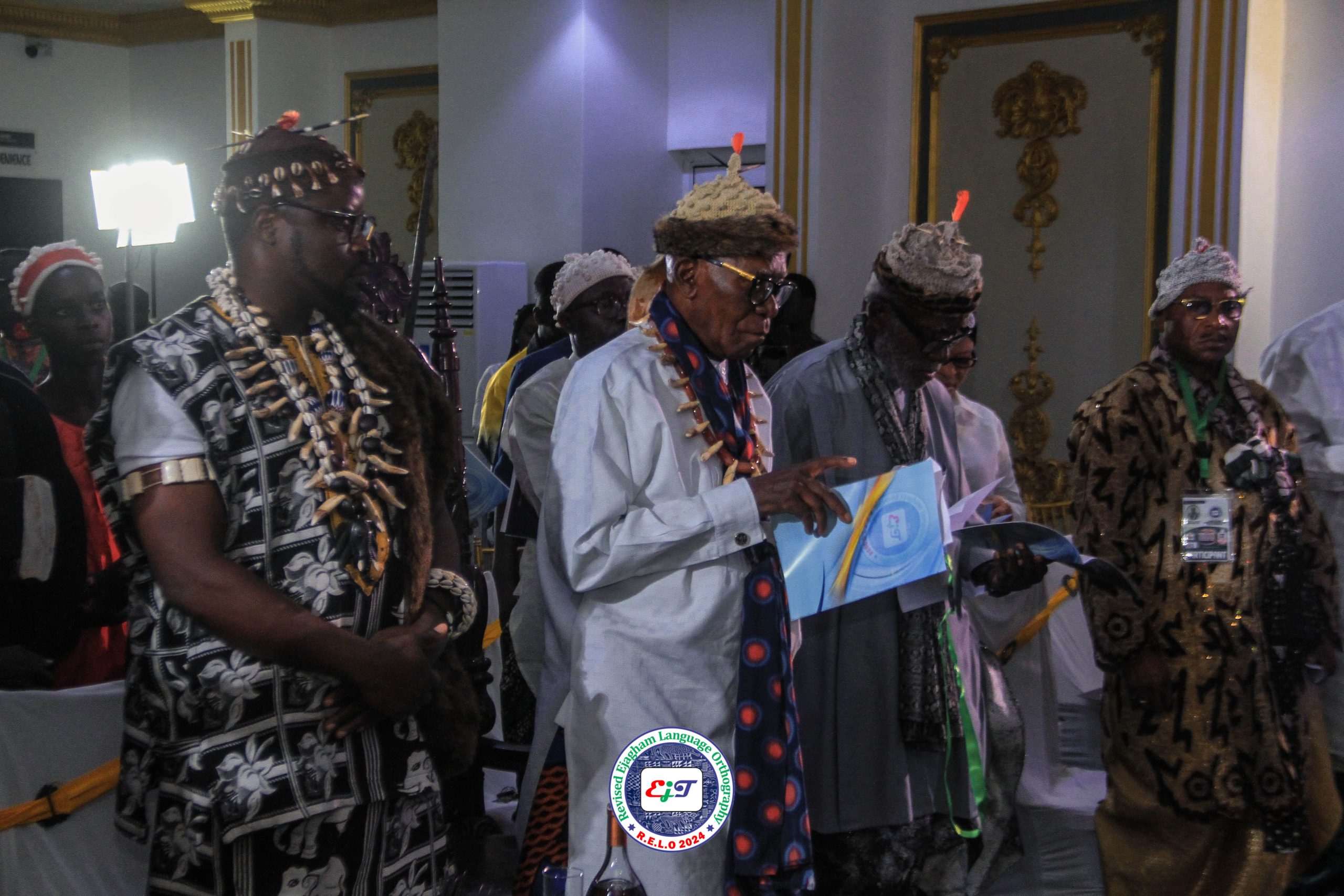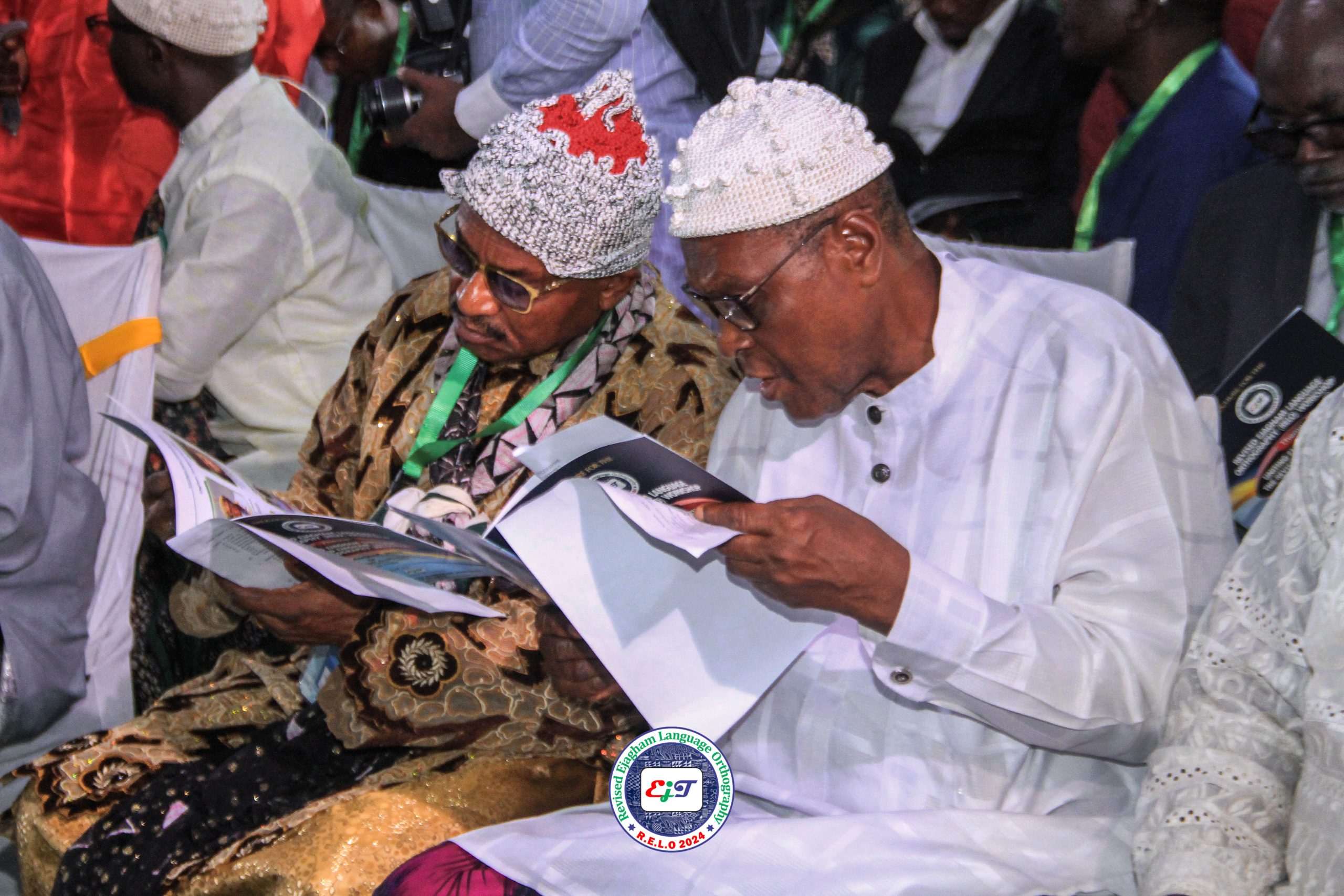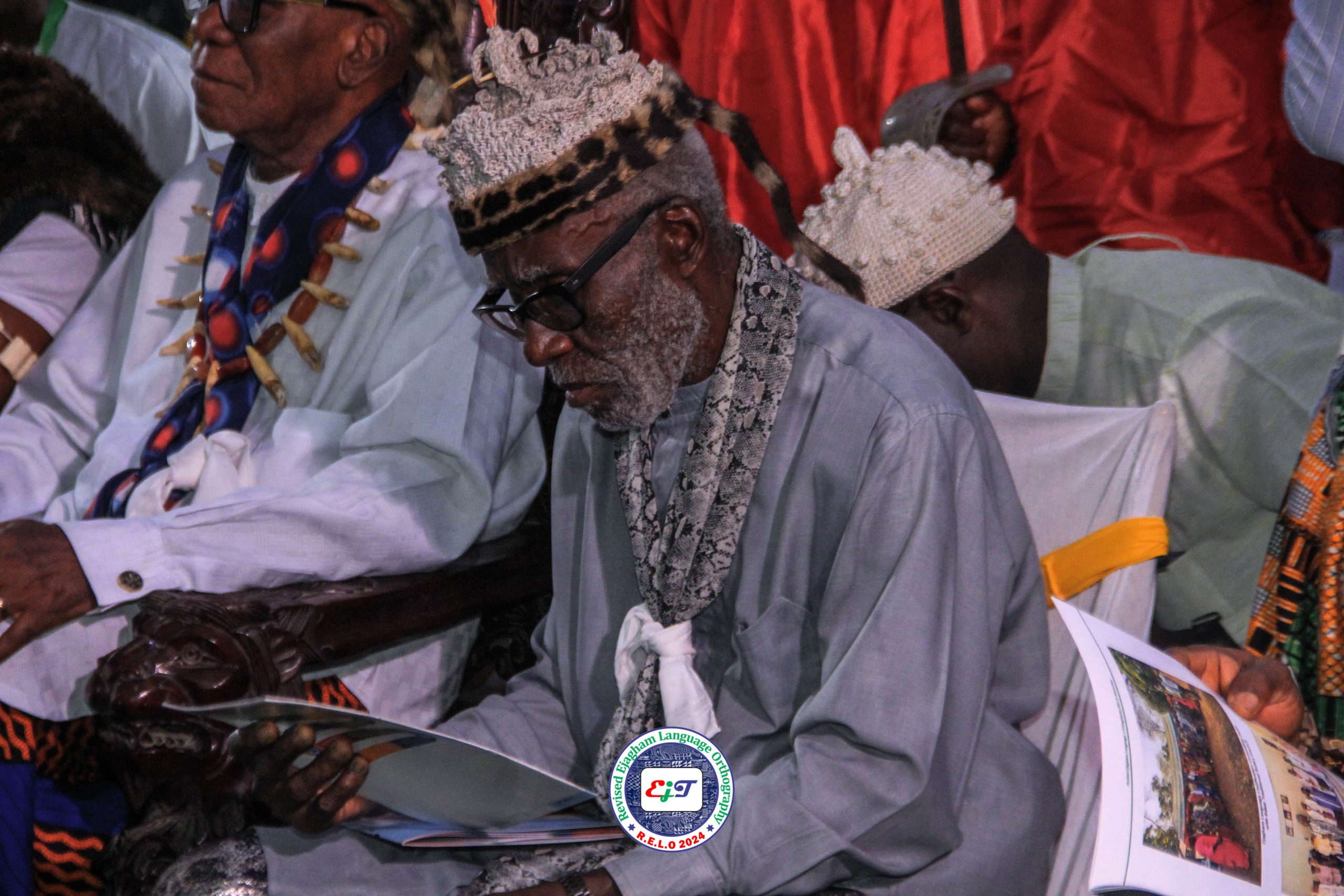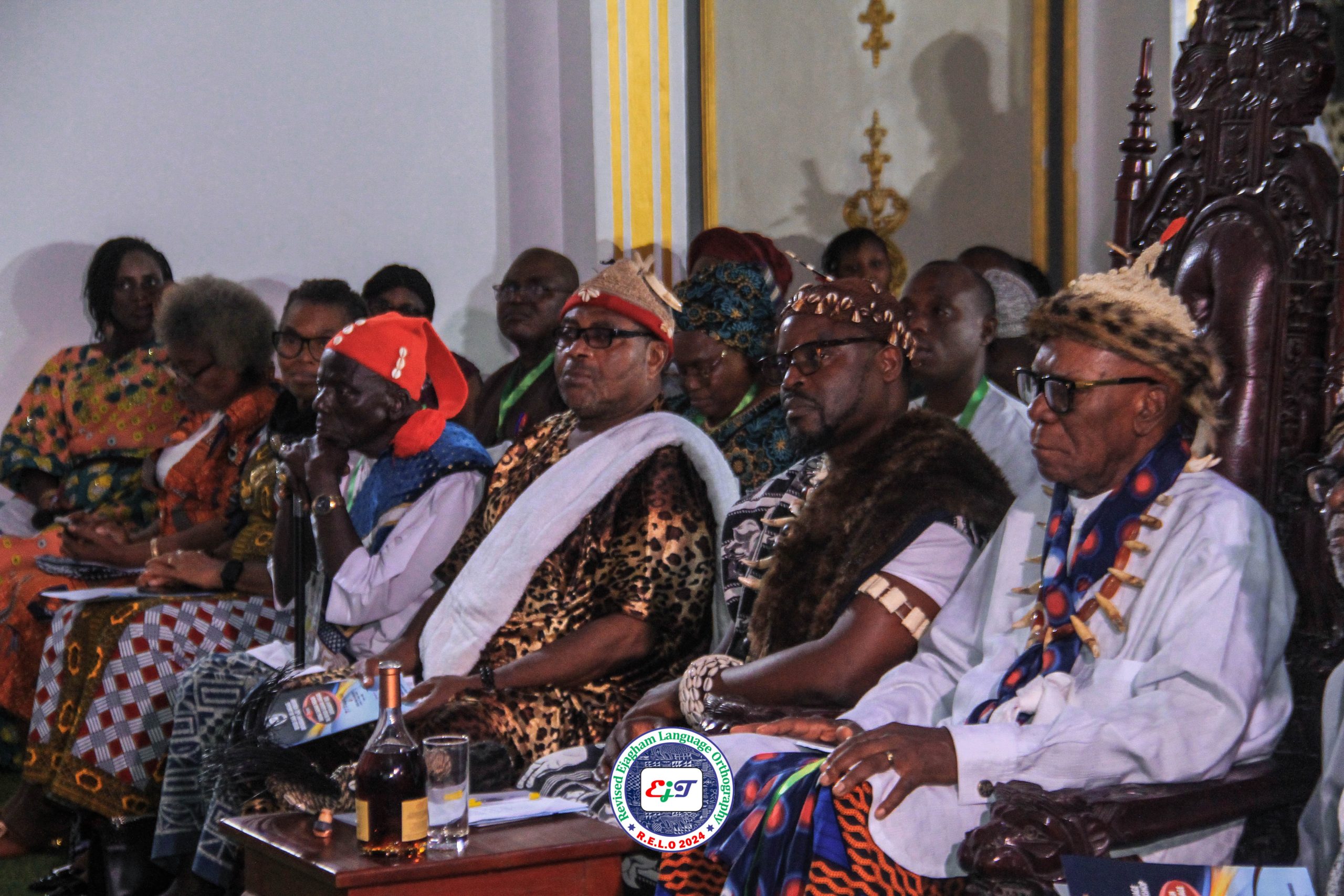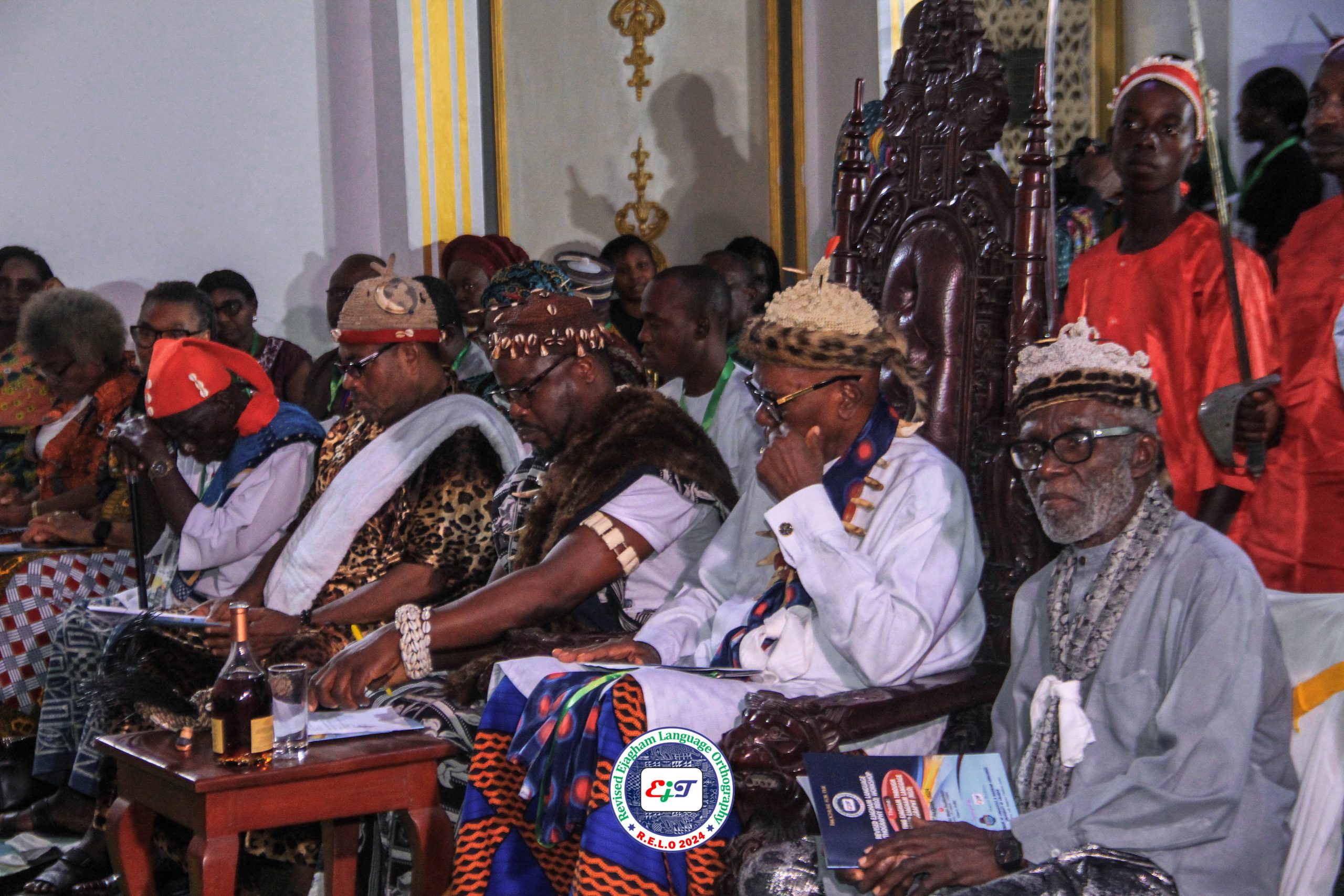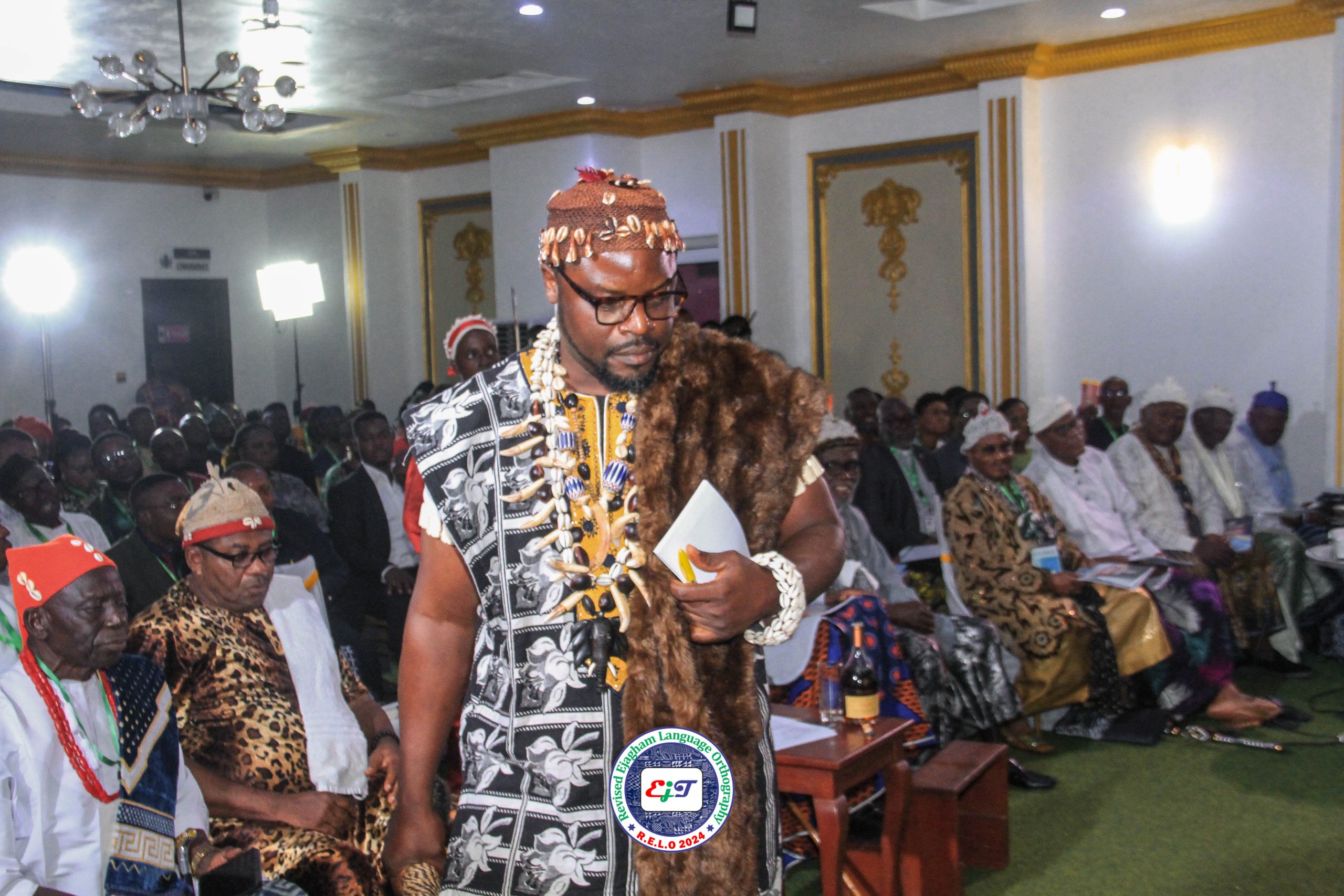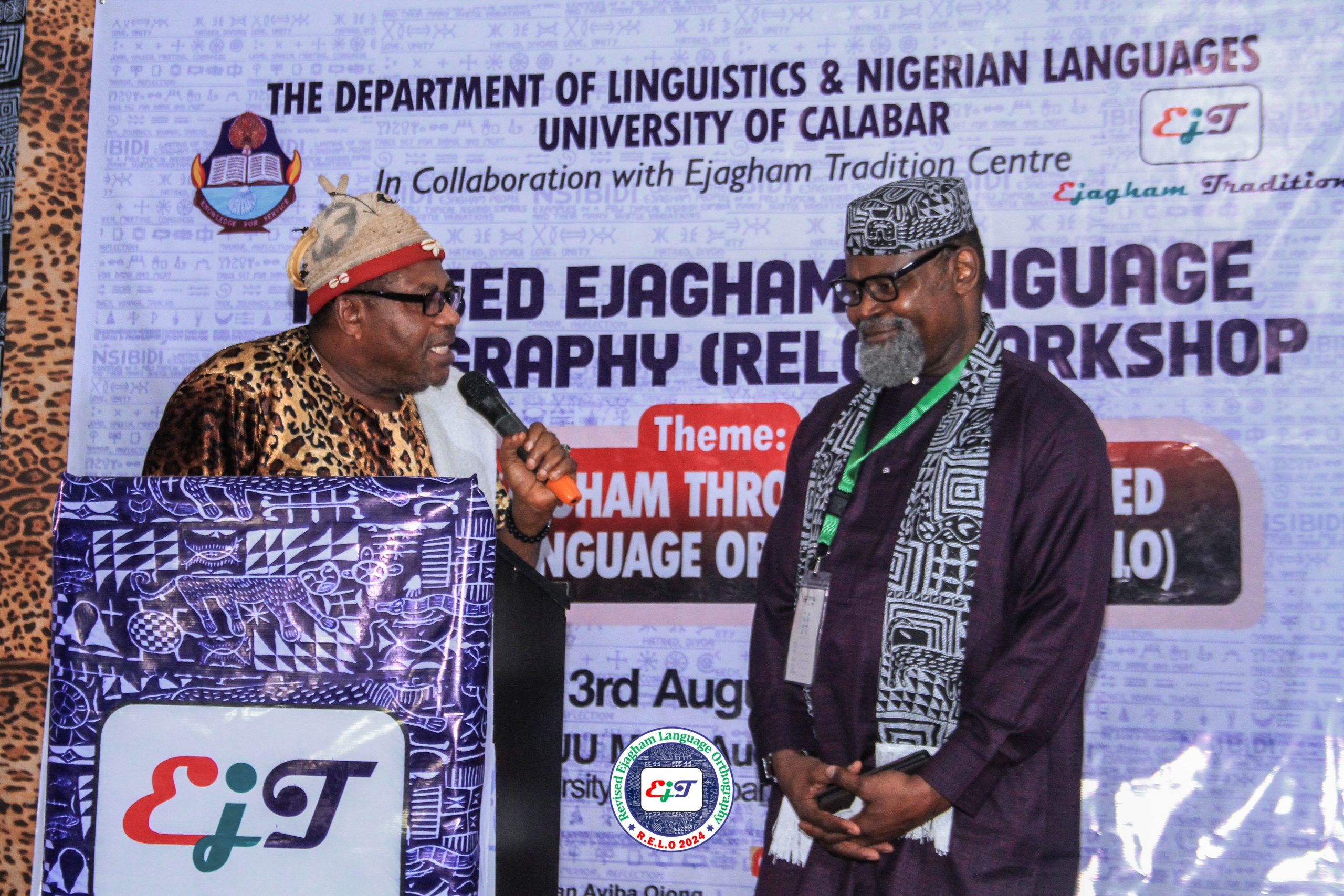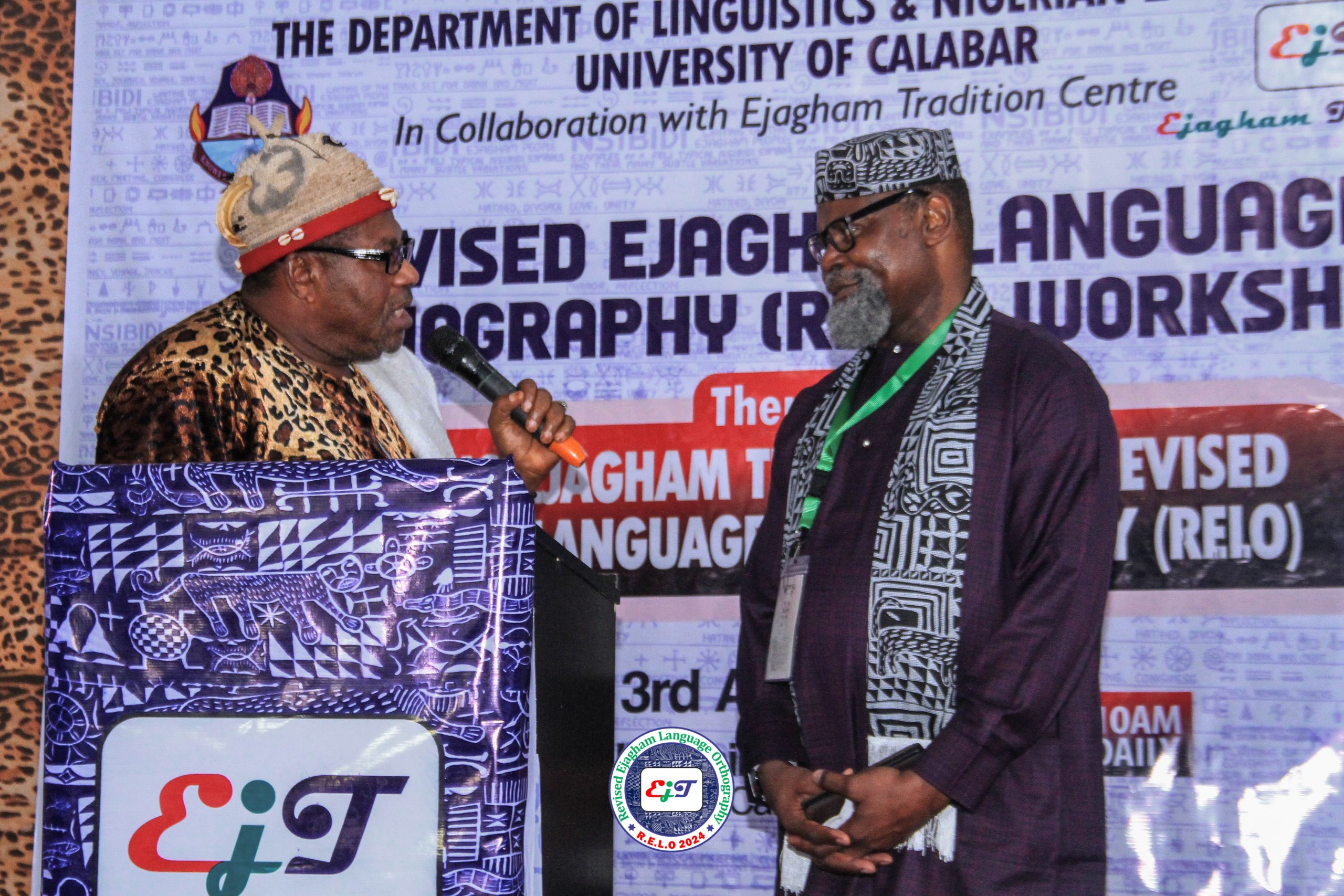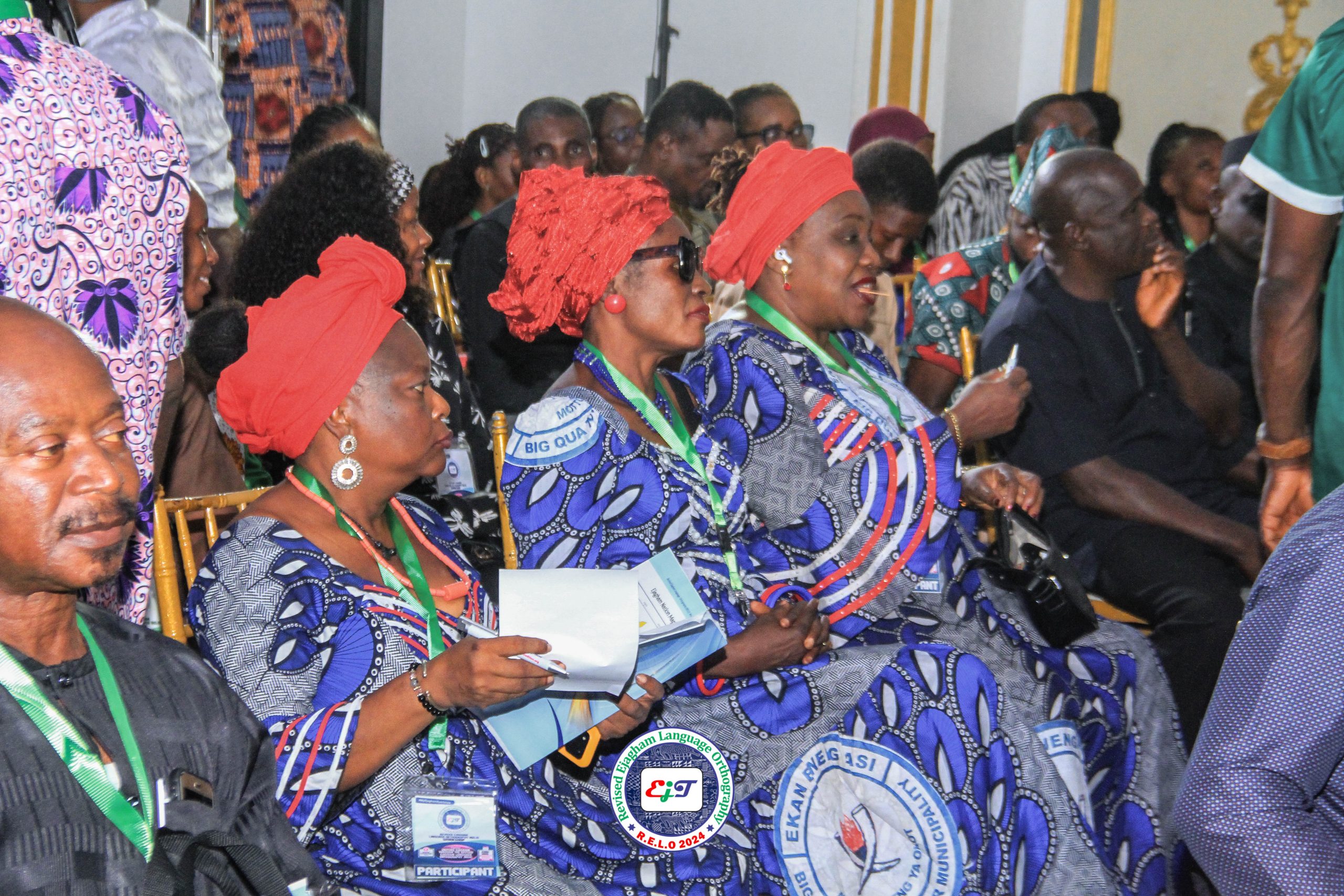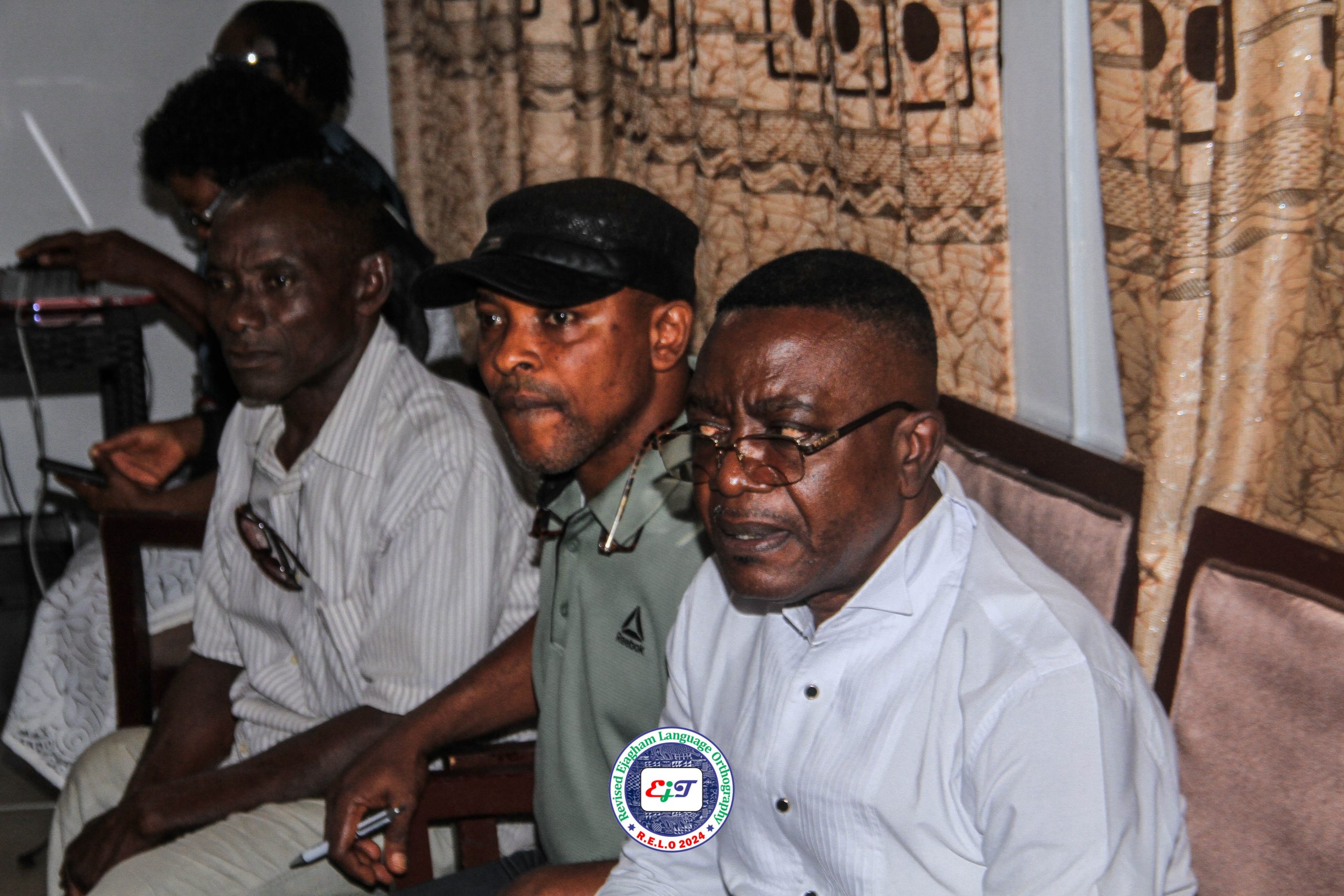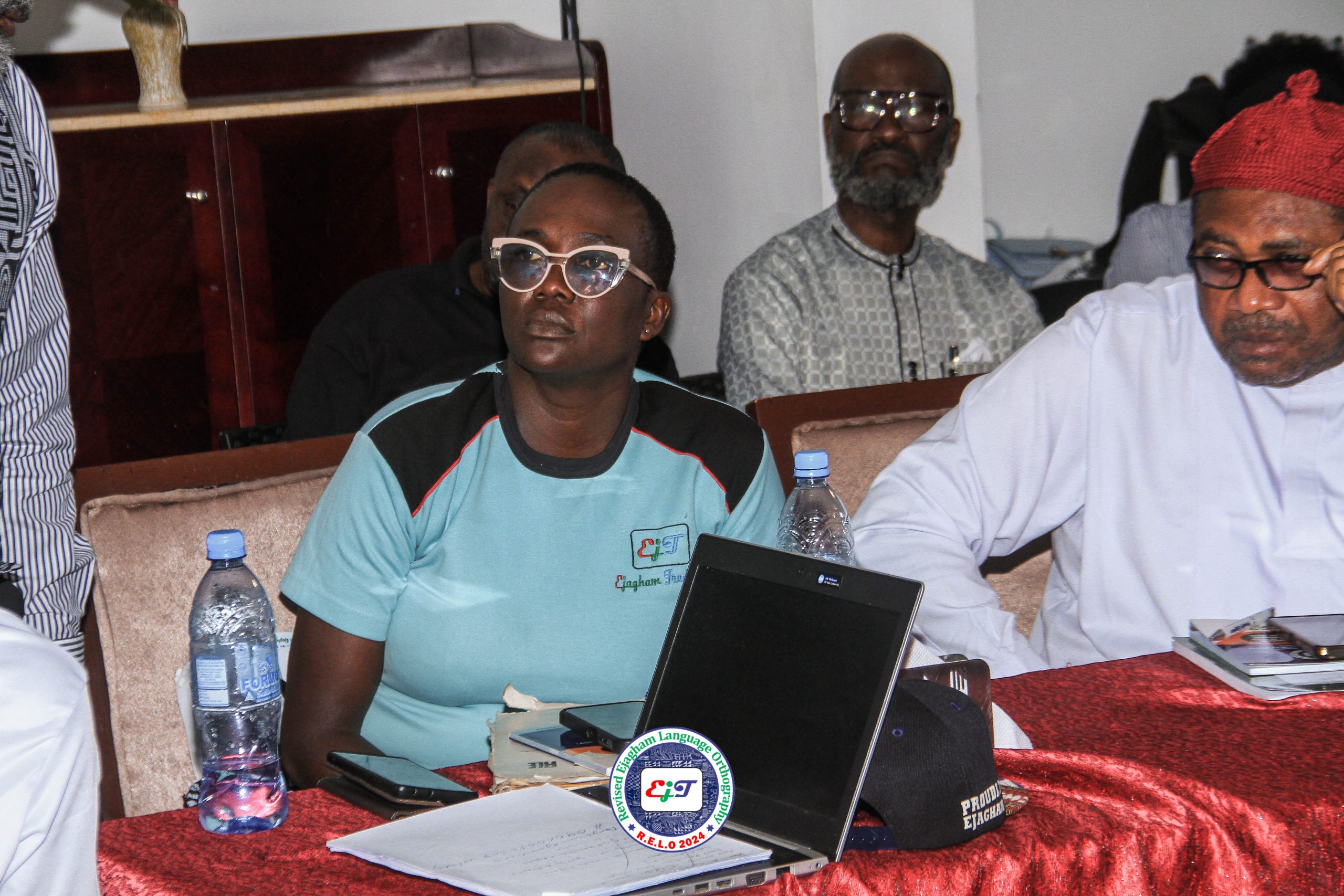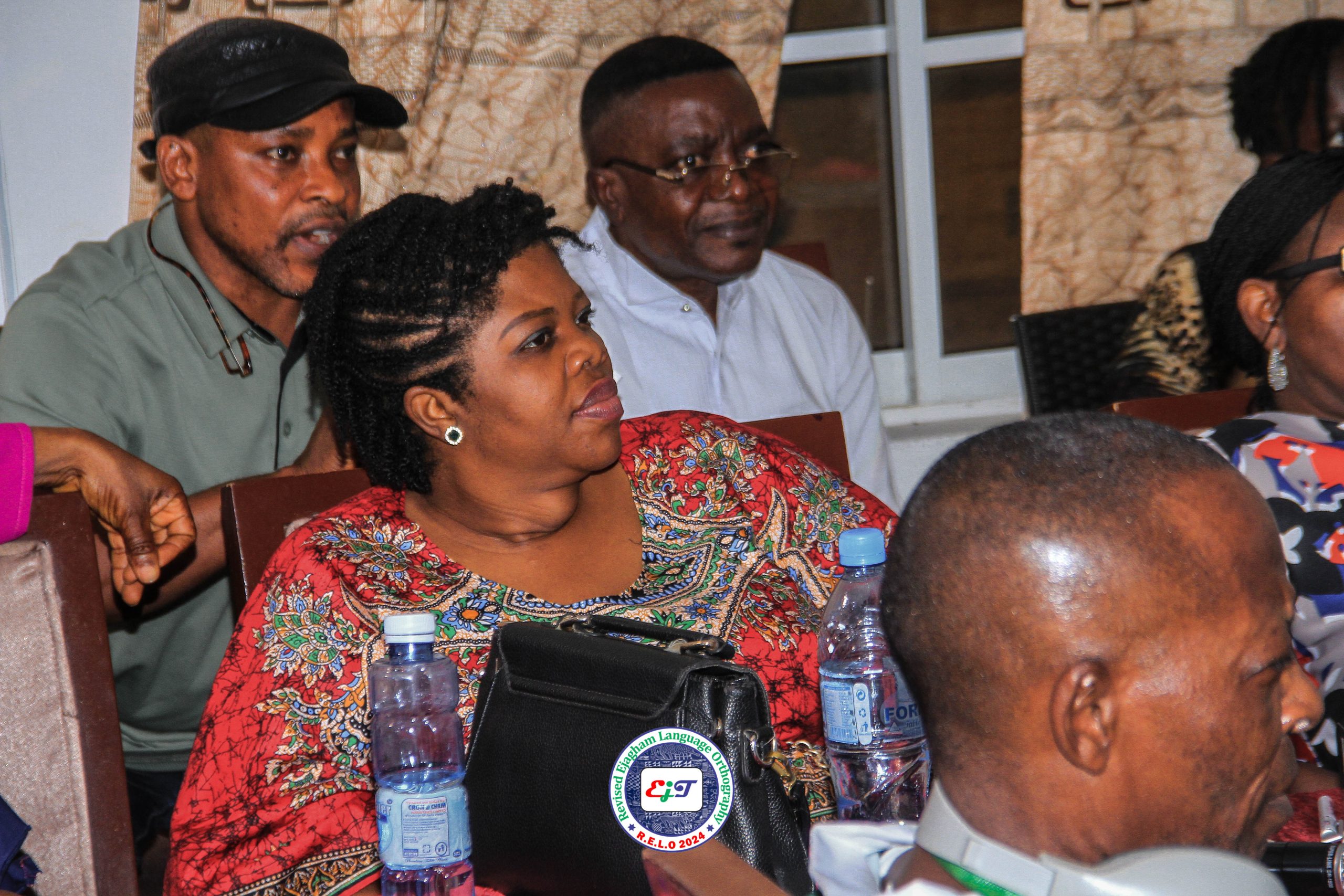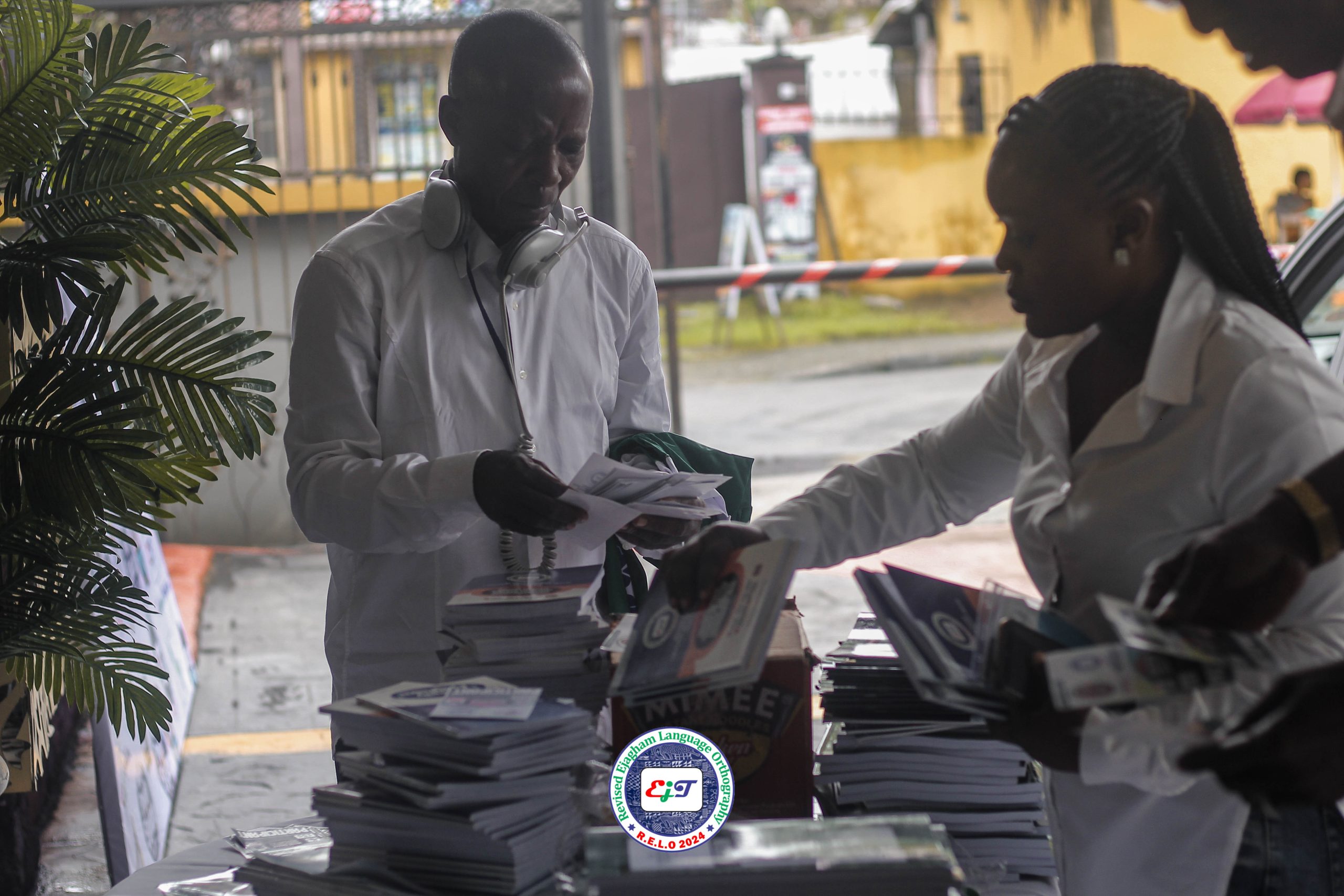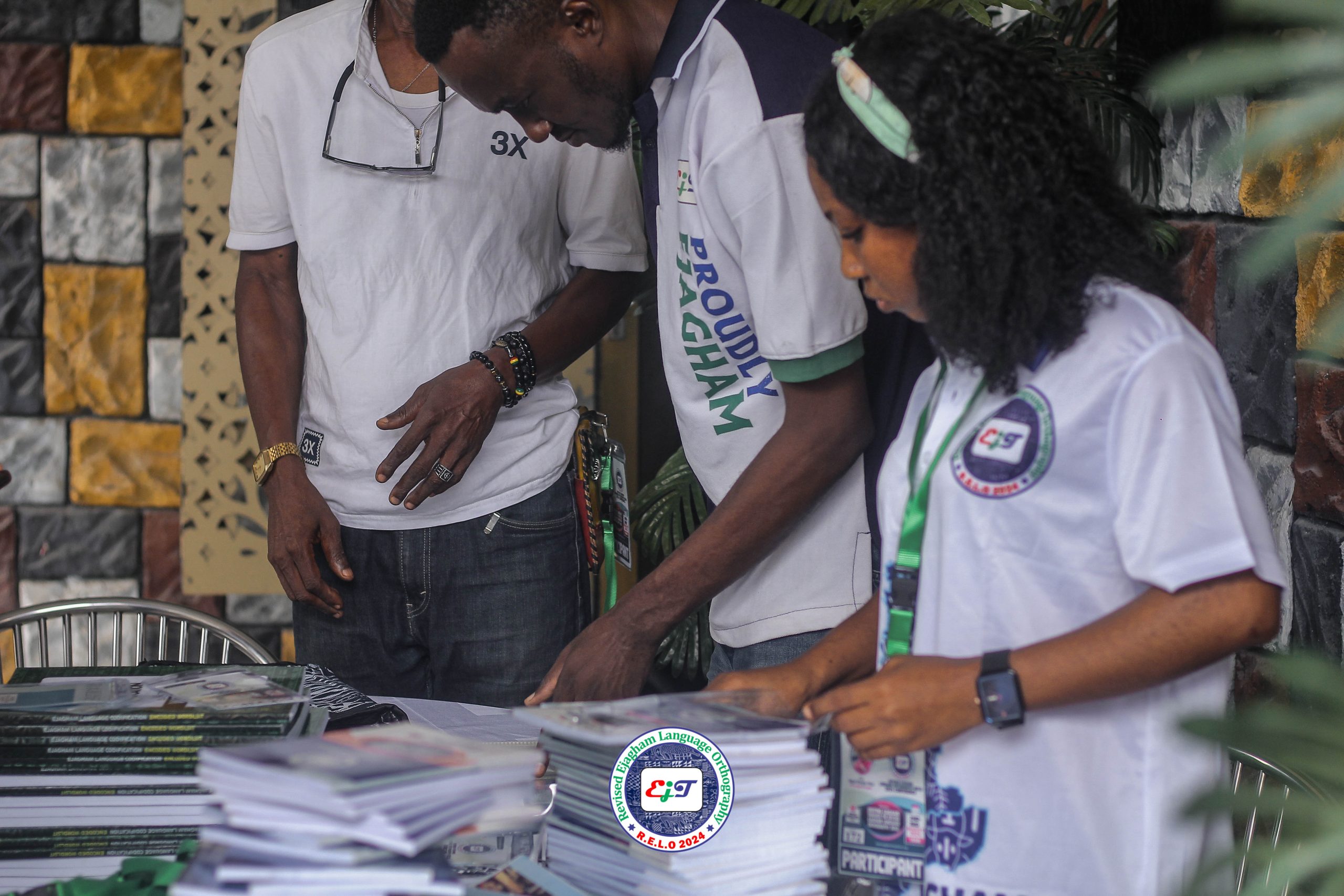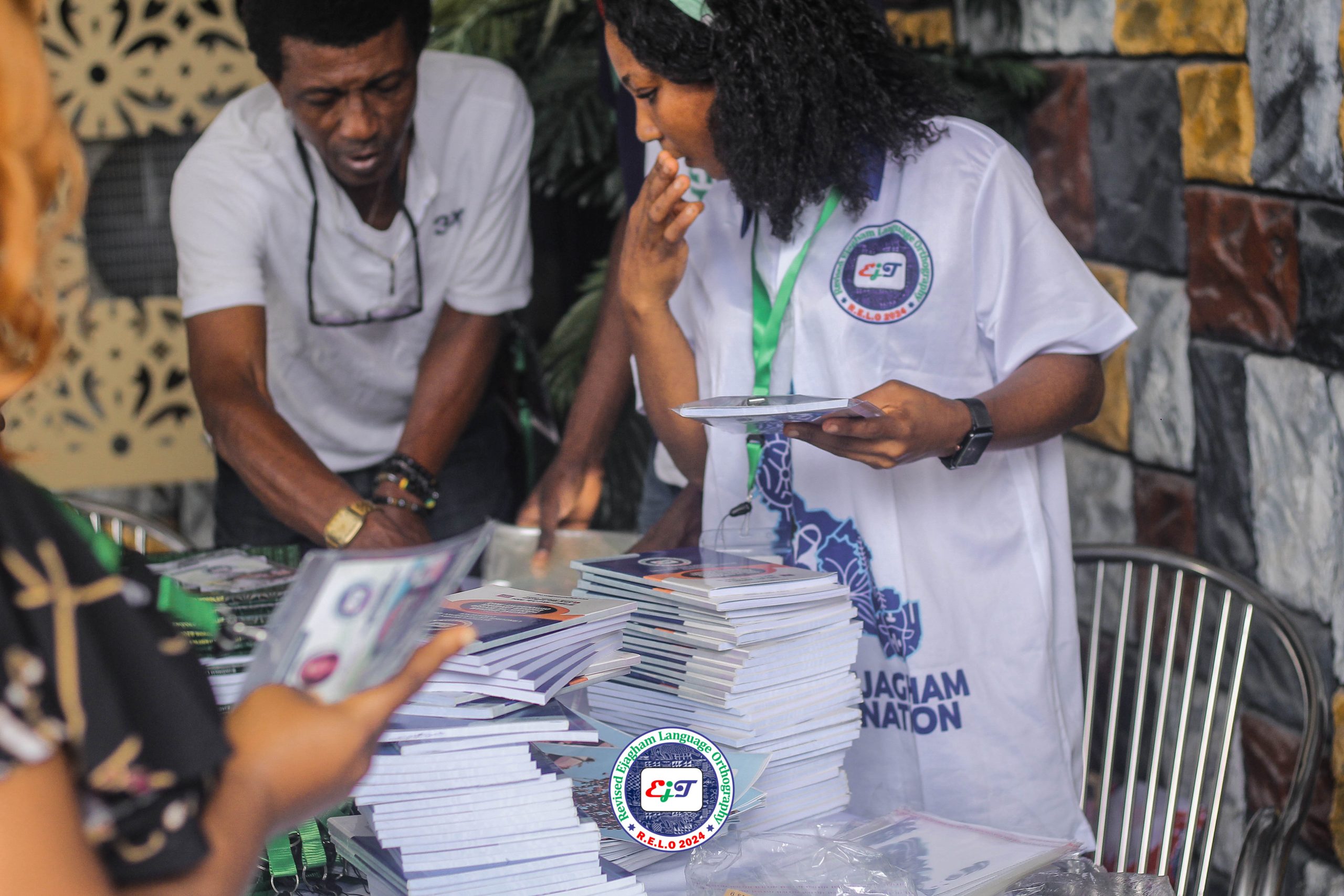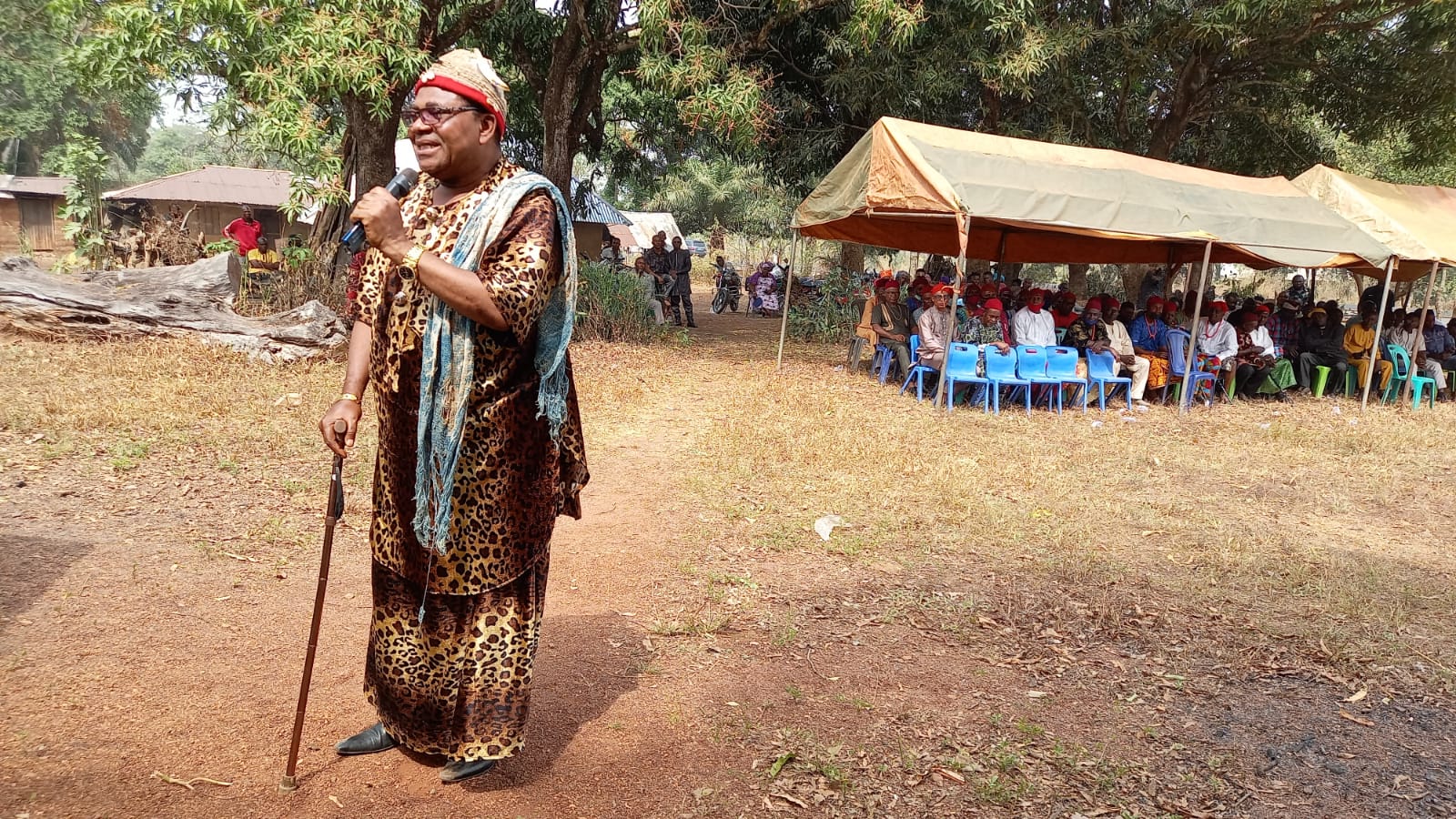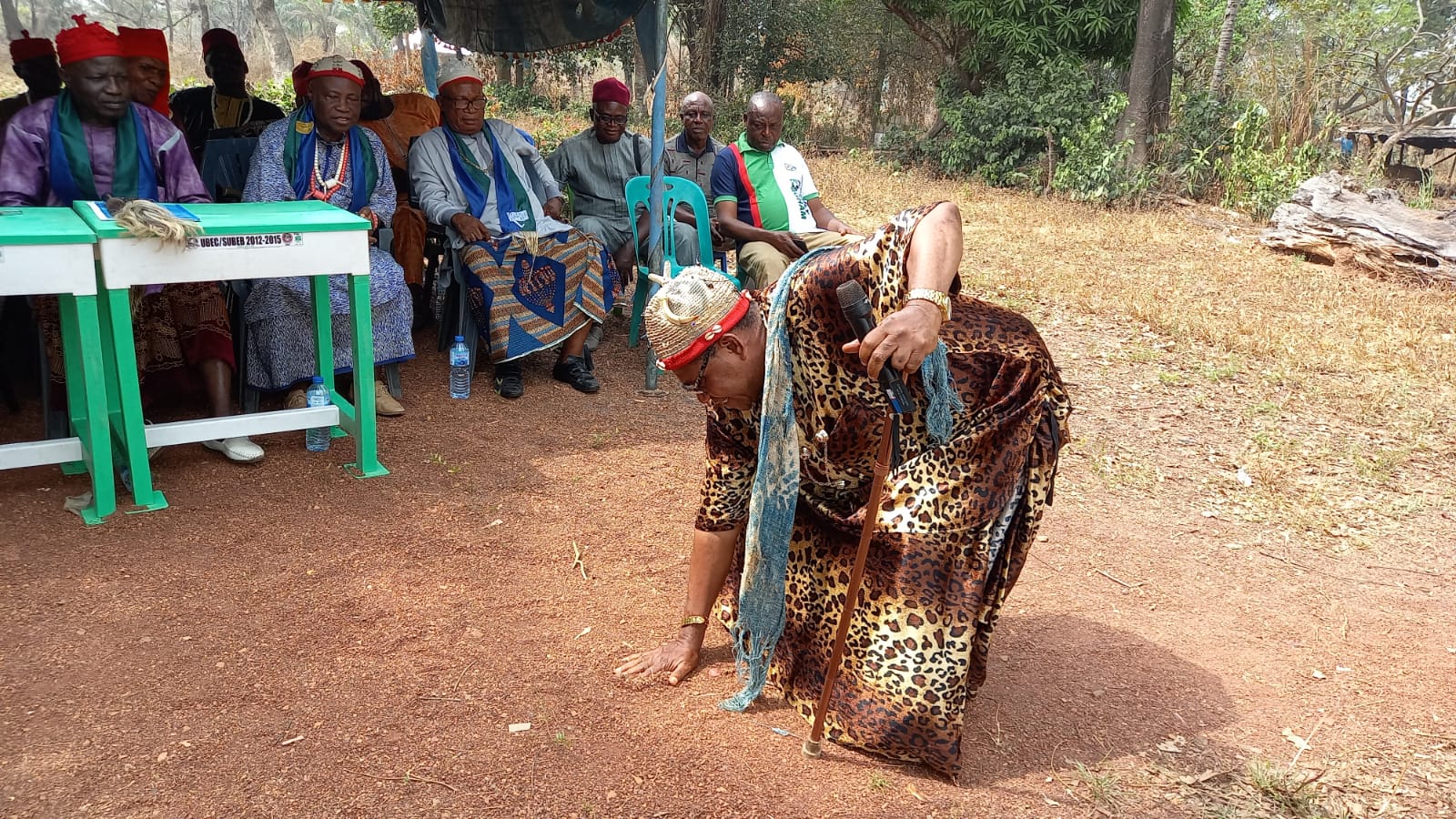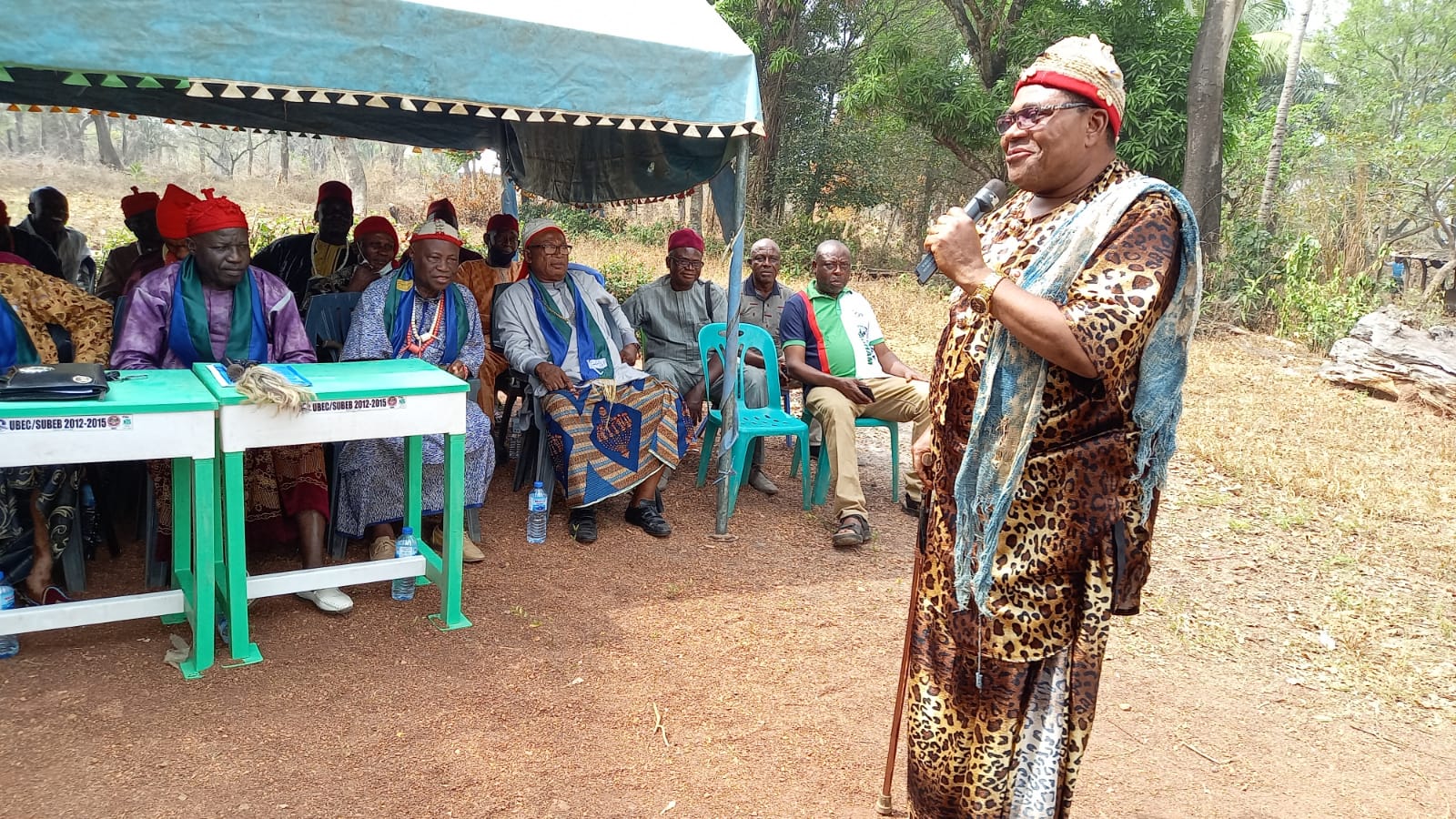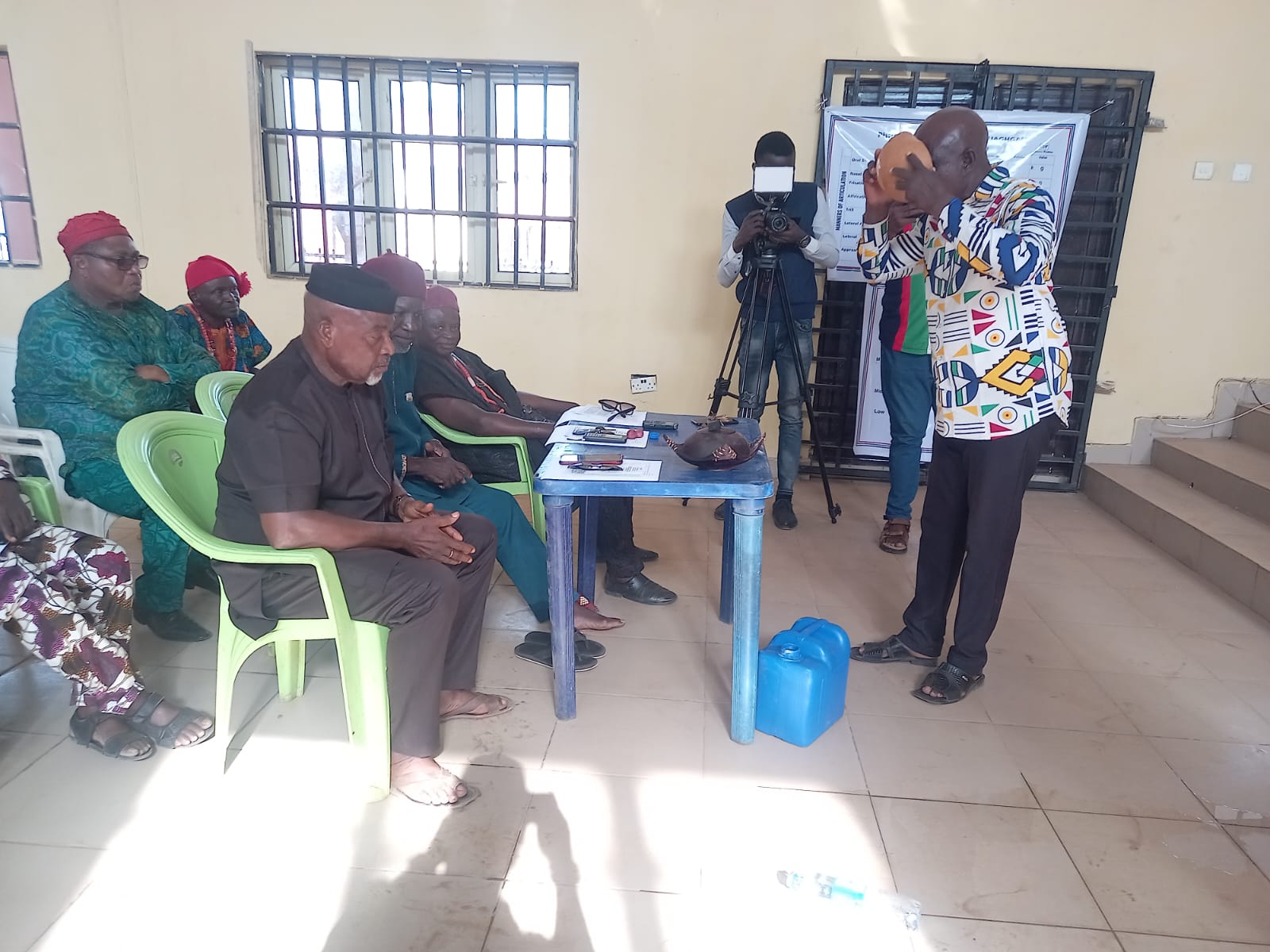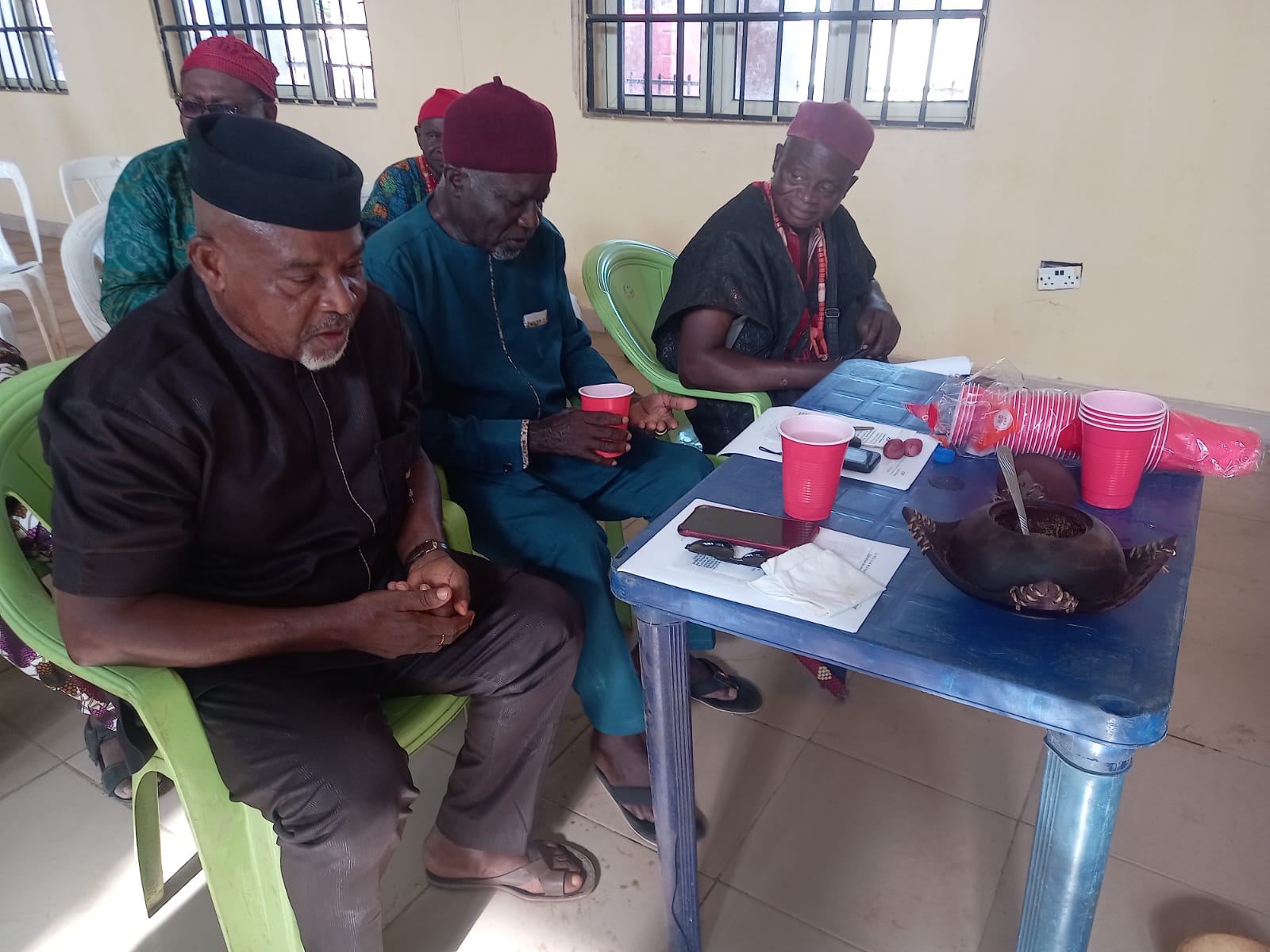

A Cultural preservation account of Ejagham birth‑presentation traditions, rooted in the ancestral practices of Babong Village, Ejagham Njemaya, Eyumojock Sub‑Division, South West Region, Cameroon. Initiated by: Nta Ekem Festus Egbe.

Abstract
This narrative critically scrutinises the contemporary tendency to reinterpret Oji Erúìri’om, an indigenous Ejagham birth ritual, through the framework of Western-style birthday celebrations. Drawing on linguistic analysis, cultural memory, and ethnographic insight, particularly the detailed account provided by Nta Ekem Festus Egbe from Babong – Ejagham Njemaya, the narrative demonstrates that the annual birthday tradition is foreign to Ejagham cosmology. In contrast, the Ejagham observe a distinct, once‑in‑a‑lifetime ceremony, Oji Erúìri’om, which serves not as a birthday but as the formal presentation of a newborn to the community. By situating this ritual within the broader context of Ejagham social organization, symbolic systems, and reproductive health practices, the narrative highlights its significance as a communal, medicinal, and morally grounded event. The scrutiny ultimately argues for maintaining a clear conceptual distinction between indigenous birth rituals and the modern birthday practices adopted under Western influence, underscoring the importance of cultural continuity and the integrity of Ejagham cosmological thought.
Introduction
In contemporary global culture, birthdays have become highly visible social events. The rise of digital platforms has amplified this trend, transforming birthdays into public performances of affection, social belonging, and personal display. These celebrations, often elaborate and curated, have become an industry in their own right. As with many globalized cultural practices, Western-style birthday celebrations have spread far beyond their origins, including among the Ejagham people of present-day Nigeria and Cameroon.
This diffusion raises an important question: Did the Ejagham historically celebrate birthdays? A close examination of Ejagham language, ritual practice, and cosmology suggests that the answer is no. Instead, the Ejagham possess a culturally grounded ritual, Oji Erúìri’om, which has recently been misinterpreted as an indigenous equivalent of the birthday celebration. This narrative seeks to clarify this misconception by analysing the cultural logic, symbolic structure, and social function of Oji Erúìri’om, demonstrating that it is fundamentally distinct from the Western notion of a birthday.
The Absence of “Birthday” in Ejagham Linguistic and Cultural Memory
Language offers a powerful lens for understanding cultural priorities. Notably, the Ejagham language contains no native term for “birthday” or any linguistic structure approximating the annual commemoration of one’s date of birth. Contemporary attempts within Ejagham communities, such as EjT, to translate “Happy Birthday” or compose a birthday song in Ejagham have been unsuccessful. This linguistic absence is not incidental; it reflects the absence of the concept itself in precolonial Ejagham society.
Furthermore, unlike marriage, where both “white wedding” and “traditional wedding” coexist, affirming the existence of wedding in precolonial Ejagham society, there is no parallel duality for birthdays. No indigenous ritual marks the annual return of a birth date. What exists instead is Oji Erúìri’om, a once in a lifetime ritual that marks the child’s entry into social life. To understand this ceremony, one must first examine the Nju oji, the traditional nursing home that forms the foundation of postpartum care in Ejagham society.
Nju oji: The Ejagham Post Birth Nursing Home
In Ejagham cosmology, childbirth is not a private or isolated event but the beginning of a communal process. Immediately after the birth of a child, the Nju oji is established as the temporary residence of the Mabhú (nursing mother) and the Mmon-e-nfe (newborn). This space becomes the center of maternal care, infant protection, and communal solidarity.
The Nju oji is staffed by a group of women who voluntarily relocate to the home with their bedding, ekpa or etambung (sleeping mats), and eti echi (pillows). Their number varies depending on the health needs of the mother and child, as well as the family’s capacity to host them. In some cases, as many as ten women may be present; in others, only one or two.
Each woman joins the Nju oji according to her recognized expertise. Some are known for their knowledge of herbs used in treating newborns, functioning as traditional pediatric specialists. Others possess deep understanding of herbal remedies for nursing mothers, effectively serving as gynecological caregivers. The nwubhâ oji, the traditional midwife, plays a central role in monitoring the mother’s recovery and ensuring the newborn’s safe transition into life. Alongside them is the “smart woman,” a resourceful helper responsible for errands, organising supplies, and managing the distribution of food and drink.
Together, these women form a holistic care unit whose purpose is to safeguard the well-being of the mother and child during the critical first days of life. The size and composition of the Nju oji often reflect the financial strength and social standing of the families involved, yet regardless of scale, the Nju oji embodies the Ejagham belief that a child belongs not only to the parents but to the entire community.
Oji Erúìri’om as a Ritual of Birth: The Seventh Day Presentation
Timing and Purpose
Once the Nju oji has stabilized the mother and child, preparations begin for Oji Erúìri’om, the seventh day celebration. In Ejagham cosmology, the seventh day marks the moment when the child is considered ready to be presented to the community. The ritual is not a commemoration of the date of birth itself but to the cultural logic of readiness, purification, and social integration. It is a celebration of arrival, not chronology.
Preparatory Processes and Social Participation
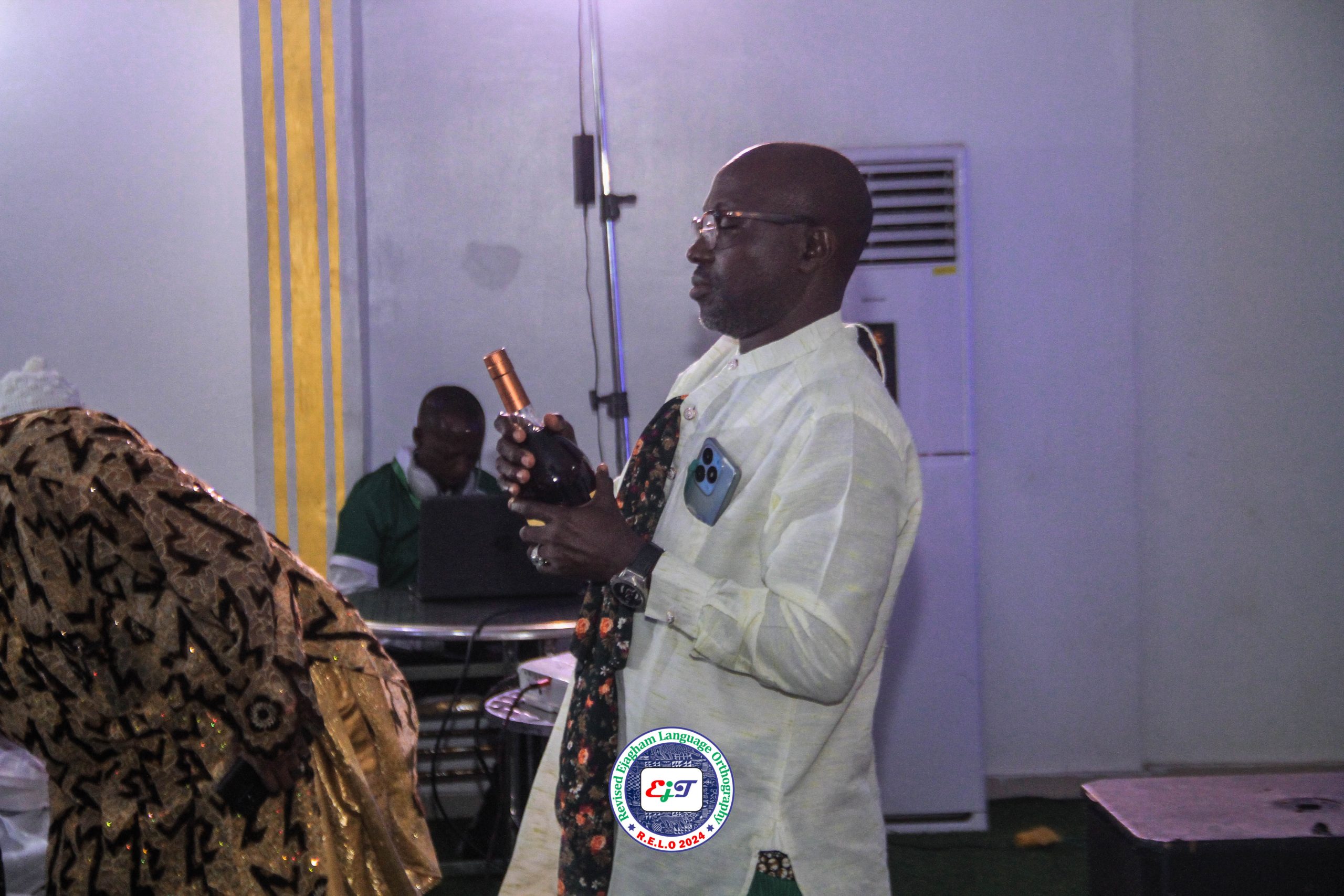
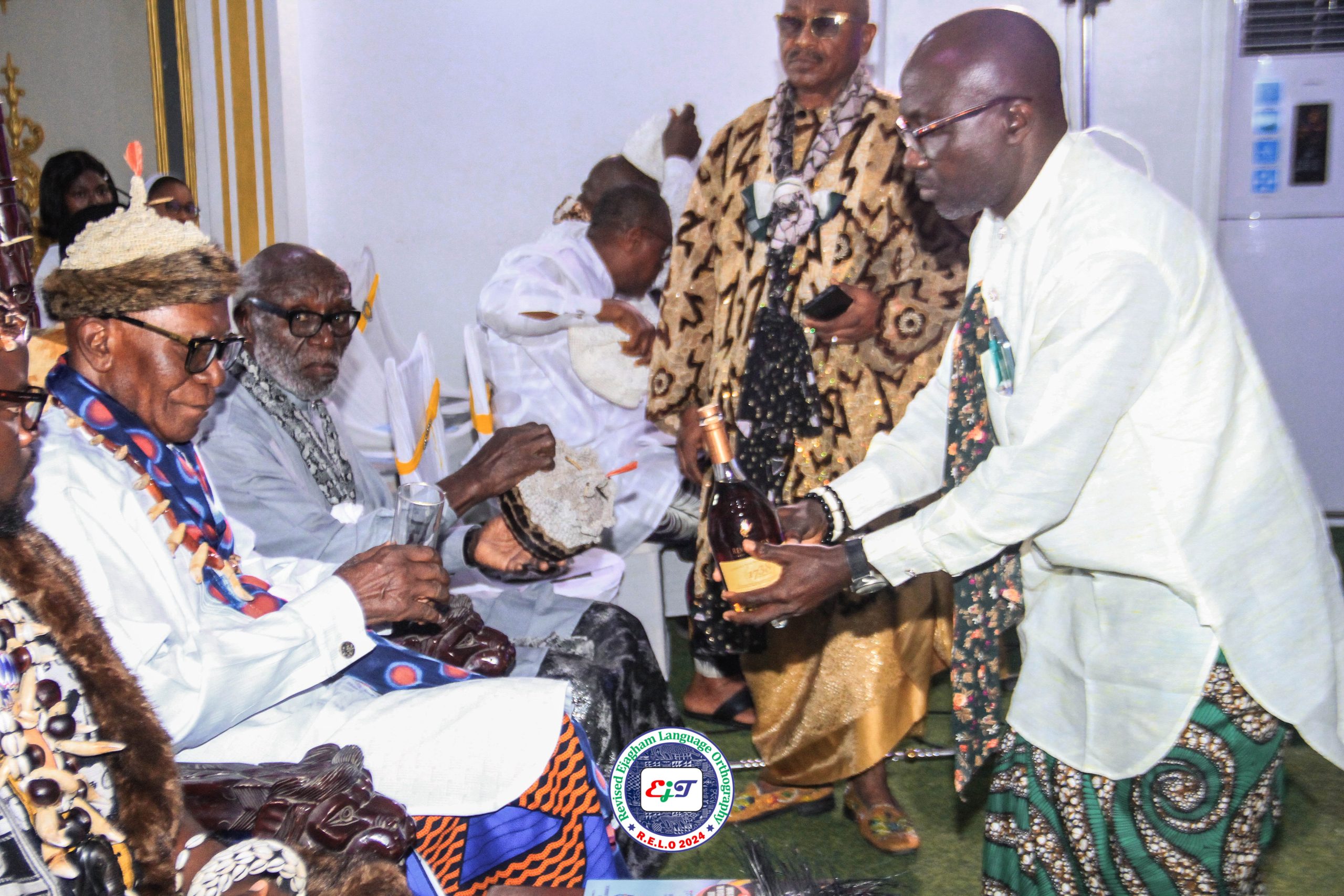
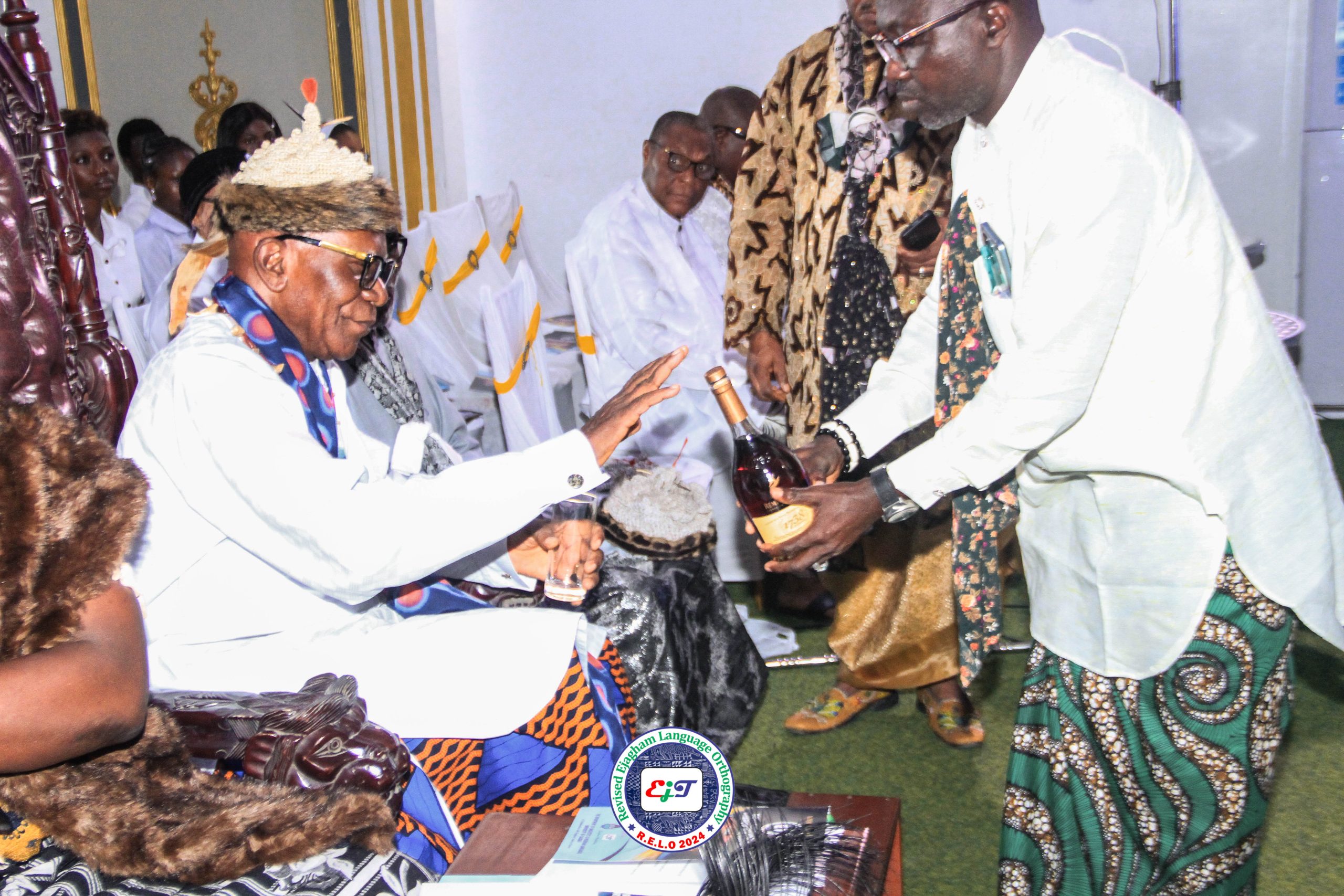
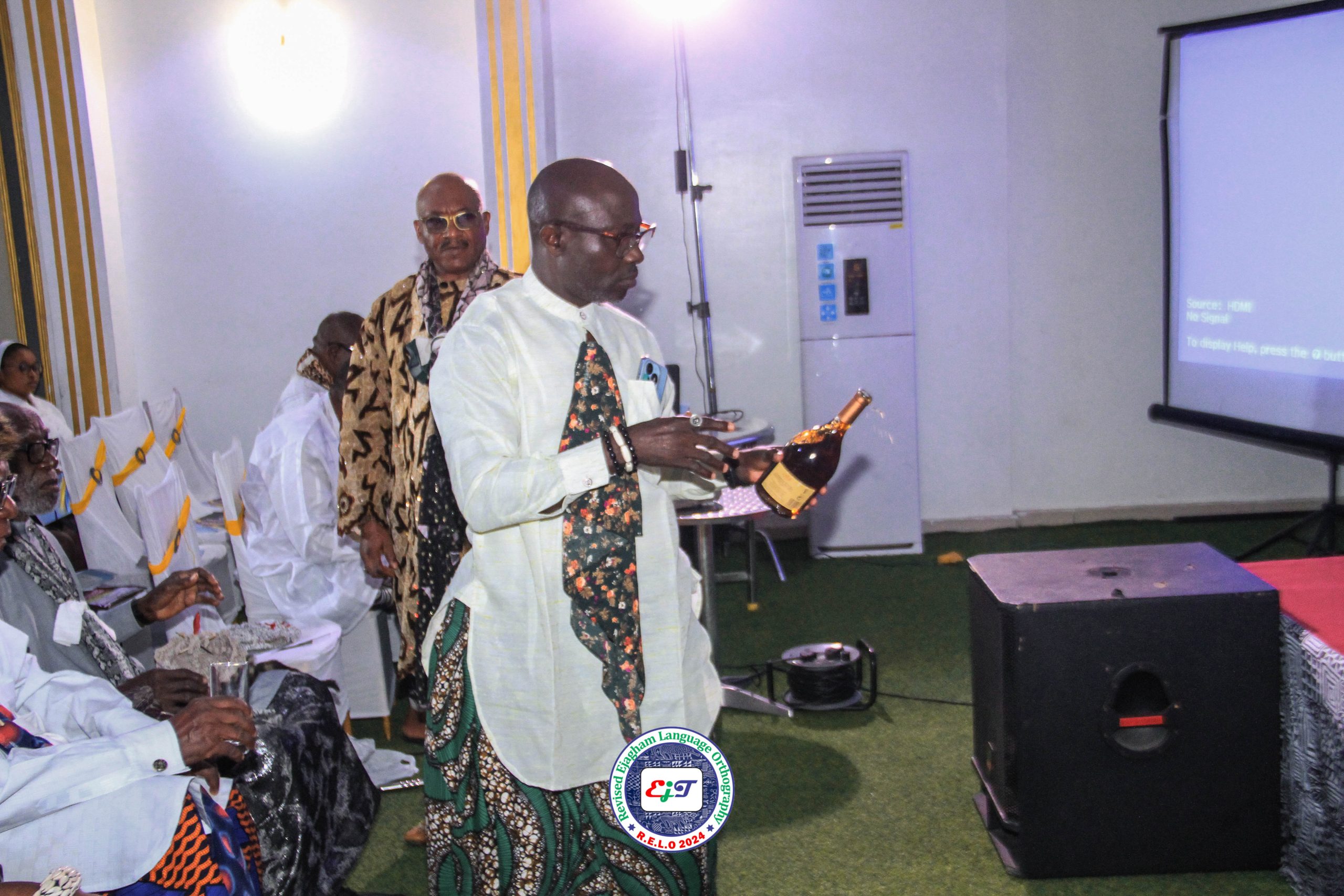
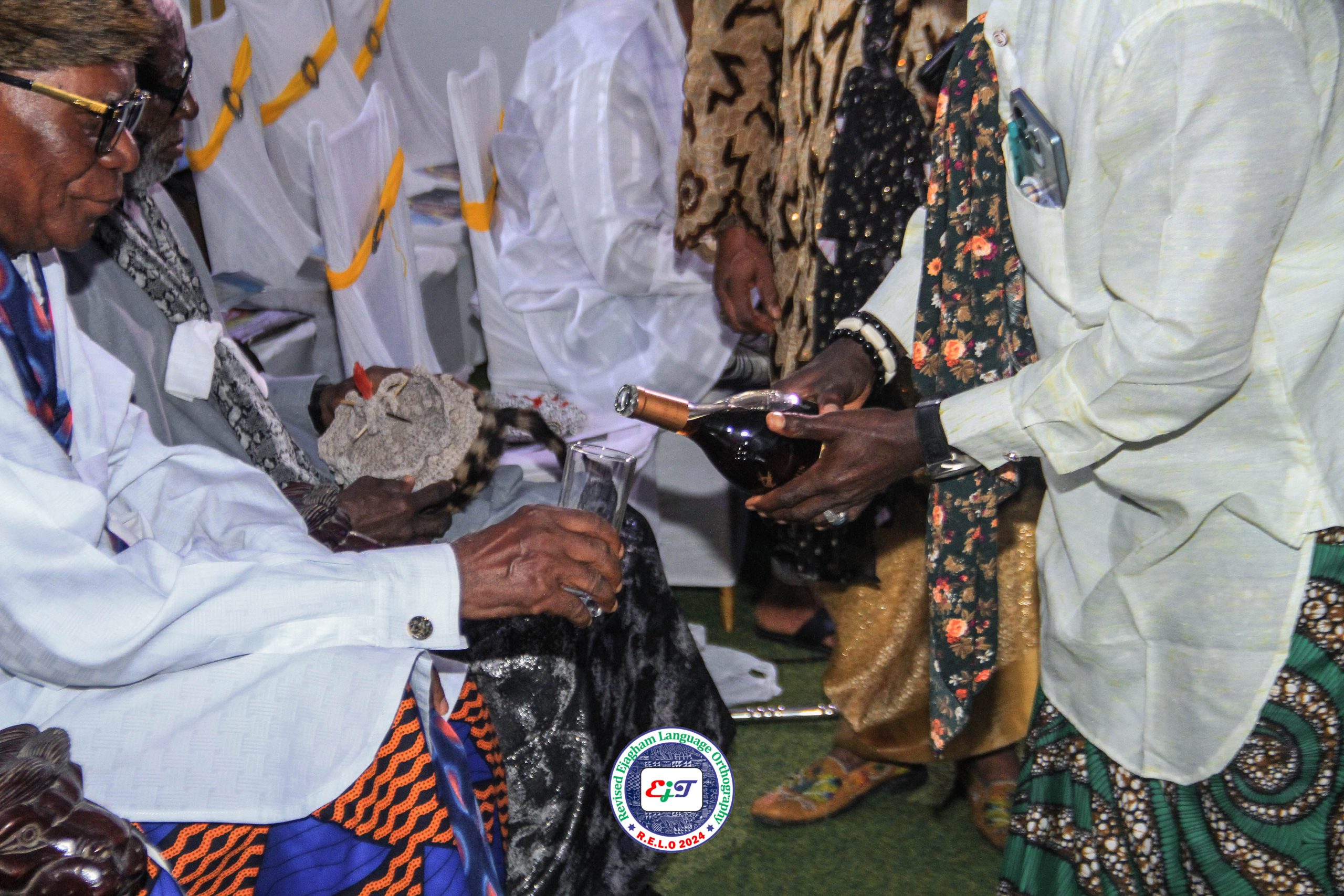
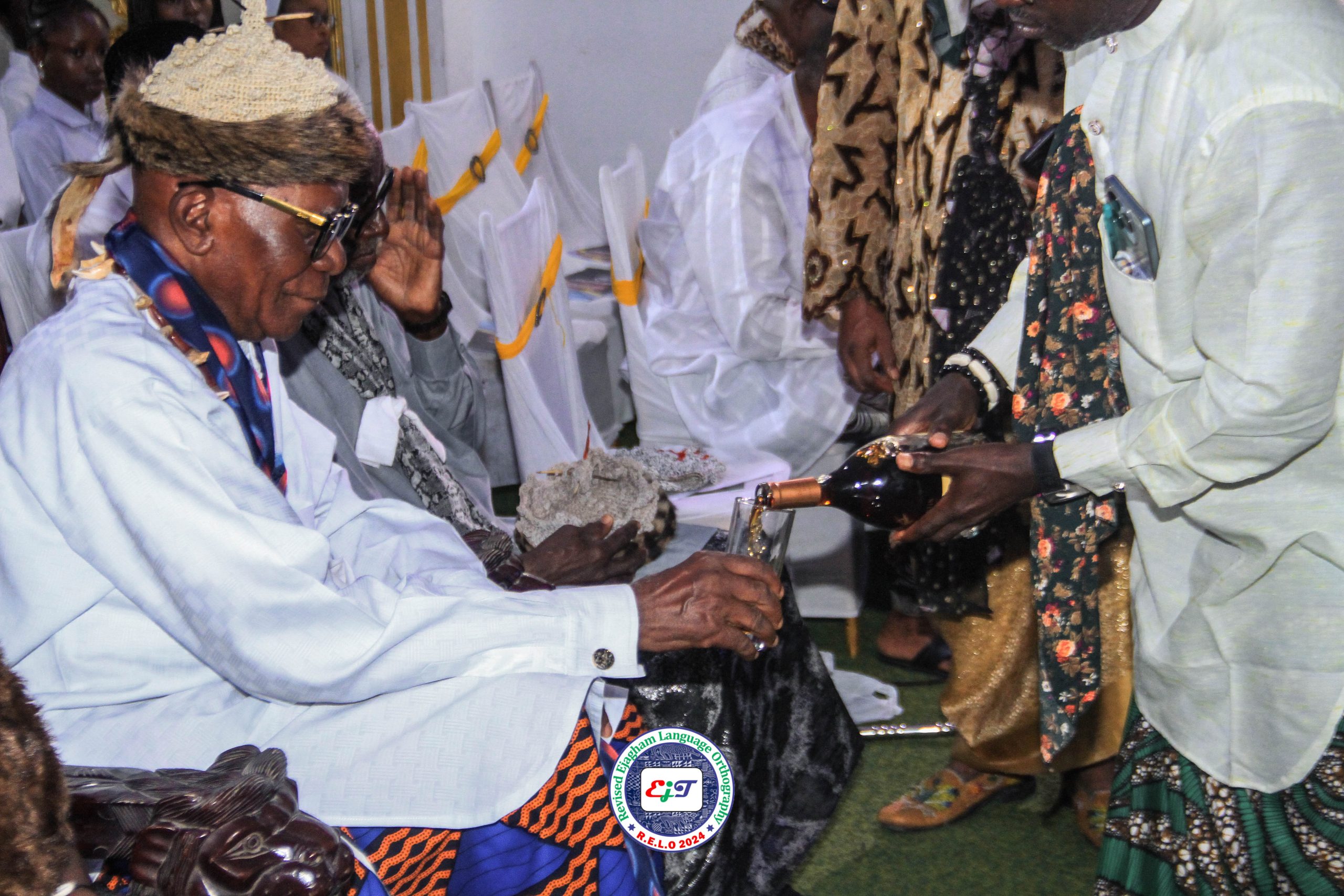
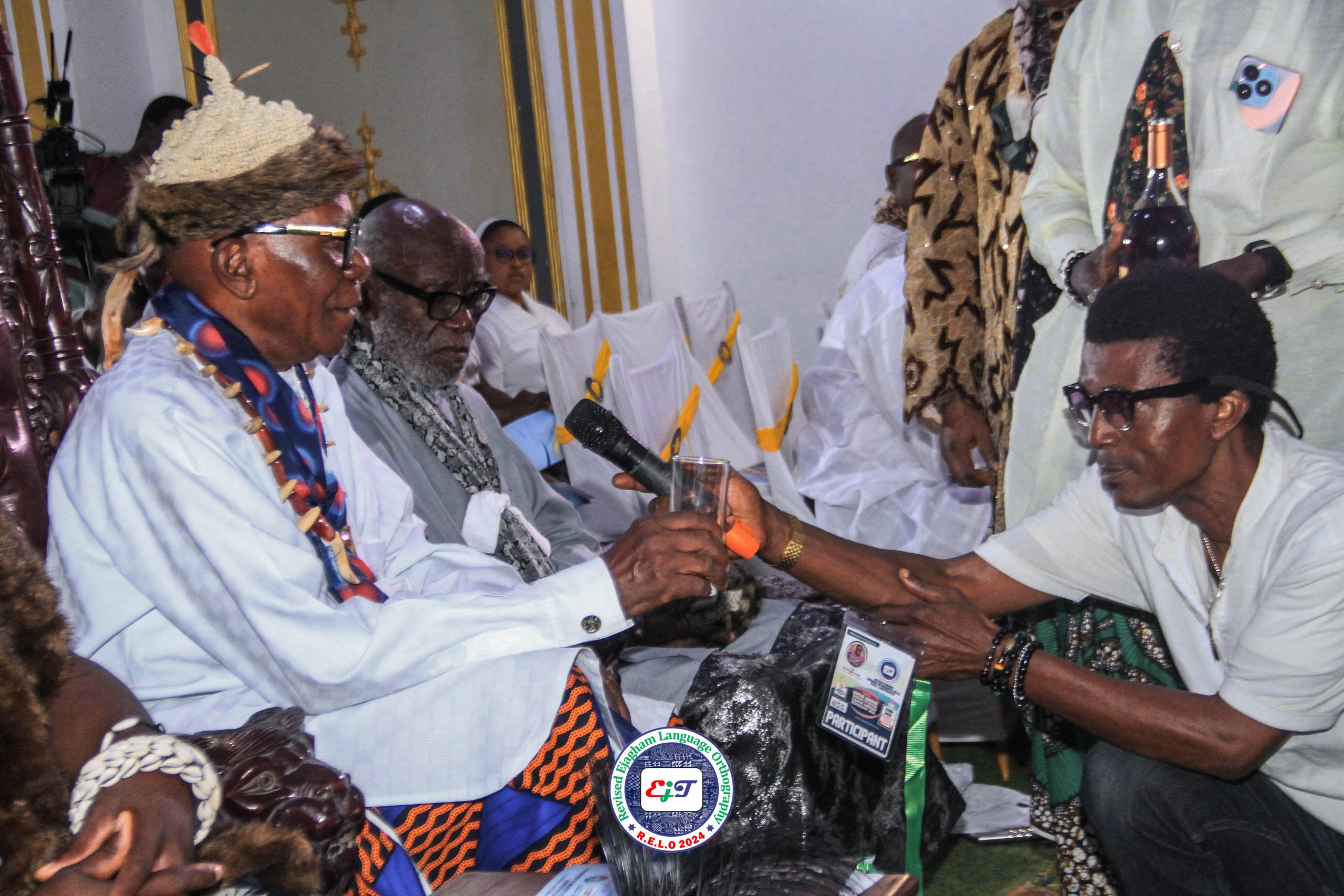
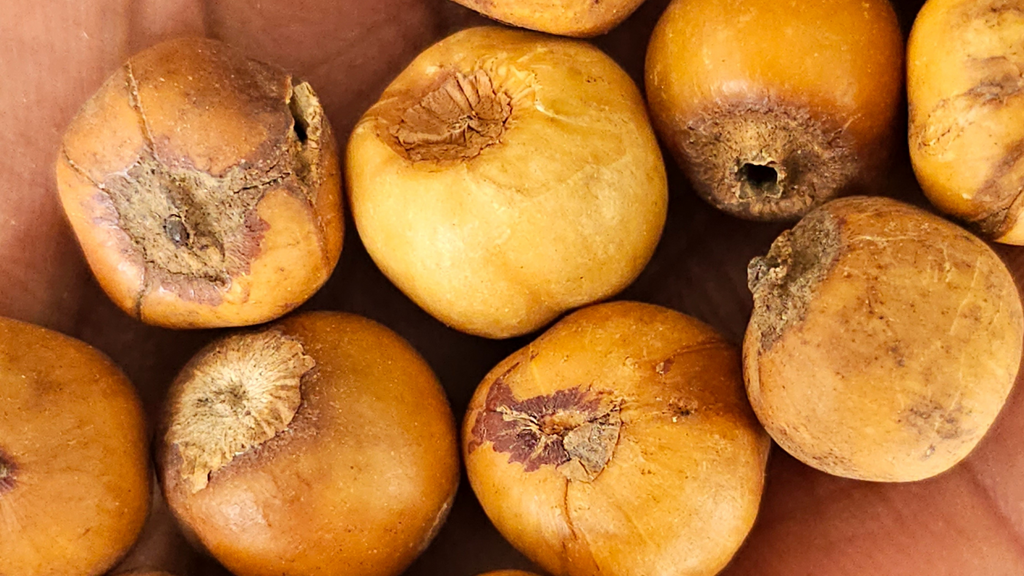
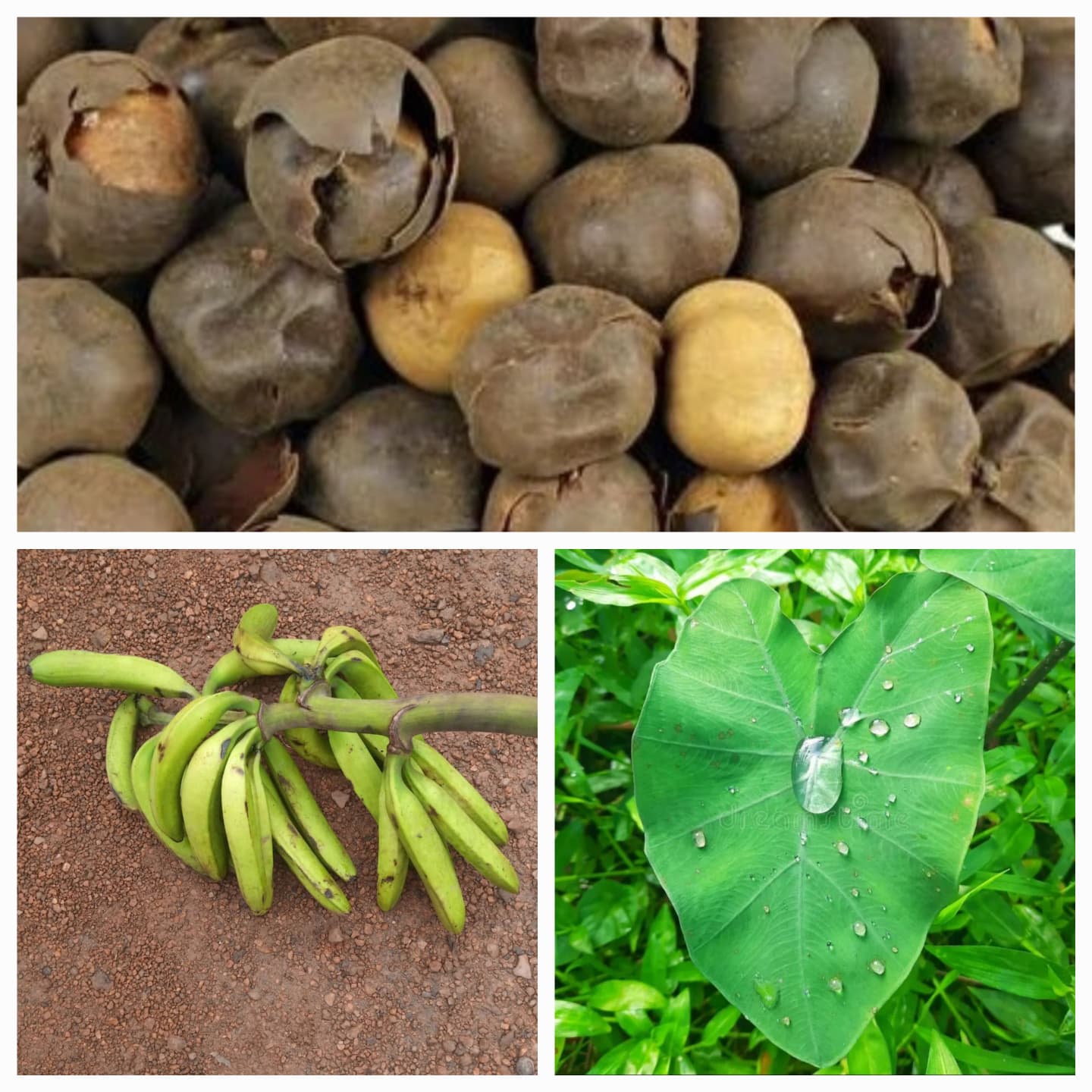
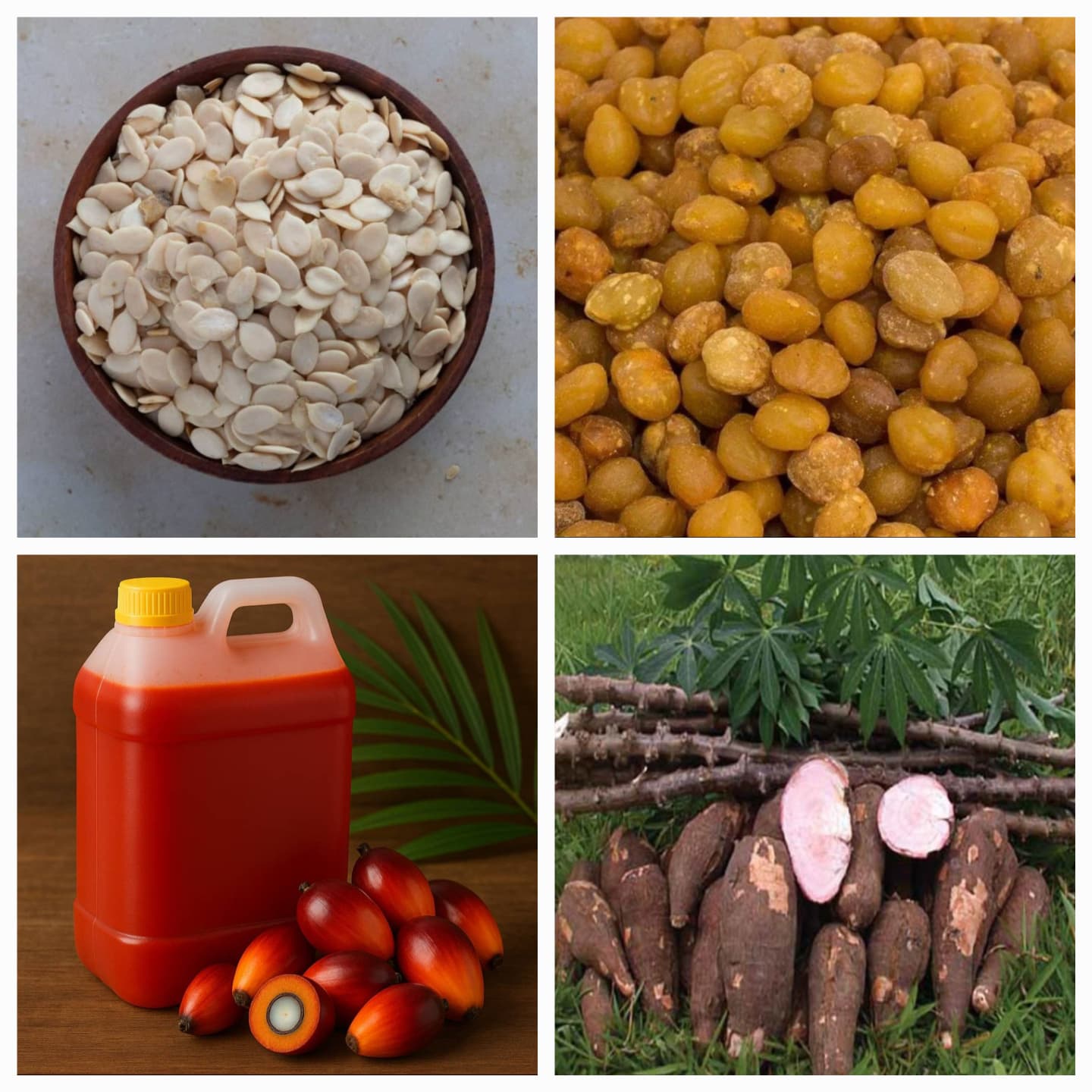
The ritual begins with the establishment of the Nju‑oji, the nursing home where the mother and child are cared for. Relatives, friends, and community members contribute essential items such as firewood, salt, pepper, fresh cocoyam leaves, plantains, njansang, egusi, Afrostyrax lepidophyllus (country onion), palm oil, and water. These contributions are symbolic acts of solidarity and communal responsibility. The father and his peers provide drinks, including palm wine and mmon‑e‑nsi, a locally distilled whisky whose name, meaning “indigenous child”, underscores the ritual’s cultural grounding.
Social and Moral Functions
Oji Erúìri’om serves several interconnected functions. It publicly presents the child as a new member of the family and community, marking the child’s formal entry into social life. It also serves as the moment when the father publicly acknowledges the child and declares his commitment to its welfare. The ritual honours the mother, recognizing the physical and emotional labour of pregnancy and childbirth. It reinforces kinship bonds and affirms collective responsibility for the child’s upbringing. For first-time parents, the ritual includes their first shared public meal, symbolizing unity and mutual responsibility.
Symbolic and Medicinal Dimensions of the Ritual Foods
The foods prepared during Oji Erúìri’om are deeply embedded in Ejagham medicinal and reproductive knowledge systems. Erém (Cocoyam leaves), egomeh (plantains), iwa (cassava), oyok (njansang), osan (egusi), and ikang (country onion) are selected for their health-enhancing properties. Cocoyam leaves support lactation, immunity, and reproductive health. Osan enhances fertility, digestion, and breast milk production. Country onion stabilise the stomach and supports reproductive wellness. Plantains strengthen the immune and digestive systems, while njansang aids digestion and reproductive health. These foods function simultaneously as nourishment and medicine, reflecting the Ejagham understanding of health as a holistic interplay of physical, reproductive, and communal well-being.
The Semantics of Erúìri’om
The term Erúìri’om derives from ruiri, meaning “to dress up” or “prepare for public presentation.” In Ejagham ritual practice, ruiri is often used in the context of preparing masquerades for public performance. Applied to a newborn, Erúìri’om signifies the ceremonial preparation and unveiling of the child to society. It is a ritual of presentation, not a celebration of a date. It marks the child’s entry into the social world, the mother’s transition into postpartum recognition, and the father’s public acceptance of responsibility.
Distinguishing Oji Erúìri’om from Western Birthdays
The differences between Oji Erúìri’om and Western-style birthdays are profound. Oji Erúìri’om occurs once in a lifetime, whereas birthdays occur annually. Oji Erúìri’om celebrates birth, motherhood, and paternal responsibility, while birthdays celebrate the date of birth. Oji Erúìri’om is performed on the seventh day after birth, not on the exact date. It is community-centered rather than individual-centered, medicinal and symbolic rather than recreational, and indigenous rather than imported. Oji Erúìri’om is fundamentally a rite of passage, whereas the birthday is a chronological commemoration.
Cultural Adaptation and the Future of Ejagham Indigenous Knowledge
As globalization continues to shape cultural practices, many Ejagham families now participate in Western-style birthday celebrations. This adoption is neither inherently problematic nor culturally destructive. However, conceptual confusion arises when modern practices are retroactively imposed onto indigenous traditions. The argument here is not against celebrating birthdays, but against mislabelling Oji Erúìri’om as an Ejagham birthday. The two practices emerge from different worldviews, serve different purposes, and should be recognized as distinct.
Conclusion
This narrative has demonstrated that the Ejagham people historically did not celebrate birthdays in the Western sense. Instead, they practiced Oji Erúìri’om, a profound, once‑in‑a‑lifetime ritual that celebrates birth, honours motherhood, affirms paternity, and integrates the child into the community. The ritual’s symbolic foods, linguistic roots, and social functions underscore its significance within Ejagham cosmology.
As modern influences reshape cultural practices, it is essential to preserve conceptual clarity. Western-style birthdays may be adopted as new cultural expressions, but rather than dressing Ejagham heritage in borrowed robes, contemporary communities can embrace new customs while safeguarding the traditions that define them. Western-style culture should not be conflated with or imposed upon indigenous rituals. Oji Erúìri’om is not a birthday; it is a celebration of life, community, and responsibility, an affirmation of the values that have sustained the Ejagham people for generations.
Ntufam Engr. Chris Anom CEng, CMarEng, FIMarEST, FRINA
President, EjT