
Reporting Period: January 2026
Executive Summary
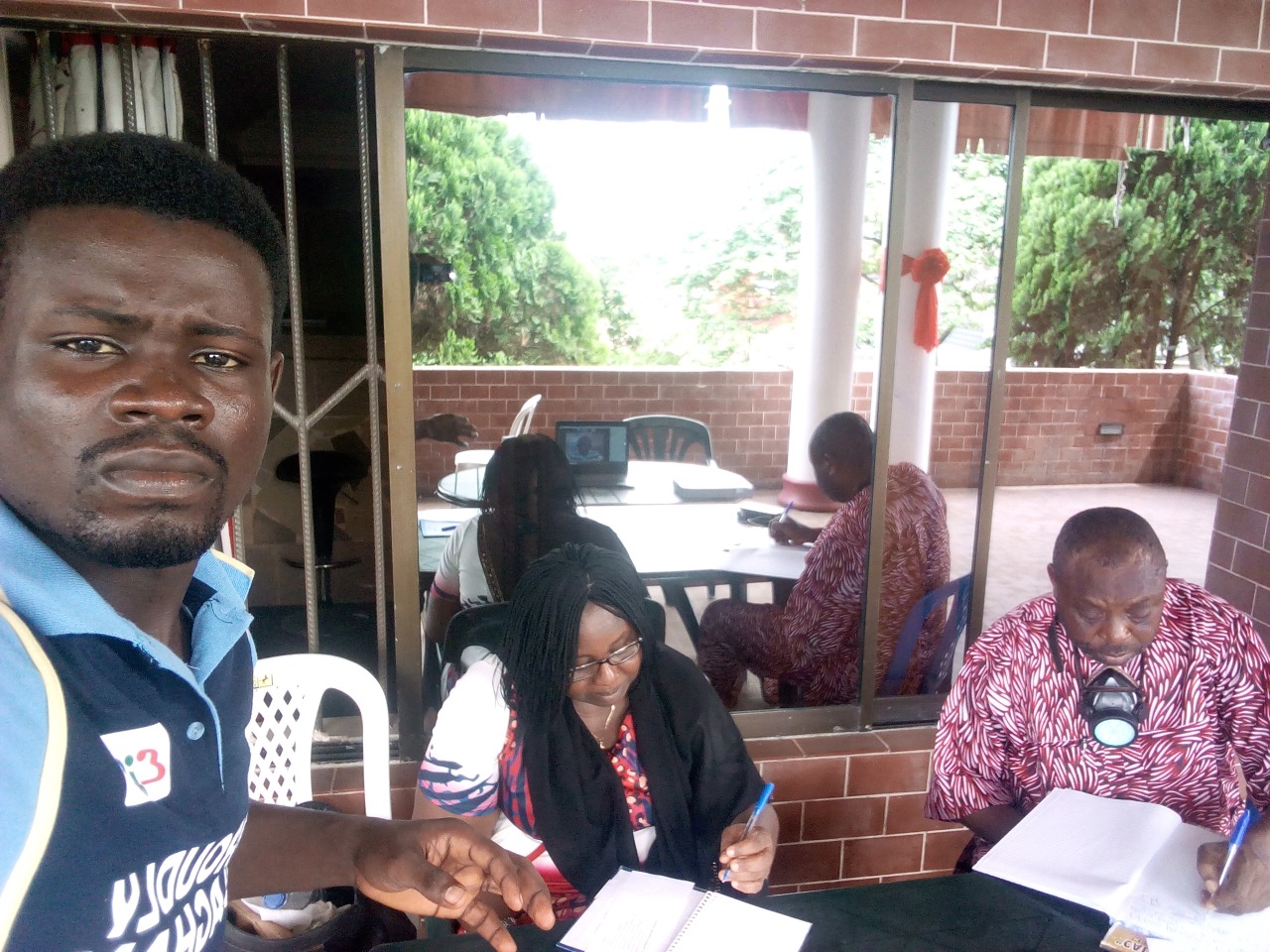
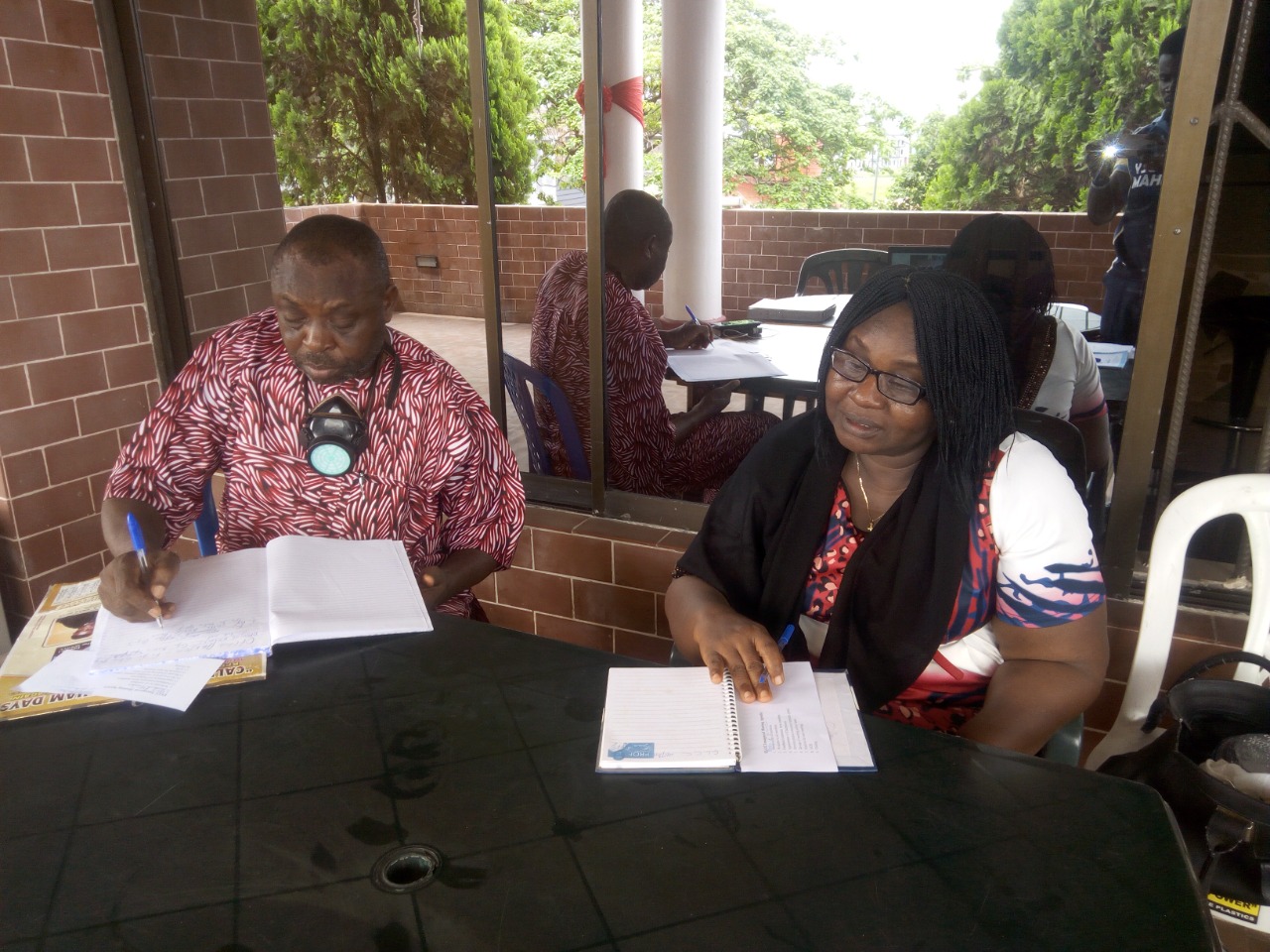
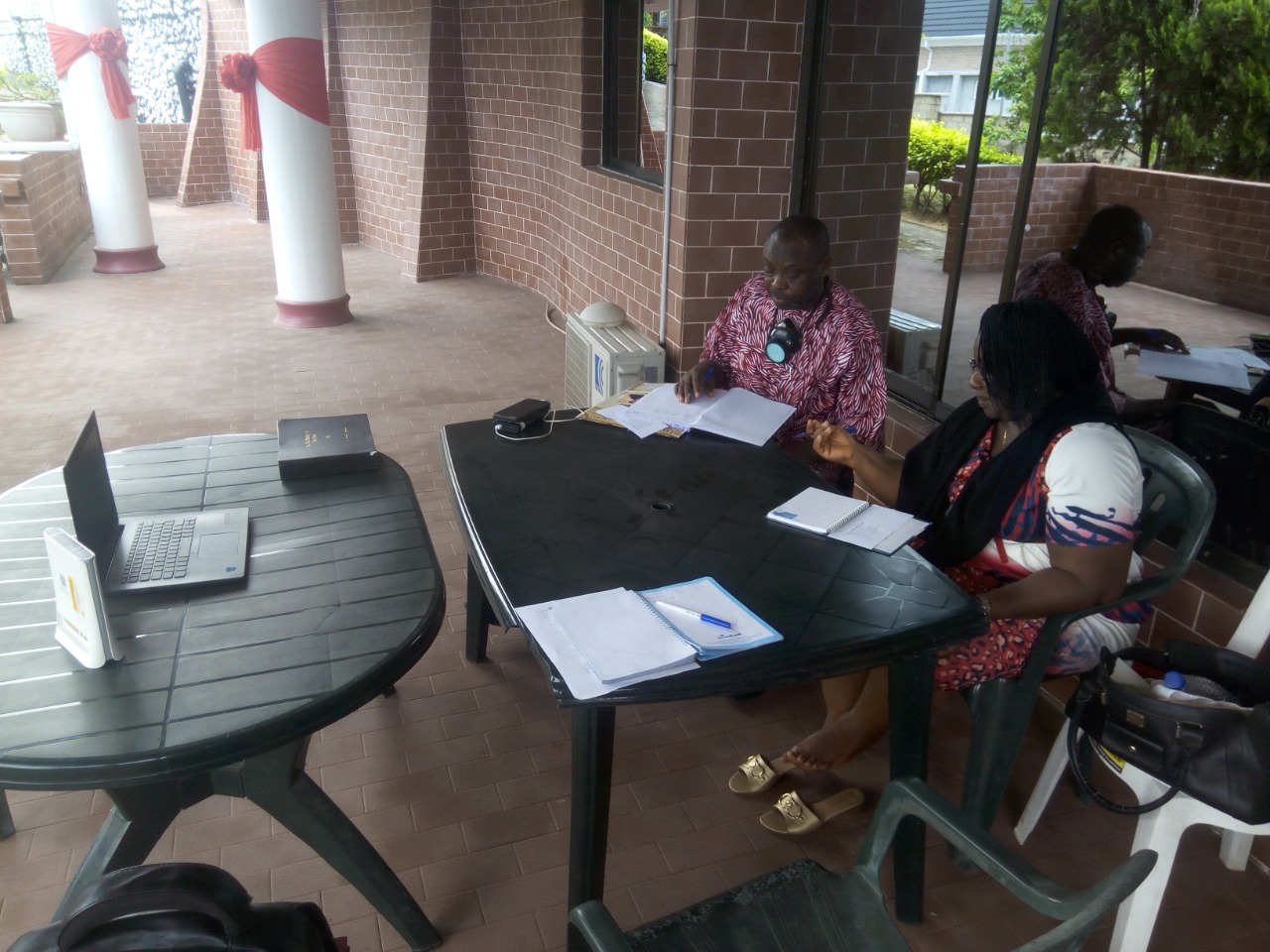
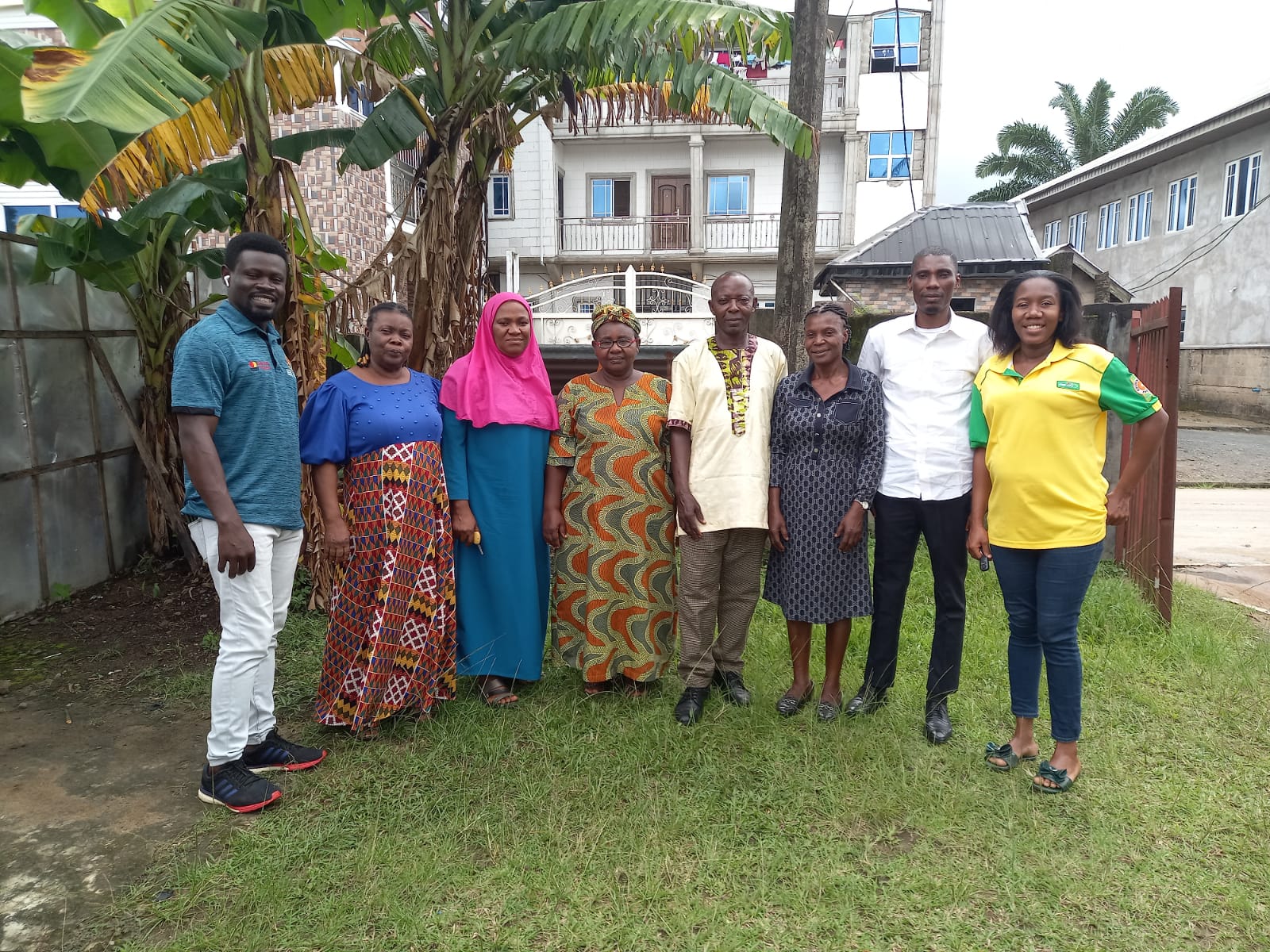
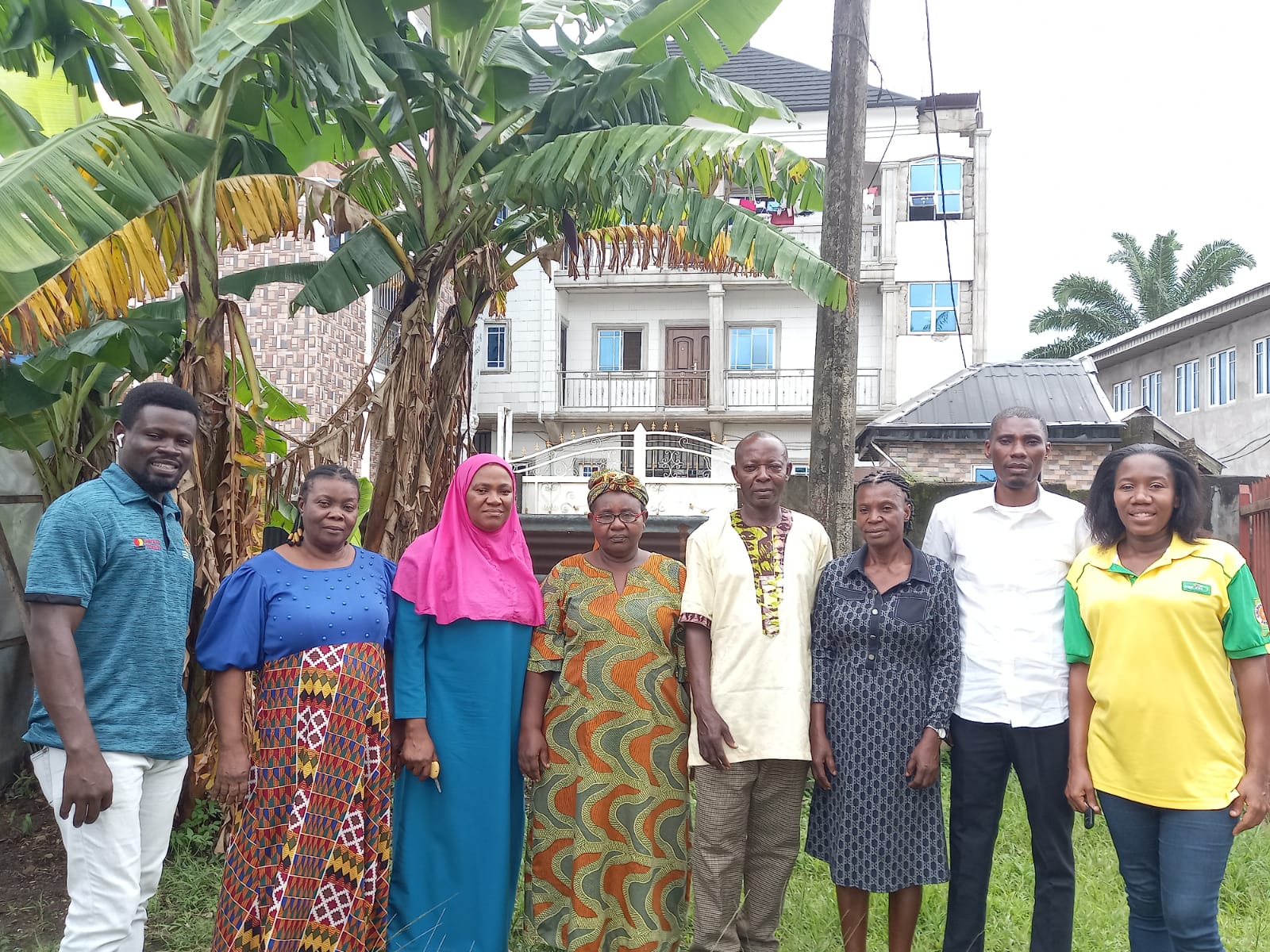
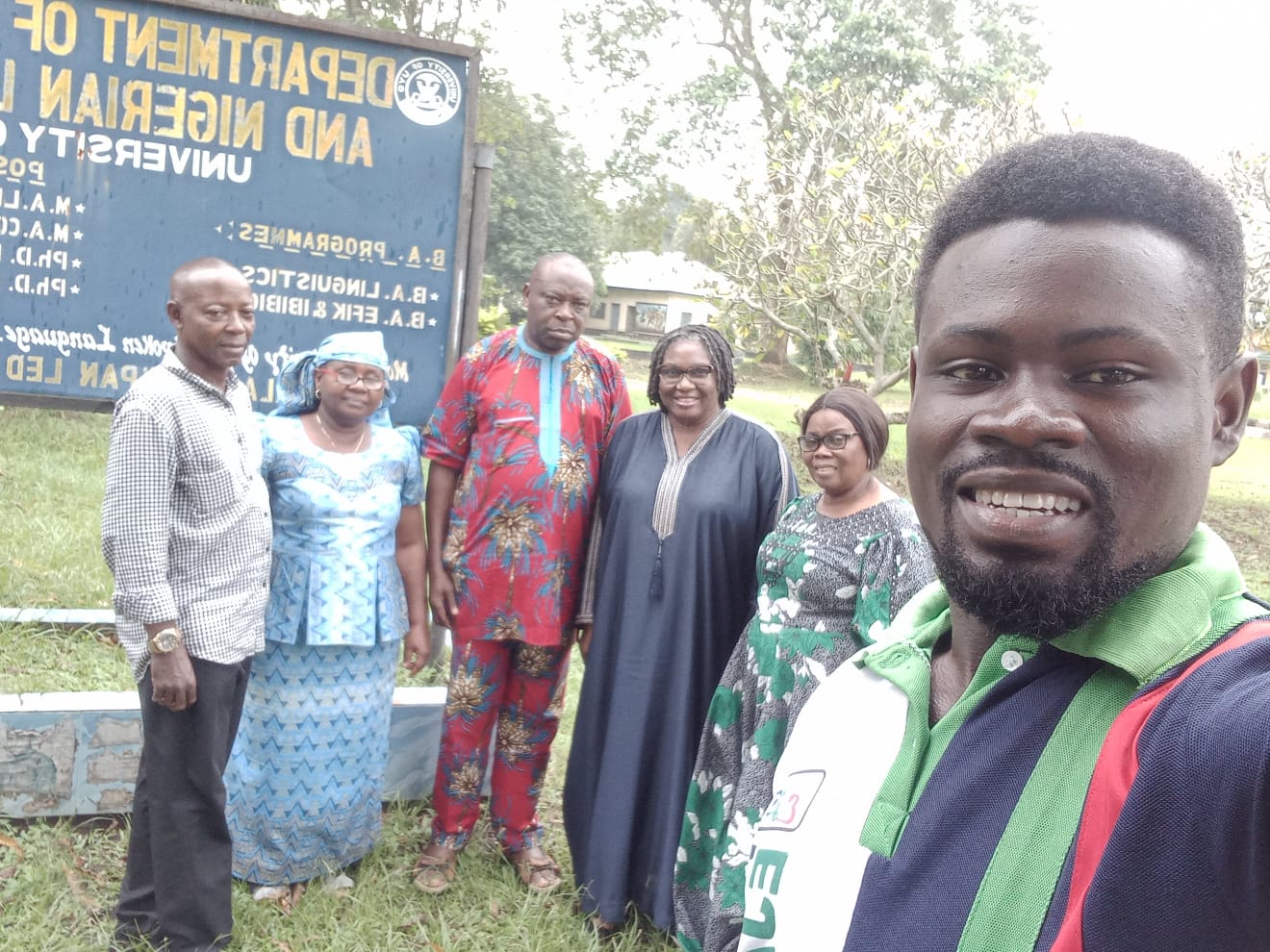
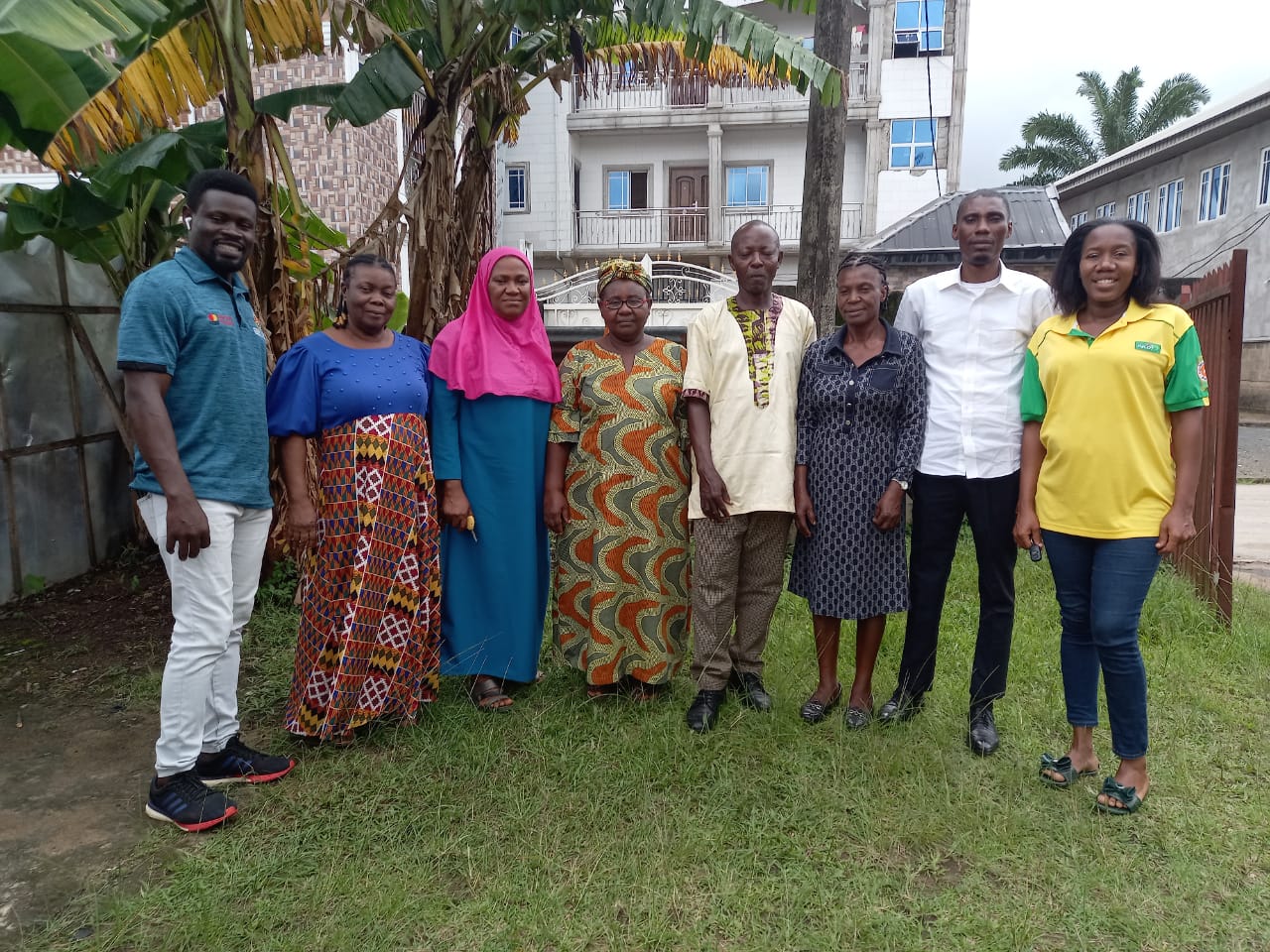
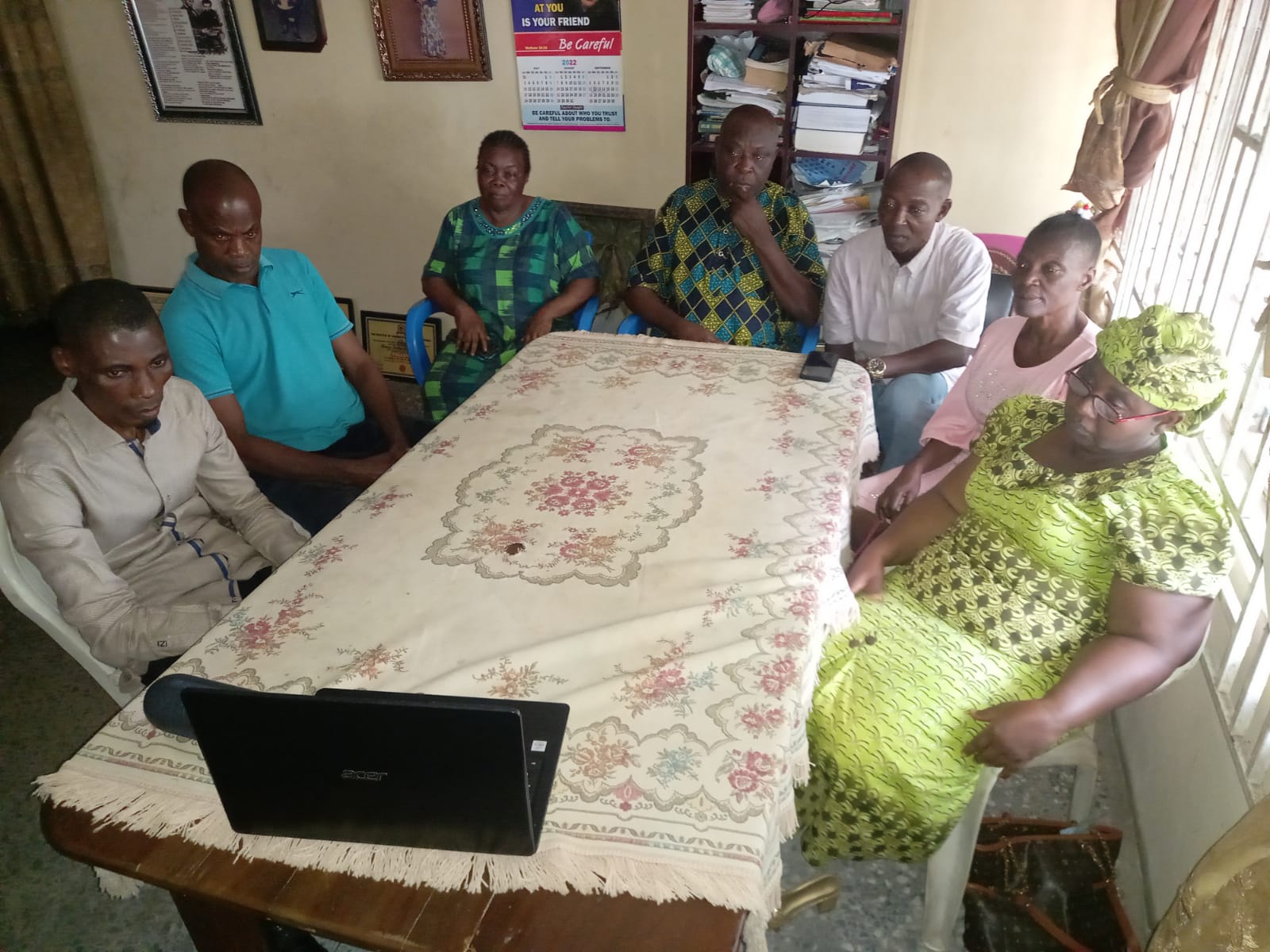
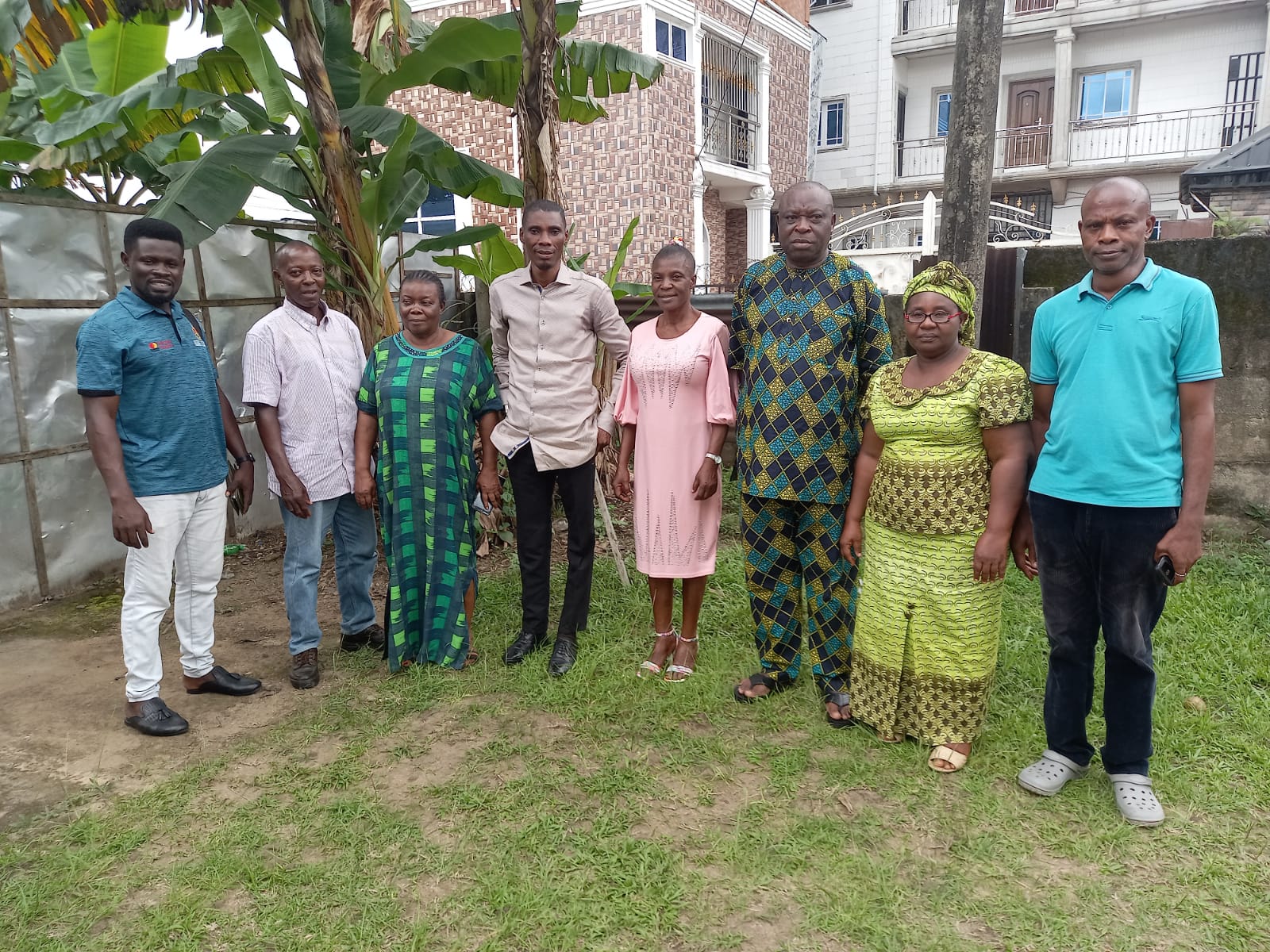
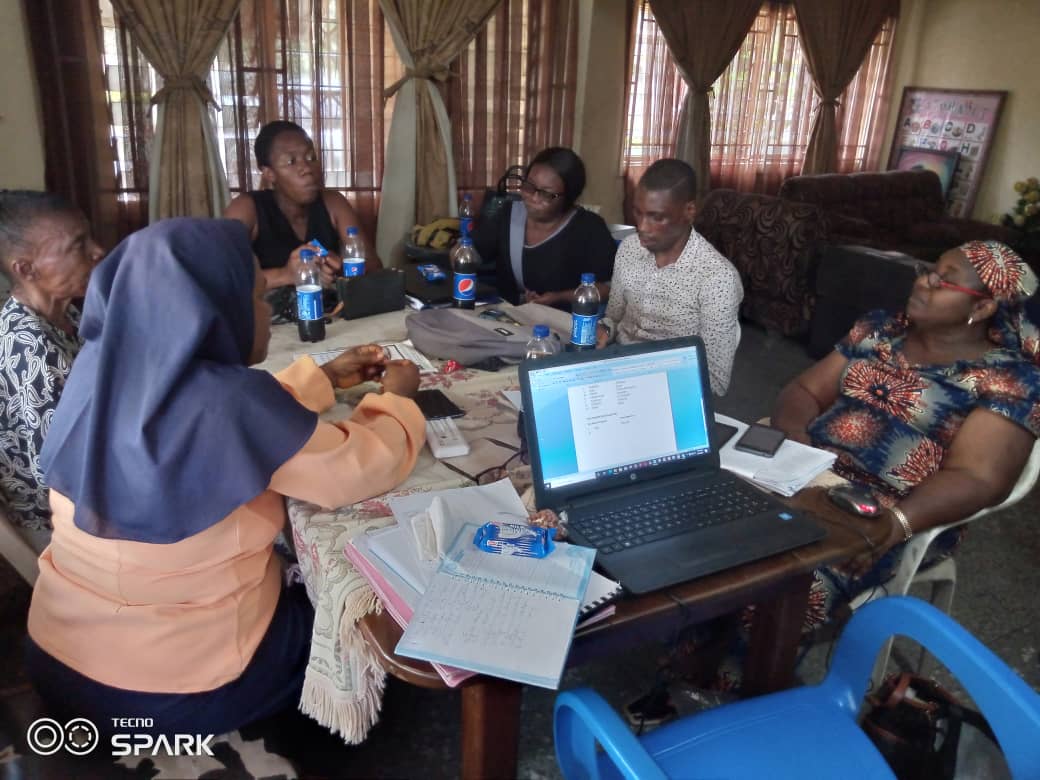
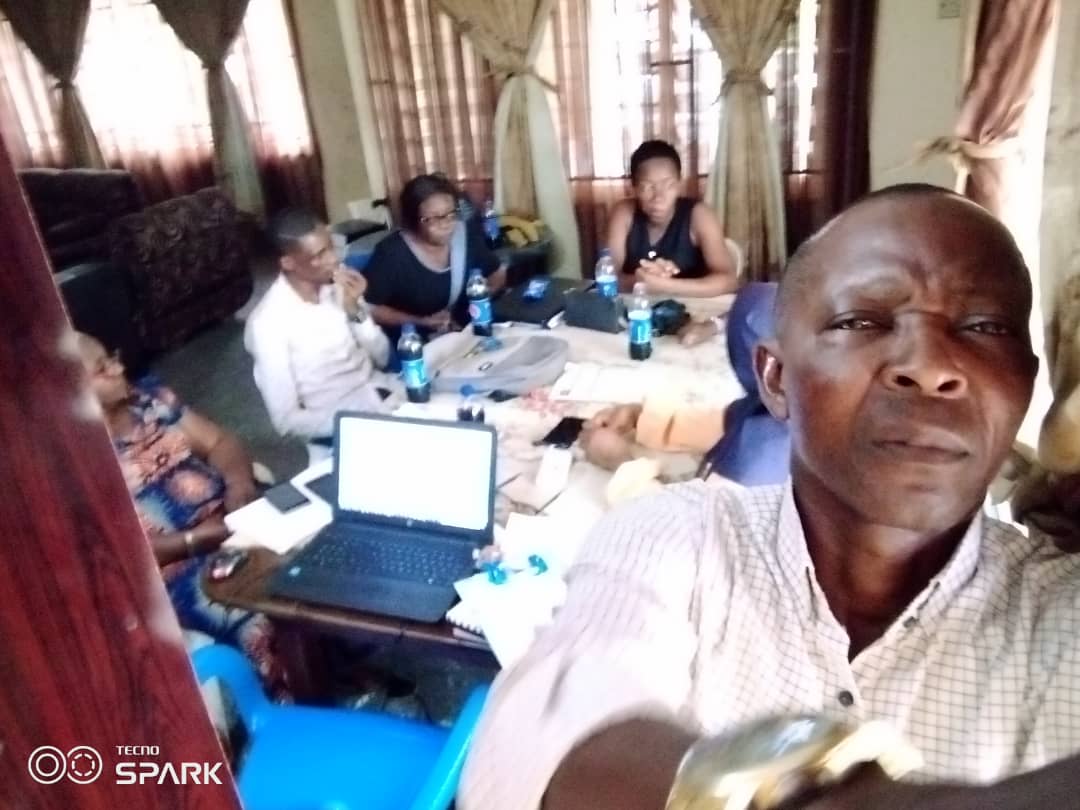
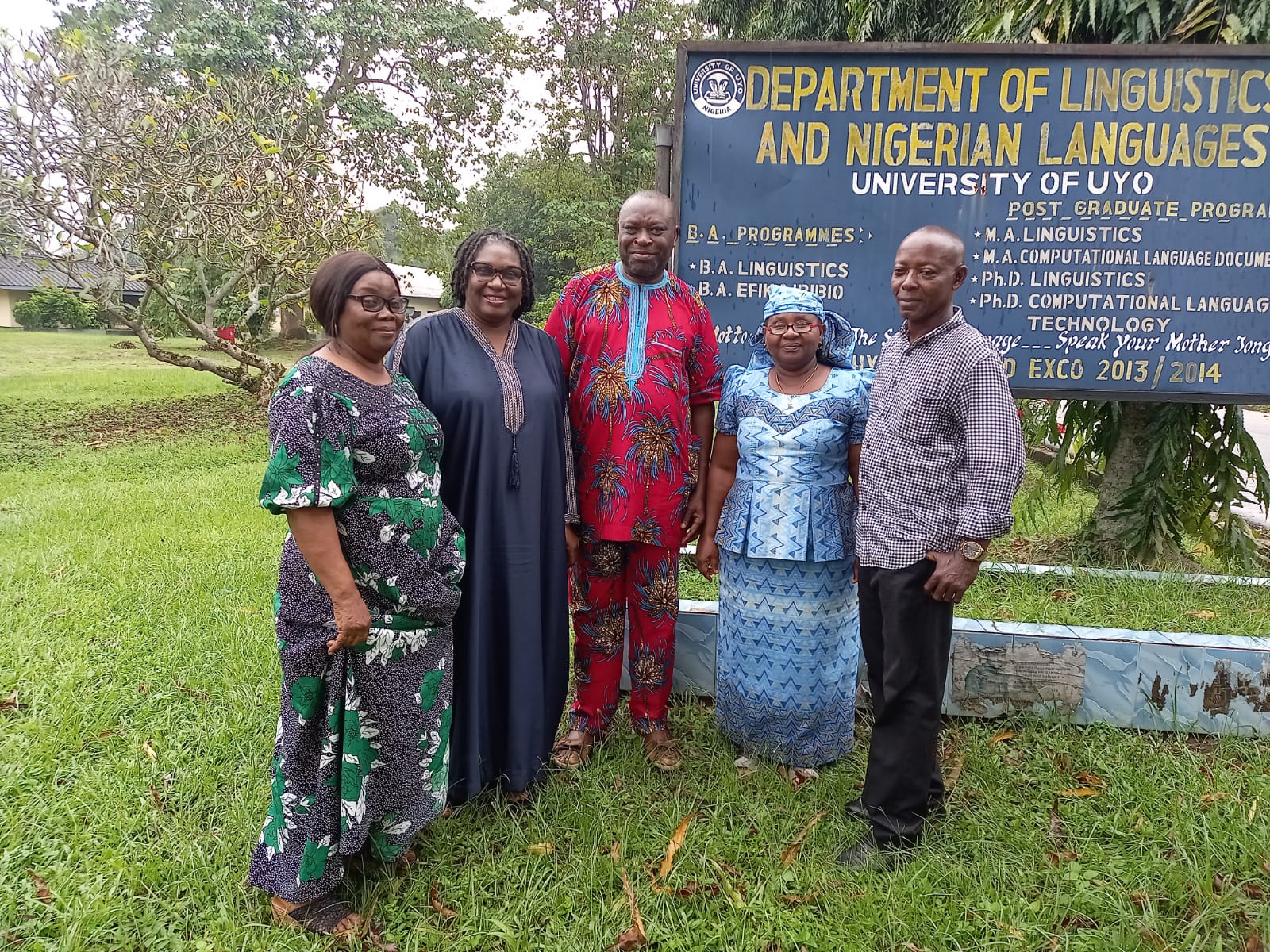
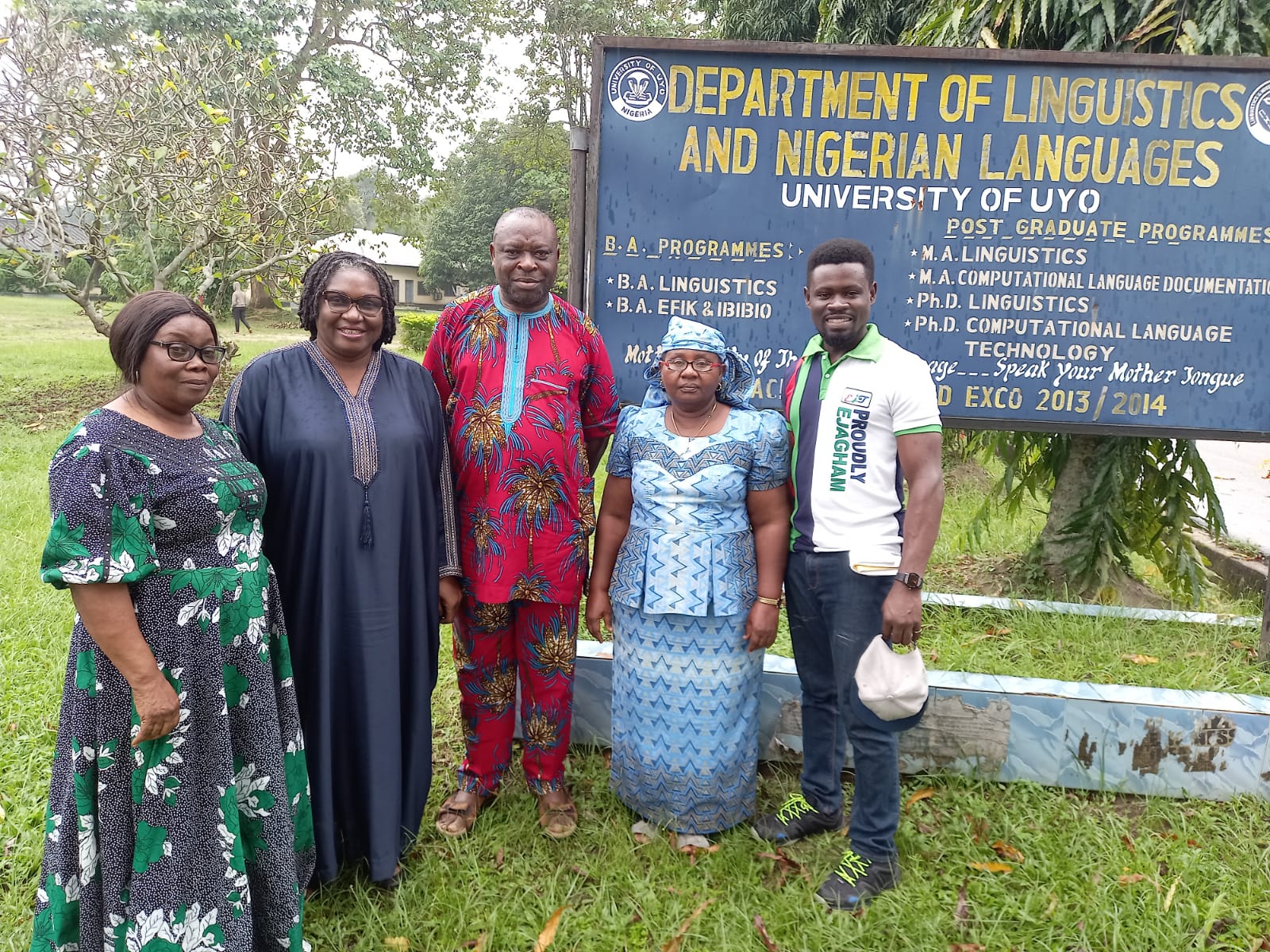
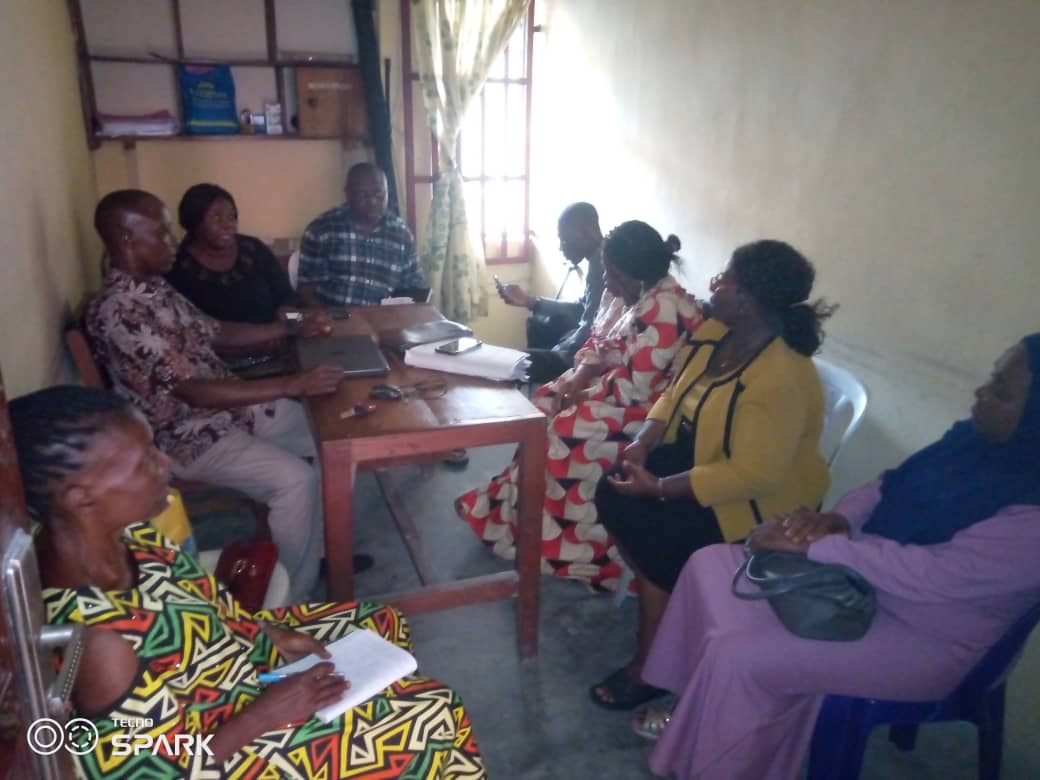
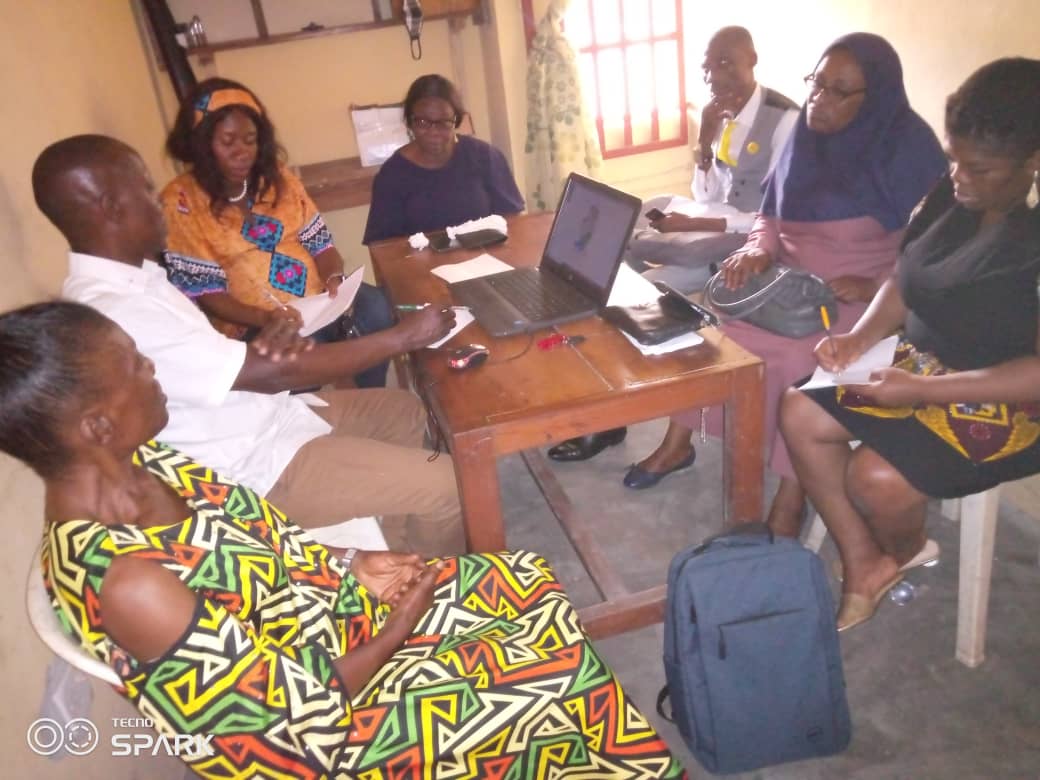
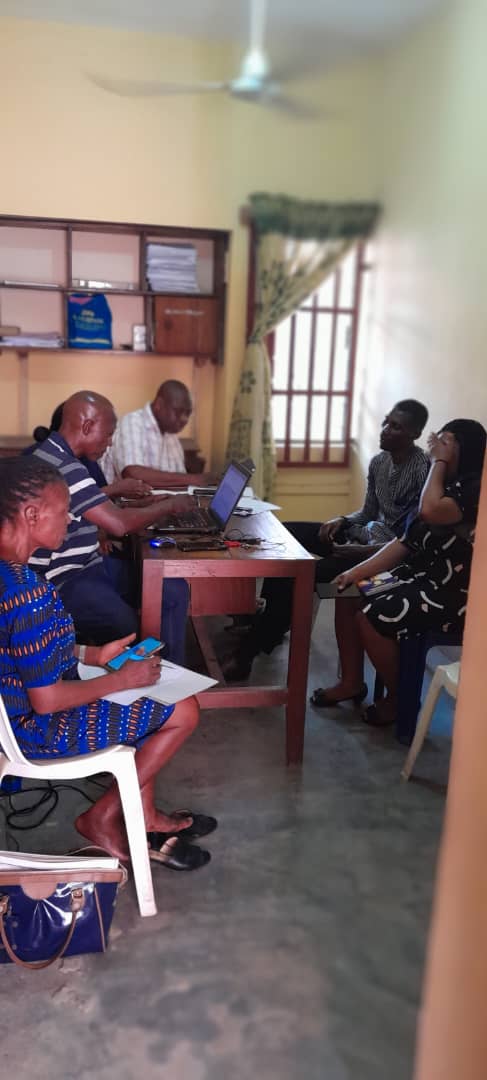
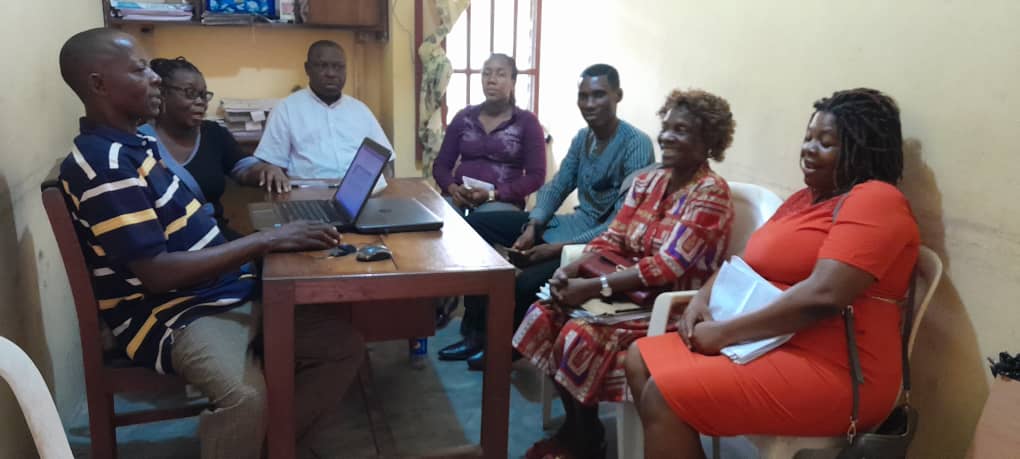
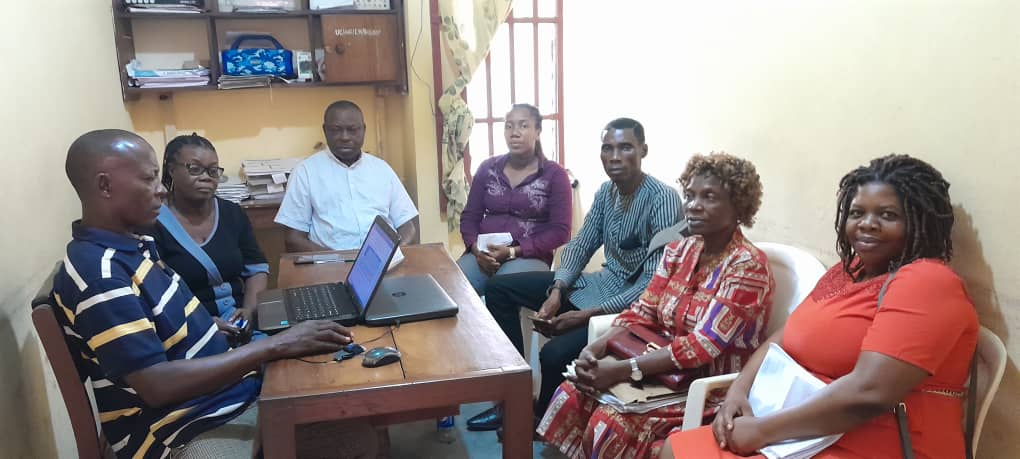
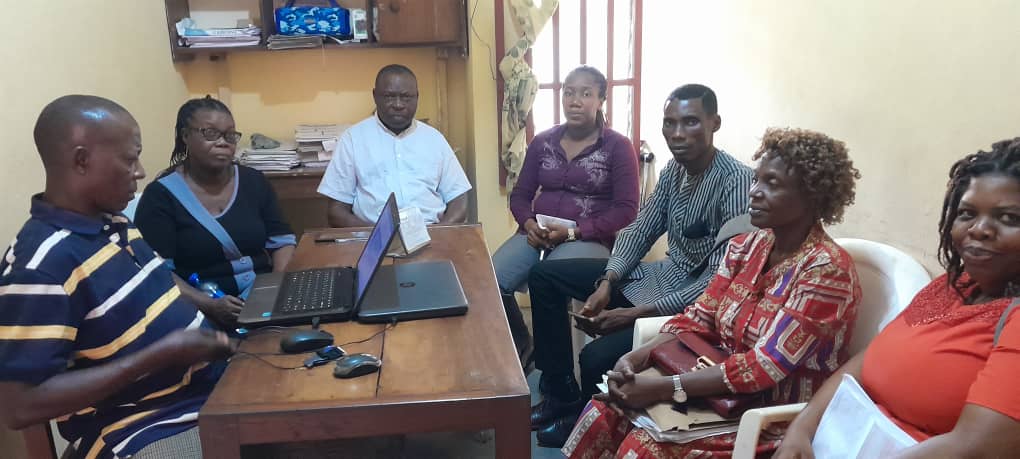
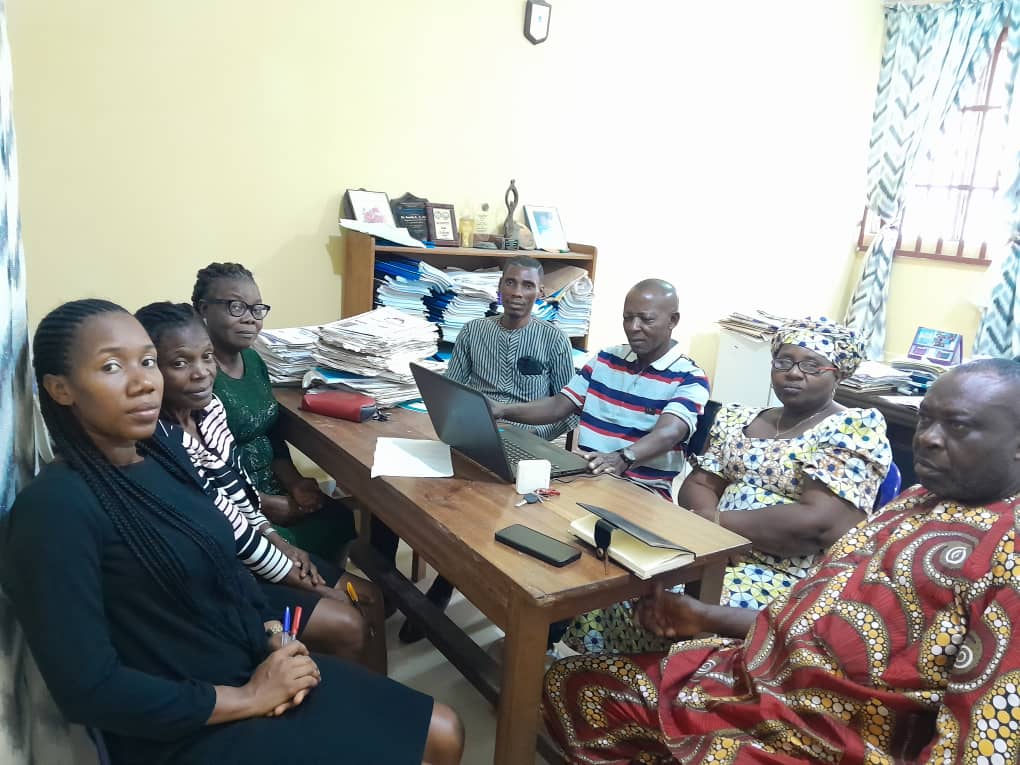
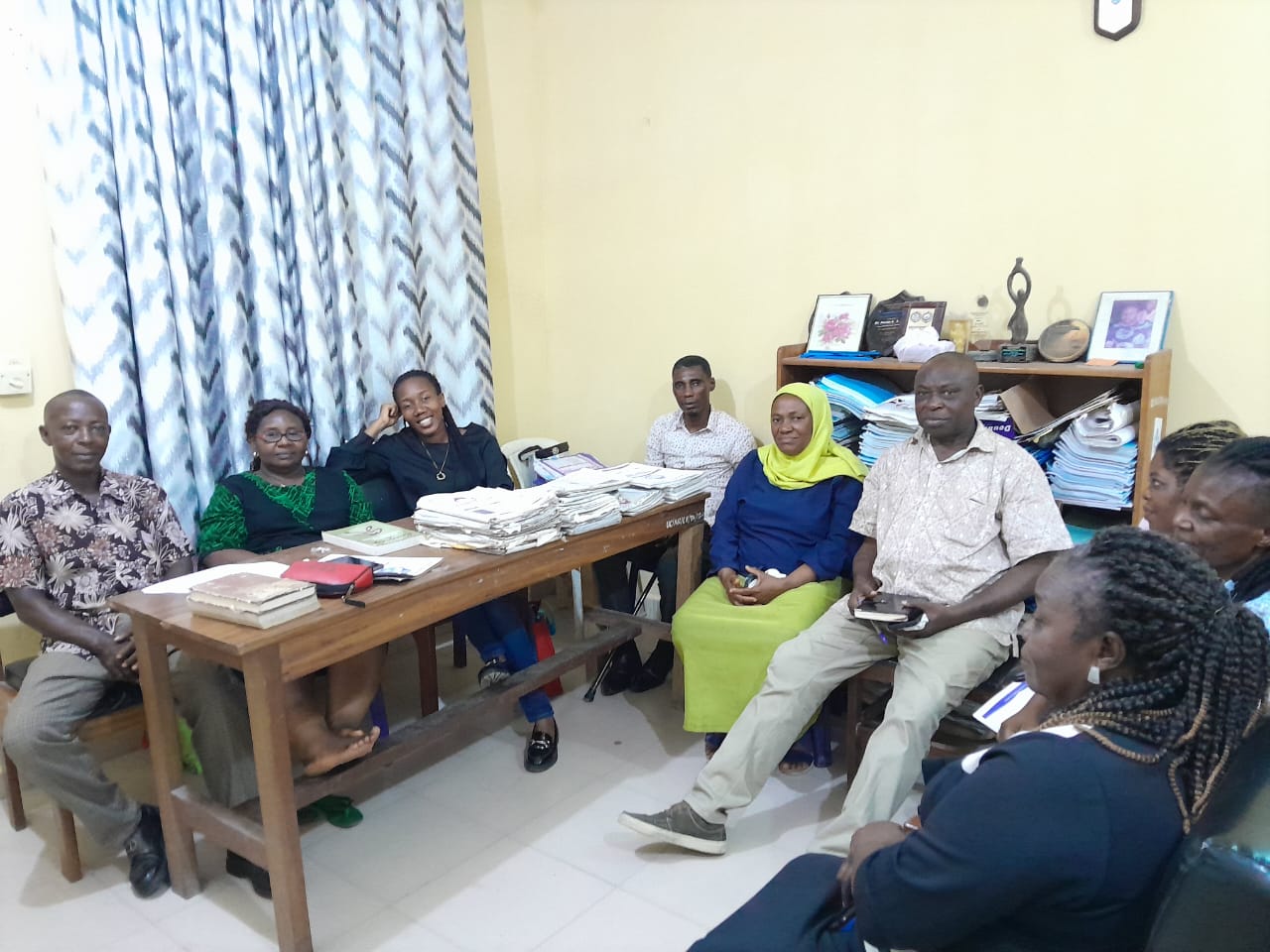
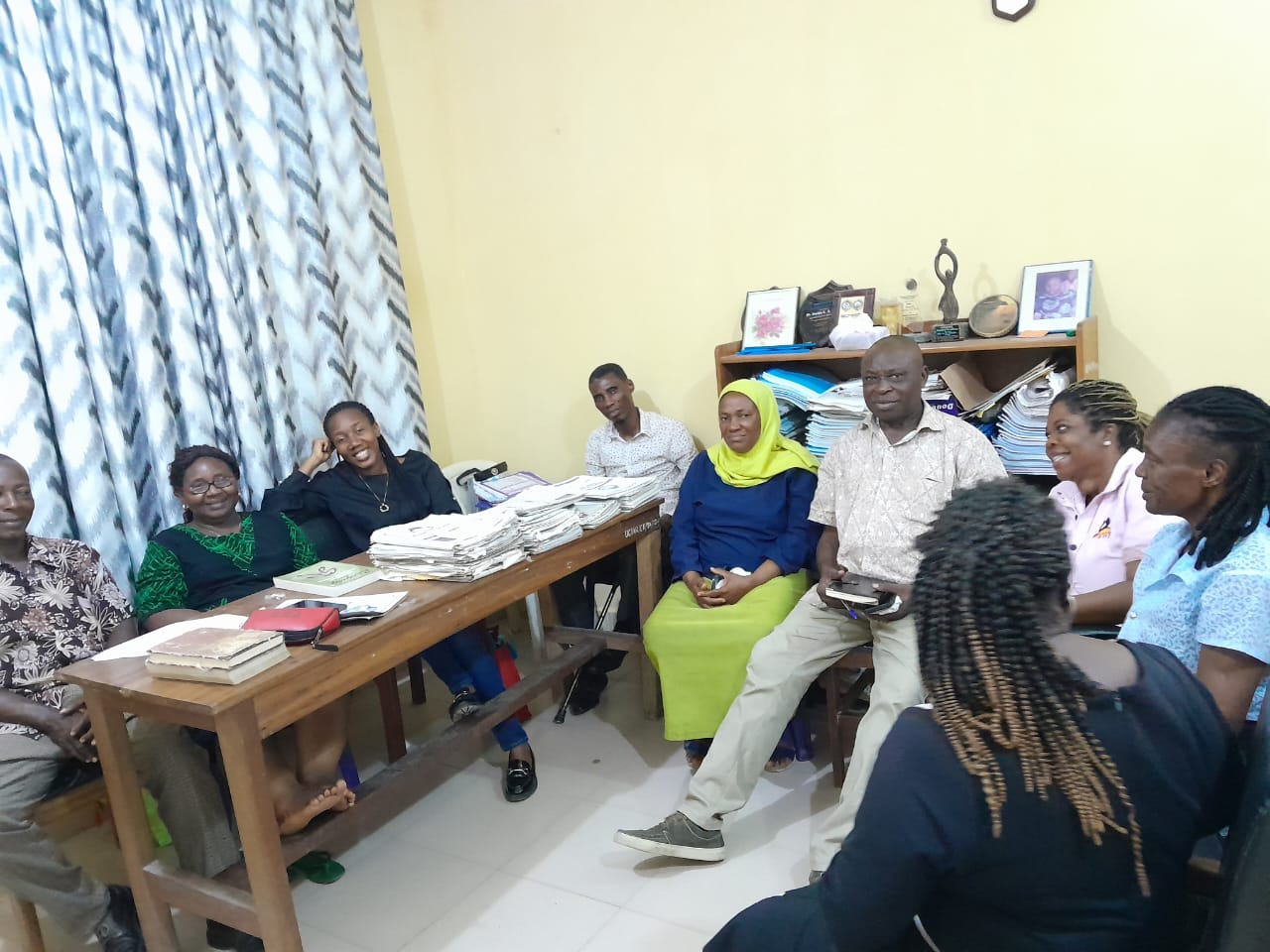
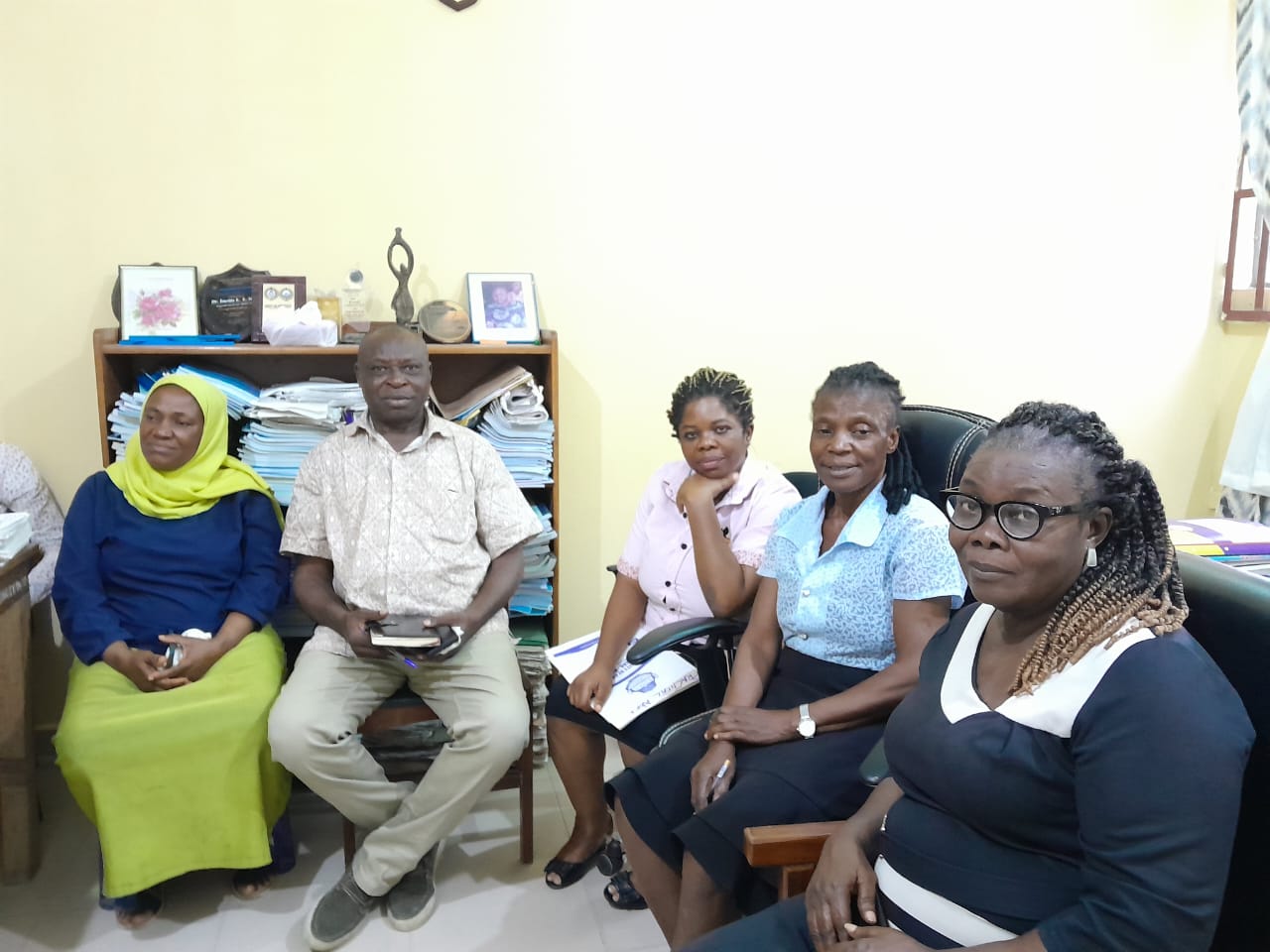
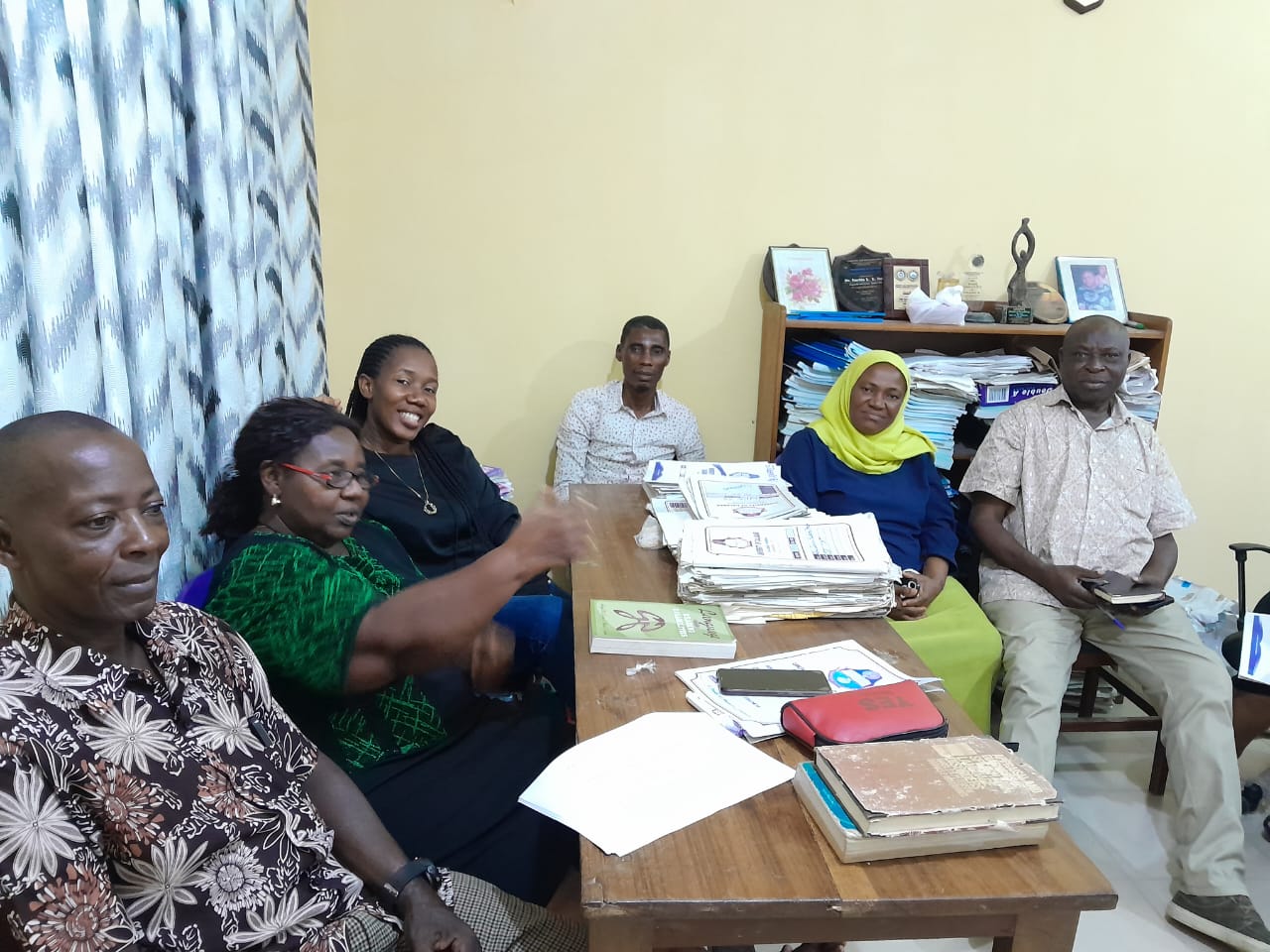
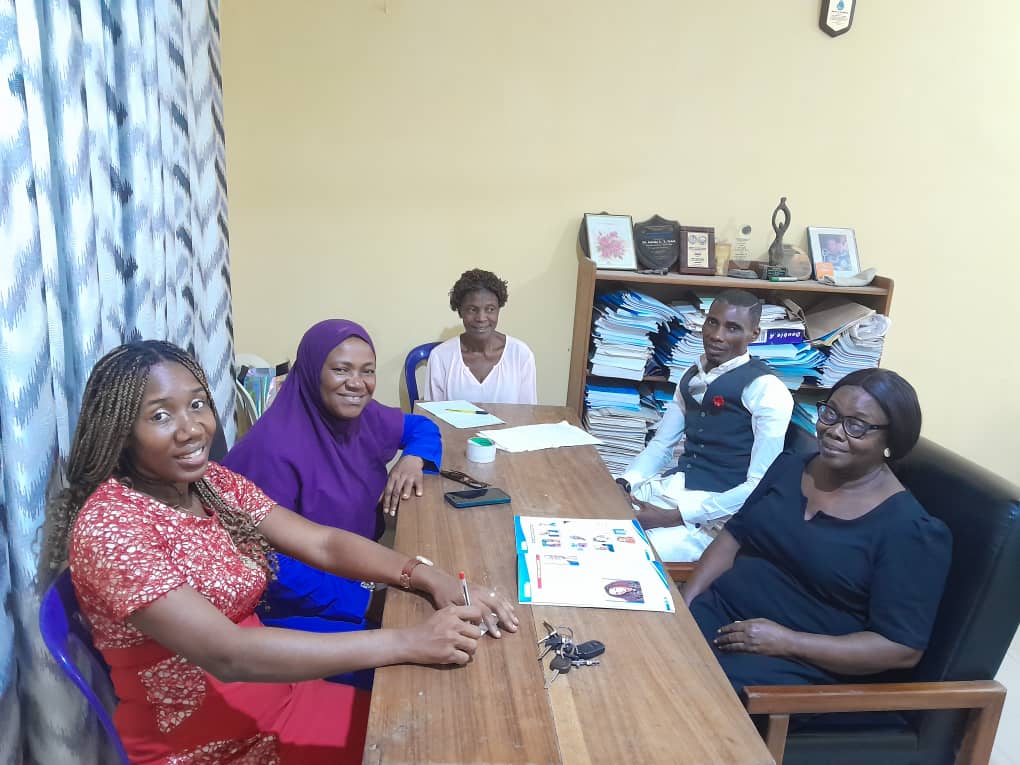
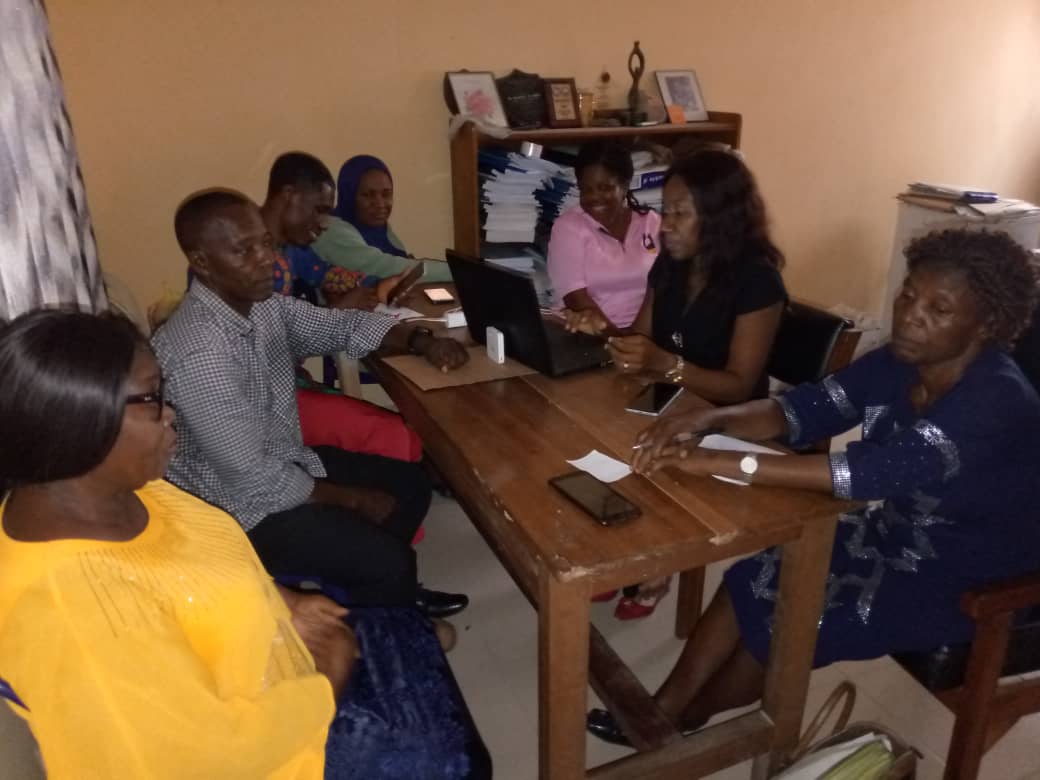
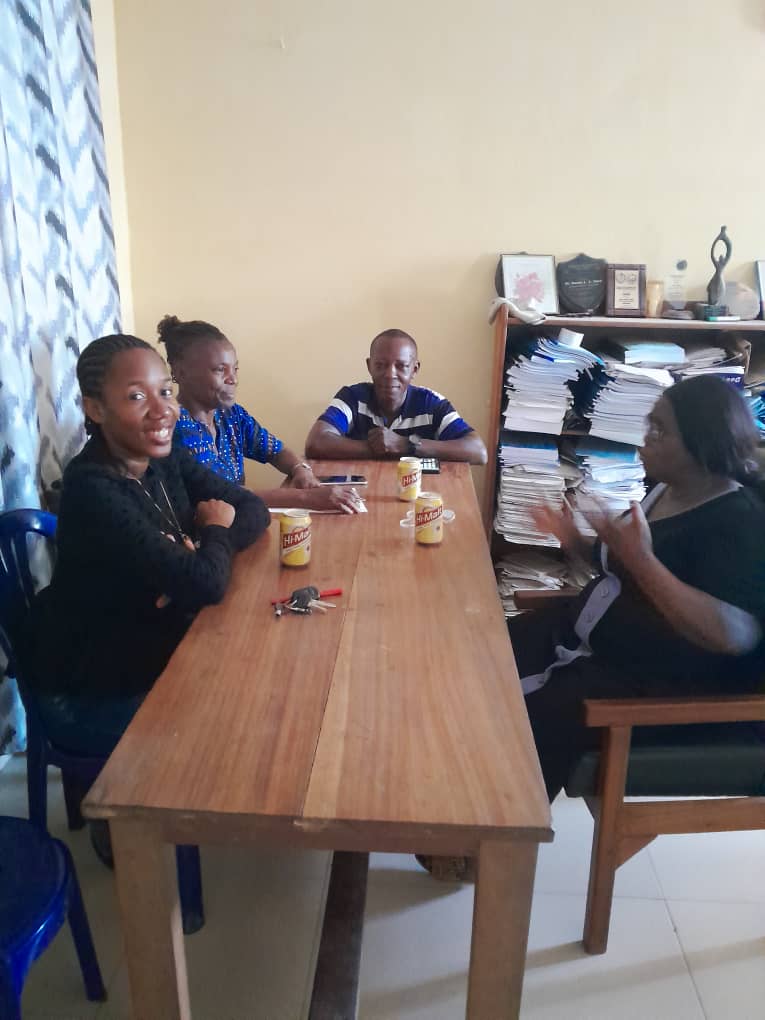
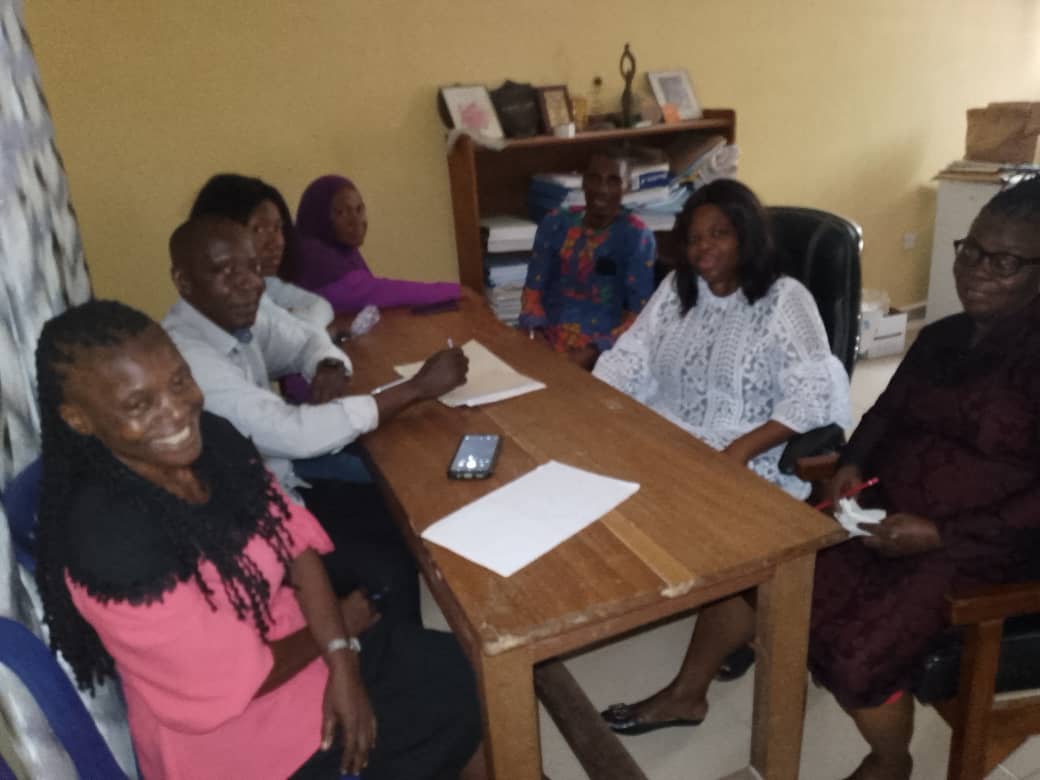
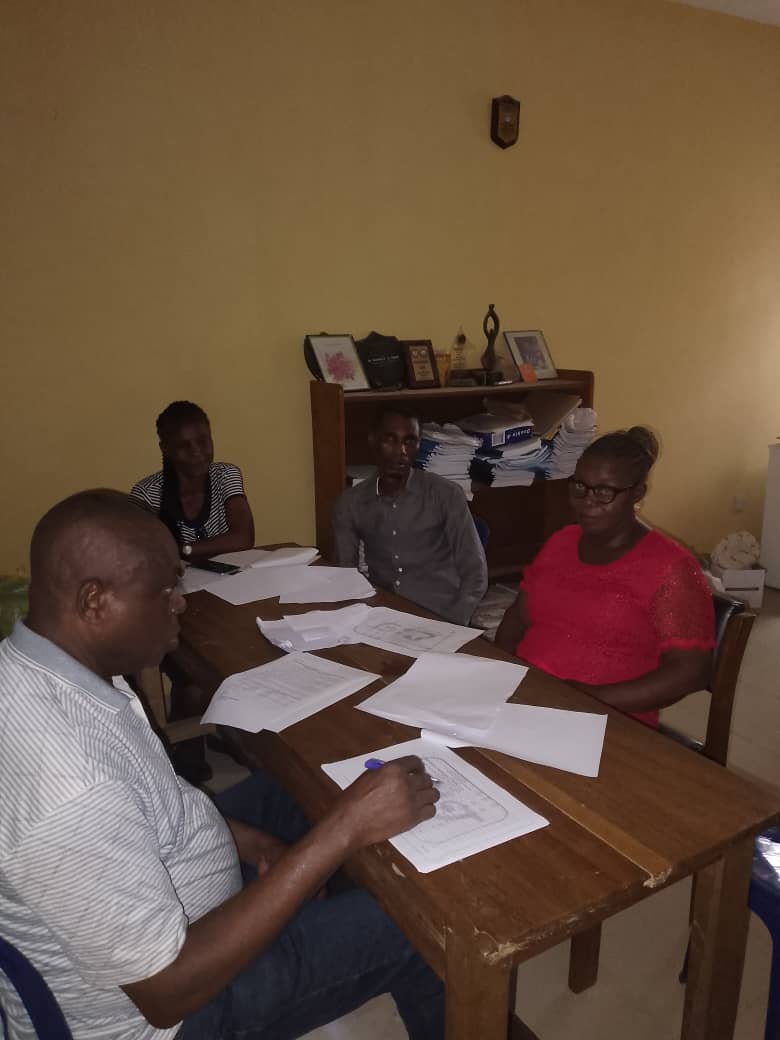
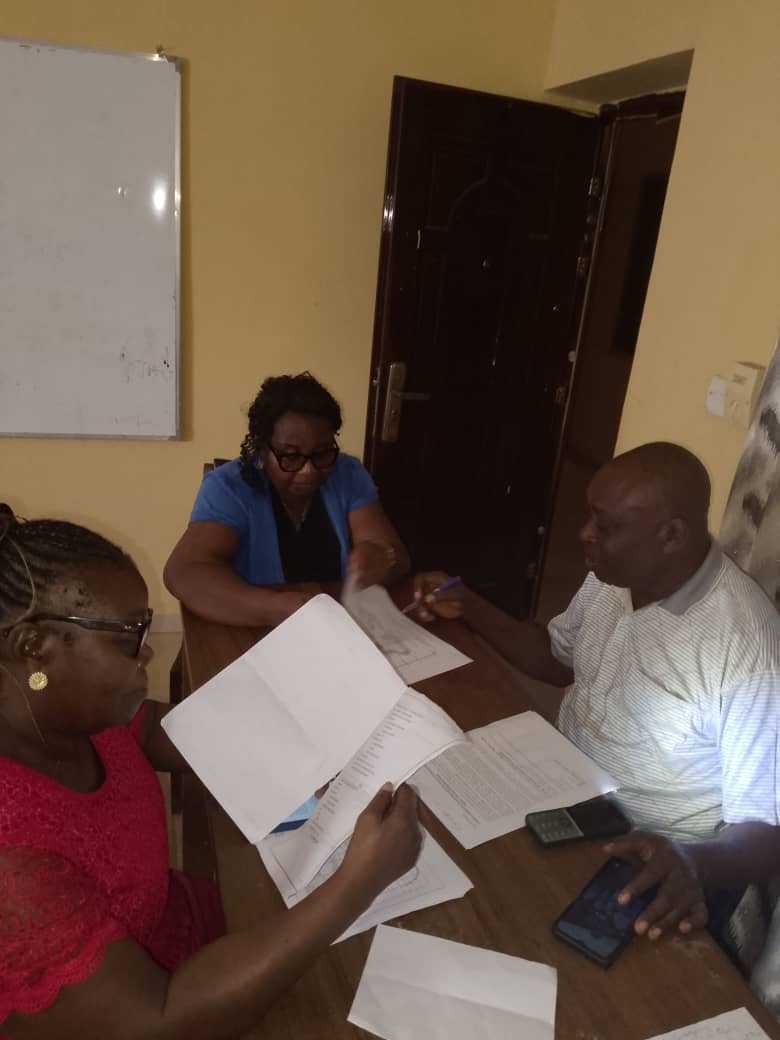
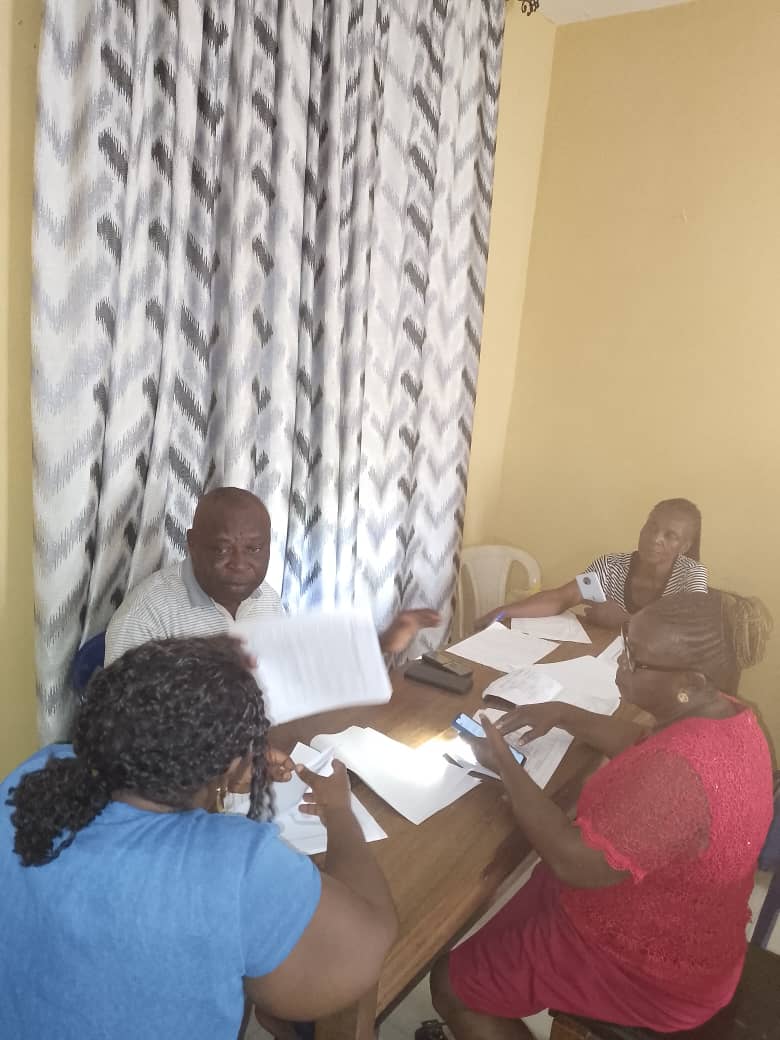
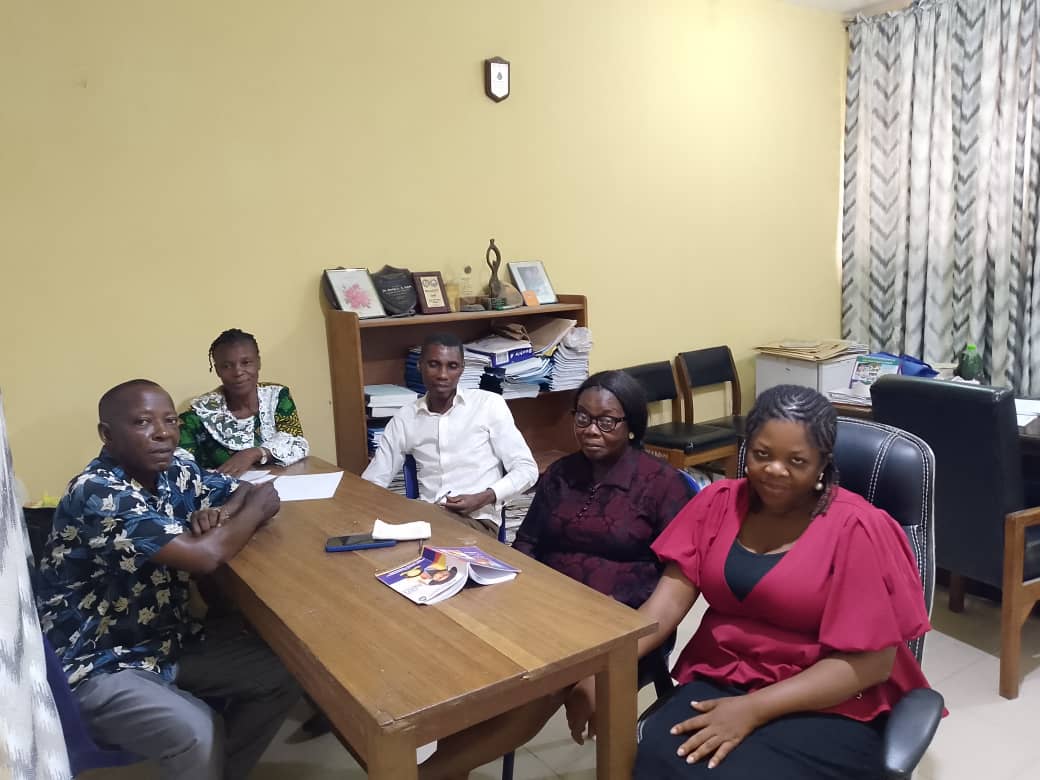
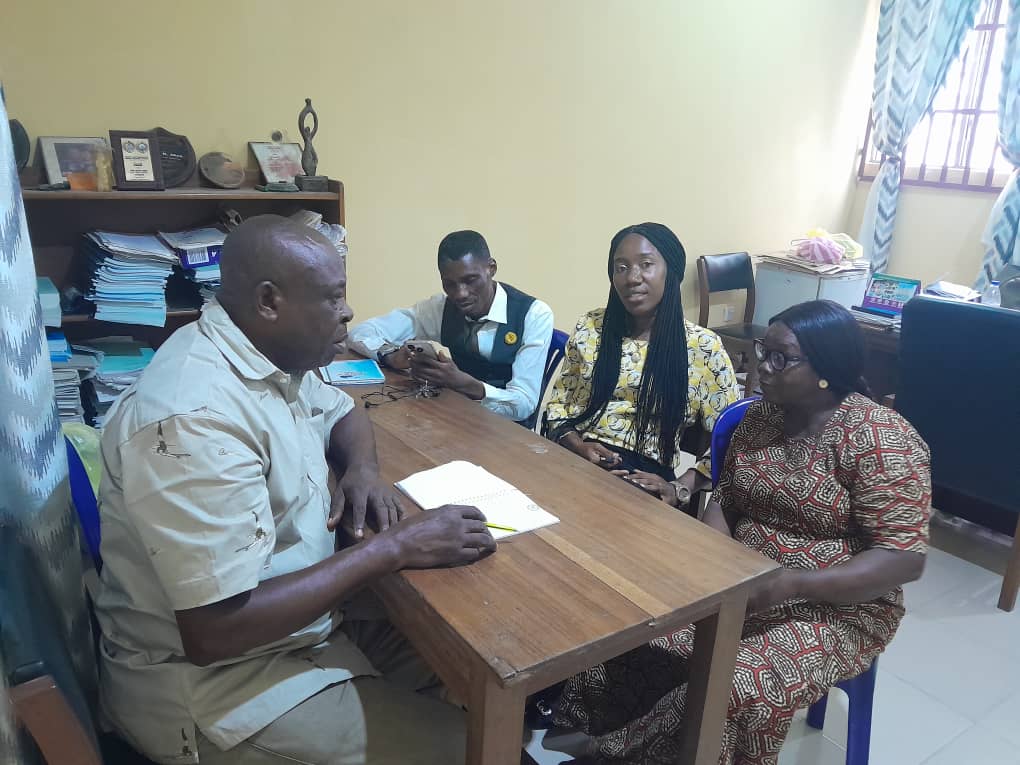
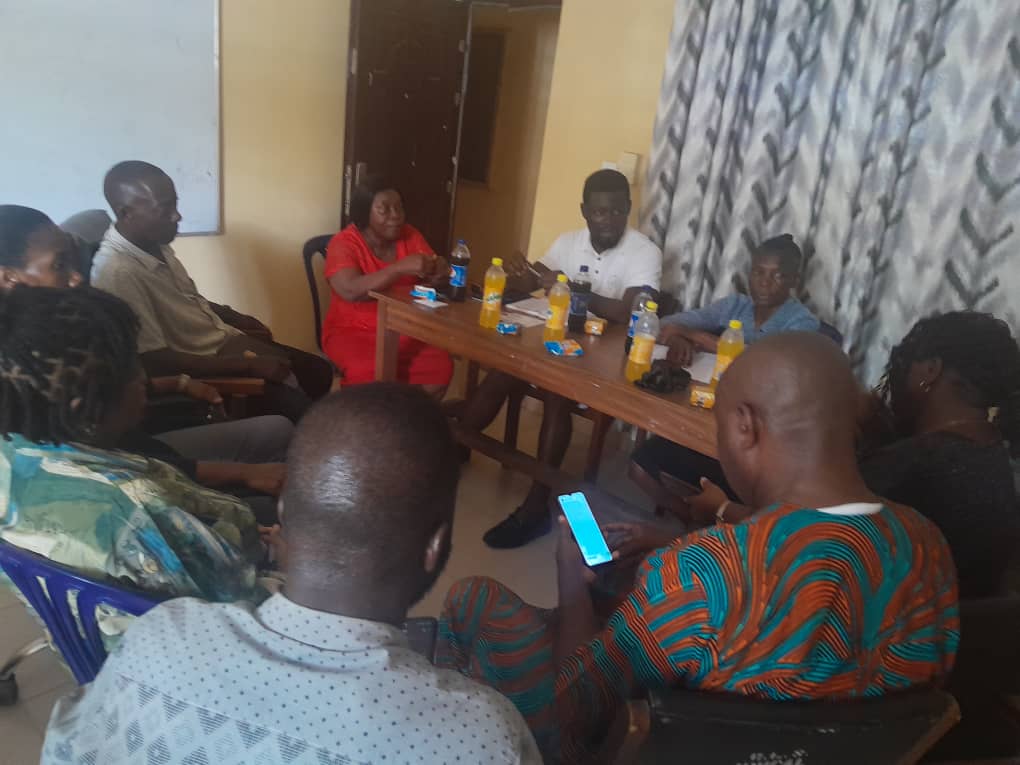
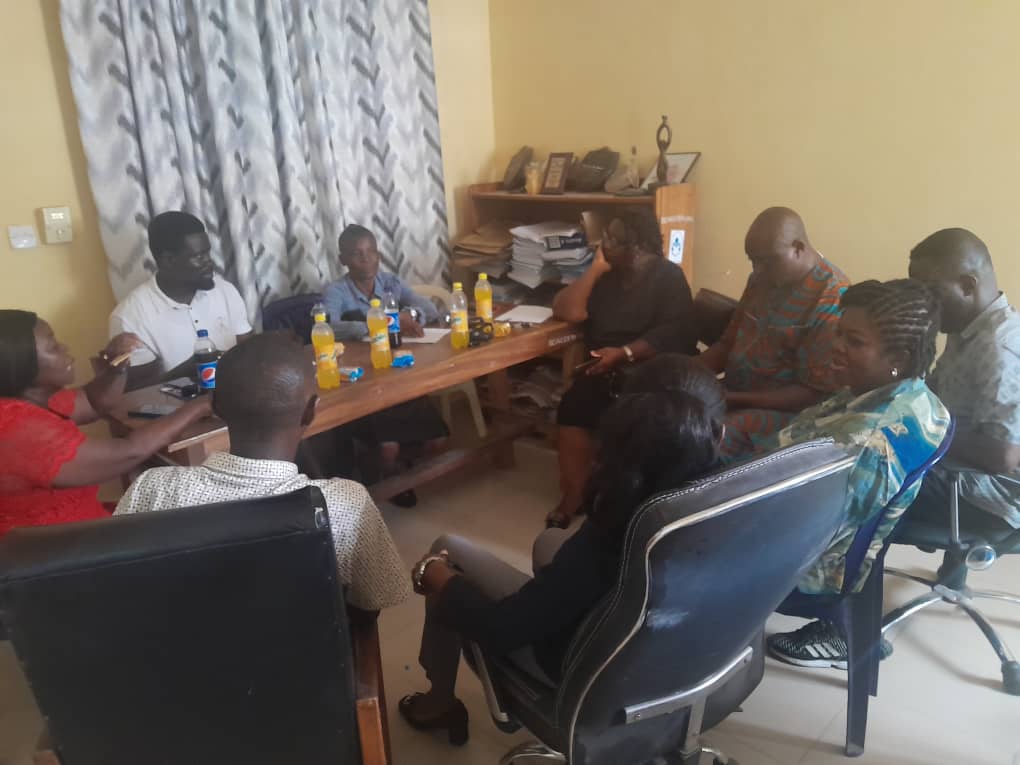
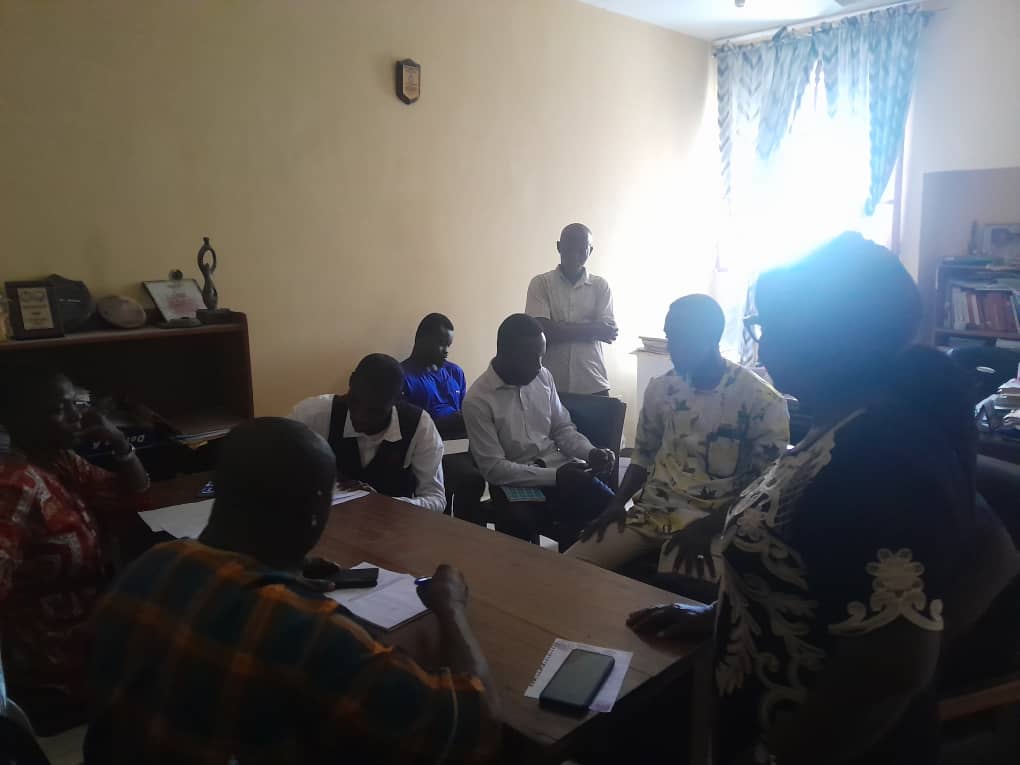
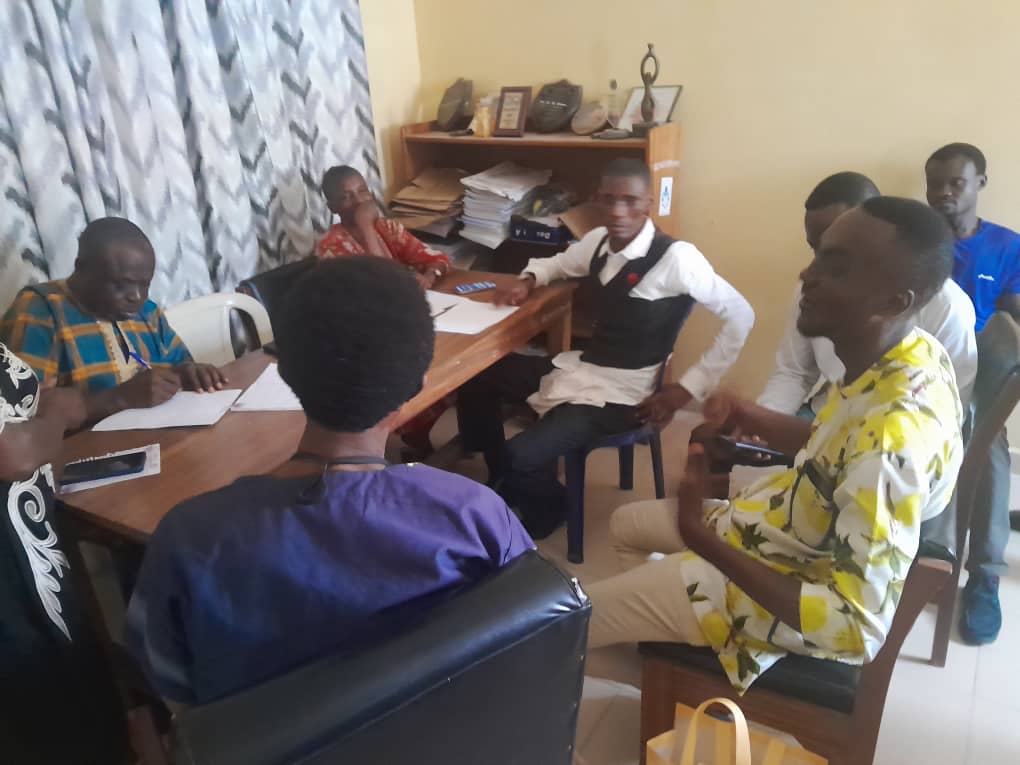
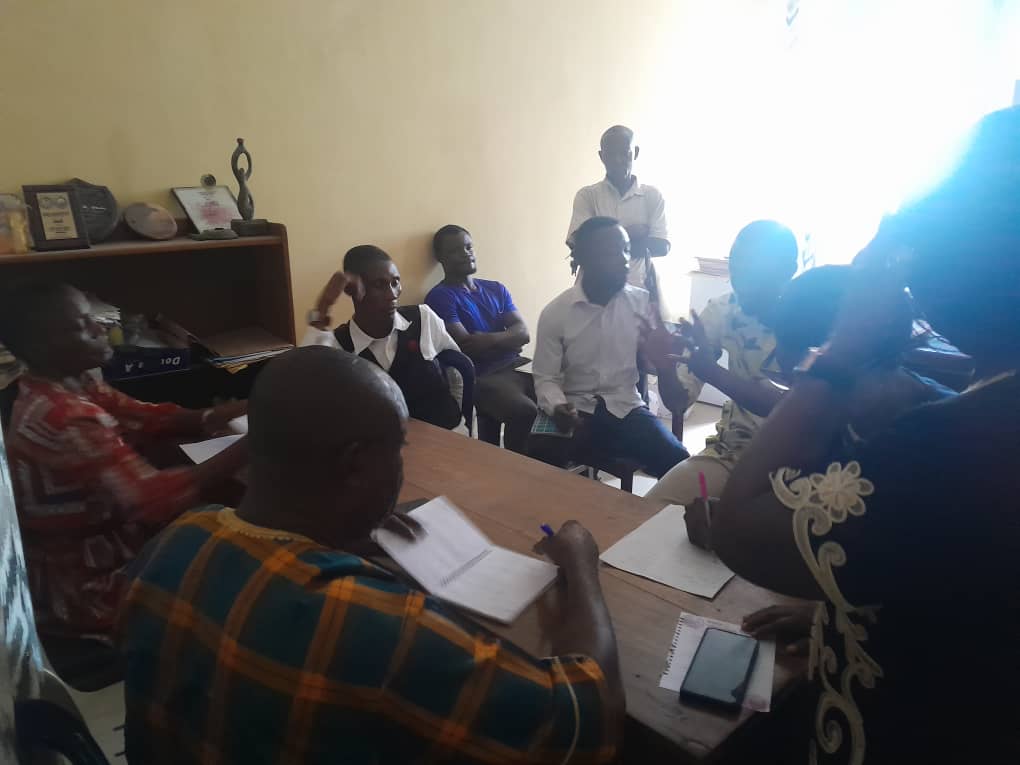
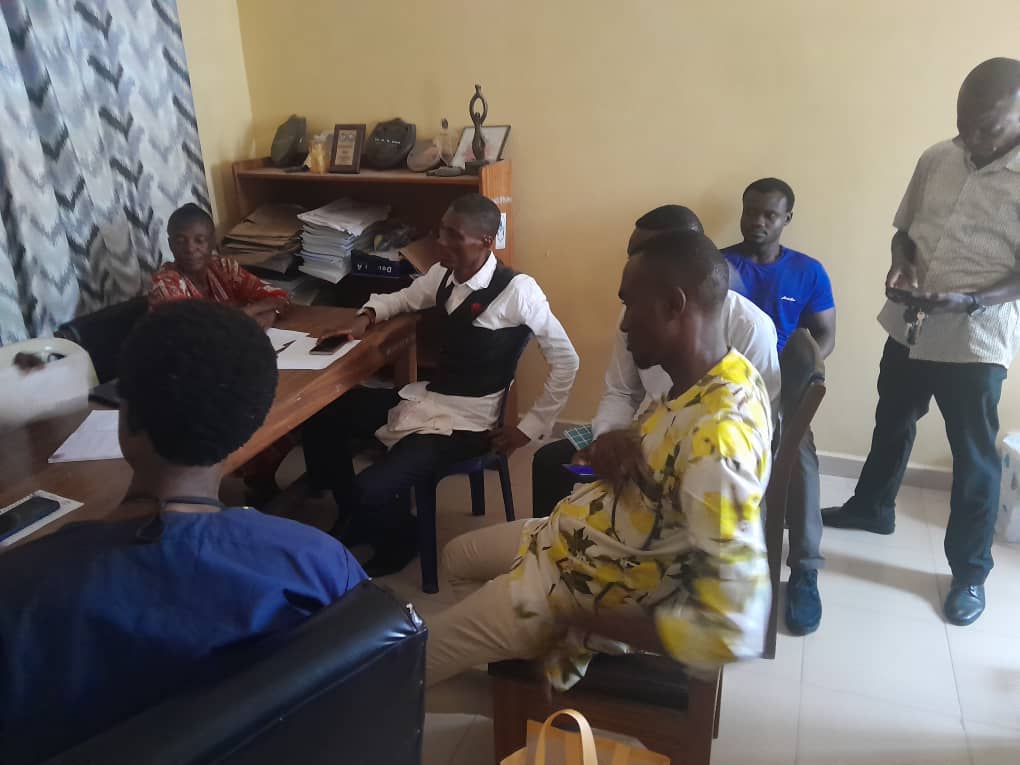
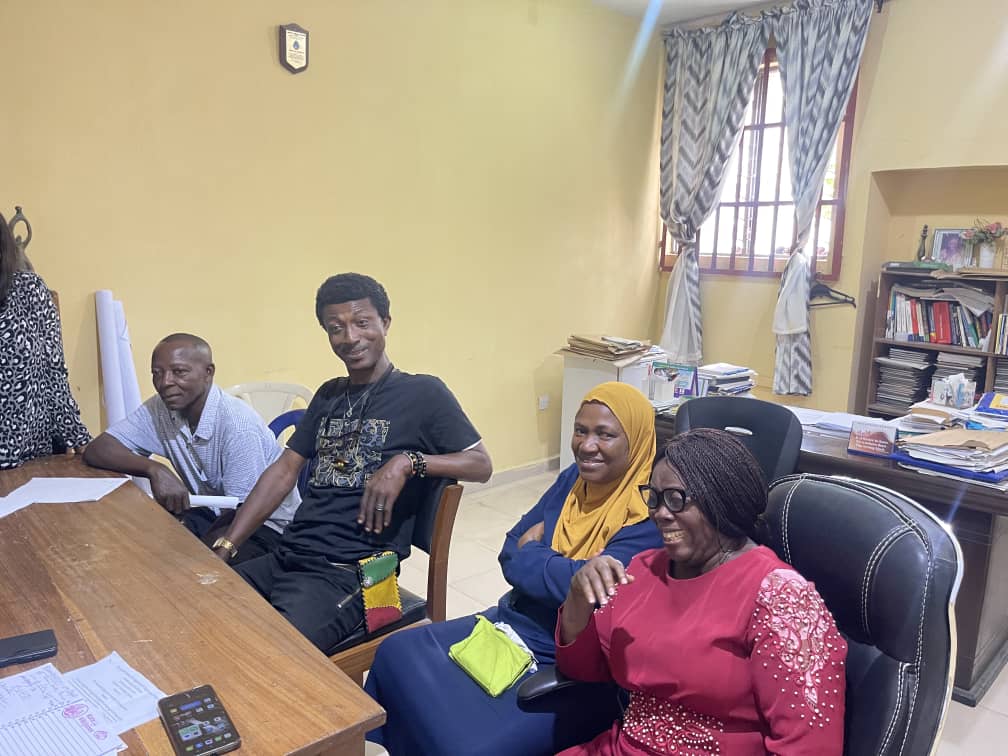
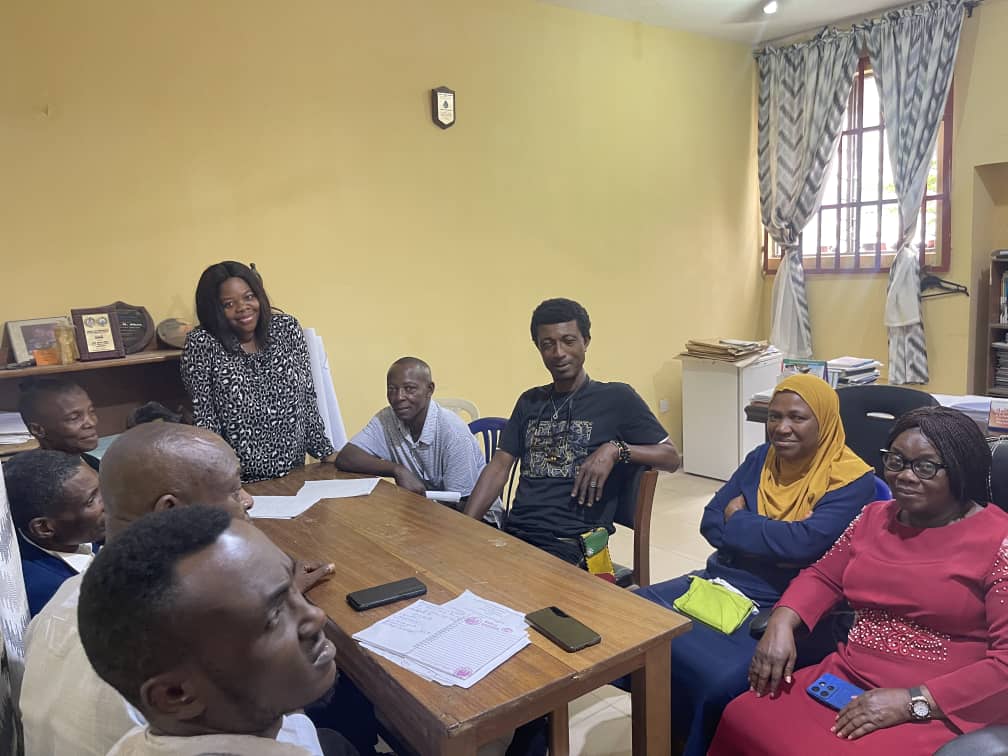
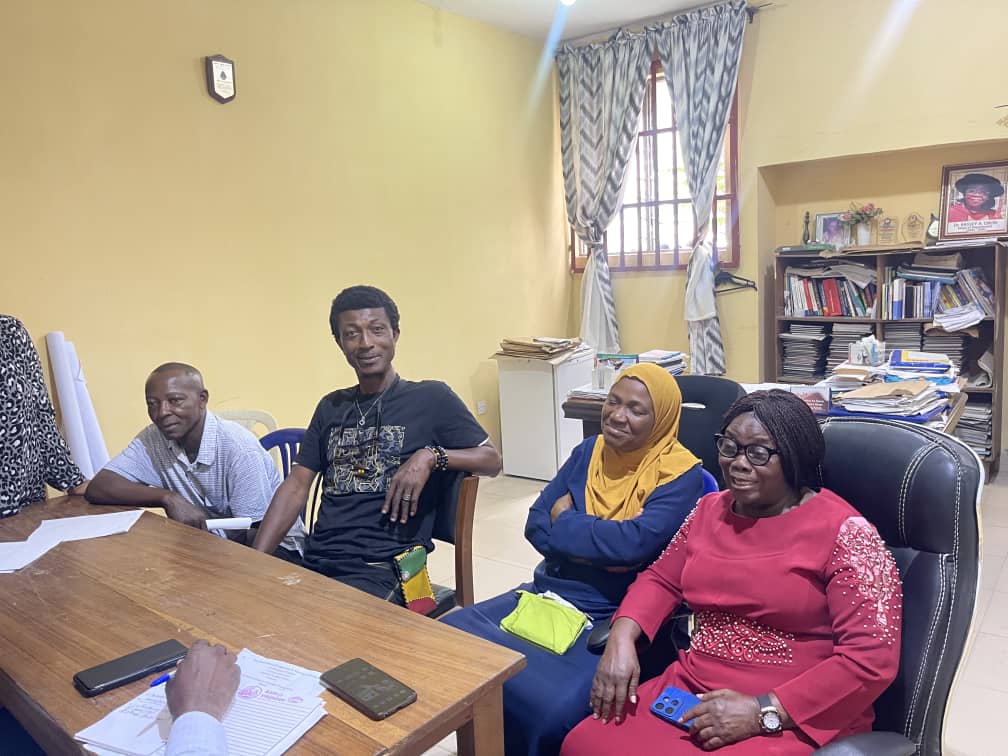
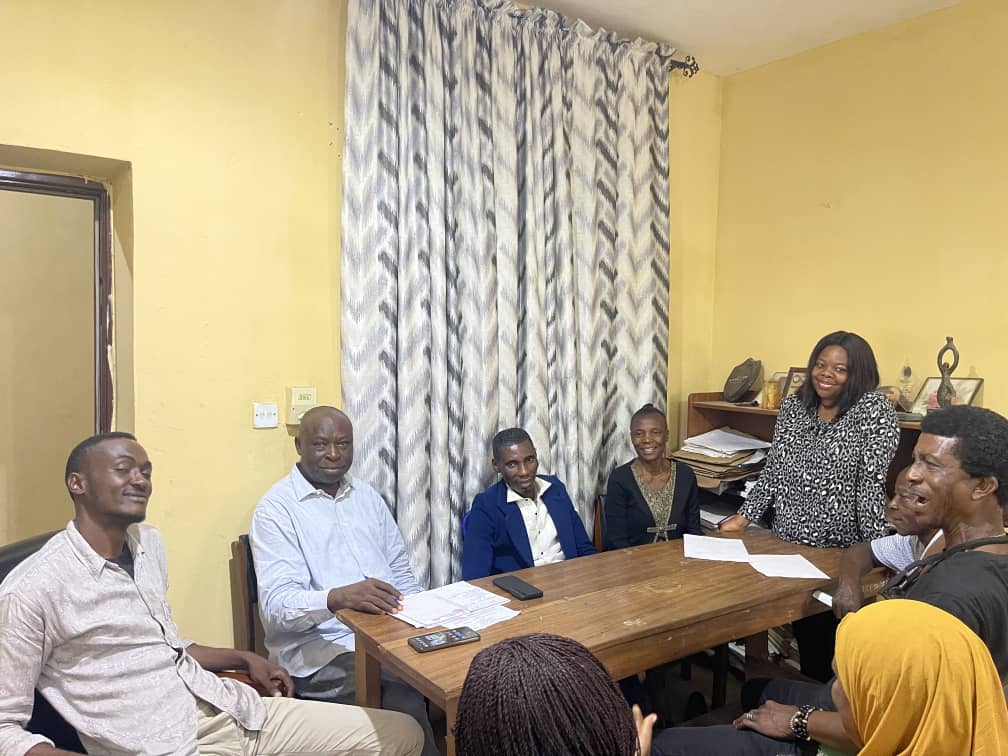
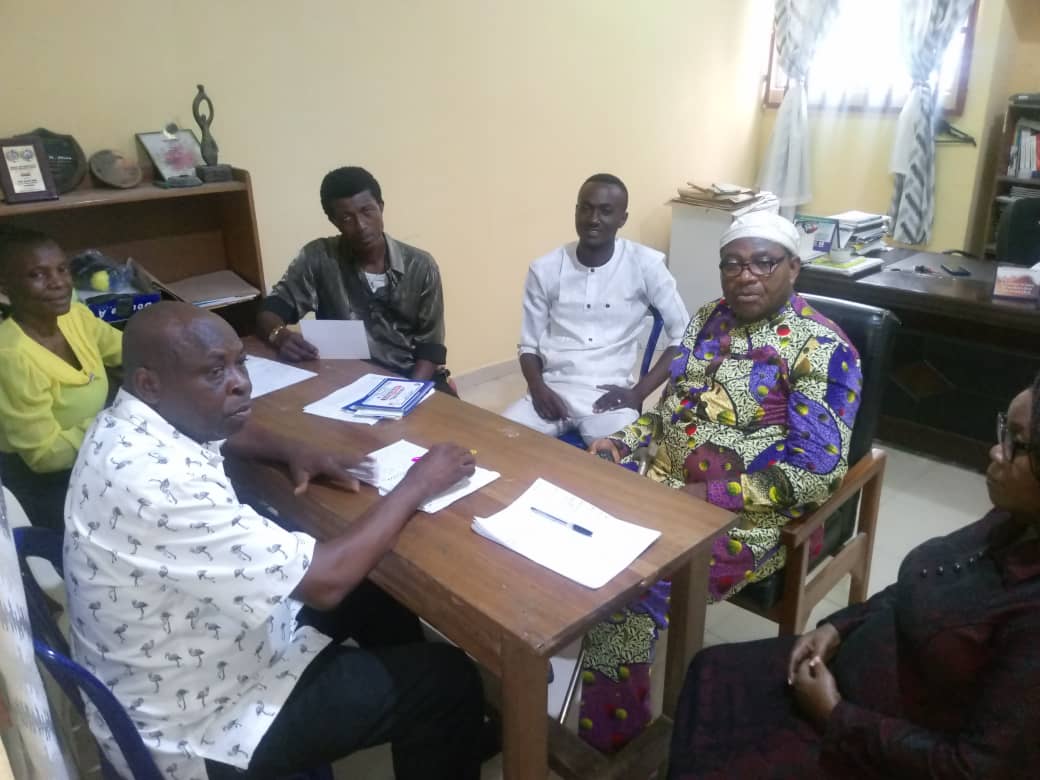
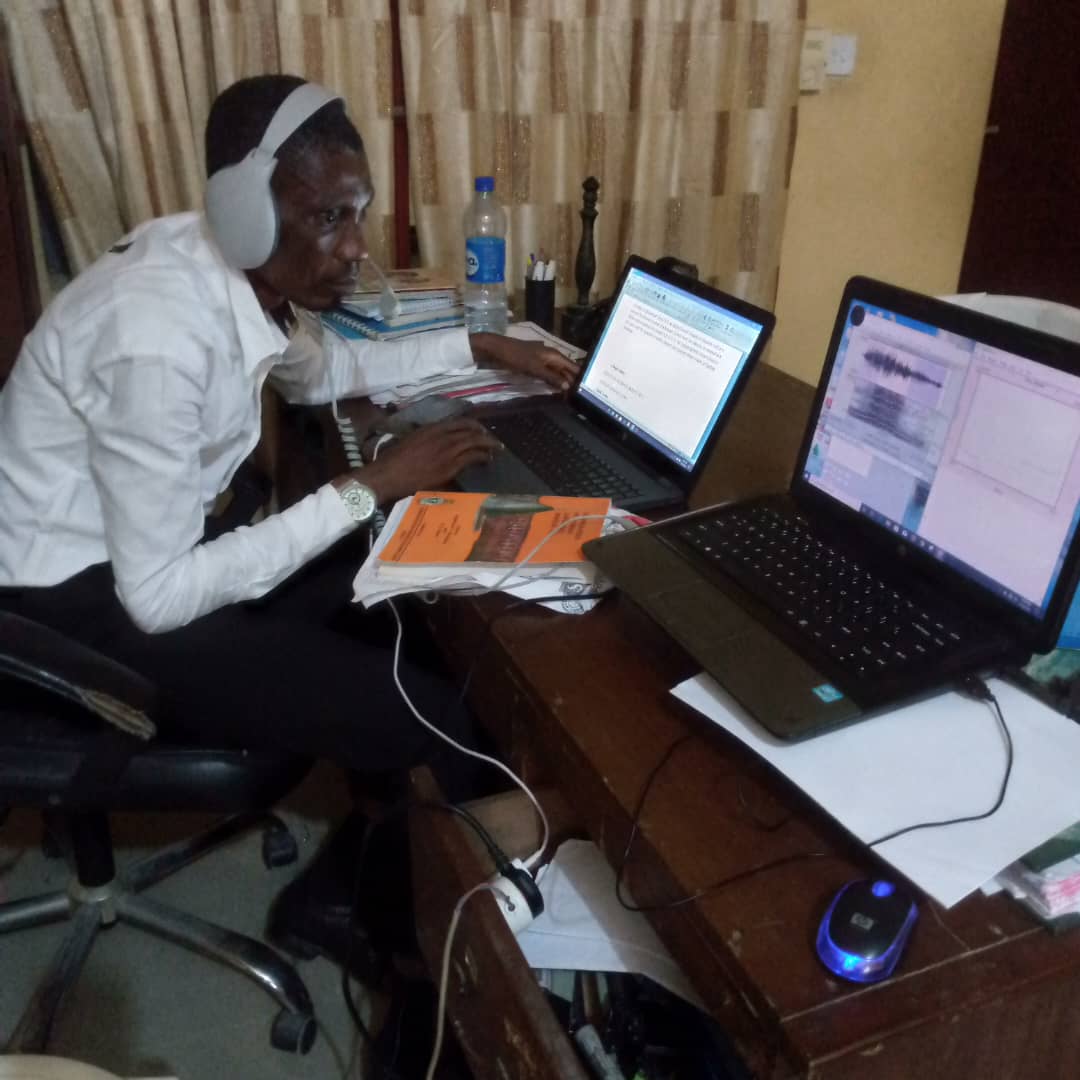
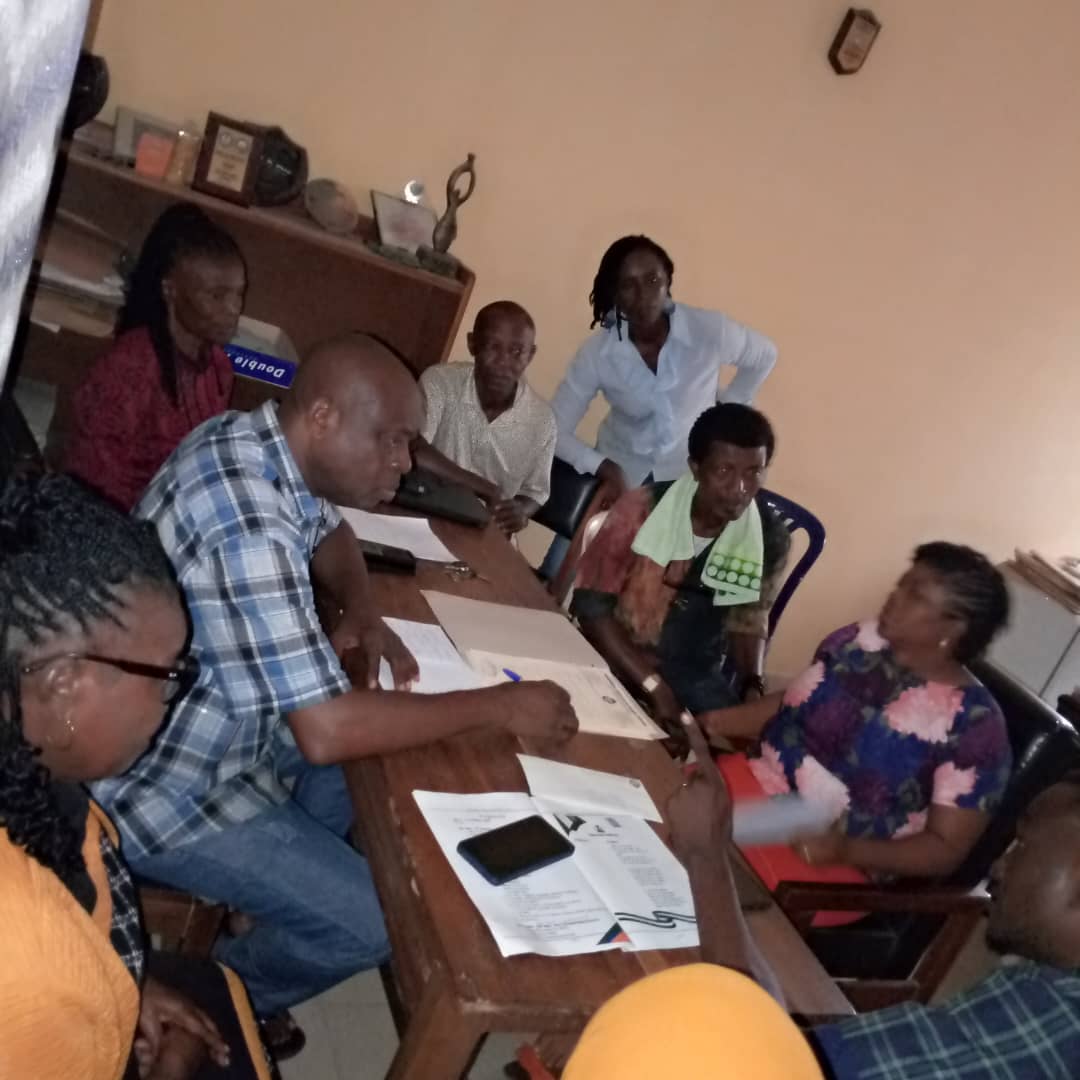
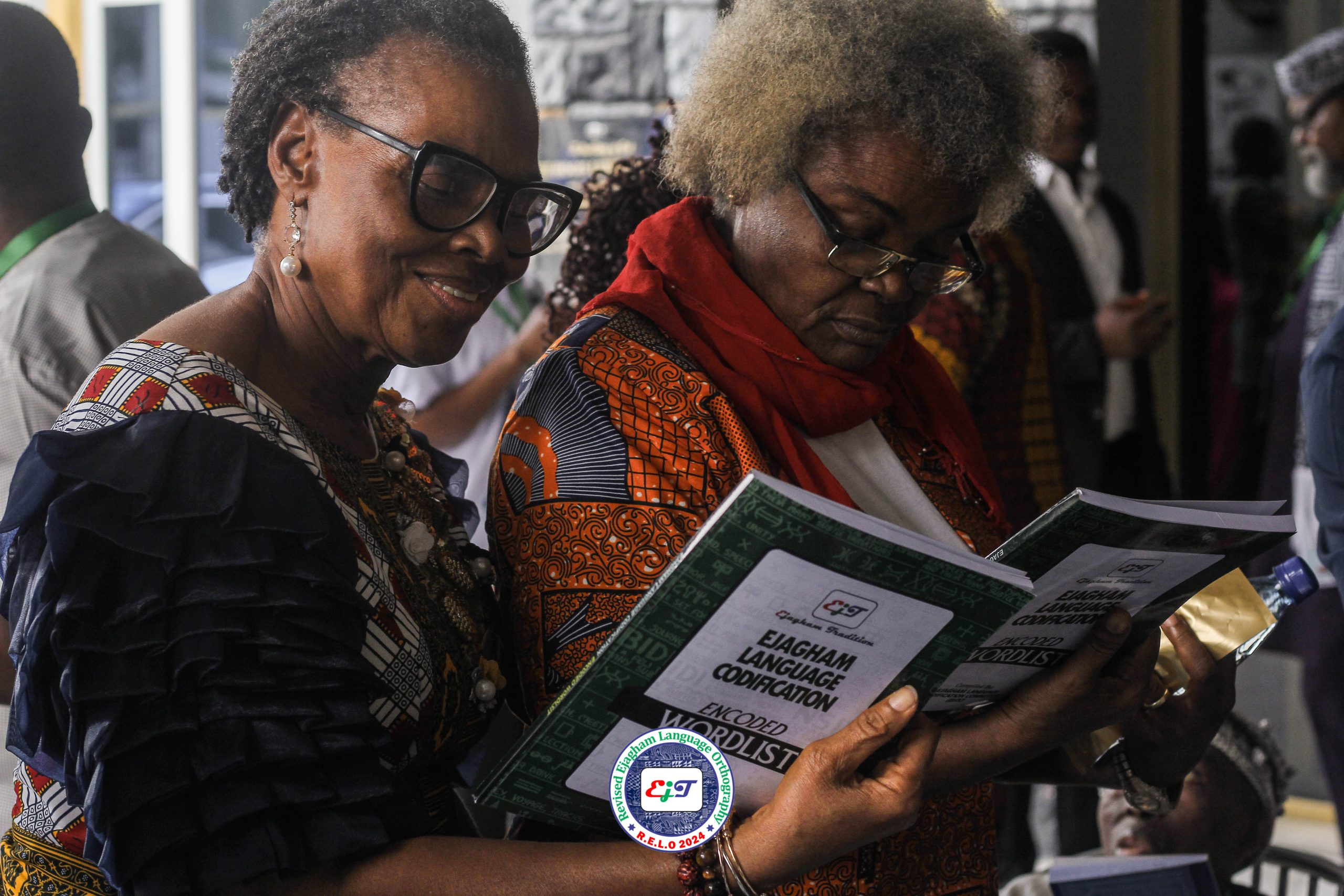
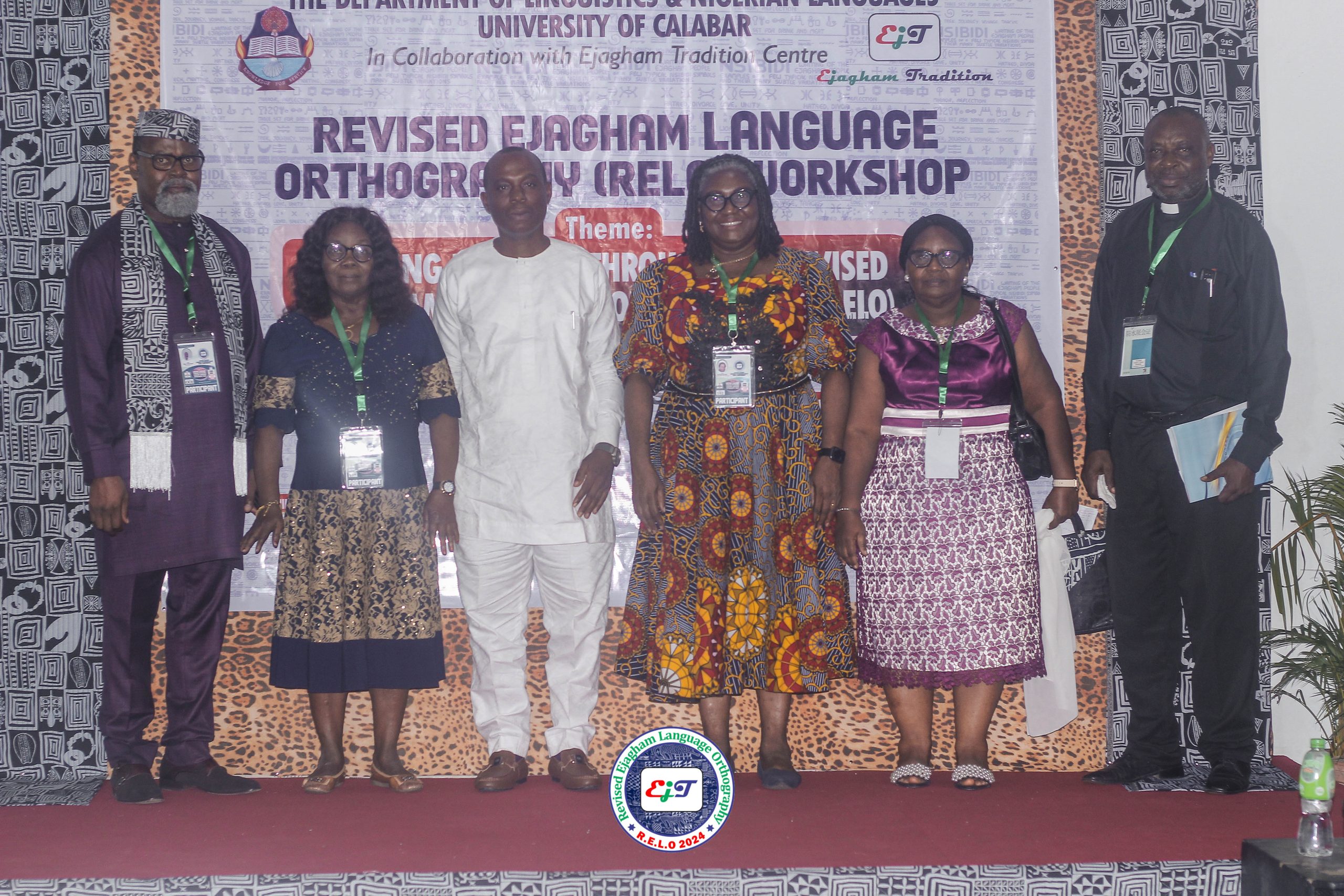
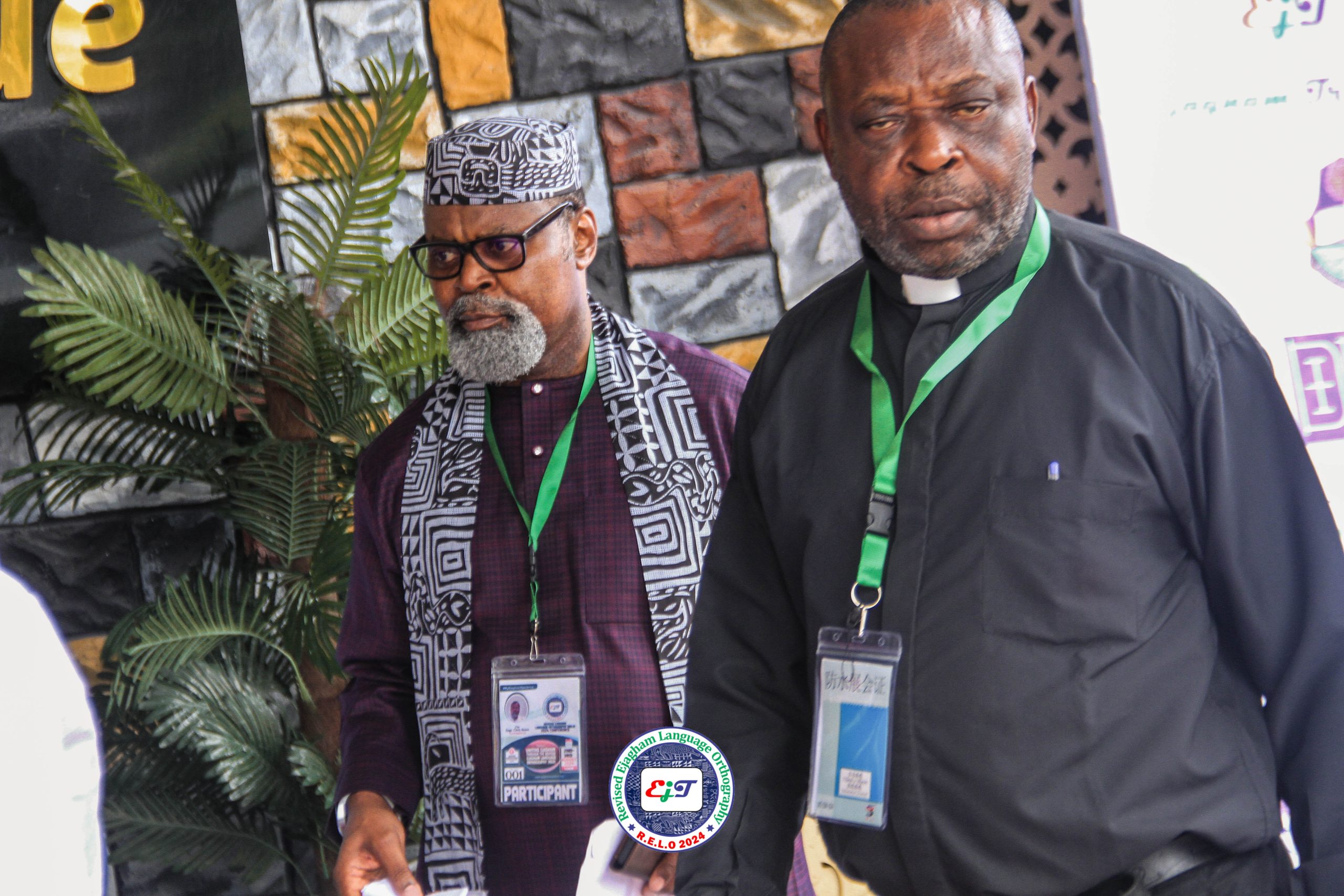
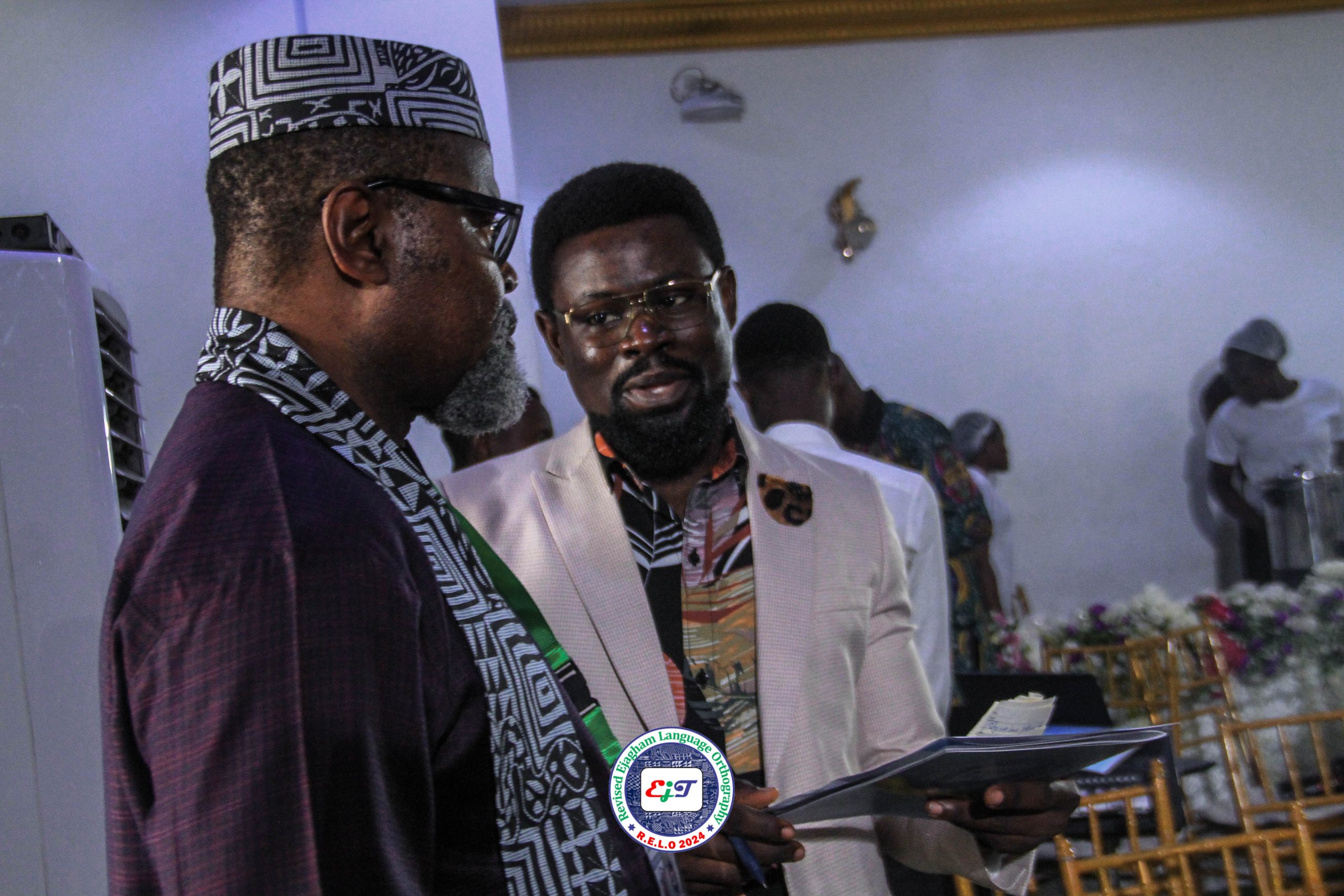
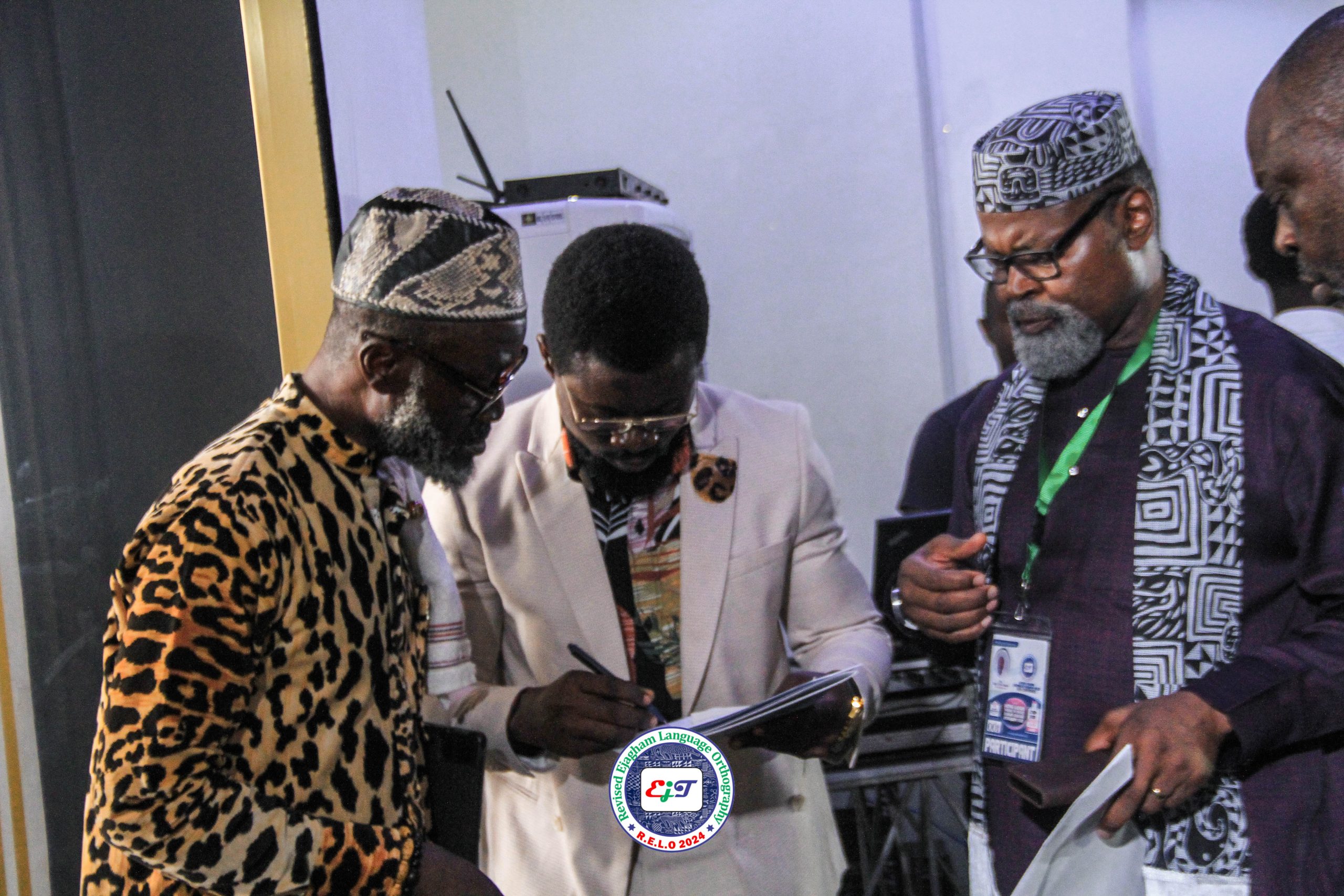
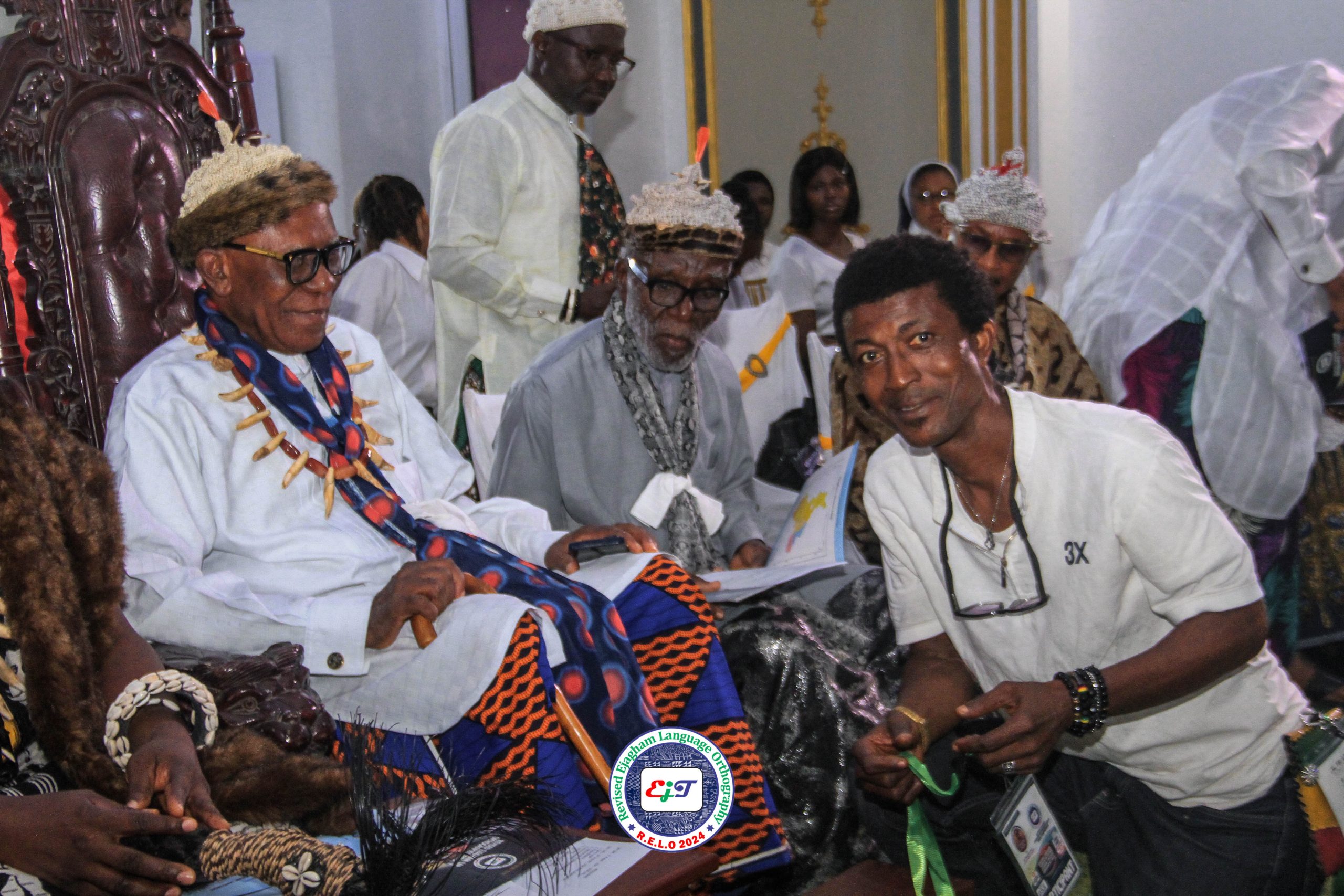
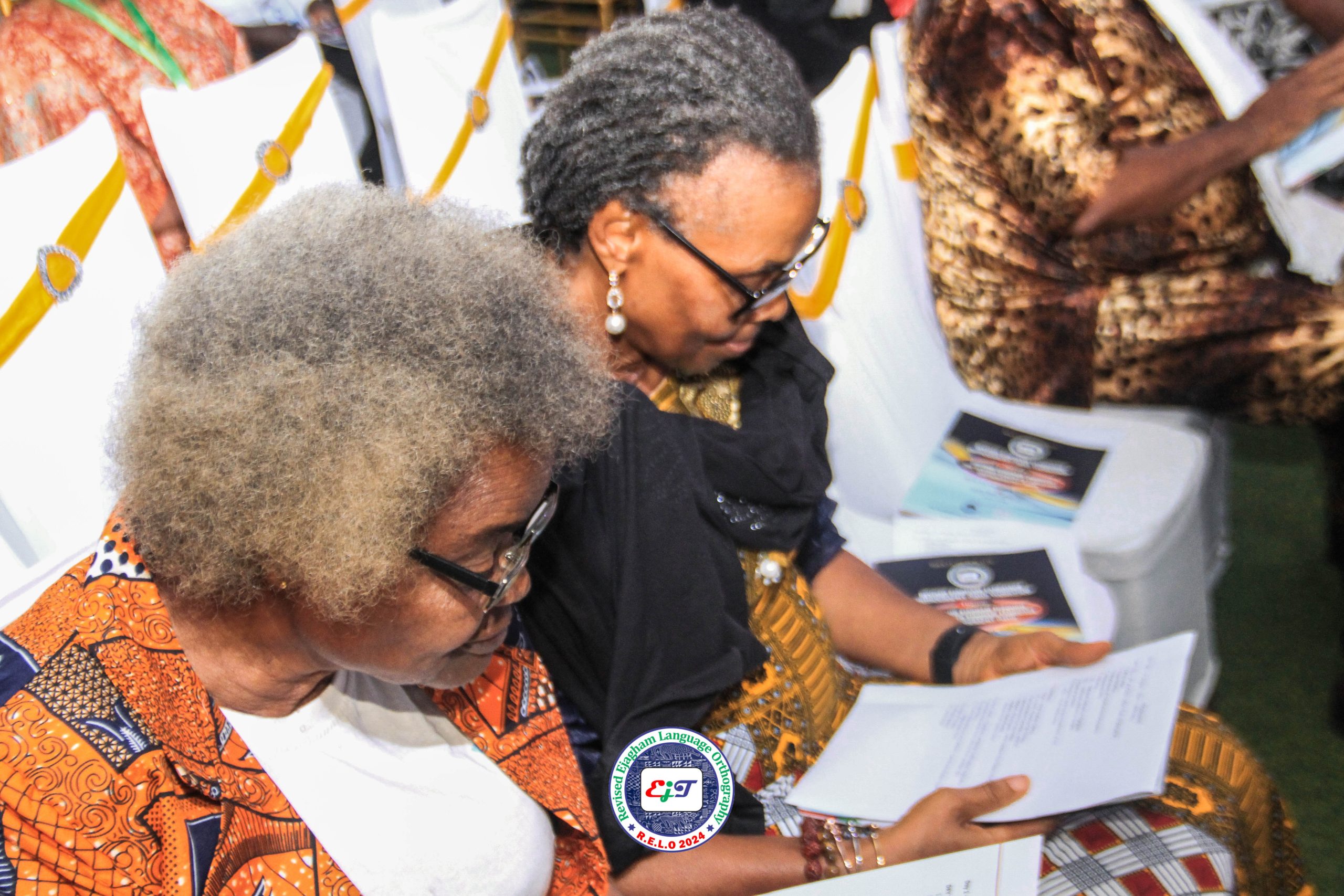
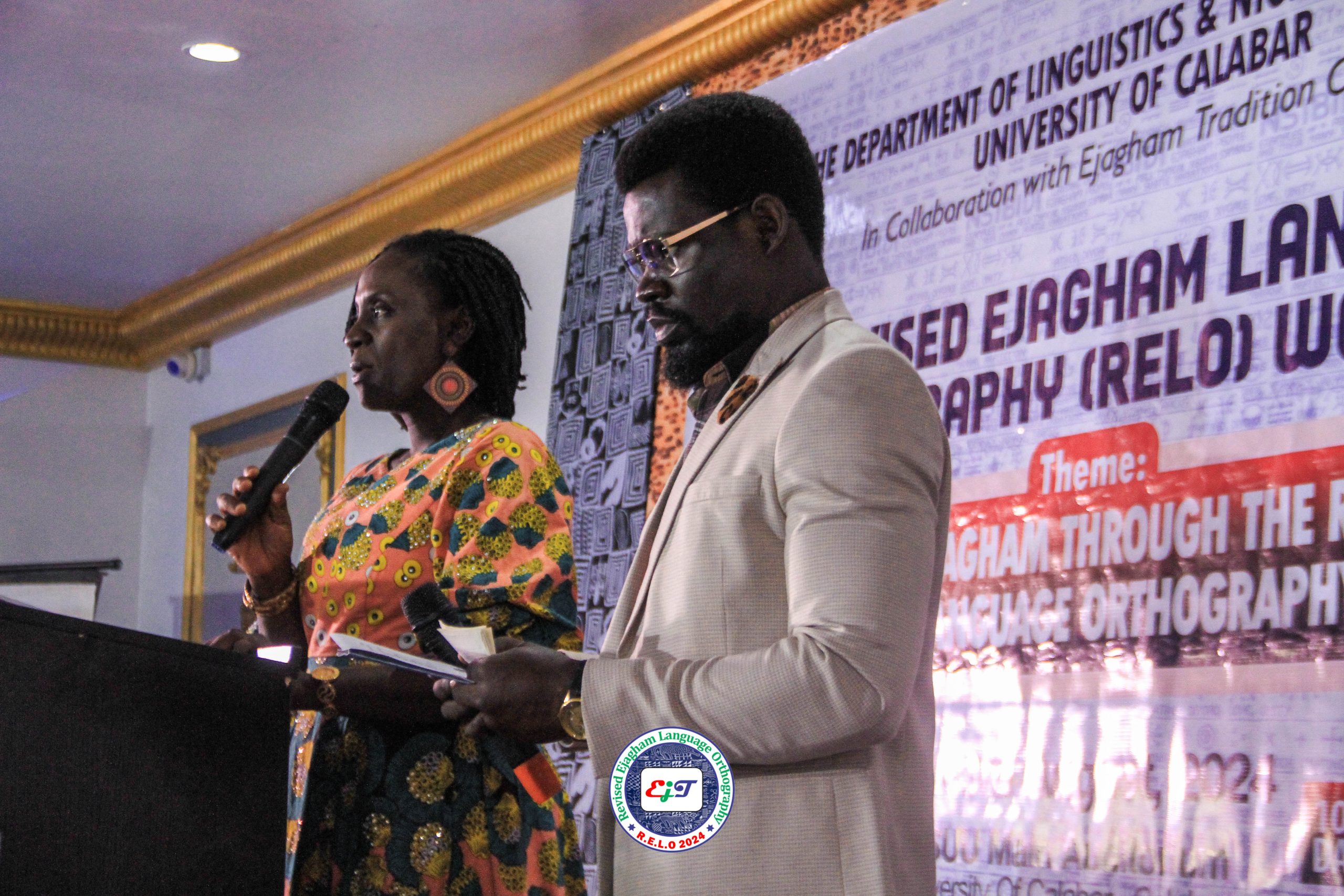
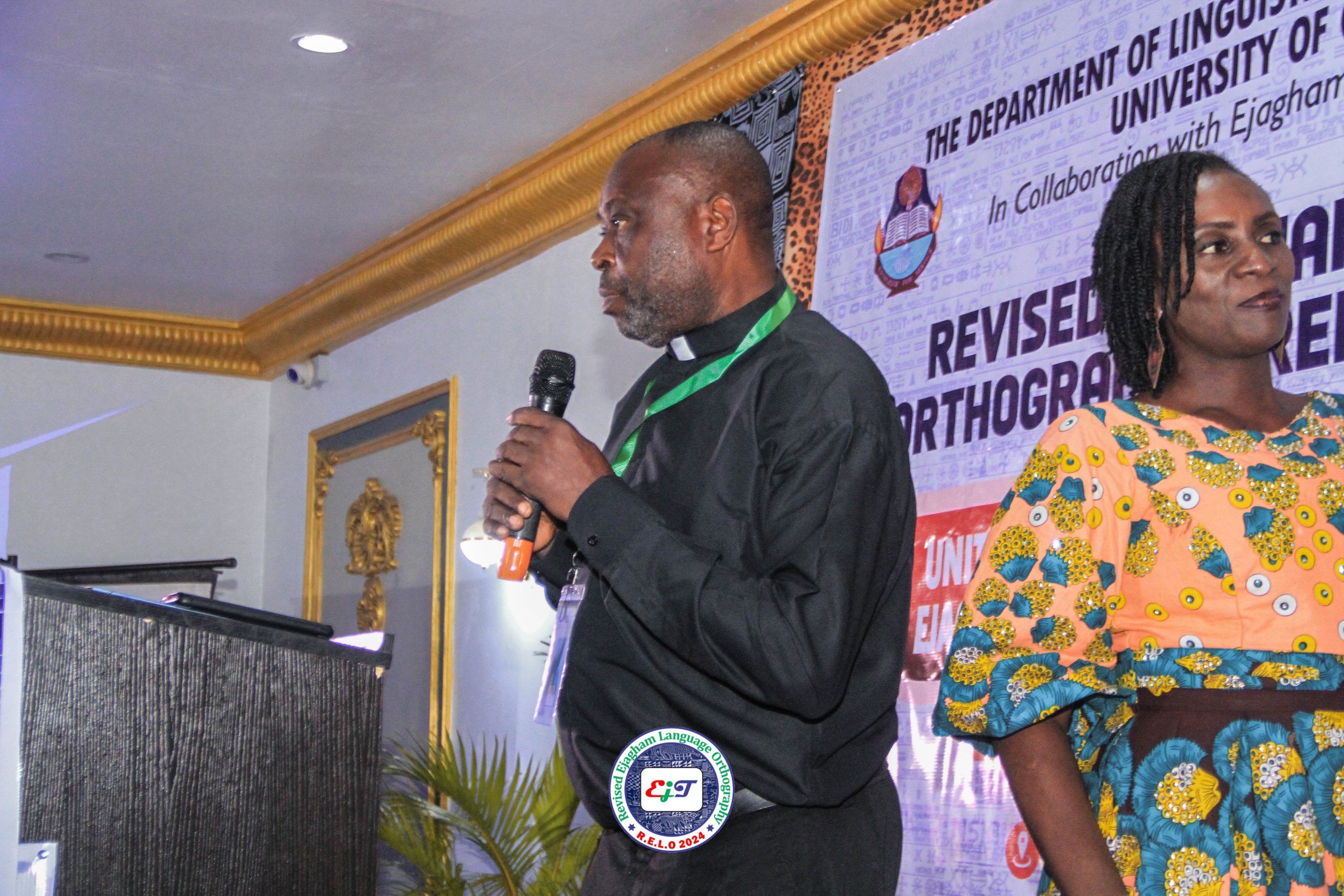
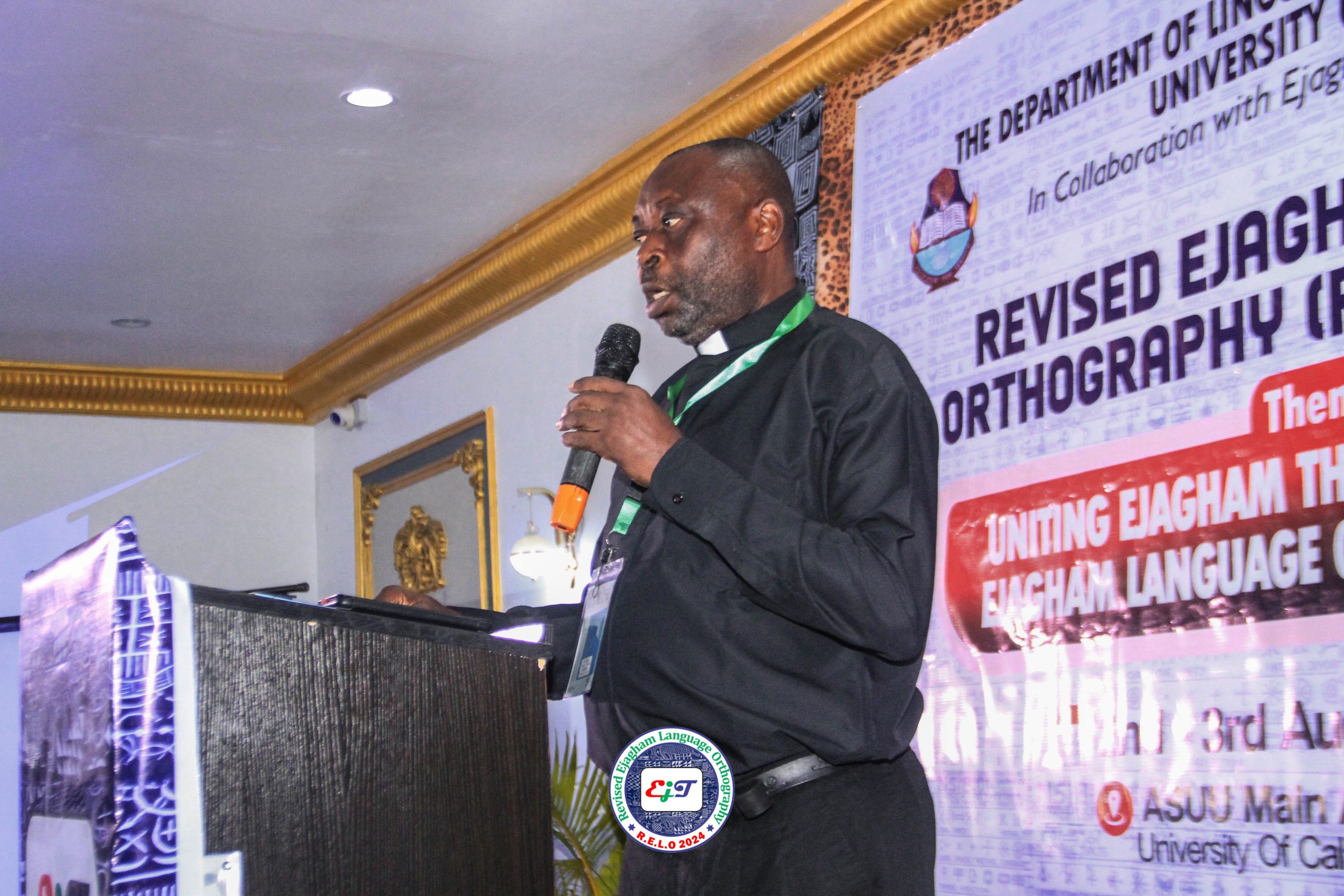
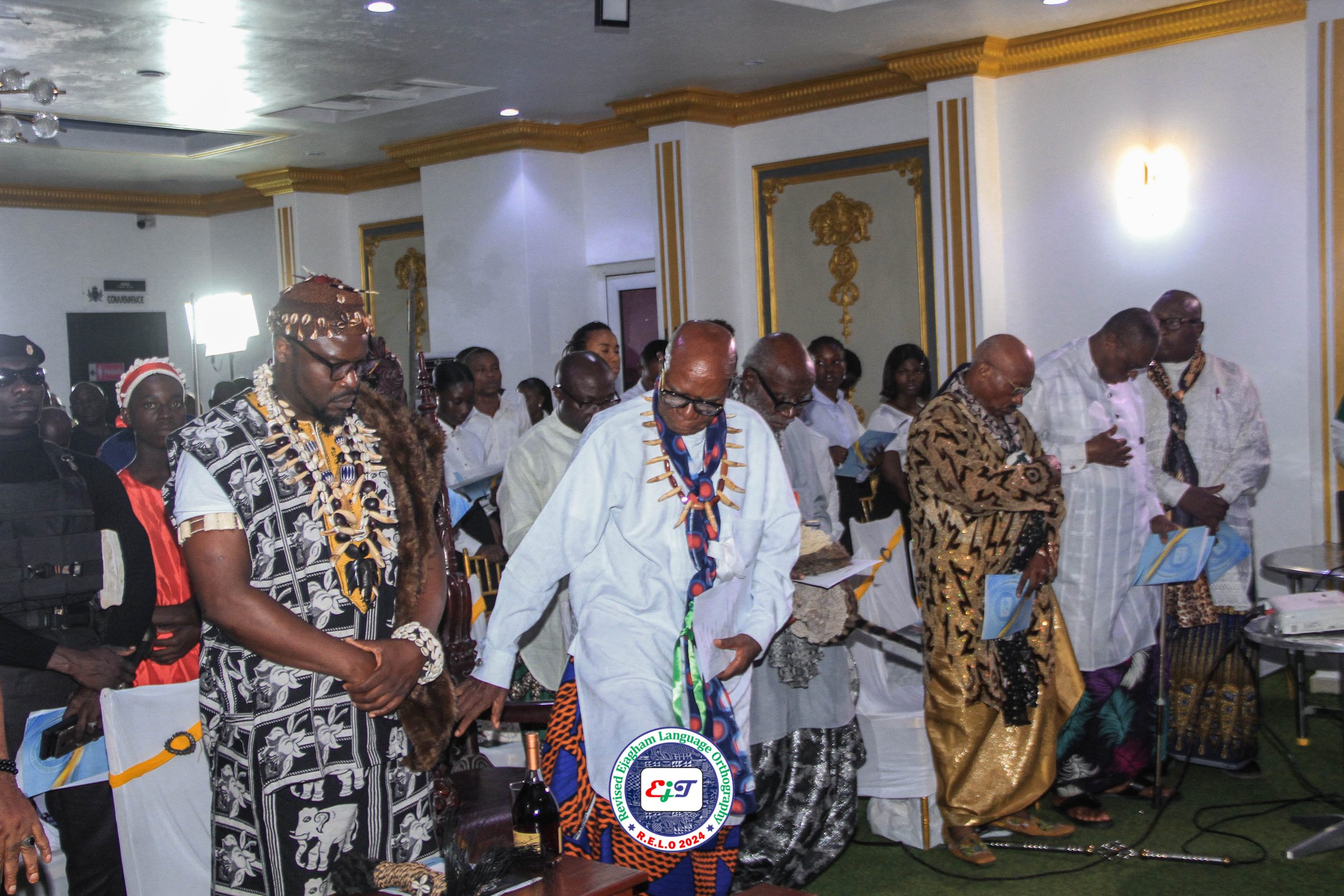
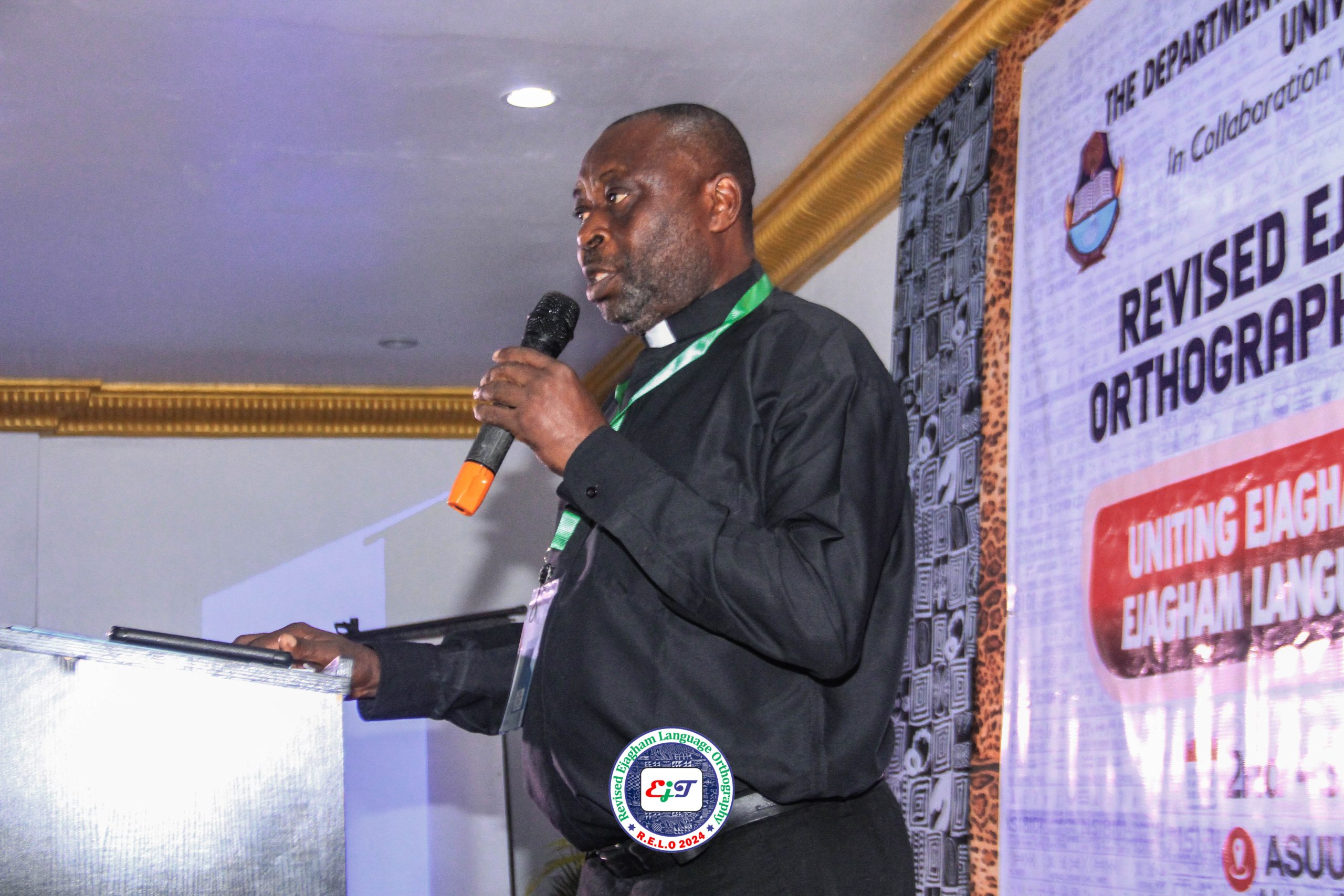
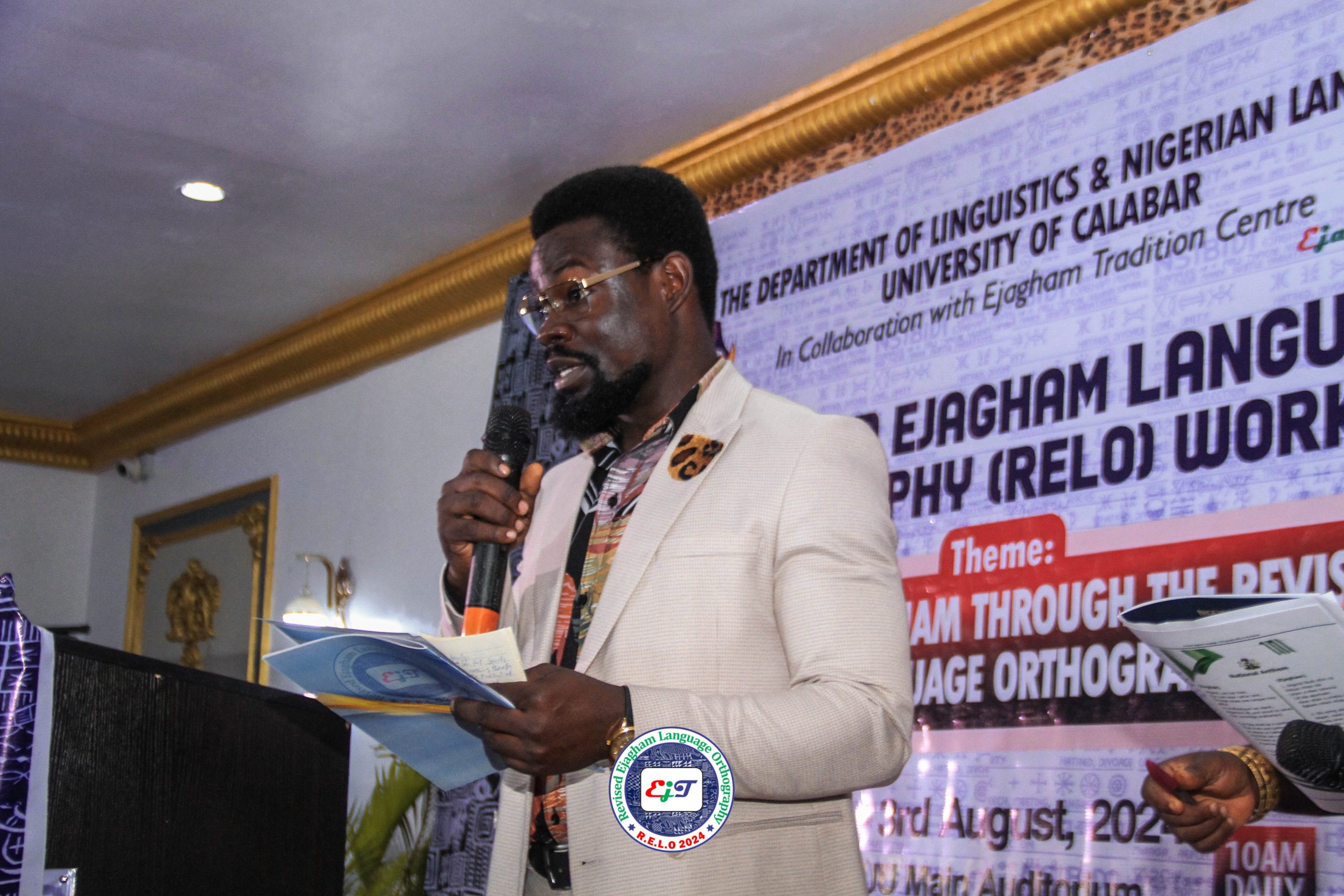
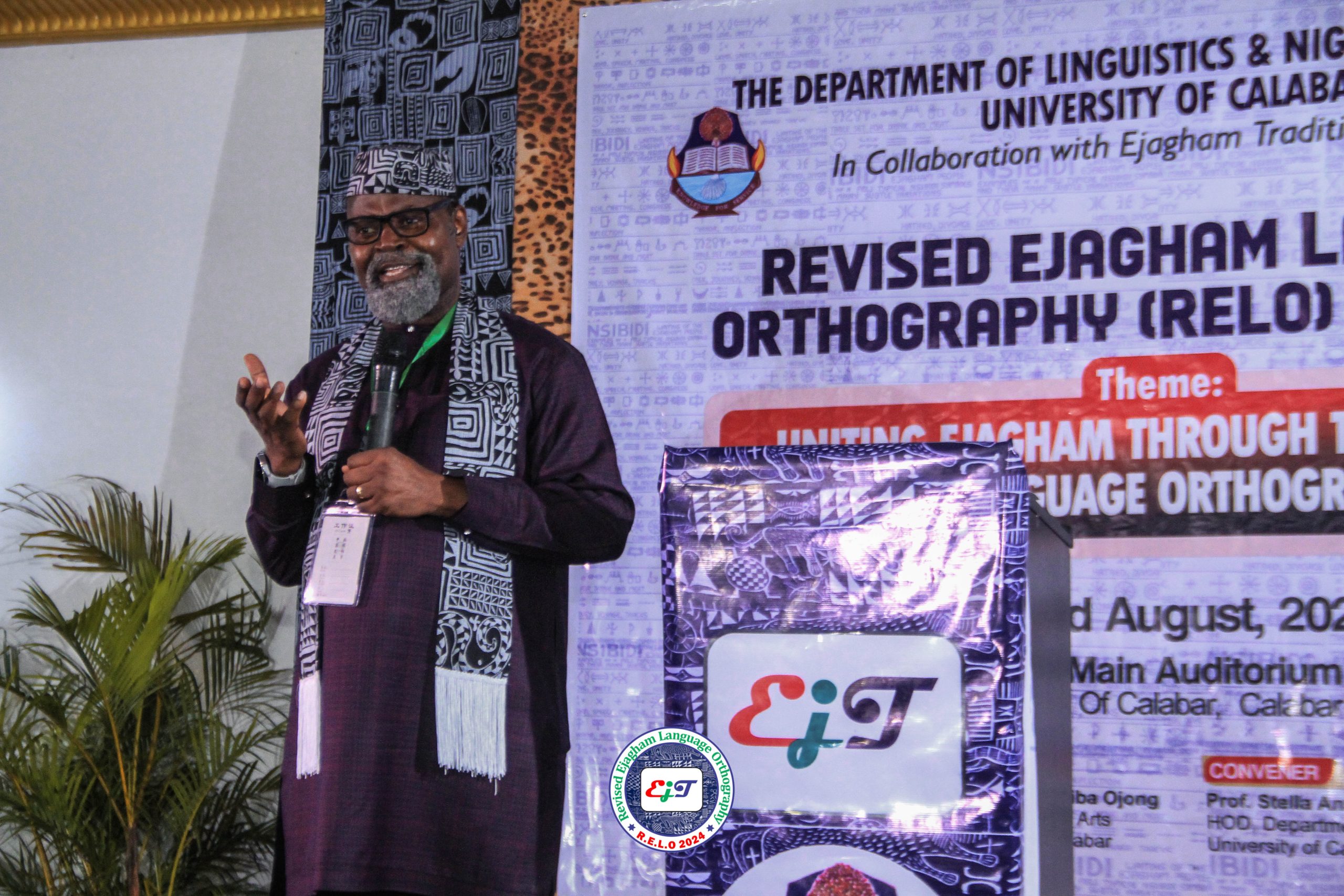
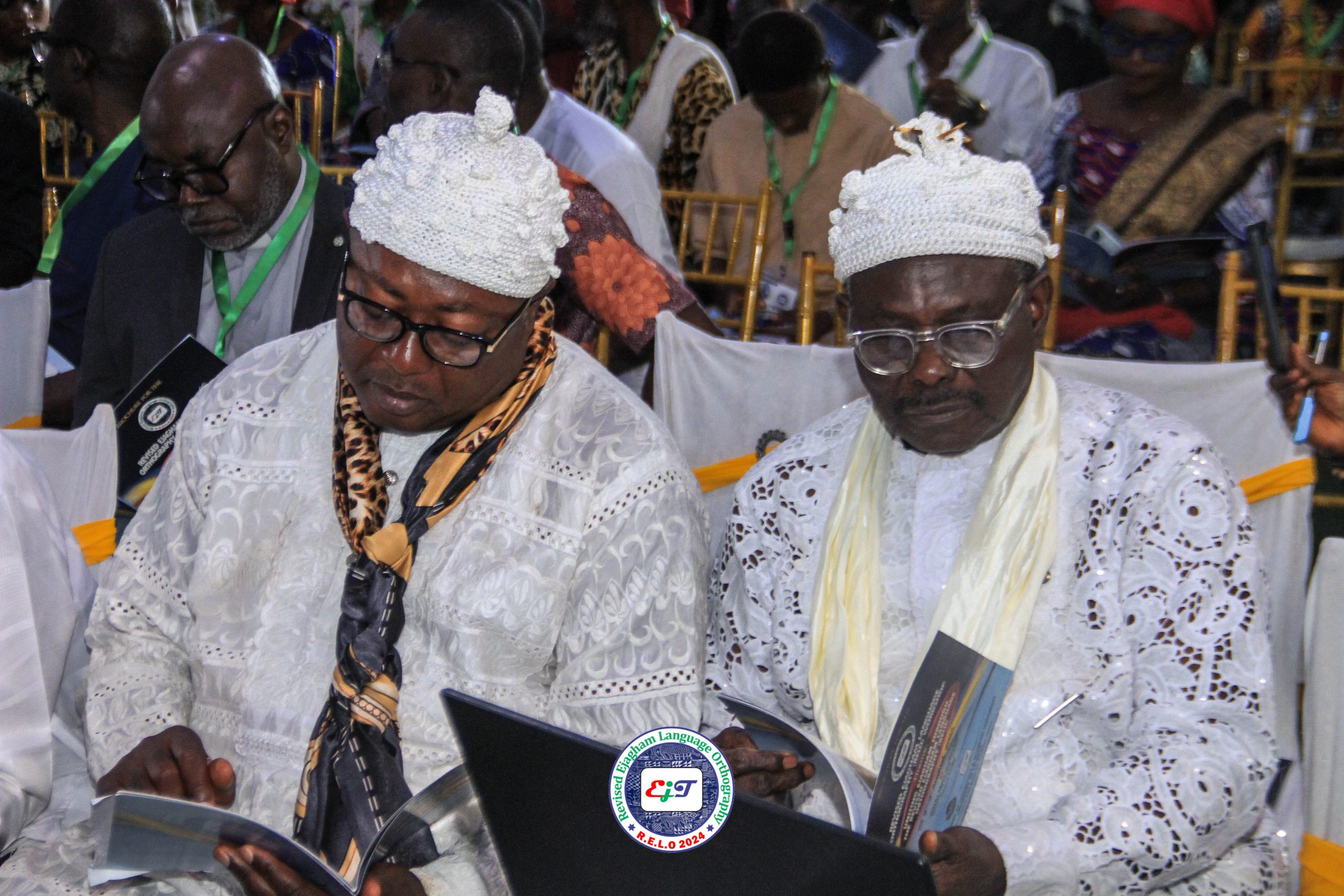
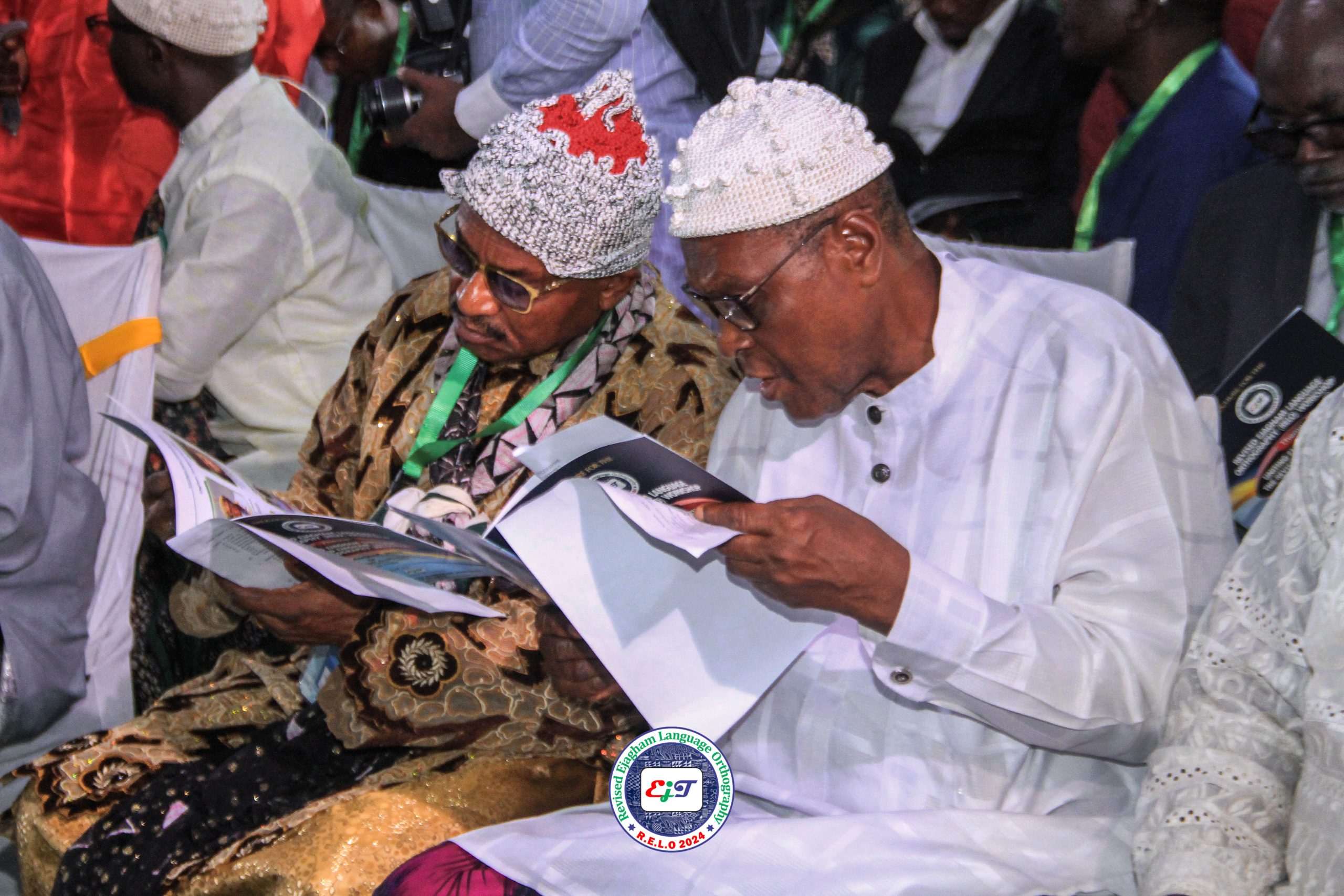
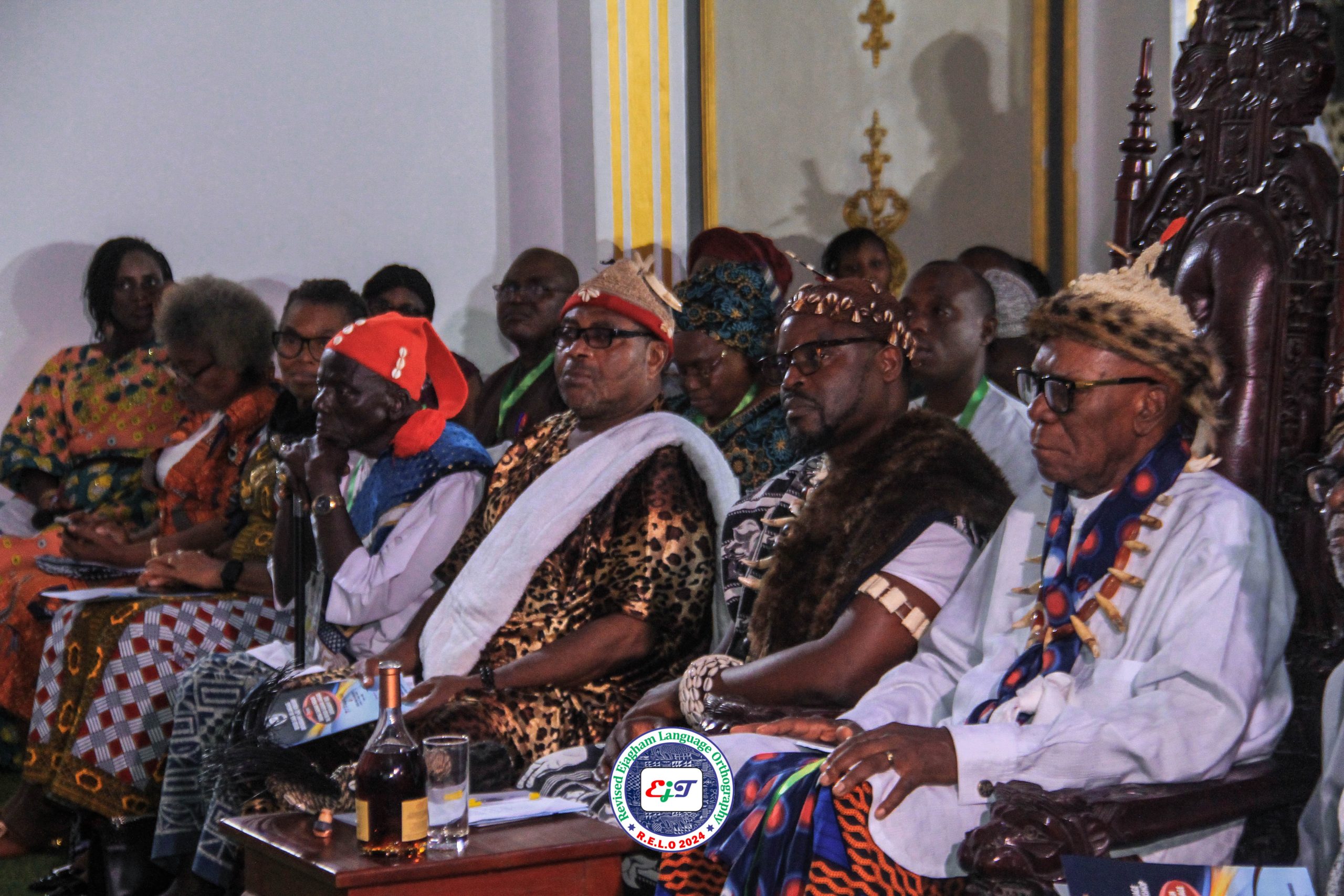
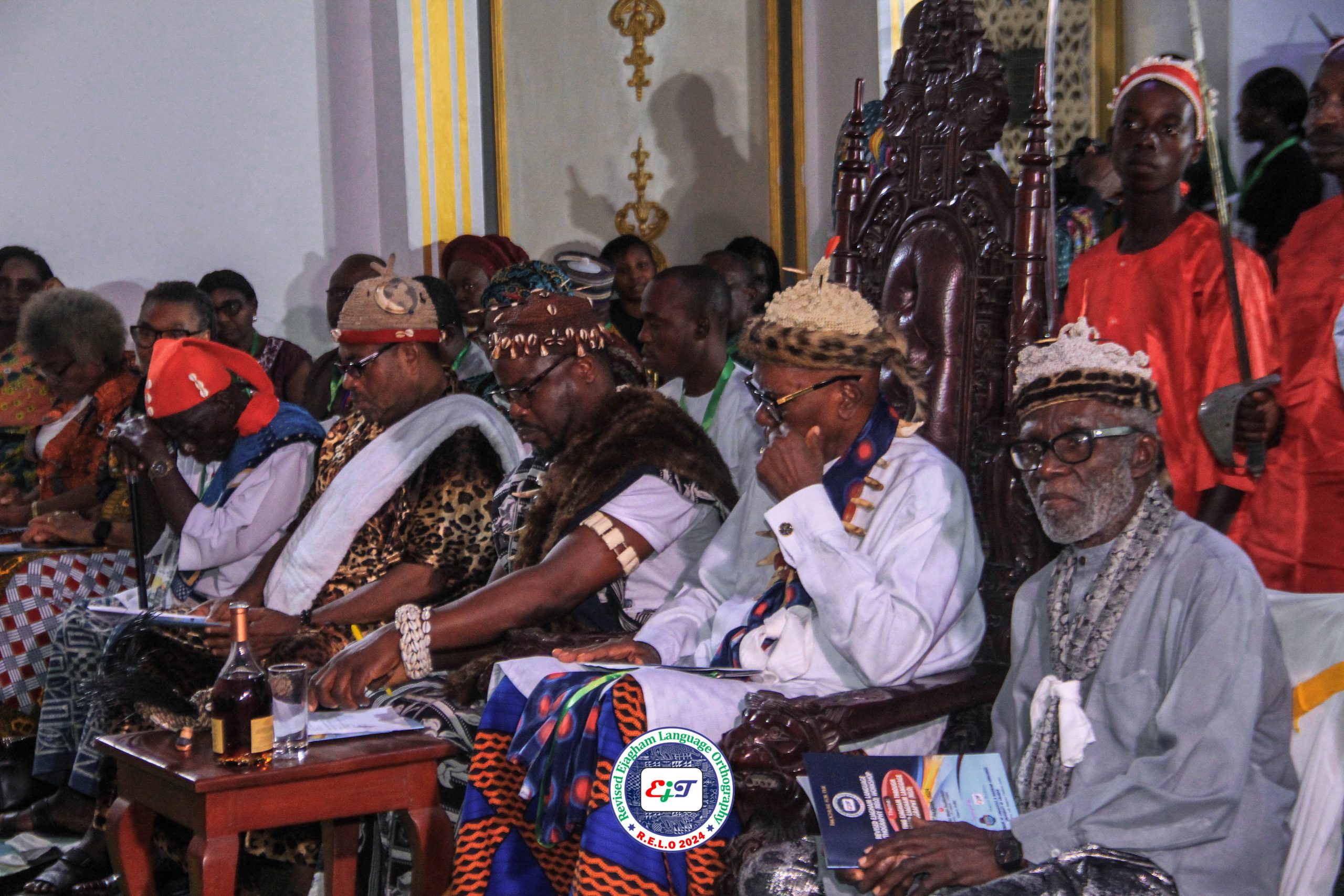
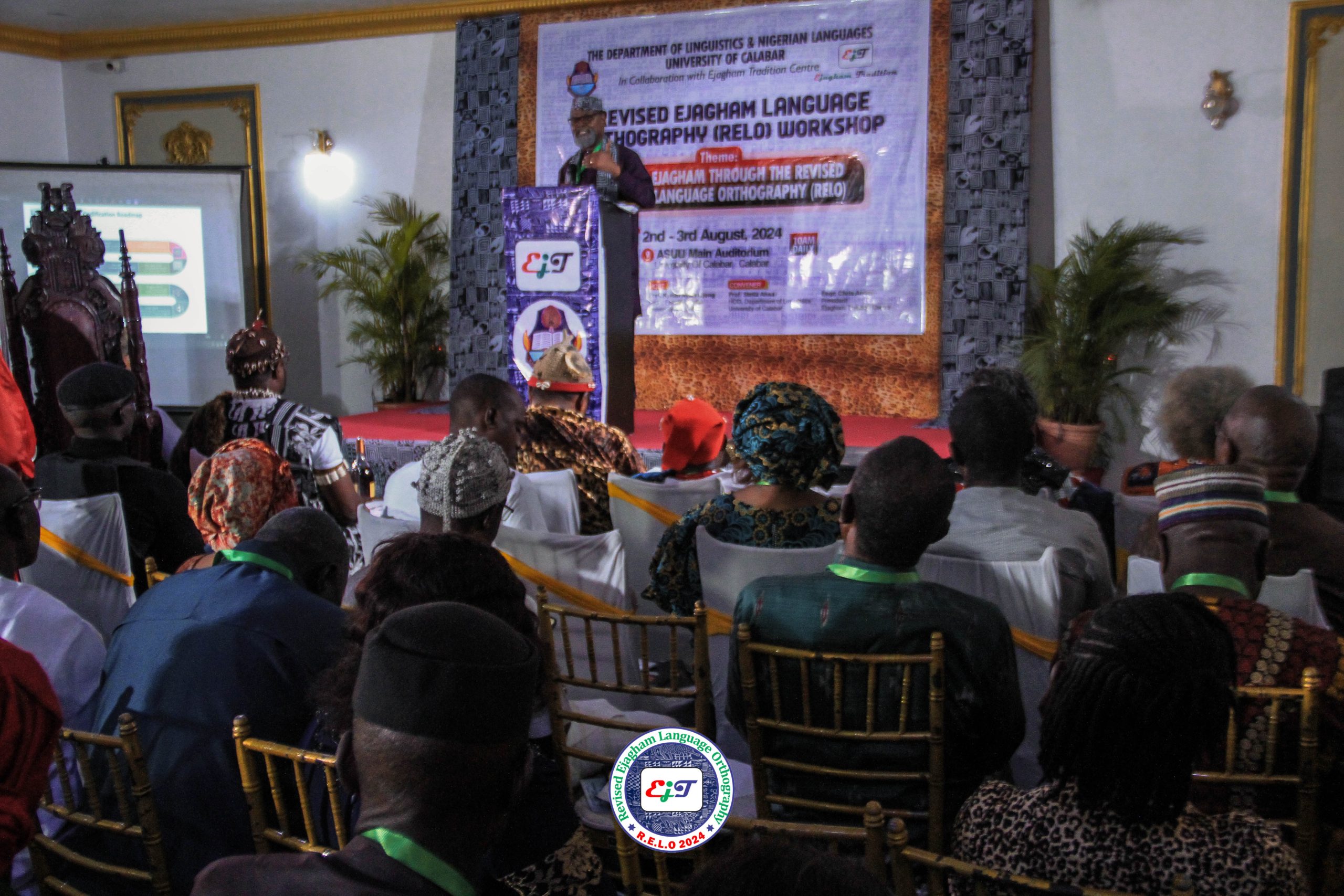
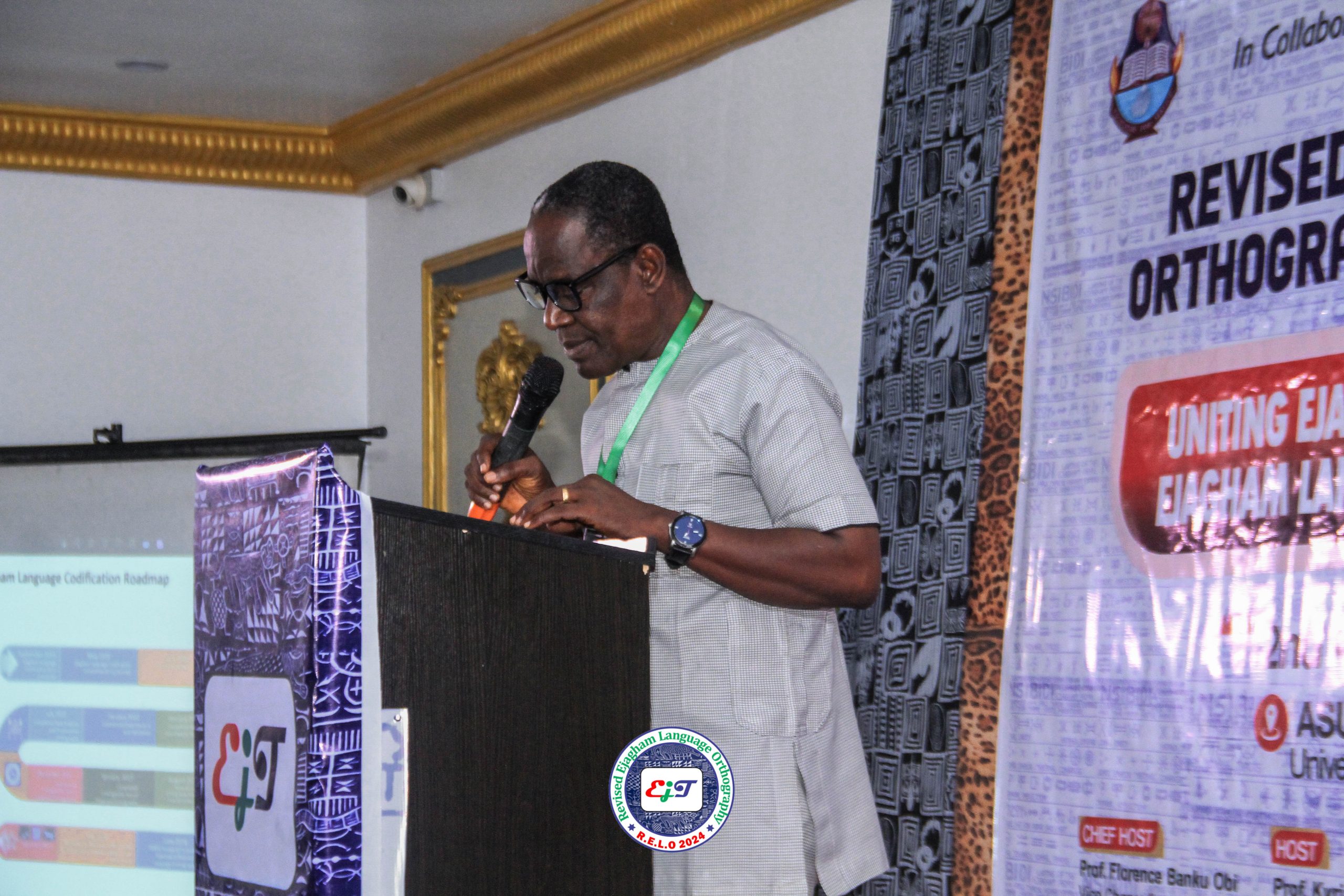
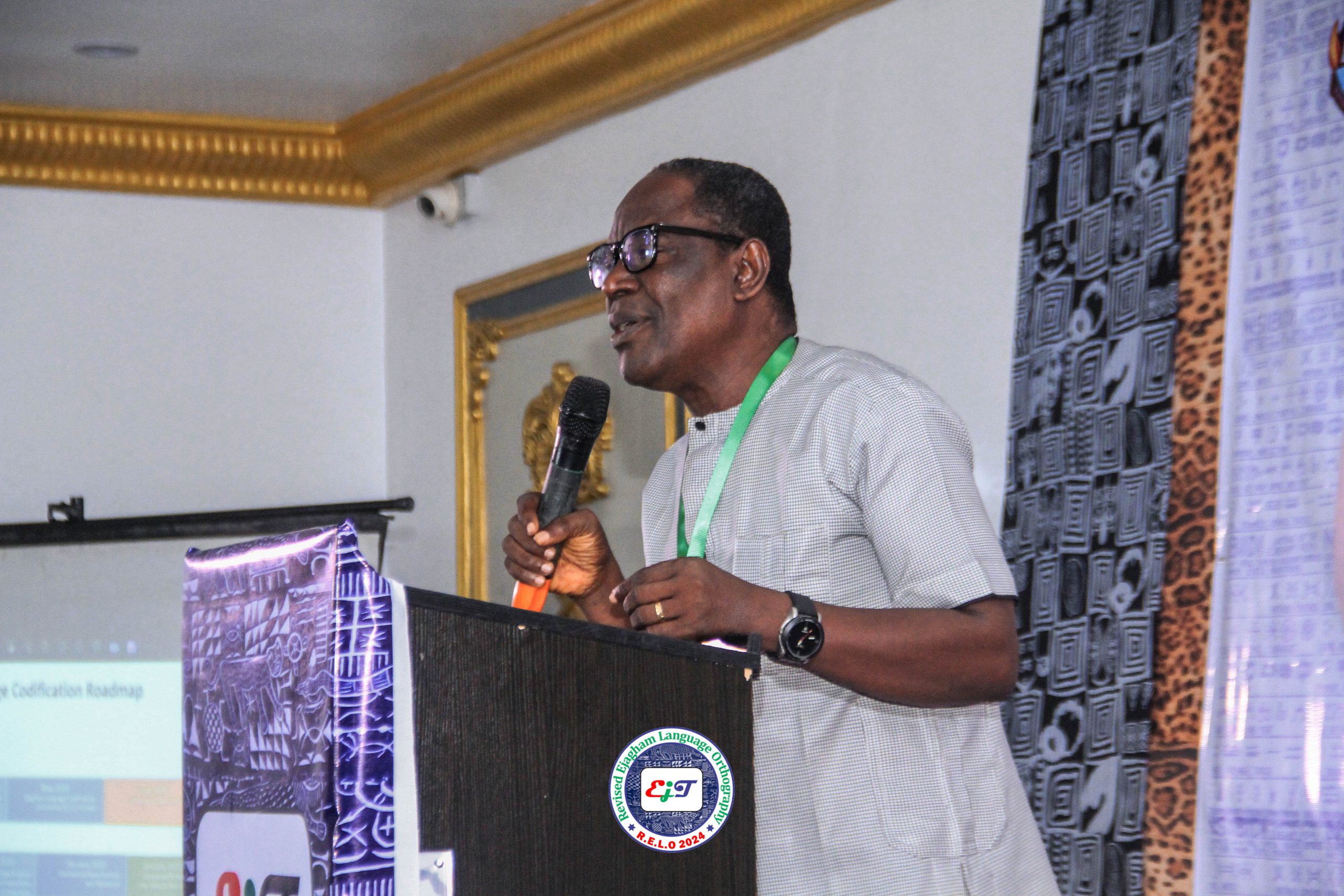
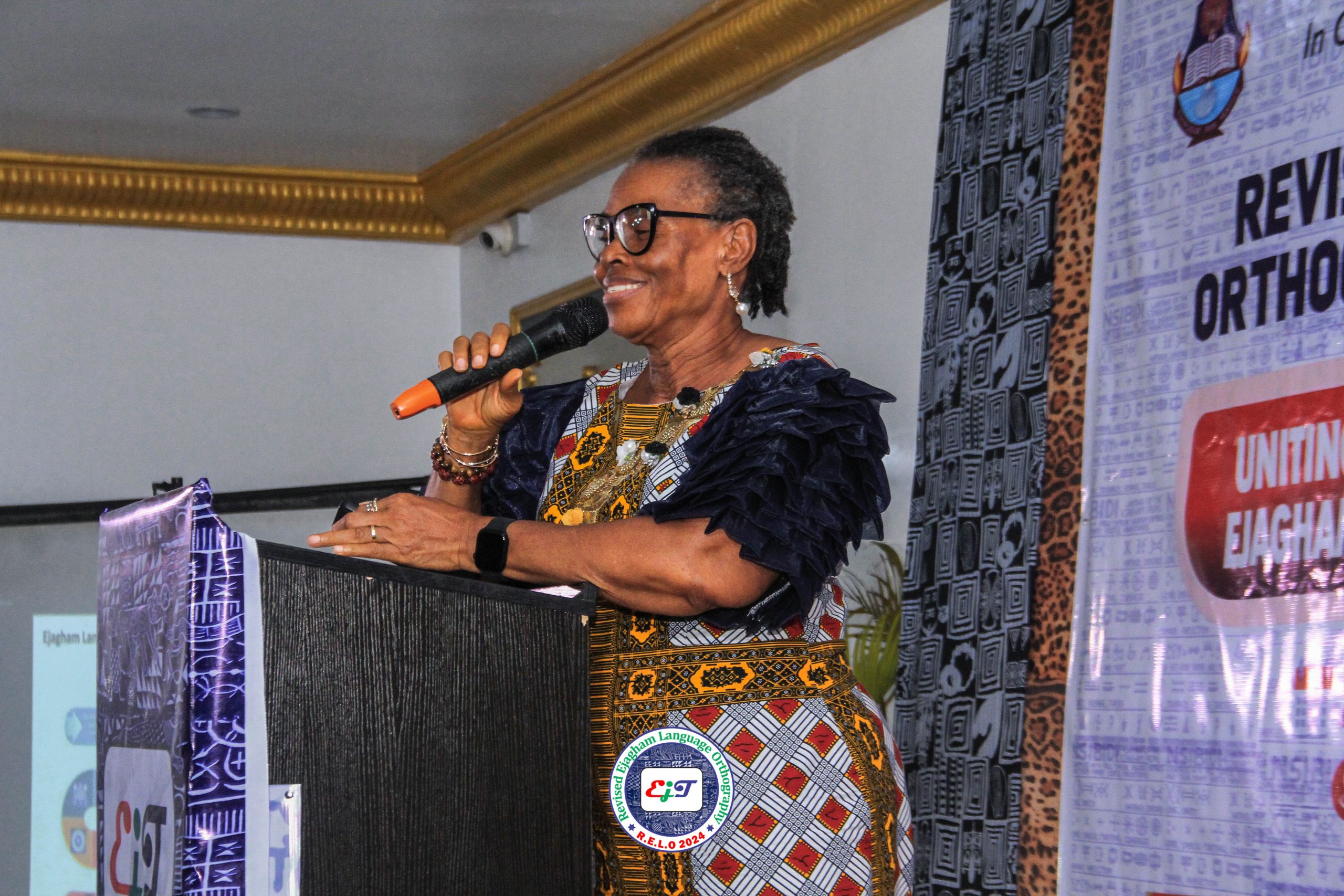
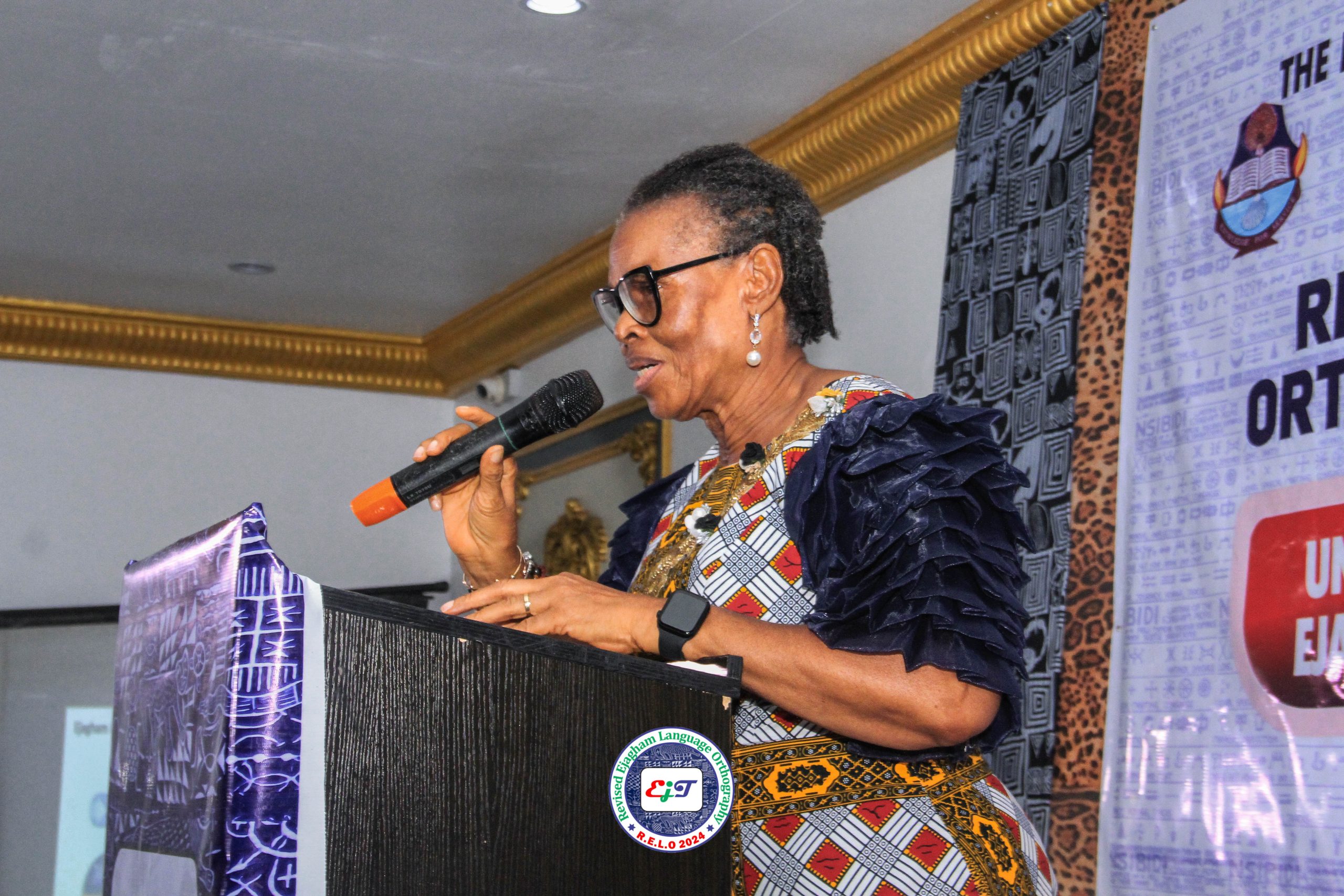
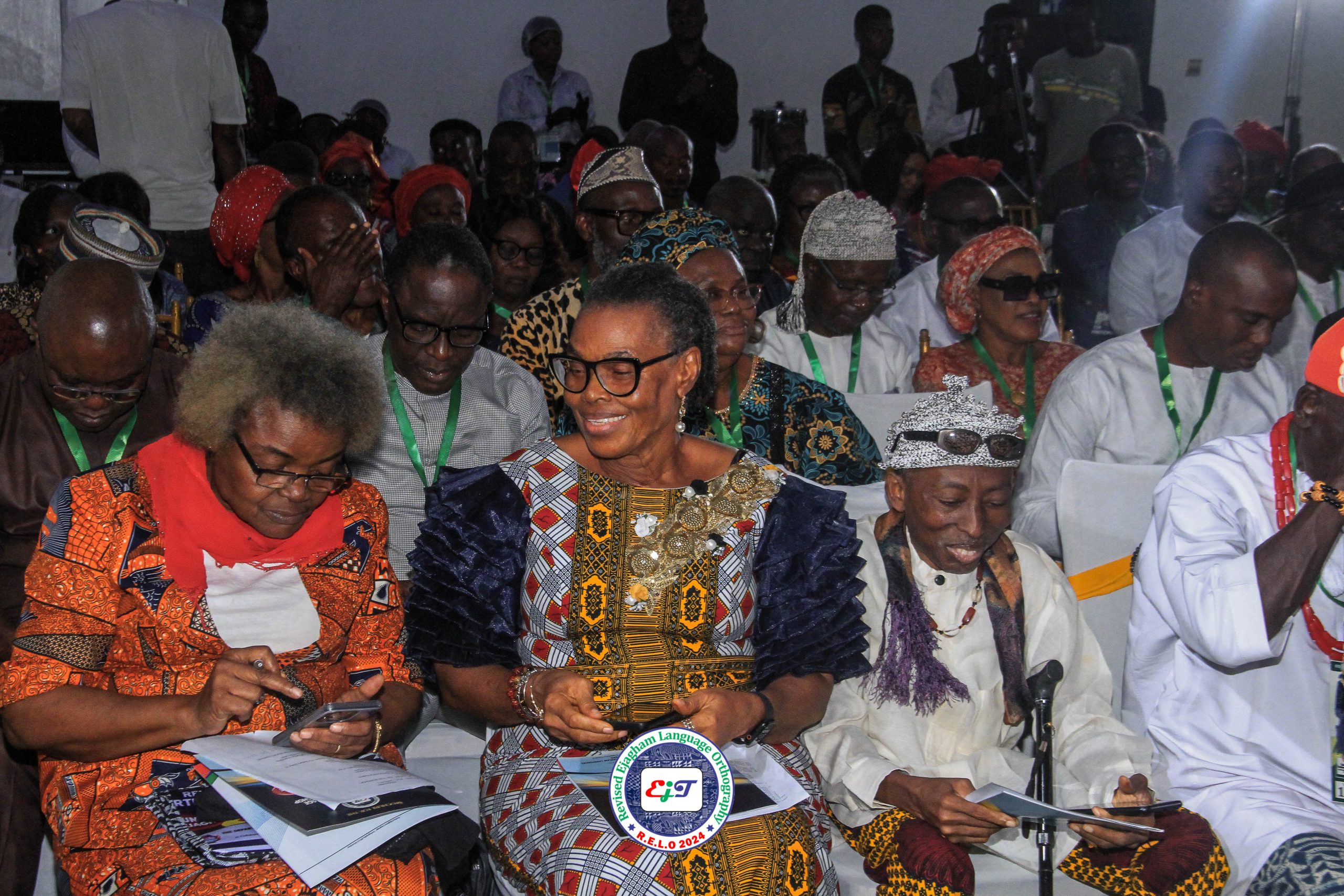
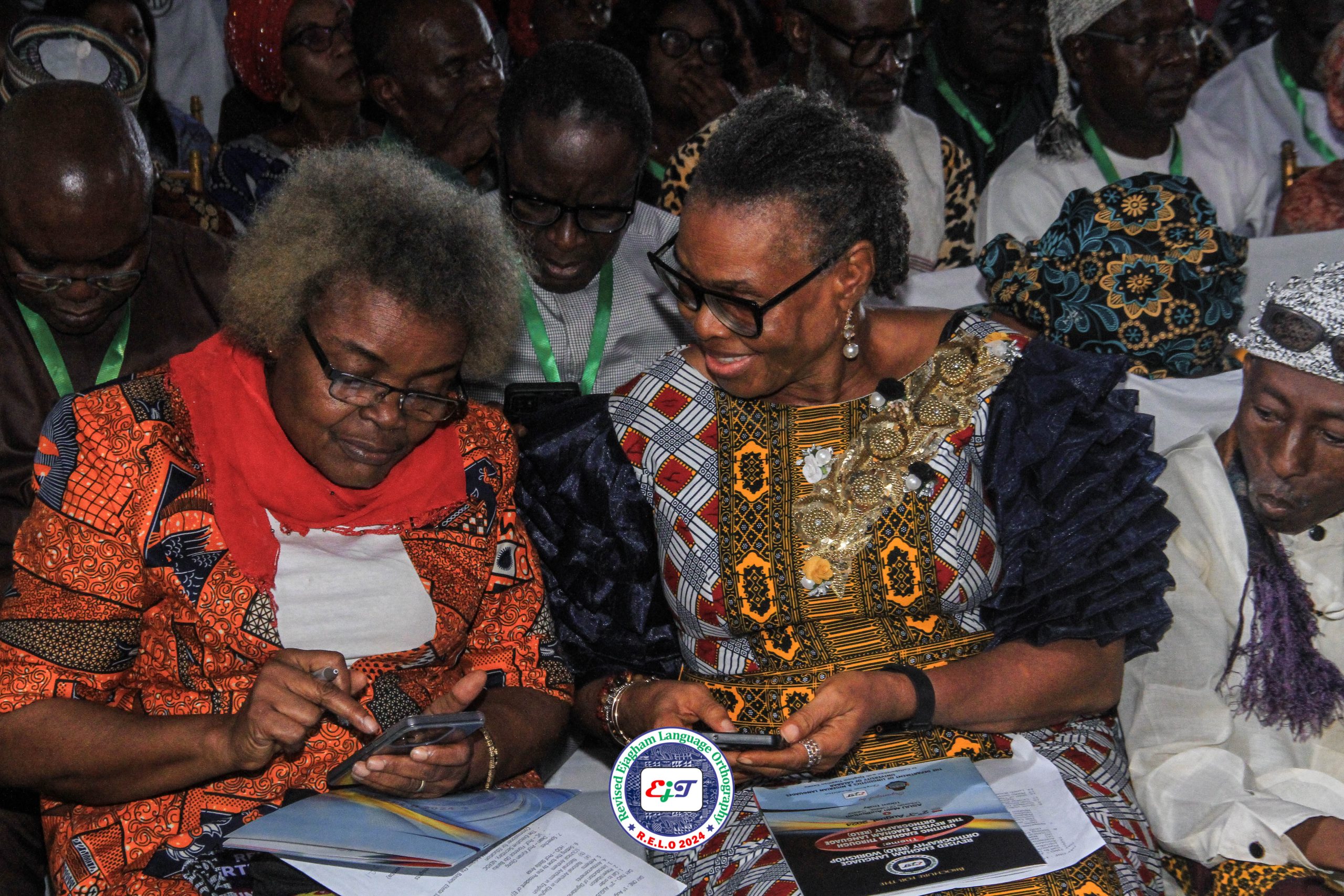
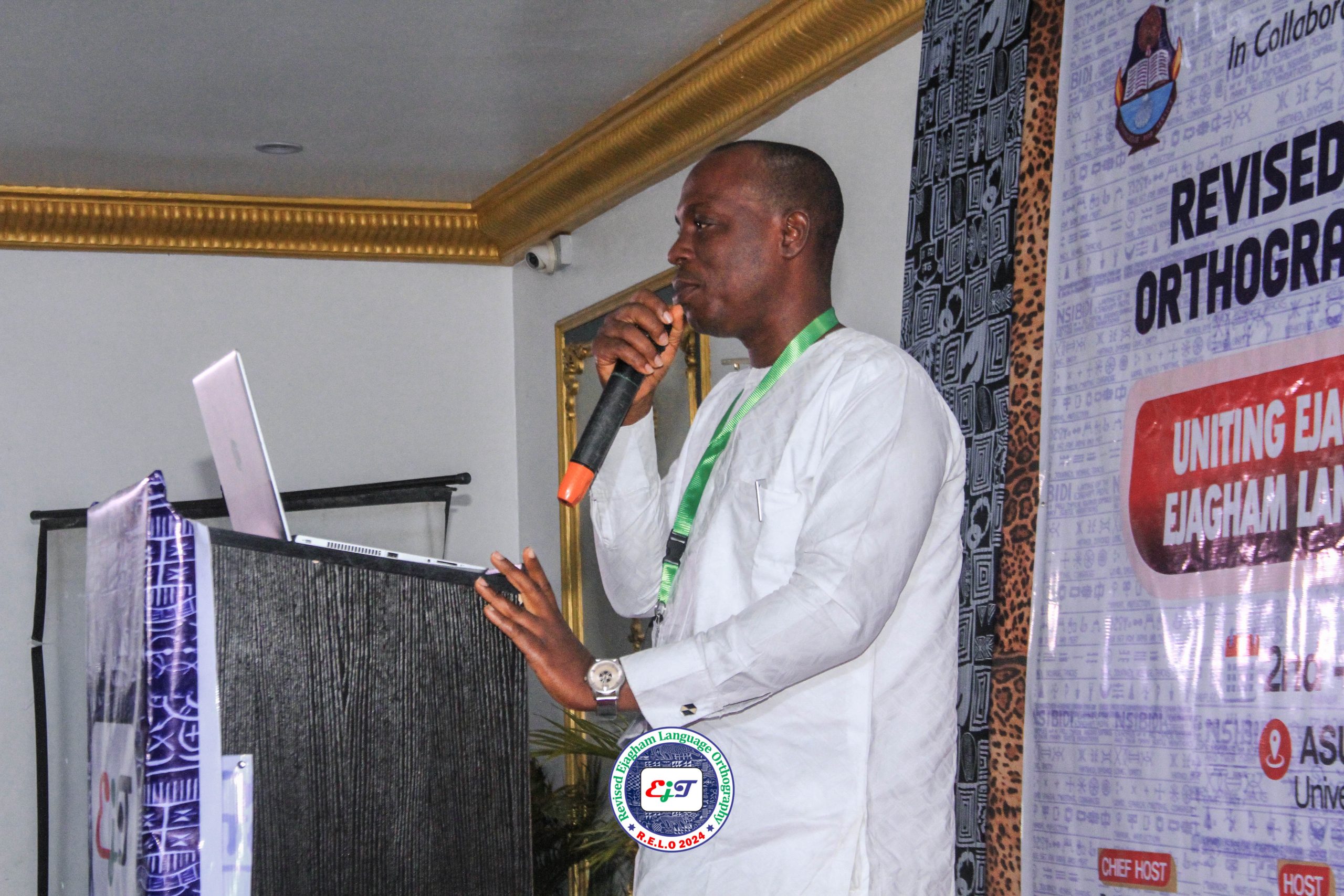
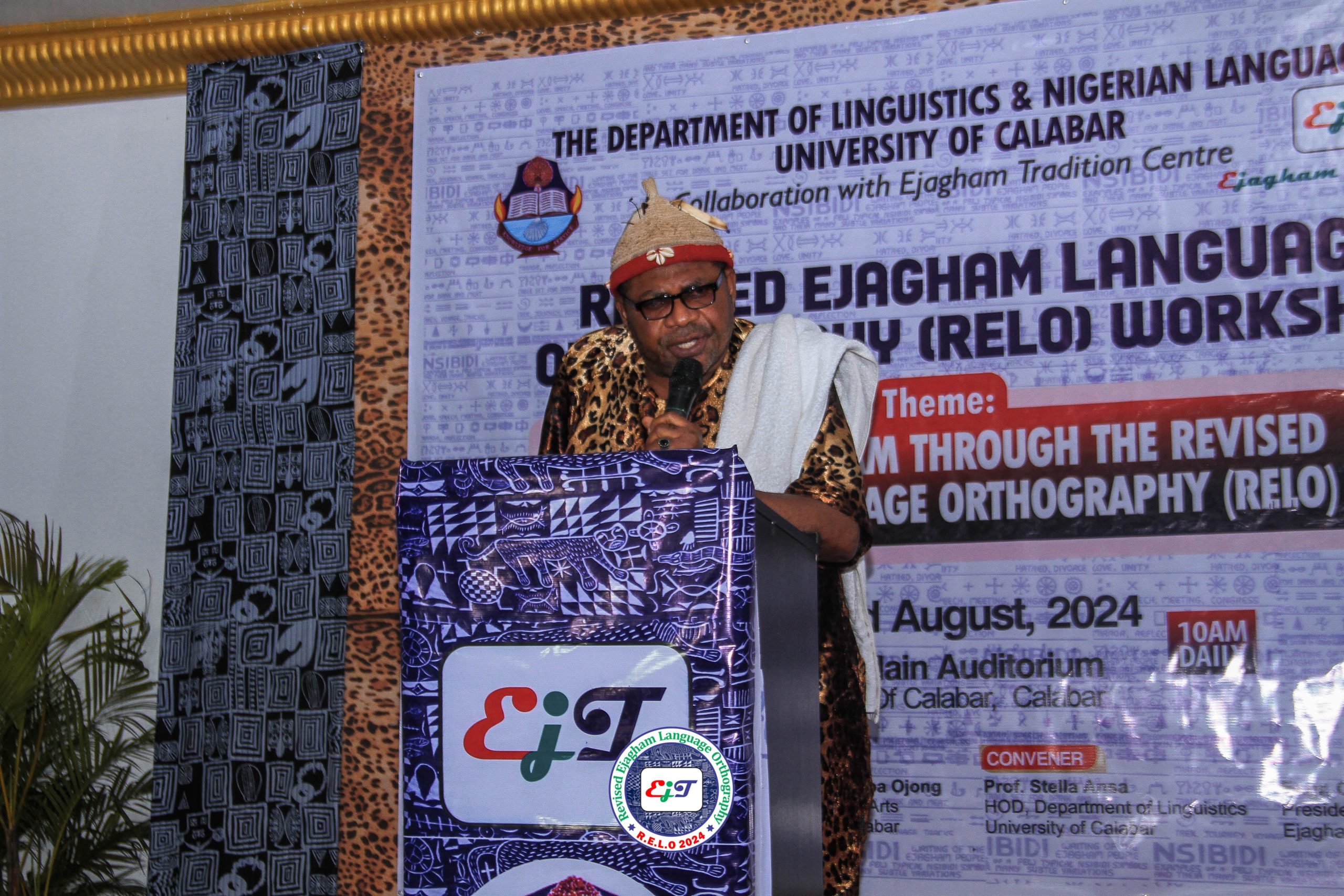
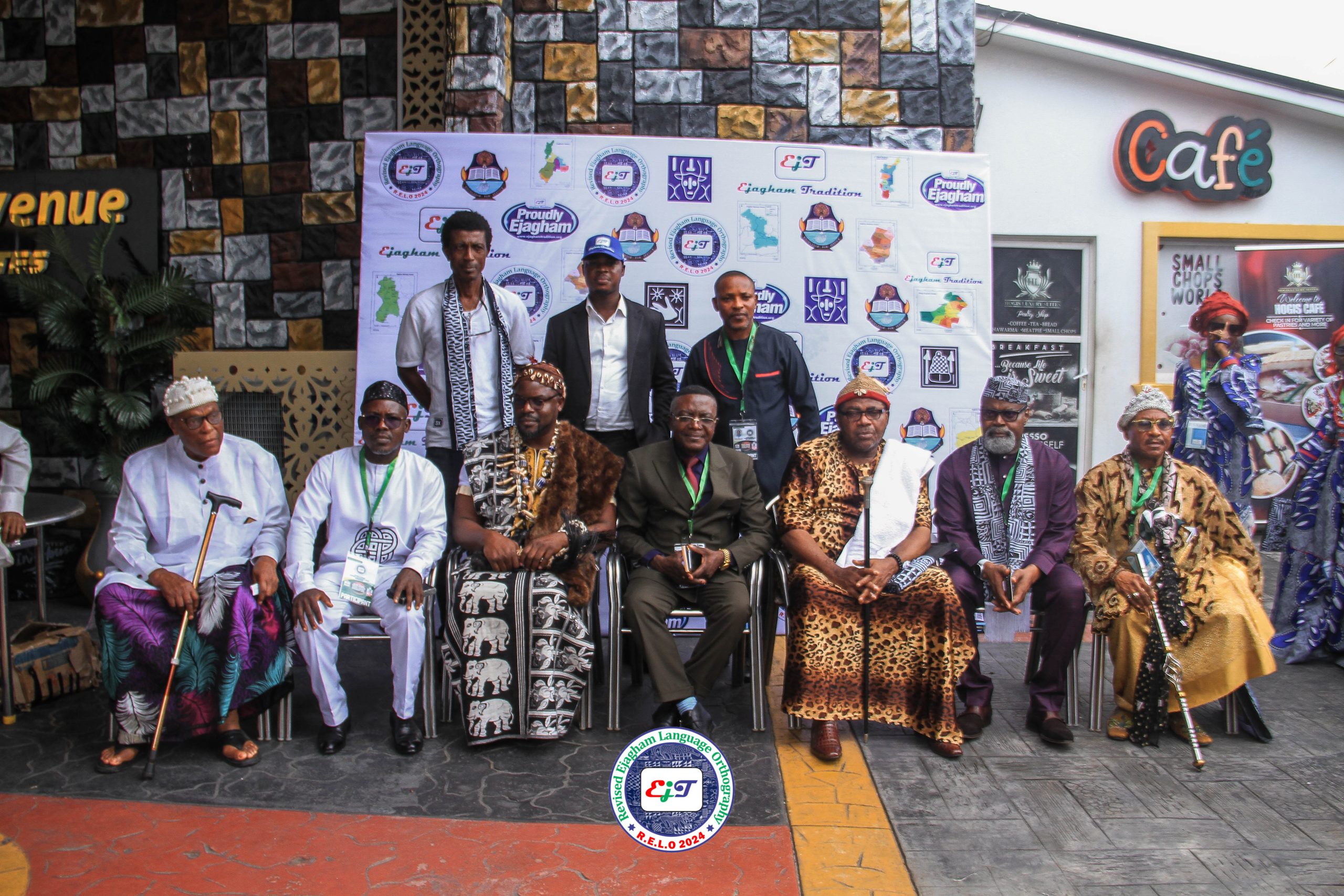
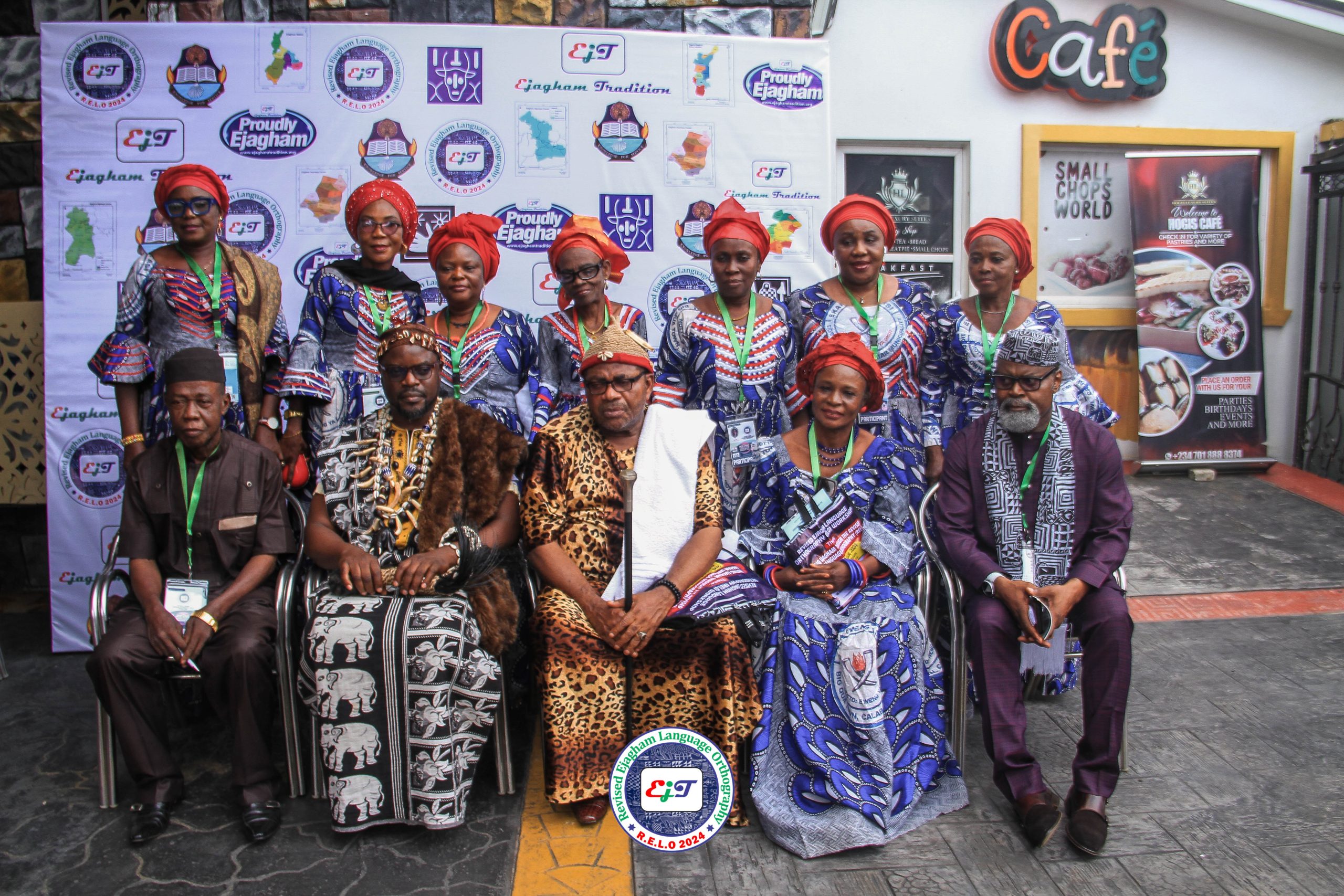
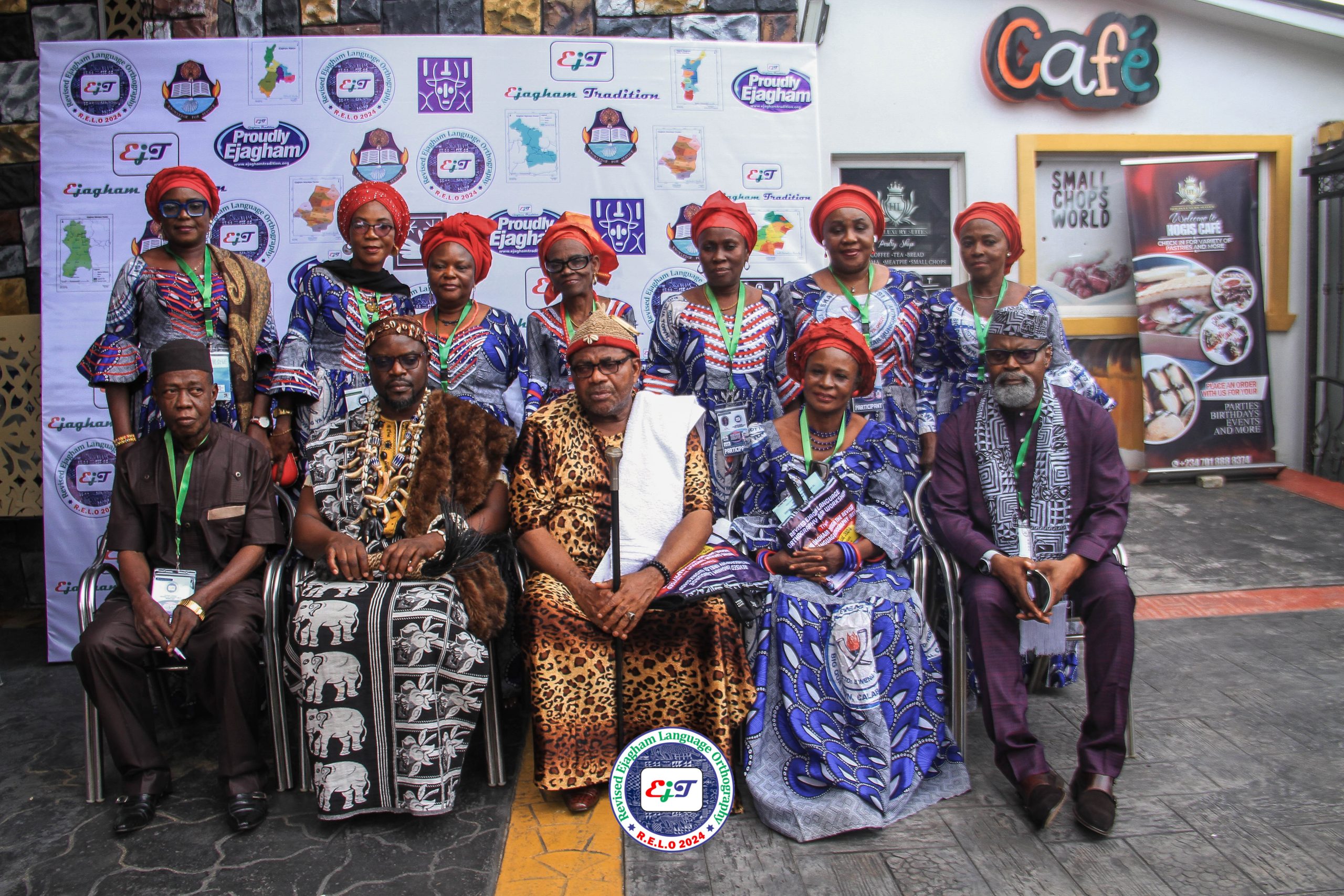
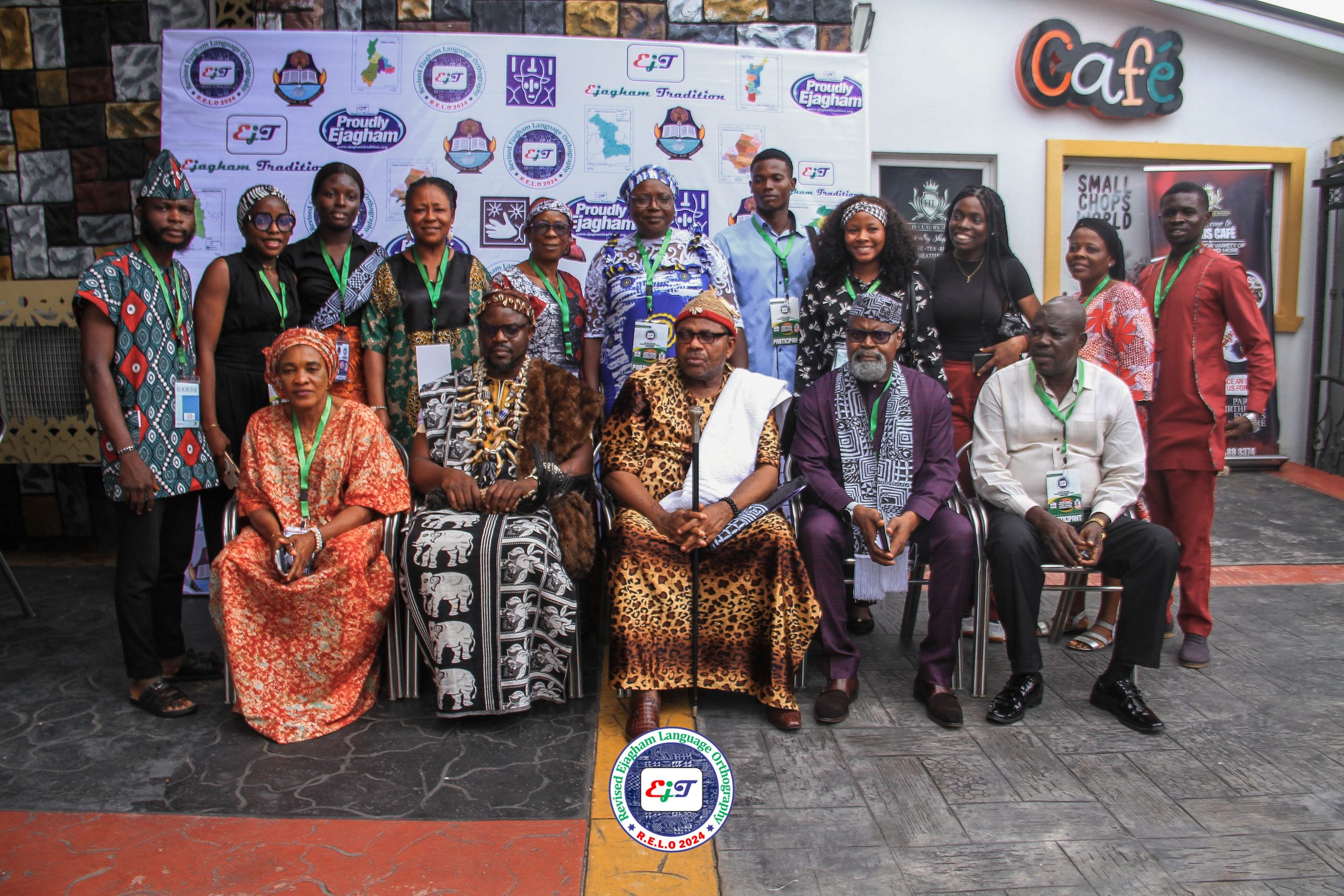
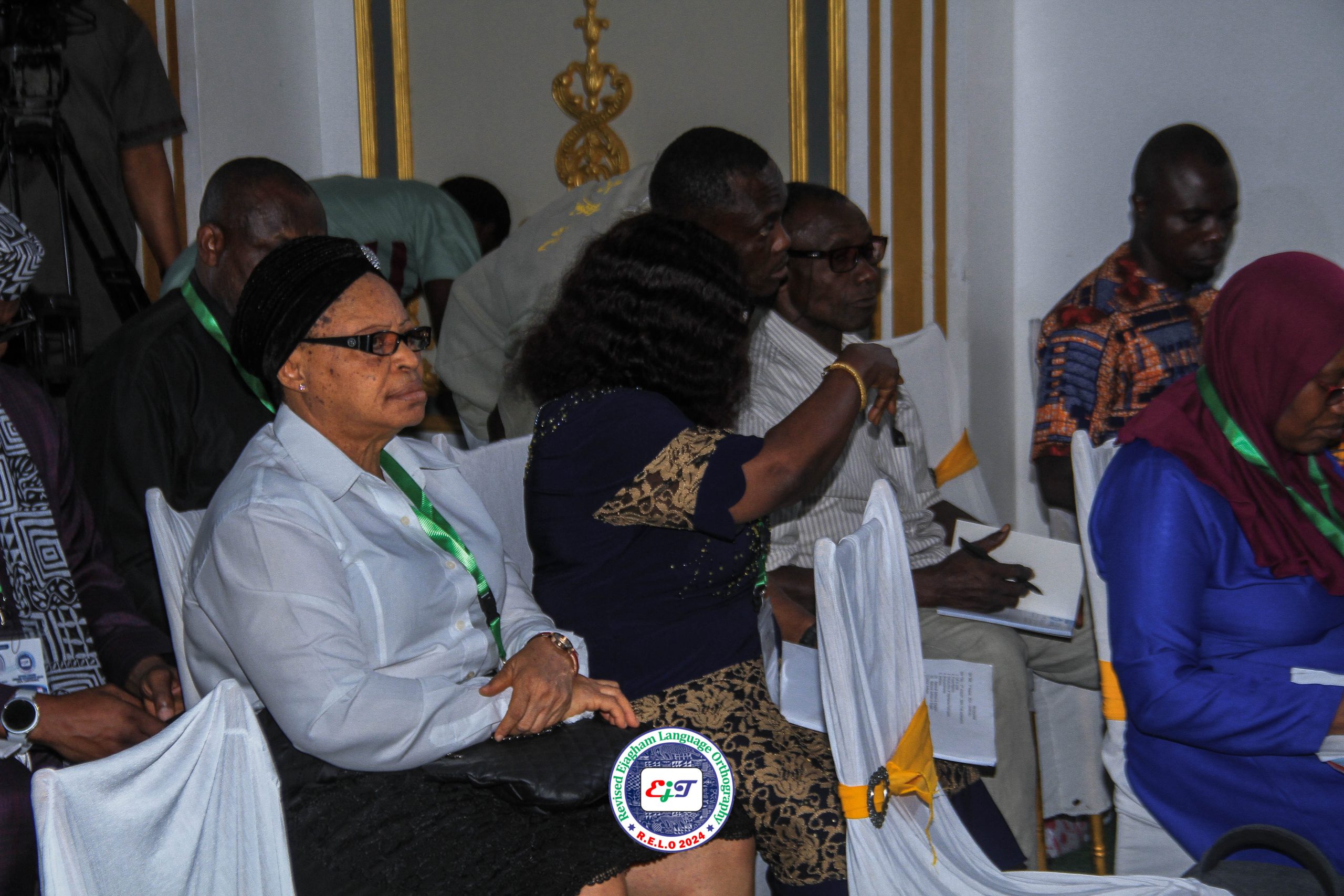
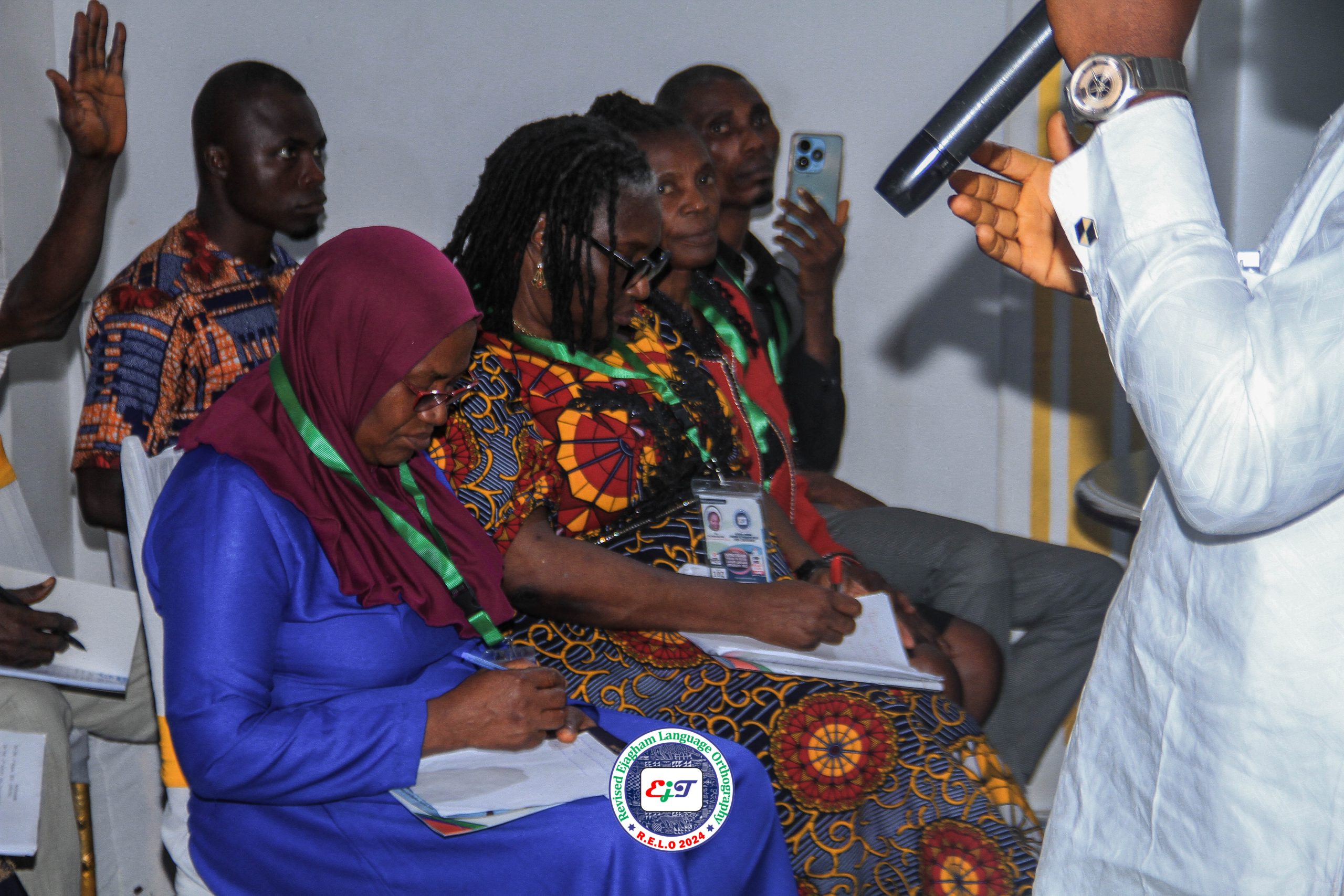
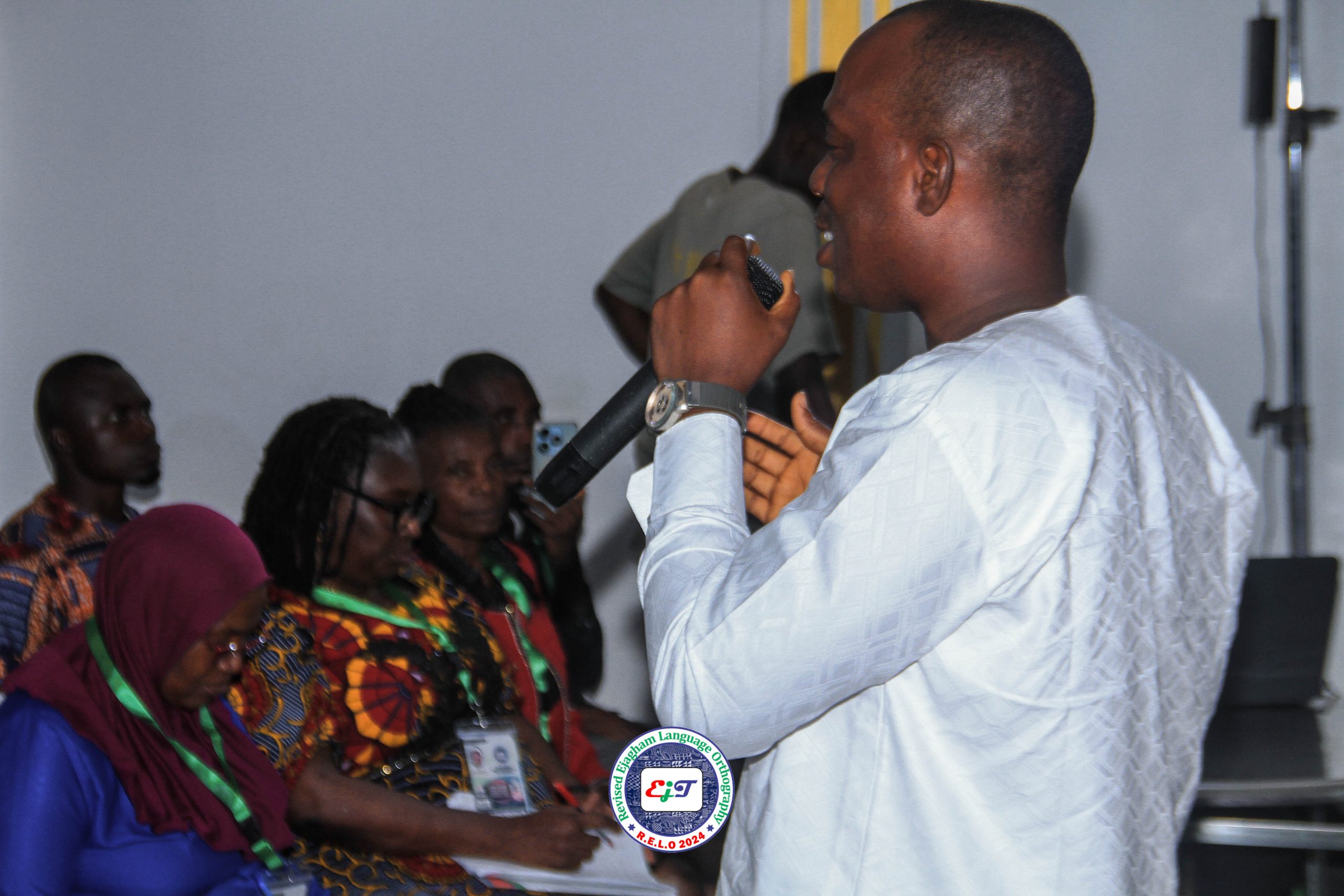
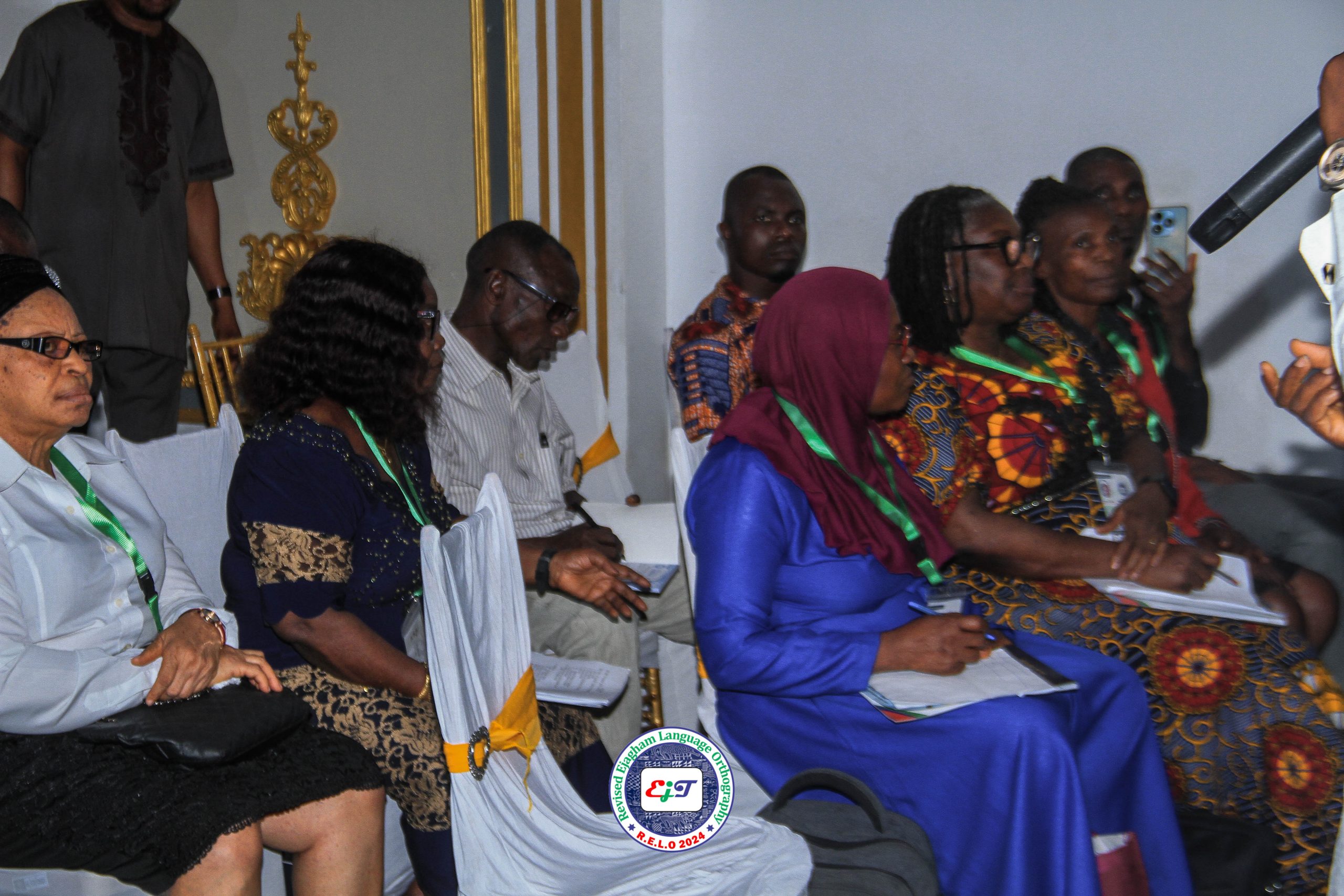
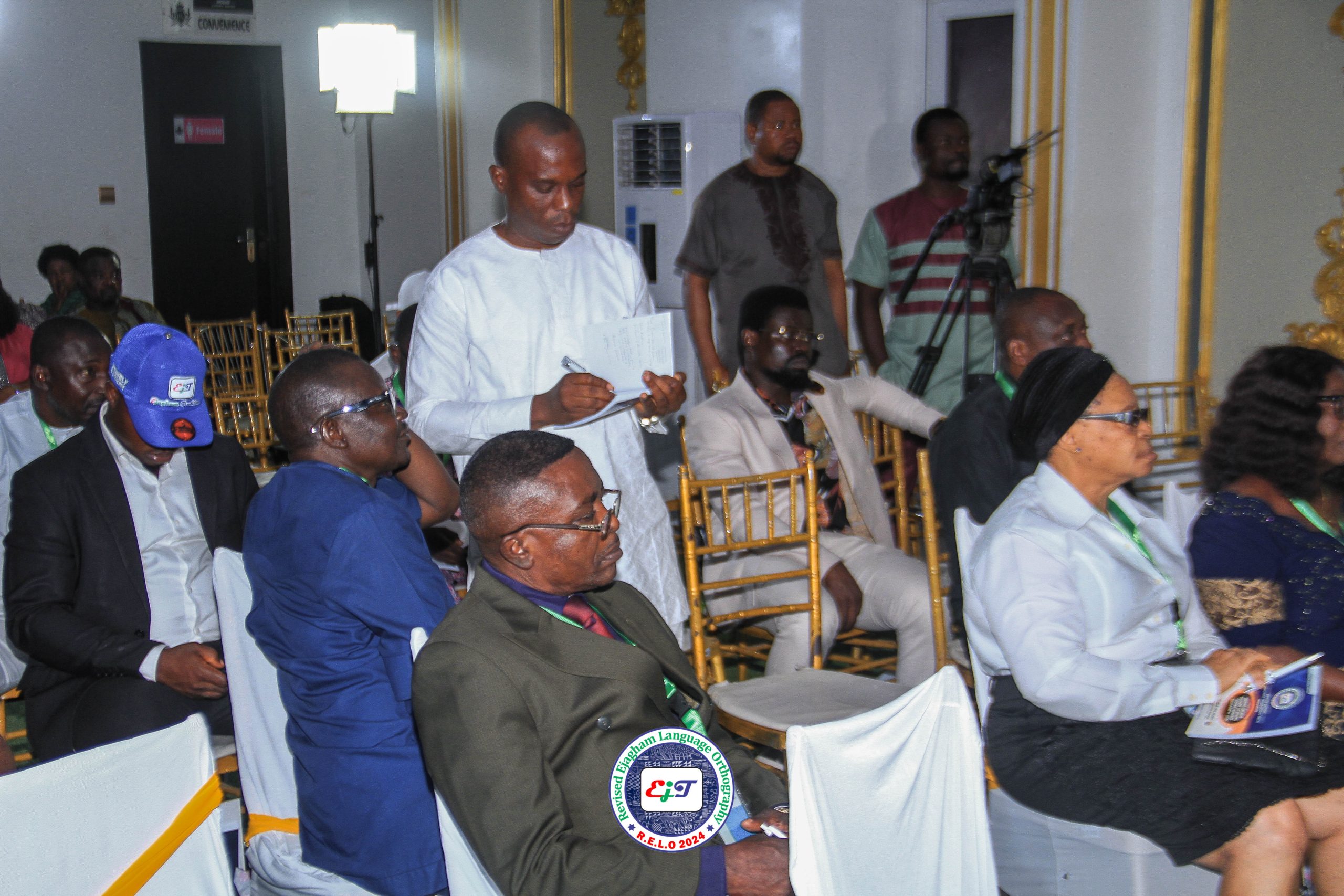
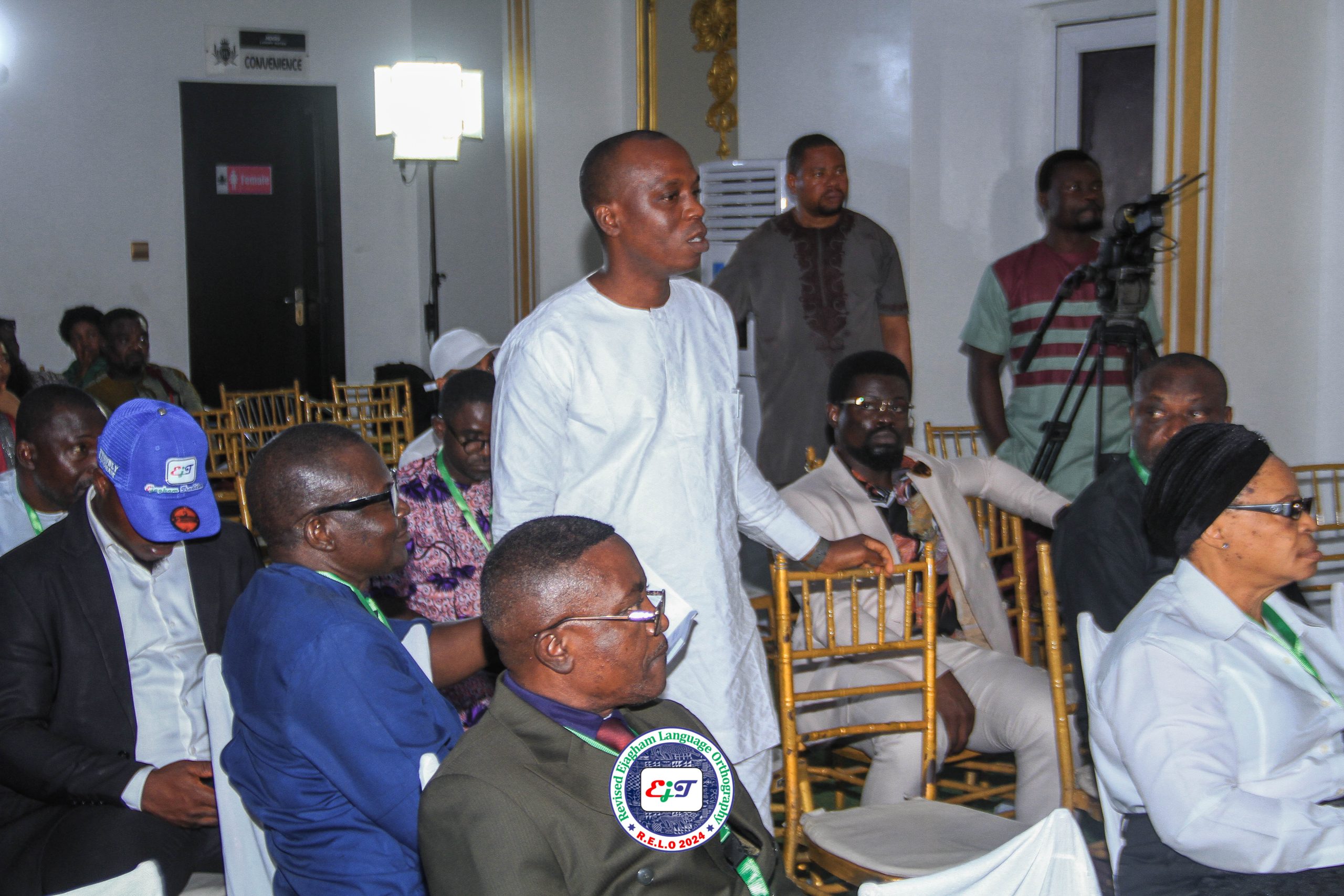
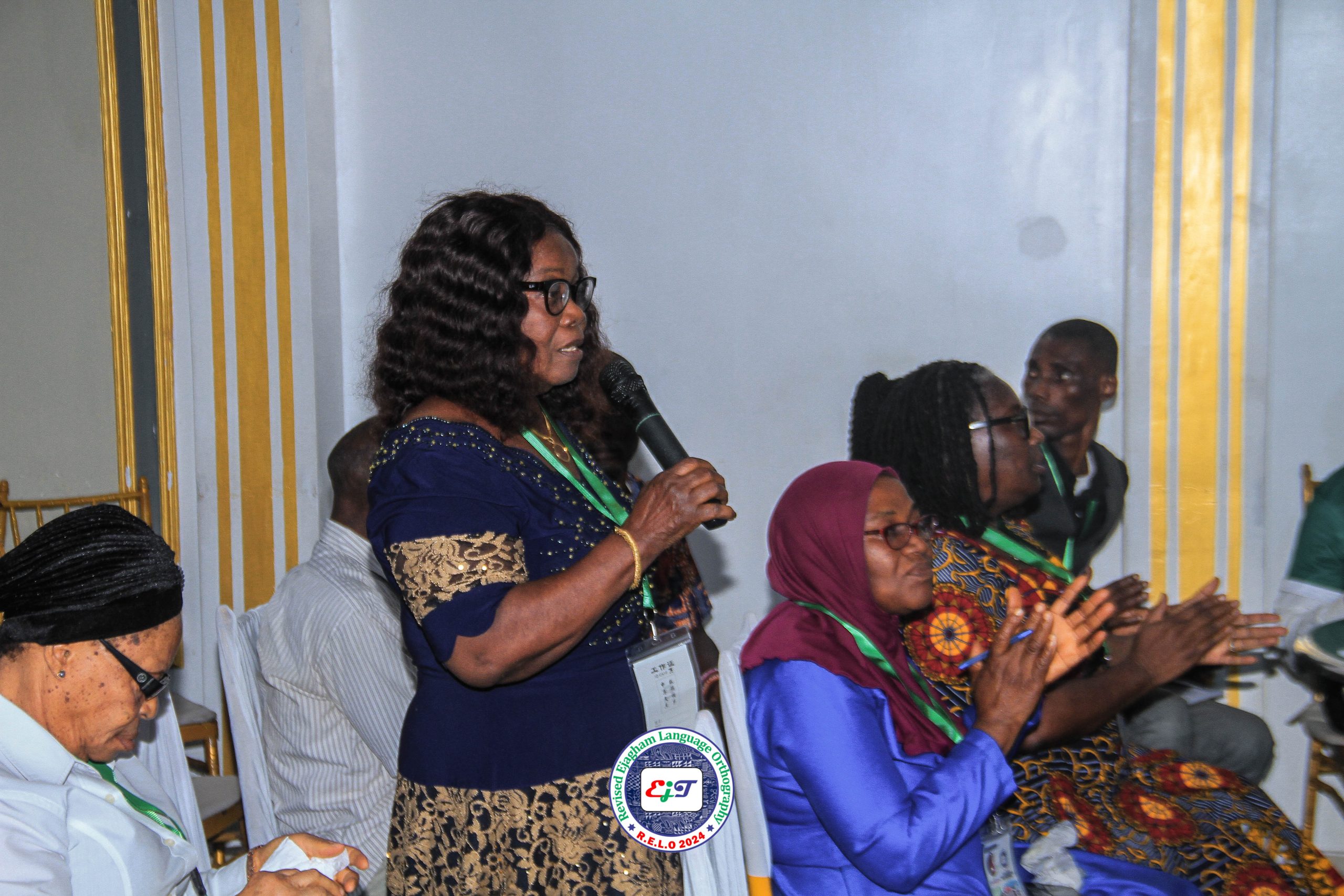
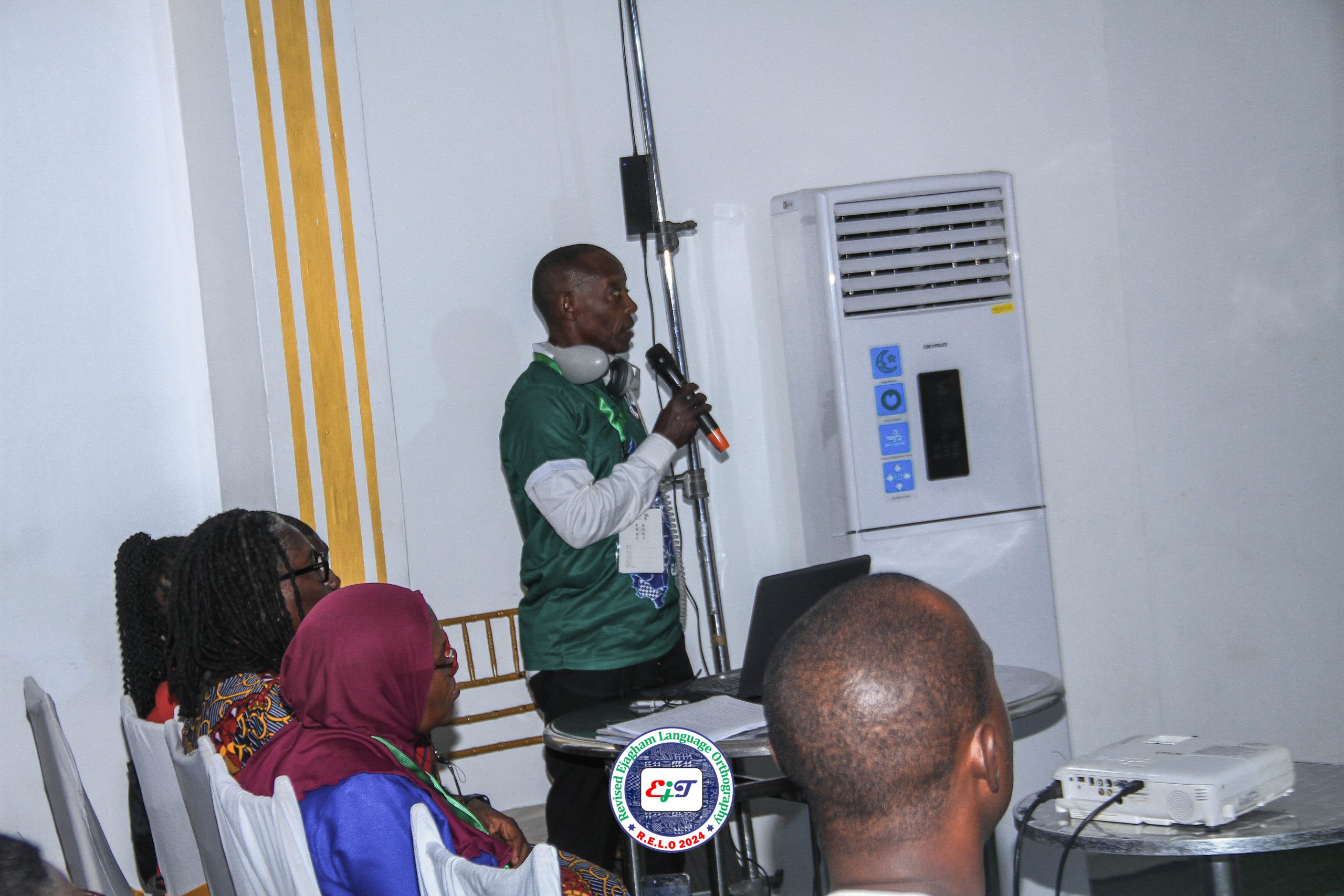
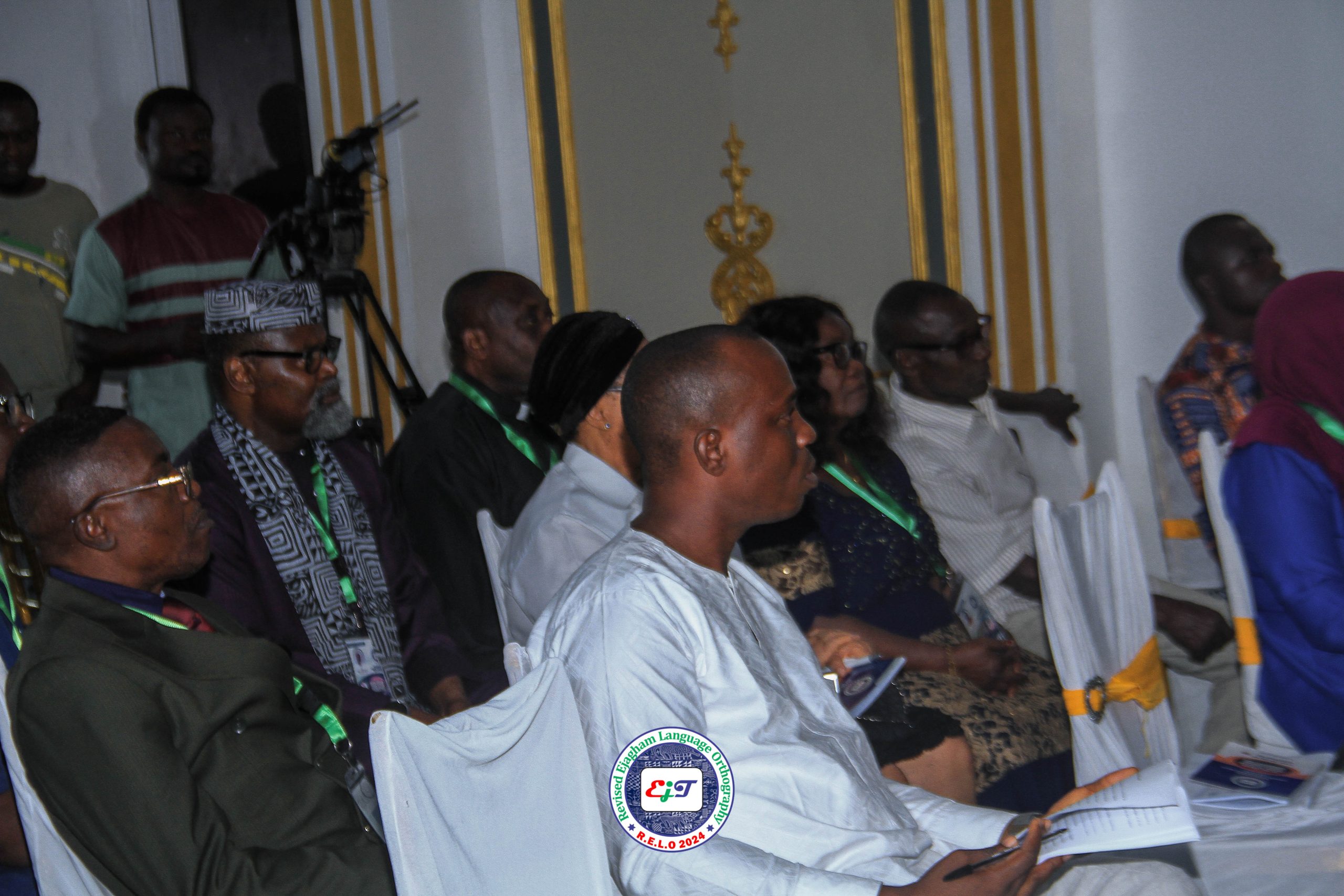
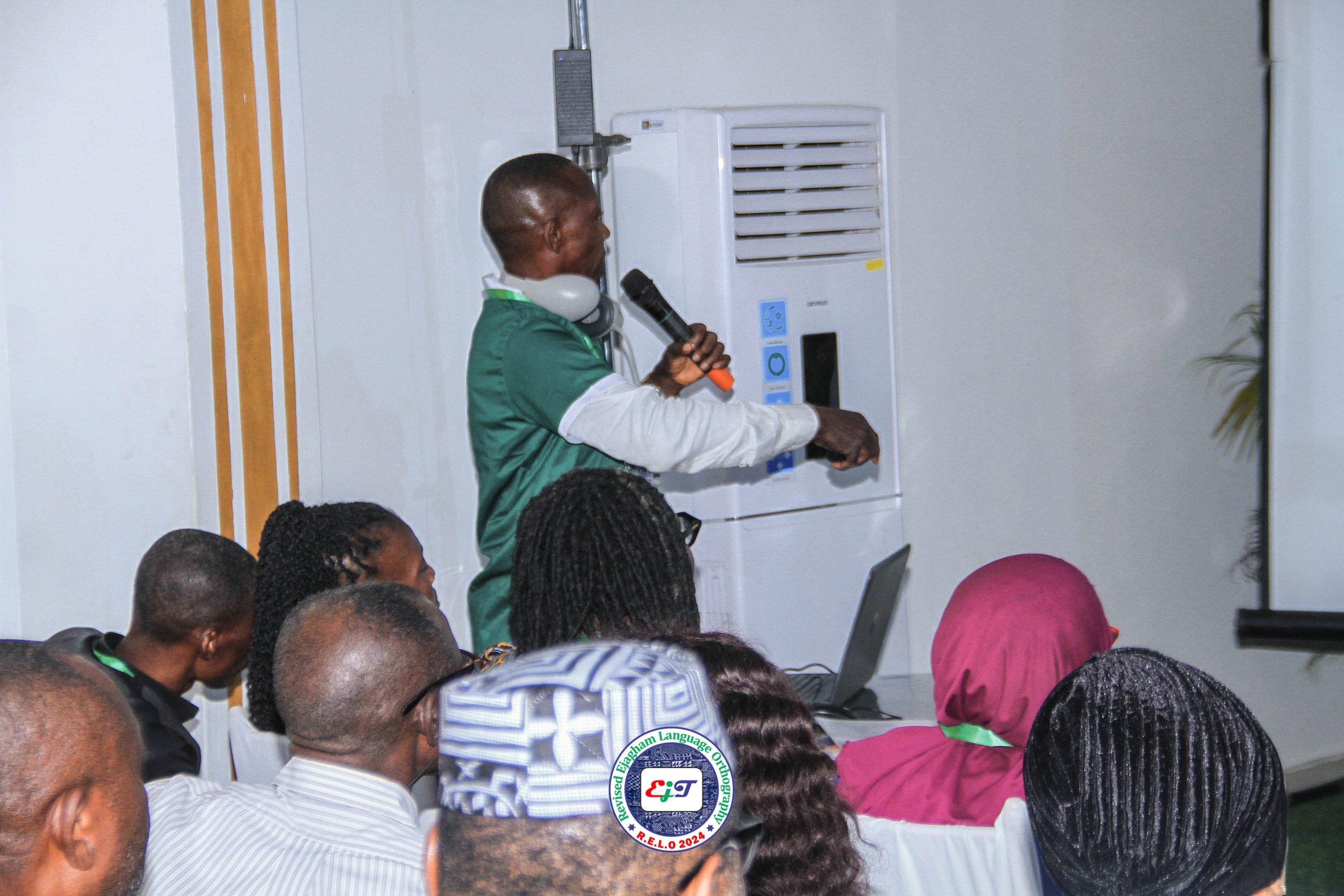
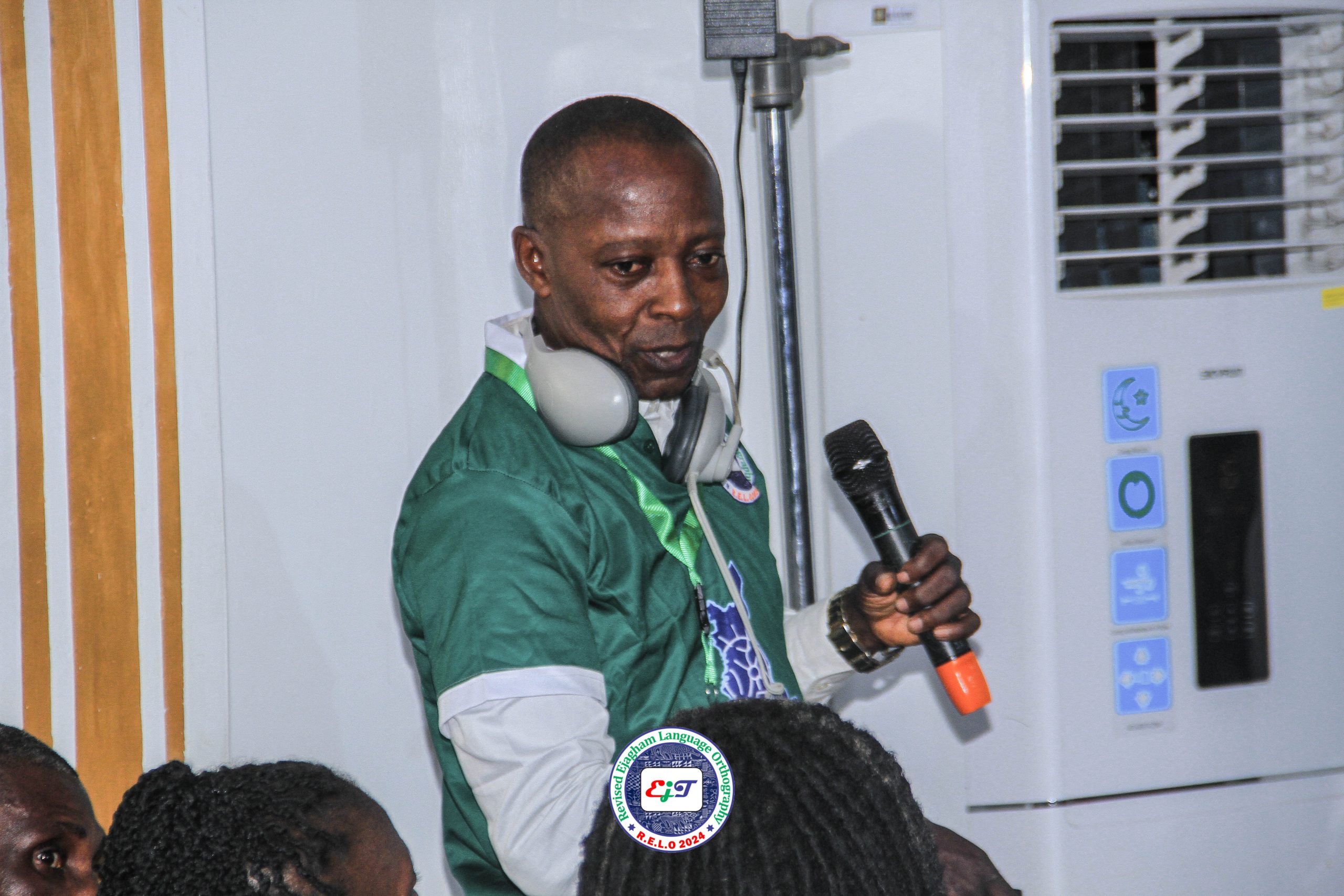
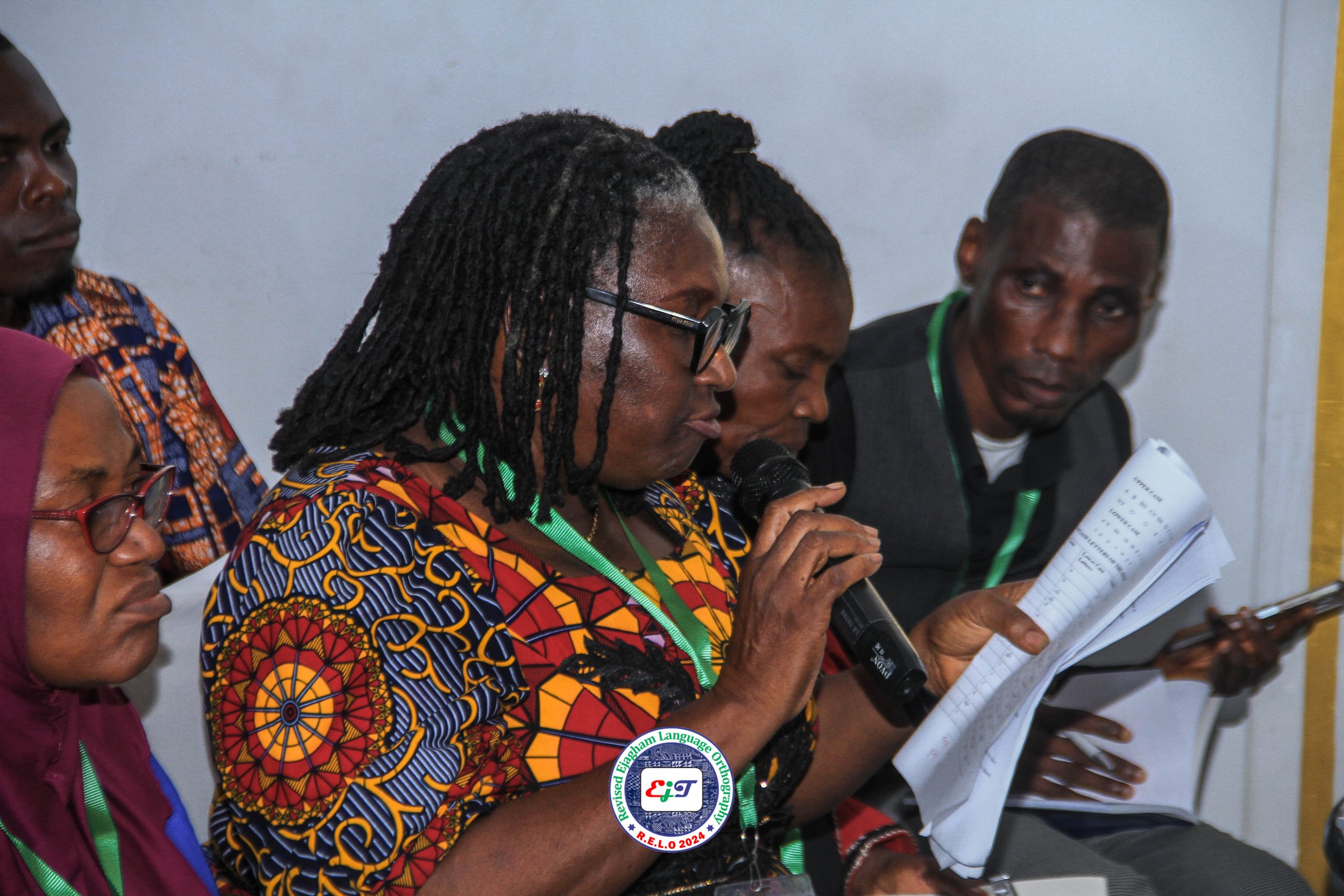
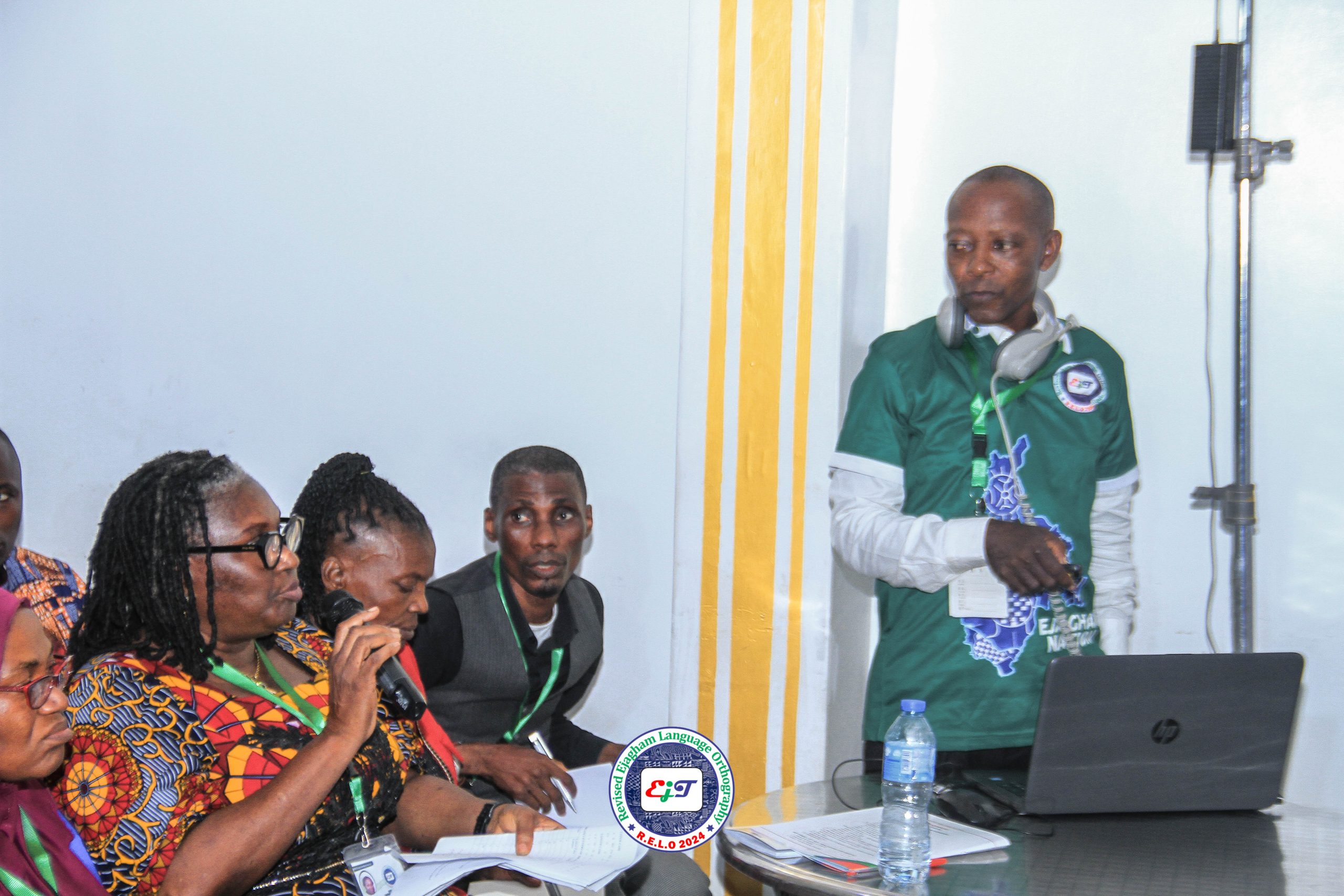
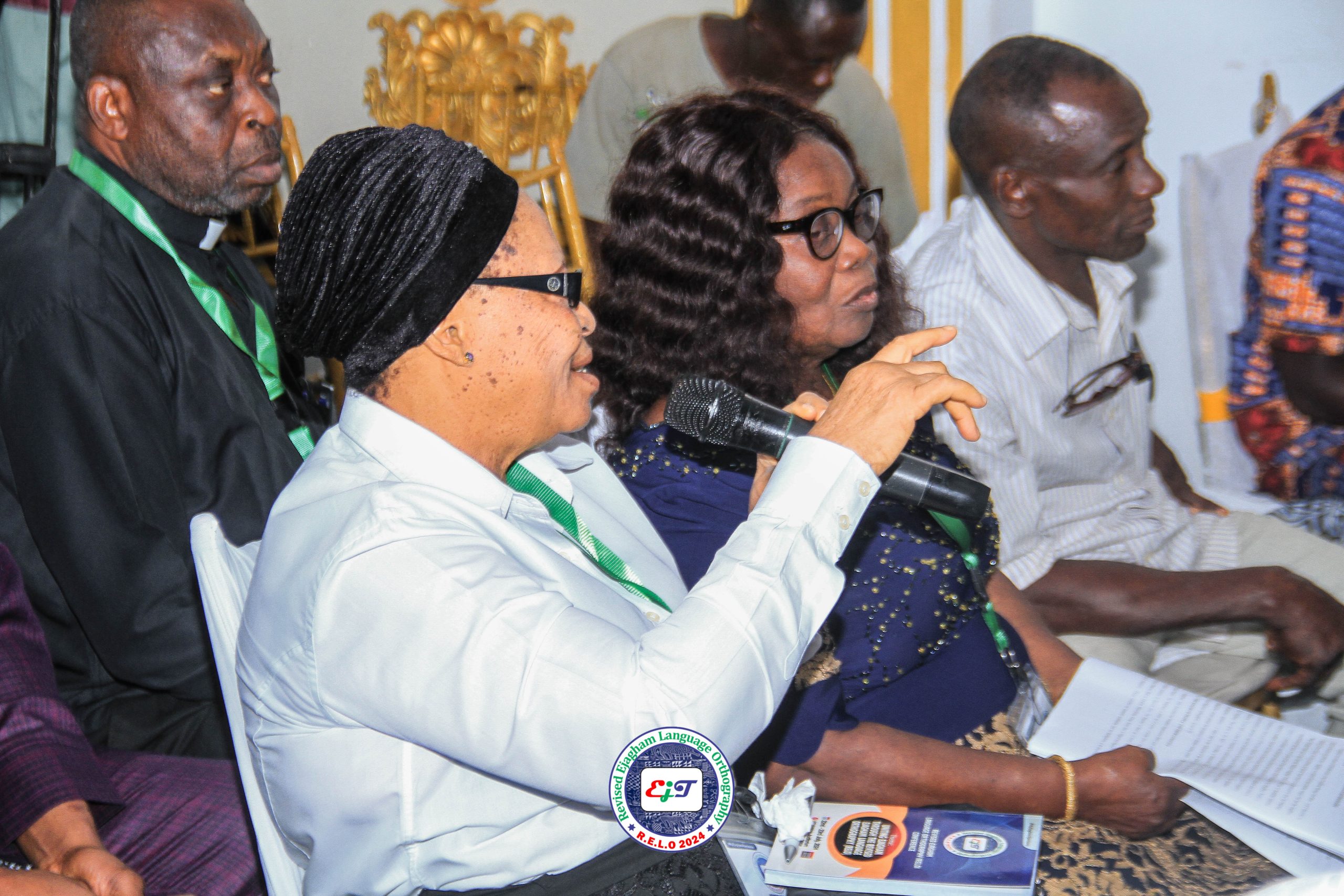
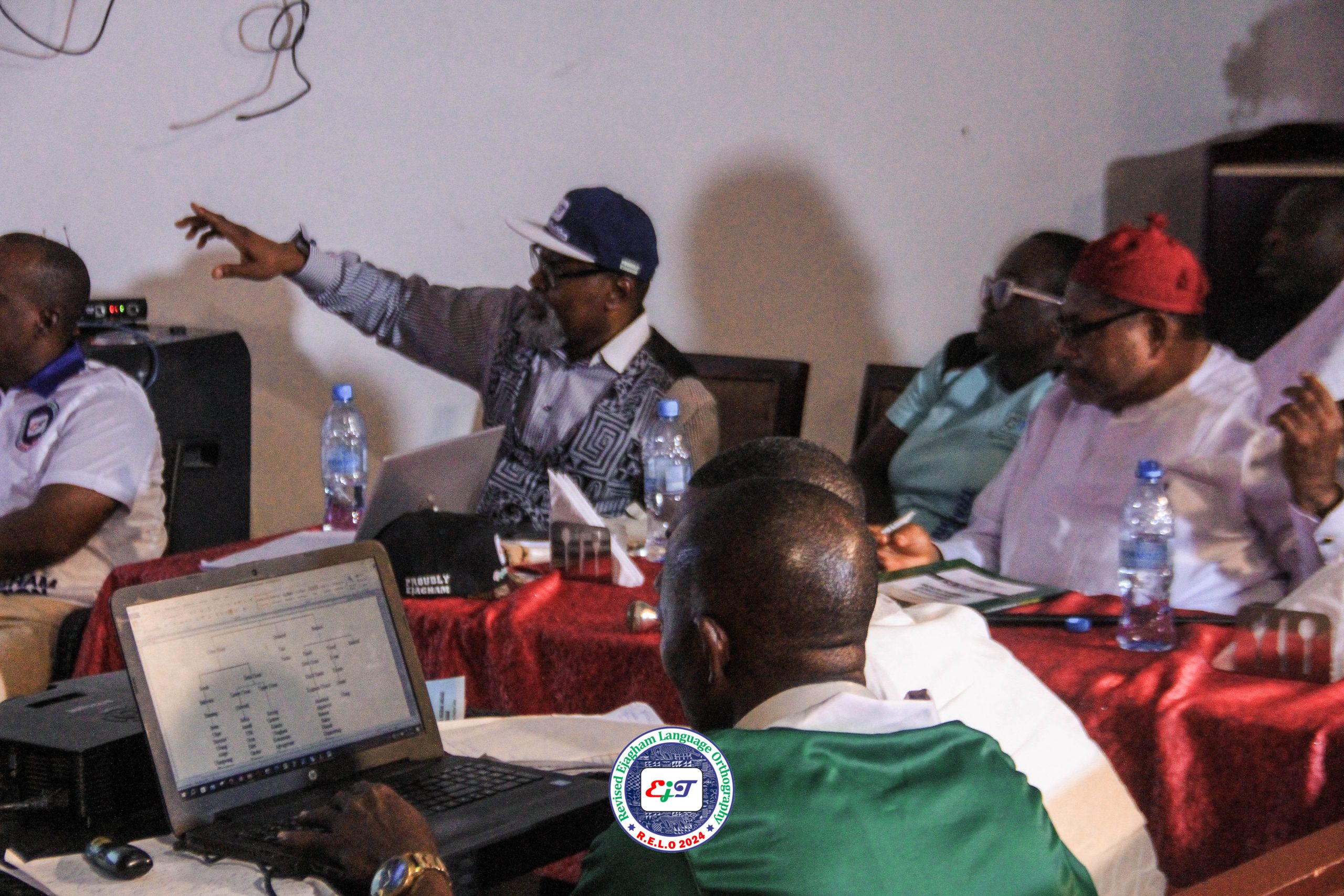
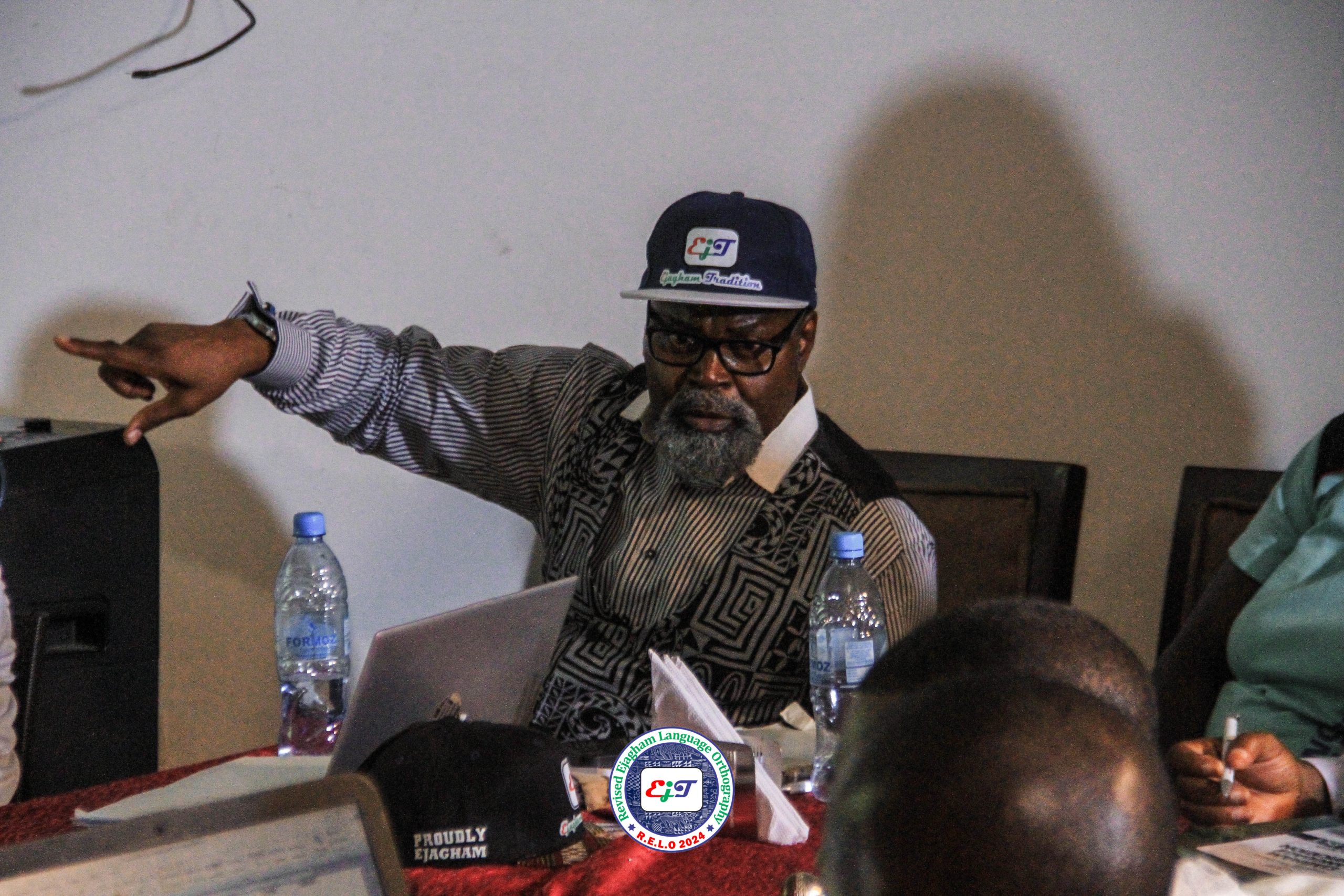
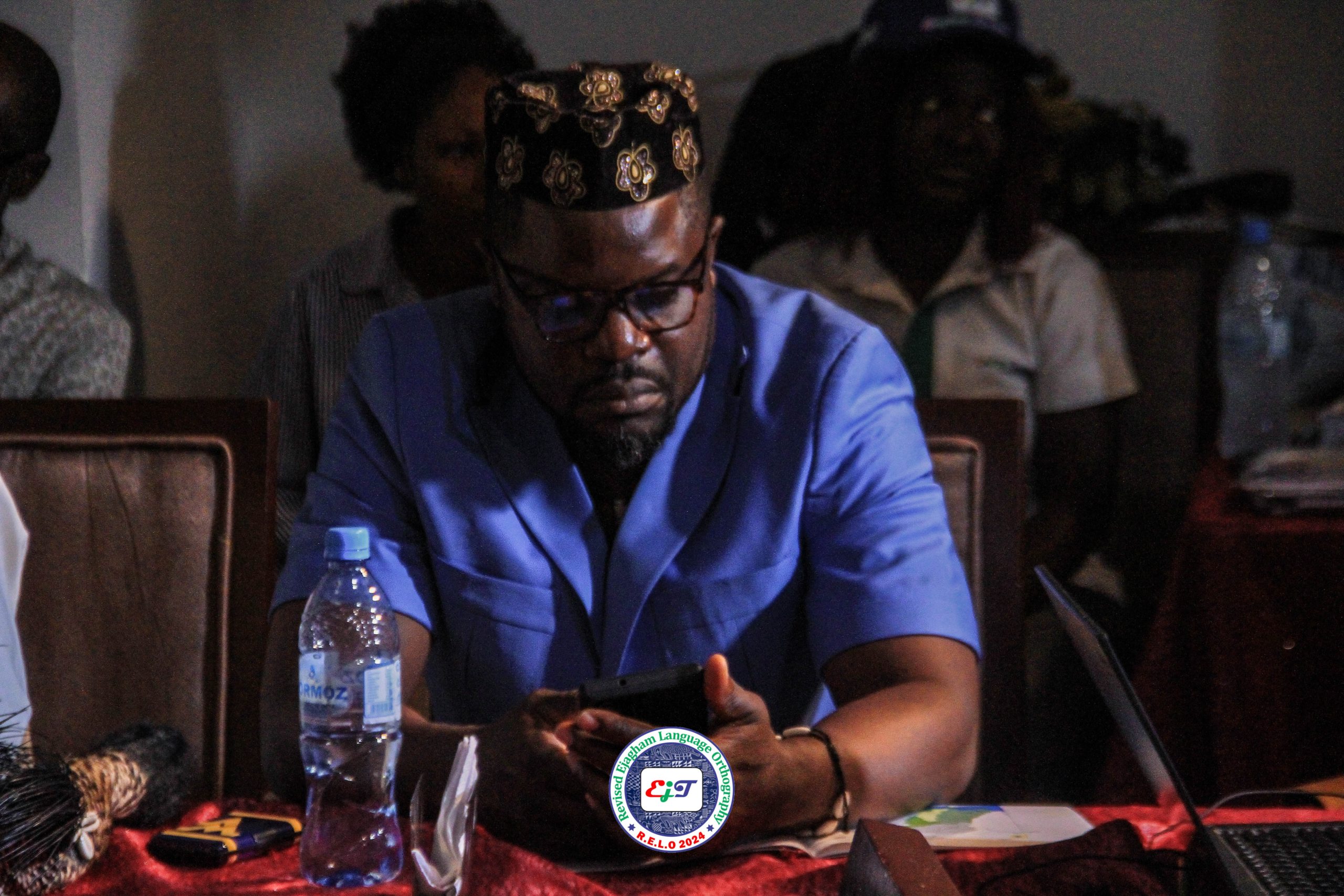
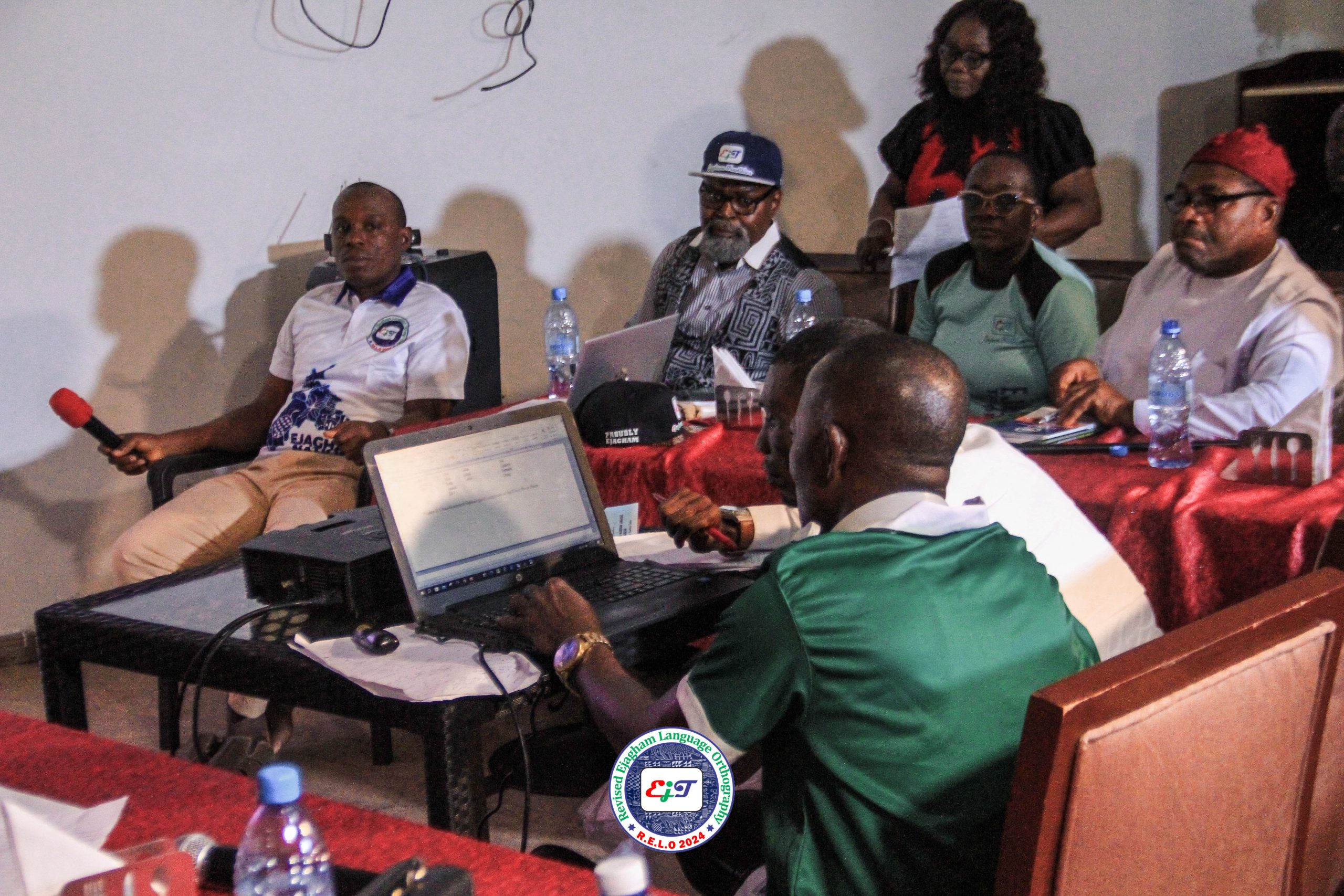
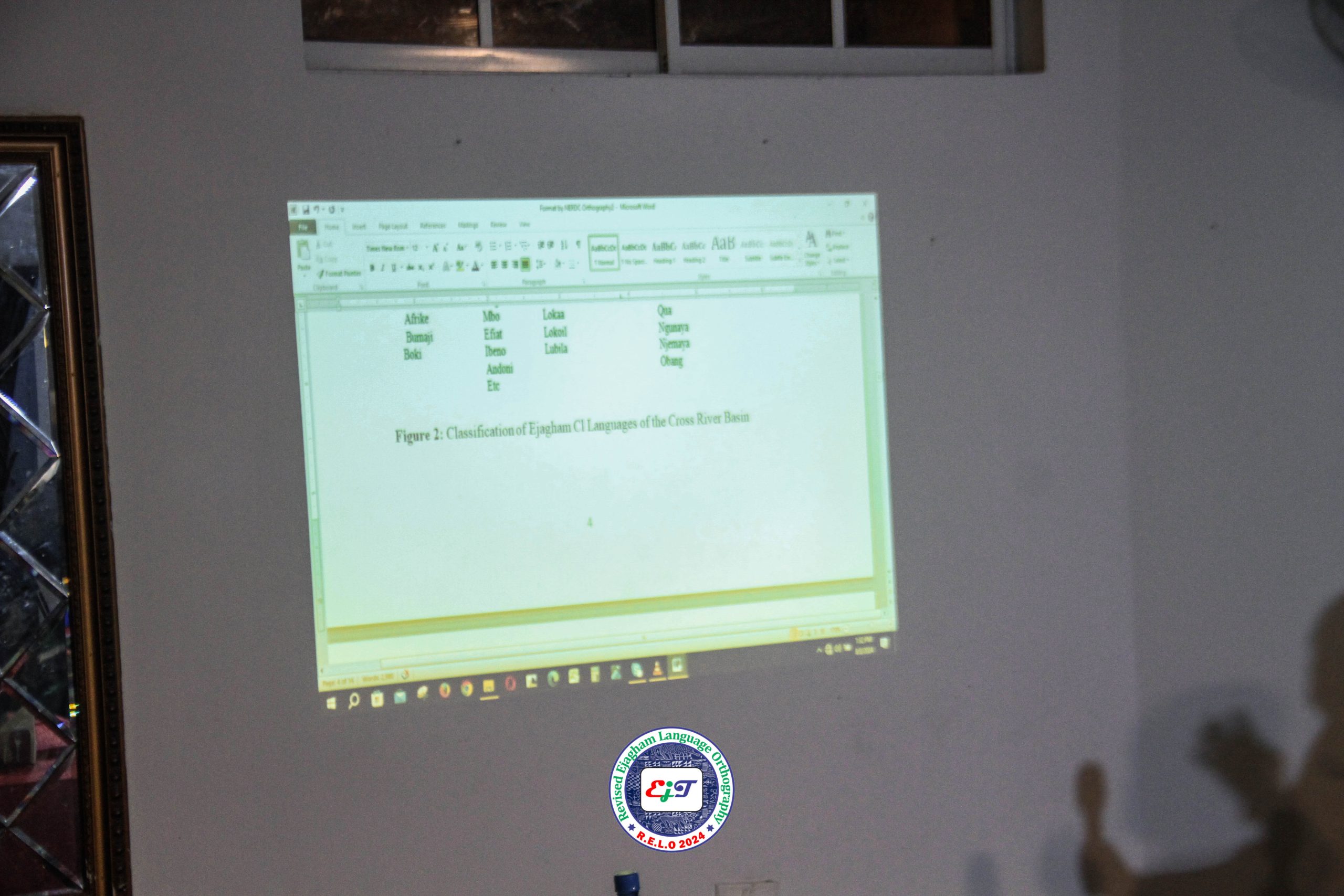
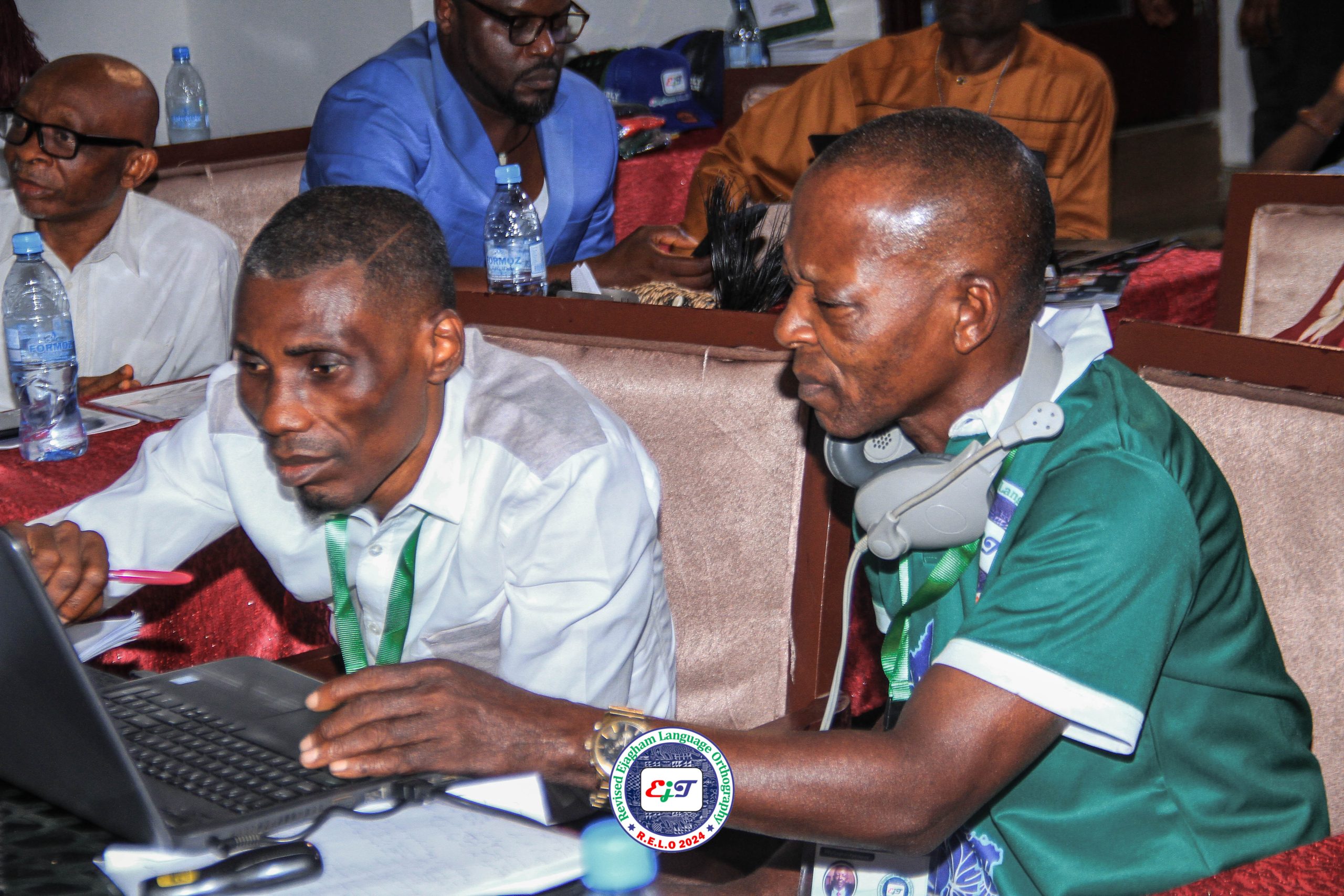
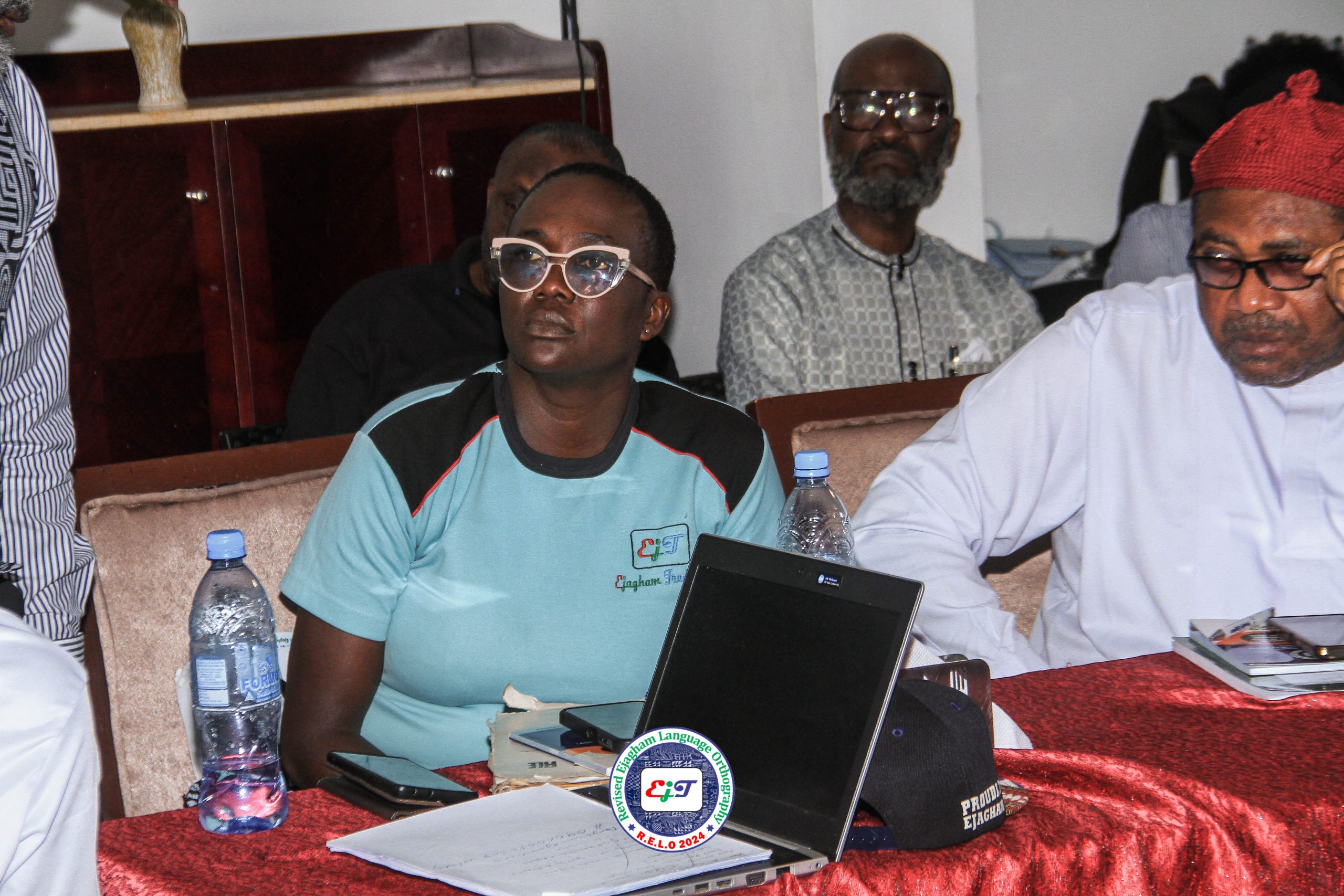
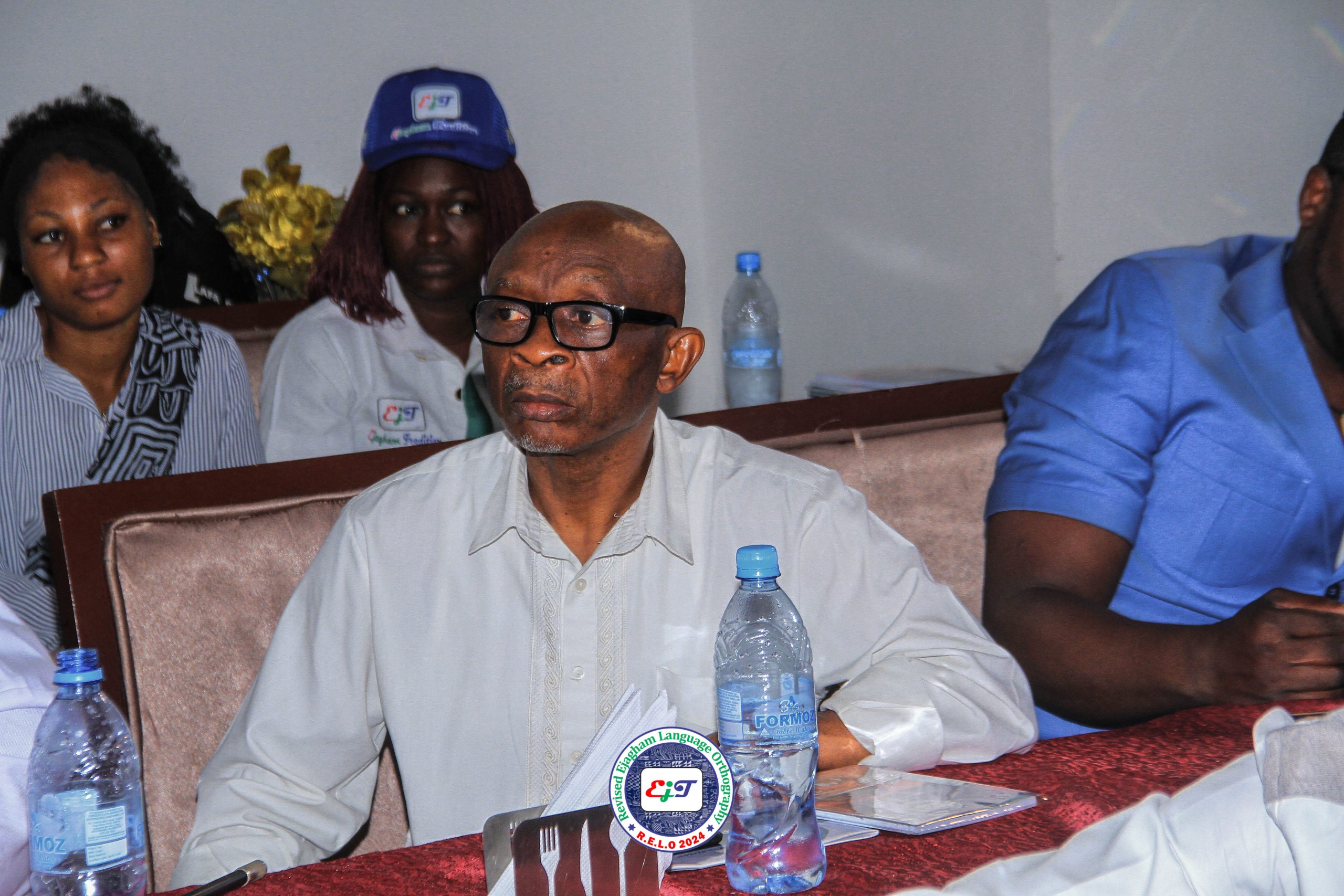
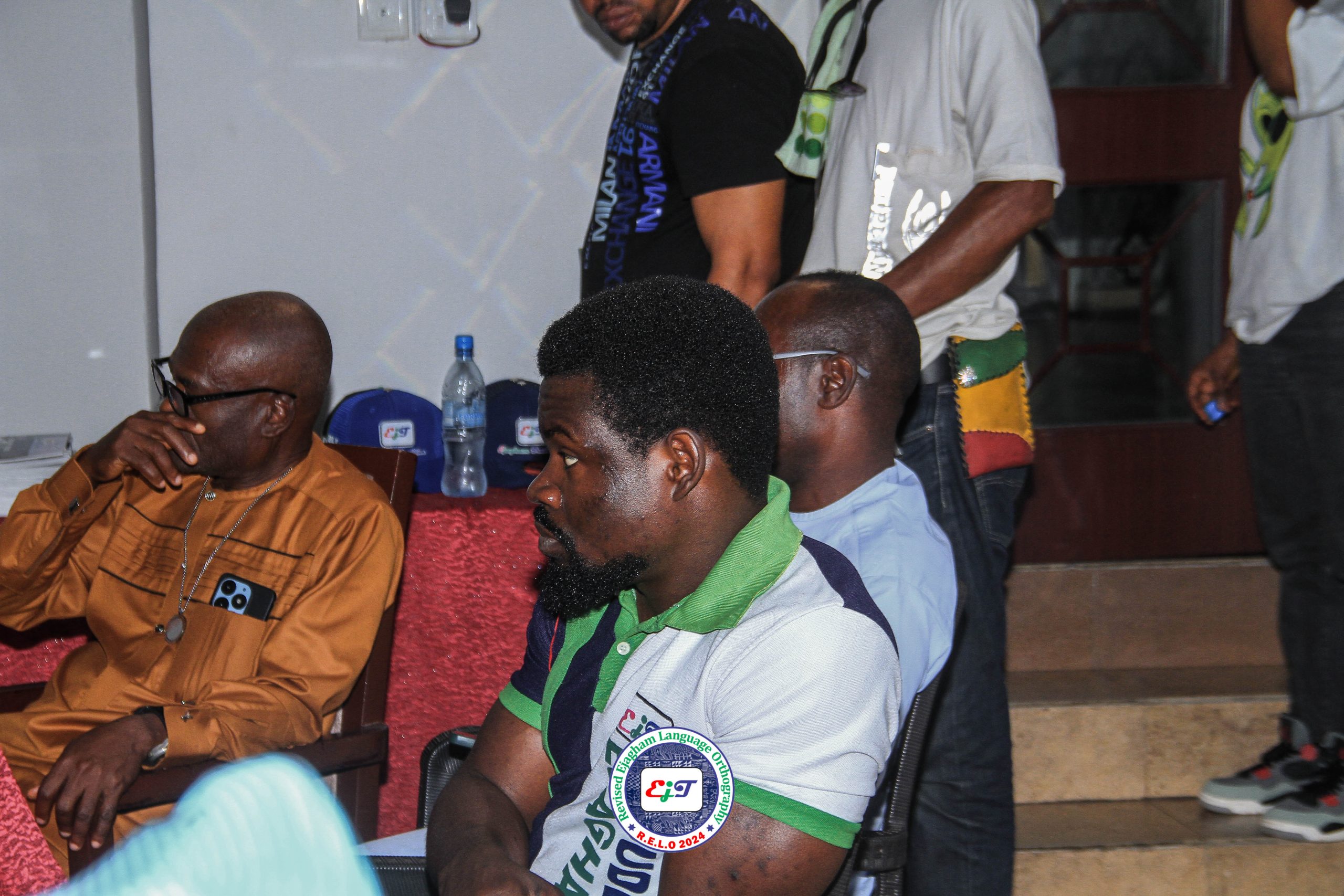
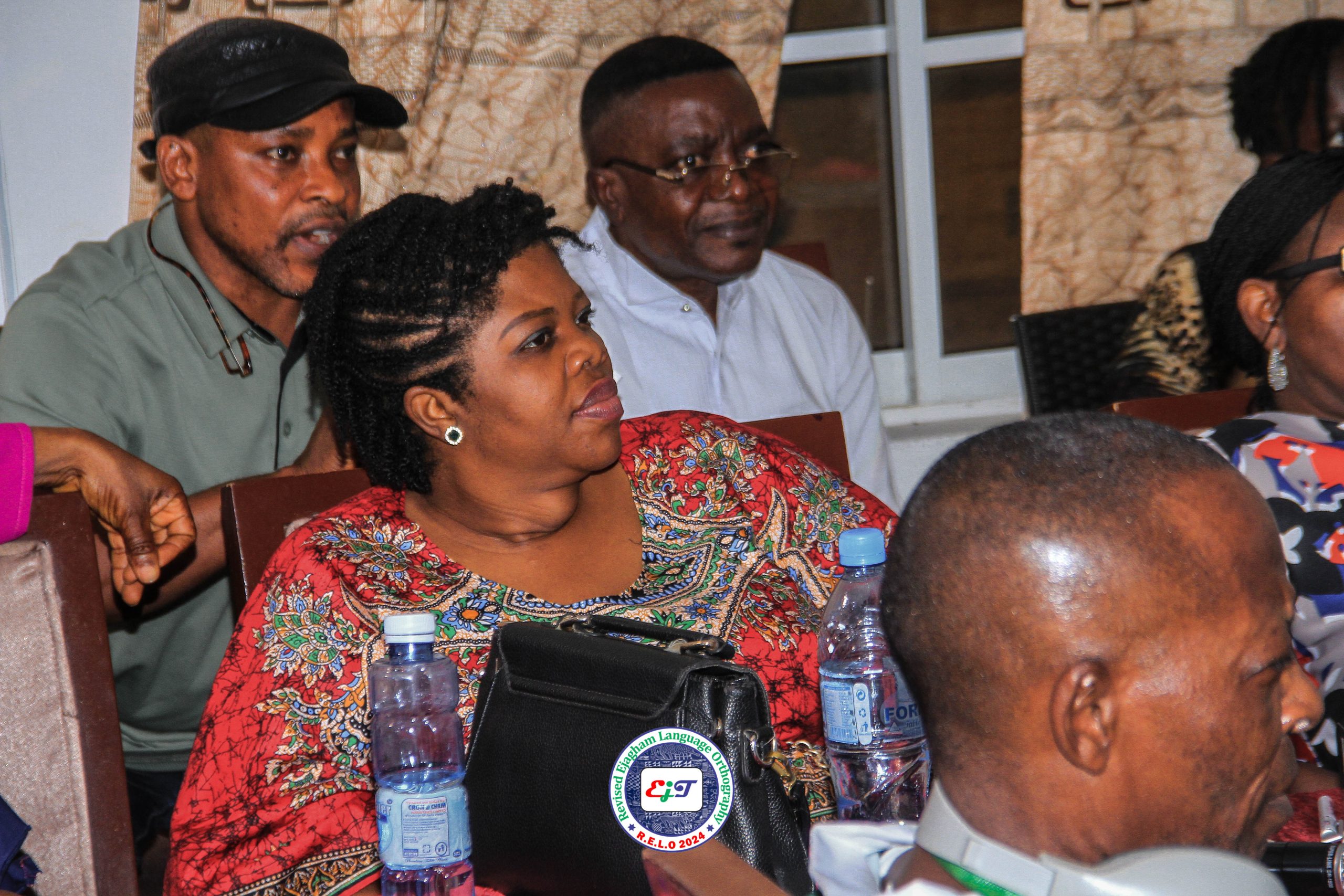
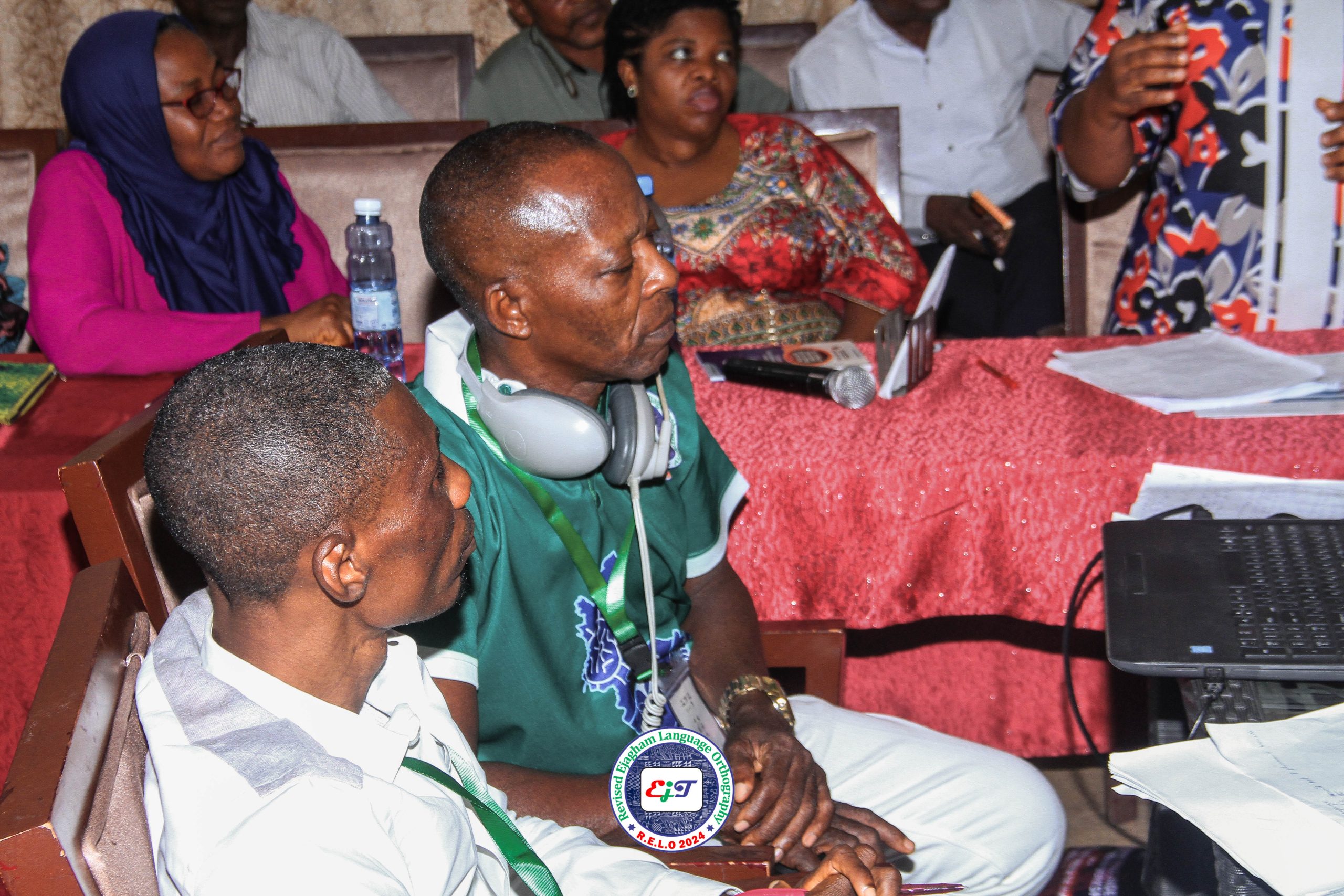
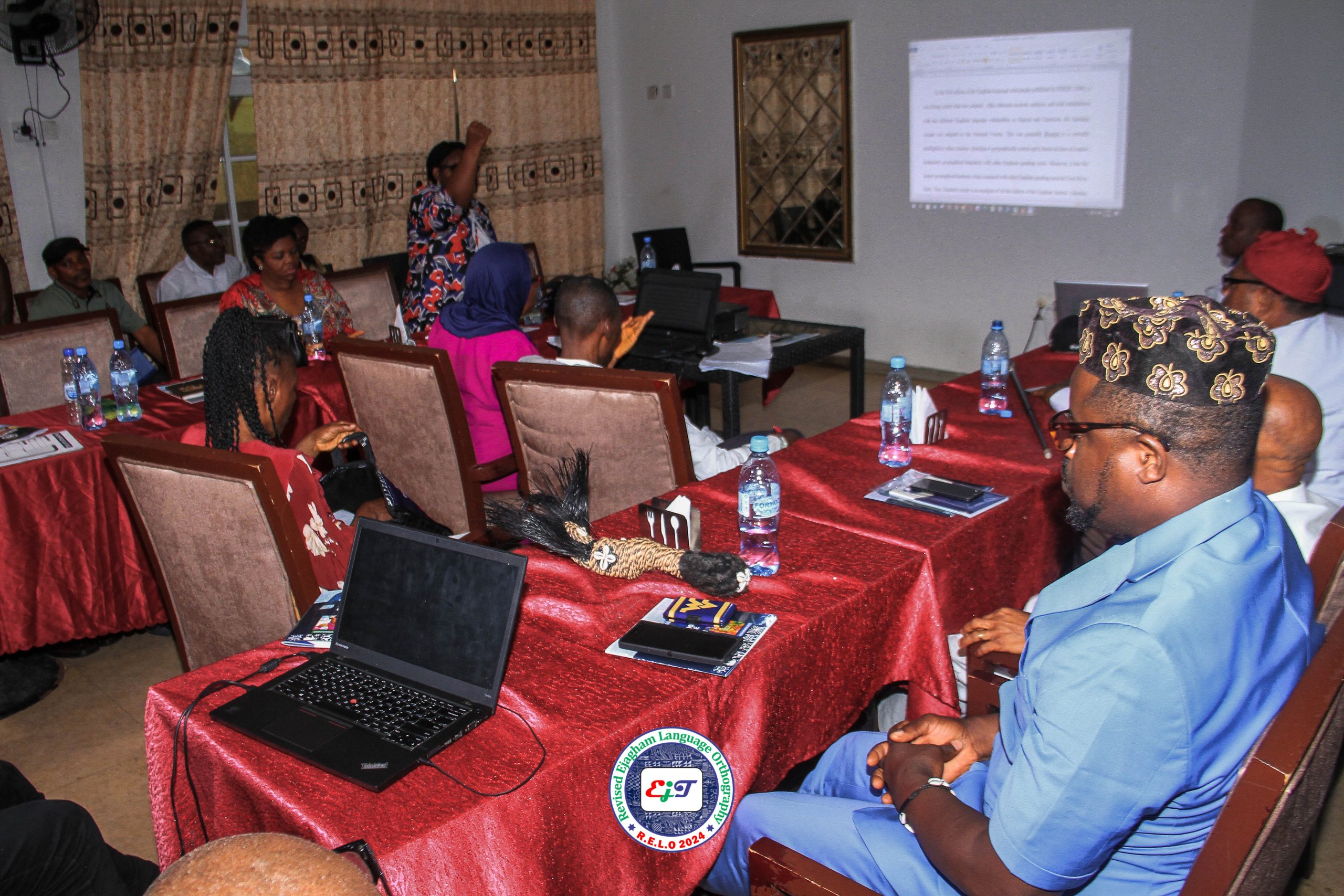
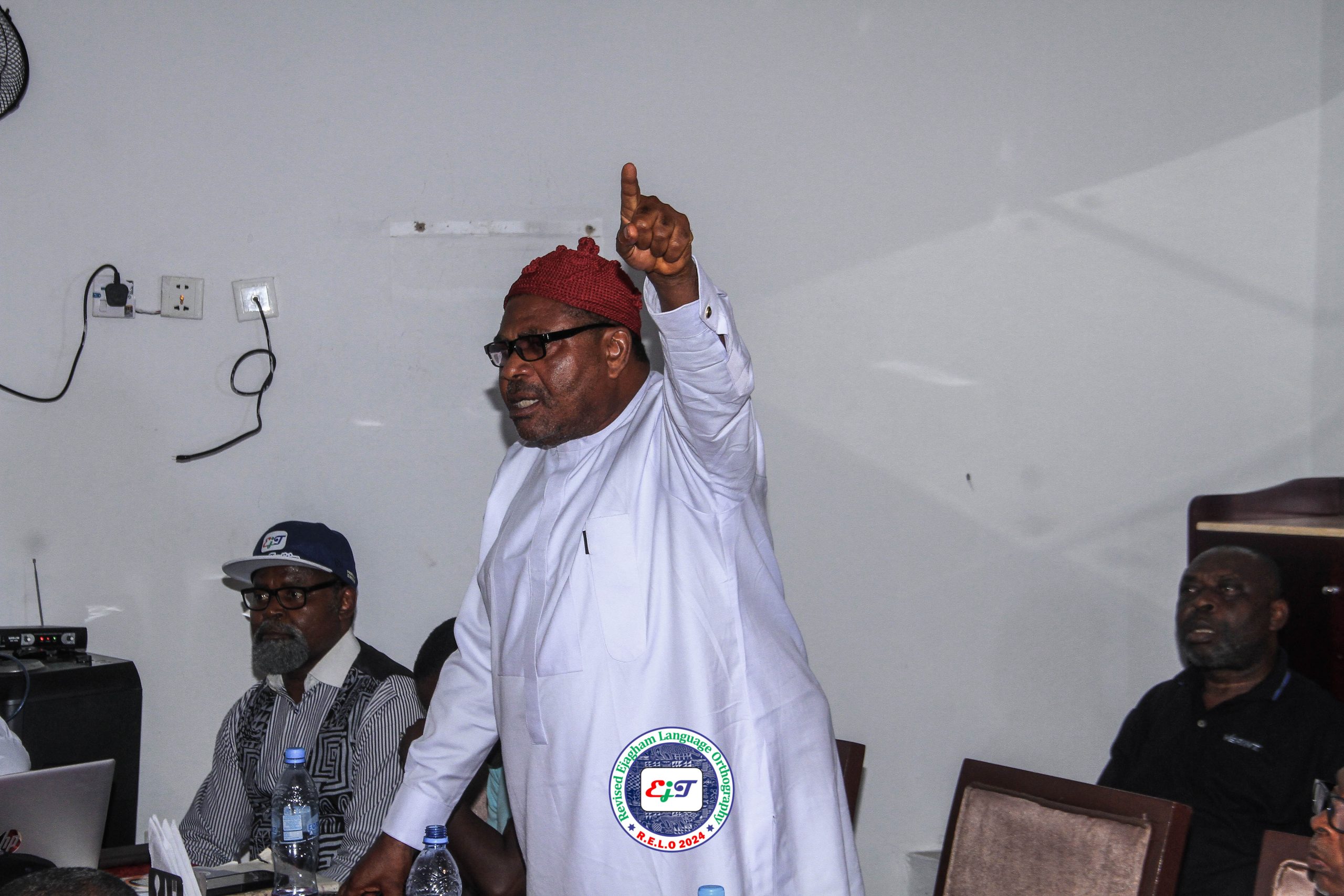
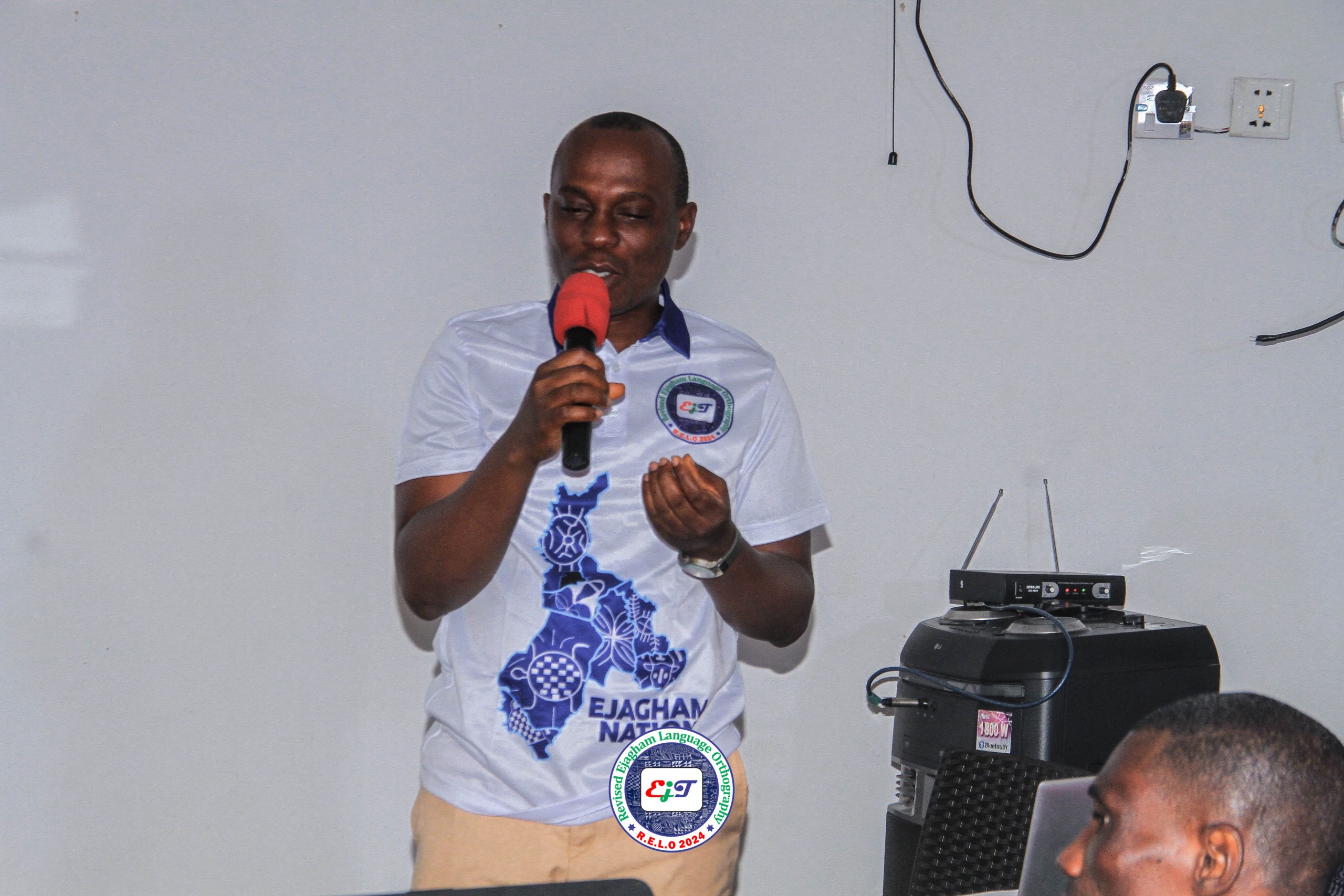
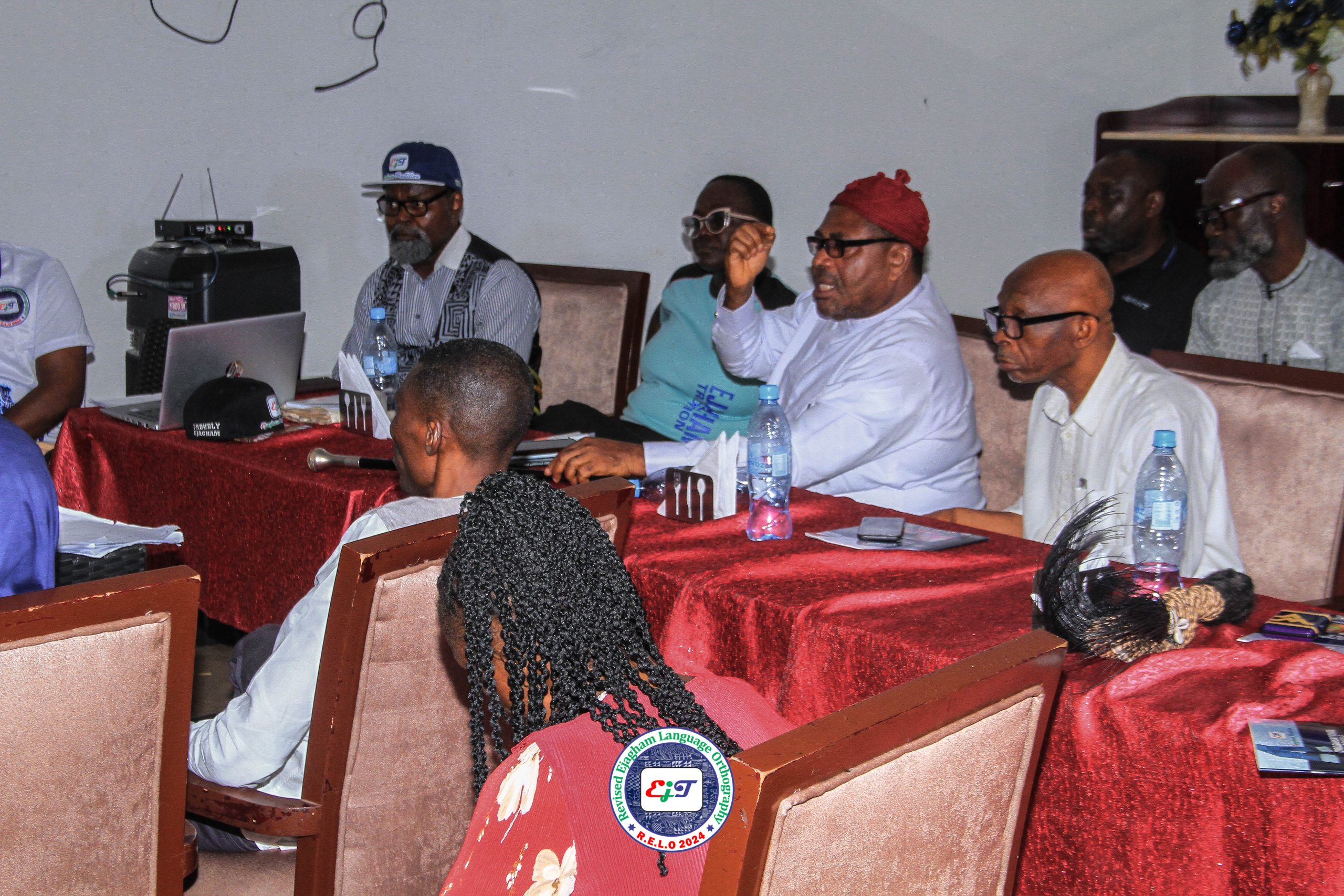
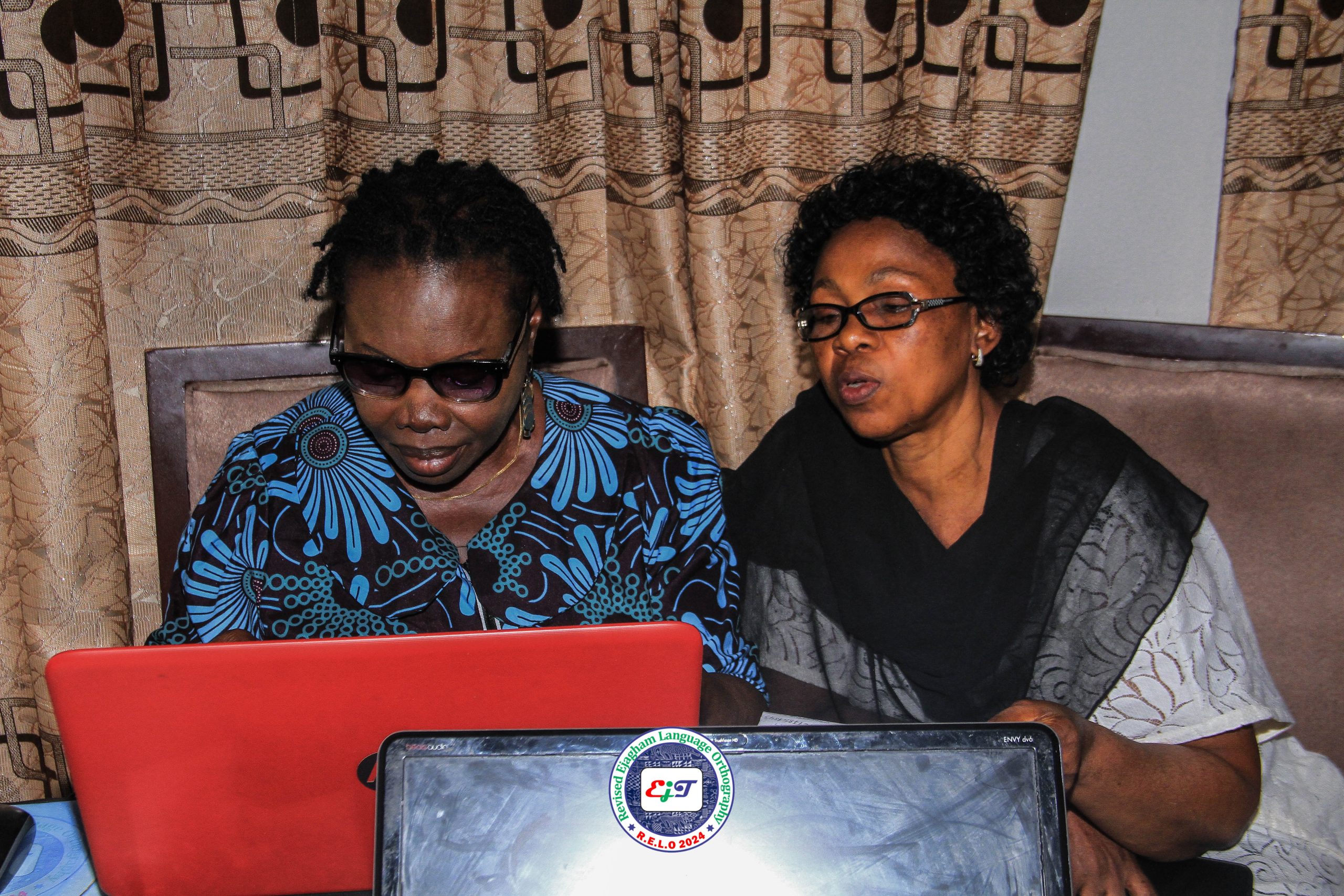
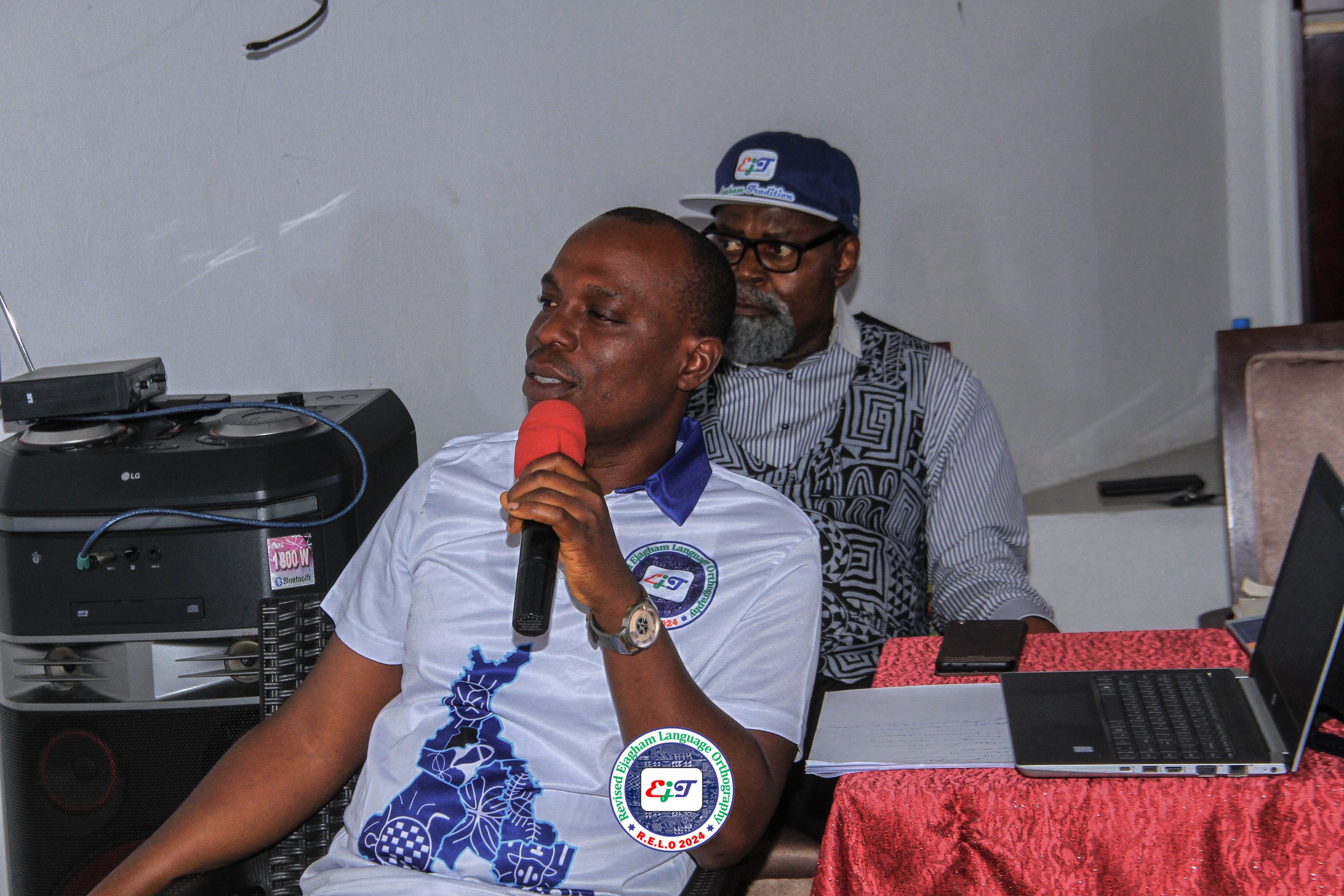
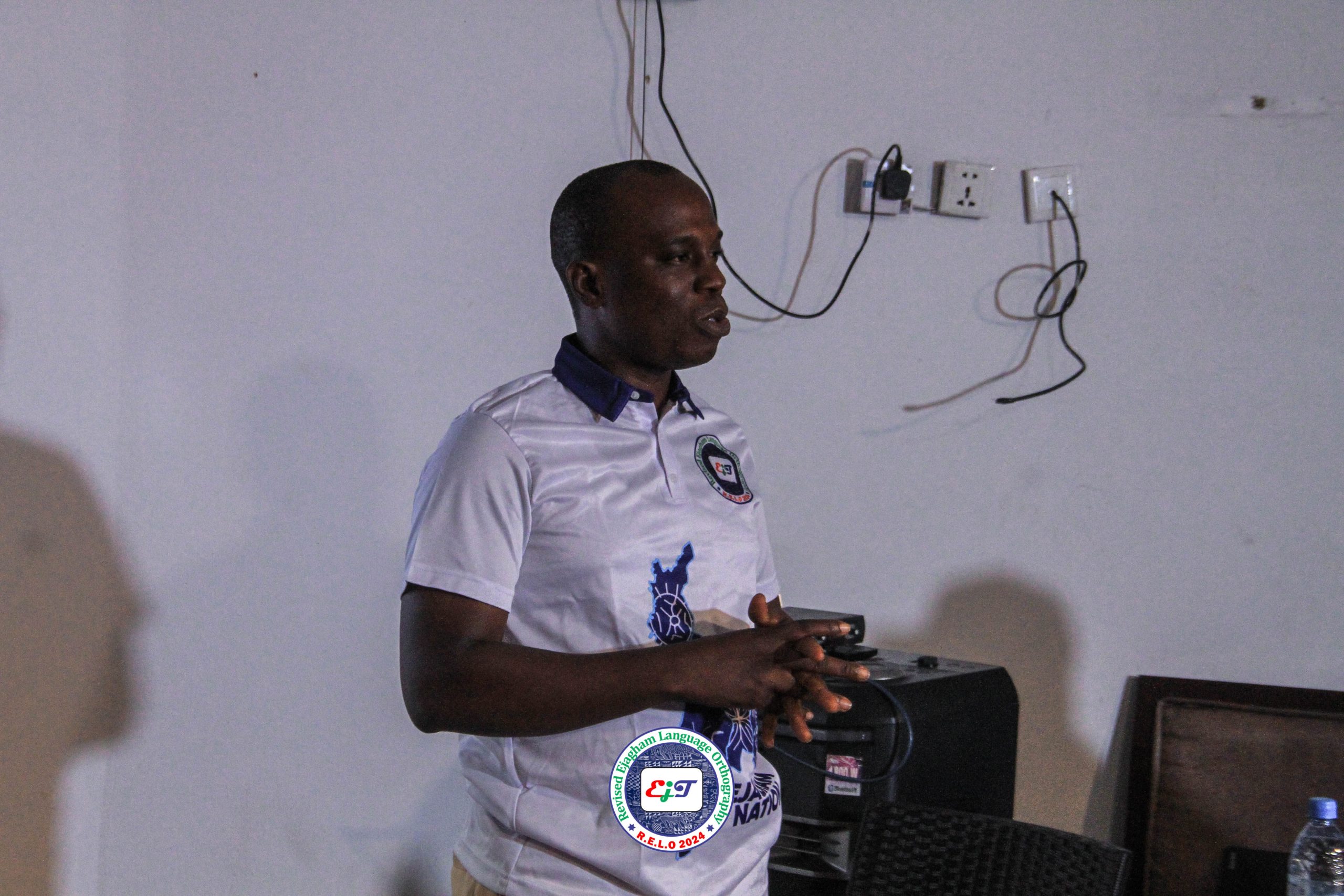
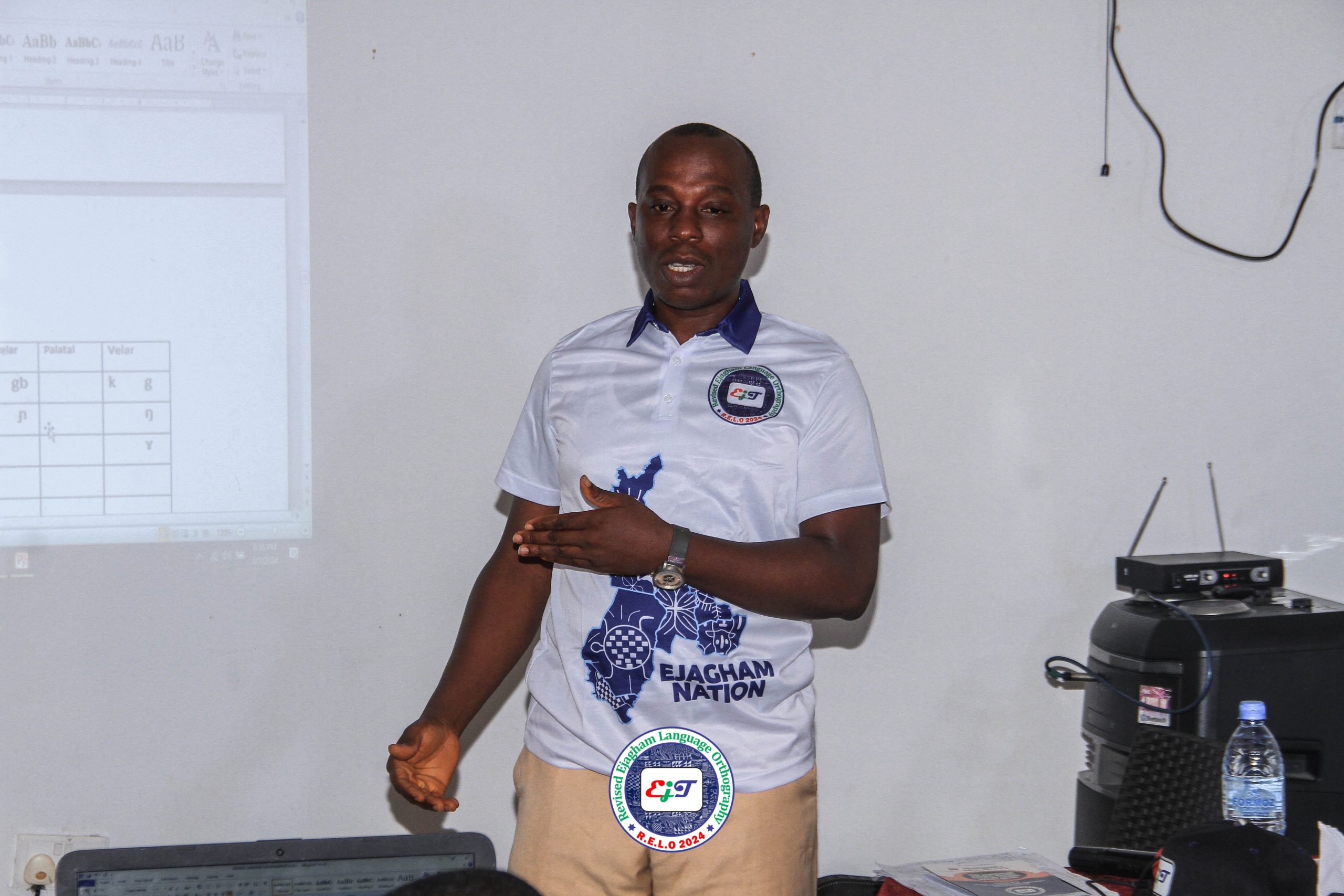
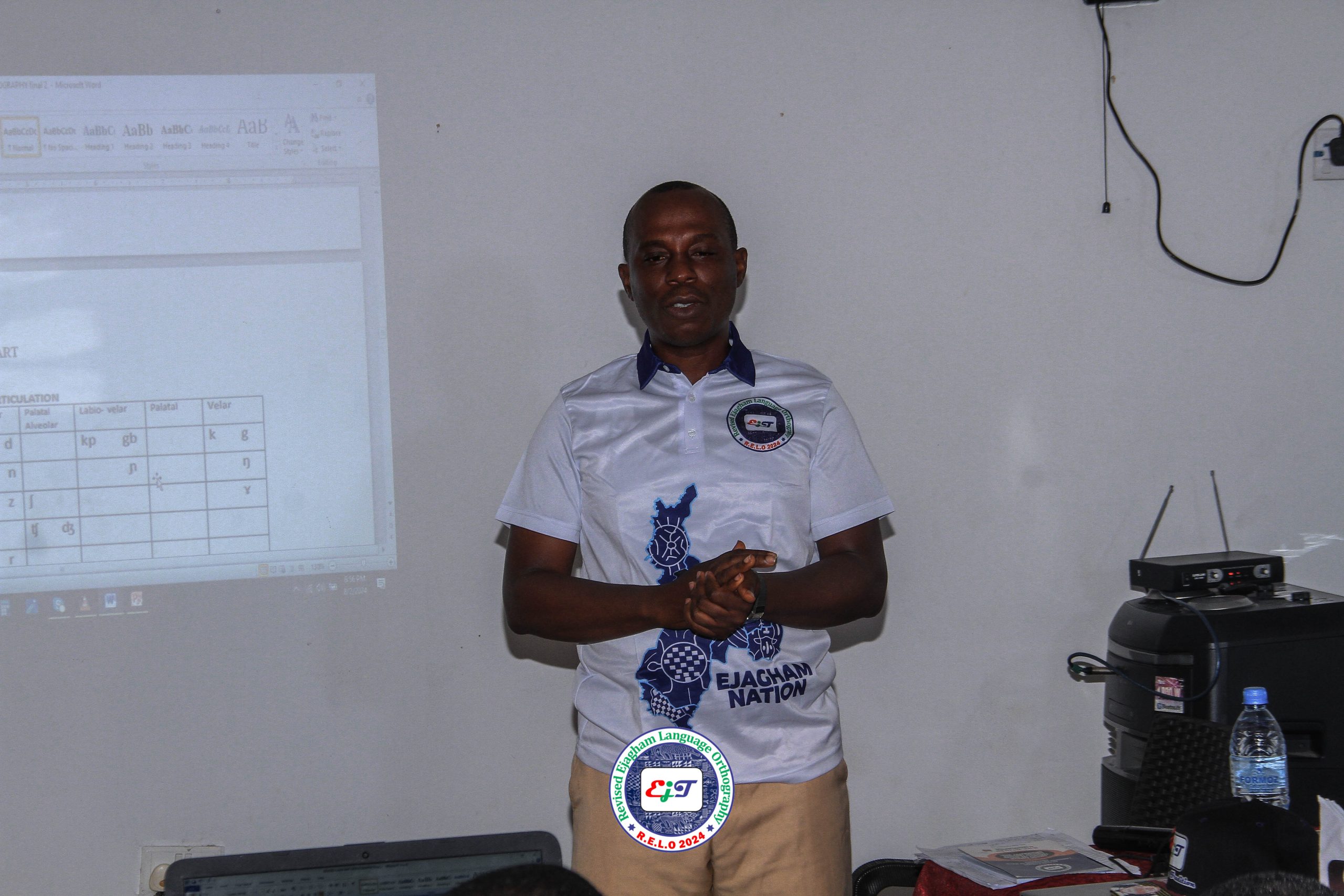
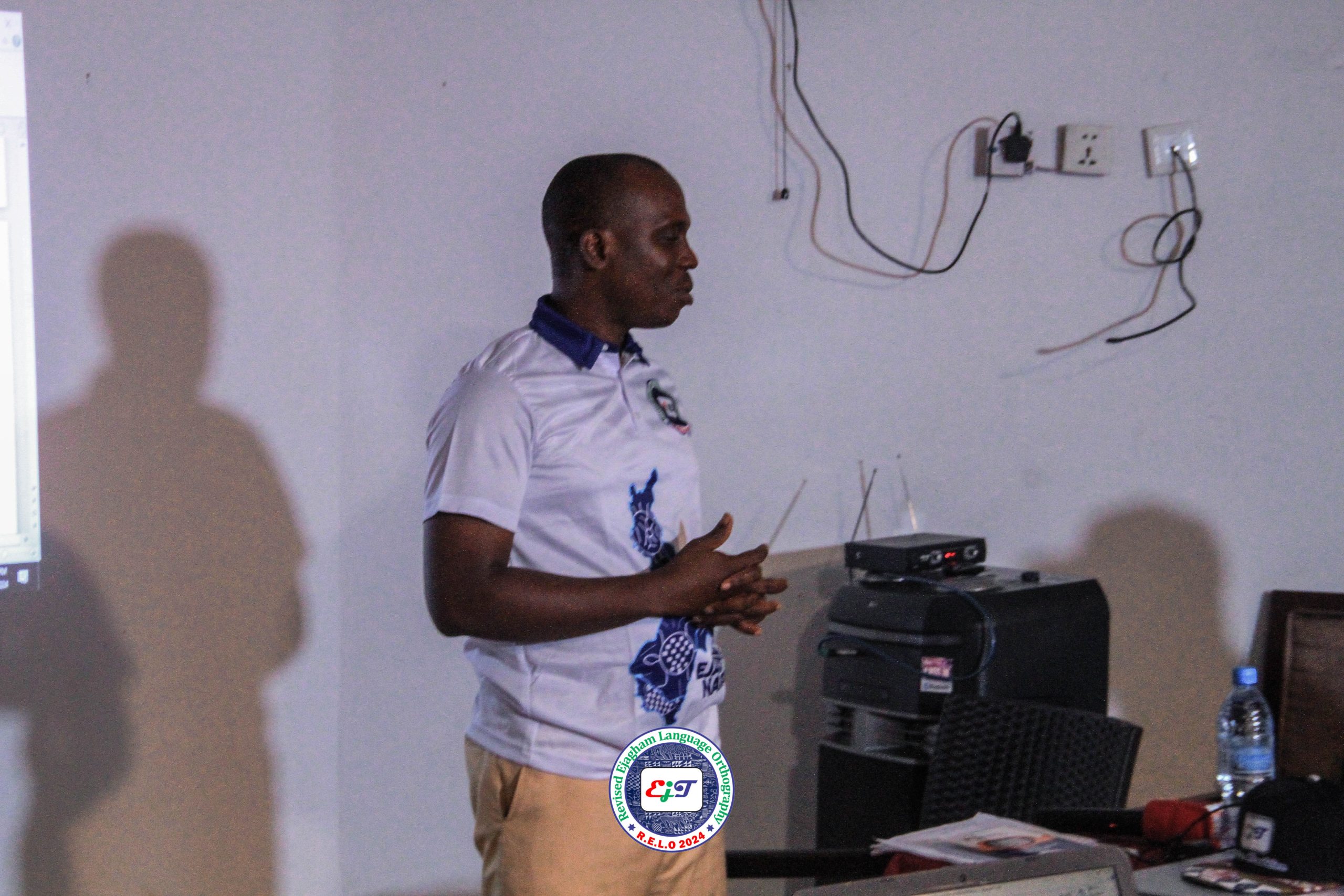
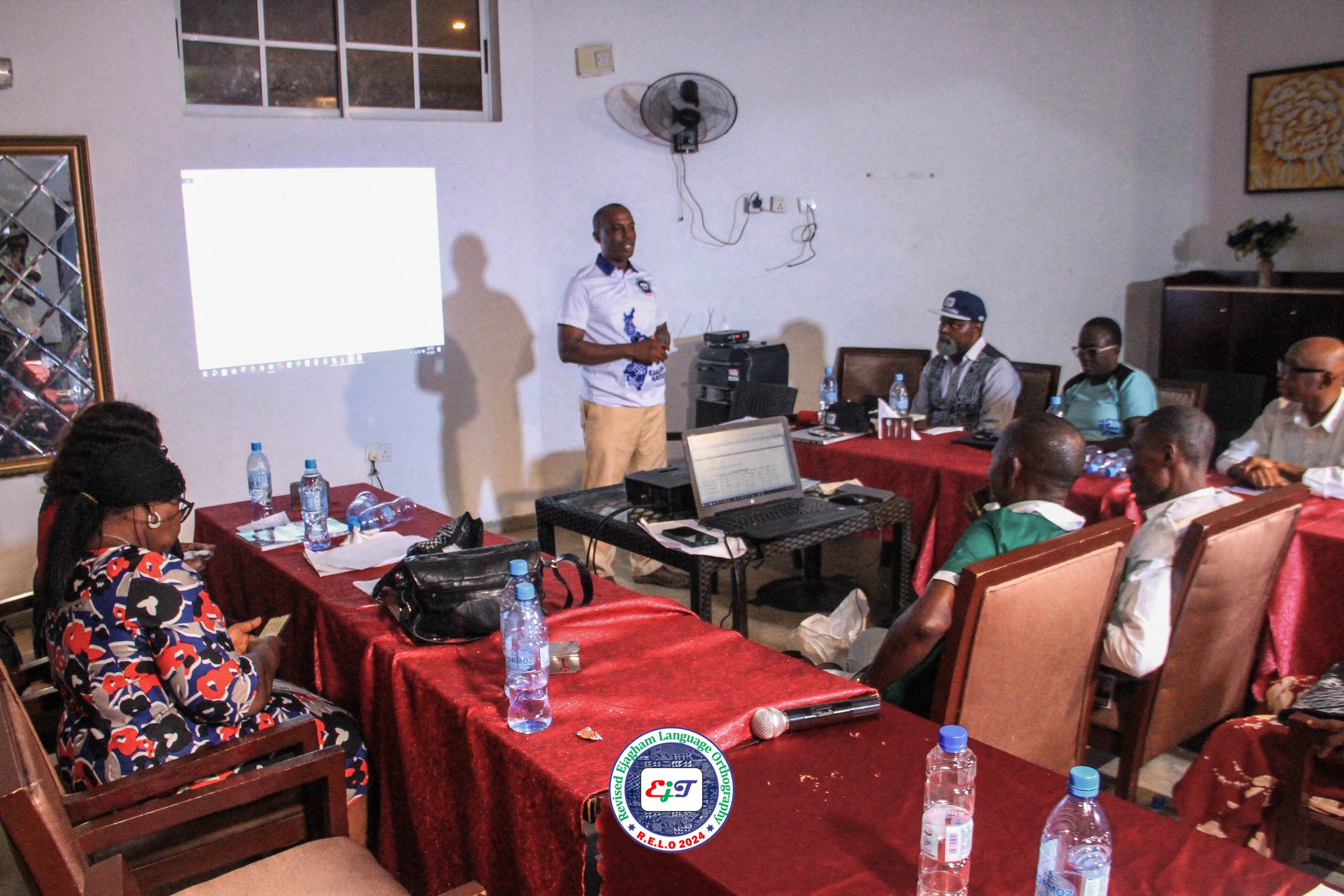
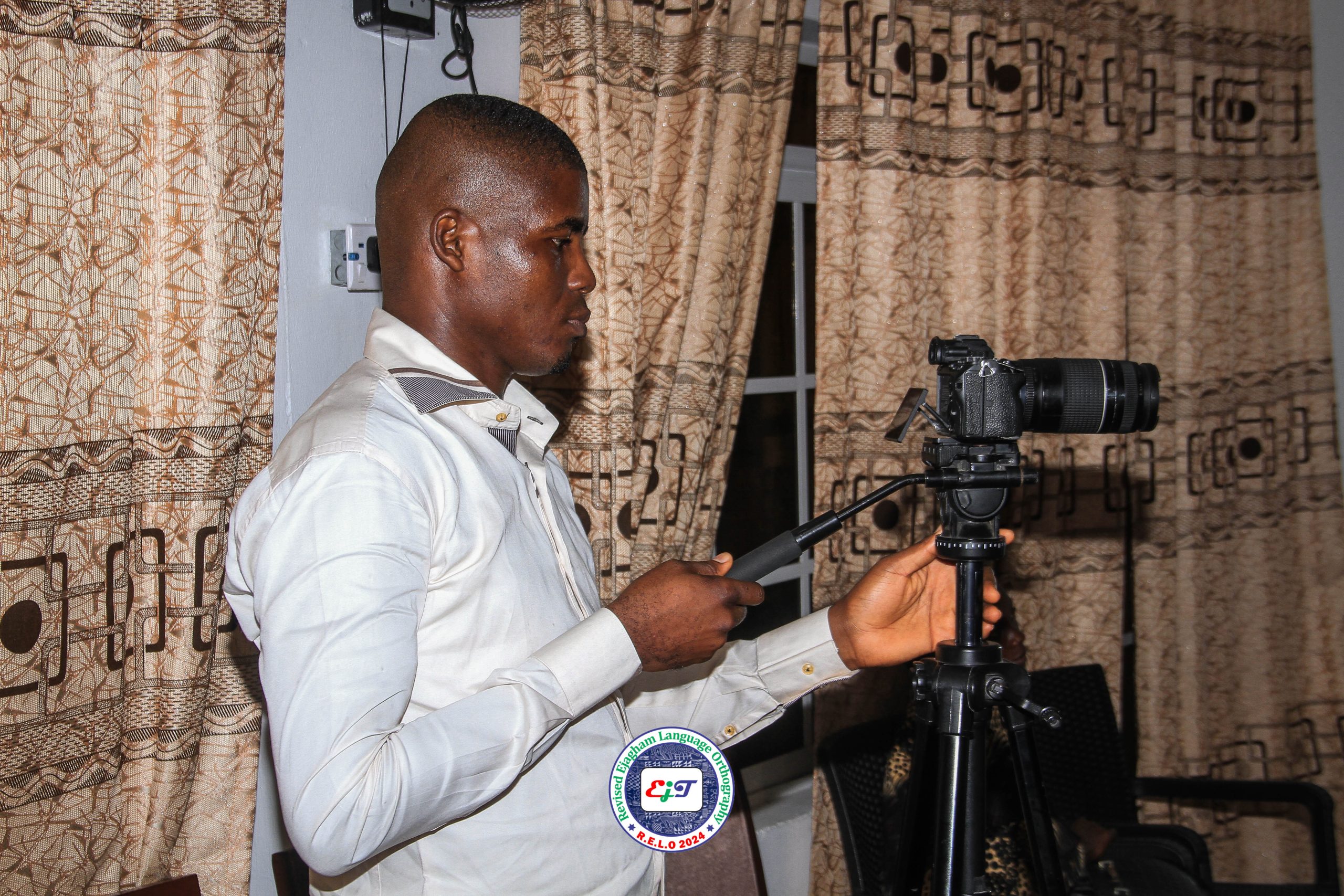
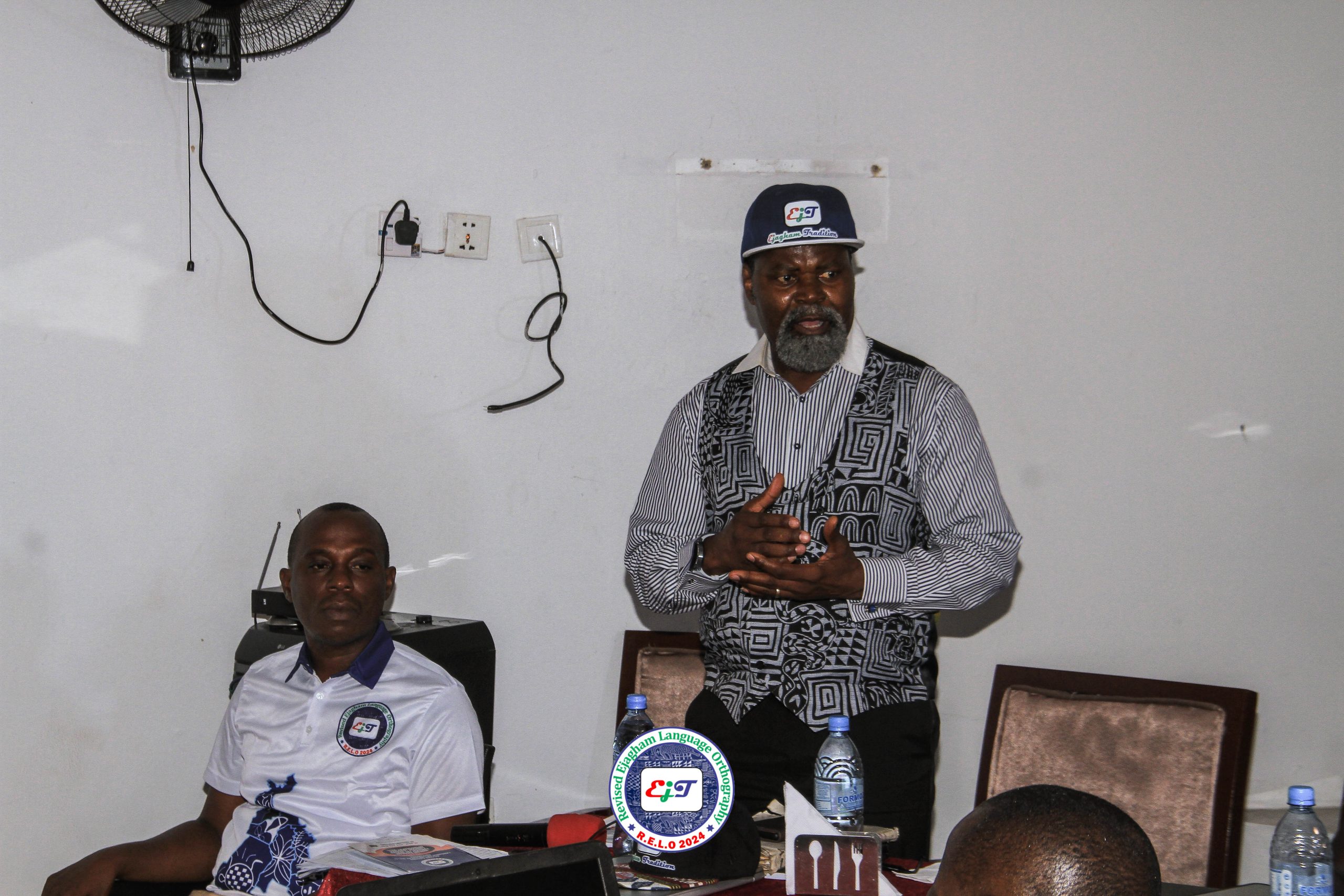
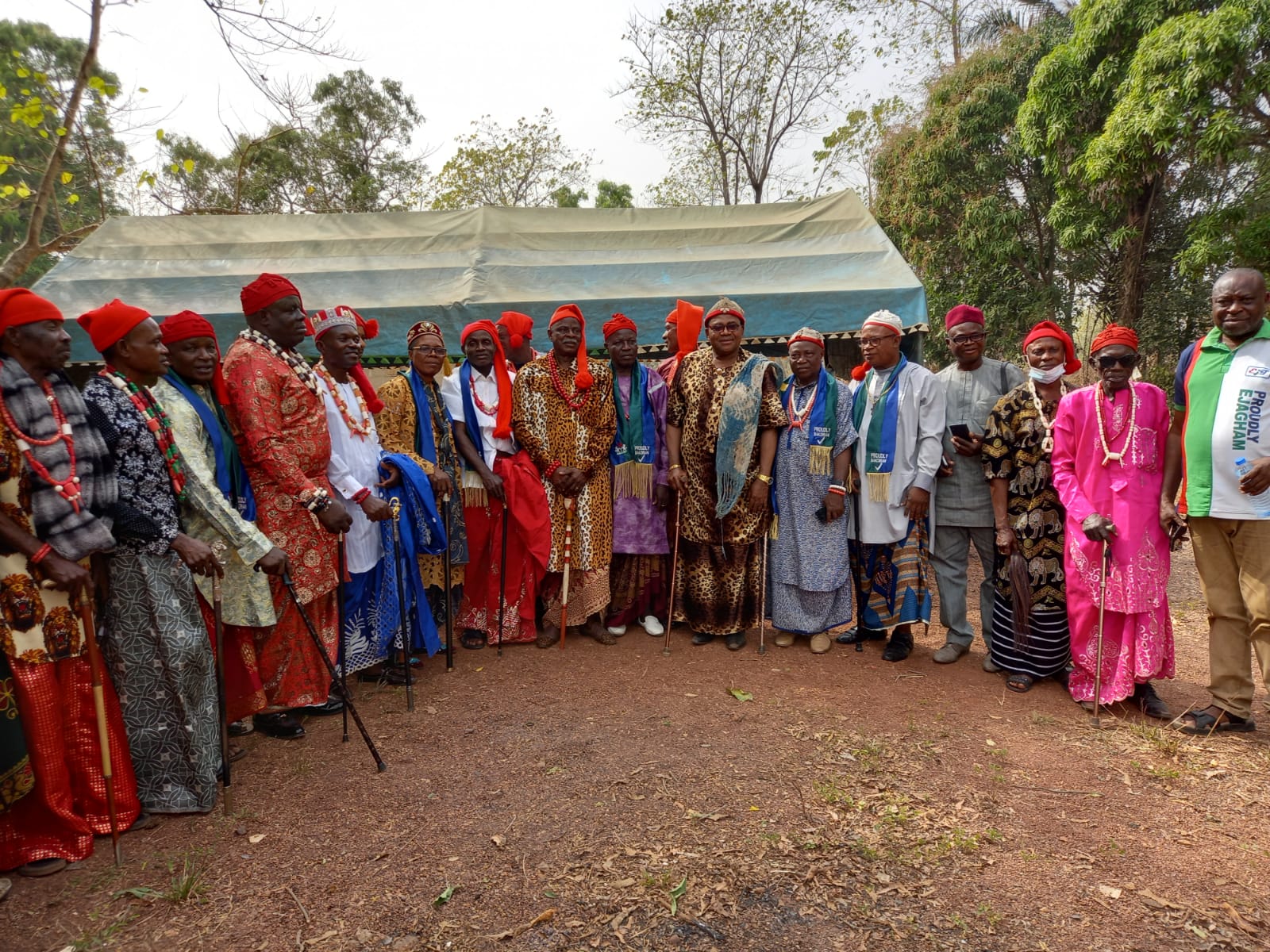
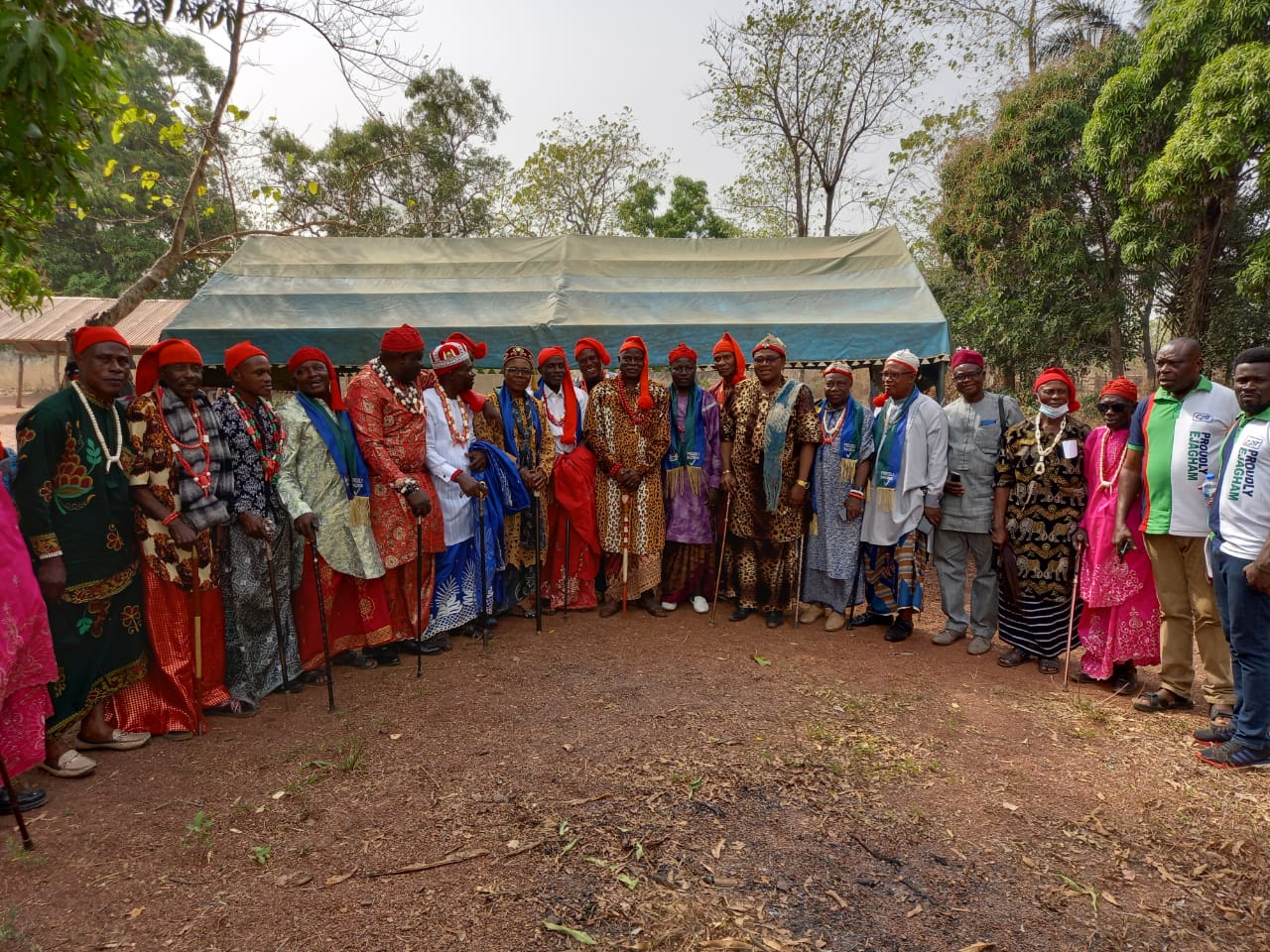
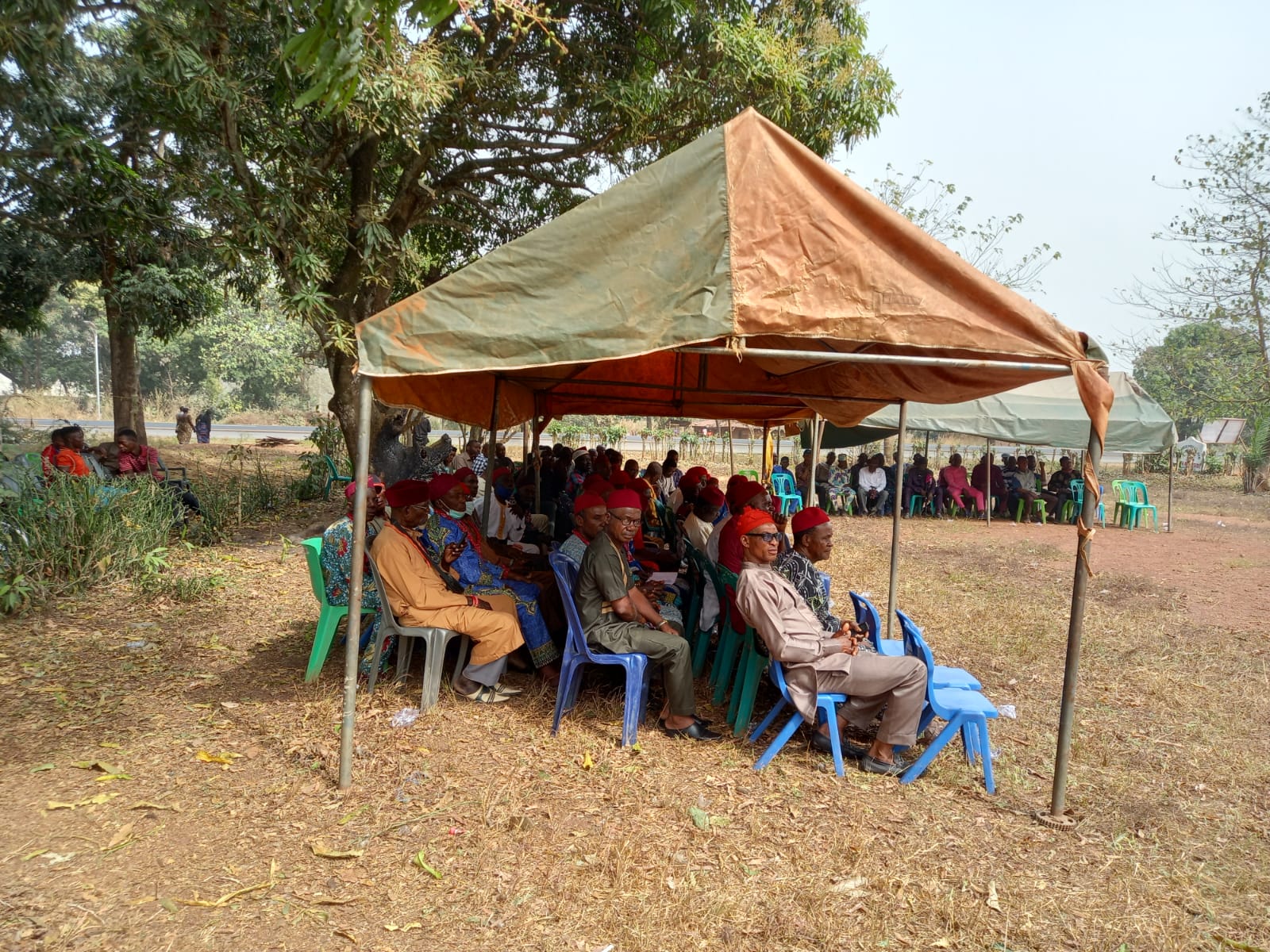
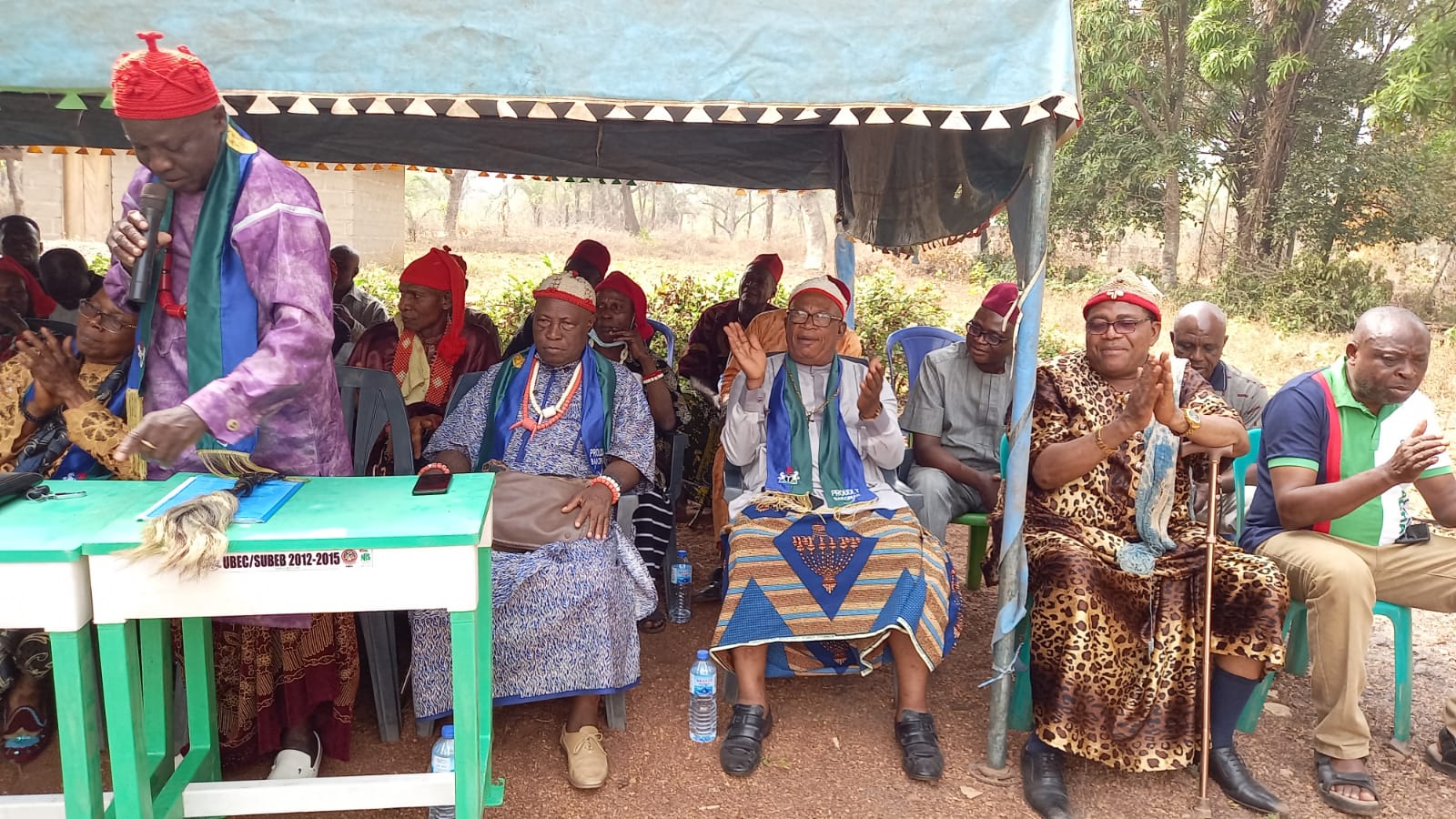
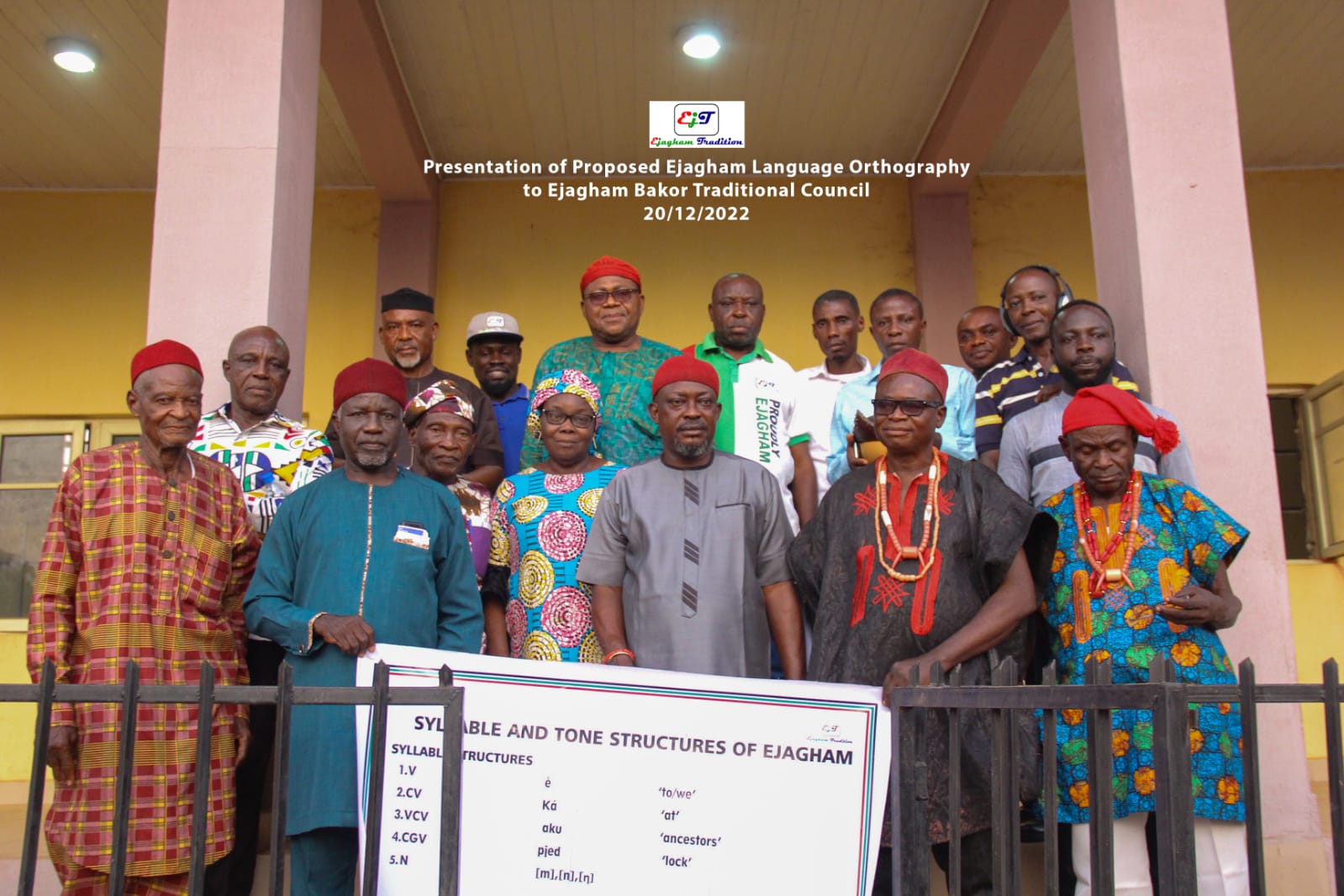
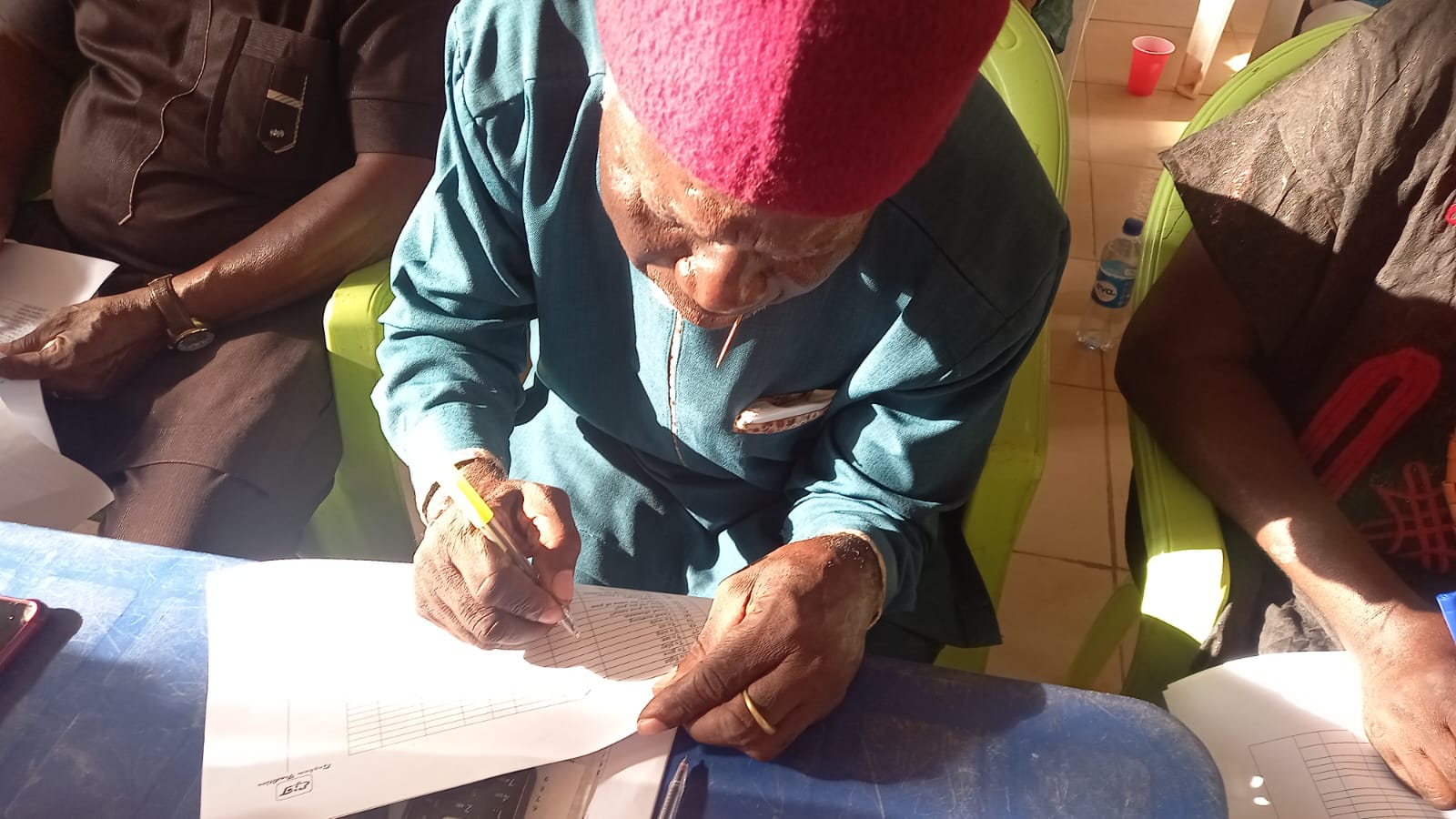
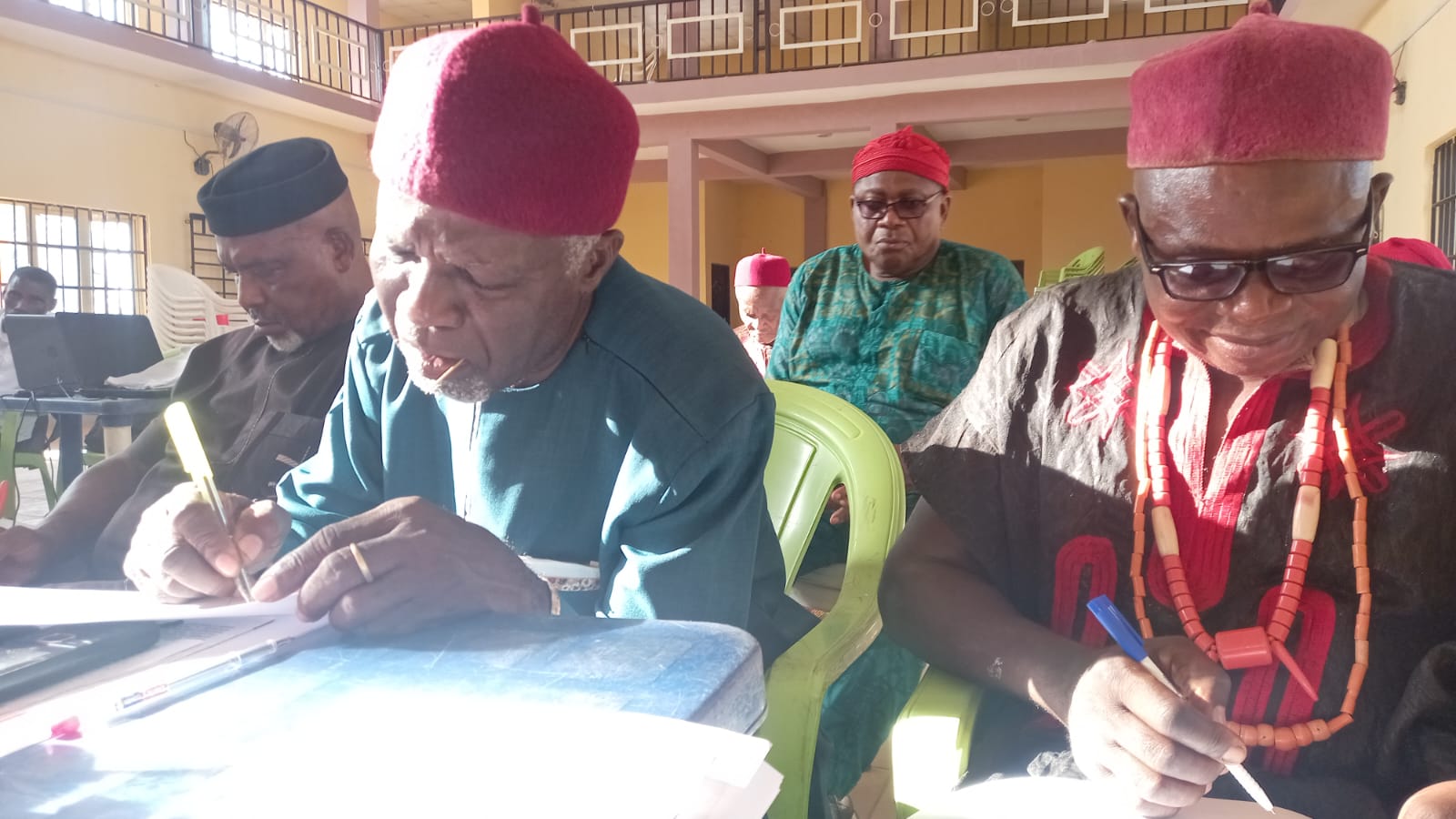
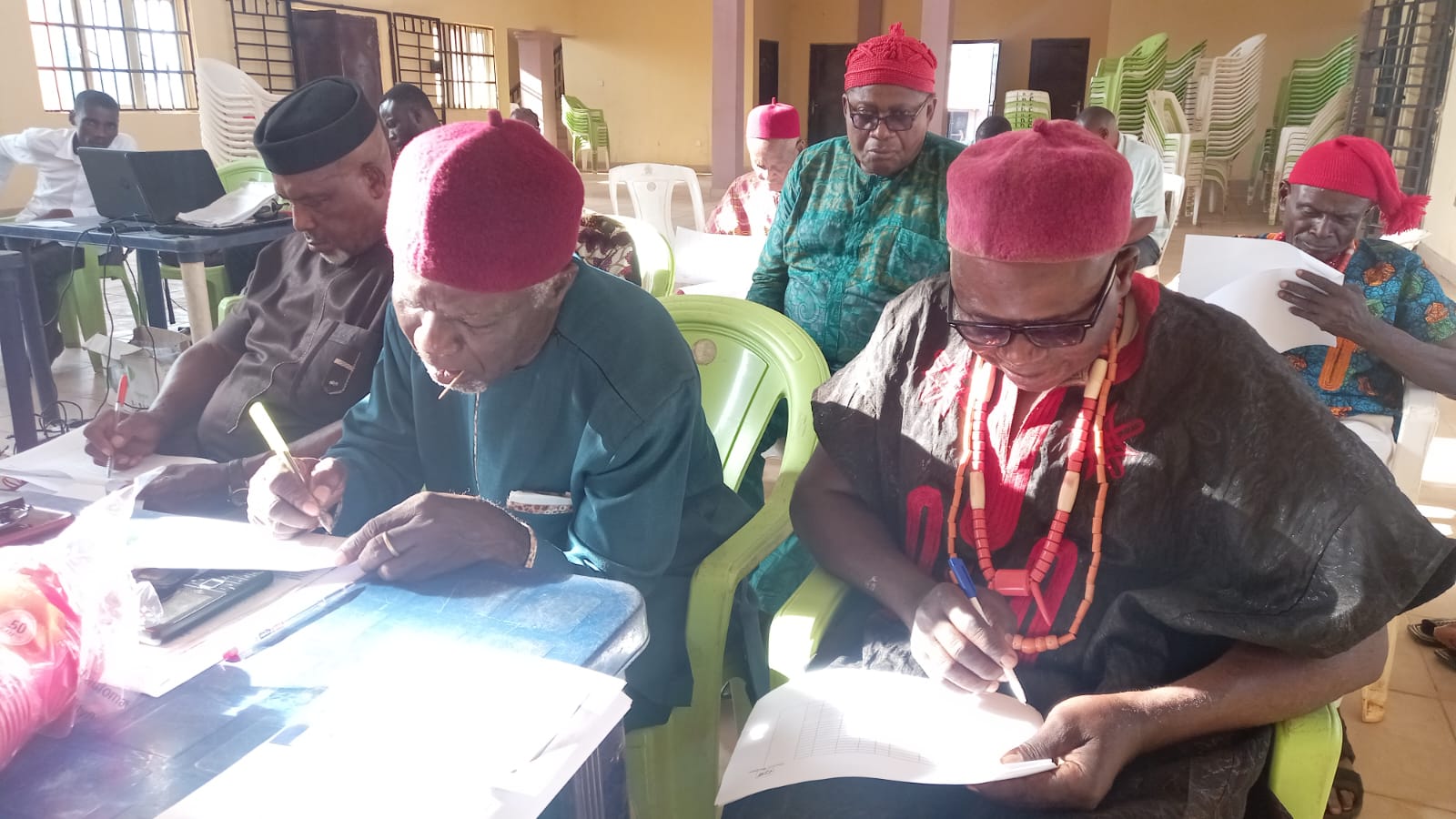
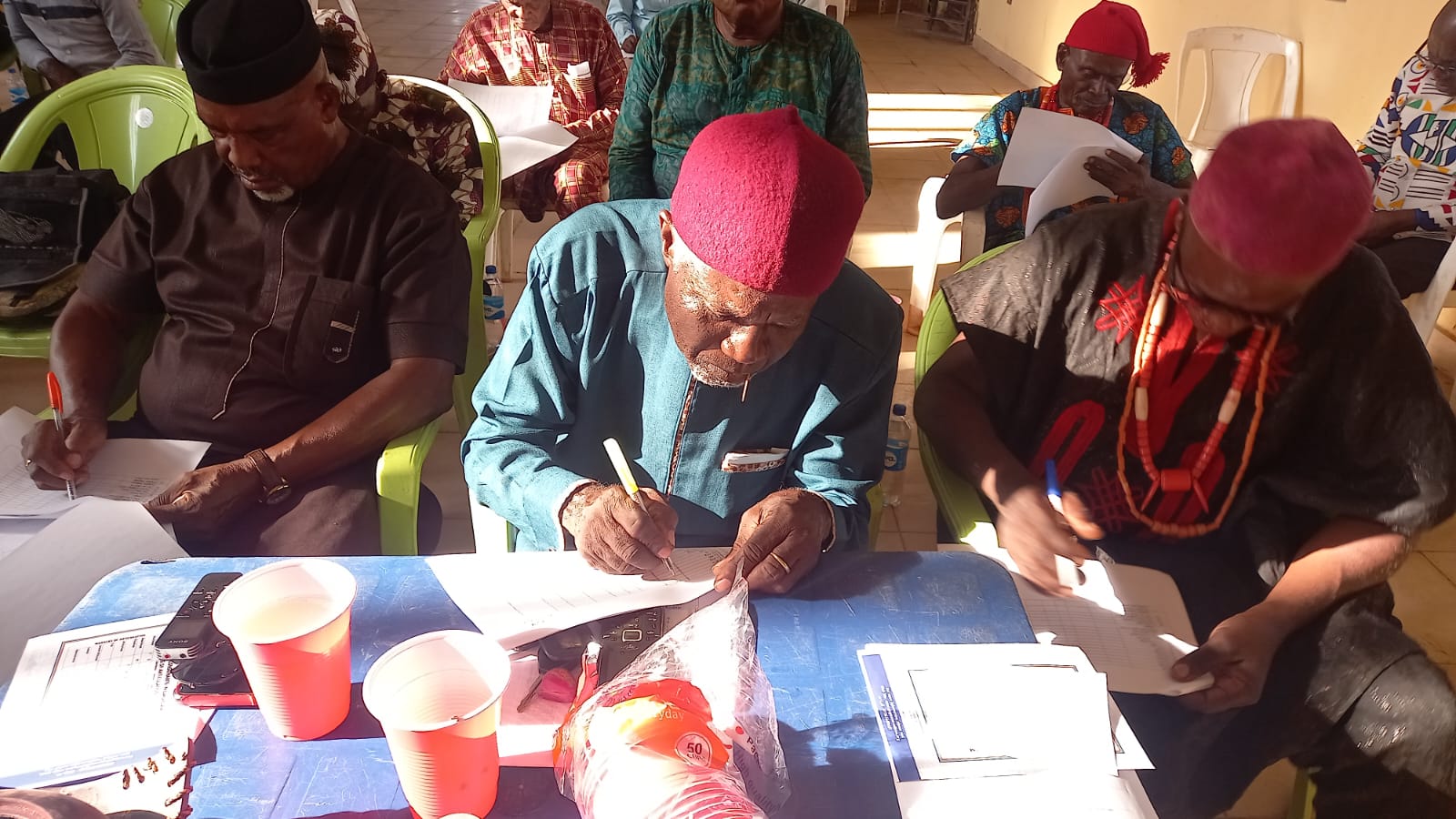
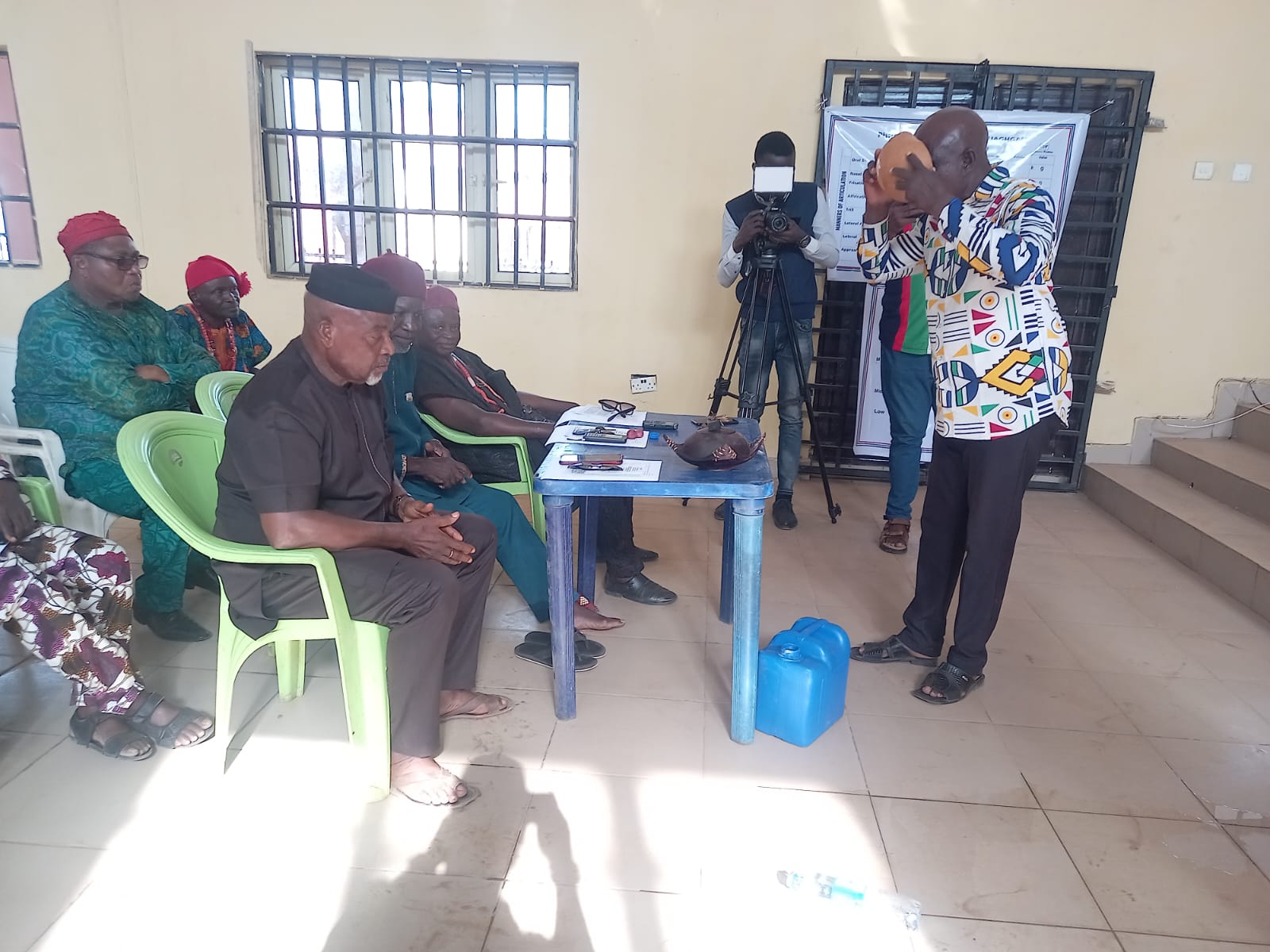
During the reporting period, the ELCD team convened to review the final draft of the Ejagham Language Curriculum in preparation for its presentation to the validation team. This marks a significant step toward formalising the curriculum and advancing the broader objectives of the ELCD project.
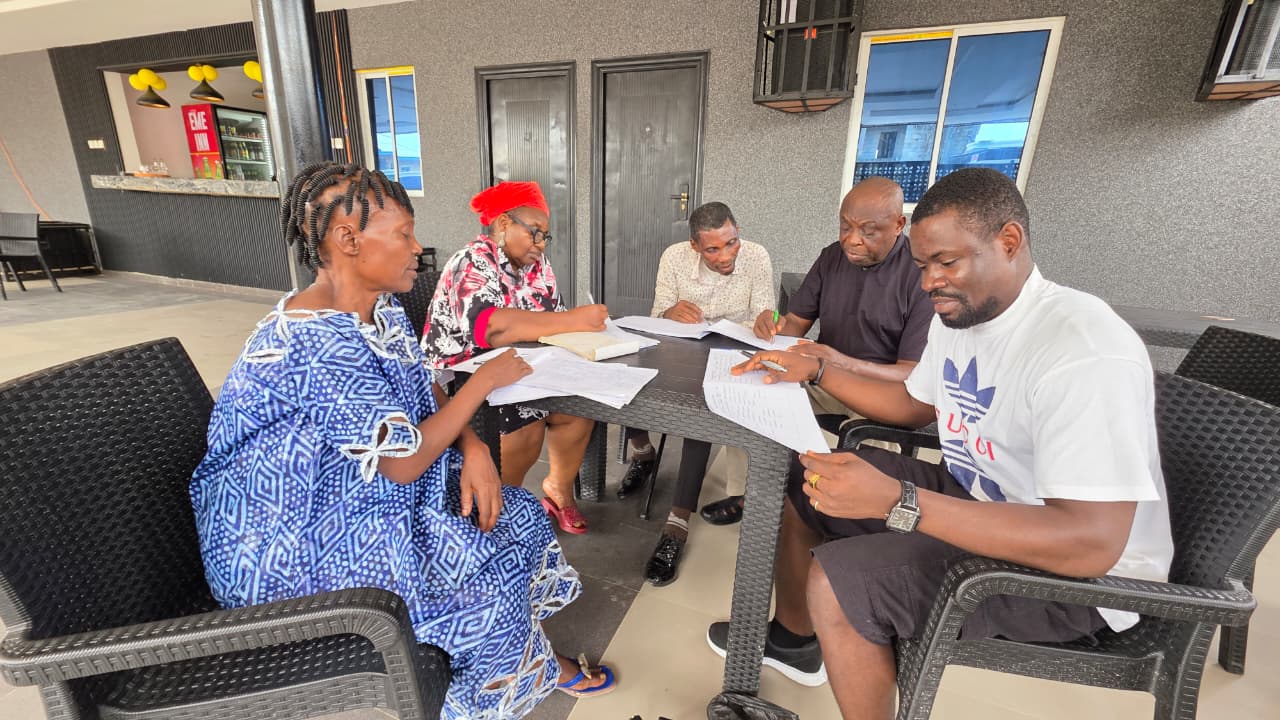
Major progress was recorded, particularly the completion of the draft curriculum for both primary and junior secondary levels. Only a final round of internal review remains before the materials proceed to validation, reflecting strong alignment with the project’s planned milestones.
The period, however, was not without challenges. Progress slowed due to the festive season, which affected team availability, and ongoing constraints in ELCD fundraising, which continue to limit operational flexibility. Despite these setbacks, the team, maintained momentum and ensured that core deliverables stayed on track.
Overall, the project remains firmly aligned with its goals. The successful completion of the draft curriculum represents a key milestone and positions the ELCD initiative for the next phase of validation, stakeholder engagement, and eventual deployment.
Financial Summary
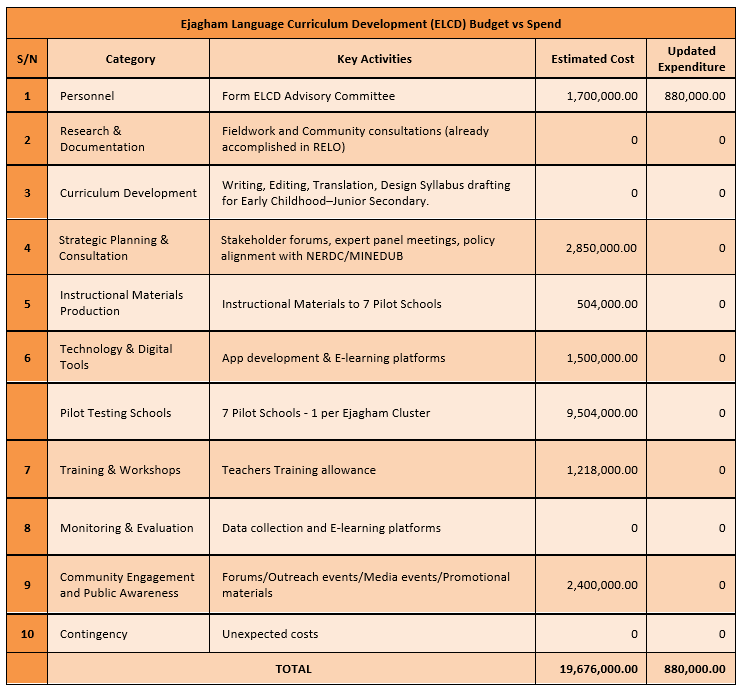
This financial report provides an overview of the project’s performance during the reporting period, including a summary of total funds received, total expenditures incurred, and a variance analysis comparing budgeted figures with actual results. The aim is to present a clear and transparent account of our financial position, highlight any deviations from planned allocations, and support informed decision‑making as we move forward.
Overview of Budget vs Spend
Overview of Fundraising
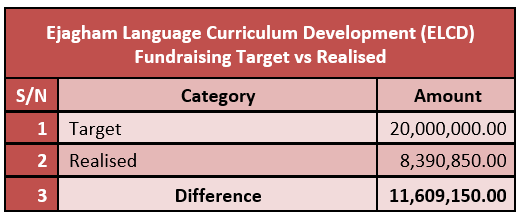
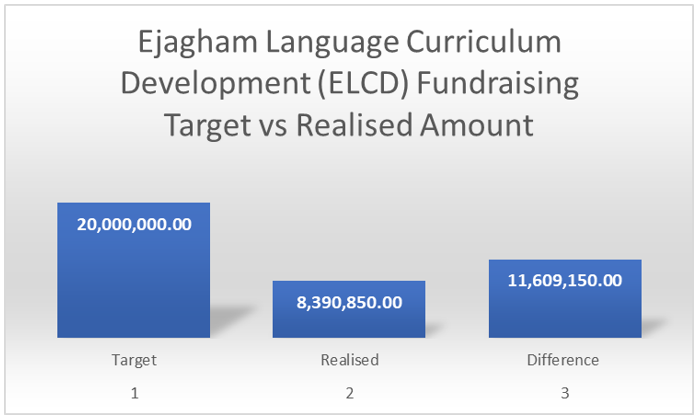
ELCD Fundraising
Our ELCD fundraising efforts remain ongoing, and the figures shared above highlight both our progress and the significant distance still ahead of us. We are yet to come close to our target, and more concerning is the recent stagnation in contributions.
Over the past month, there has been considerable emotional and rhetorical reaction, particularly following the allegation that the Efik language would be introduced as compulsory instruction in all schools in Cross River State, Nigeria. Despite the intensity of these responses, the level of financial support required to ensure such an idea is never pursued has not reflected the same urgency.
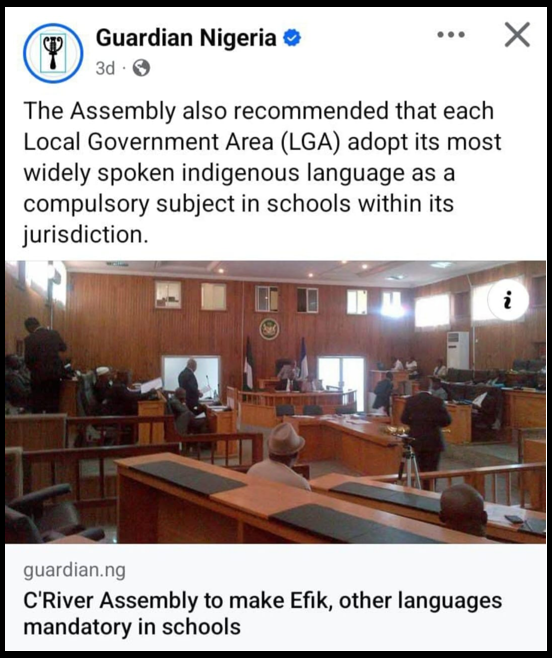
It is important to emphasize that the ELCD project remains the only ongoing, structured, and coordinated initiative supported collectively by all Ejagham clusters.
To everyone who has already donated, your commitment is deeply appreciated. Your contributions demonstrate genuine dedication to safeguarding our cultural and linguistic heritage, and they serve as an encouragement to the wider community.
This is a defining moment for the Ejagham people. The passion, the outrage, and the strong defense of our identity have been loud and clear. Yet, rhetoric alone cannot protect what we value. If we truly believe in preserving our heritage, then we must match our words with action. This is an opportunity for us to rise above talk and show, through tangible support, that our culture matters.
Every donation, large or small, moves us closer to securing our future. If we collectively find the will, we can not only meet but surpass our target with ease.
Your support is essential. Let us demonstrate, through action, the value we place on our identity.
Kindly donate to:
Account name: Ejagham Tradition Centre
Account no.: 203 588 3685
Bank name: First Bank Nigeria.
Next Steps and Upcoming Milestones
In the next reporting period, the project will focus on executing the curriculum validation process, which serves as the formal pathway toward presentation to the relevant education approval authorities. This phase is critical for securing official endorsement and preparing the curriculum for implementation across Ejagham‑speaking communities.

The primary expected output is a fully approved curriculum by the end of the upcoming reporting cycle. Achieving this milestone will mark the transition from development to deployment and will enable subsequent activities such as educator training, pilot testing, and wider dissemination.
To ensure a smooth and credible validation process, the project will require support from partners and funders, particularly in facilitating the appointment of cluster delegates who will participate in the review and endorsement sessions. Their involvement will strengthen legitimacy, broaden stakeholder ownership, and accelerate the approval timeline.
Jigi jigi nne ajiga ejeh
Ekup na nkad